Back exercises
26 movements that train the back directly, each with setup cues, the mistakes to avoid and a substitution for every equipment type.
What the back muscles do
The back is several muscles doing different jobs: the lats pull the arm down and back and give the torso its width, the traps and rhomboids pull the shoulder blades together, and the spinal erectors run up either side of the spine holding you upright under load.
Back exercises in the library
Every one links to a full form guide — setup, execution, common mistakes and what to do instead if the machine is busy.
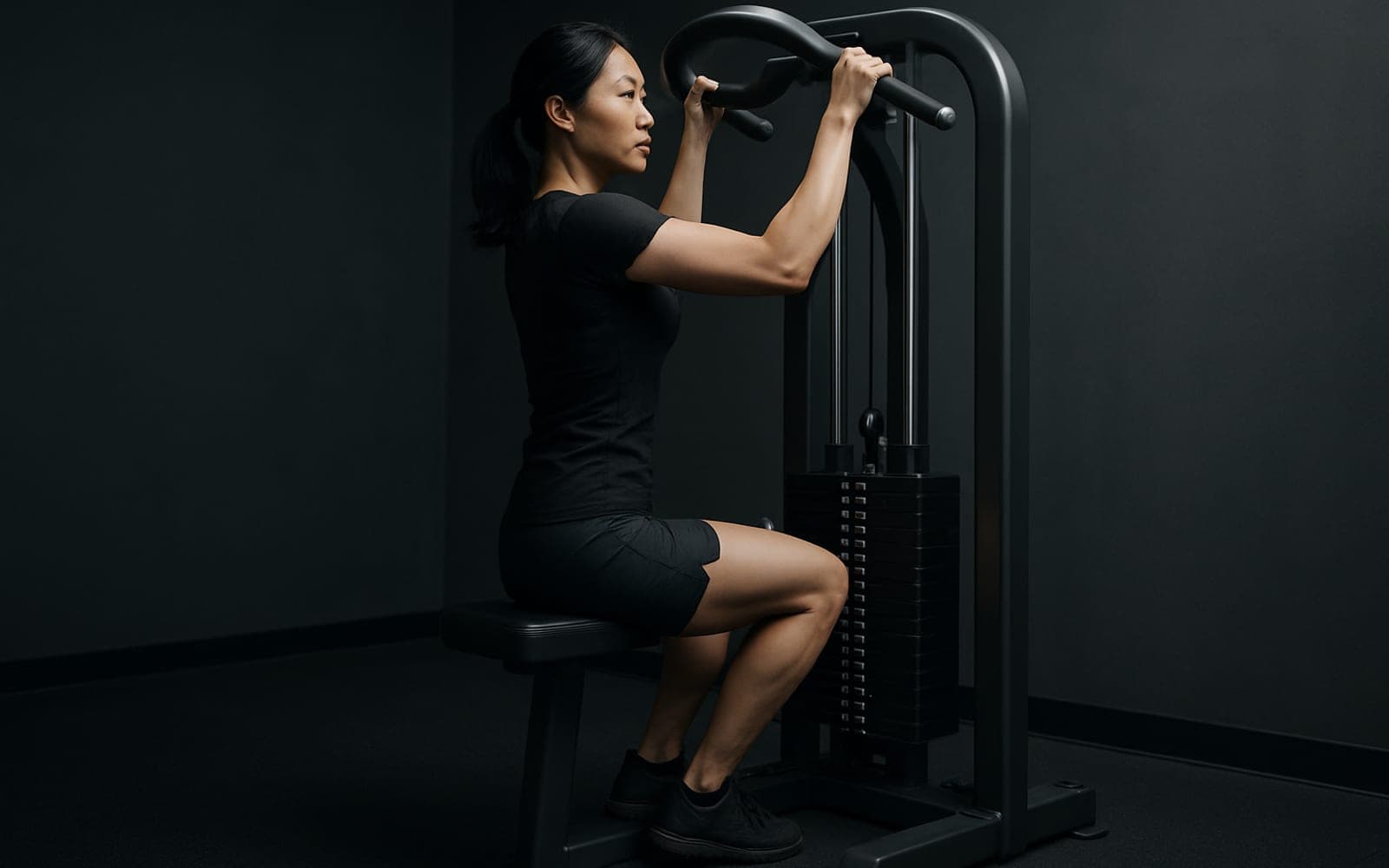
Assisted Pull-Up
Lats
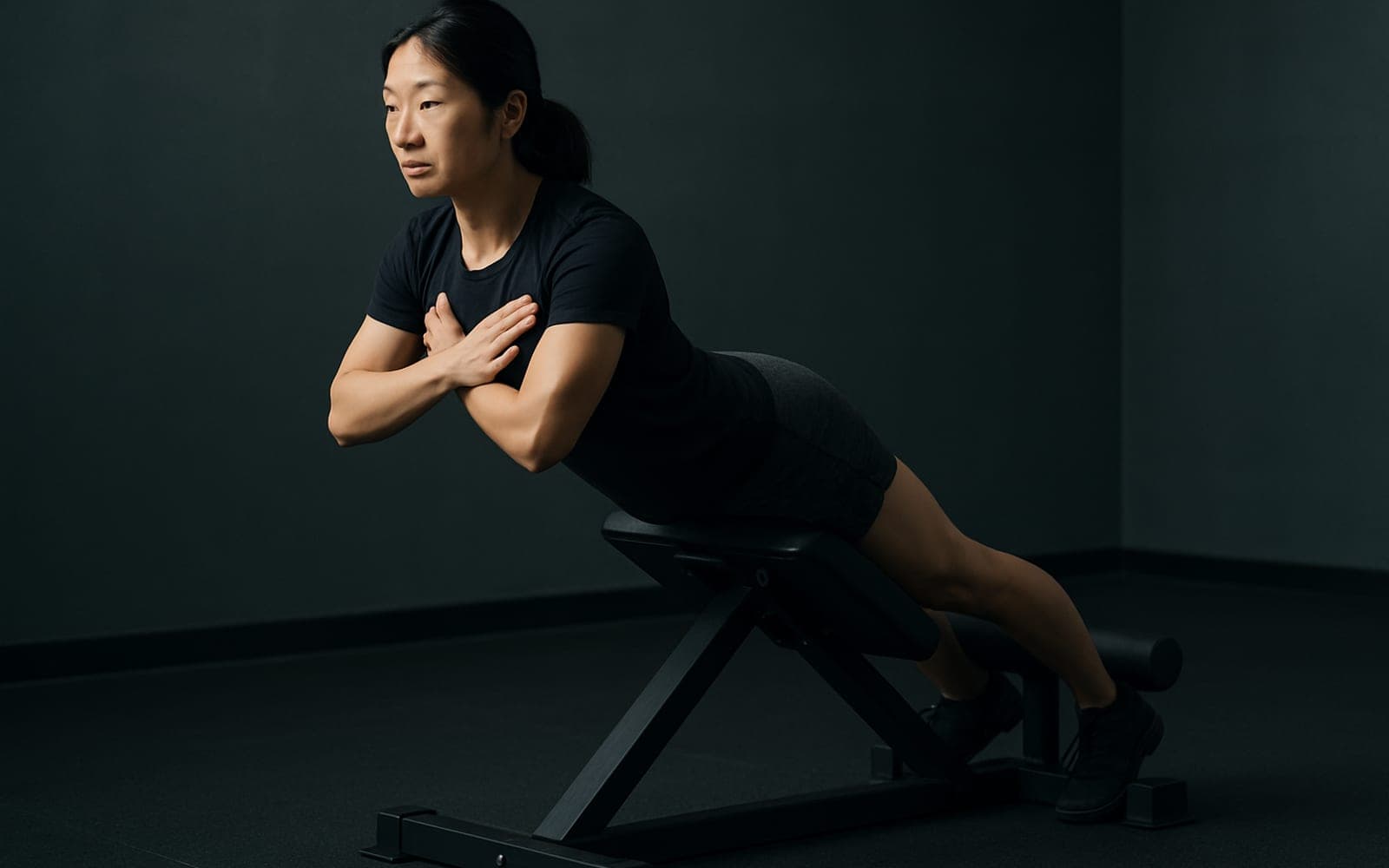
Back Extension
Spinal erectors, Glutes
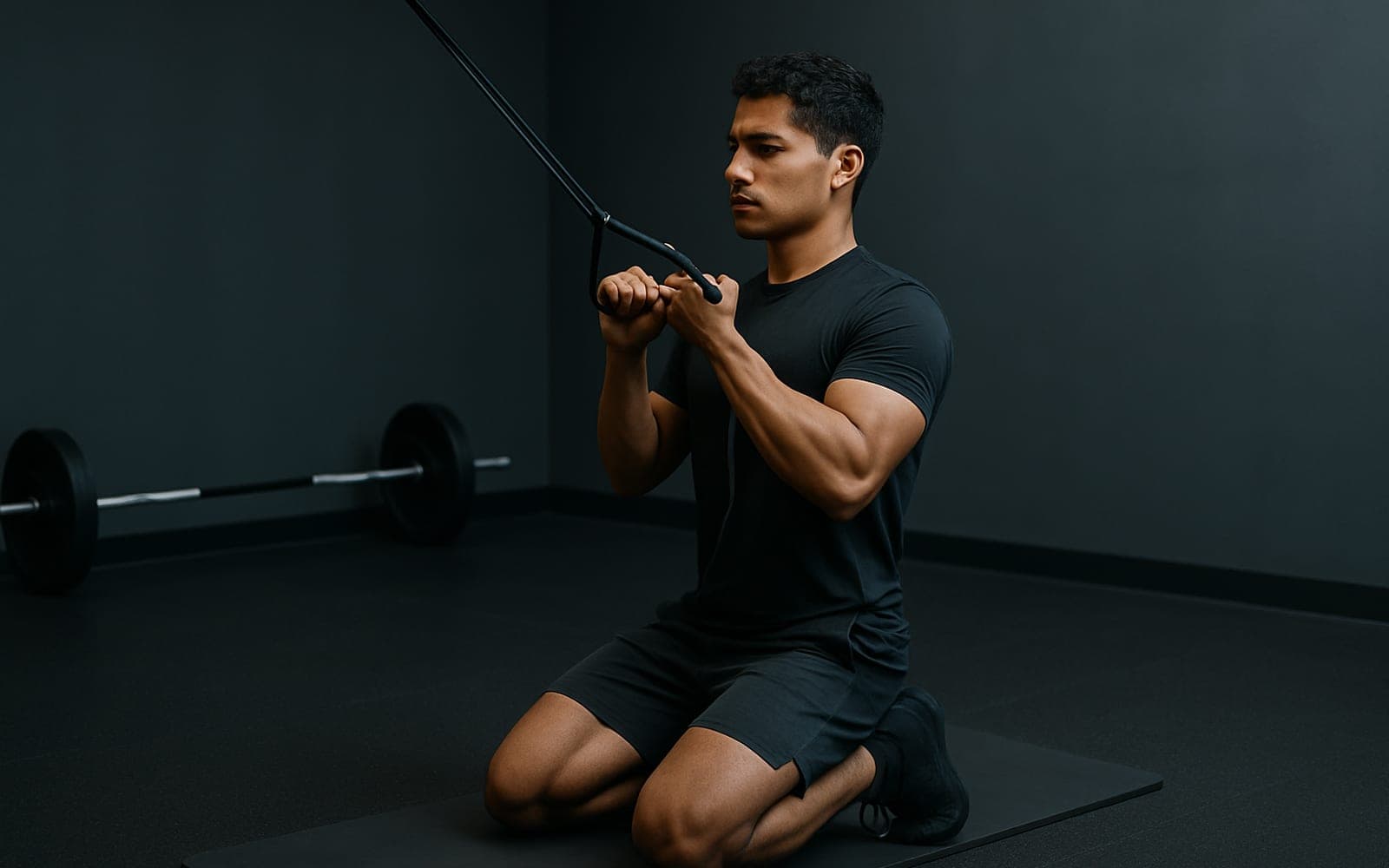
Band Pulldown
Lats
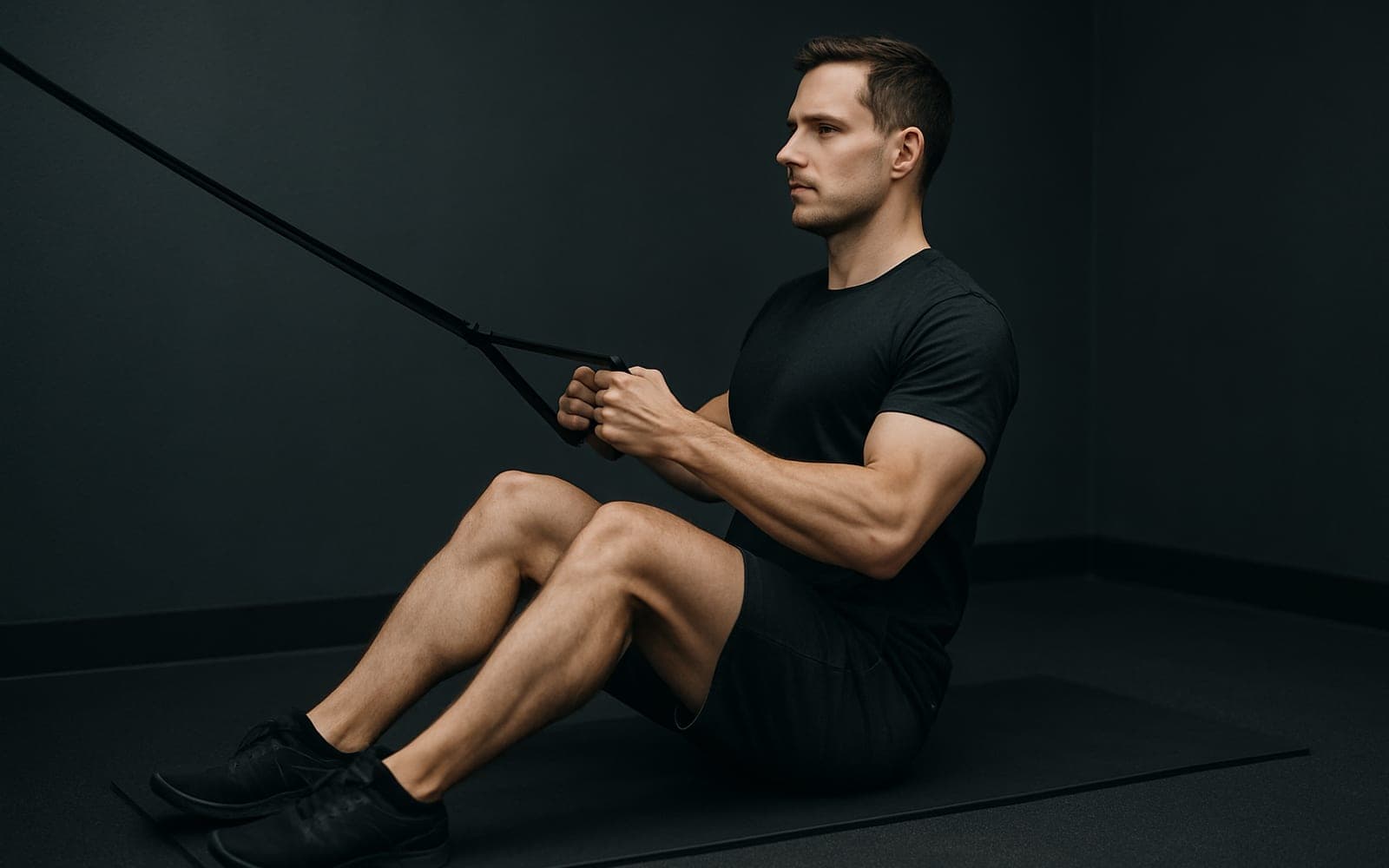
Band Row
Mid-back

Barbell Row
Mid-back, Lats

Barbell Shrug
Upper back

Cat-Cow
Spinal erectors

Chest-Supported Row
Upper back

Chin-Up
Lats, Biceps

Dumbbell Pullover
Lats

Face Pull
Rear delts, Upper back
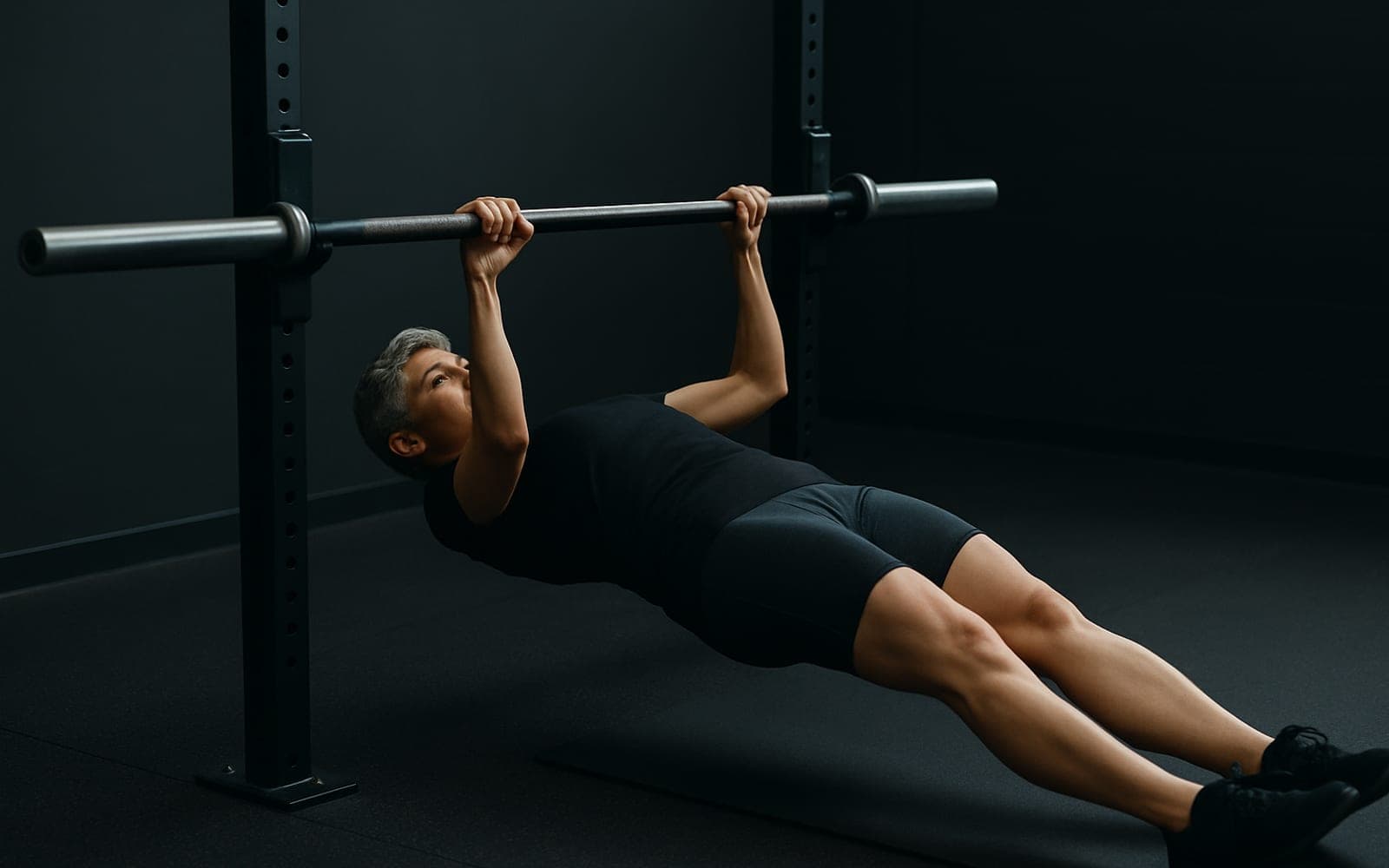
Inverted Row
Mid-back
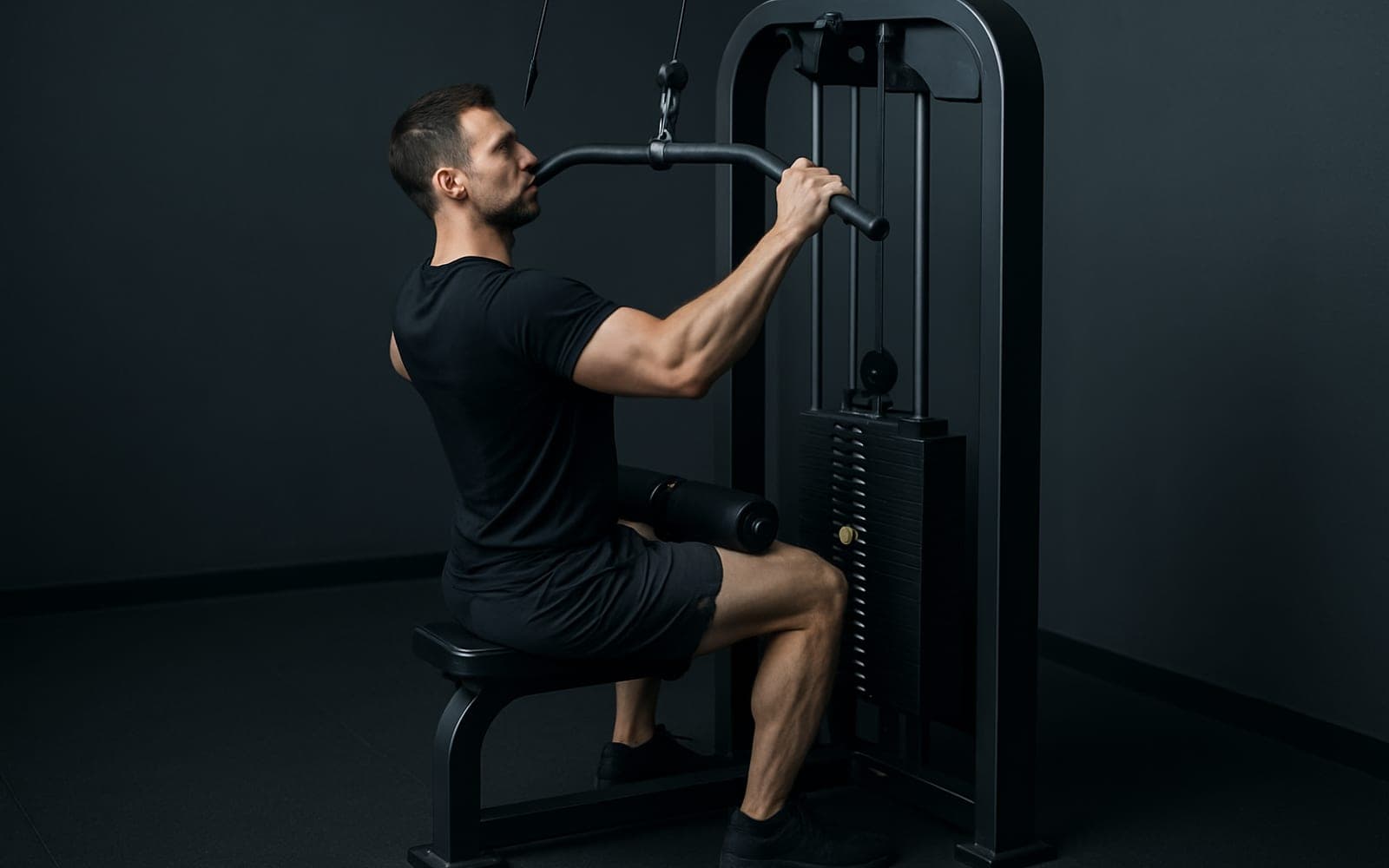
Lat Pulldown
Lats

Machine Row
Mid-back, Lats

One-Arm Dumbbell Row
Lats, Mid-back

Pendlay Row
Upper back

Plate-Loaded Row
Mid-back, Lats

Pull-Up
Lats

Rack Pull
Back

Rowing Machine
Heart, Back, Legs

Seal Row
Upper back
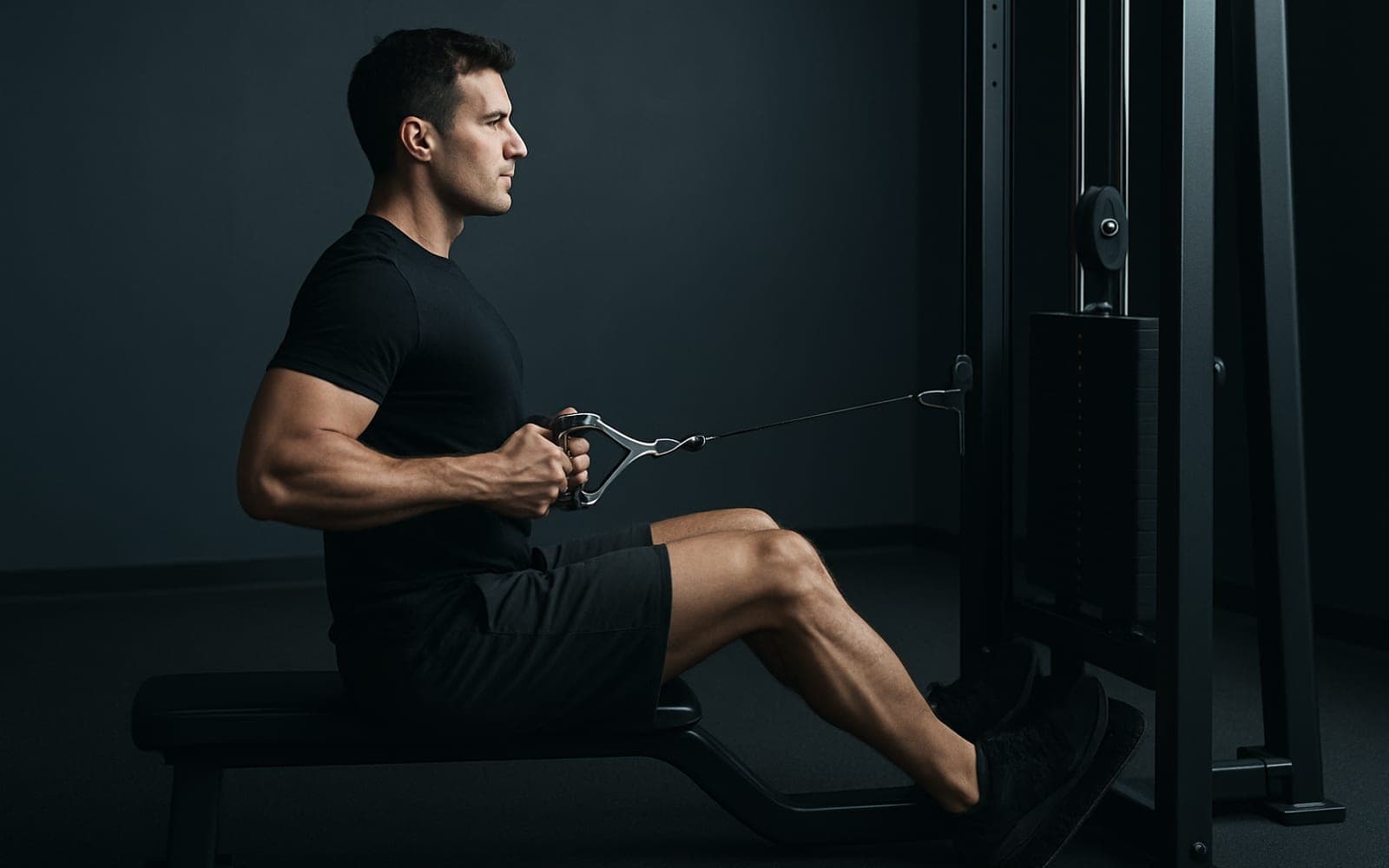
Seated Cable Row
Mid-back, Lats
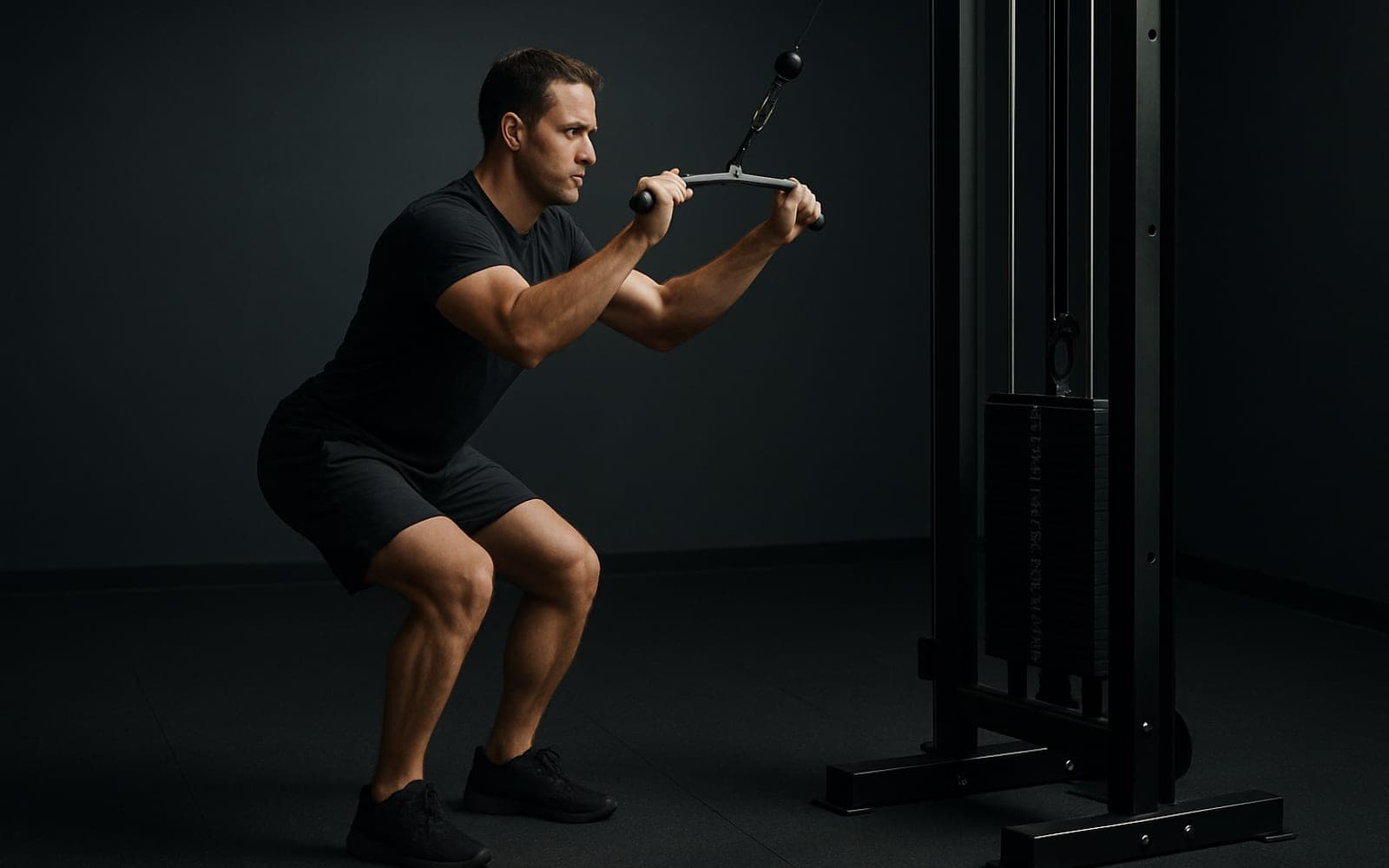
Straight-Arm Pulldown
Lats
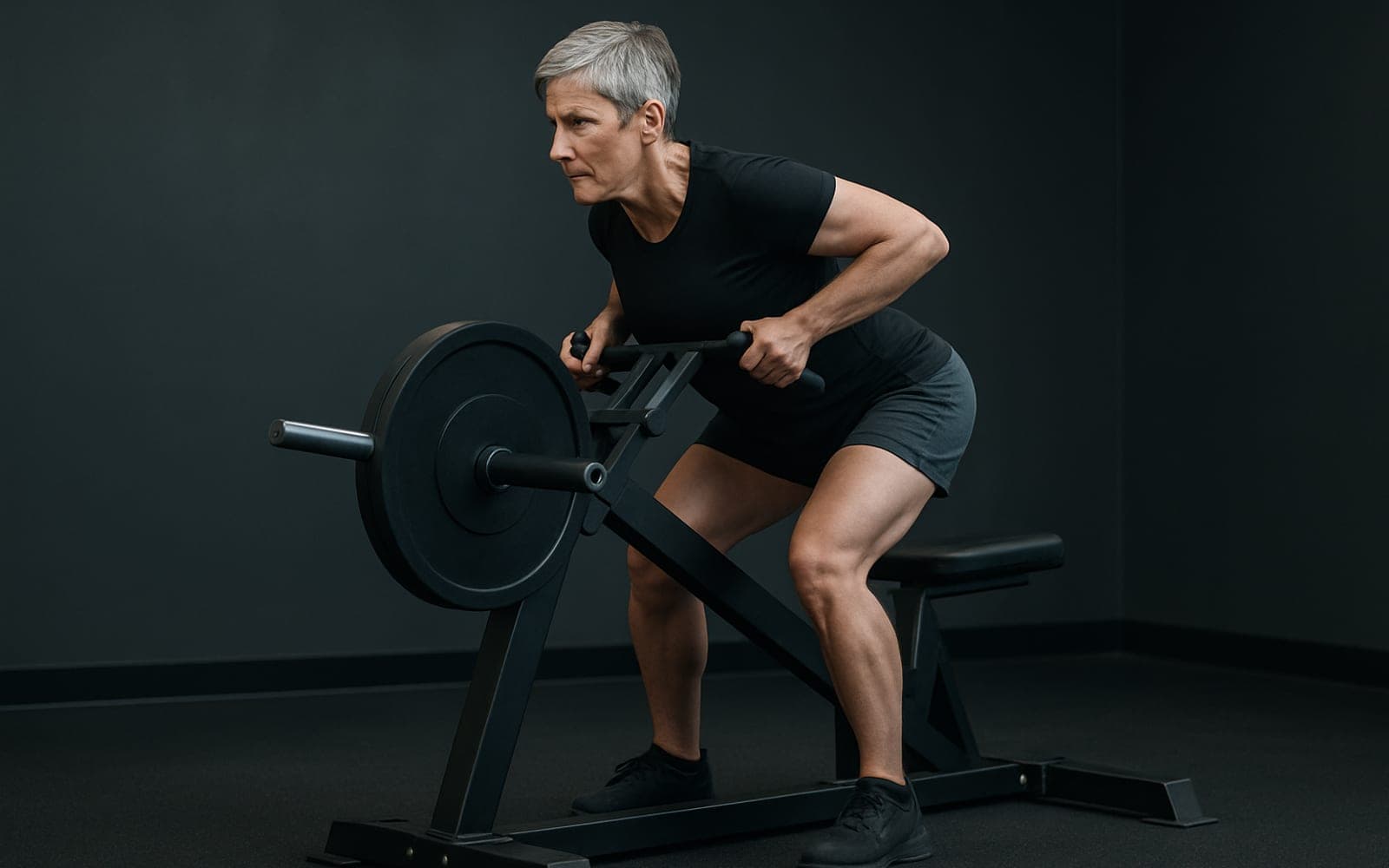
T-Bar Row
Upper back
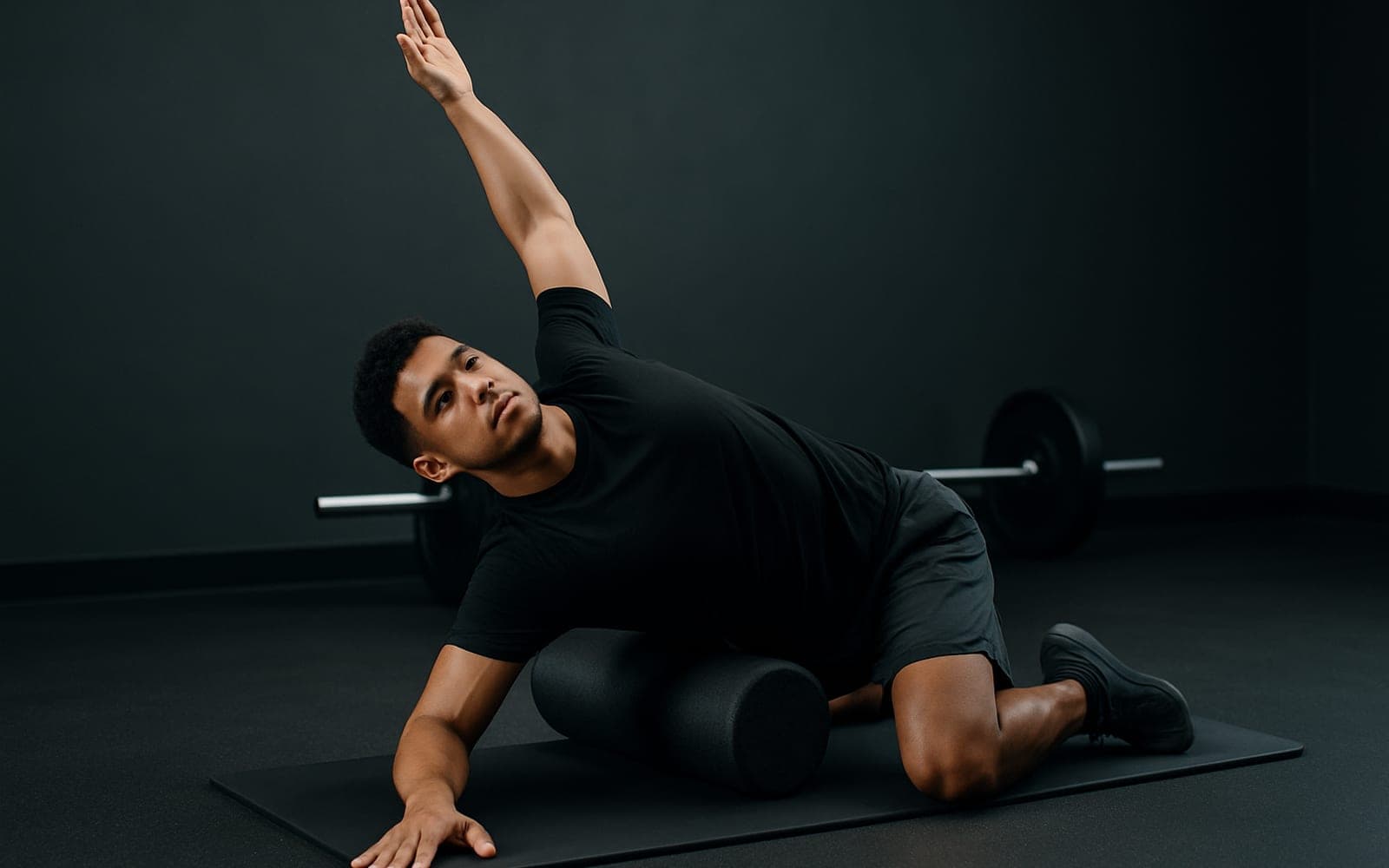
Thoracic Mobility
Upper back

Upright Row
Shoulders, Upper back
How to train back
Train both directions — something you pull down (pulldown, pull-up) and something you pull toward you (row) — twice a week. The back tolerates volume well; 12–20 sets a week is normal. Reps of 8–15 work better than heavy triples for most people because the back is easier to feel when it is under tension for longer.
The mistake to avoid
Yanking with the arms. Start each rep by pulling the shoulder blade down and back, then let the elbow follow — otherwise the biceps do the work and the back gets the fatigue without the stimulus.
Back exercises by equipment
Whatever your gym has — or does not have.
Free Weights
9Selectorized Strength
3Cable & Functional
3Mobility & Stretch
2Plate-Loaded
2Cardio
1Also works the back
These train something else first, but the back works hard in them — worth counting toward your weekly total.
Back exercises — questions people ask
What are the best back exercises?
Assisted Pull-Up, Back Extension, Band Pulldown, Band Row, Barbell Row are the movements to build a back session around — they load the muscle through its full range and are easy to add weight to over time. Train both directions — something you pull down (pulldown, pull-up) and something you pull toward you (row) — twice a week. The back tolerates volume well; 12–20 sets a week is normal. Reps of 8–15 work better than heavy triples for most people because the back is easier to feel when it is under tension for longer.
How often should I train back?
Train both directions — something you pull down (pulldown, pull-up) and something you pull toward you (row) — twice a week. The back tolerates volume well; 12–20 sets a week is normal. Reps of 8–15 work better than heavy triples for most people because the back is easier to feel when it is under tension for longer.
Can I train back at home?
Yes — Back Extension, Band Pulldown, Band Row, Chin-Up need no equipment beyond your bodyweight. Add a band or a pair of dumbbells and most of the rest of this list opens up.
Which back exercises are best for beginners?
Start with Assisted Pull-Up, Back Extension, Band Pulldown, Band Row. Each one has a guided or fixed path, so you can learn the pattern and add load without needing a spotter.
What is the most common back training mistake?
Yanking with the arms. Start each rep by pulling the shoulder blade down and back, then let the elbow follow — otherwise the biceps do the work and the back gets the fatigue without the stimulus.