Reverse Fly (Rear Delt Fly)
Activation
Muscles worked
Movement
Isolation
Beginner · Free Weights
Primary muscles
Secondary muscles
Movement pattern
Equipment category
How to perform
- 1
Set up
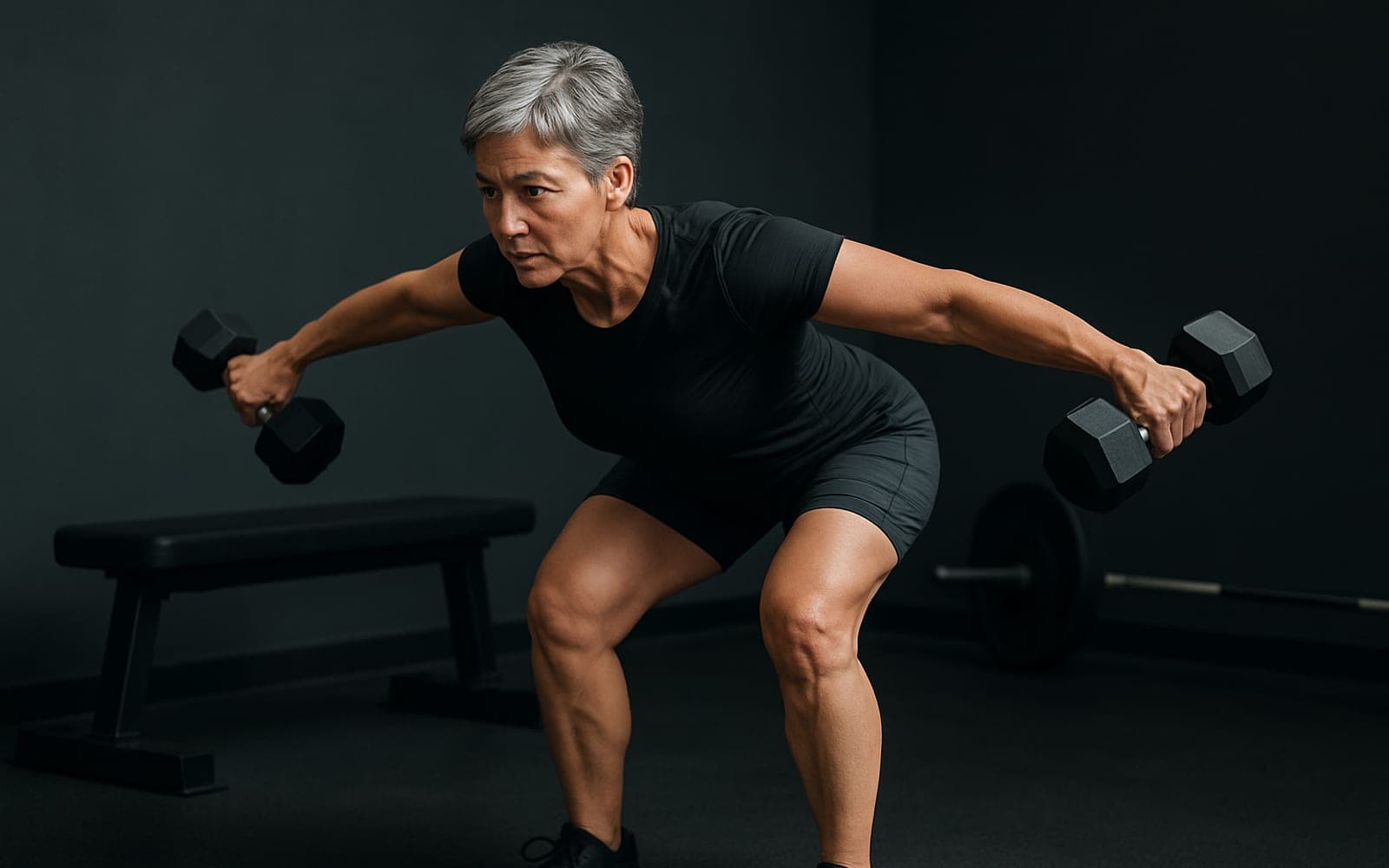
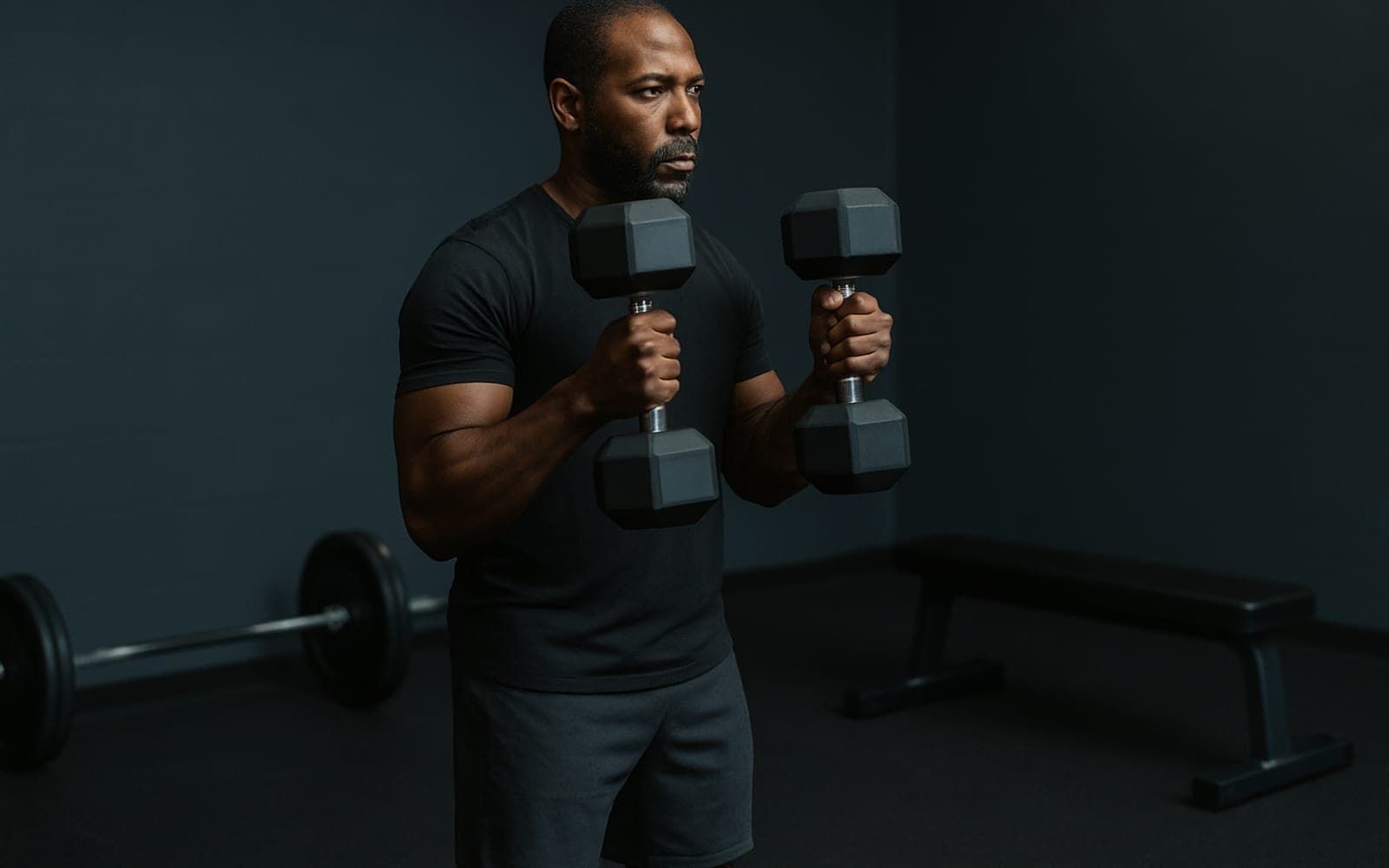
Hinge forward at the hips with a light dumbbell in each hand, arms hanging.
- 2
Execute the movement
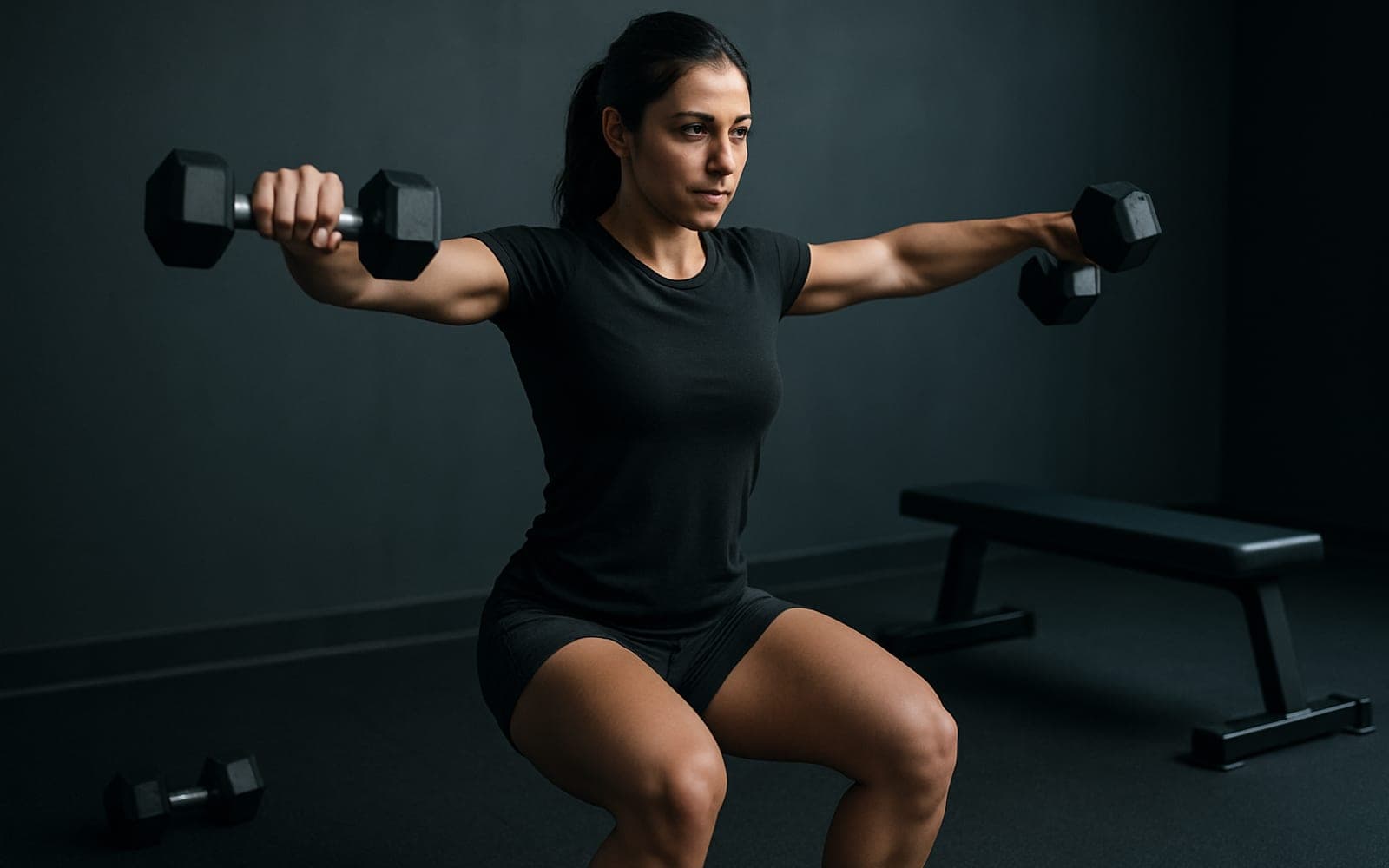
With a soft elbow bend, raise the dumbbells out to the sides until level with the shoulders, squeezing the rear delts; lower slowly.
Common mistakes
- Using too much weight and swinging
- Turning it into a row
Make it harder
Make it easier
Substitutions
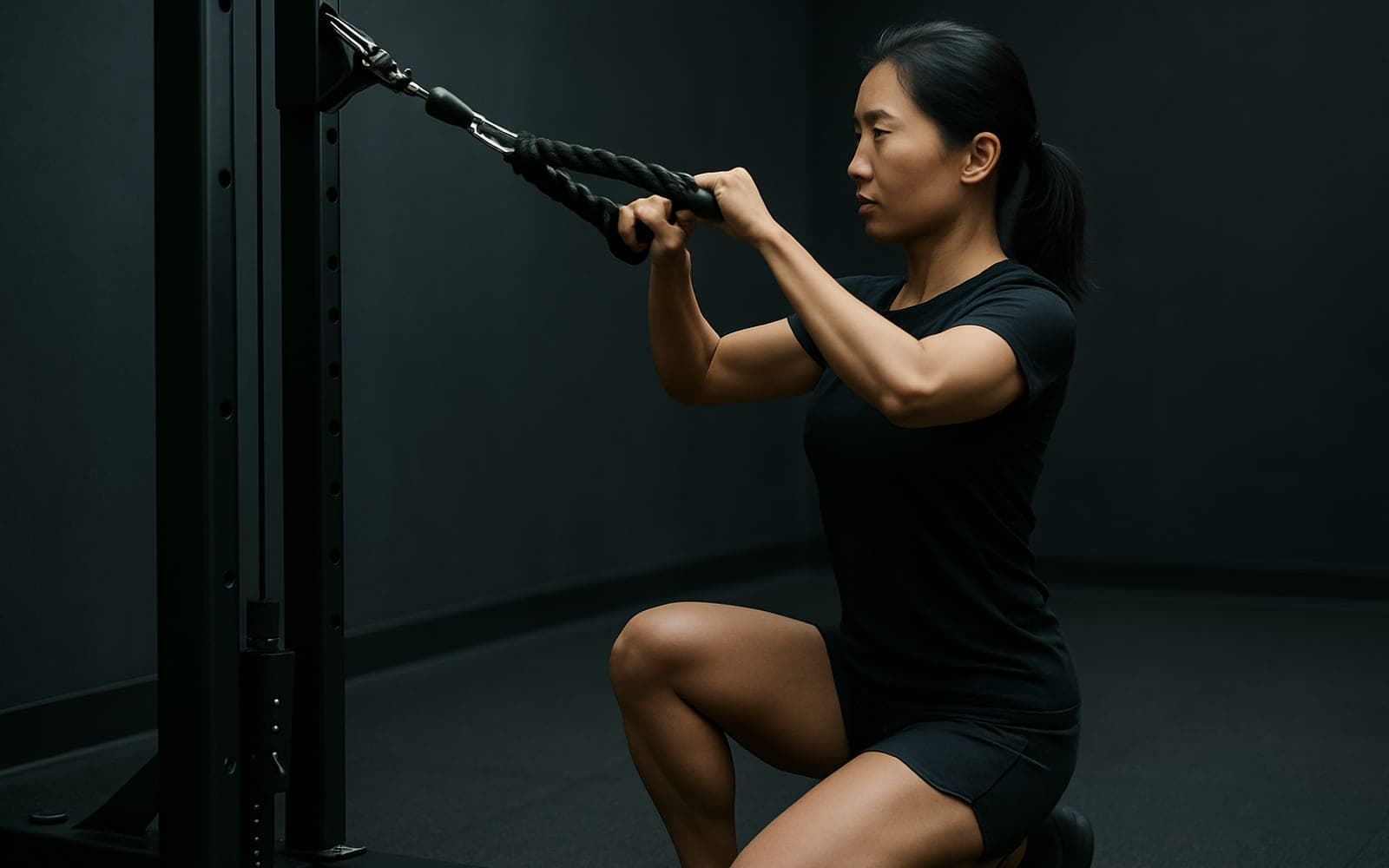
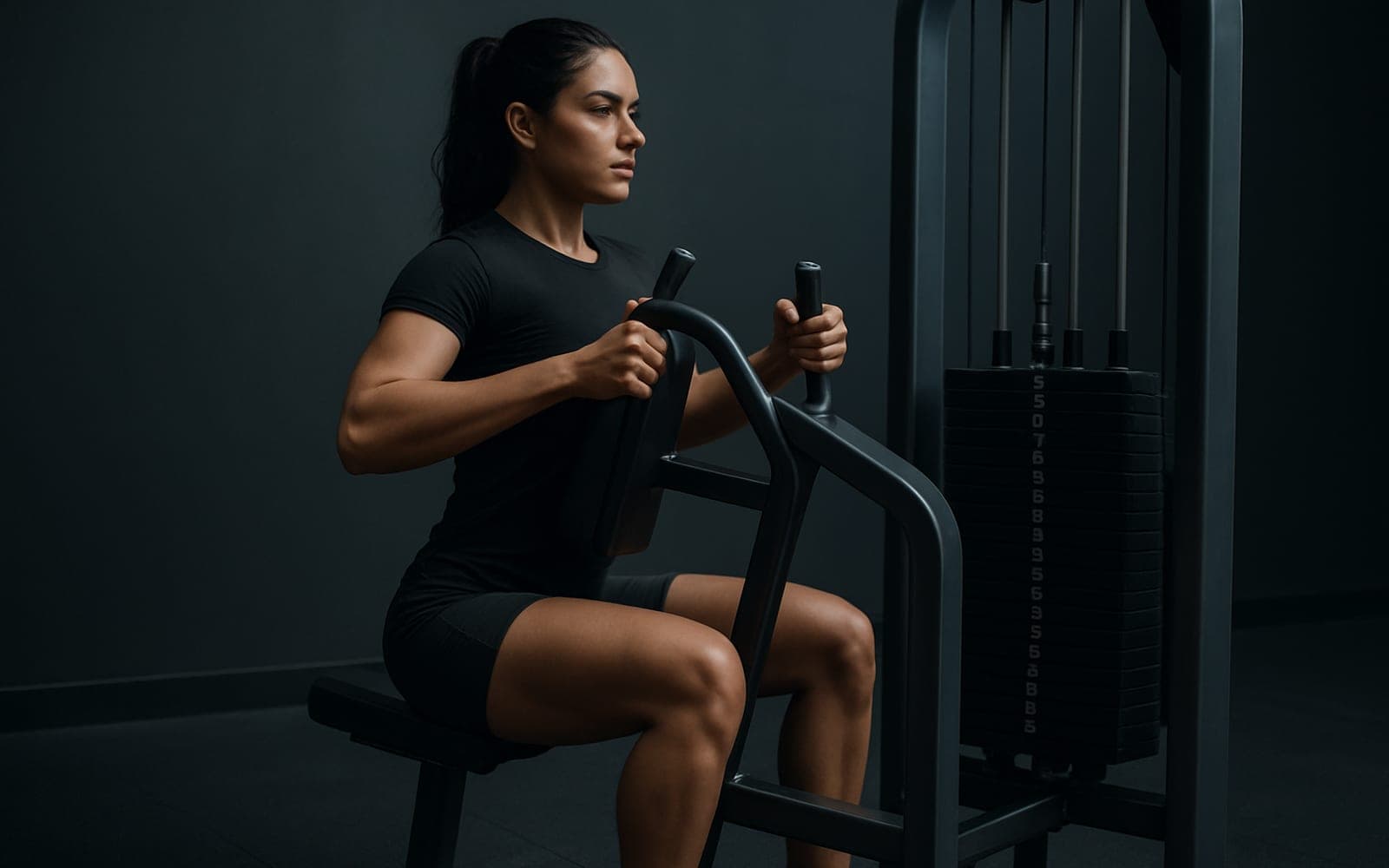
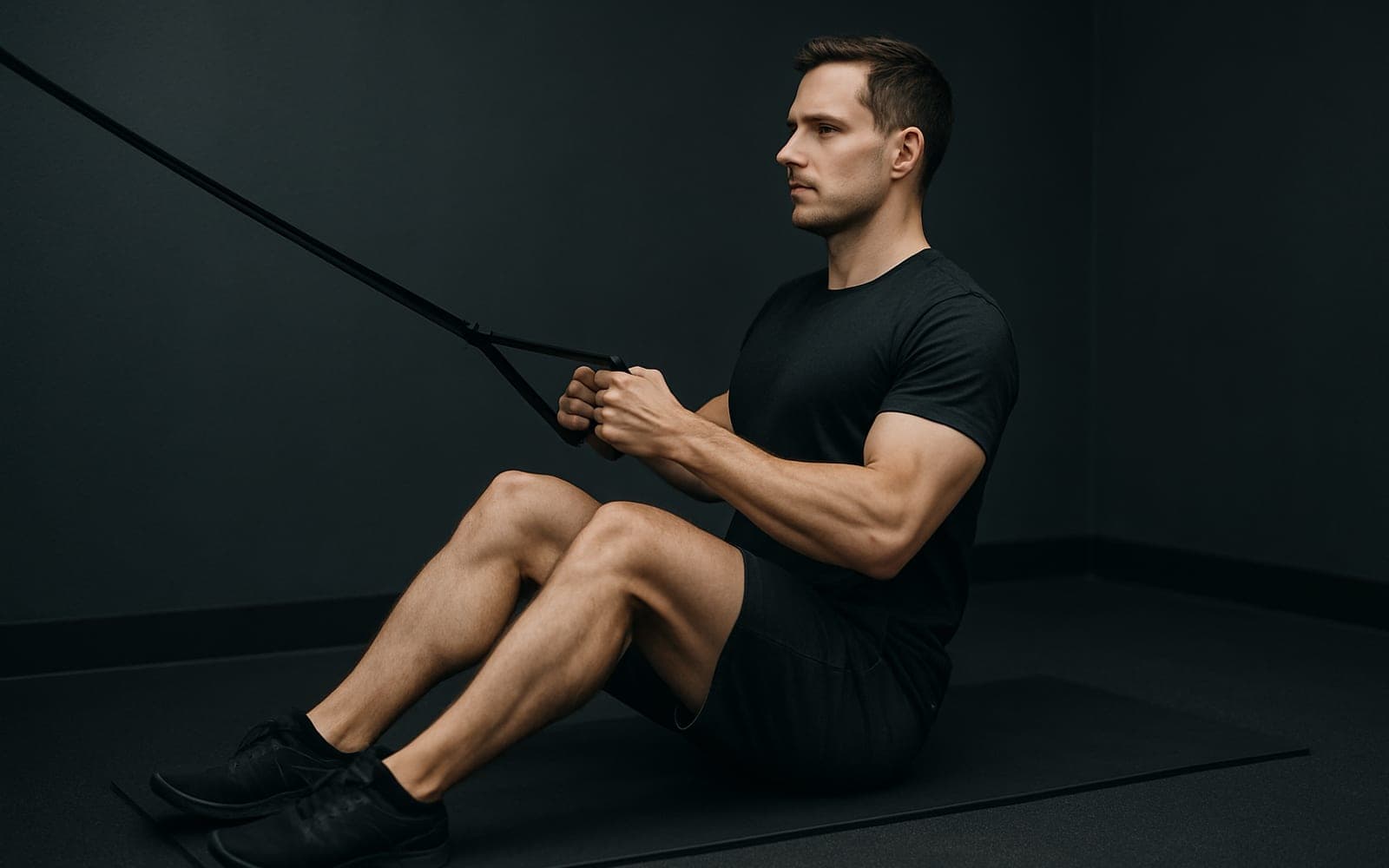
If a machine is busy or unavailable, these train the same pattern a different way.
Your progress over time
What to expect from training this consistently — everyone progresses at their own pace.
- 1
First few sessions
You will learn the movement pattern and breathing, build basic motor control and a mind–muscle connection with the rear delts, and find a comfortable light weight and tempo that lets you maintain form.
- 2
Weeks 2–4
Neuromuscular adaptations improve—you can control the dumbbells through the range with less compensatory upper-trap or lumbar involvement and complete more strict sets before fatigue.
- 3
Months 2–3
Noticeable increases in rear-delt muscle activation and modest hypertrophy occur if volume and progressive overload are provided; posture and shoulder horizontal-abduction endurance begin to improve.
- 4
Months 4–6
Clearer muscle definition in the posterior shoulder and upper back, improved shoulder balance versus the front delts, and the ability to handle heavier or higher-volume sets with controlled technique.
- 5
6+ months
Sustained rear-delt development contributes to improved overall shoulder aesthetics and function, better muscular balance around the shoulder girdle, and reliable capacity for higher-volume isolation work or integration into more advanced programs.
Benefits of the reverse fly (rear delt fly)
Directly targets the posterior deltoids, promoting hypertrophy and strength in the rear shoulder.
Reinforces scapular-retraction and upper-back muscle engagement, helping balance pushing-focused training.
Improves horizontal-abduction control and endurance, which carries over to better performance in pulling and overhead movements.
Contributes to shoulder-girdle balance and symmetry, supporting a more stable and resilient shoulder complex during everyday activities.
Is a low-impact, beginner-friendly isolation movement that can be performed with minimal equipment to increase overall upper-body muscularity and conditioning.
When performed with slow eccentrics, it enhances muscular control and time under tension, aiding hypertrophy and movement quality.
Exercises that pair with this
Same muscles or the same movement pattern — useful for building the rest of the session.
Reverse Fly (Rear Delt Fly) — questions people ask
What muscles does the reverse fly (rear delt fly) work?
The reverse fly (rear delt fly) trains the rear delts as the primary target, with the upper back working as support. It is a isolation pattern, so it also trains the coordination that pattern needs.
How many sets and reps of the reverse fly (rear delt fly) should I do?
Three sets of 8–12 reps with about 90 seconds of rest is a reliable default. Increase the weight once the last rep of every set still looks clean.
Is the reverse fly (rear delt fly) good for beginners?
Yes. The reverse fly (rear delt fly) is a beginner-friendly movement. Reduce weight; keep it strict. If it feels like too much, build the pattern on the machine row first.
What can I do instead of the reverse fly (rear delt fly)?
Face Pull, Machine Row, Band Row all train the same isolation pattern with different equipment, so any of them works when the machine is busy or your gym does not have it.
What are the most common reverse fly (rear delt fly) mistakes?
Using too much weight and swinging; Turning it into a row. With a soft elbow bend, raise the dumbbells out to the sides until level with the shoulders, squeezing the rear delts; lower slowly.
Can I do the reverse fly (rear delt fly) at home?
The reverse fly (rear delt fly) needs free weights equipment, which most home gyms do not have. The band row trains the same pattern with nothing more than your bodyweight or a band.