Sumo Deadlift
Activation
Muscles worked
Movement
Hinge
Advanced · Free Weights
Primary muscles
Movement pattern
Equipment category
How to perform
- 1
Set up
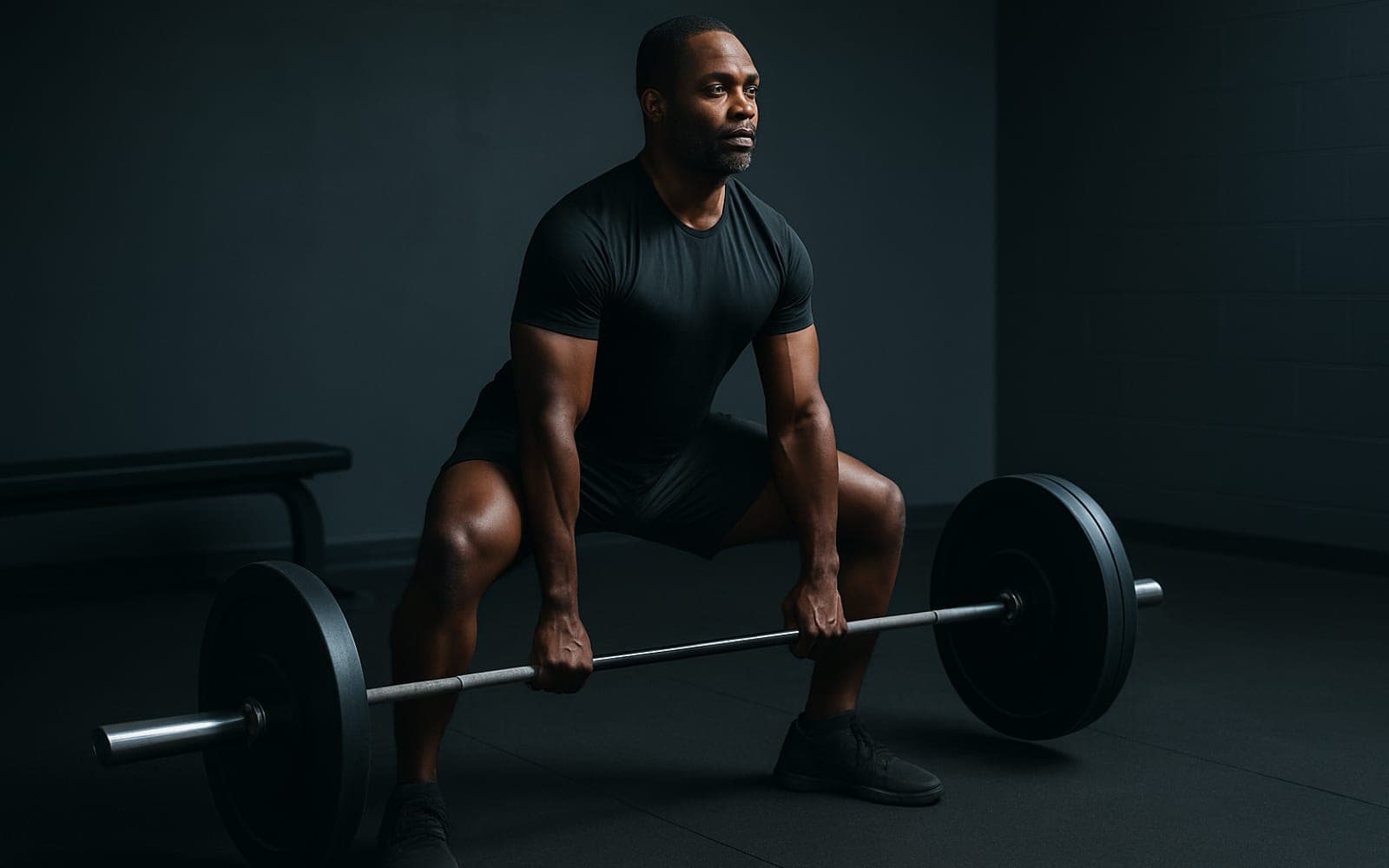
Take a wide stance with toes out, grip the bar inside the knees, hips down, chest up.
- 2
Execute the movement
Push the floor apart with the feet, keep the bar close, and extend the hips and knees together to stand tall. The wide stance shortens the range and involves more legs.
Common mistakes
- Hips shooting up first
- Rounding the back
- Bar drifting forward
Make it harder
Make it easier
Substitutions
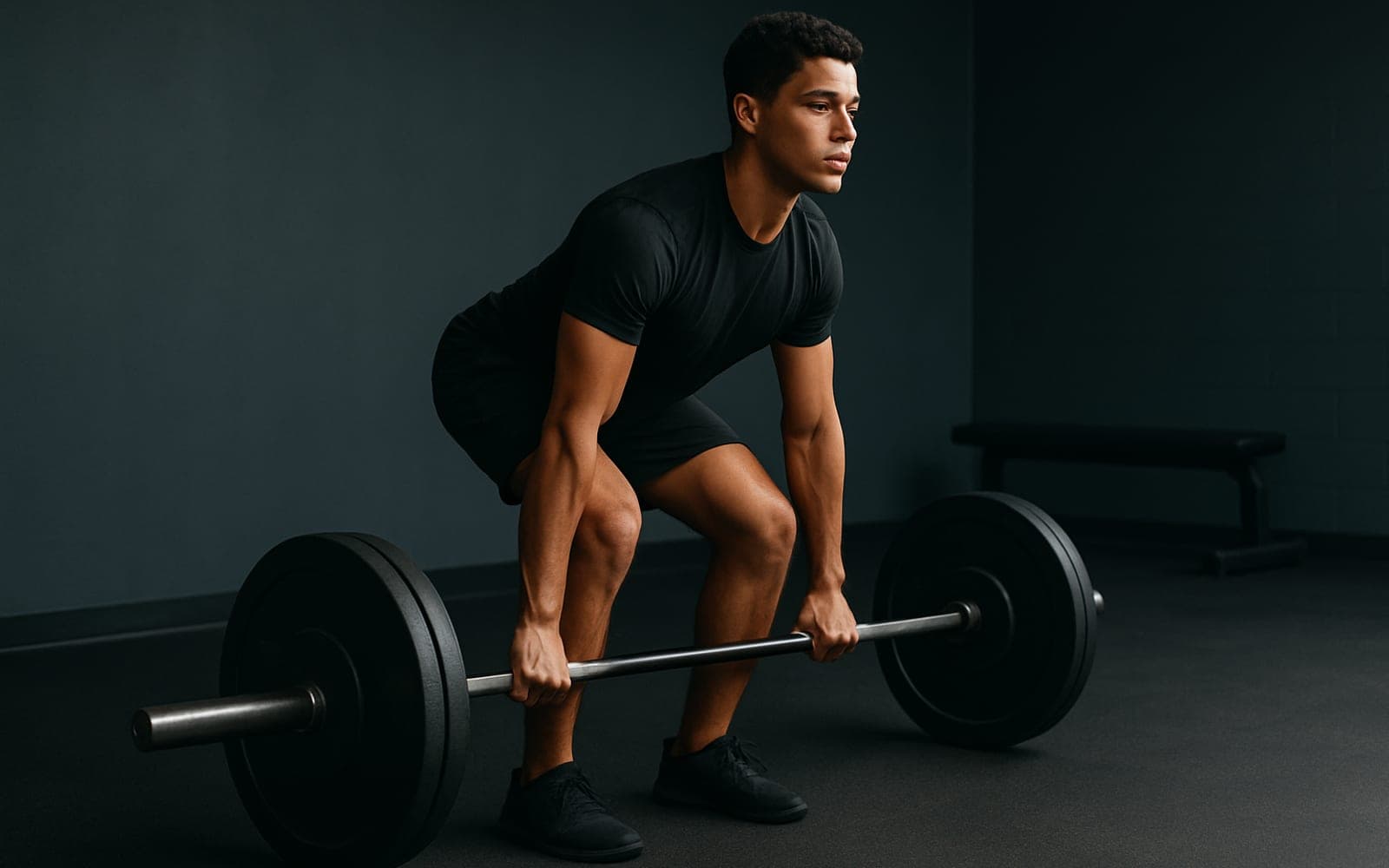
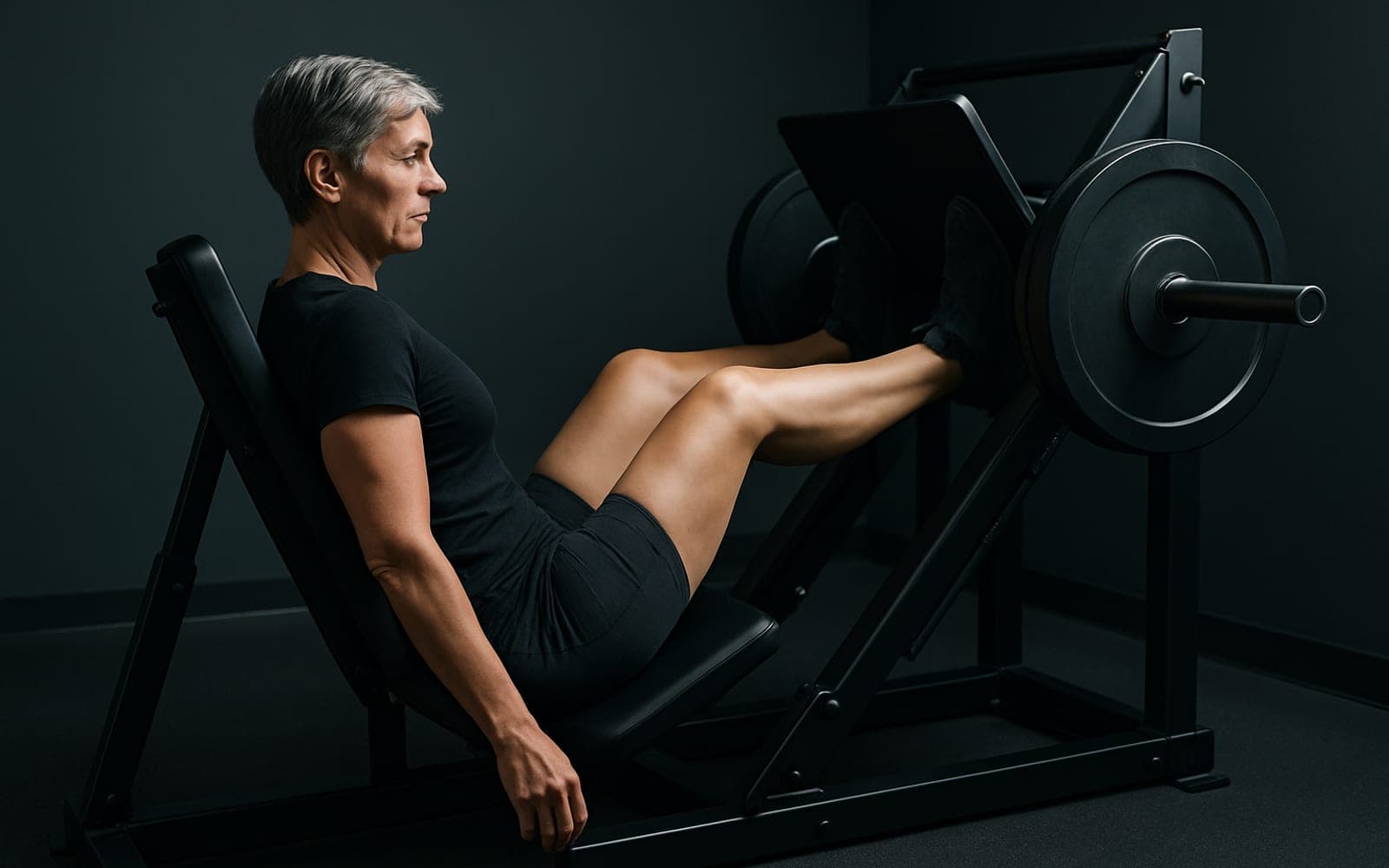
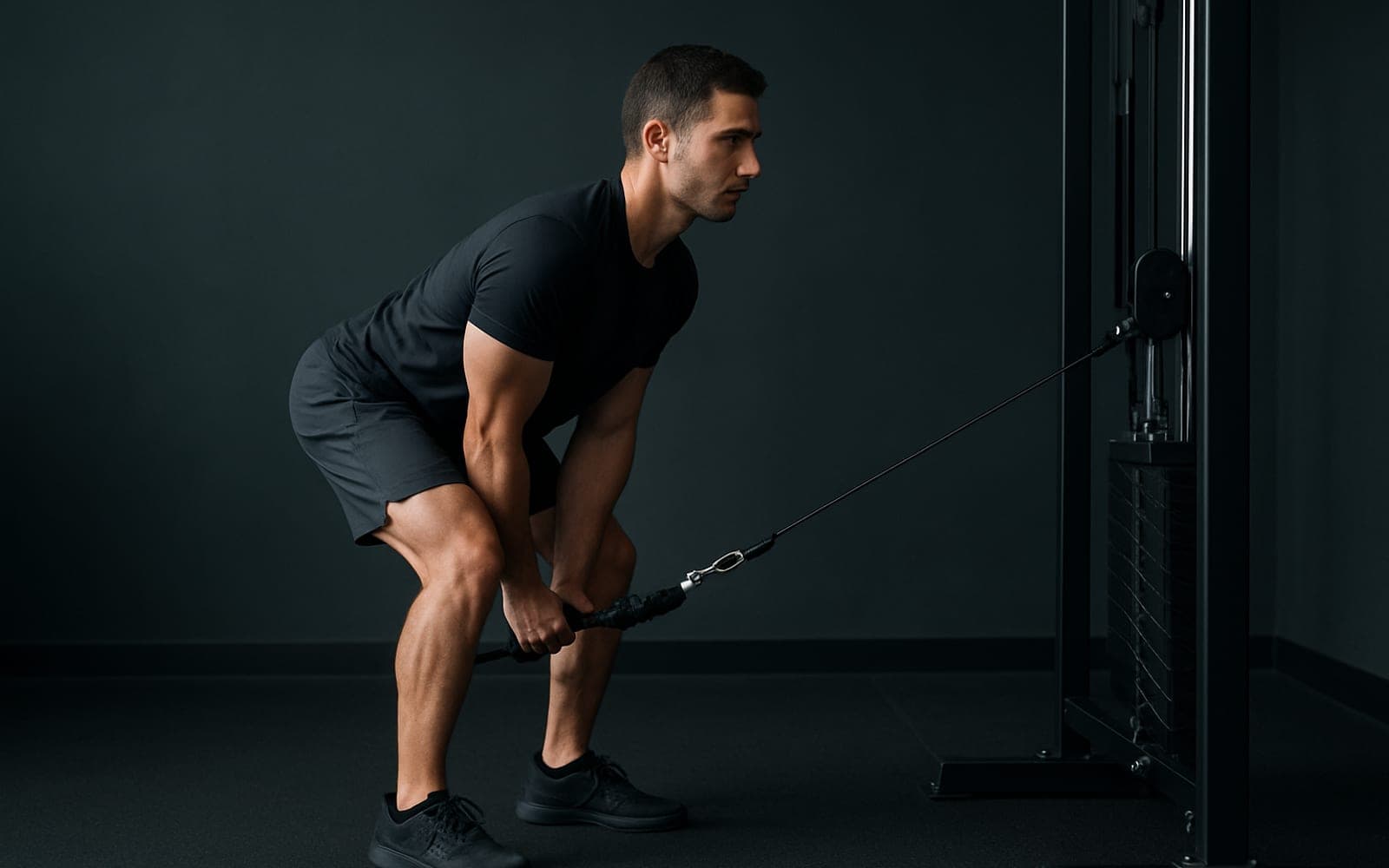
If a machine is busy or unavailable, these train the same pattern a different way.
Your progress over time
What to expect from training this consistently — everyone progresses at their own pace.
- 1
First few sessions
Learn stance, foot placement and bar path; build comfort with the wide stance and practice the cue to push the floor apart while keeping the bar close using light to moderate loads.
- 2
Weeks 2–6
Improve technique consistency, increase working sets and load by focusing on hip drive and synchronous hip–knee extension, and reduce sticking points through tempo and accessory work.
- 3
Months 2–4
Notice measurable increases in 1–5RM strength and thicker posterior chain musculature as neural adaptation and hypertrophy combine; grip and upper-back endurance improve from heavier sets.
- 4
Months 5–9
Able to handle substantially heavier loads for low-rep sets, with better technical efficiency under fatigue and targeted muscle size gains in glutes and hamstrings from progressive overload.
- 5
6+ months
Develop advanced control of sumo-specific mechanics, transfer of strength to related lifts and athletic tasks, and capacity for deliberate programming (peaks, variations, and heavy singles) to continue steady strength and muscle gains.
Benefits of the sumo deadlift
Targets the glutes and hamstrings strongly while also recruiting quads and adductors more than conventional deadlifts, promoting balanced lower‑body development.
Shorter range of motion and upright torso demands make it easier to lift heavier loads for some lifters, improving maximal hip and leg strength.
Strengthens the posterior chain and upper back while challenging grip and forearms, which carries over to better performance in other compound lifts and loaded carries.
Teaches a powerful hip‑dominant hinge pattern with emphasis on driving the feet outward, improving explosive hip extension useful for sprinting and jumping.
Reduces shear stress on the lower back for some lifters due to a more vertical torso, allowing focused overload of hips and legs when programmed properly.
Provides a variation stimulus that helps break plateaus, stimulates additional muscle growth in the hips and inner thighs, and complements overall strength‑building programs.
Exercises that pair with this
Same muscles or the same movement pattern — useful for building the rest of the session.

Sumo Deadlift — questions people ask
What muscles does the sumo deadlift work?
The sumo deadlift trains the glutes and hamstrings as the primary target, with the quads, back, forearms working as support. It is a hinge pattern, so it also trains the coordination that pattern needs.
How many sets and reps of the sumo deadlift should I do?
For size, three to four sets of 8–12 reps with 60–90 seconds of rest. For strength, three to five sets of 3–6 reps with longer rest. Add a little weight once you hit the top of the range on every set.
Is the sumo deadlift good for beginners?
Not as a first exercise. The sumo deadlift is an advanced movement. Reduce weight or use a trap bar. It is also form-sensitive, so it is worth having a coach or an experienced lifter watch your first few sessions. If it feels like too much, build the pattern on the leg press first.
What can I do instead of the sumo deadlift?
Barbell Deadlift, Leg Press, Cable Pull-Through all train the same hinge pattern with different equipment, so any of them works when the machine is busy or your gym does not have it.
What are the most common sumo deadlift mistakes?
Hips shooting up first; Rounding the back; Bar drifting forward. Push the floor apart with the feet, keep the bar close, and extend the hips and knees together to stand tall. The wide stance shortens the range and involves more legs.
Can I do the sumo deadlift at home?
It needs free weights equipment, so it belongs in a gym session rather than a home workout unless you own that equipment.