Full-body exercises
7 movements that train the full body directly, each with setup cues, the mistakes to avoid and a substitution for every equipment type.
What full-body movements train
Full-body movements load several joints at once — a carry, a swing, a clean, a burpee. They train coordination and conditioning alongside strength, and they are the most time-efficient thing in a gym when the session is short.
Full-body exercises in the library
Every one links to a full form guide — setup, execution, common mistakes and what to do instead if the machine is busy.

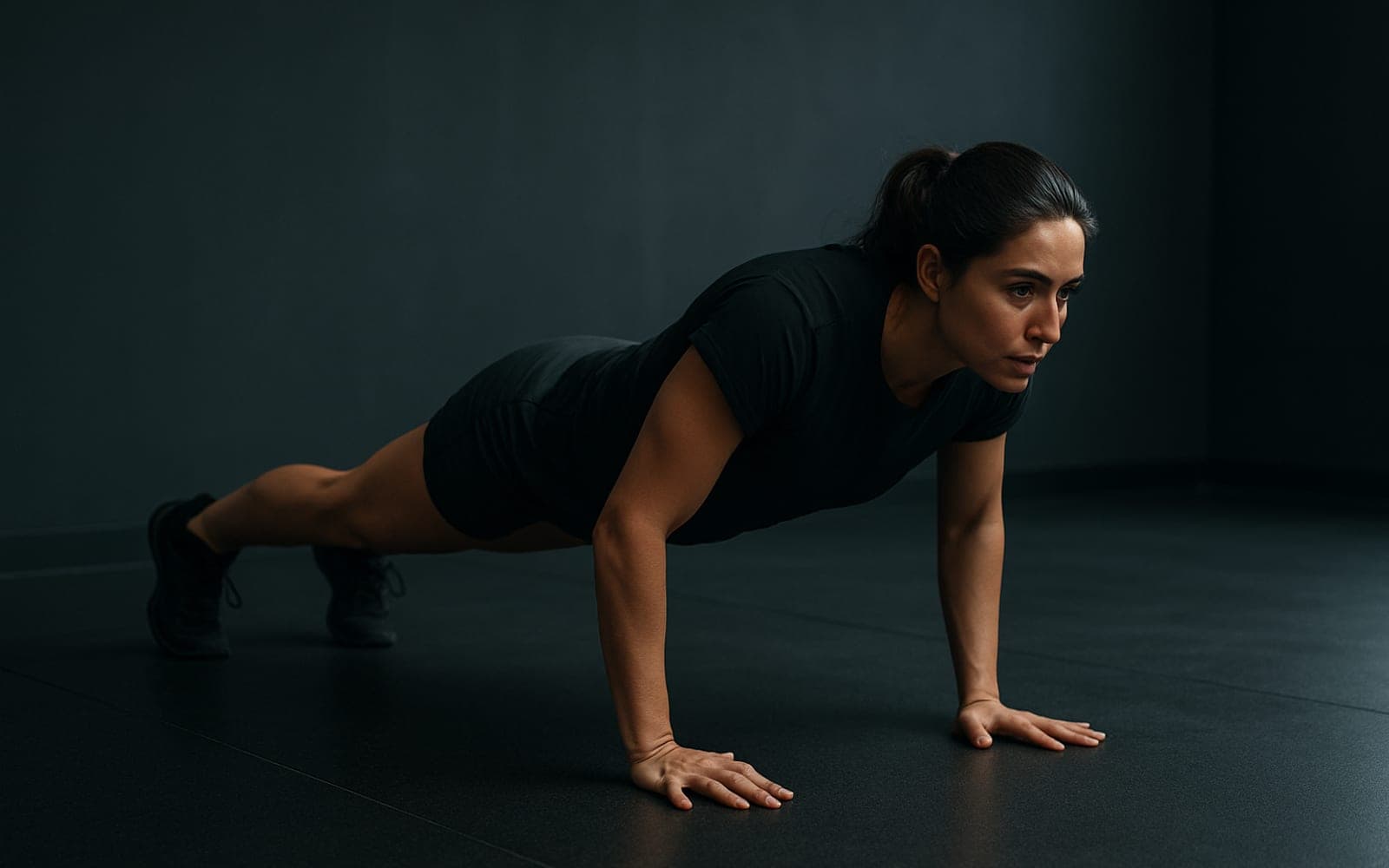
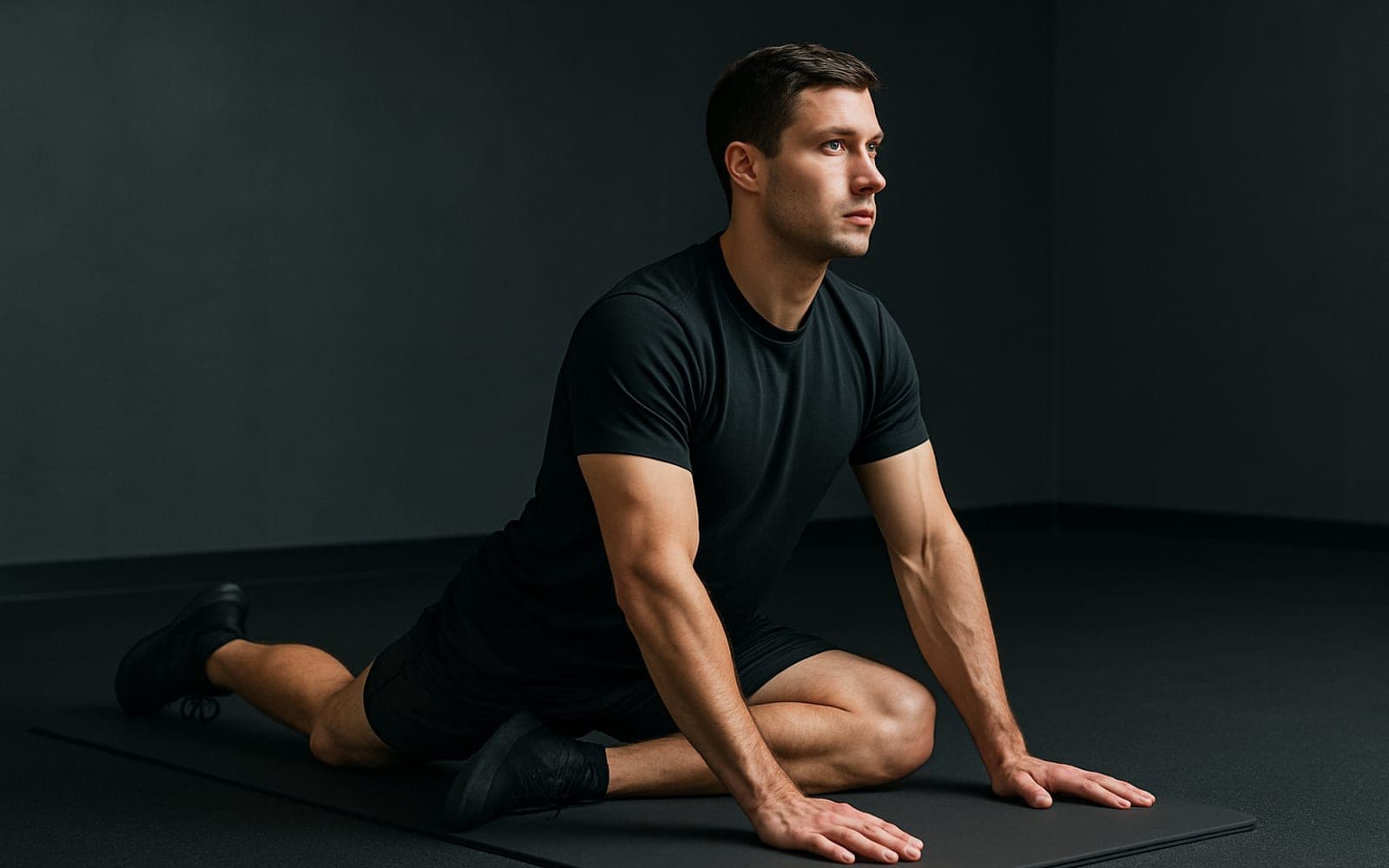
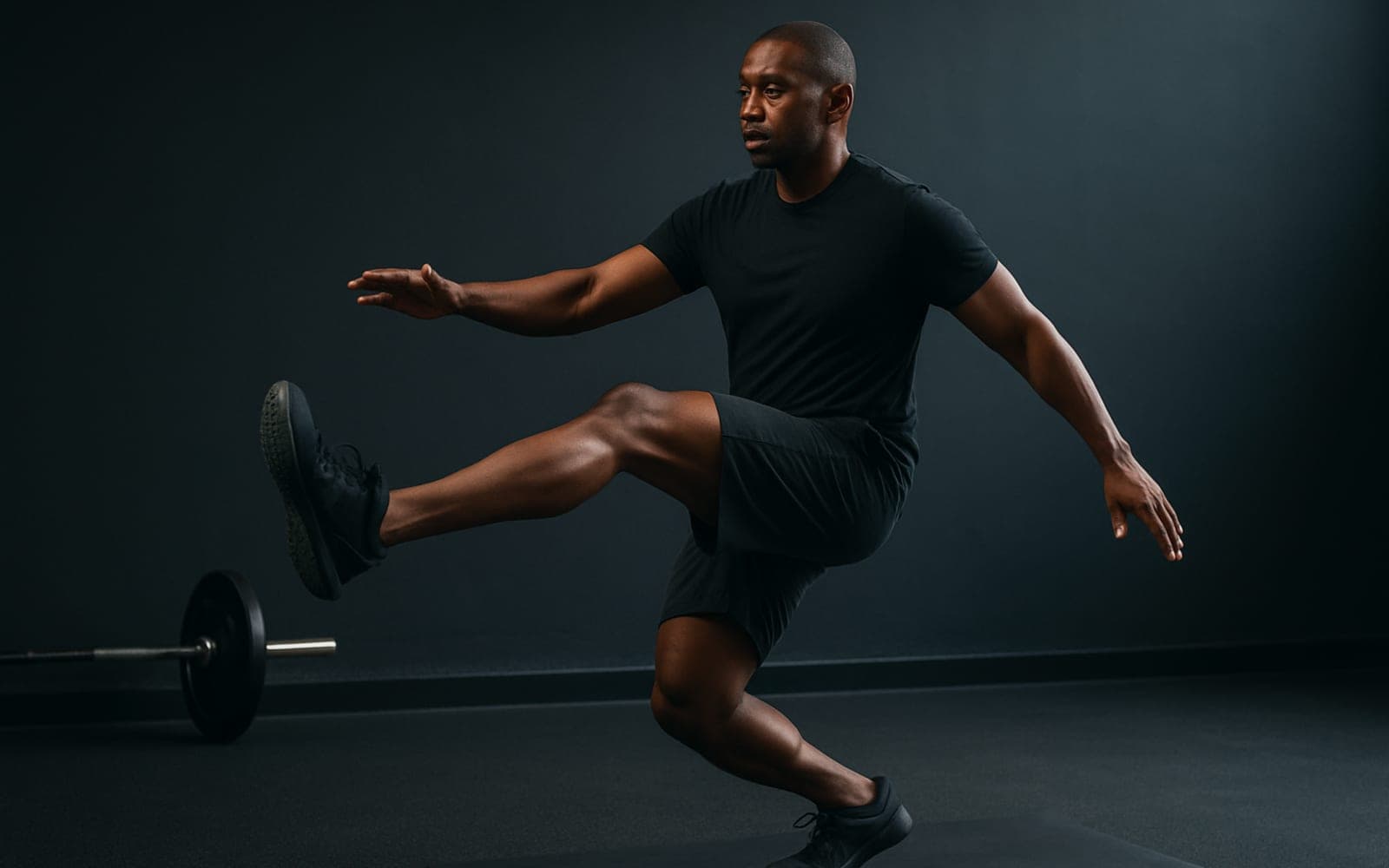
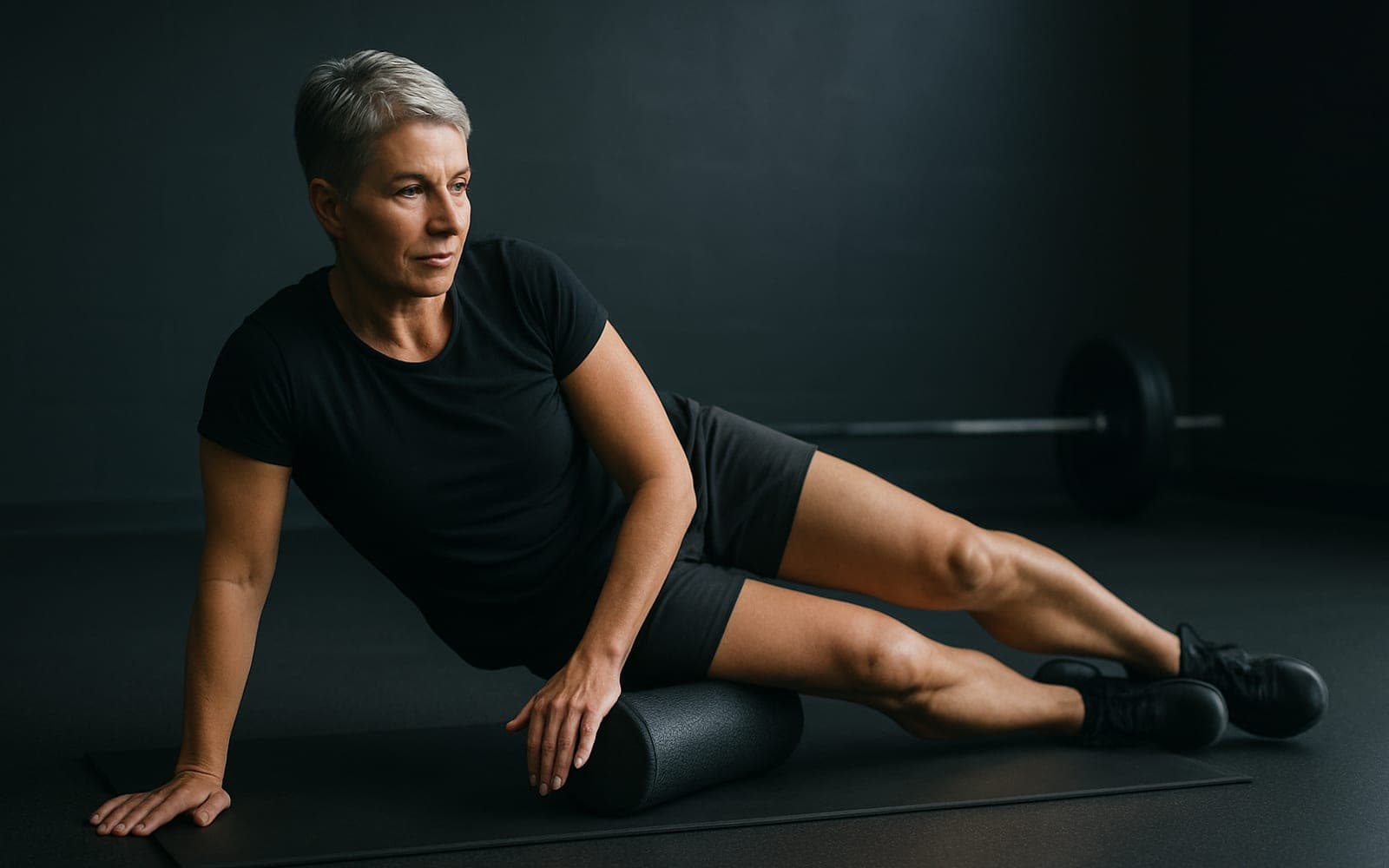
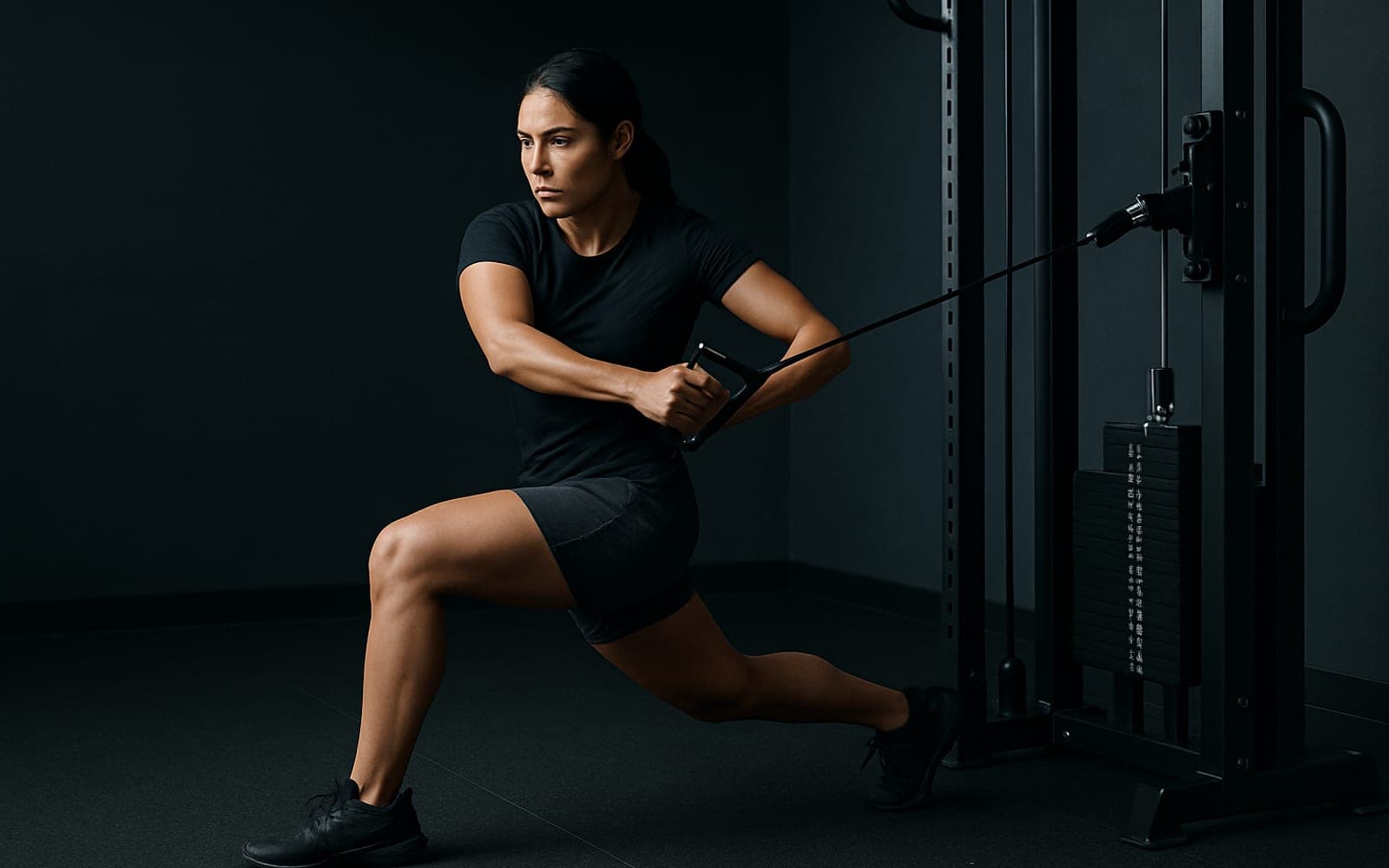
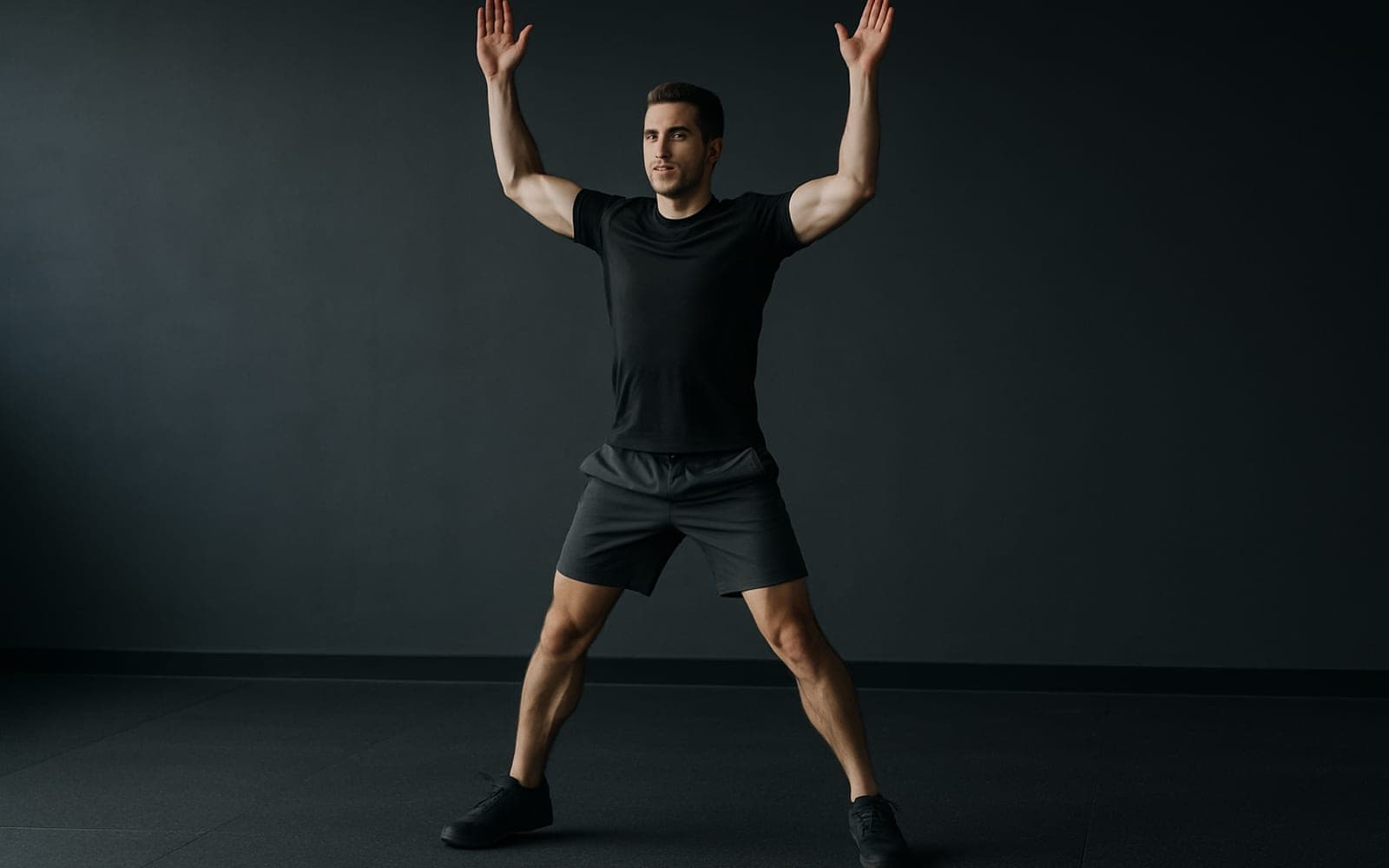
How to train full body
Two or three times a week is plenty; they are demanding to recover from. Keep the reps moderate and the technique clean — these are the movements where fatigue changes the shape of the lift fastest. They work well as the first exercise of a session, when you are fresh.
The mistake to avoid
Treating them as conditioning with heavy weights attached. Once form degrades, a full-body lift stops being a lift and becomes a risk.
Full-body exercises by equipment
Whatever your gym has — or does not have.
Cable & Functional
2Bodyweight
2Mobility & Stretch
2Recovery
1Also works the full body
These train something else first, but the full body works hard in them — worth counting toward your weekly total.
Full-body exercises — questions people ask
What are the best full body exercises?
Battle Ropes, Burpee, Cooldown Stretch, Dynamic Warm-Up, Foam Rolling are the movements to build a full body session around — they load the muscle through its full range and are easy to add weight to over time. Two or three times a week is plenty; they are demanding to recover from. Keep the reps moderate and the technique clean — these are the movements where fatigue changes the shape of the lift fastest. They work well as the first exercise of a session, when you are fresh.
How often should I train full body?
Two or three times a week is plenty; they are demanding to recover from. Keep the reps moderate and the technique clean — these are the movements where fatigue changes the shape of the lift fastest. They work well as the first exercise of a session, when you are fresh.
Can I train full body at home?
Yes — Burpee, Jumping Jacks need no equipment beyond your bodyweight. Add a band or a pair of dumbbells and most of the rest of this list opens up.
Which full body exercises are best for beginners?
Start with Battle Ropes, Cooldown Stretch, Dynamic Warm-Up, Foam Rolling. Each one has a guided or fixed path, so you can learn the pattern and add load without needing a spotter.
What is the most common full body training mistake?
Treating them as conditioning with heavy weights attached. Once form degrades, a full-body lift stops being a lift and becomes a risk.