Kettlebell Swing
Activation
Muscles worked
Movement
Hinge
Intermediate · Free Weights
Primary muscles
Movement pattern
Equipment category
How to perform
- 1
Set up
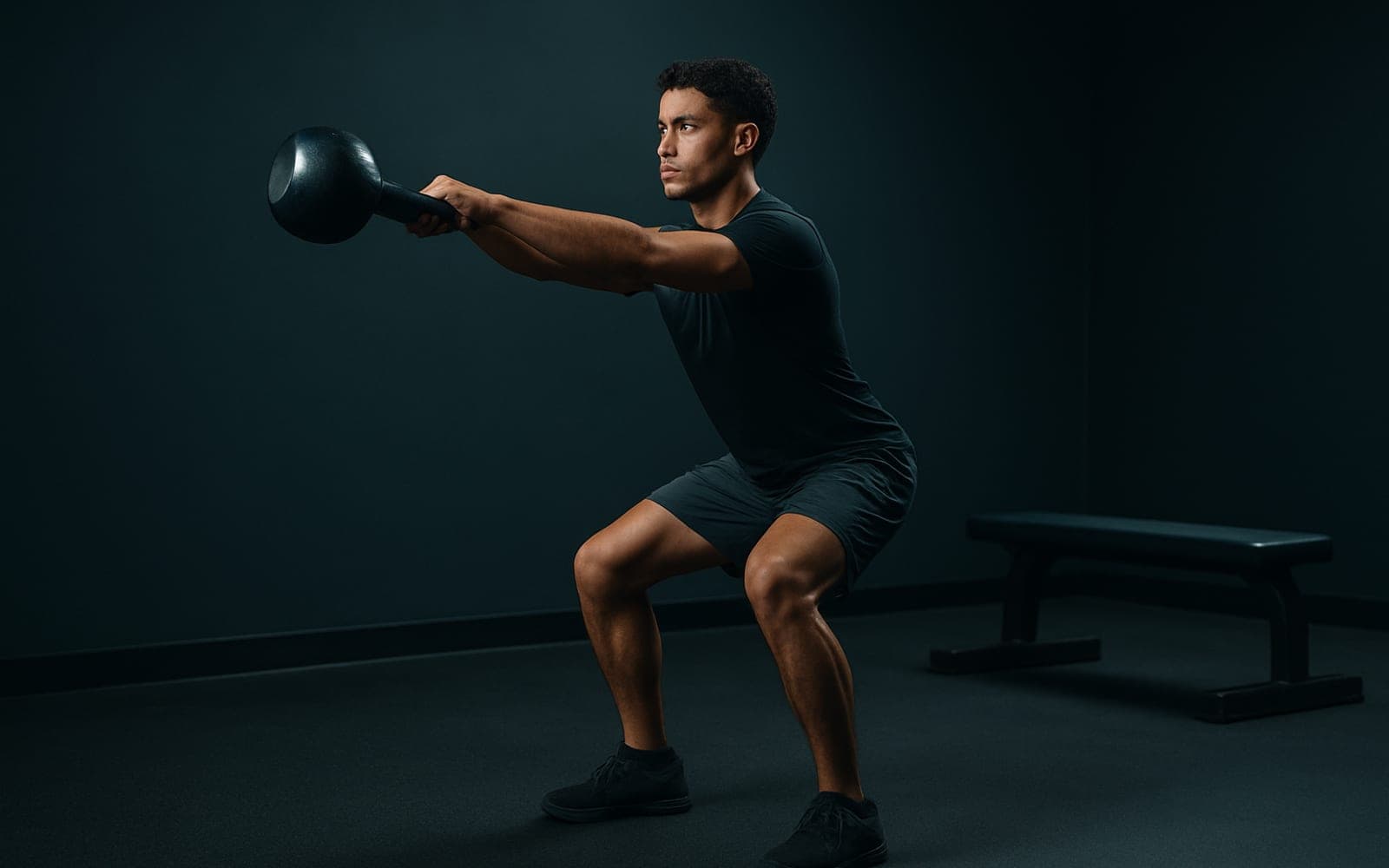
Kettlebell a foot in front, hinge and hike it back.
- 2
Execute the movement
Snap the hips forward to float the bell to chest height; it's a hinge, not a squat or a lift.
Common mistakes
- Squatting the swing
- Using the arms
Make it harder
Make it easier
Substitutions
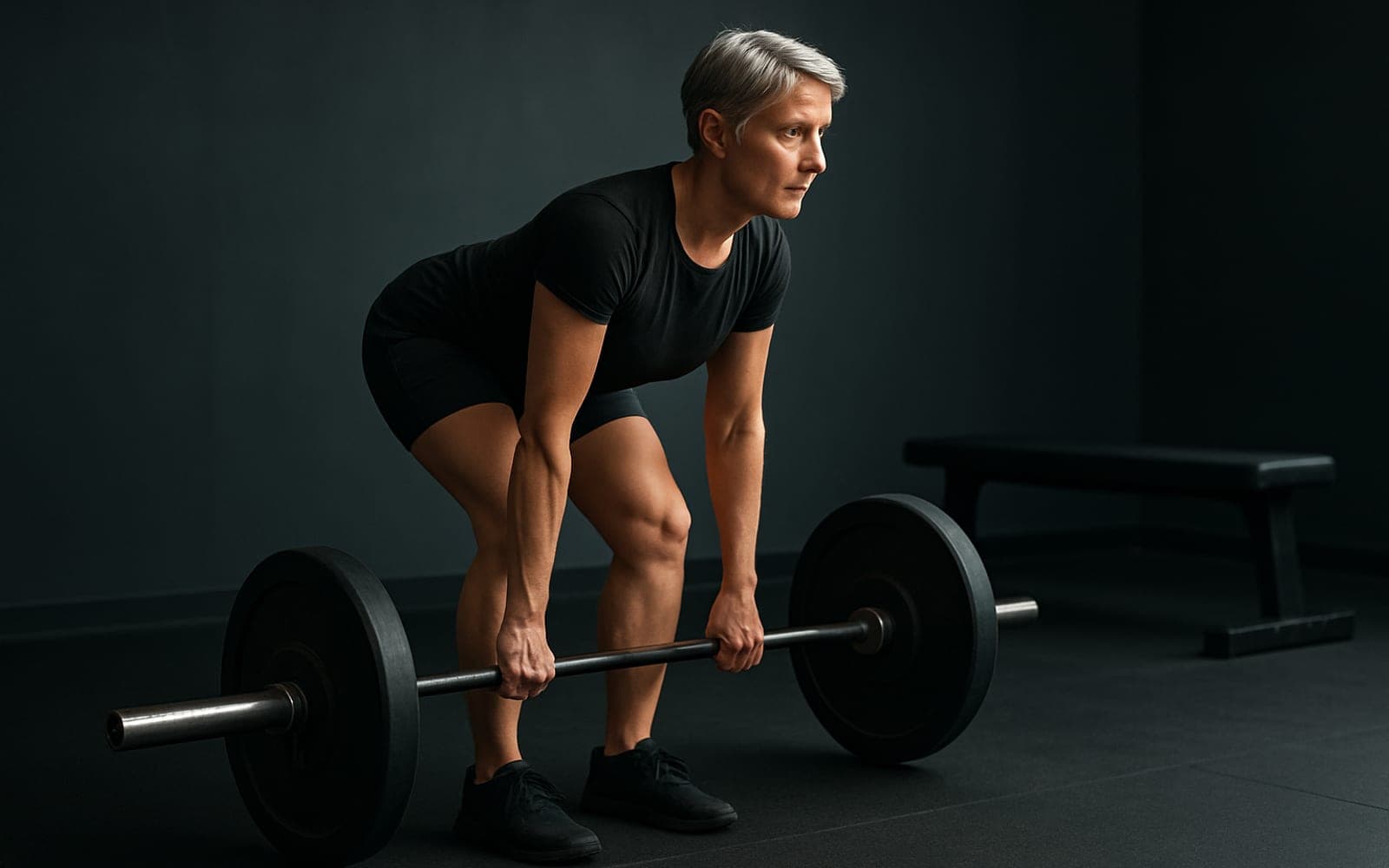
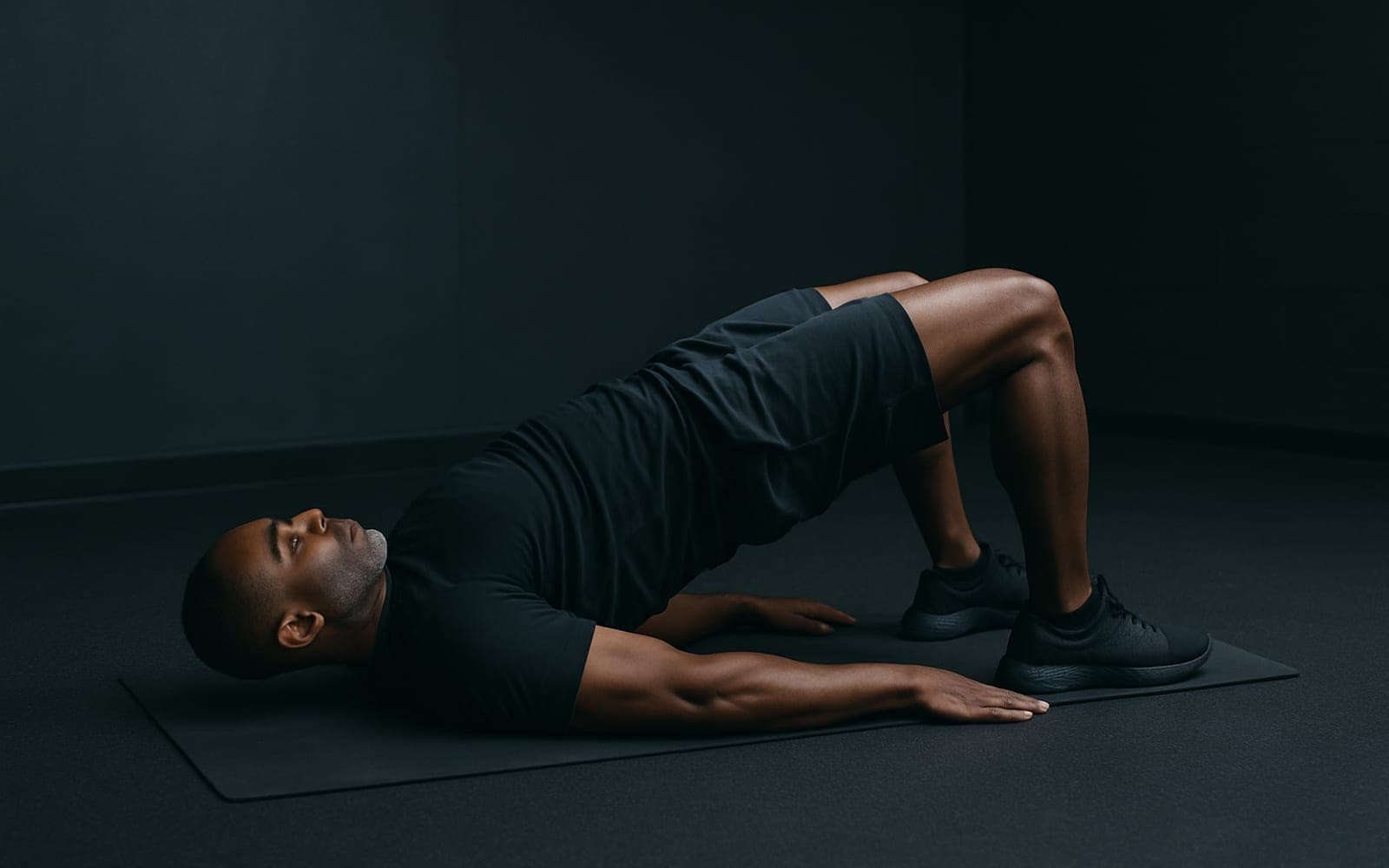
If a machine is busy or unavailable, these train the same pattern a different way.
Your progress over time
What to expect from training this consistently — everyone progresses at their own pace.
- 1
First few sessions
You learn the hip-hinge pattern, learn to create power from the hips not the arms, and practice safe kettlebell paths — expect to need coaching cues to stop squatting or lifting with the arms.
- 2
Weeks 1–3
With 2–3 sessions/week you'll build swing-specific motor control and tolerance to higher-rep sets; conditioning improves and a typical trainee can comfortably perform multiple sets of 15–30 reps with a modest kettlebell.
- 3
Weeks 4–8
Posterior chain strength and hip drive increase noticeably; many can progress to heavier bells or longer interval sets (e.g., 30–60s work) and begin to see modest reductions in body fat when paired with diet.
- 4
Months 3–6
Power output and work capacity increase — you can perform heavier two-handed swings for higher-quality sets, show improved sprint/jump transfer in many athletes, and use swings reliably as a conditioning tool.
- 5
6+ months
When trained consistently you’ll have durable hip extension strength, high metabolic conditioning with kettlebell intervals, and the ability to use swings for maintenance of cardiovascular fitness, fat-loss phases, and sport-specific power work.
Benefits of the kettlebell swing
Develops explosive hip extension power by targeting the glutes and hamstrings, improving sprint and jump ability in many athletes.
Builds posterior chain strength and endurance, which helps posture and reduces reliance on the lower back for force production when lifting.
Improves core and thoracic stability because the abs and back resist flexion and control the kettlebell’s arc during repeated swings.
Provides a time-efficient, low-complexity conditioning tool that raises heart rate and supports cardiovascular health with less joint impact than running.
Aids fat loss and metabolic conditioning when programmed as higher-rep sets or interval work due to its high calorie cost and whole-body involvement.
Teaches a durable, transferable hip-hinge pattern that carries over to safer deadlifts and athletic movements when performed with proper technique.
Exercises that pair with this
Same muscles or the same movement pattern — useful for building the rest of the session.
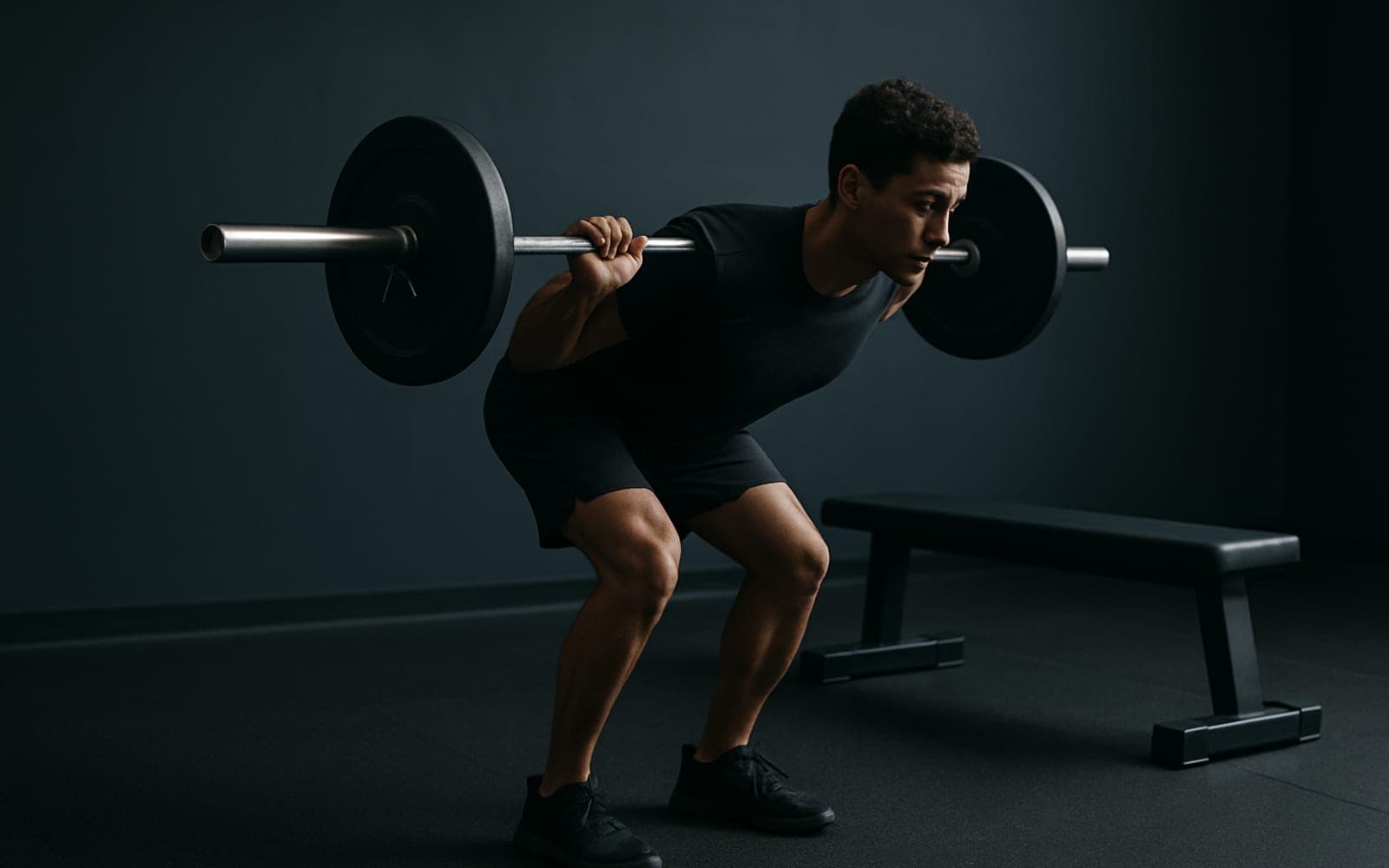
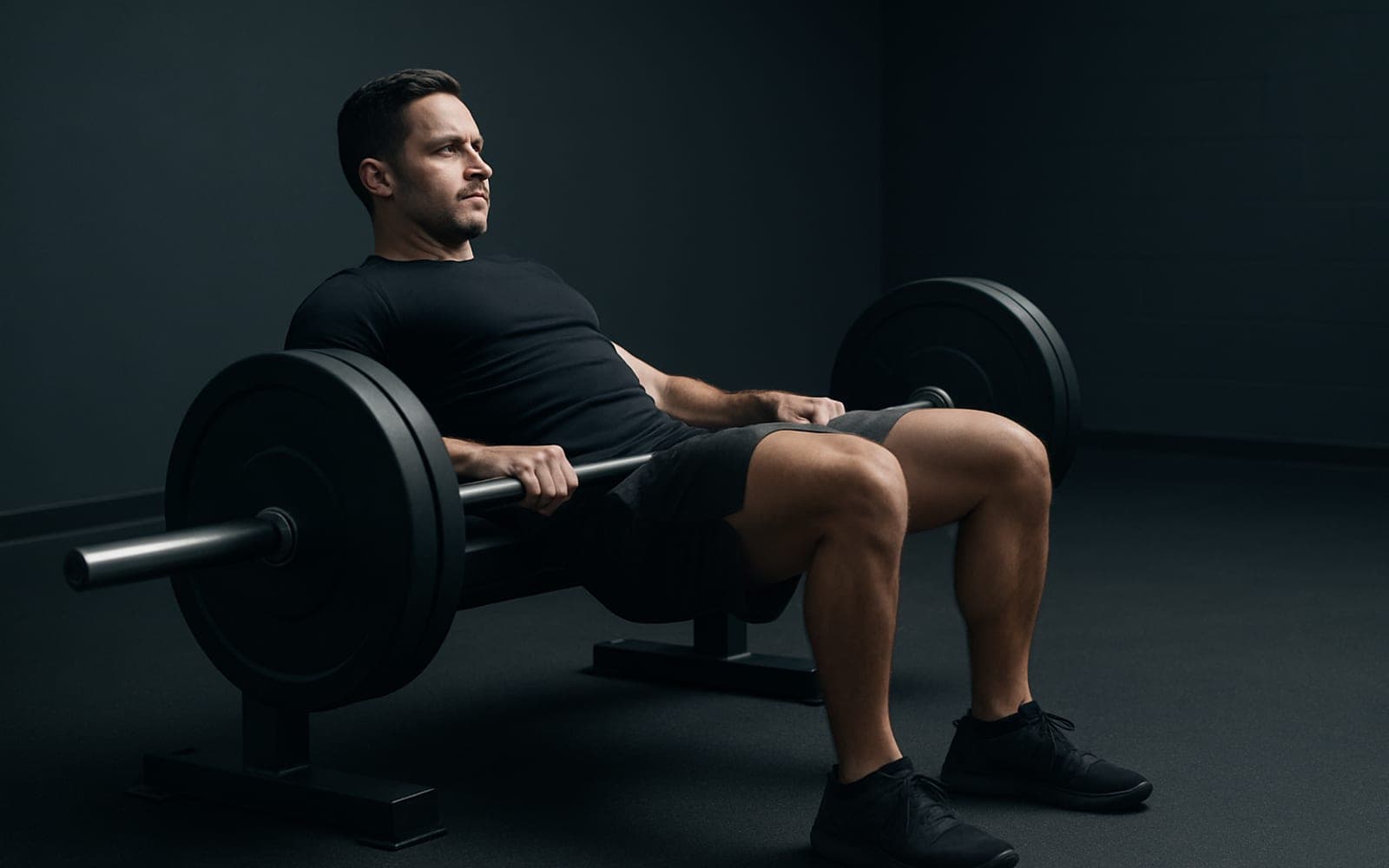
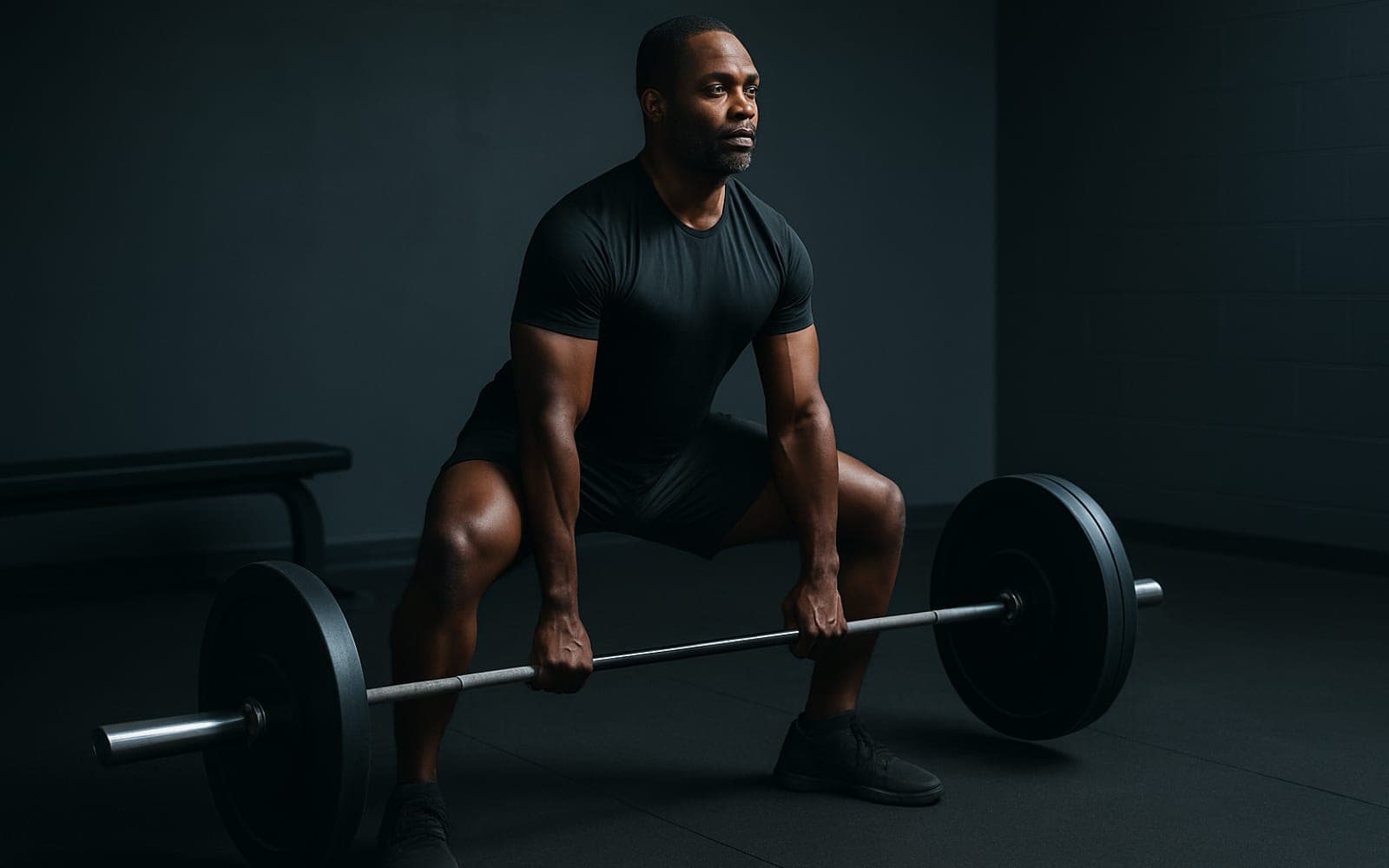
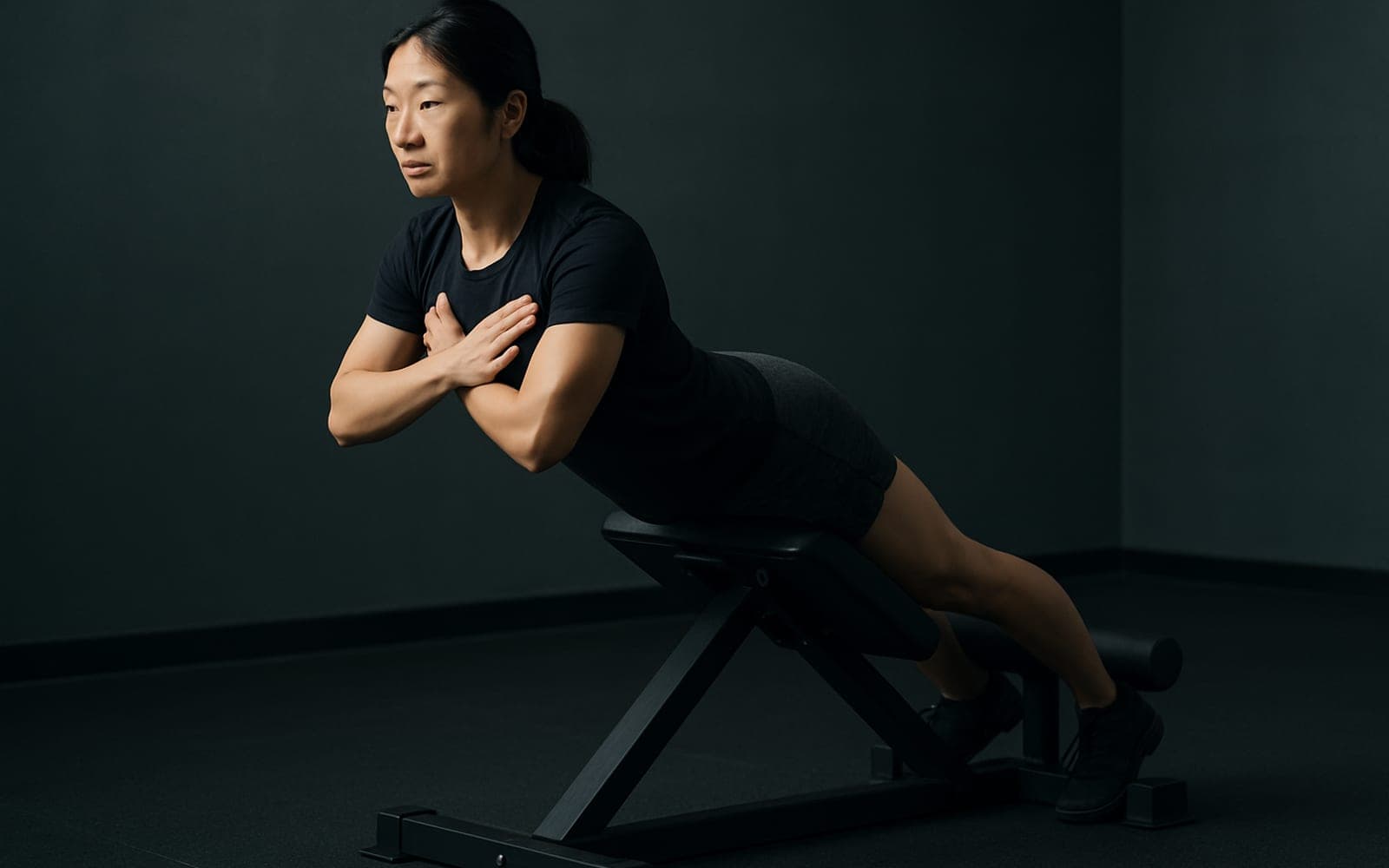
Kettlebell Swing — questions people ask
What muscles does the kettlebell swing work?
The kettlebell swing trains the glutes and hamstrings as the primary target, with the core, back working as support. It is a hinge pattern, so it also trains the coordination that pattern needs.
How many sets and reps of the kettlebell swing should I do?
Three to five sets of 2–5 reps, fully rested between sets. Power work is about speed, so end the set the moment the bar slows down.
Is the kettlebell swing good for beginners?
It is a reasonable second step. The kettlebell swing asks for some control and body awareness. Lighter bell, shorter range. It is also form-sensitive, so it is worth having a coach or an experienced lifter watch your first few sessions. If it feels like too much, build the pattern on the glute bridge first.
What can I do instead of the kettlebell swing?
Romanian Deadlift, Glute Bridge all train the same hinge pattern with different equipment, so any of them works when the machine is busy or your gym does not have it.
What are the most common kettlebell swing mistakes?
Squatting the swing; Using the arms. Snap the hips forward to float the bell to chest height; it's a hinge, not a squat or a lift.
Can I do the kettlebell swing at home?
The kettlebell swing needs free weights equipment, which most home gyms do not have. The glute bridge trains the same pattern with nothing more than your bodyweight or a band.