One-Arm Dumbbell Row
Activation
Muscles worked
Movement
Horizontal Pull
Beginner · Free Weights
Secondary muscles
Movement pattern
Equipment category
How to perform
- 1
Set up
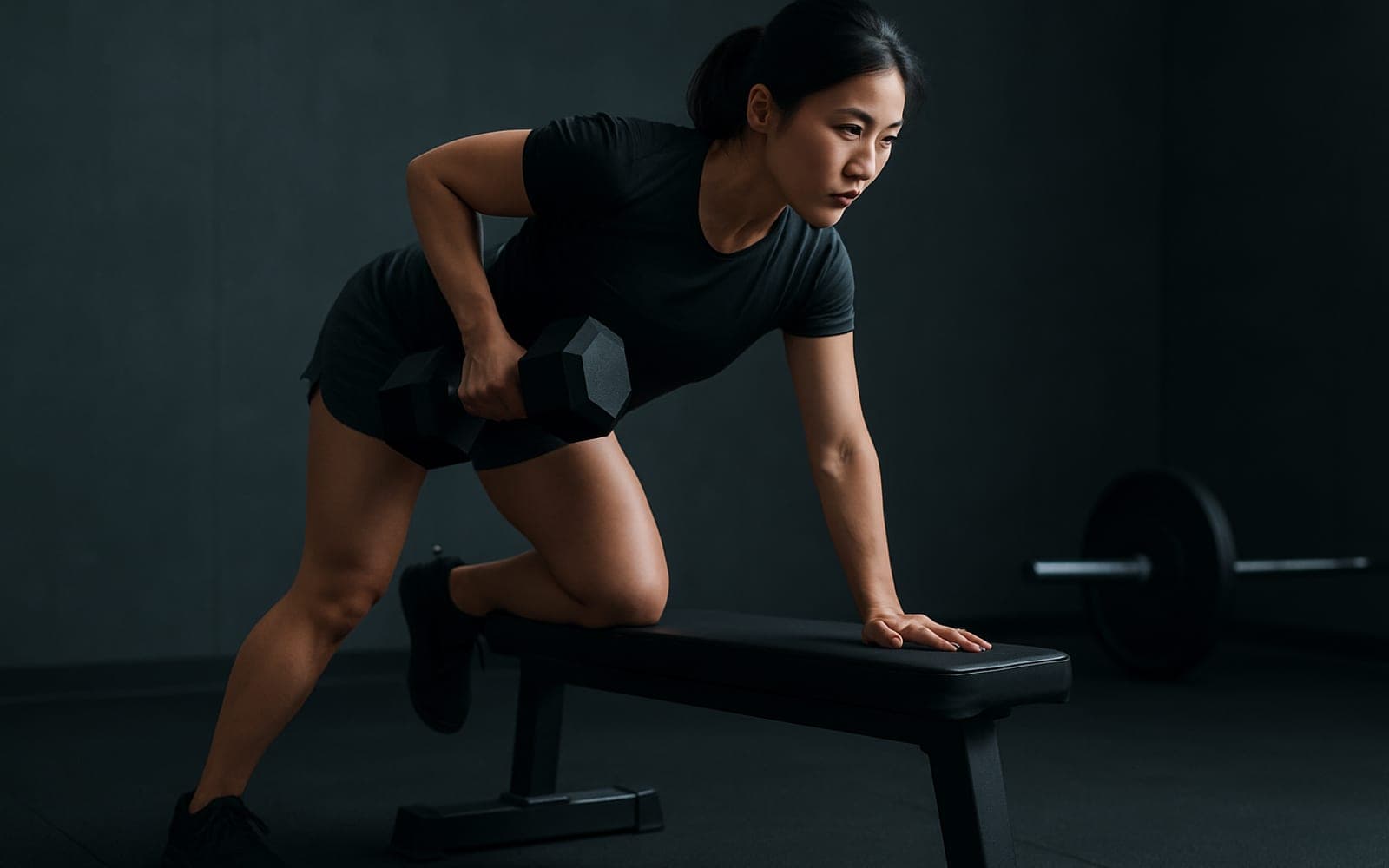
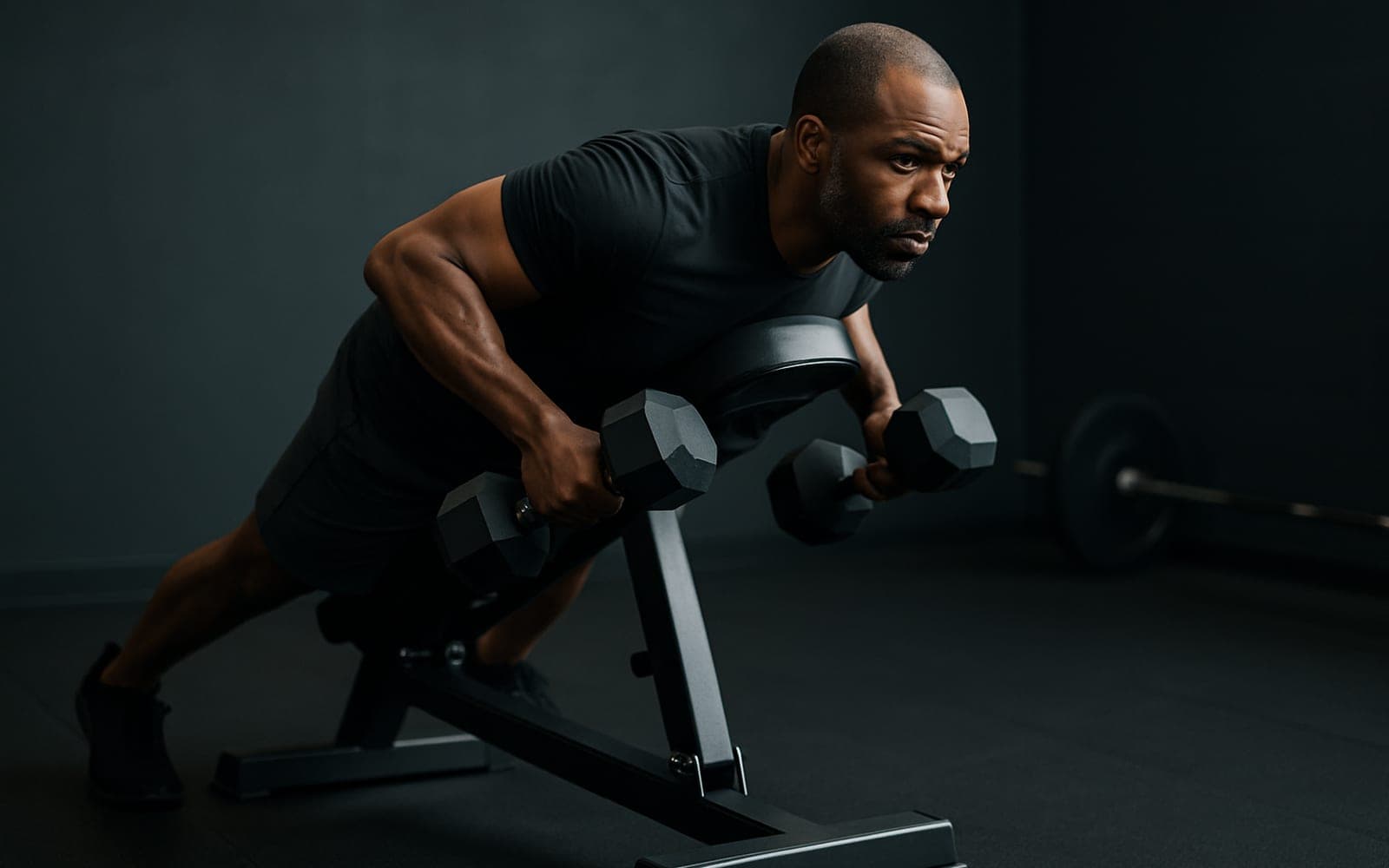
One hand and knee on a bench, back flat, dumbbell hanging.
- 2
Execute the movement
Row the dumbbell to the hip, squeeze, lower fully.
Common mistakes
- Rotating the torso to heave the weight
Make it harder
Make it easier
Substitutions
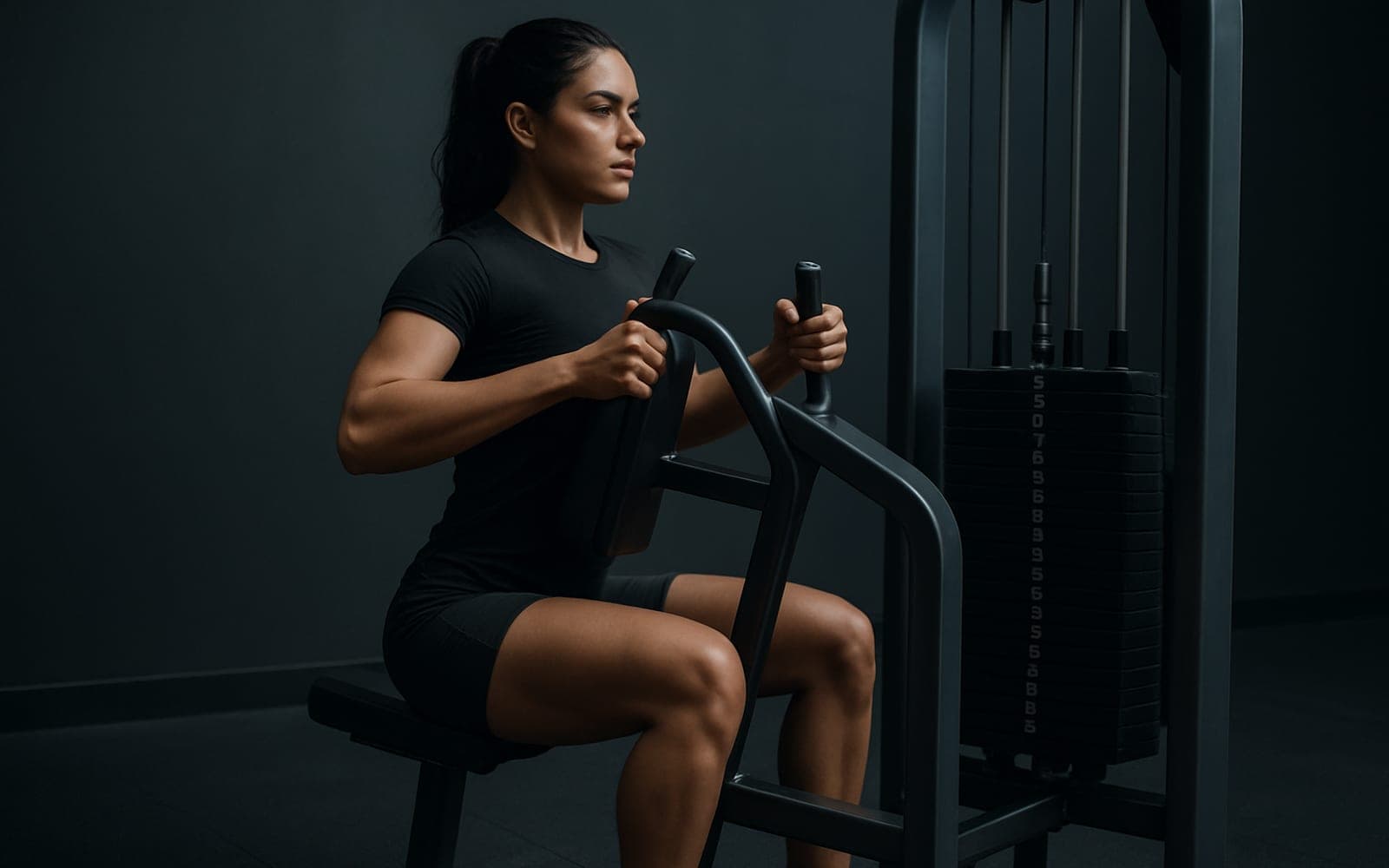
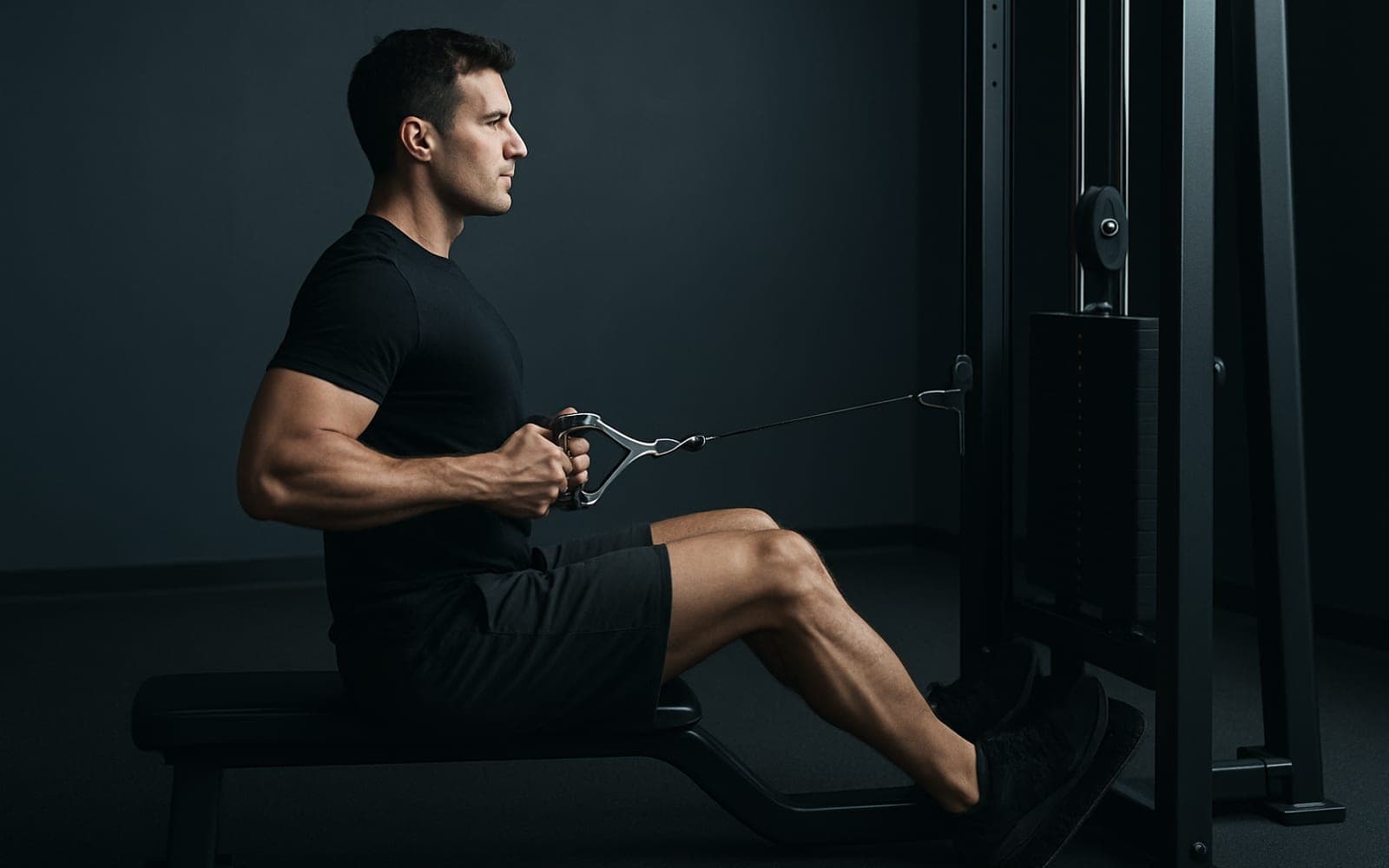
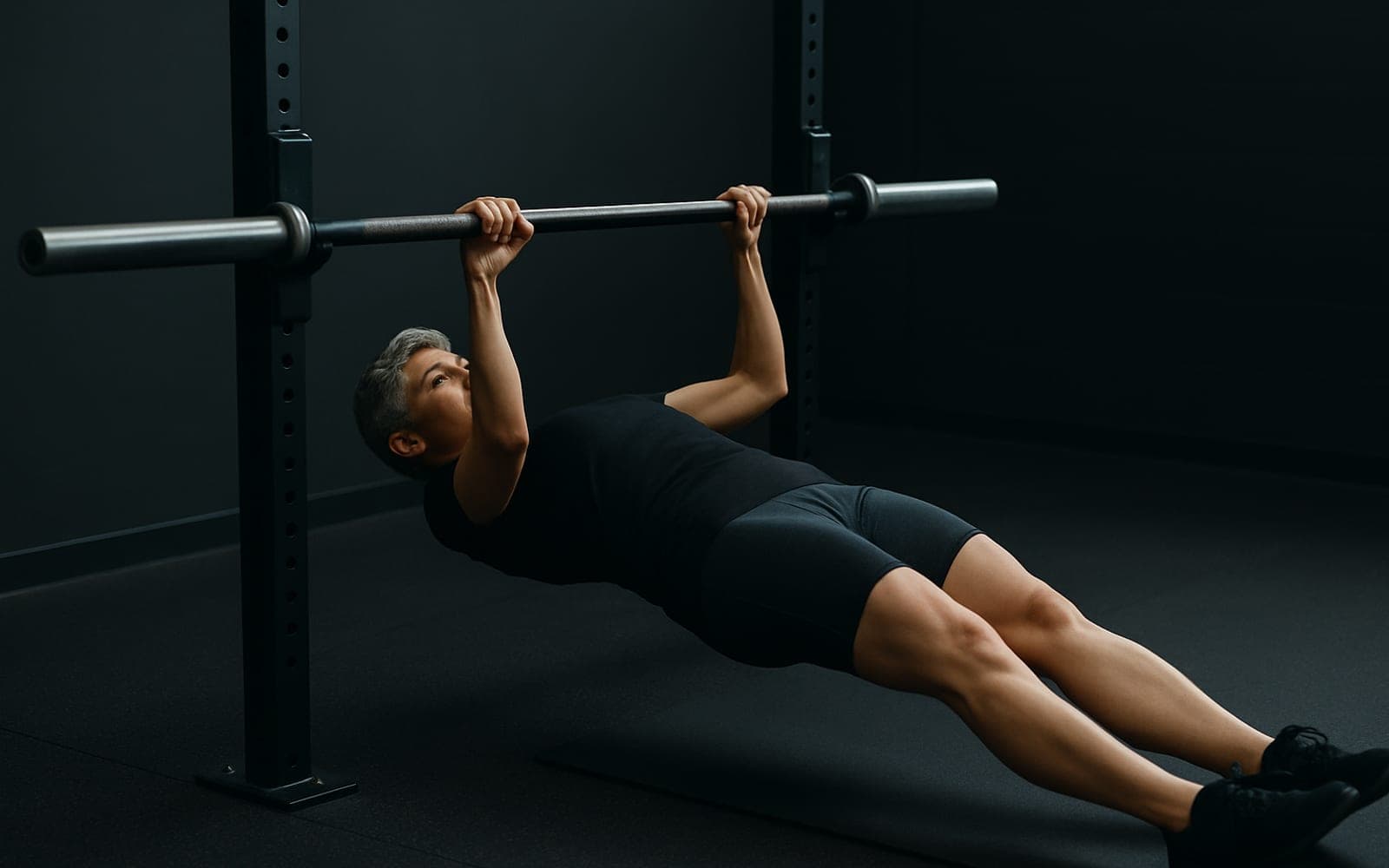
If a machine is busy or unavailable, these train the same pattern a different way.
Your progress over time
What to expect from training this consistently — everyone progresses at their own pace.
- 1
First few sessions
Learn braced setup, proper hip/torso alignment and full range — use light weight, focus on rowing to the hip and a deliberate squeeze at the top with controlled lowering.
- 2
Weeks 2–4
Build consistency and neuromuscular control: you can increase load or reps modestly, reduce compensations (torso rotation), and begin to feel greater mid-back and lat activation.
- 3
Months 2–3
Noticeable increases in upper‑back muscle tone and single‑arm pulling strength; you can handle heavier dumbbells for sets of 6–12 and see improved left/right balance.
- 4
Months 4–6
Clear hypertrophy and strength gains in lats and mid‑back, better posture under load, and measurable carryover to other horizontal/vertical pulls (e.g., easier bent‑over rows or assisted pull‑ups).
- 5
6+ months
Sustained improvements with continued progressive overload or variations — increased working loads, refined technique, and reduced asymmetries, though further gains require program variation and recovery attention.
Benefits of the one-arm dumbbell row
Develops the latissimus dorsi and mid‑trapezius/ rhomboids through a unilateral horizontal pulling movement, improving back thickness.
Strengthens the biceps and forearm gripping muscles secondarily, which helps with other pulling tasks and grip endurance.
Improves unilateral strength and balance, helping to correct left/right asymmetries and core bracing under one‑sided load.
Teaches a controlled eccentric and concentric pattern (row to the hip, squeeze, lower fully), which transfers to safer, more effective pulling mechanics in daily tasks.
Is scalable and beginner‑friendly — easy to progress by increasing dumbbell weight, reps, or volume to support muscle growth and general fitness.
Supports improved posture and upper‑body stability when combined with complementary pushing and lower‑body work, contributing to overall functional strength.
Exercises that pair with this
Same muscles or the same movement pattern — useful for building the rest of the session.
One-Arm Dumbbell Row — questions people ask
What muscles does the one-arm dumbbell row work?
The one-arm dumbbell row trains the lats and mid-back as the primary target, with the biceps working as support. It is a horizontal pull pattern, so it also trains the coordination that pattern needs.
How many sets and reps of the one-arm dumbbell row should I do?
Three sets of 8–12 reps with about 90 seconds of rest is a reliable default. Increase the weight once the last rep of every set still looks clean.
Is the one-arm dumbbell row good for beginners?
Yes. The one-arm dumbbell row is a beginner-friendly movement. Lighter dumbbell. If it feels like too much, build the pattern on the machine row first.
What can I do instead of the one-arm dumbbell row?
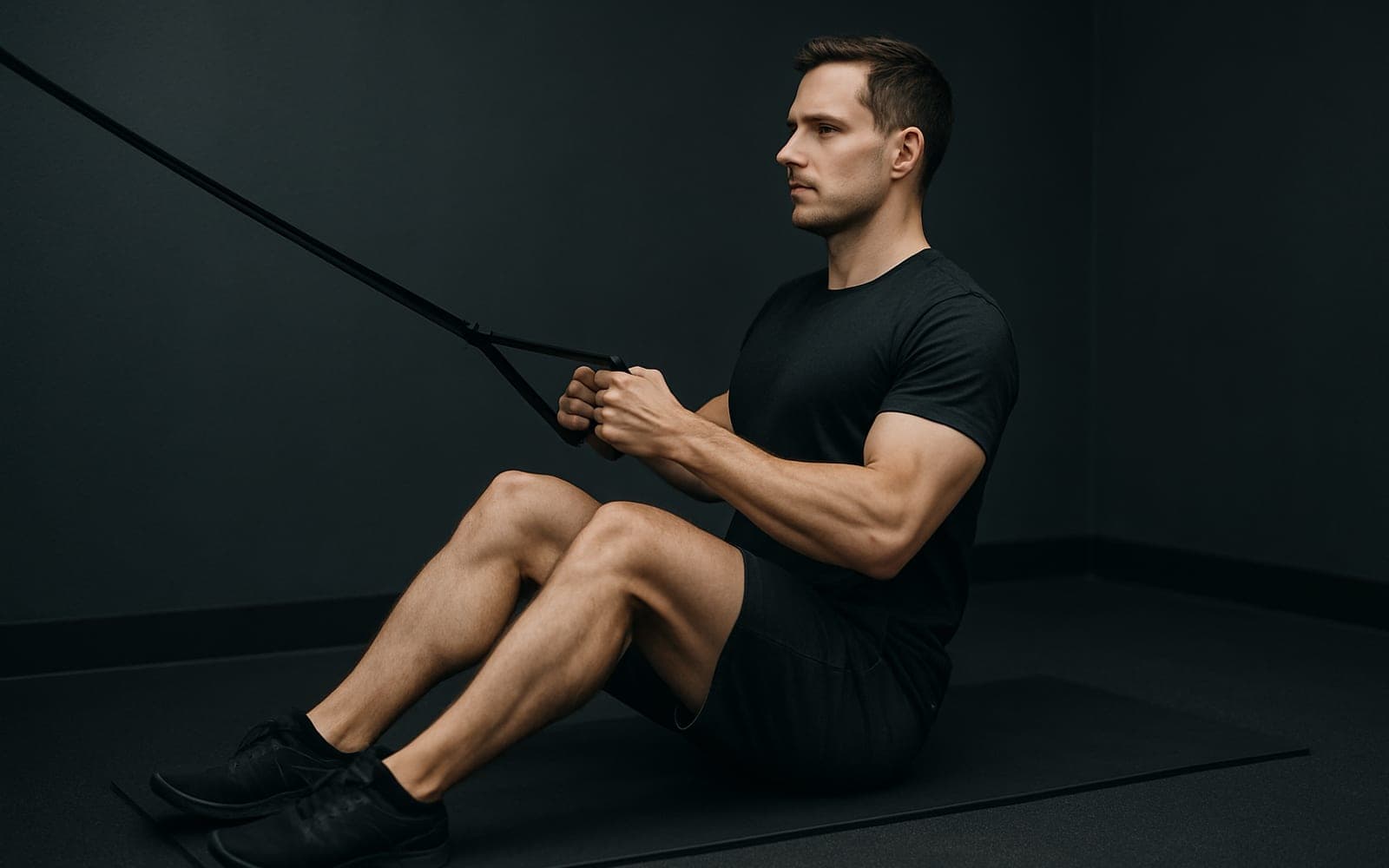
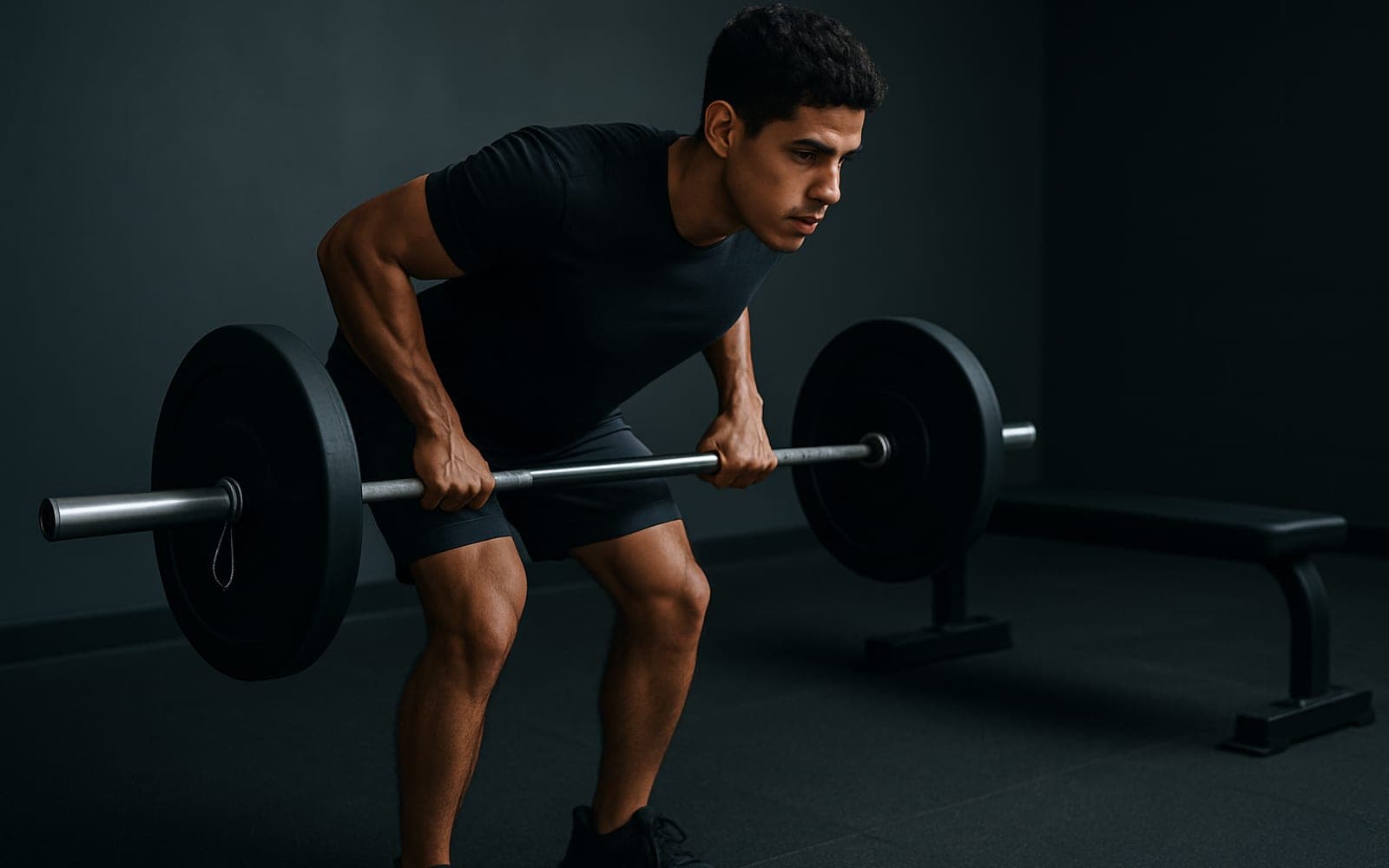
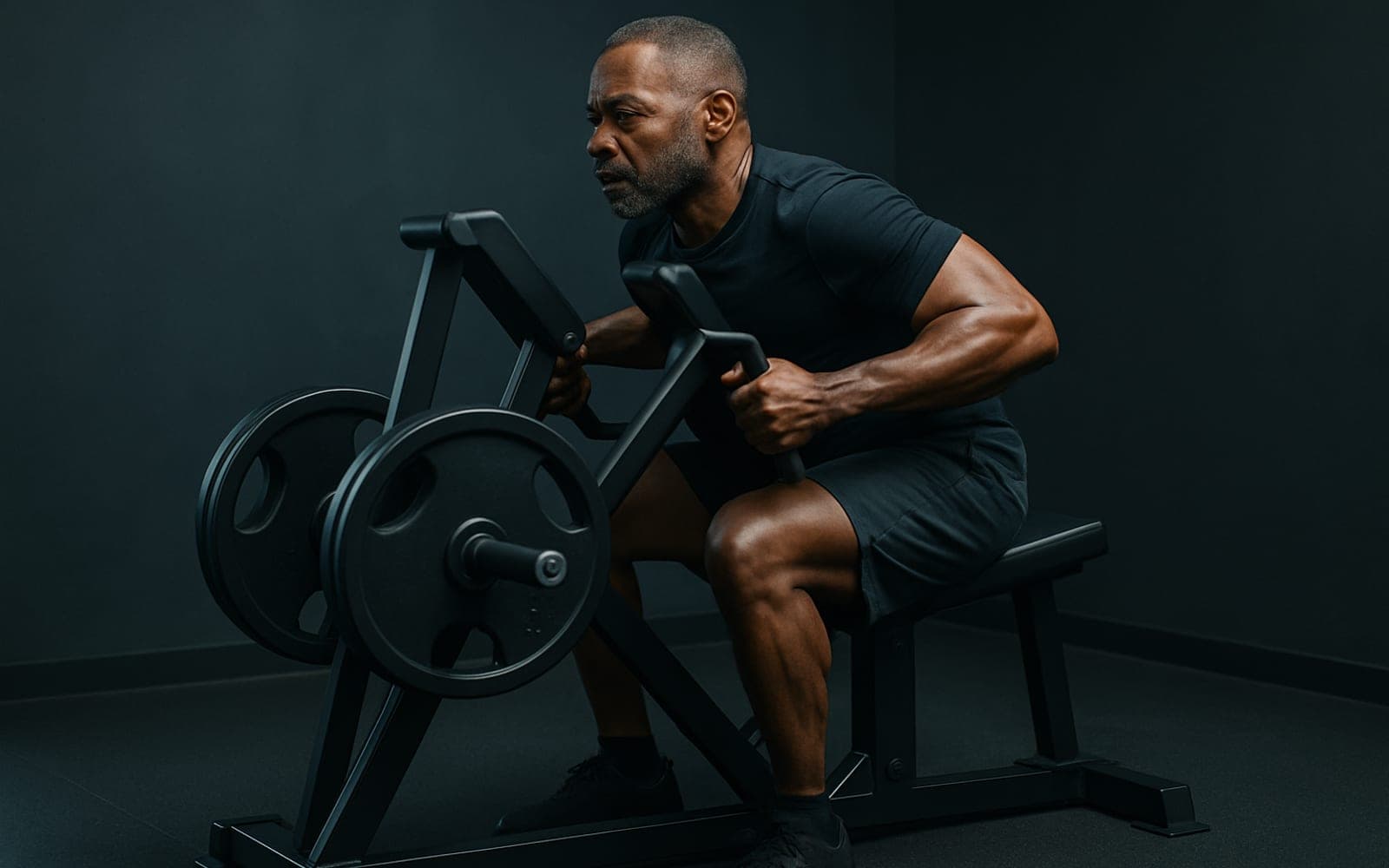
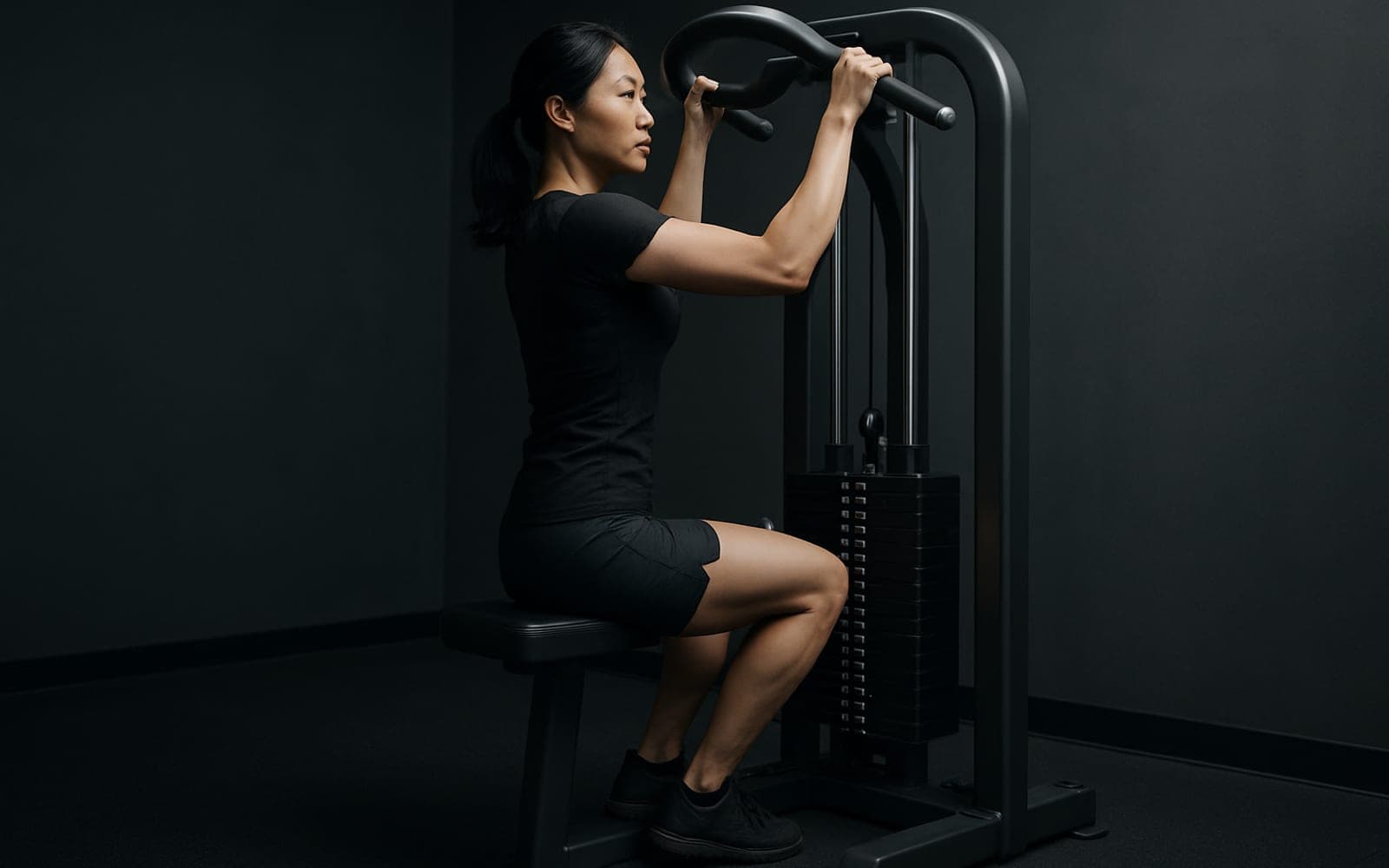
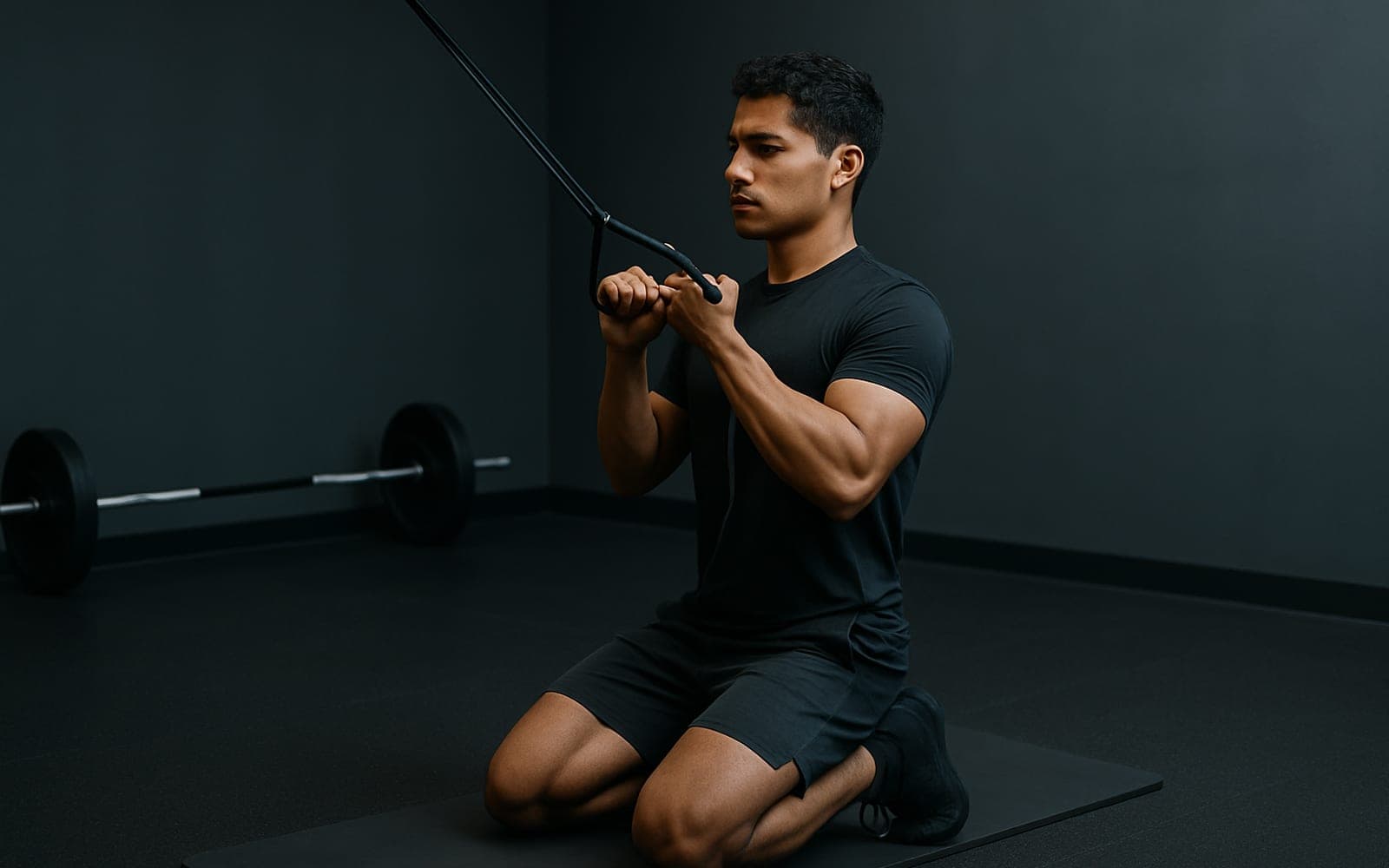
Machine Row, Seated Cable Row, Inverted Row all train the same horizontal pull pattern with different equipment, so any of them works when the machine is busy or your gym does not have it.
What are the most common one-arm dumbbell row mistakes?
Rotating the torso to heave the weight. Row the dumbbell to the hip, squeeze, lower fully.
Can I do the one-arm dumbbell row at home?
The one-arm dumbbell row needs free weights equipment, which most home gyms do not have. The inverted row trains the same pattern with nothing more than your bodyweight or a band.