Front Squat
Activation
Muscles worked
Movement
Squat
Advanced · Free Weights
Primary muscles
Secondary muscles
Movement pattern
Equipment category
How to perform
- 1
Set up
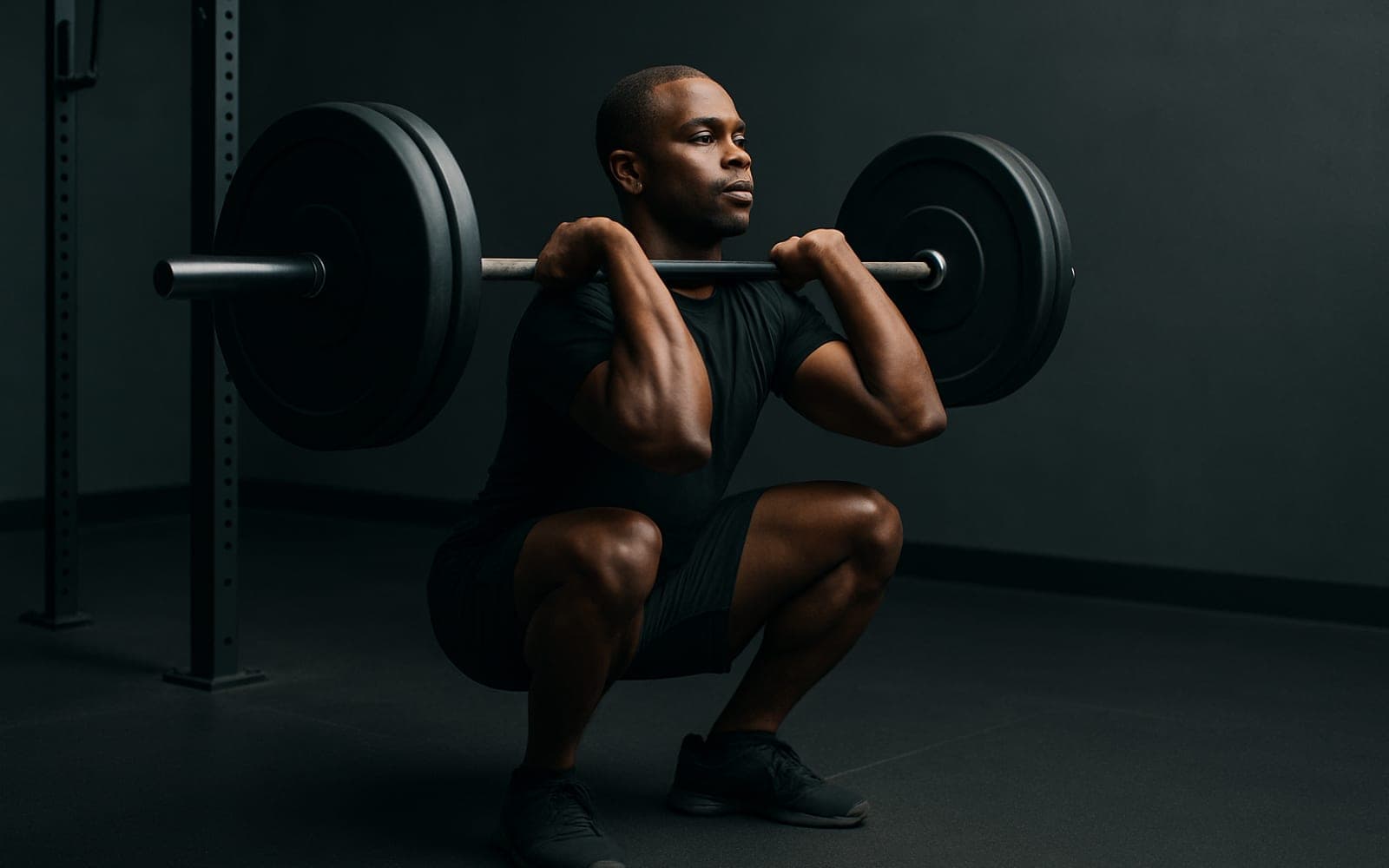
Rack the bar across the front delts with elbows high; feet shoulder-width.
- 2
Execute the movement
Keep the torso upright and elbows up as you squat to at least parallel, then drive up through mid-foot. The front-rack biases the quads and demands a tall spine.
Common mistakes
- Elbows dropping (bar rolls forward)
- Rounding the upper back
- Heels rising
Make it harder
Make it easier
Substitutions
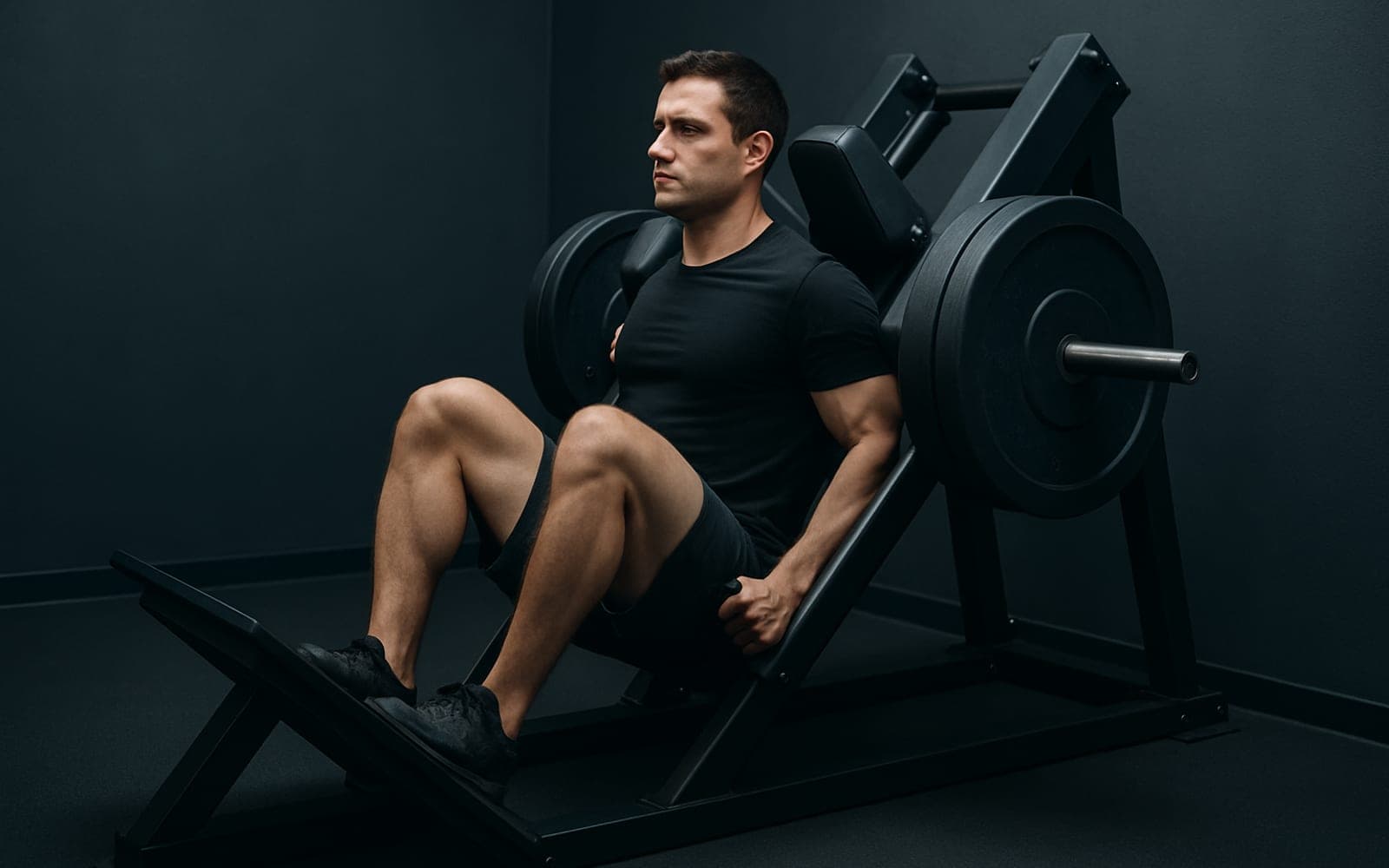
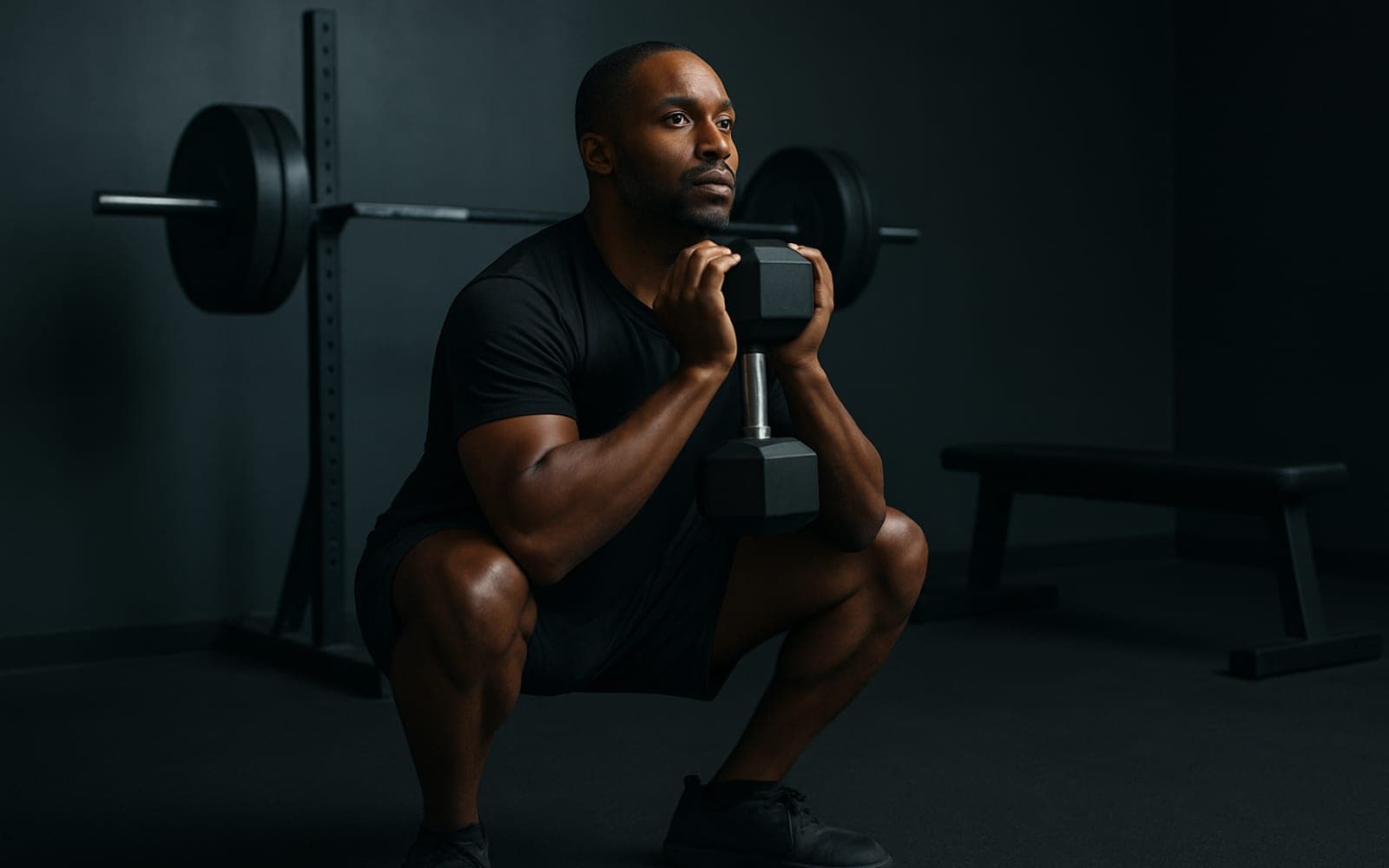
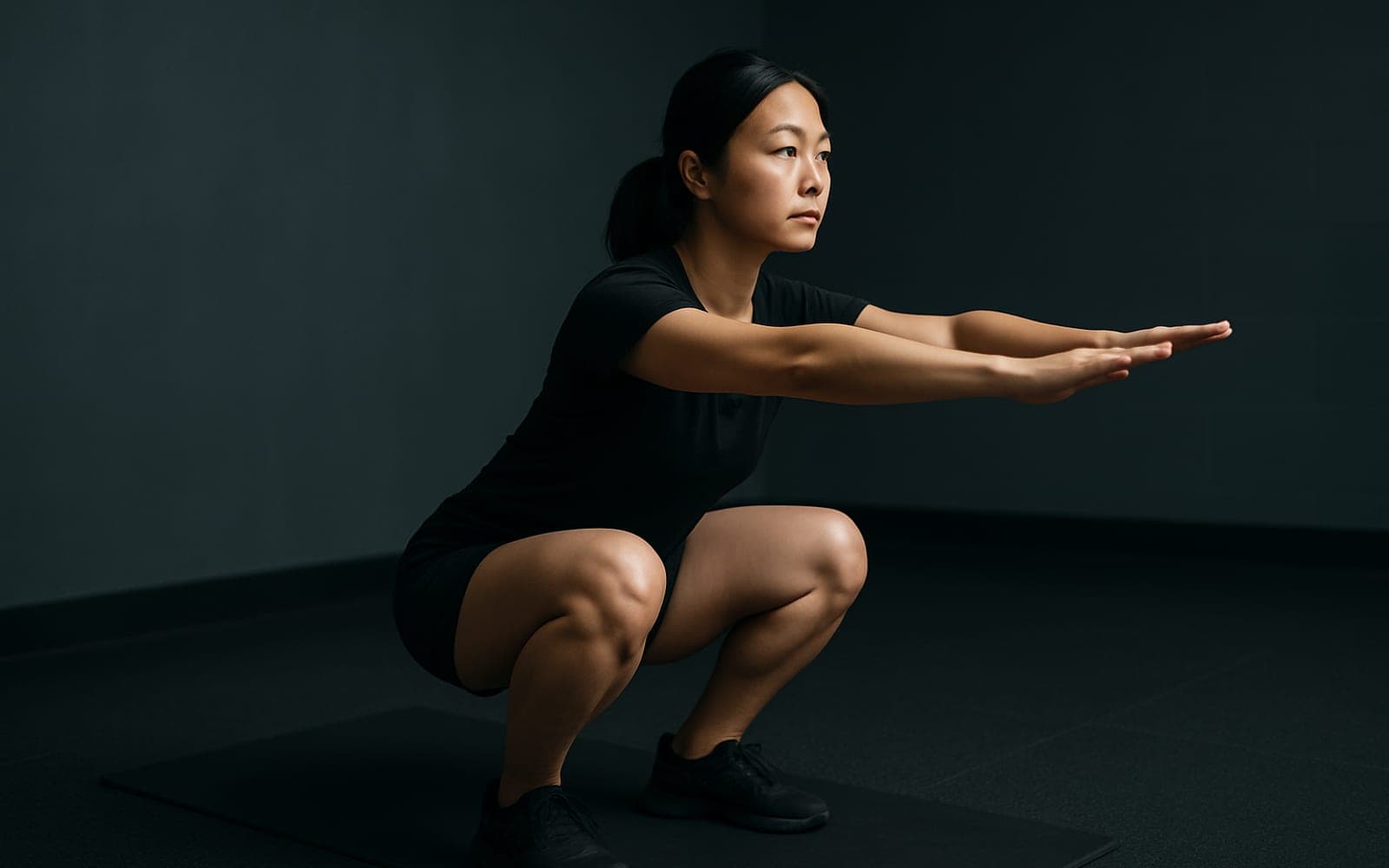
If a machine is busy or unavailable, these train the same pattern a different way.
Your progress over time
What to expect from training this consistently — everyone progresses at their own pace.
- 1
First few sessions
Learn and groove the front-rack and upright torso position with light loads; expect mobility and positioning to limit load while building confidence and technique.
- 2
Weeks 2–6
Add moderate weight as technique becomes consistent, with noticeable improvements in quad activation, core bracing, and the ability to hit and recover from parallel depth under load.
- 3
Months 2–4
Strength and hypertrophy gains become apparent: working sets increase, sets/reps completed with fewer technical breaks, and thigh size/strength noticeably improve for athletic movements like sprint starts and jumps.
- 4
Months 4–9
Front squat becomes a reliable heavy compound movement in your program — 1–5RM strength rises, core and upper-back endurance improve, and transfer to cleaner rack strength and upright athletic positions is clear.
- 5
9+ months
As a long-term staple you’ll see substantial quad-dominant strength and muscle development, durable front-rack tolerance, and consistent carryover to improved athletic performance and heavier posterior-chain lifts due to better starting positions.
Benefits of the front squat
Strong quad development: the anterior load emphasizes the quadriceps more than back squats, promoting knee extension strength and size.
Improved upright posture and upper-back strength: holding the bar in the front rack forces scapular stability and thoracic extension under load.
Enhanced core and anti-flexion capacity: the front-loaded position trains the abs and obliques to resist spinal collapse during heavy squats.
Carryover to athletic performance: better force transfer in sprint and jump setups due to upright torso and strong knee drive.
Knee-dominant strength that complements posterior-chain work: balances lower-body development and helps address anterior strength deficits.
Movement quality and mobility: regular practice improves wrist/shoulder mobility for the rack and promotes disciplined depth and movement mechanics.
Exercises that pair with this
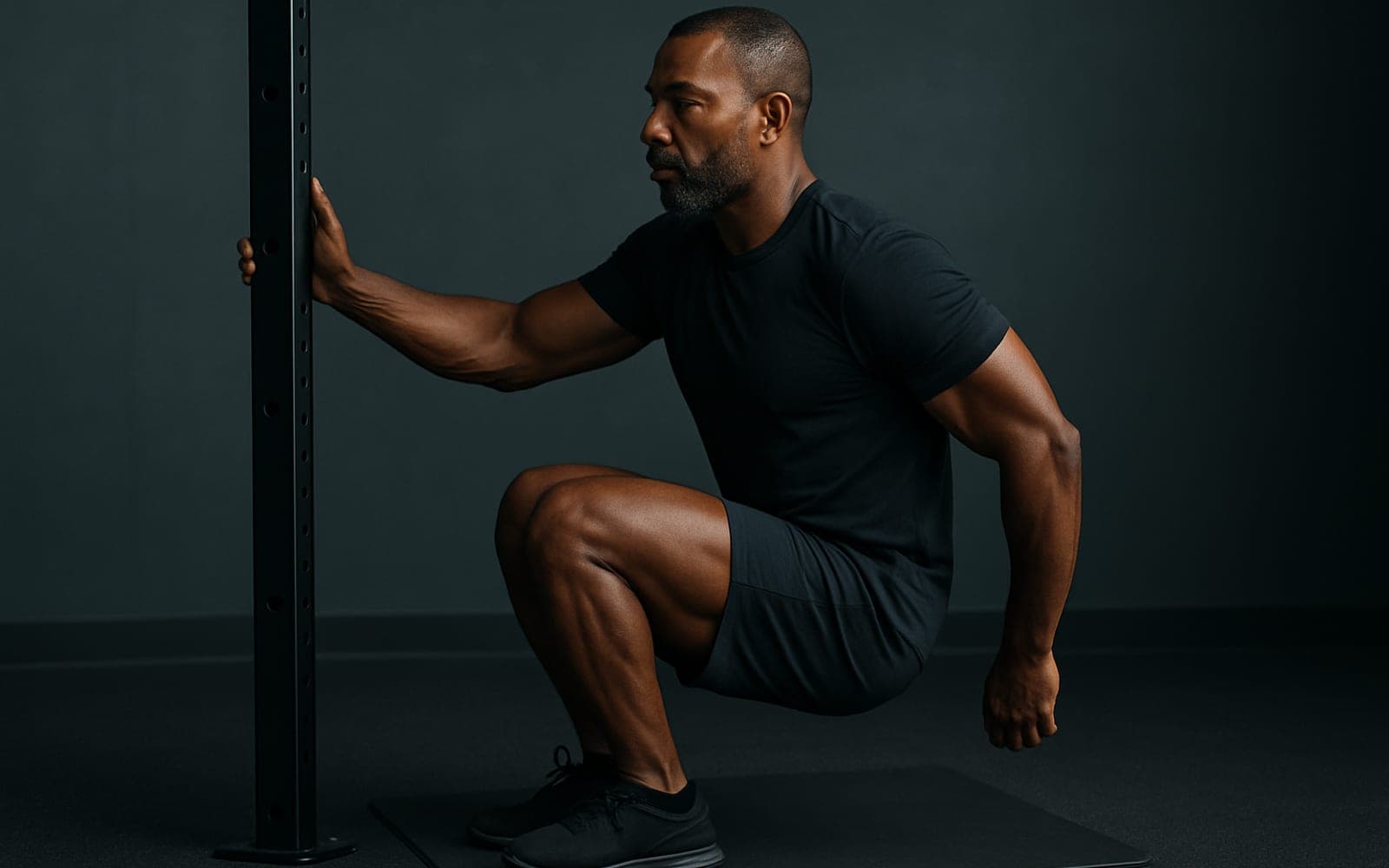
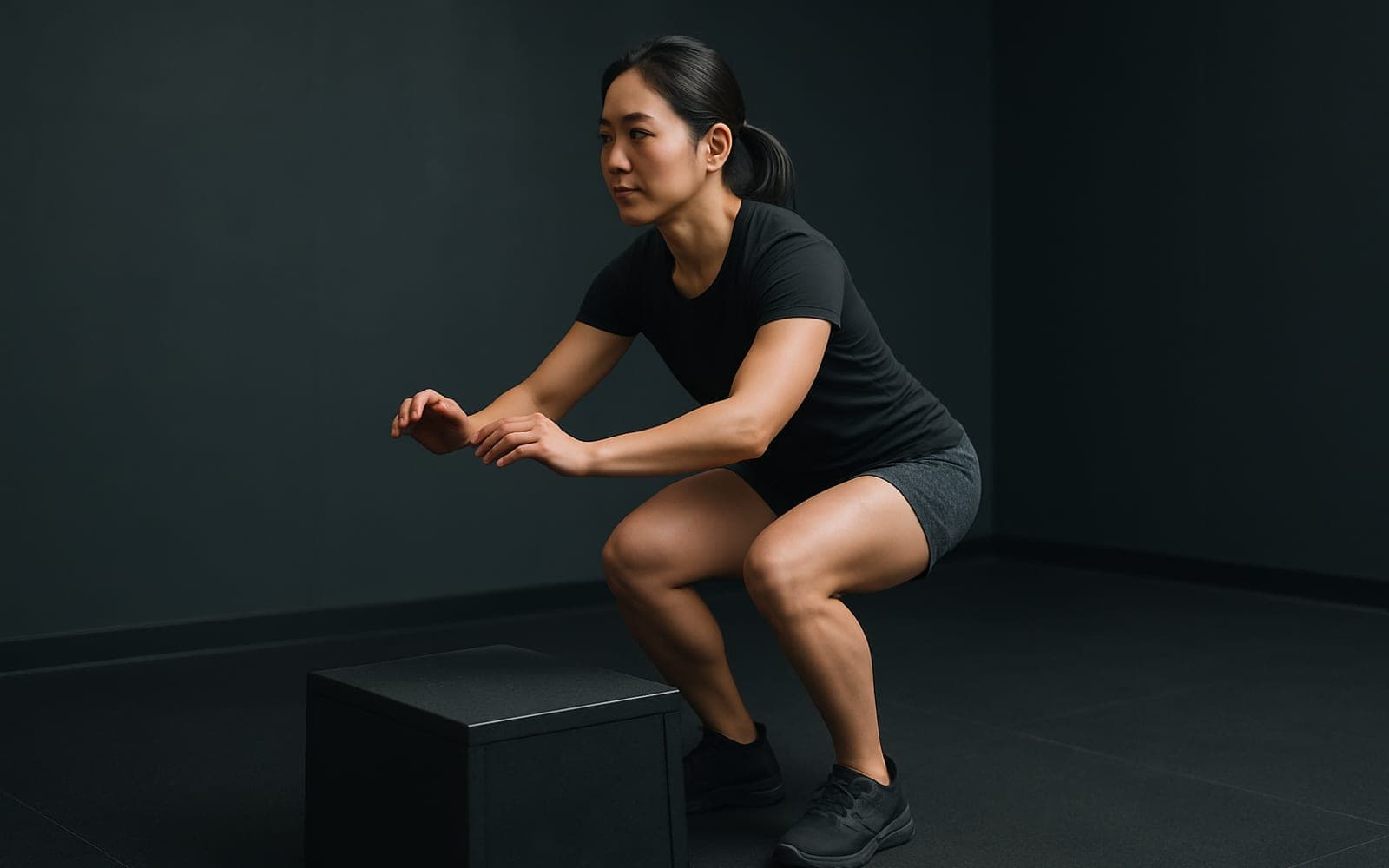
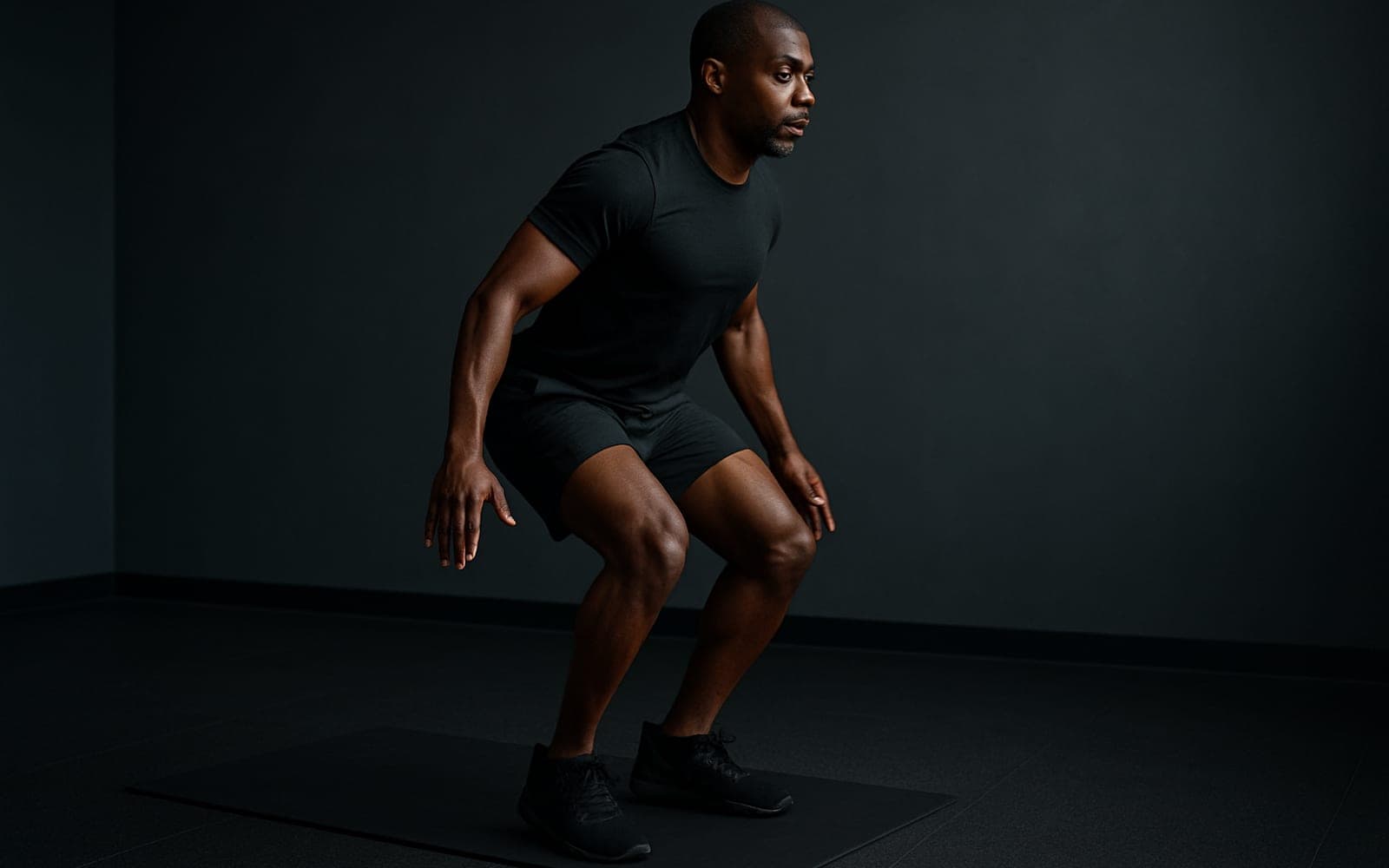
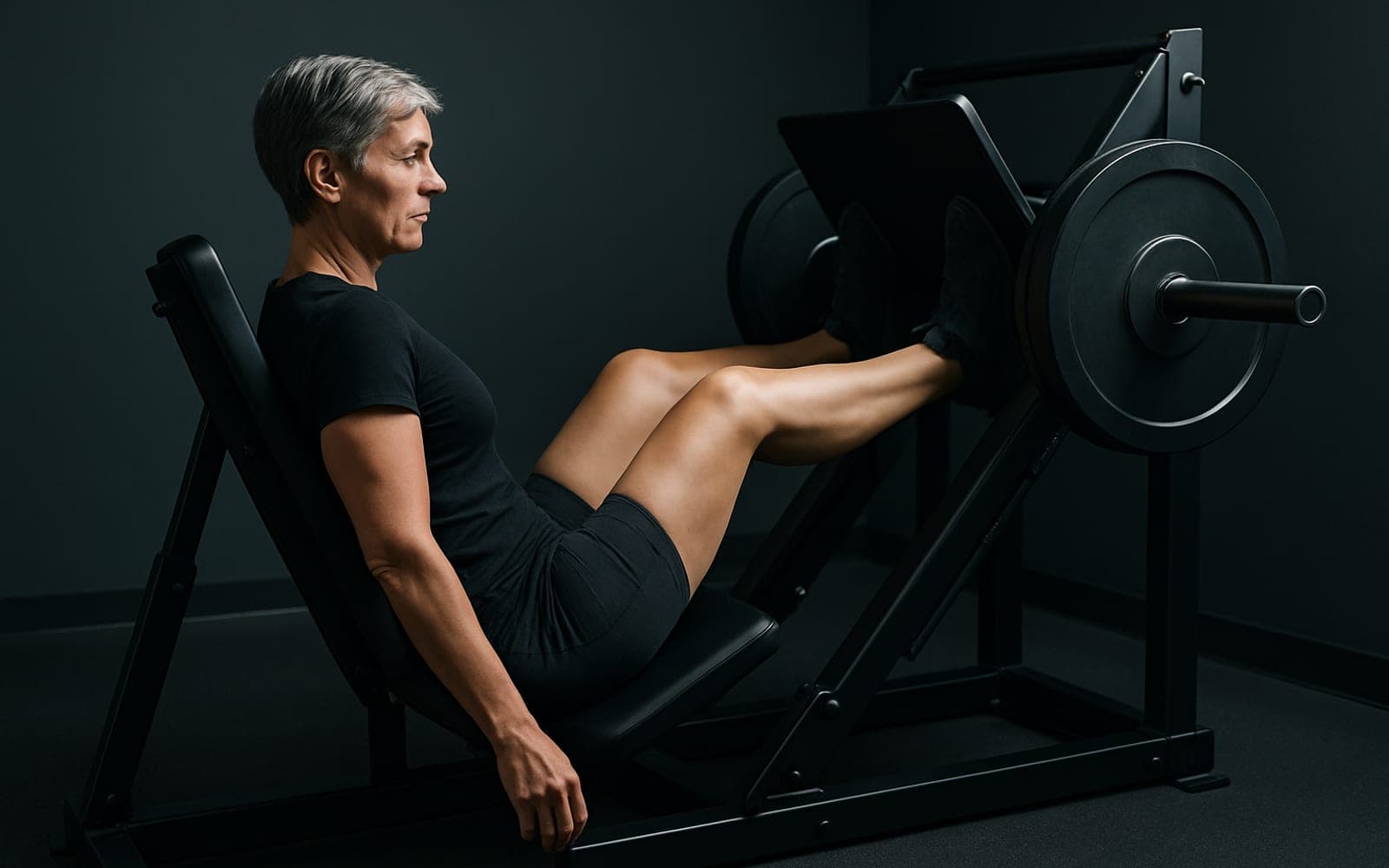
Same muscles or the same movement pattern — useful for building the rest of the session.

Front Squat — questions people ask
What muscles does the front squat work?
The front squat trains the quads as the primary target, with the glutes, core, upper back working as support. It is a squat pattern, so it also trains the coordination that pattern needs.
How many sets and reps of the front squat should I do?
For size, three to four sets of 8–12 reps with 60–90 seconds of rest. For strength, three to five sets of 3–6 reps with longer rest. Add a little weight once you hit the top of the range on every set.
Is the front squat good for beginners?
Not as a first exercise. The front squat is an advanced movement. Use a goblet squat to groove the upright torso first. It is also form-sensitive, so it is worth having a coach or an experienced lifter watch your first few sessions. If it feels like too much, build the pattern on the hack squat first.
What can I do instead of the front squat?
Hack Squat, Goblet Squat, Bodyweight Squat all train the same squat pattern with different equipment, so any of them works when the machine is busy or your gym does not have it.
What are the most common front squat mistakes?
Elbows dropping (bar rolls forward); Rounding the upper back; Heels rising. Keep the torso upright and elbows up as you squat to at least parallel, then drive up through mid-foot. The front-rack biases the quads and demands a tall spine.
Can I do the front squat at home?
The front squat needs free weights equipment, which most home gyms do not have. The bodyweight squat trains the same pattern with nothing more than your bodyweight or a band.