T-Bar Row
Activation
Muscles worked
Movement
Horizontal Pull
Intermediate · Plate-Loaded
Primary muscles
Movement pattern
Equipment category
How to perform
- 1
Set up
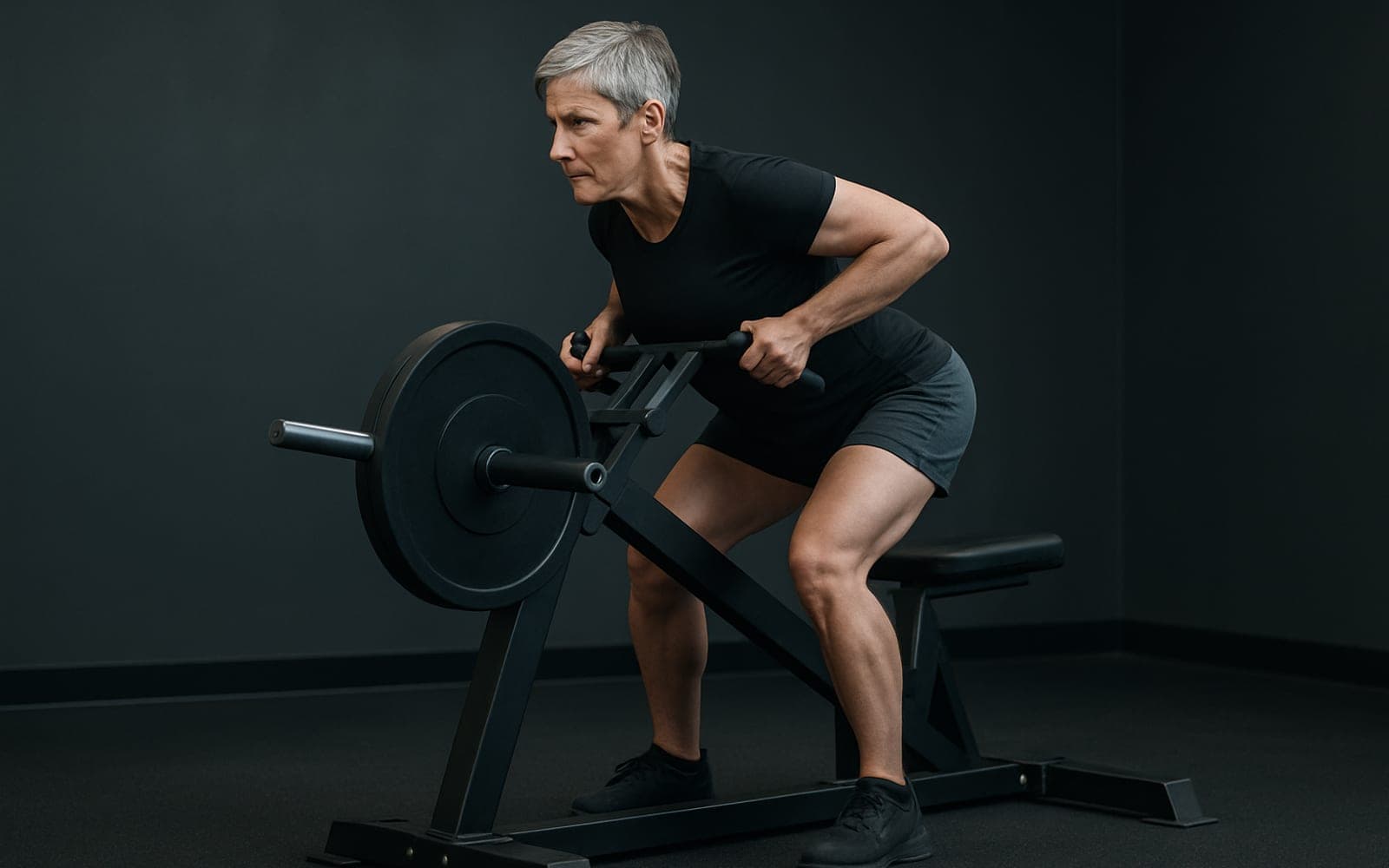
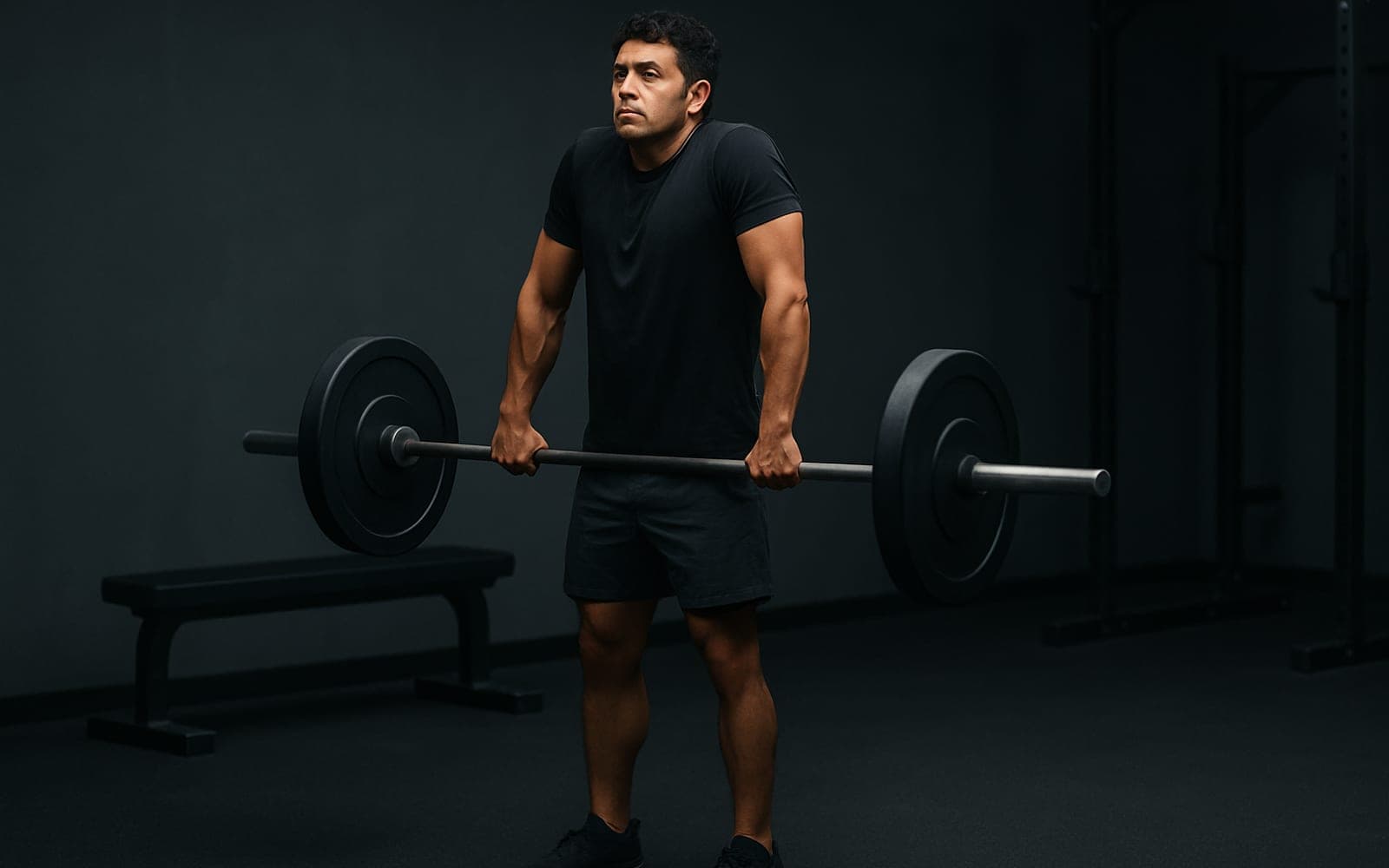
Straddle a T-bar (or a barbell in a landmine), hinge forward with a flat back, grip the handles.
- 2
Execute the movement
Row the weight to the lower chest/upper abdomen by driving the elbows back and squeezing the shoulder blades; lower under control.
Common mistakes
- Rounding the lower back
- Standing too upright and using momentum
Make it harder
Make it easier
Substitutions
If a machine is busy or unavailable, these train the same pattern a different way.
Your progress over time
What to expect from training this consistently — everyone progresses at their own pace.
- 1
First few sessions
Learn the hinge and bracing pattern, groove the elbow-driven row path, and reduce common faults (too much torso swing, arm-only pulling); expect mild upper-back soreness as neuromuscular control improves.
- 2
Weeks 2–6
Rapid neural improvements allow you to add weight and tighten technique; you’ll feel stronger on sets, better scapular retraction, and modest increases in working load and set volume.
- 3
Months 2–4
Noticeable hypertrophy in the upper back and improved raw pulling strength — typical progress is consistent load increases and more reps at challenging weights as muscle size and work capacity rise.
- 4
Months 4–8
Substantial carryover to other upper-body pulling lifts (heavier rows and deadlift assistance), improved posture and scapular stability, with progress requiring deliberate programming (periodization, progressive overload, and recovery).
- 5
9+ months
You’ll be able to handle heavy, well-executed sets with controlled tempo for strength and size; further gains slow and demand progressive variety (grip variations, tempo changes, and volume manipulation).
Benefits of the t-bar row
Directly develops the upper back (rhomboids, mid/lower traps) for a thicker, more defined posterior chain of the torso.
Loads the lats and biceps as secondary movers, improving midline pulling strength and arm size when performed progressively overloaded.
Enhances scapular retraction and posture, which helps counteract prolonged sitting and rounded-shoulder positions in daily life.
Provides high mechanical loading for hypertrophy and strength with less low-back shear than some bent-over variations when performed with proper bracing.
Improves pulling strength that transfers to compound lifts (deadlifts, pull-ups) and practical tasks like lifting/pulling objects.
Teaches tempo and control on the eccentric (lowering) phase, building muscular endurance and reducing risk of momentum-driven, less effective repetitions.
Exercises that pair with this
Same muscles or the same movement pattern — useful for building the rest of the session.

T-Bar Row — questions people ask
What muscles does the t-bar row work?
The t-bar row trains the upper back as the primary target, with the lats, biceps working as support. It is a horizontal pull pattern, so it also trains the coordination that pattern needs.
How many sets and reps of the t-bar row should I do?
For size, three to four sets of 8–12 reps with 60–90 seconds of rest. For strength, three to five sets of 3–6 reps with longer rest. Add a little weight once you hit the top of the range on every set.
Is the t-bar row good for beginners?
It is a reasonable second step. The t-bar row asks for some control and body awareness. Use a chest-supported or machine row. It is also form-sensitive, so it is worth having a coach or an experienced lifter watch your first few sessions. If it feels like too much, build the pattern on the machine row first.
What can I do instead of the t-bar row?
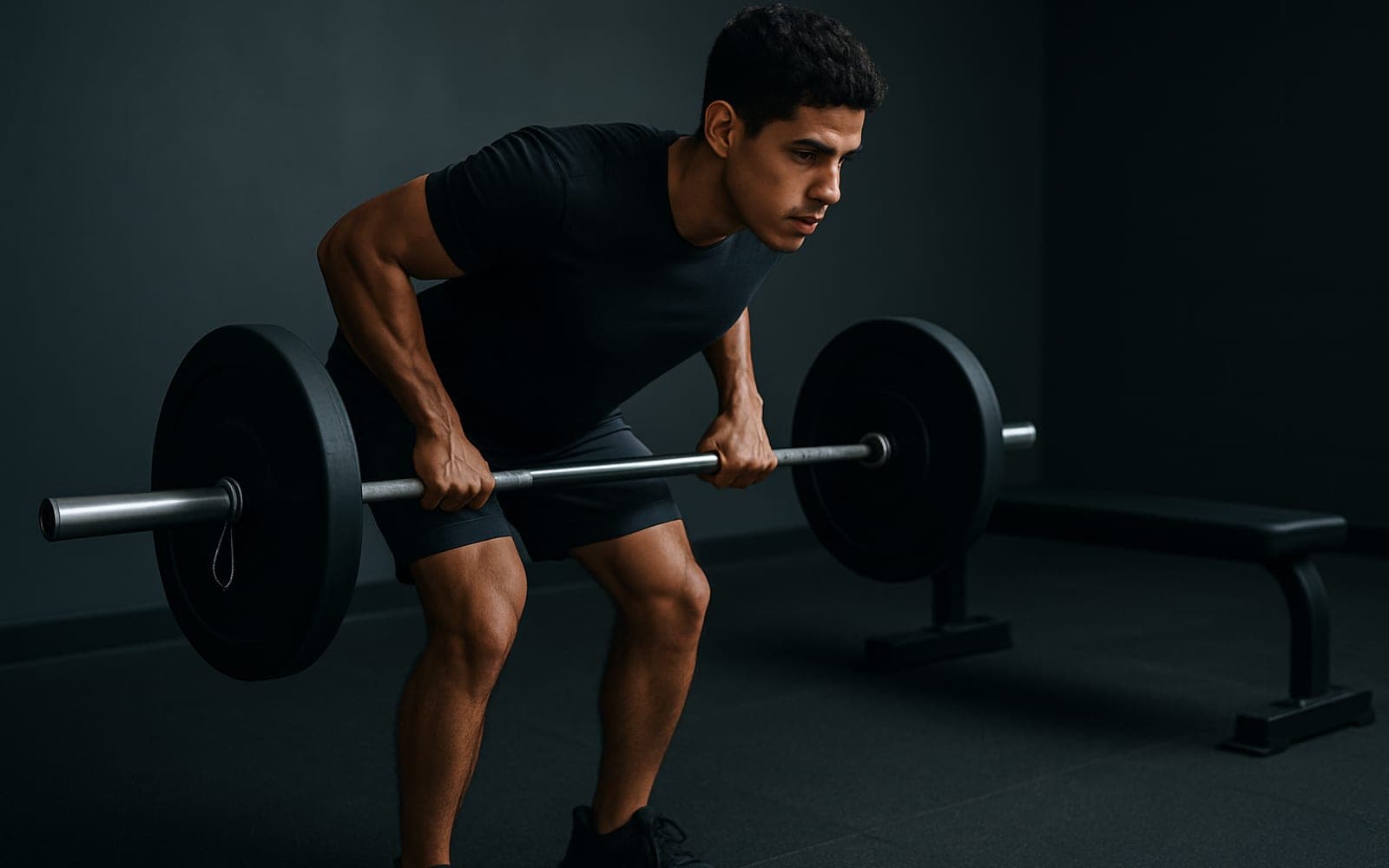
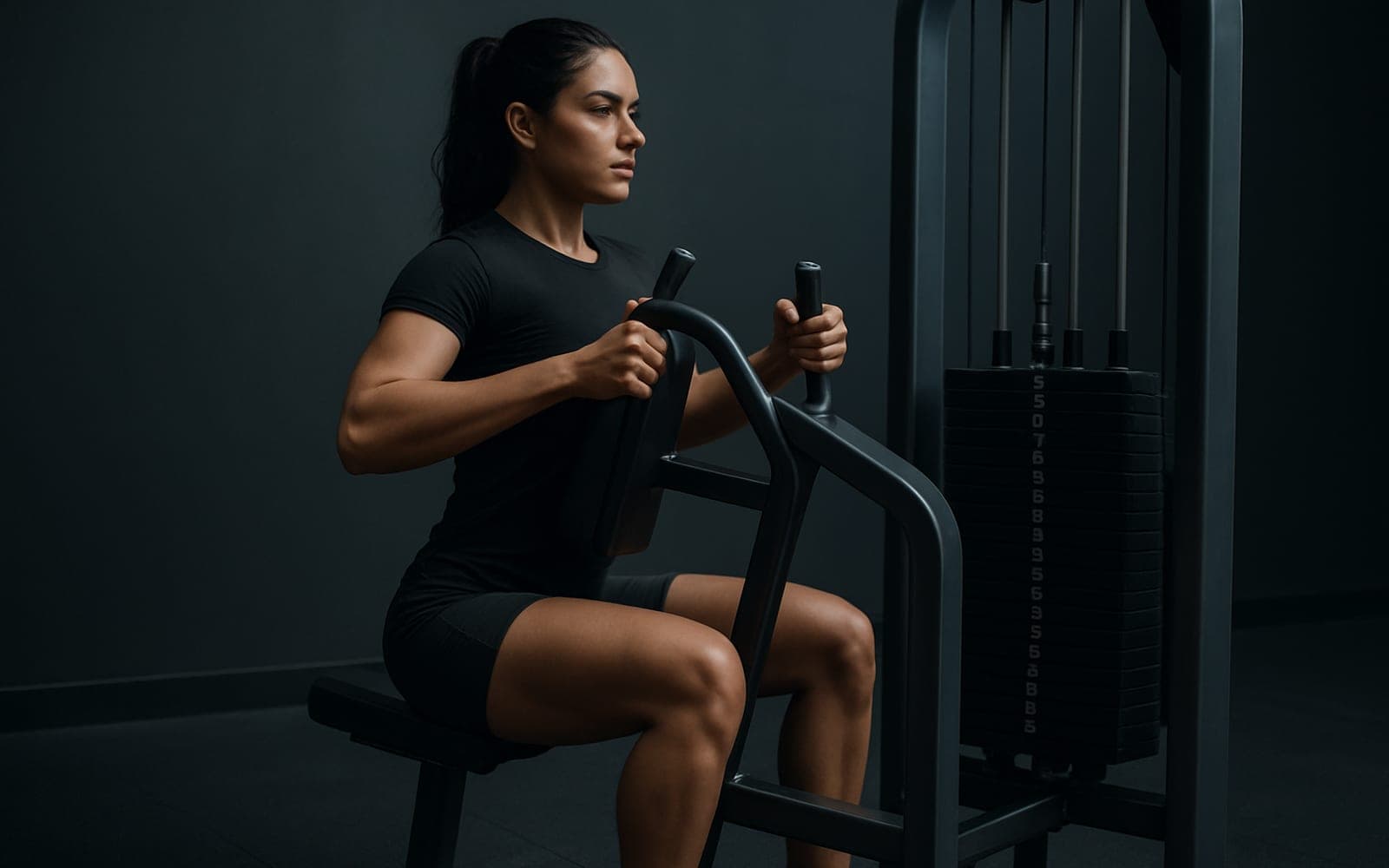
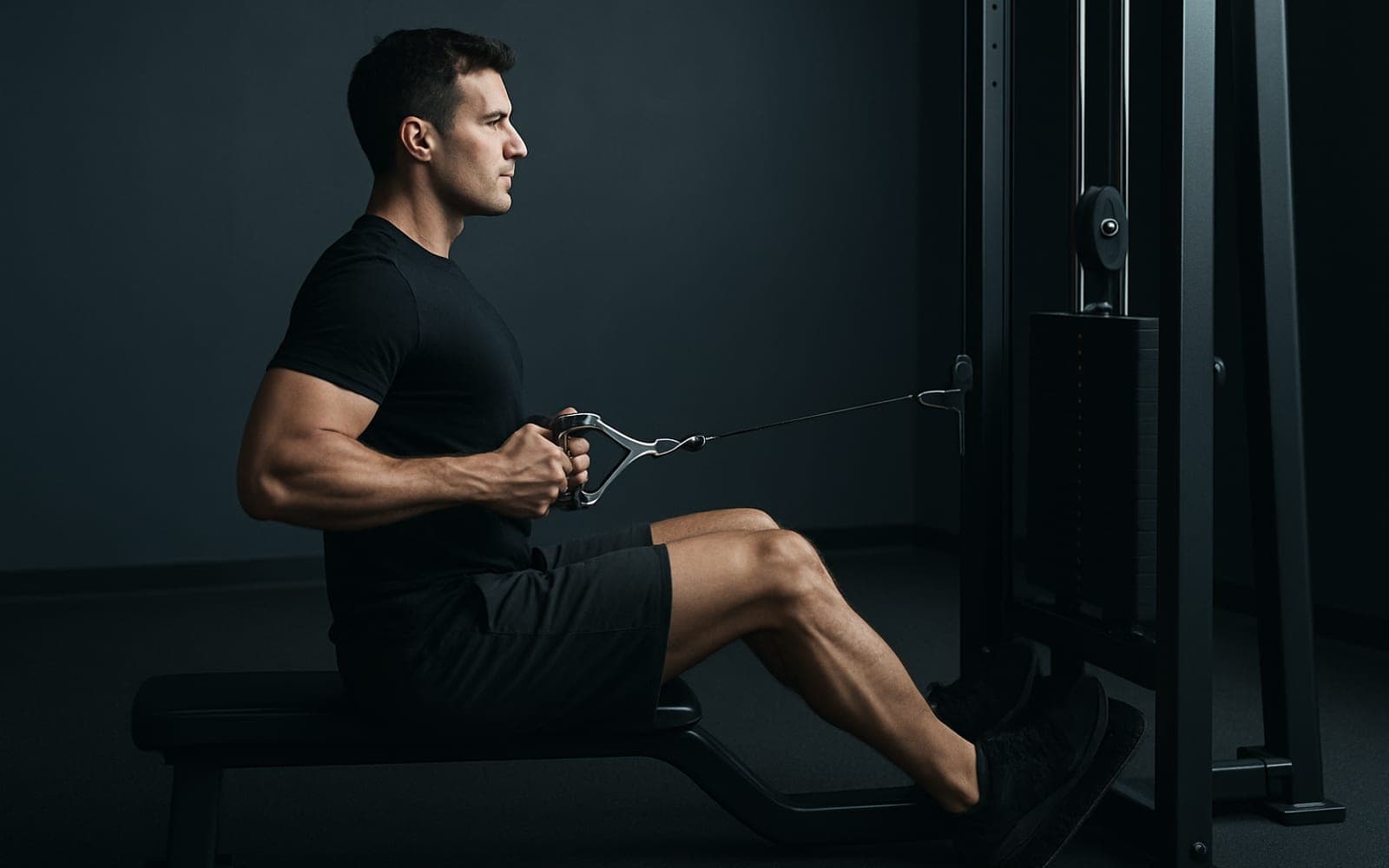
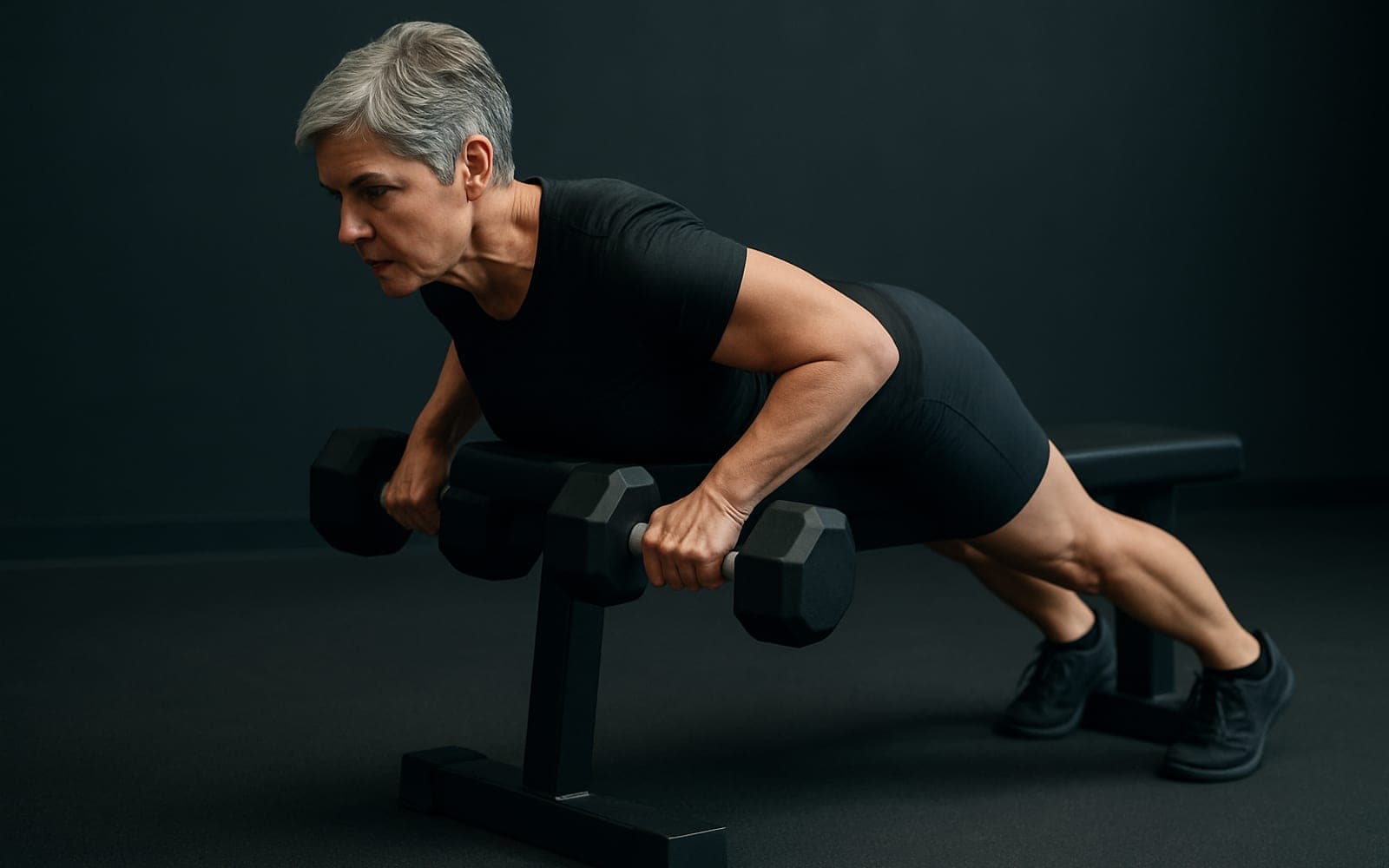
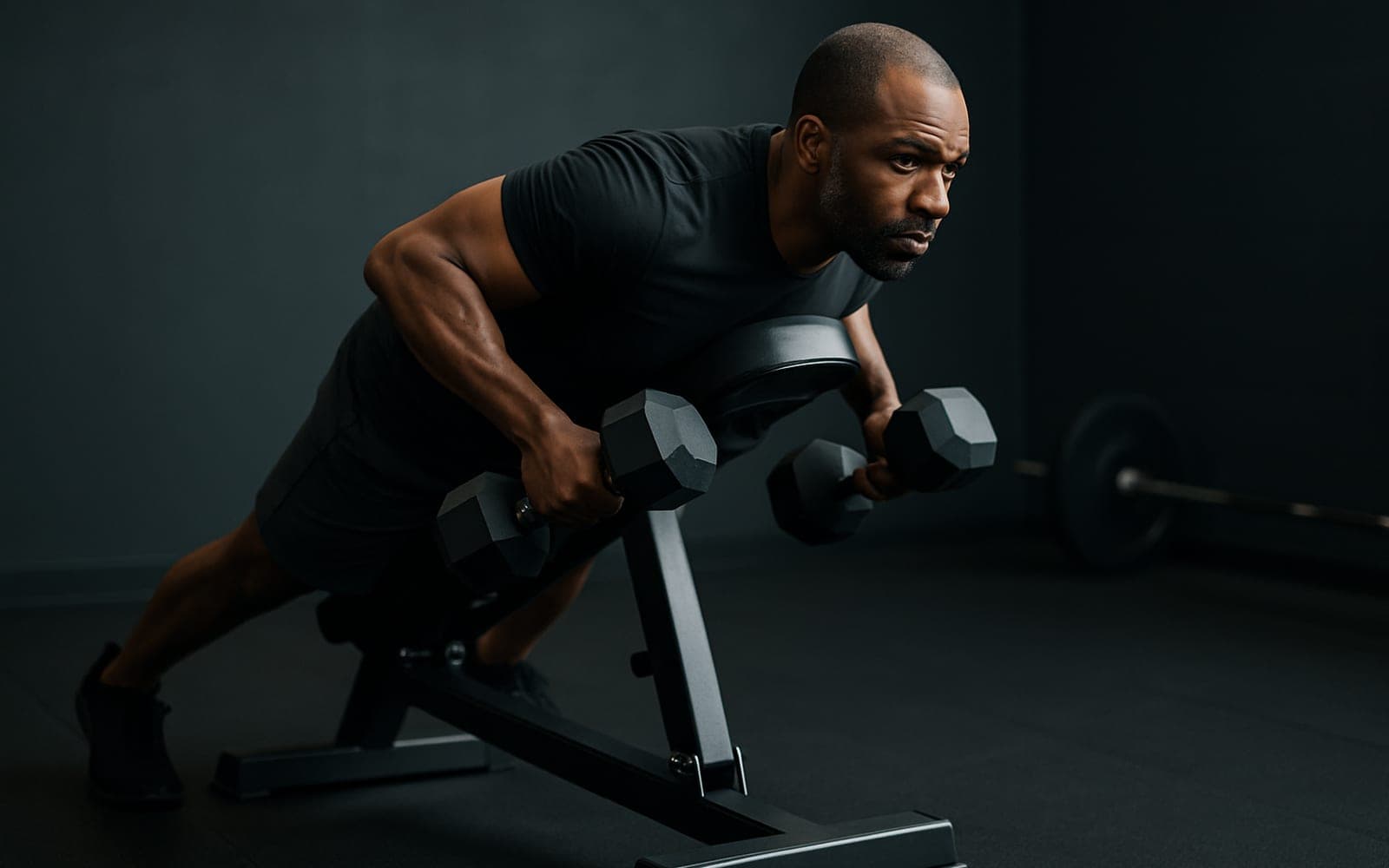
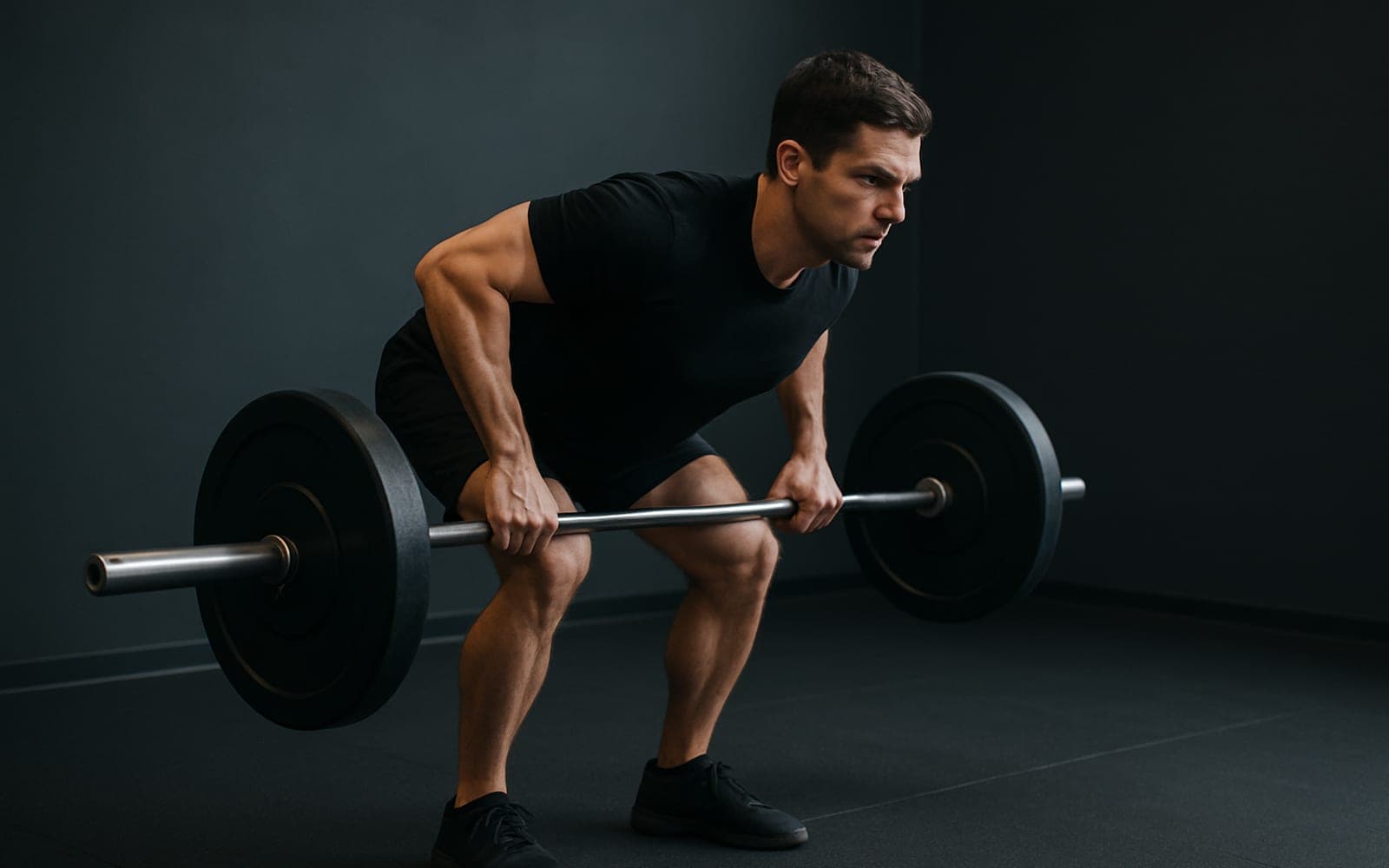
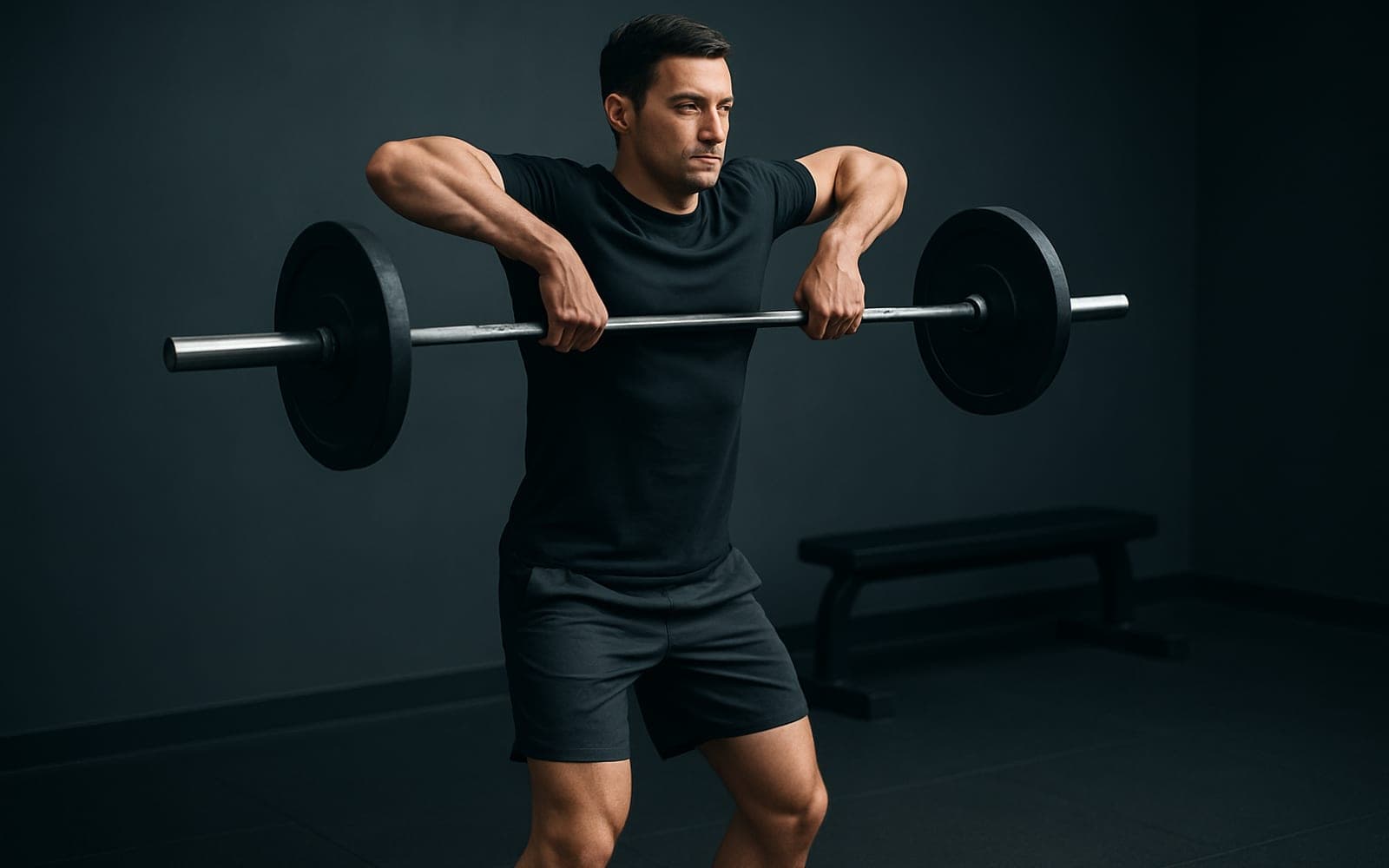
Barbell Row, Machine Row, Seated Cable Row all train the same horizontal pull pattern with different equipment, so any of them works when the machine is busy or your gym does not have it.
What are the most common t-bar row mistakes?
Rounding the lower back; Standing too upright and using momentum. Row the weight to the lower chest/upper abdomen by driving the elbows back and squeezing the shoulder blades; lower under control.
Can I do the t-bar row at home?
It needs plate-loaded equipment, so it belongs in a gym session rather than a home workout unless you own that equipment.