Ab Wheel Rollout

Activation
Muscles worked
Movement
Core
Advanced · Bodyweight
Primary muscles
Movement pattern
Equipment category
How to perform
- 1
Set up
Kneel holding an ab wheel under the shoulders; brace hard and tuck the ribs down.
- 2
Execute the movement
Roll the wheel forward as far as you can control while keeping the lower back flat, then pull it back using the core — never let the hips sag.
Common mistakes
- Letting the lower back arch (a real injury risk)
- Rolling out farther than you can control
Make it harder
Make it easier
Substitutions
If a machine is busy or unavailable, these train the same pattern a different way.


Your progress over time
What to expect from training this consistently — everyone progresses at their own pace.
- 1
First few sessions
Learn bracing and starting position; most will manage short, controlled rollouts to knee or just past knees while maintaining a flat lower back and no hip sag.
- 2
Weeks 2–4
Improved eccentric control and shoulder stability; rollouts will become smoother and you can increase distance gradually, often progressing from knees to partial standing range with strict form.
- 3
Months 2–3
Noticeable increase in anti‑extension core strength and ability to resist spinal sag; many can perform full rollouts from knees to near-toes or controlled standing rollouts with a reduced need for regressions.
- 4
Months 4–6
Substantial carryover to heavy compound lifts that demand core stiffness; users will be able to perform longer-range rollouts with confident hip and shoulder control and fewer form breakdowns under fatigue.
- 5
6+ months
High-level anti‑extension capacity and durable shoulder–lat integration; practitioners can execute full standing rollouts or heavy-loaded variants, and use the movement as a reliable test and builder of core resilience.
Benefits of the ab wheel rollout
Builds anti‑extension core strength by forcing the abs and obliques to resist spinal hyperextension during a long lever movement.
Improves eccentric and concentric control of the anterior core, translating to better stability in squats, deadlifts and overhead lifts.
Strengthens shoulder stabilizers and engages the lats as secondary movers, enhancing upper‑body coordination and control.
Develops hip‑to‑shoulder integration and teaches the body to maintain a neutral lower back under load, reducing form breakdown during prolonged core demand.
Increases core endurance and resilience for real‑world tasks that require bracing and reaching under load, such as lifting or carrying awkward objects.
Minimal equipment and highly scalable (via range of motion or assistance), making it practical for consistent inclusion in strength and general fitness programs.
Exercises that pair with this
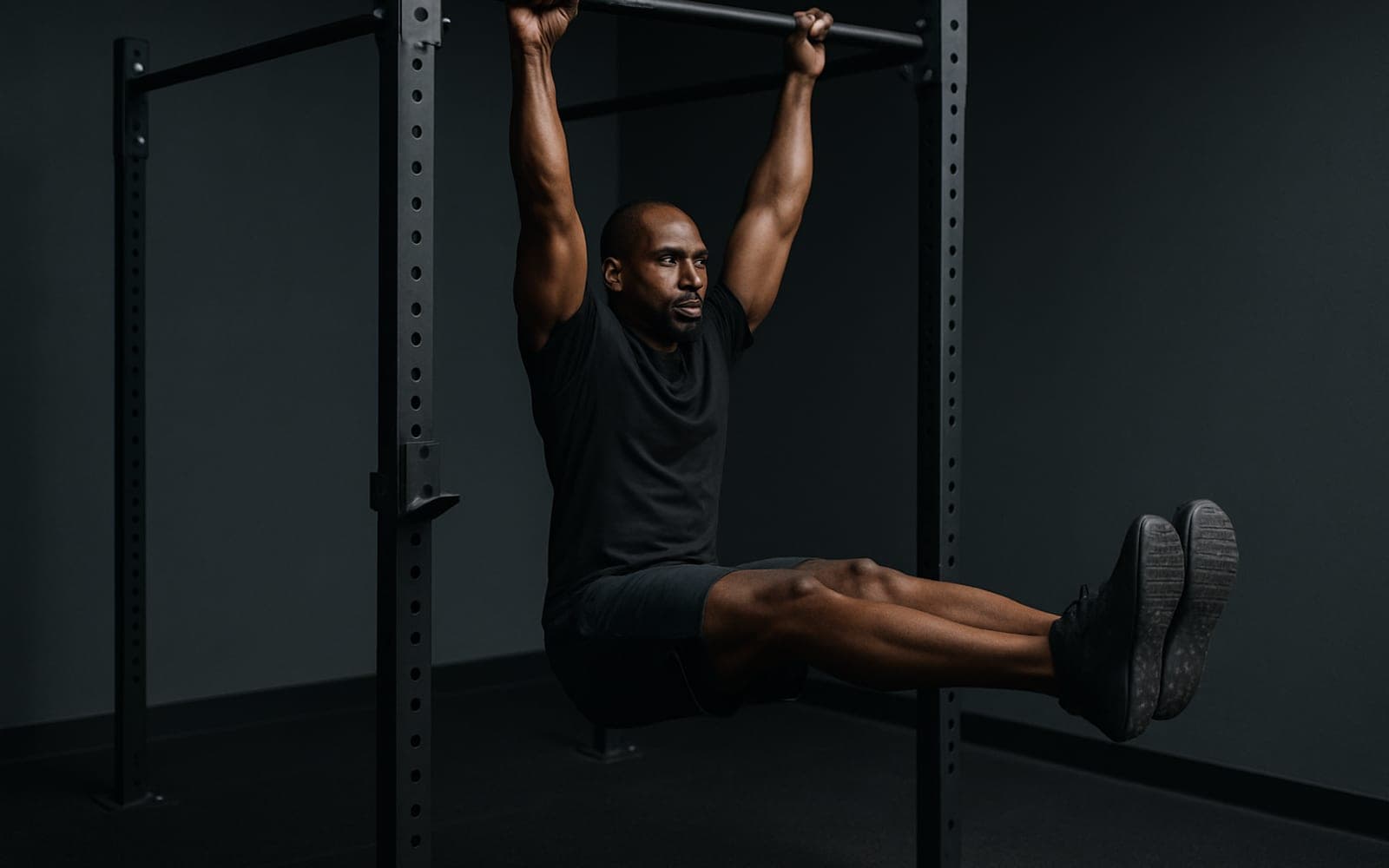
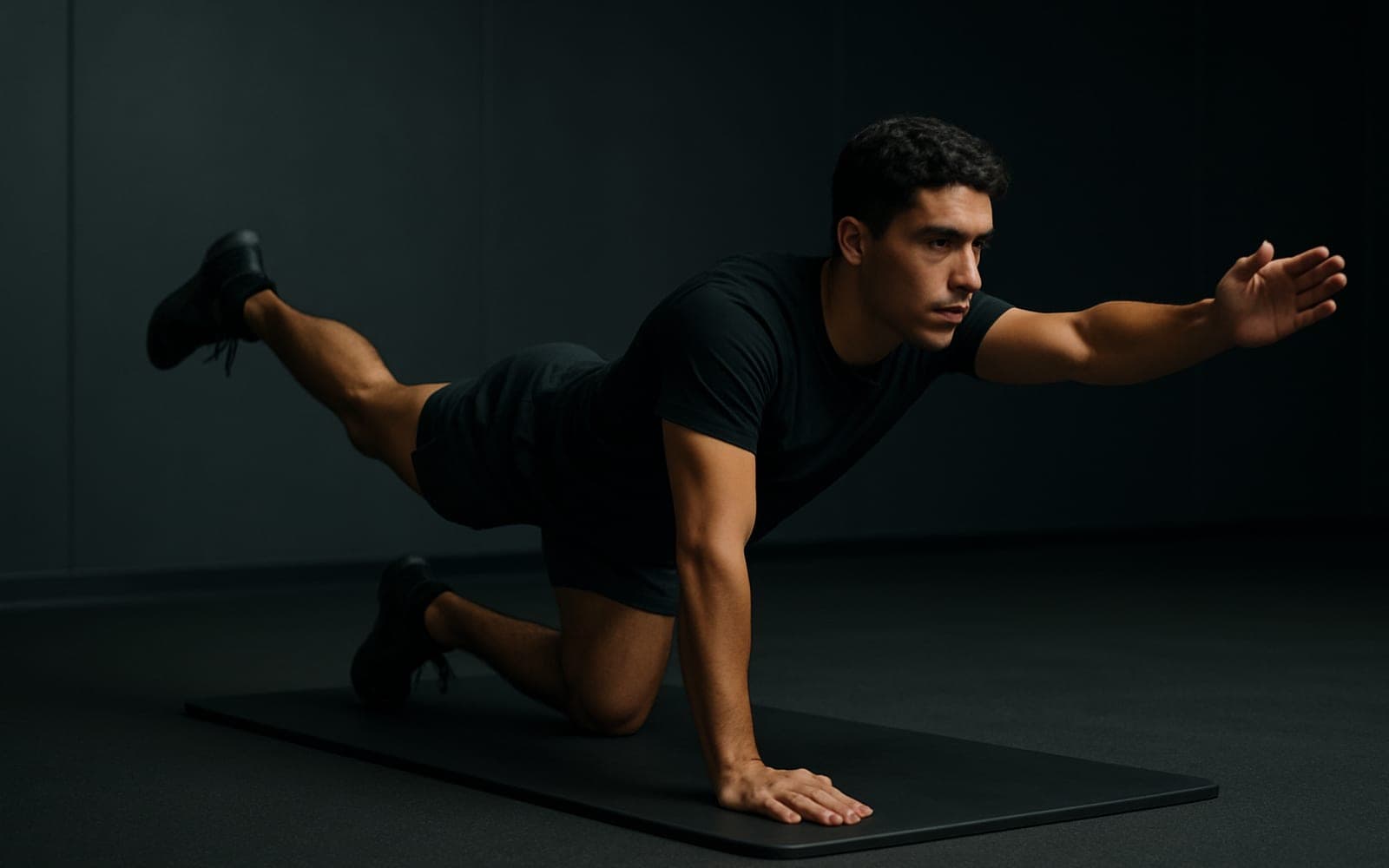
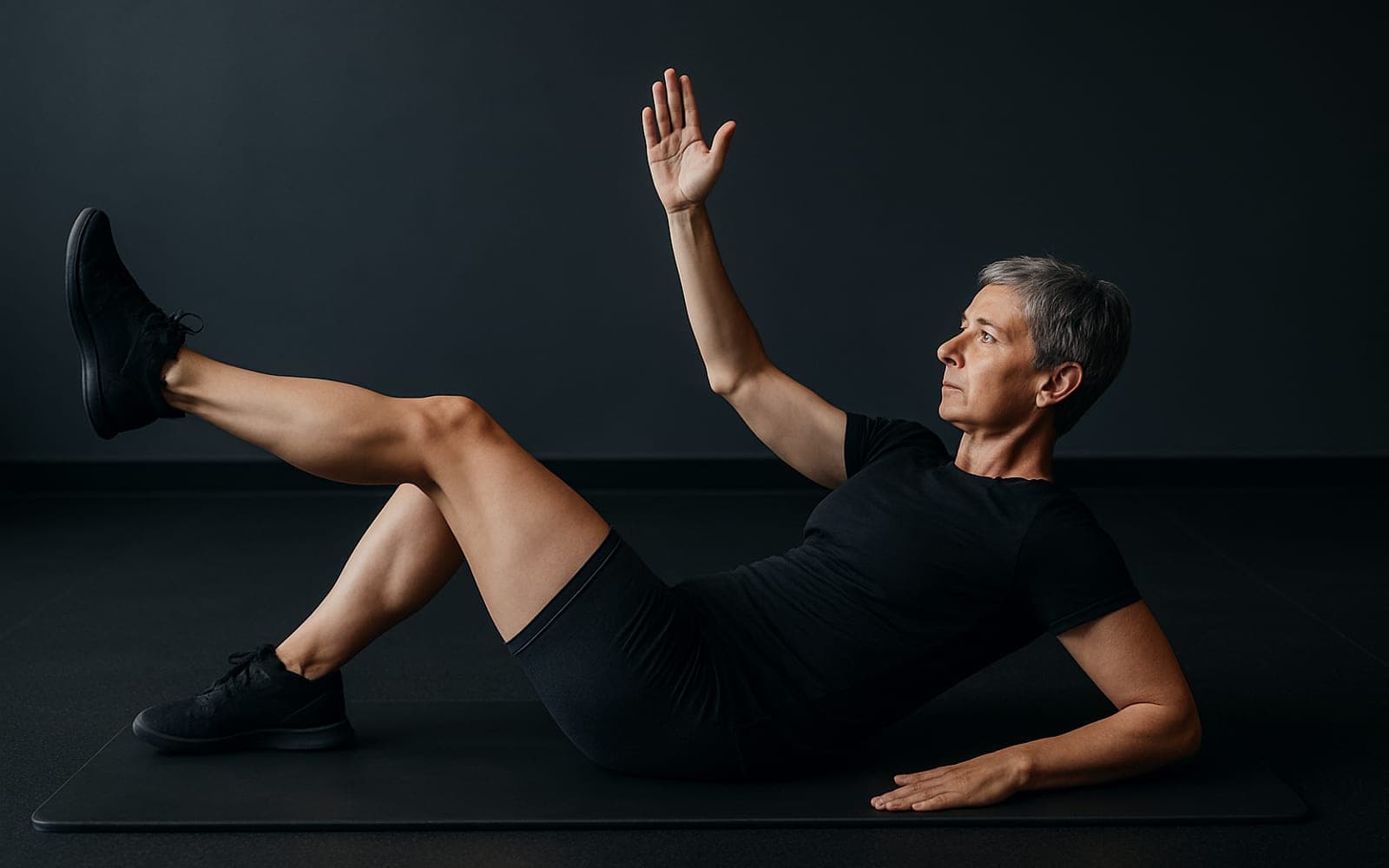
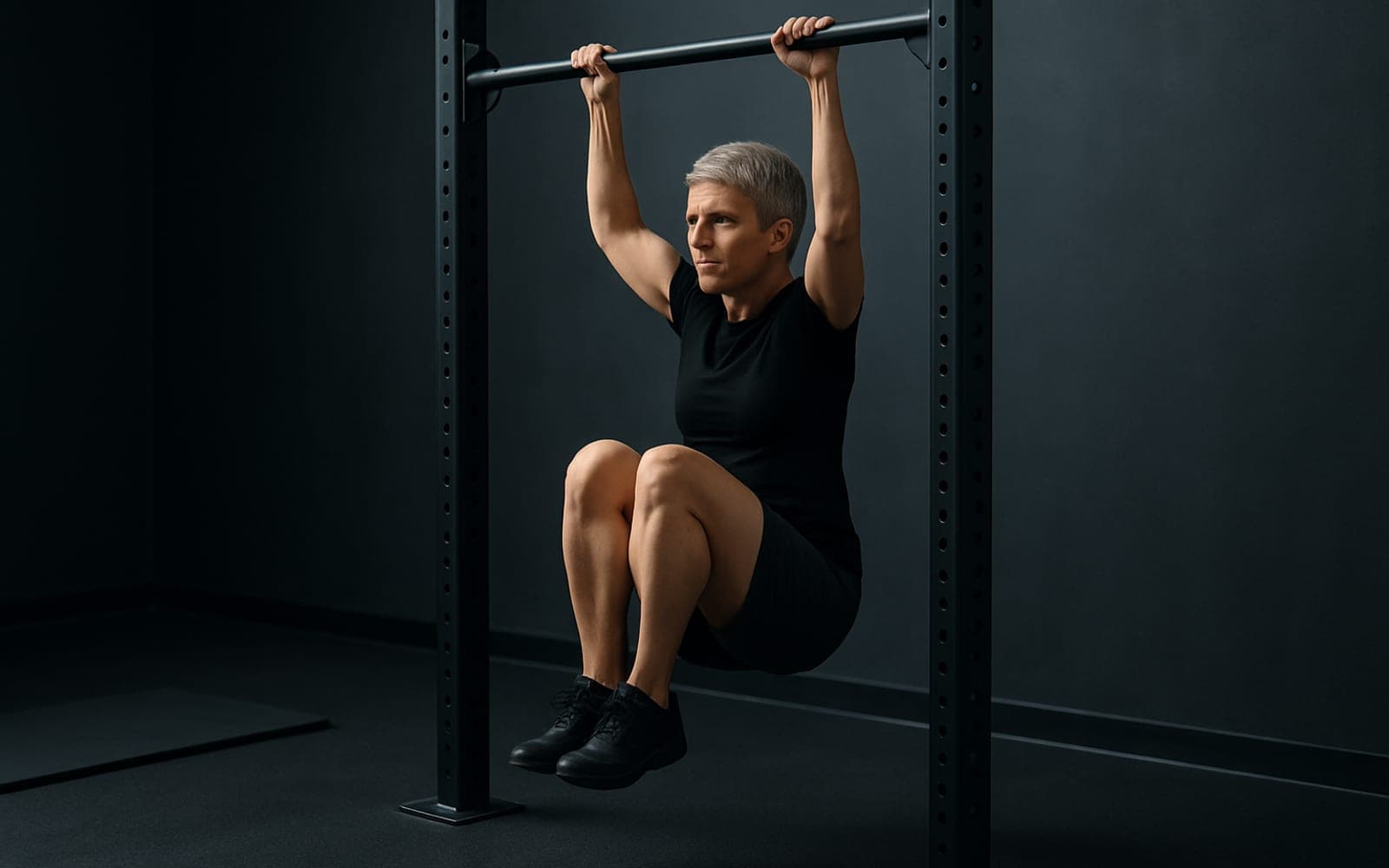
Same muscles or the same movement pattern — useful for building the rest of the session.

Ab Wheel Rollout — questions people ask
What muscles does the ab wheel rollout work?
The ab wheel rollout trains the core as the primary target, with the lats, shoulders working as support. It is a core pattern, so it also trains the coordination that pattern needs.
How many sets and reps of the ab wheel rollout should I do?
Two to four sets of 8–15 reps, or 20–45 second holds. Stop the set when your form breaks, not when the count runs out.
Is the ab wheel rollout good for beginners?
Not as a first exercise. The ab wheel rollout is an advanced movement. Do partial-range rollouts or planks first. It is also form-sensitive, so it is worth having a coach or an experienced lifter watch your first few sessions. If it feels like too much, build the pattern on the plank first.
What can I do instead of the ab wheel rollout?
Plank, Cable Woodchop all train the same core pattern with different equipment, so any of them works when the machine is busy or your gym does not have it.
What are the most common ab wheel rollout mistakes?
Letting the lower back arch (a real injury risk); Rolling out farther than you can control. Roll the wheel forward as far as you can control while keeping the lower back flat, then pull it back using the core — never let the hips sag.