Barbell Shrug
Activation
Muscles worked
Movement
Isolation
Beginner · Free Weights
Primary muscles
Secondary muscles
Movement pattern
Equipment category
How to perform
- 1
Set up
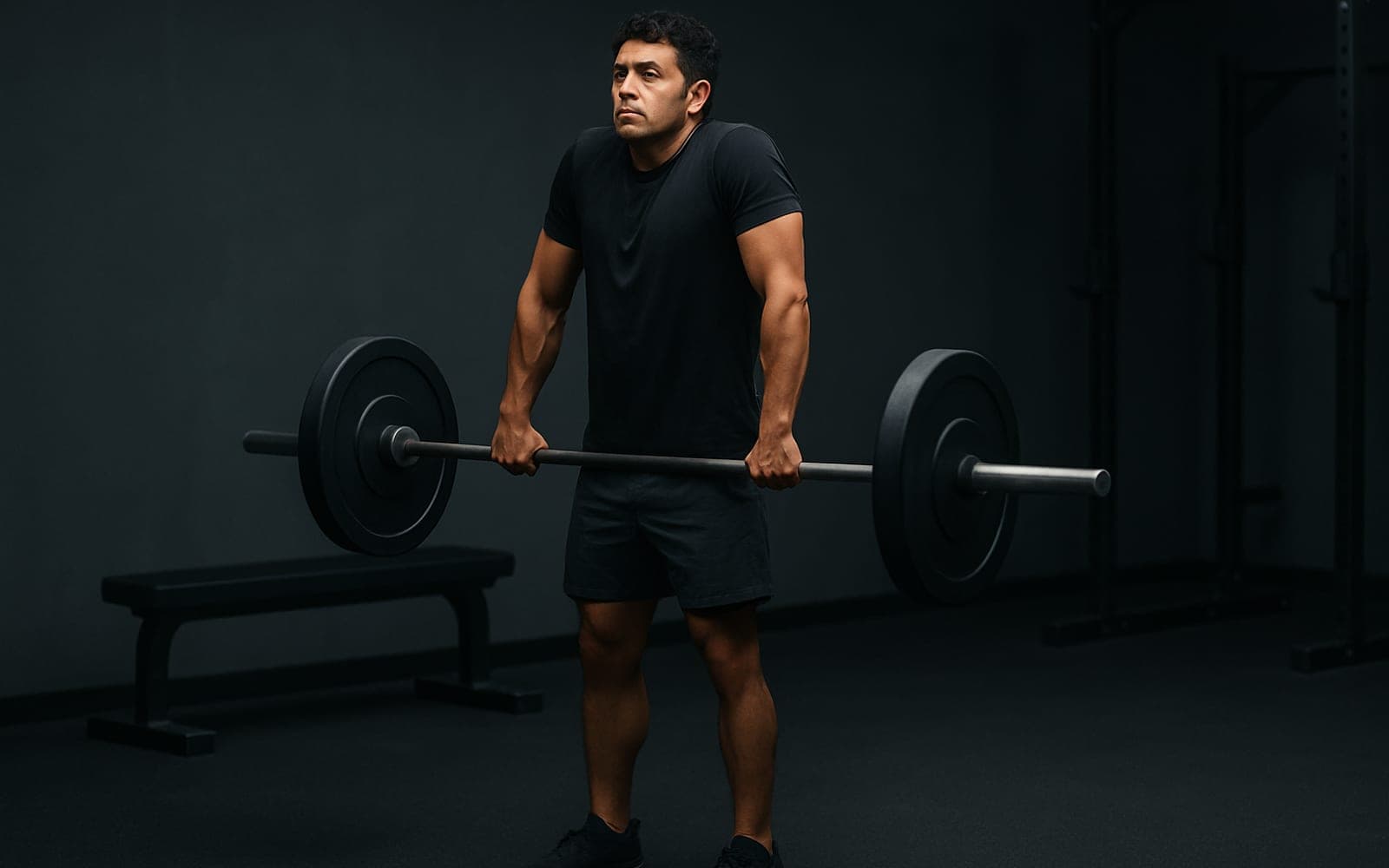
Hold a barbell (or dumbbells) at arm's length, feet hip-width, shoulders relaxed.
- 2
Execute the movement
Shrug the shoulders straight up toward the ears, pause, then lower under control. Don't roll the shoulders.
Common mistakes
- Rolling the shoulders
- Using the arms to lift
Make it harder
Make it easier
Substitutions
If a machine is busy or unavailable, these train the same pattern a different way.
Your progress over time
What to expect from training this consistently — everyone progresses at their own pace.
- 1
First few sessions
Learn the movement pattern with light weight—focus on shrugging straight up toward the ears, pausing briefly, lowering under control, and avoiding rolling the shoulders; expect reduced awkwardness and improved mind–muscle connection.
- 2
Weeks 2–4
Progressively increase volume and load as form stays clean; feel the upper trapezius working more clearly, with small increases in endurance and slight visible fullness after consistent sets.
- 3
Months 2–3
Noticeable increases in upper-back thickness and trap muscle size for most trainees; able to handle heavier barbells for sets with improved grip and reduced form breakdown.
- 4
Months 4–6
Solid, measurable hypertrophy of the upper traps with substantial increases in working weight and set density; better carryover to exercises that stress the upper back (deadlifts, carries) and improved shoulder elevation strength.
- 5
6+ months
Sustained upper-trap development and upper-back presence when combined with a balanced program, ability to use variations and heavier loading schemes safely, and reliable contribution to overall upper-back strength and posture.
Benefits of the barbell shrug
Directly targets the upper trapezius and other upper-back musculature, promoting localized hypertrophy.
Improves shoulder elevation strength, which helps with actions that require lifting the shoulders or stabilizing the neck and upper spine.
Develops forearm and grip endurance because of the need to hold heavier barbells isometrically.
Increases upper-back thickness and shoulder girdle appearance, which is a common aesthetic goal for muscle building.
Provides functional carryover to compound lifts (deadlift, farmer’s carries) by strengthening the muscles that stabilize the shoulder blades and upper spine during heavy loads.
Easy-to-learn isolation movement suitable for beginners that can be loaded progressively and programmed to complement a balanced strength/hypertrophy routine.
Exercises that pair with this
Same muscles or the same movement pattern — useful for building the rest of the session.


Barbell Shrug — questions people ask
What muscles does the barbell shrug work?
The barbell shrug trains the upper back as the primary target, with the forearms working as support. It is a isolation pattern, so it also trains the coordination that pattern needs.
How many sets and reps of the barbell shrug should I do?
Three sets of 8–12 reps with about 90 seconds of rest is a reliable default. Increase the weight once the last rep of every set still looks clean.
Is the barbell shrug good for beginners?
Yes. The barbell shrug is a beginner-friendly movement. Use lighter dumbbells. If it feels like too much, build the pattern on the machine row first.
What can I do instead of the barbell shrug?
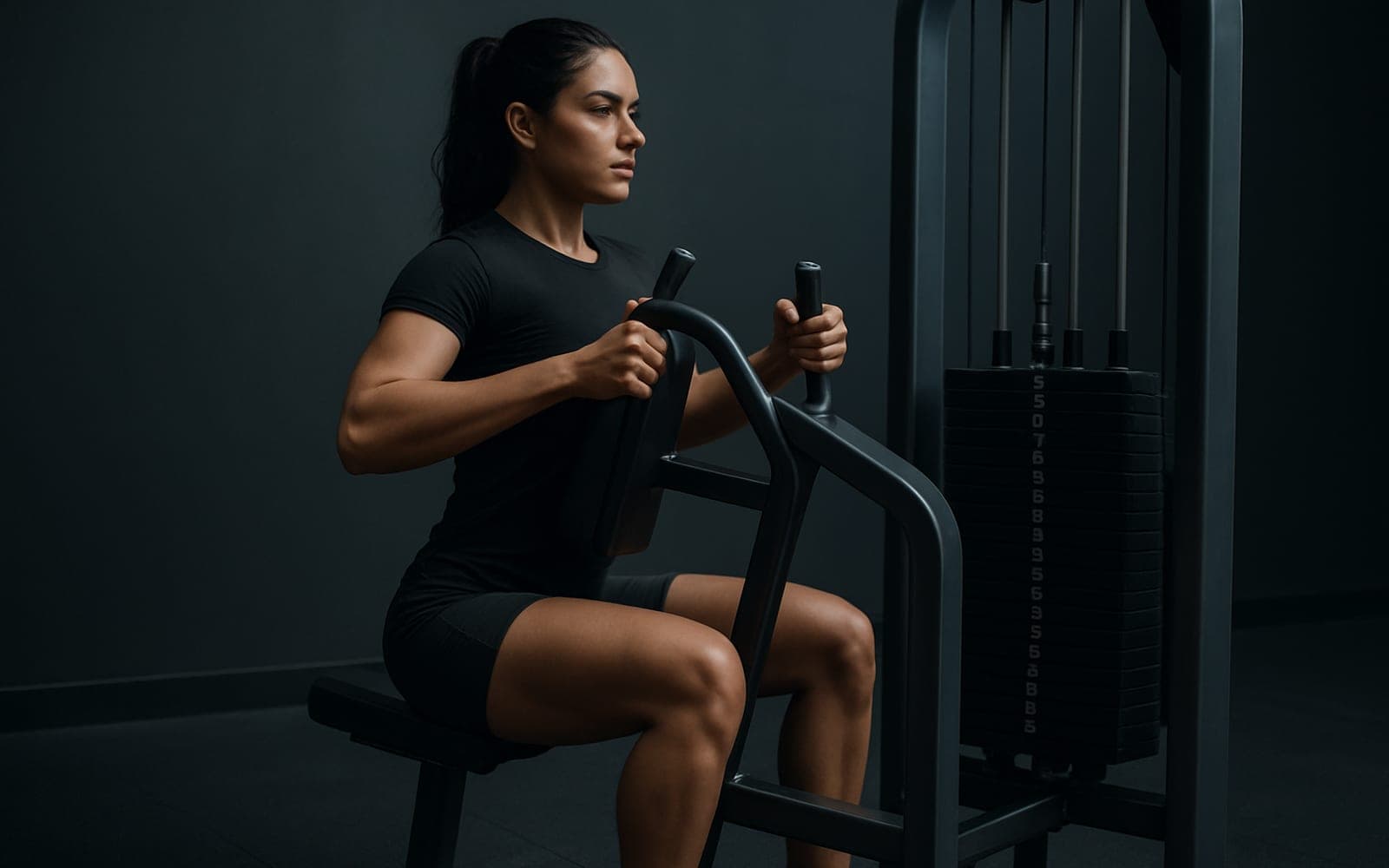
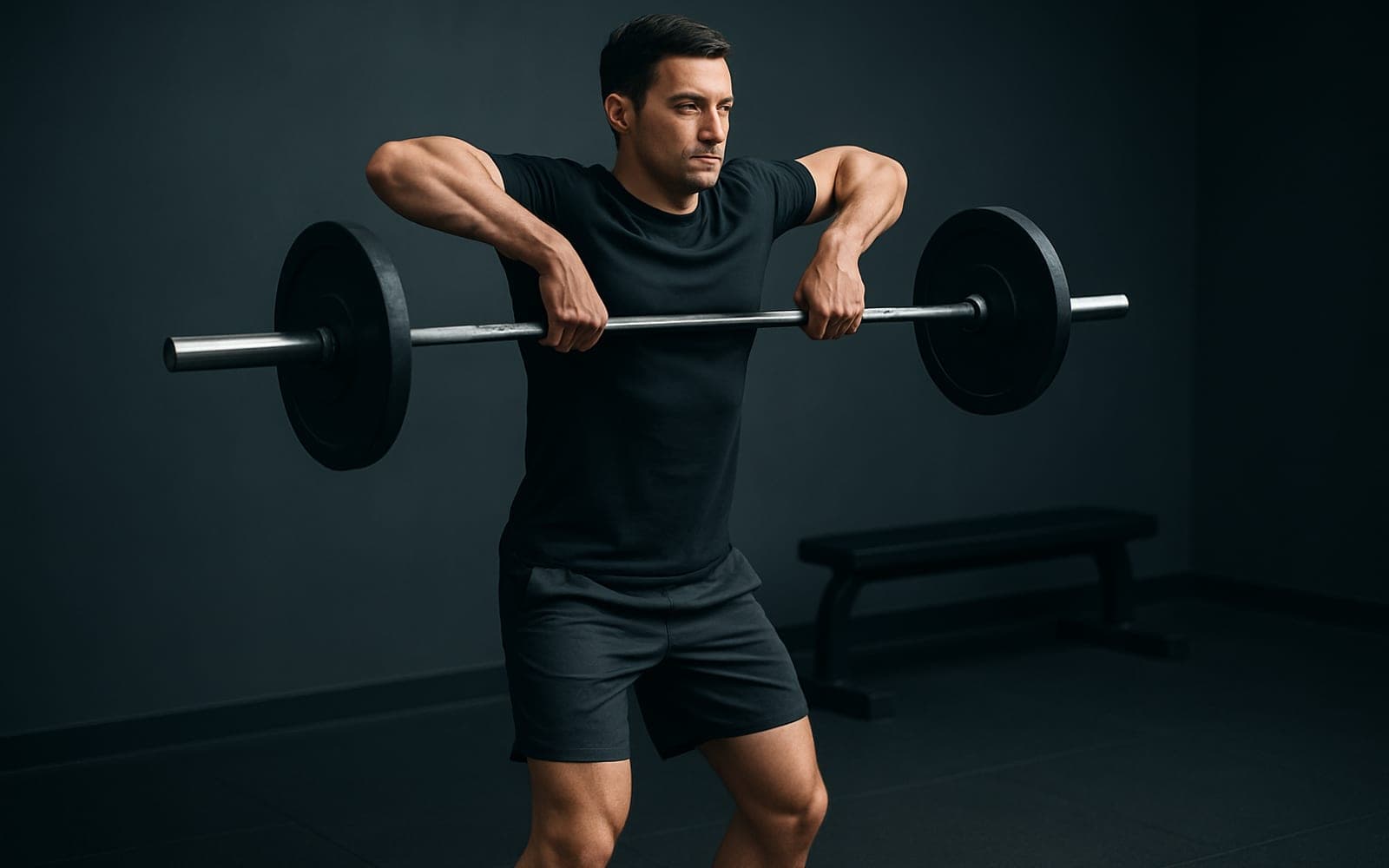
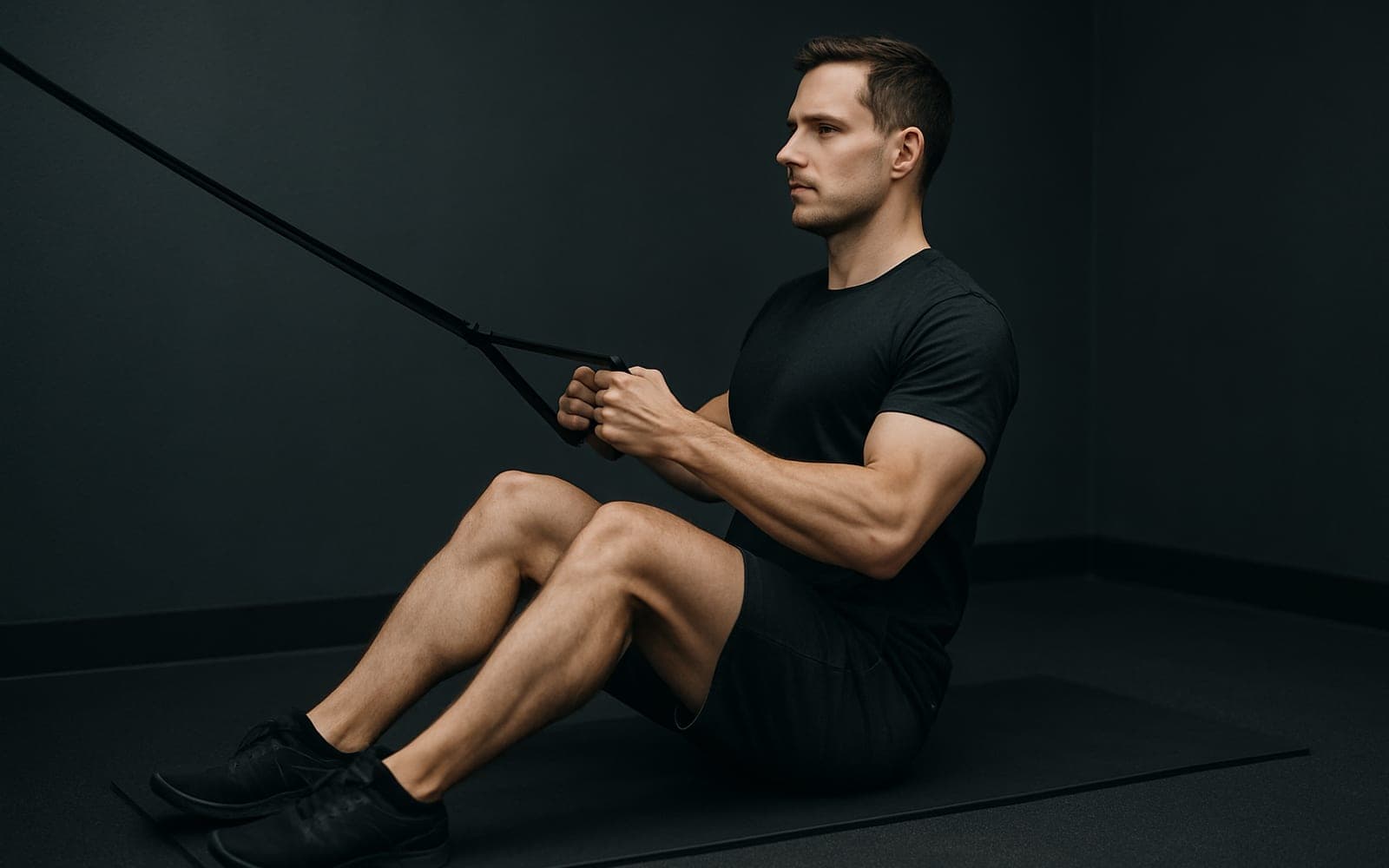
Machine Row, Upright Row, Band Row all train the same isolation pattern with different equipment, so any of them works when the machine is busy or your gym does not have it.
What are the most common barbell shrug mistakes?
Rolling the shoulders; Using the arms to lift. Shrug the shoulders straight up toward the ears, pause, then lower under control. Don't roll the shoulders.
Can I do the barbell shrug at home?
The barbell shrug needs free weights equipment, which most home gyms do not have. The band row trains the same pattern with nothing more than your bodyweight or a band.