Machine Row
Activation
Muscles worked
Movement
Horizontal Pull
Beginner · Selectorized Strength
Secondary muscles
Movement pattern
Equipment category
How to perform
- 1
Set up
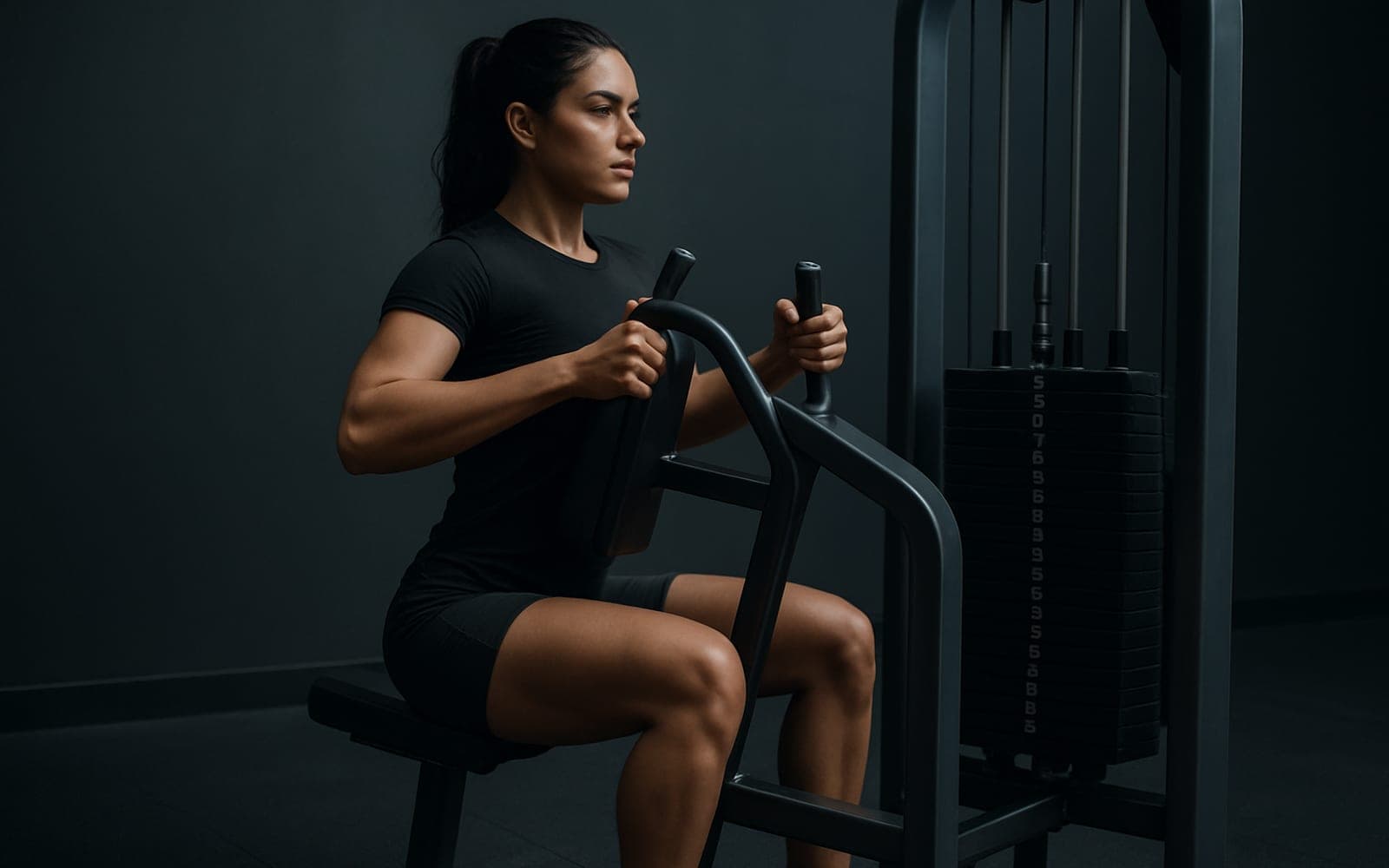
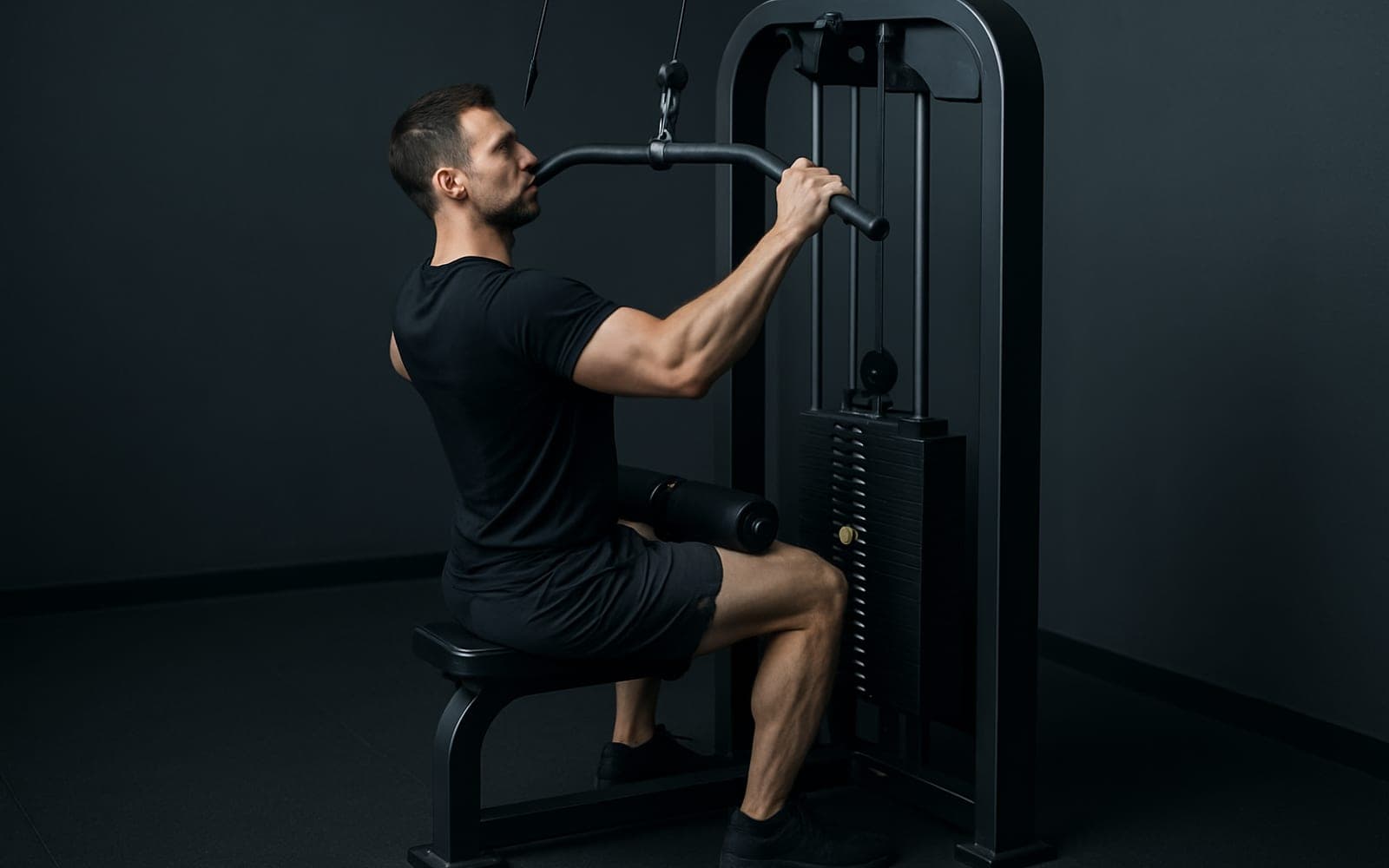
Chest against the pad, adjust the seat so handles reach the mid-torso.
- 2
Execute the movement
Row the handles back, squeeze, return under control.
Common mistakes
- Using momentum
Make it harder
Make it easier
Accessibility
Substitutions
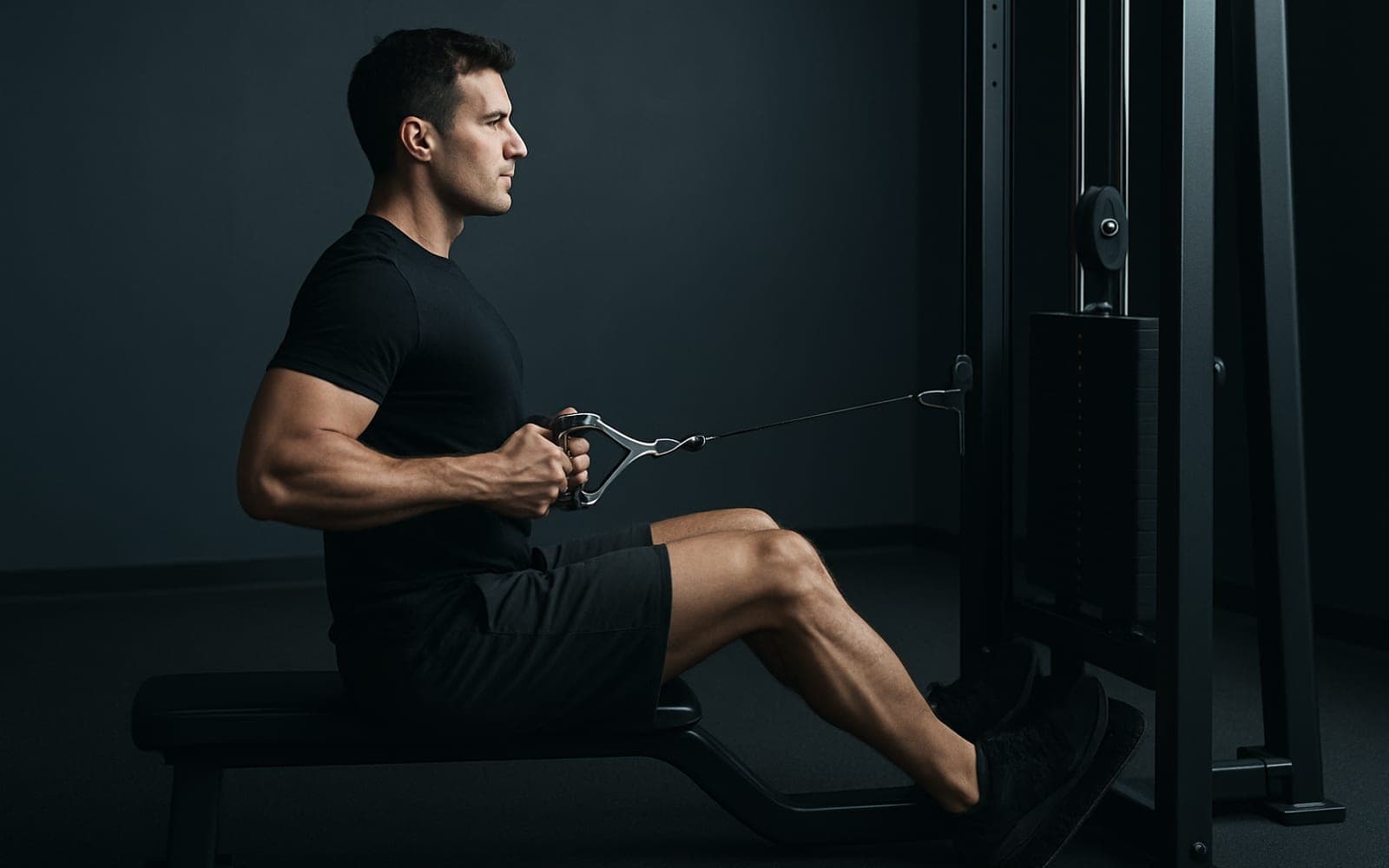
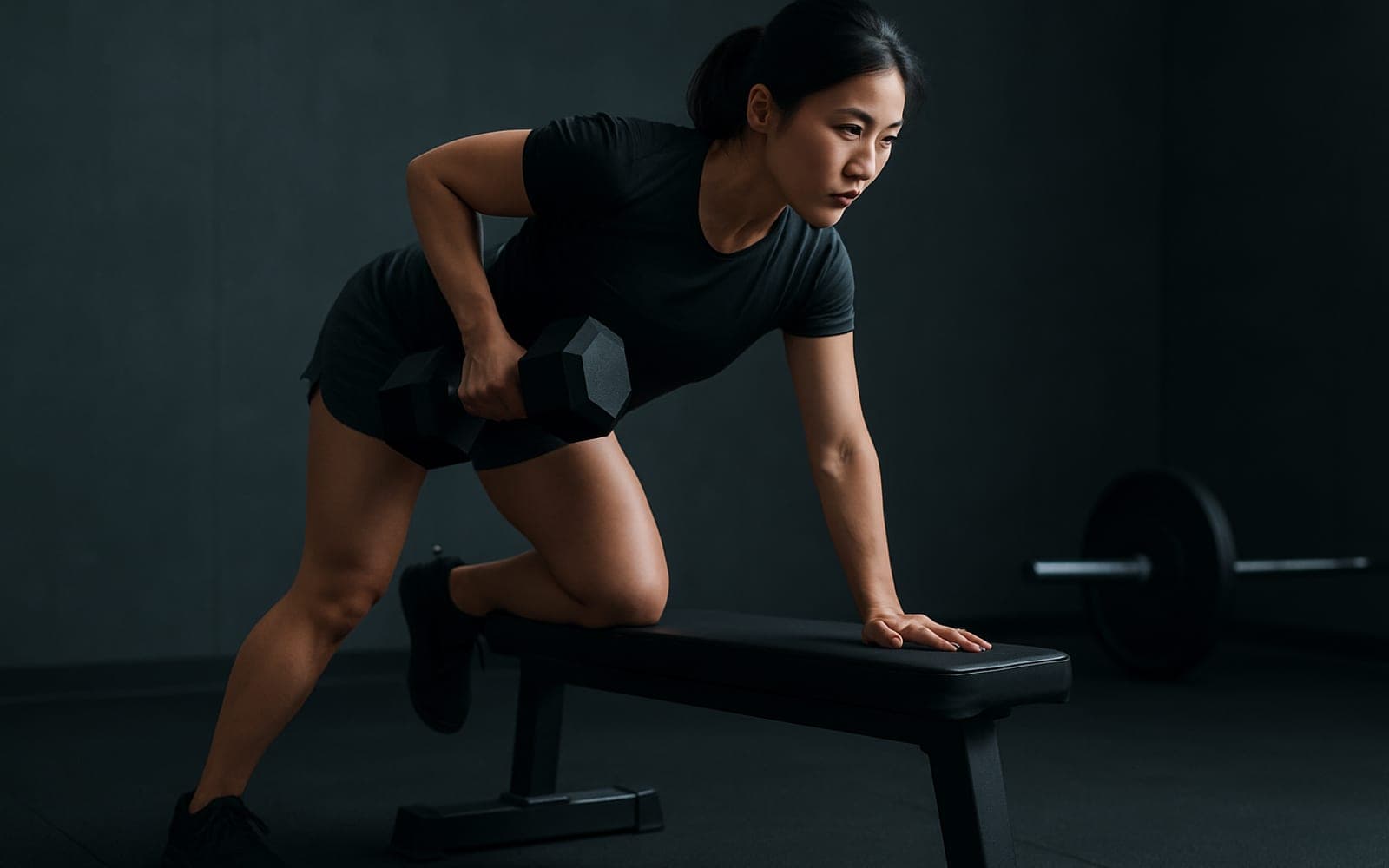
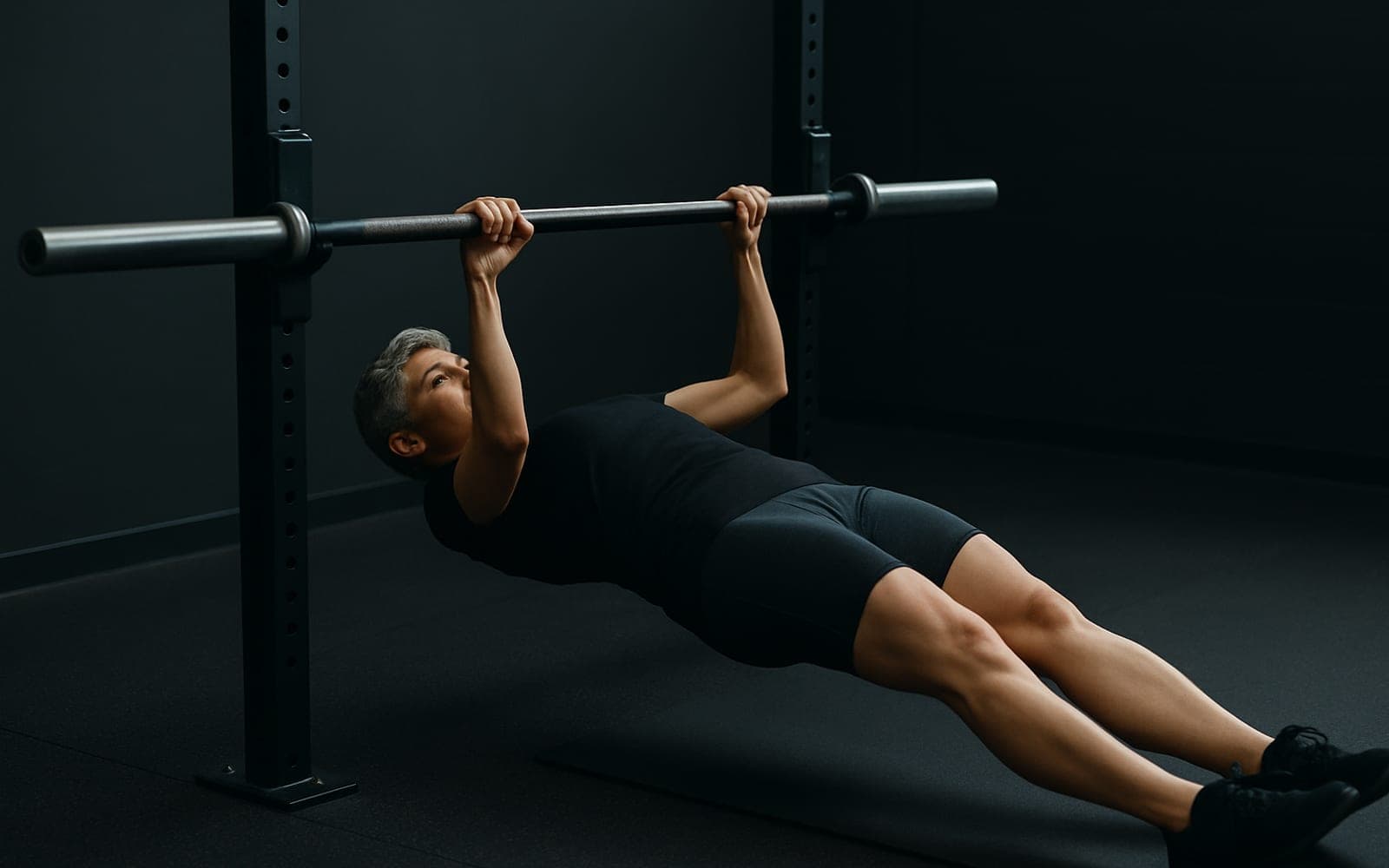
If a machine is busy or unavailable, these train the same pattern a different way.
Your progress over time
What to expect from training this consistently — everyone progresses at their own pace.
- 1
First few sessions
Learn the movement pattern and bracing: comfortable seat height and chest support, controlled handle path, and basic scapular retraction with light weight; expect mild muscle soreness as neuromuscular coordination improves.
- 2
Weeks 2–4
Noticeable improvement in technique and tempo control, ability to increase load by ~5–15% while maintaining full range of motion, and clearer activation of mid‑back and lats over the arms.
- 3
Months 1–3
Consistent strength and size gains in the mid‑back and lats (visible posture improvements for many), reliable sets of higher reps or moderate weight for multiple hard sets, and better scapular control throughout the row.
- 4
Months 4–6
Solid upper‑body horizontal pulling strength allowing heavier loads and/or higher volume, greater muscle thickness in the mid‑back and lats, and improved carryover to other pulling movements (e.g., pull‑ups, bent‑over rows).
- 5
6+ months
Well‑developed horizontal pulling capacity with robust muscular endurance and size in the posterior chain of the upper body, refined technique under heavy sets, and reliable contribution to overall upper‑body balance and functional strength.
Benefits of the machine row
Directly targets the mid‑back and lats, building thickness and horizontal pulling strength in the posterior shoulder girdle.
Improves scapular retraction and control, which helps posture and reduces dominance of the chest/forward‑rounded shoulders in many trainees.
Develops the biceps and forearm gripping endurance as secondary contributors during repeated rows.
Is a low‑skill, machine‑guided variation that lets beginners overload safely and progressively without complex balance demands.
Enhances real‑world pulling capacity useful for tasks like lifting or moving objects toward the body and supports better performance in other pulling exercises.
Provides a scalable option for progressive hypertrophy and general fitness programming thanks to adjustable load and controlled range of motion.
Exercises that pair with this
Same muscles or the same movement pattern — useful for building the rest of the session.
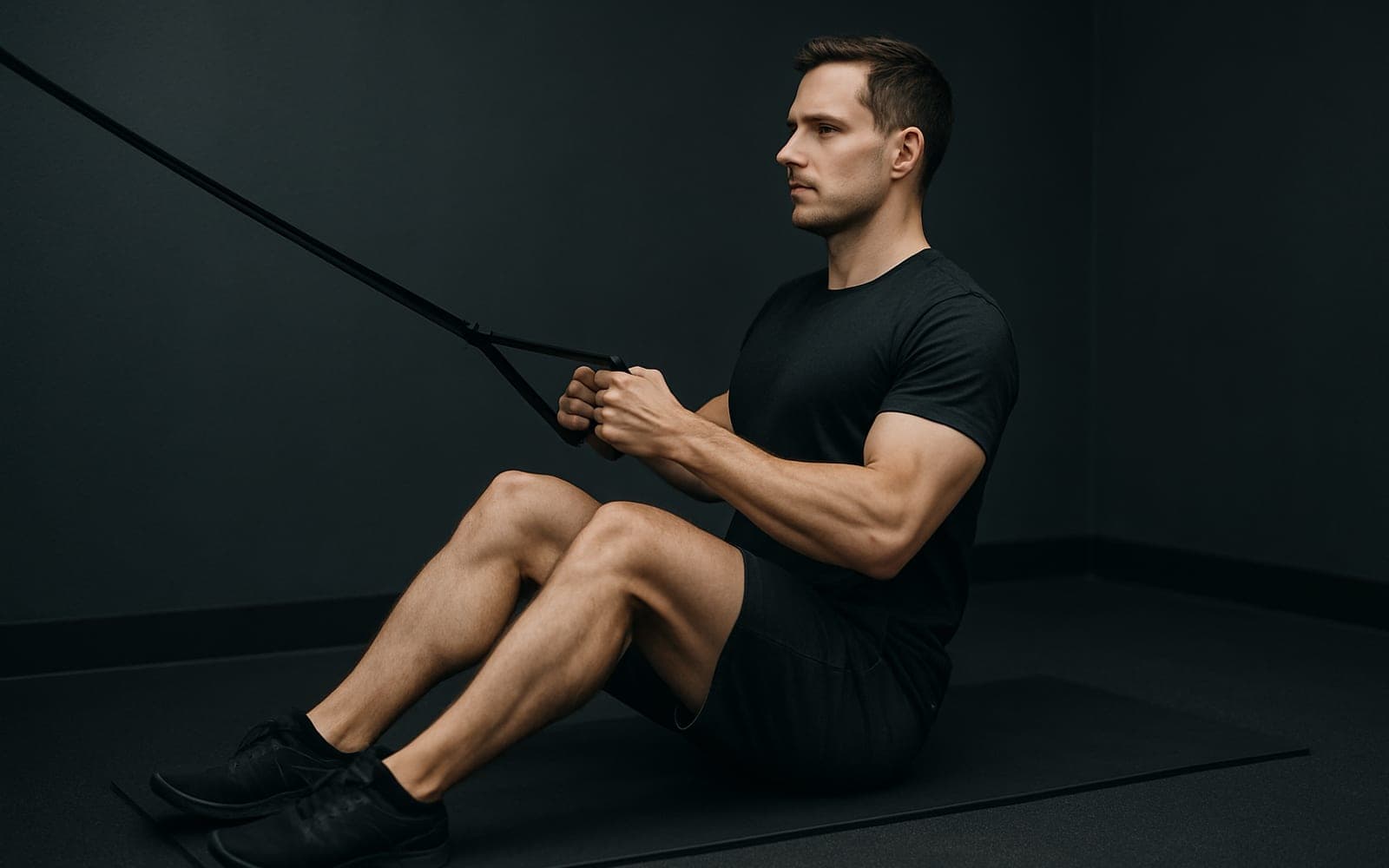
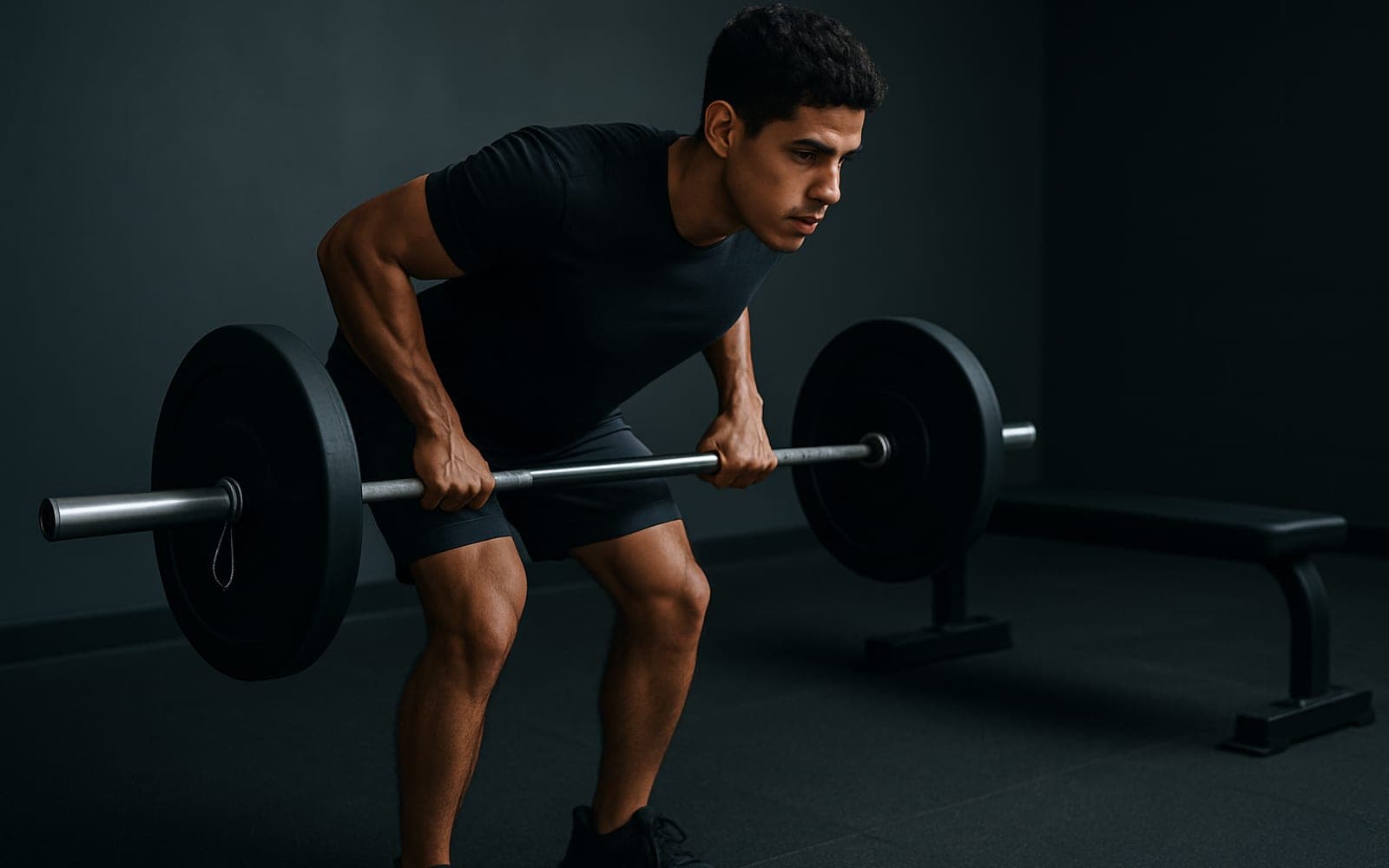
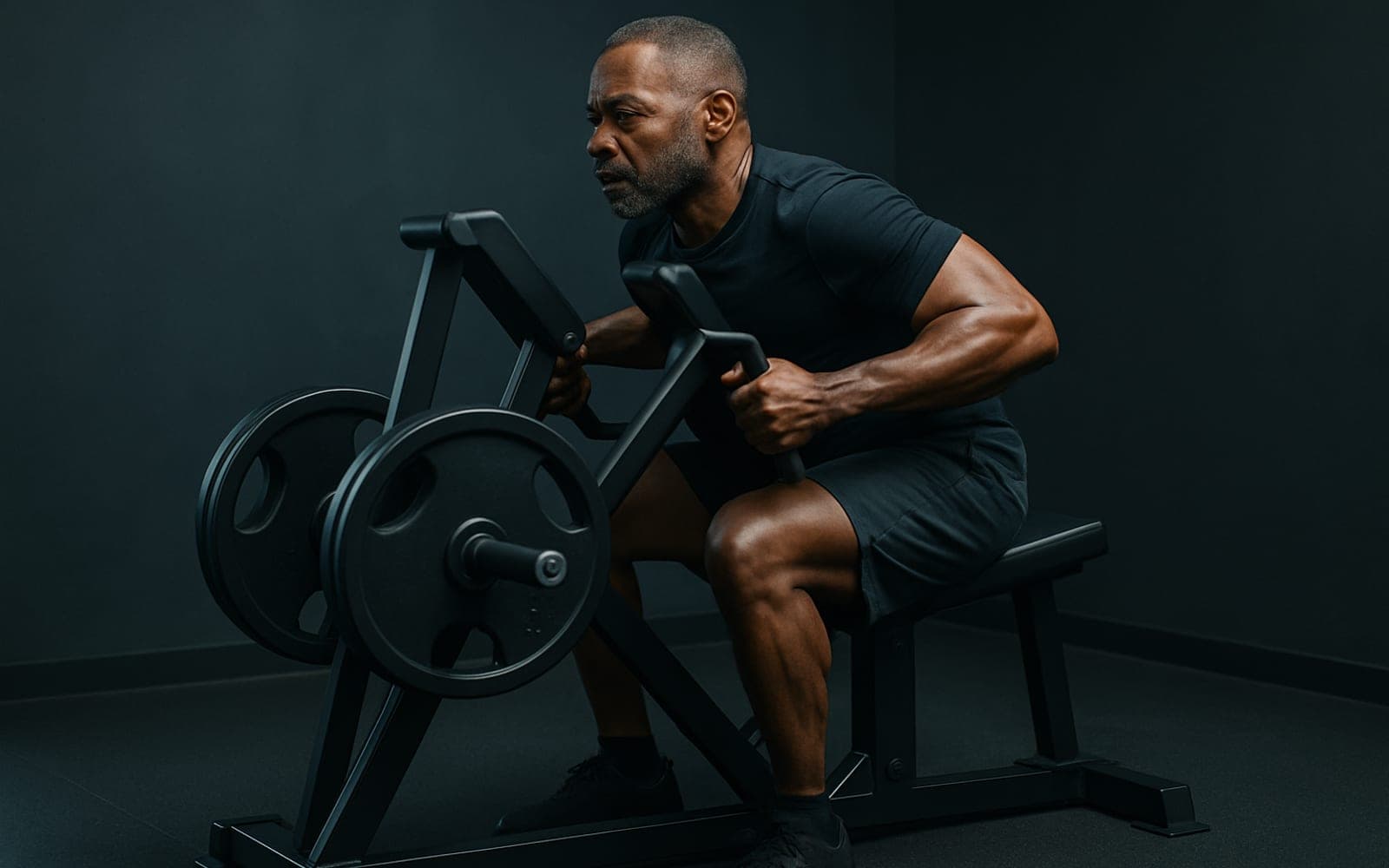
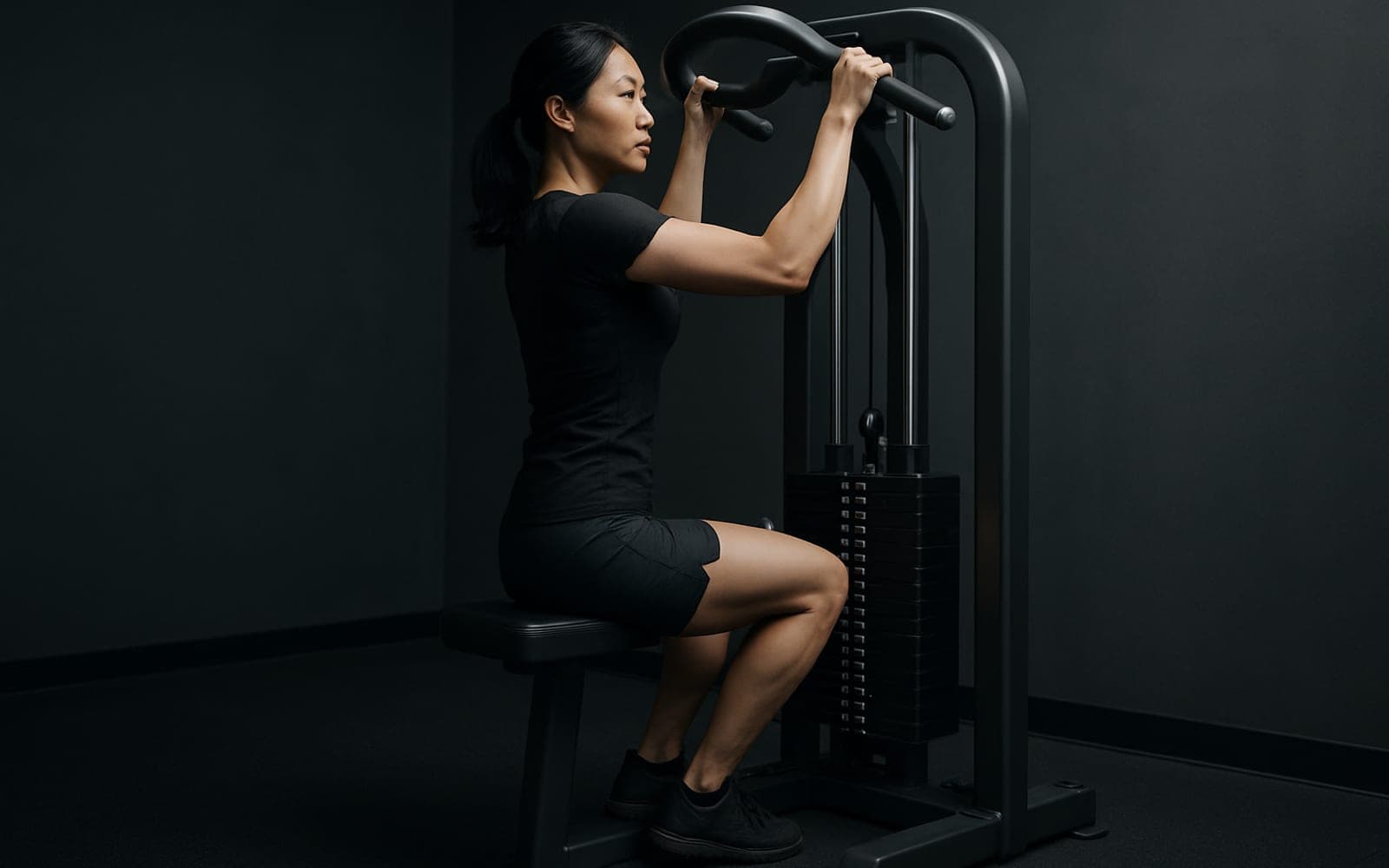
Machine Row — questions people ask
What muscles does the machine row work?
The machine row trains the mid-back and lats as the primary target, with the biceps working as support. It is a horizontal pull pattern, so it also trains the coordination that pattern needs.
How many sets and reps of the machine row should I do?
Three sets of 8–12 reps with about 90 seconds of rest is a reliable default. Increase the weight once the last rep of every set still looks clean.
Is the machine row good for beginners?
Yes. The machine row is a beginner-friendly movement. Reduce weight. If it feels like too much, build the pattern on the inverted row first.
What can I do instead of the machine row?
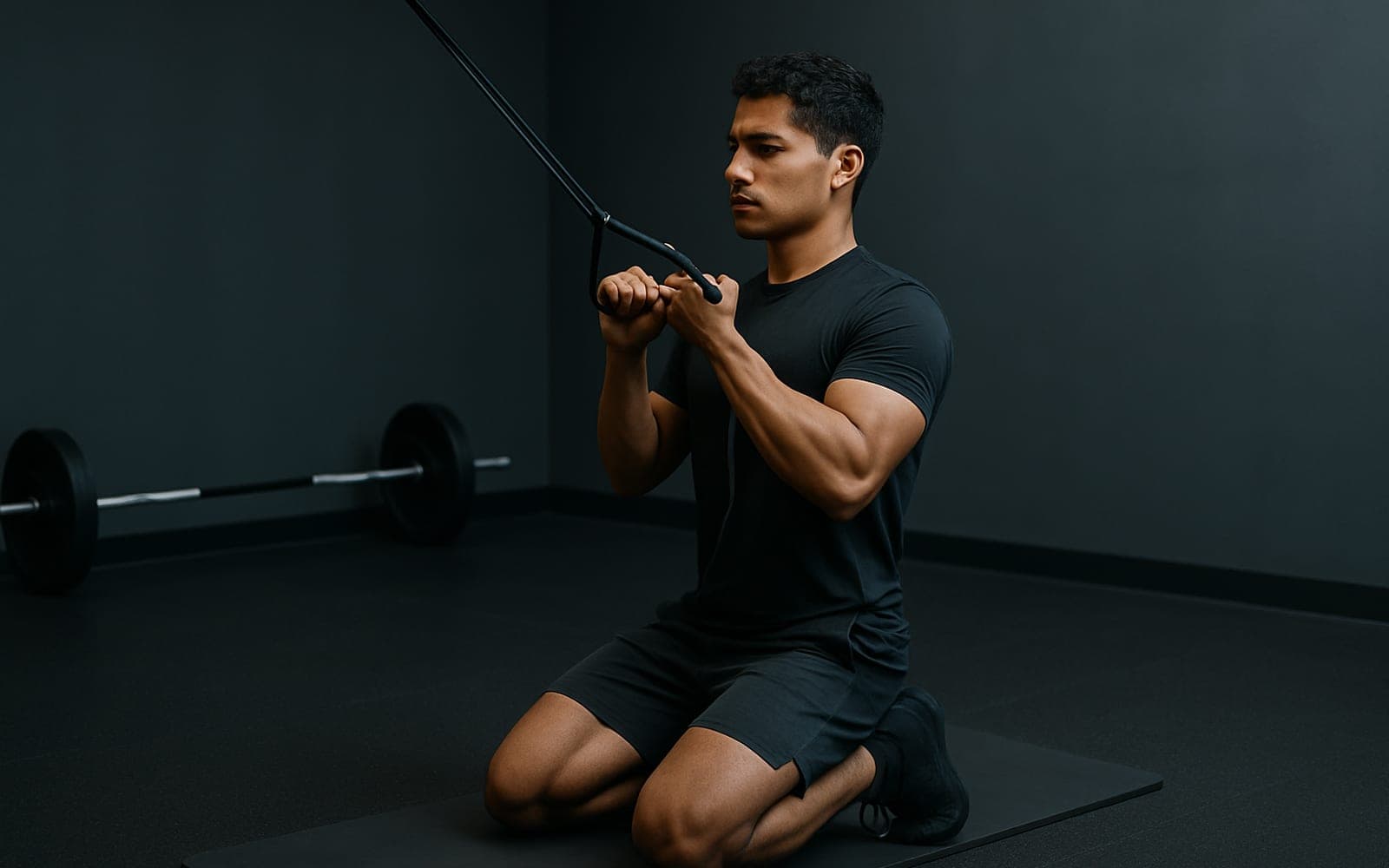
Seated Cable Row, One-Arm Dumbbell Row, Inverted Row all train the same horizontal pull pattern with different equipment, so any of them works when the machine is busy or your gym does not have it.
What are the most common machine row mistakes?
Using momentum. Row the handles back, squeeze, return under control.
Can I do the machine row at home?
The machine row needs selectorized strength equipment, which most home gyms do not have. The inverted row trains the same pattern with nothing more than your bodyweight or a band.