Bird Dog
Activation
Muscles worked
Movement
Core
Beginner · Bodyweight
Primary muscles
Secondary muscles
Movement pattern
Equipment category
How to perform
- 1
Set up
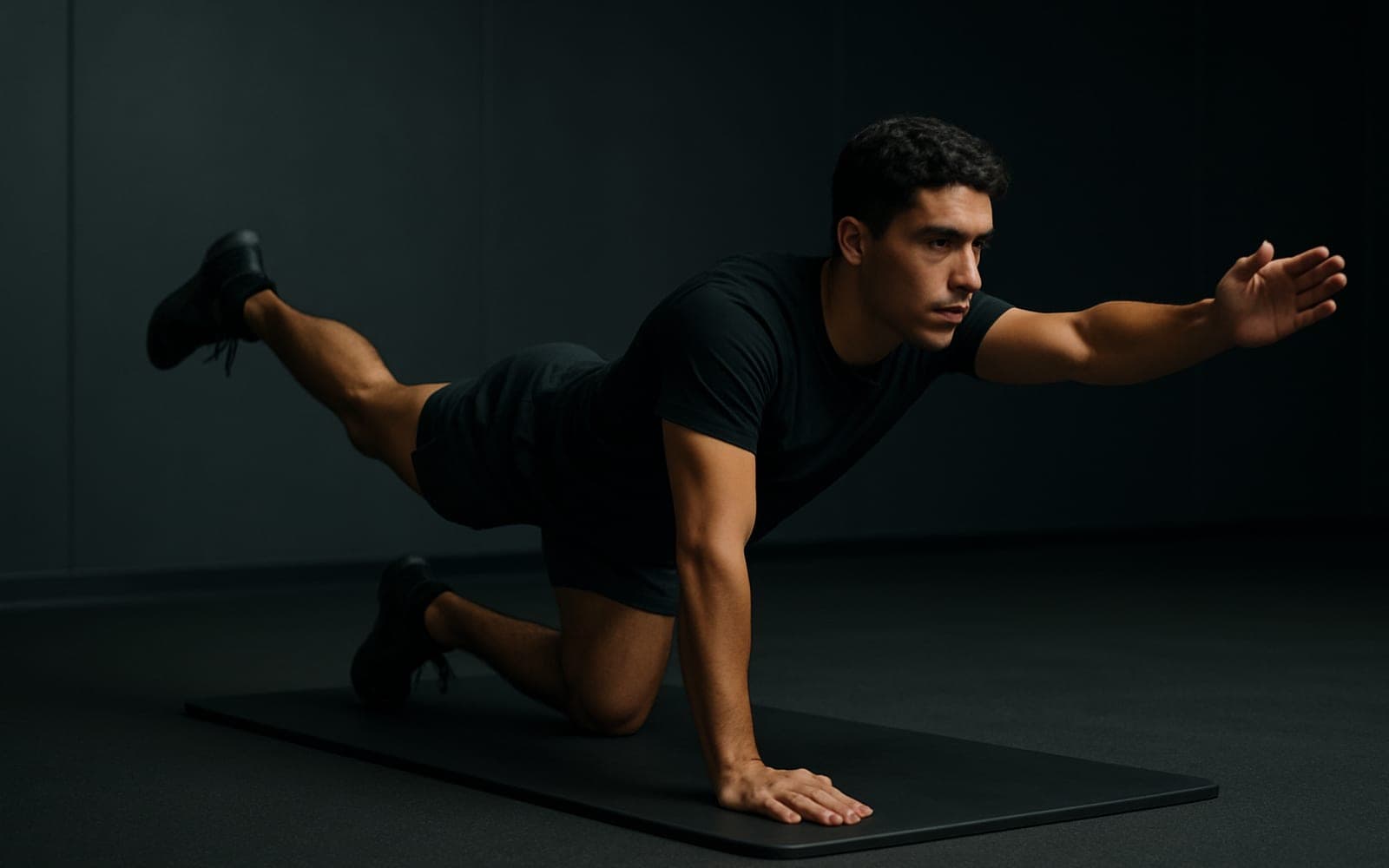
On all fours, hands under shoulders, knees under hips, spine neutral.
- 2
Execute the movement
Slowly extend the opposite arm and leg until level with the torso, keeping the hips square and core braced; return and switch sides.
Common mistakes
- Rotating the hips
- Arching the lower back
- Moving too fast
Make it harder
Make it easier
Accessibility
Substitutions
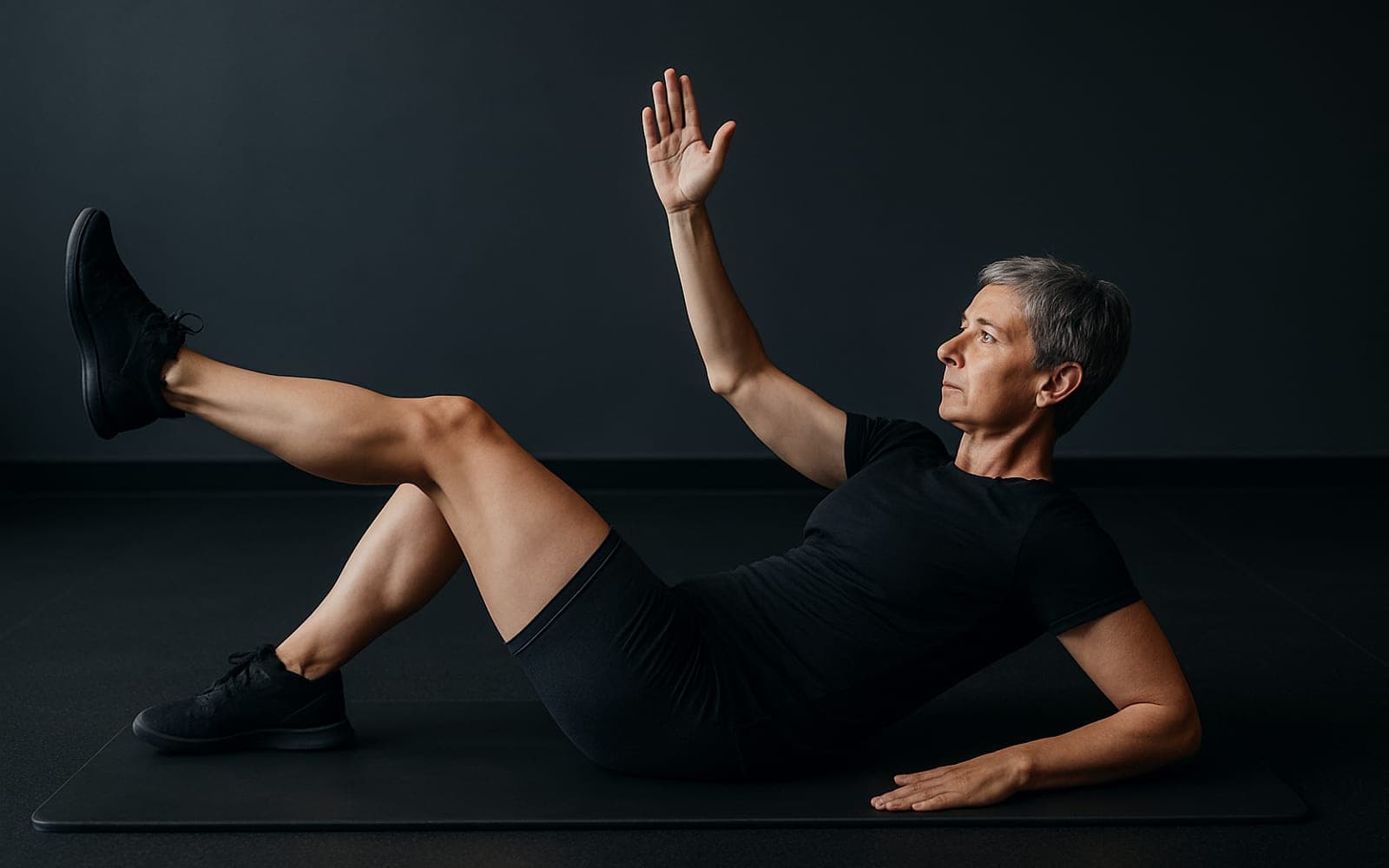
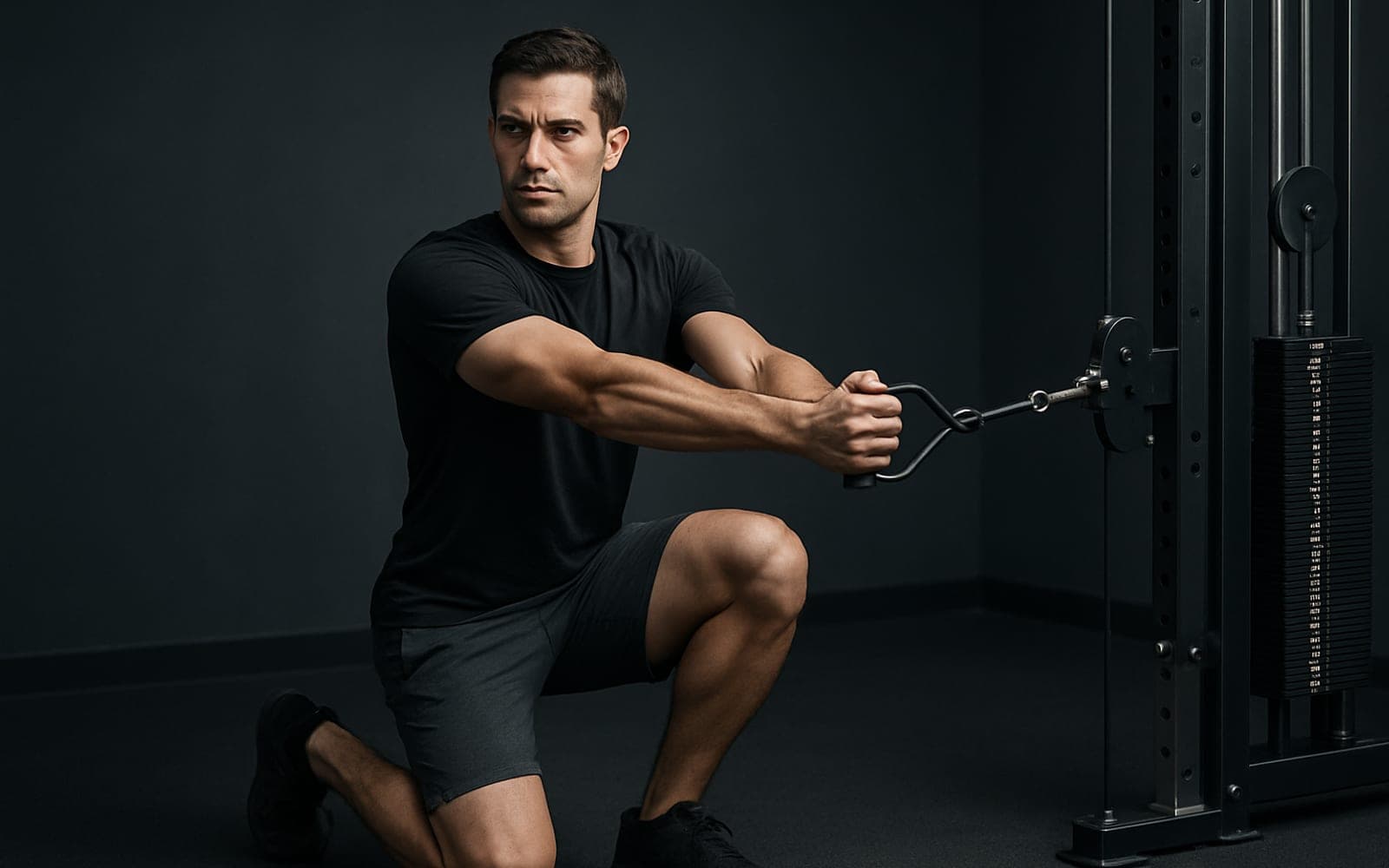
If a machine is busy or unavailable, these train the same pattern a different way.
Your progress over time
What to expect from training this consistently — everyone progresses at their own pace.
- 1
First few sessions
Learn the movement pattern and timing: able to perform controlled ipsilateral bracing while extending opposite arm and leg with fewer balance wobbles and better hip alignment.
- 2
Weeks 1–4
Noticeable improvement in core endurance and pelvic stability; can hold each bird dog position longer (10–30 seconds) and complete more repetitions with consistent form.
- 3
Months 1–3
Improved anti-rotation and anti-extension strength carries over to other exercises and daily tasks; you’ll be able to progress to longer holds, slower tempo, and unilateral loading variations (light ankle/wrist weights or resistance bands).
- 4
Months 3–6
Greater hip and shoulder control with reliable ability to maintain a square pelvis under challenge, and improved muscular endurance of spinal erectors and glutes for prolonged activities like walking or standing.
- 5
6+ months
Integrated into a broader program, the bird dog supports improved overall movement quality and functional core strength, enabling safer progression to more demanding anti-rotation and loaded unilateral patterns.
Benefits of the bird dog
Builds core stability by training anti-extension and anti-rotation control through coordinated arm/leg extension.
Strengthens the glutes and spinal erectors as secondary movers, improving posterior chain endurance for posture and daily tasks.
Enhances hip and shoulder mobility and control through the full travel of limbs while maintaining a braced torso.
Improves balance and coordination by challenging contralateral limb timing and proprioception.
Transfers to better movement quality in squatting, lunging, lifting and gait by teaching pelvic bracing and neutral spine maintenance.
Low impact and beginner-friendly, making it easy to use regularly for consistent neuromuscular improvements without heavy loading.
Exercises that pair with this
Same muscles or the same movement pattern — useful for building the rest of the session.

Bird Dog — questions people ask
What muscles does the bird dog work?
The bird dog trains the core as the primary target, with the glutes, spinal erectors working as support. It is a core pattern, so it also trains the coordination that pattern needs.
How many sets and reps of the bird dog should I do?
Two to four sets of 8–15 reps, or 20–45 second holds. Stop the set when your form breaks, not when the count runs out.
Is the bird dog good for beginners?
Yes. The bird dog is a beginner-friendly movement. Extend just the leg or just the arm. If it feels like too much, build the pattern on the dead bug first.
What can I do instead of the bird dog?
Dead Bug, Core Stability (Machine/Anti-Rotation) all train the same core pattern with different equipment, so any of them works when the machine is busy or your gym does not have it.
What are the most common bird dog mistakes?
Rotating the hips; Arching the lower back; Moving too fast. Slowly extend the opposite arm and leg until level with the torso, keeping the hips square and core braced; return and switch sides.