Rack Pull
Activation
Muscles worked
Movement
Hinge
Intermediate · Free Weights
Primary muscles
Secondary muscles
Movement pattern
Equipment category
How to perform
- 1
Set up
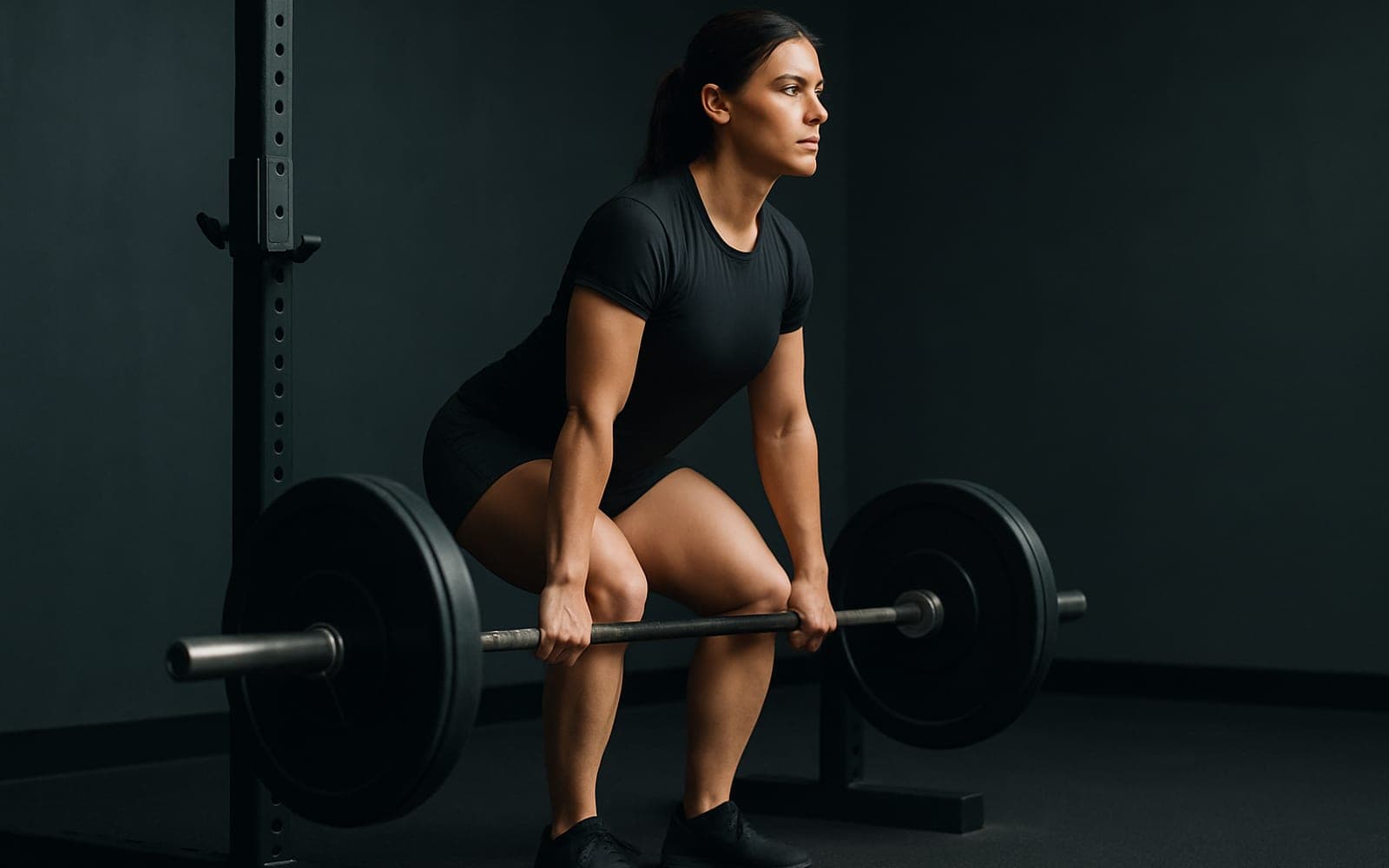
Set a barbell on rack pins at about knee height; grip just outside the legs, flat back.
- 2
Execute the movement
Drive through the floor and extend the hips to lock out standing tall; lower back to the pins under control. A shortened-range pull for the upper back and lockout strength.
Common mistakes
- Rounding the back
- Hyperextending at the top
Make it harder
Make it easier
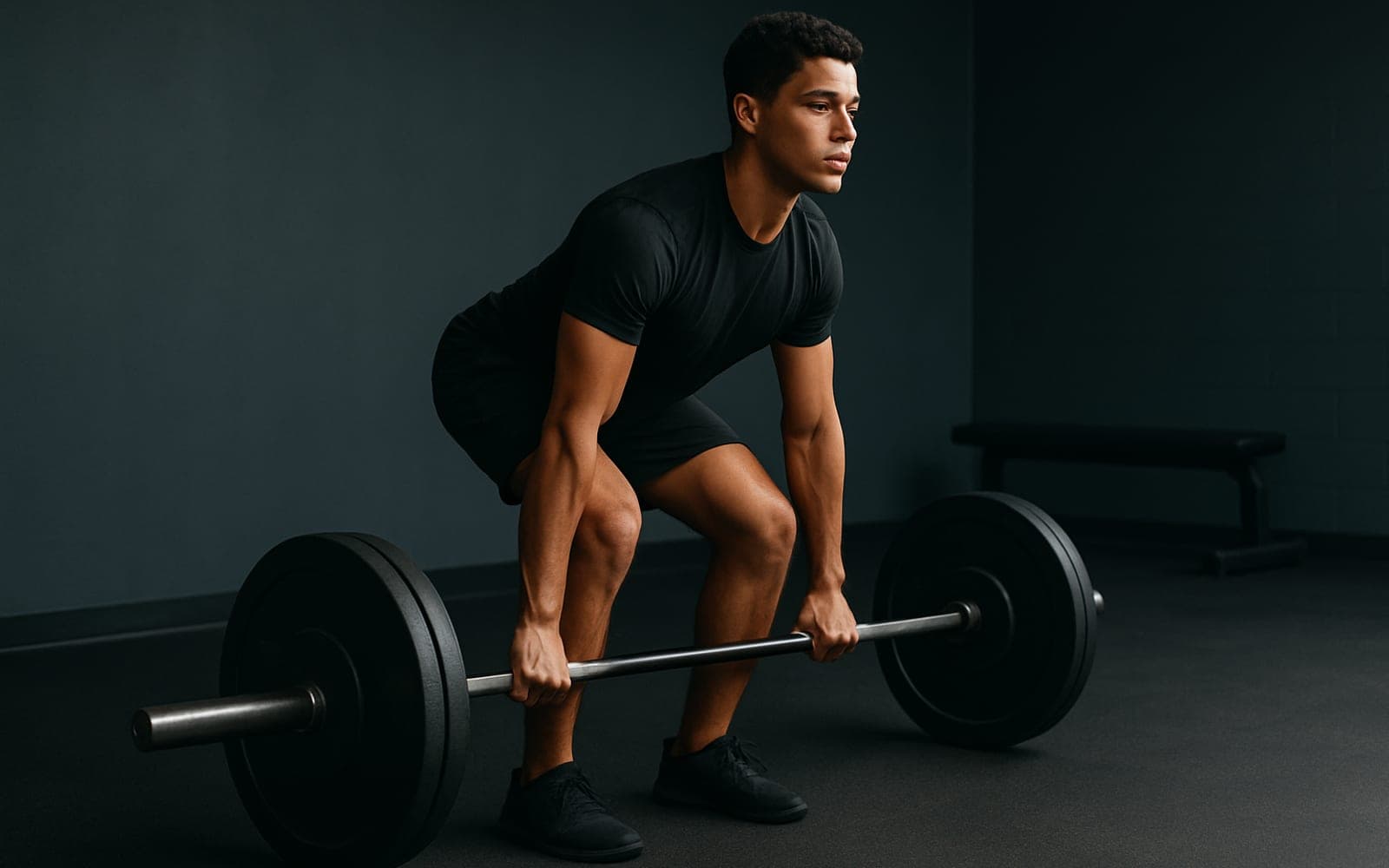
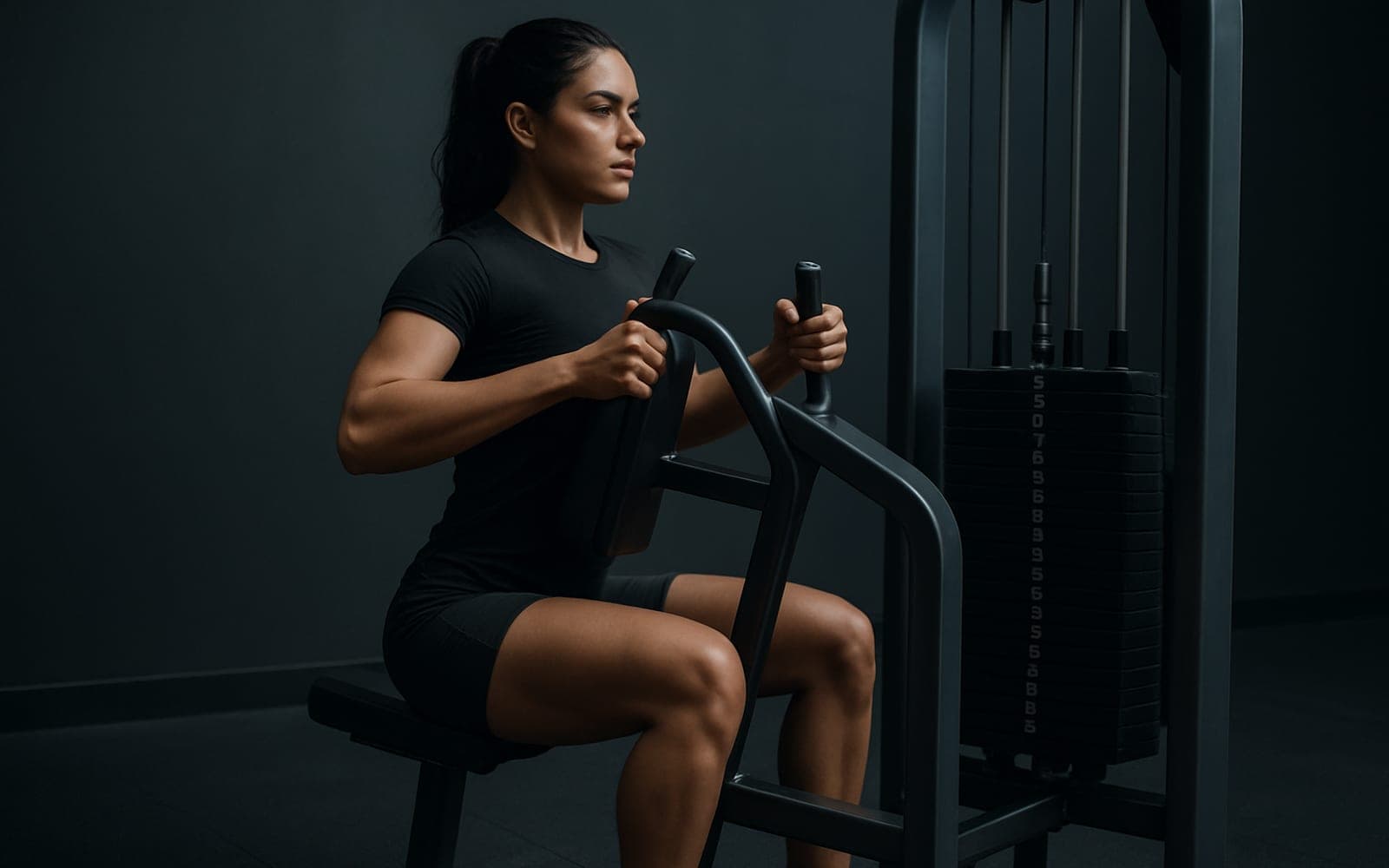
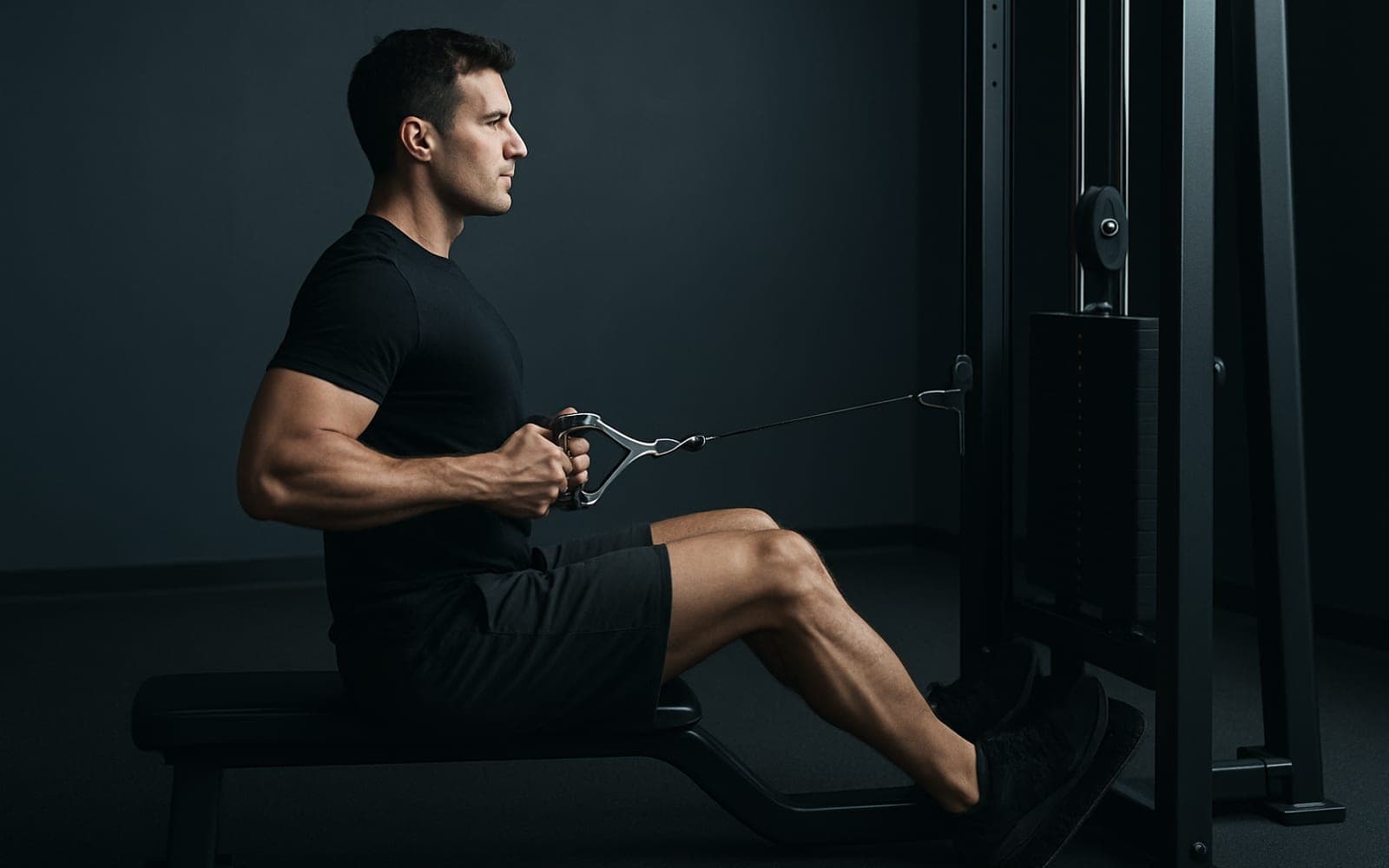
Substitutions
If a machine is busy or unavailable, these train the same pattern a different way.
Your progress over time
What to expect from training this consistently — everyone progresses at their own pace.
- 1
First few sessions
Learn consistent setup (bar height, foot position, bracing) and practice a controlled hinge and lockout; expect initially light loads while you build technique and posterior chain coordination.
- 2
Weeks 2–4
Notice improved confidence in the shortened-range pull, quicker recruitment of the upper back and glutes, and the ability to add modest load as nervous system efficiency increases.
- 3
Months 1–3
Steady increases in working weight as connective tissue and technique strengthen; visible improvements in upper-back thickness and top-end lockout strength with progressive loading.
- 4
Months 3–6
Meaningful gains in heavy lockout capacity and upper-back resiliency, carryover to stronger deadlift finishes and improved posture under load; expect gradual hypertrophy in the lats, traps, and glutes when volume is sufficient.
- 5
6+ months
Well-developed upper-back strength and confidence handling near-maximal lockout loads, improved carryover to competition or heavy deadlift variations, and durable posterior chain that responds to continued progressive overload.
Benefits of the rack pull
Develops lockout strength and upper-back pulling power by focusing on the shortened top range of the hinge pattern.
Places heavy demand on the traps, rhomboids, and lats, promoting thicker upper-back musculature when trained progressively.
Loads the glutes and hamstrings in a controlled way, improving hip extension strength relevant to standing and lifting tasks.
Improves grip and forearm strength due to sustained heavy holds at the top of the pull.
Provides a solid accessory for improving deadlift top-end performance and correcting weak lockout mechanics.
Allows heavy loading with reduced lumbar travel compared with full deadlifts, enabling targeted overload while managing fatigue from full-range pulls.
Exercises that pair with this
Same muscles or the same movement pattern — useful for building the rest of the session.
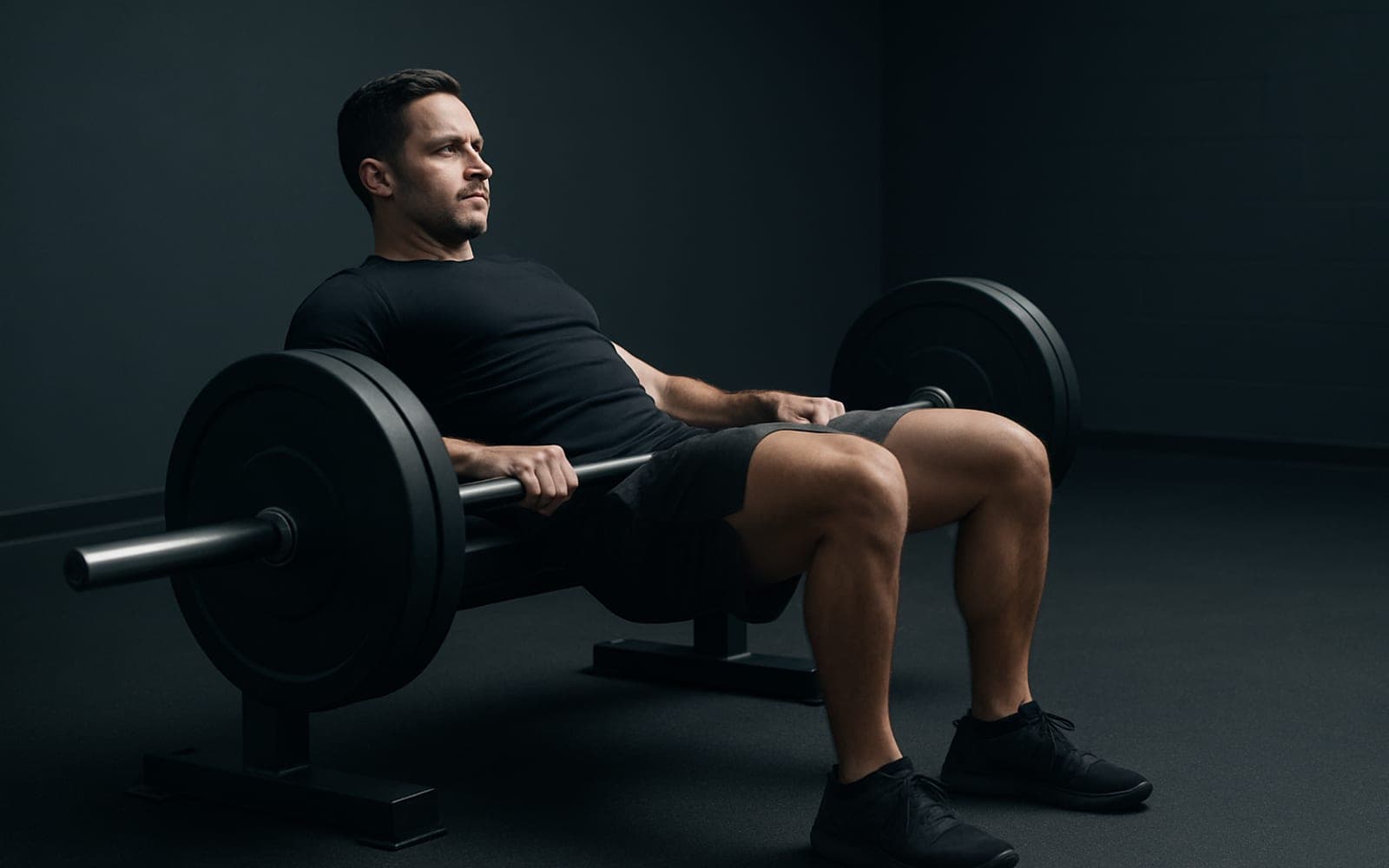
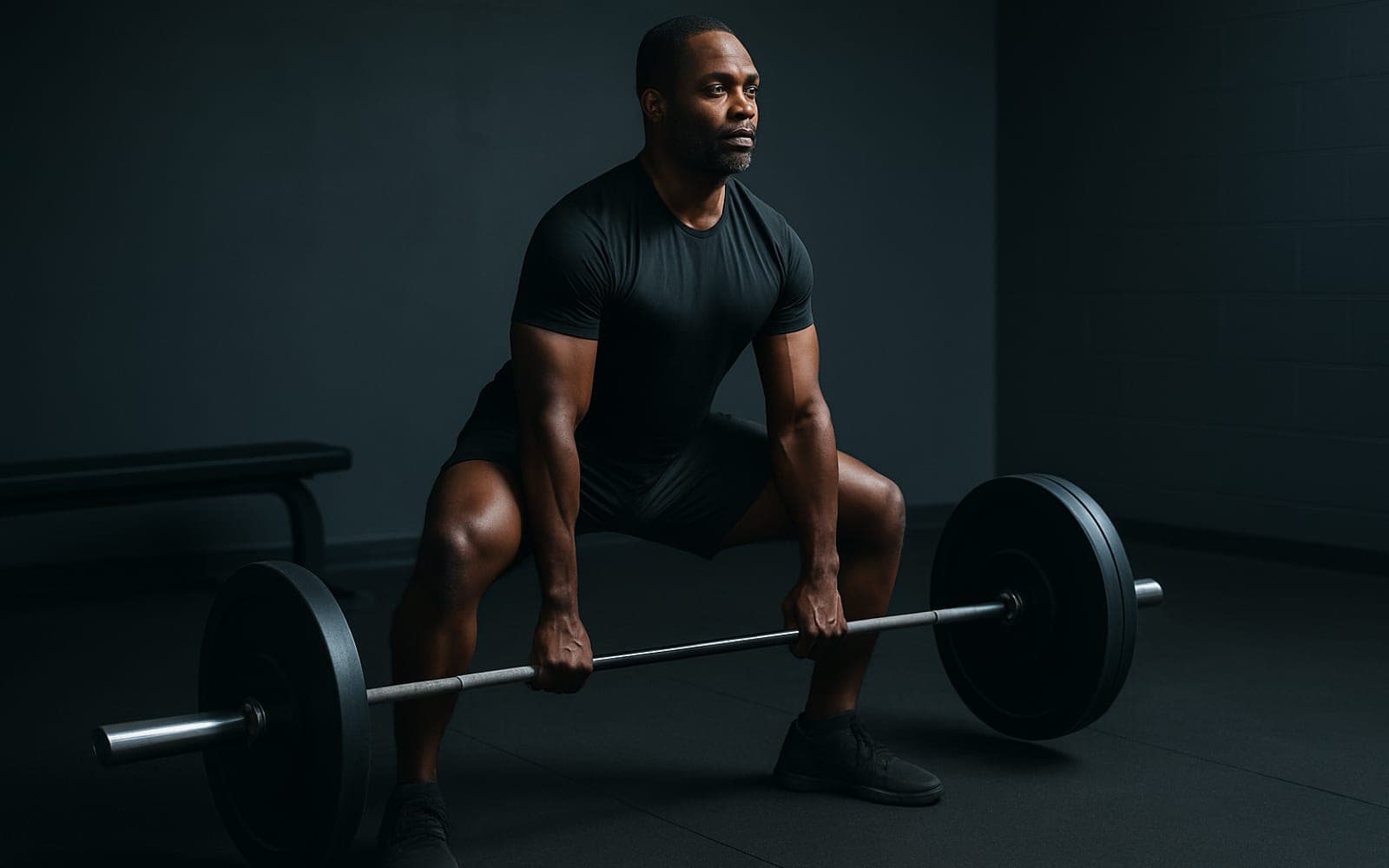
Rack Pull — questions people ask
What muscles does the rack pull work?
The rack pull trains the back as the primary target, with the glutes, hamstrings, forearms working as support. It is a hinge pattern, so it also trains the coordination that pattern needs.
How many sets and reps of the rack pull should I do?
For size, three to four sets of 8–12 reps with 60–90 seconds of rest. For strength, three to five sets of 3–6 reps with longer rest. Add a little weight once you hit the top of the range on every set.
Is the rack pull good for beginners?
It is a reasonable second step. The rack pull asks for some control and body awareness. Raise the pins or reduce weight. It is also form-sensitive, so it is worth having a coach or an experienced lifter watch your first few sessions. If it feels like too much, build the pattern on the machine row first.
What can I do instead of the rack pull?
Barbell Deadlift, Machine Row, Seated Cable Row all train the same hinge pattern with different equipment, so any of them works when the machine is busy or your gym does not have it.
What are the most common rack pull mistakes?
Rounding the back; Hyperextending at the top. Drive through the floor and extend the hips to lock out standing tall; lower back to the pins under control. A shortened-range pull for the upper back and lockout strength.
Can I do the rack pull at home?
It needs free weights equipment, so it belongs in a gym session rather than a home workout unless you own that equipment.