Chest exercises
12 movements that train the chest directly, each with setup cues, the mistakes to avoid and a substitution for every equipment type.
What the chest does
The chest is one big fan-shaped muscle on each side — the pectoralis major — running from the breastbone and collarbone out to the upper arm. Its job is to bring the arm across and in front of the body, which is why every pressing and flying movement trains it. The collarbone portion (what lifters call the upper chest) does more of the work when the angle is inclined.
Chest exercises in the library
Every one links to a full form guide — setup, execution, common mistakes and what to do instead if the machine is busy.
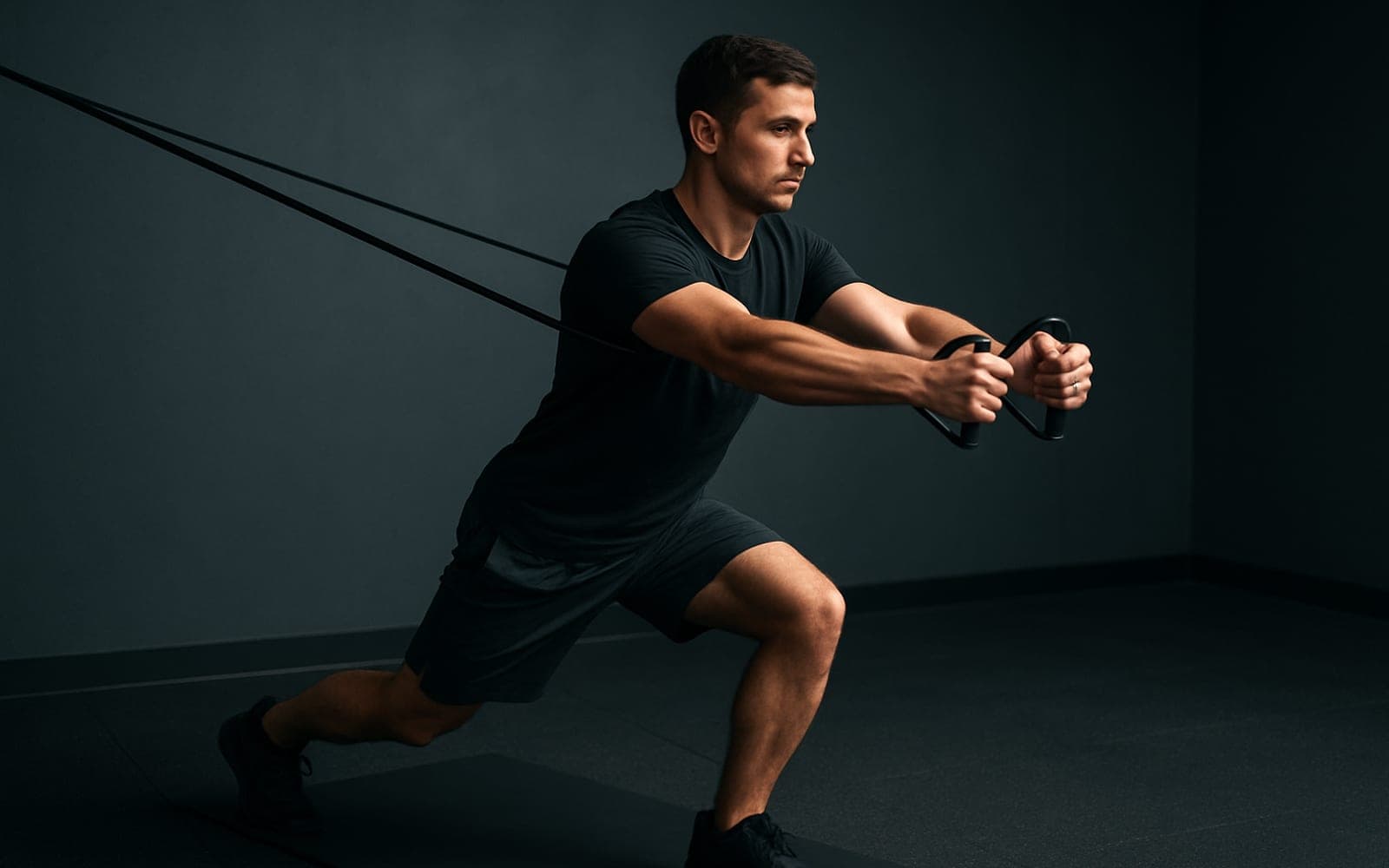
Band Chest Press
Chest
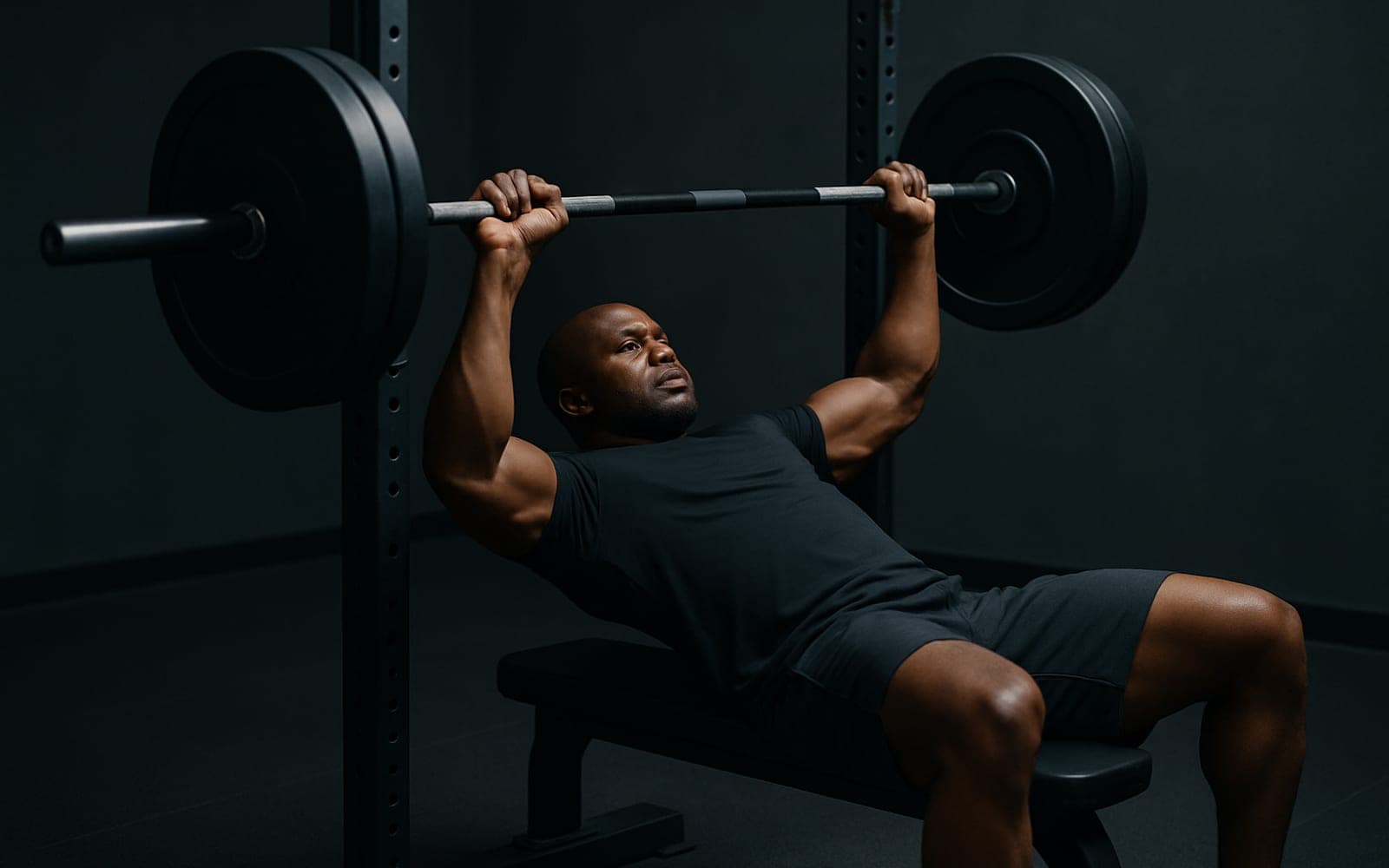
Barbell Bench Press
Chest
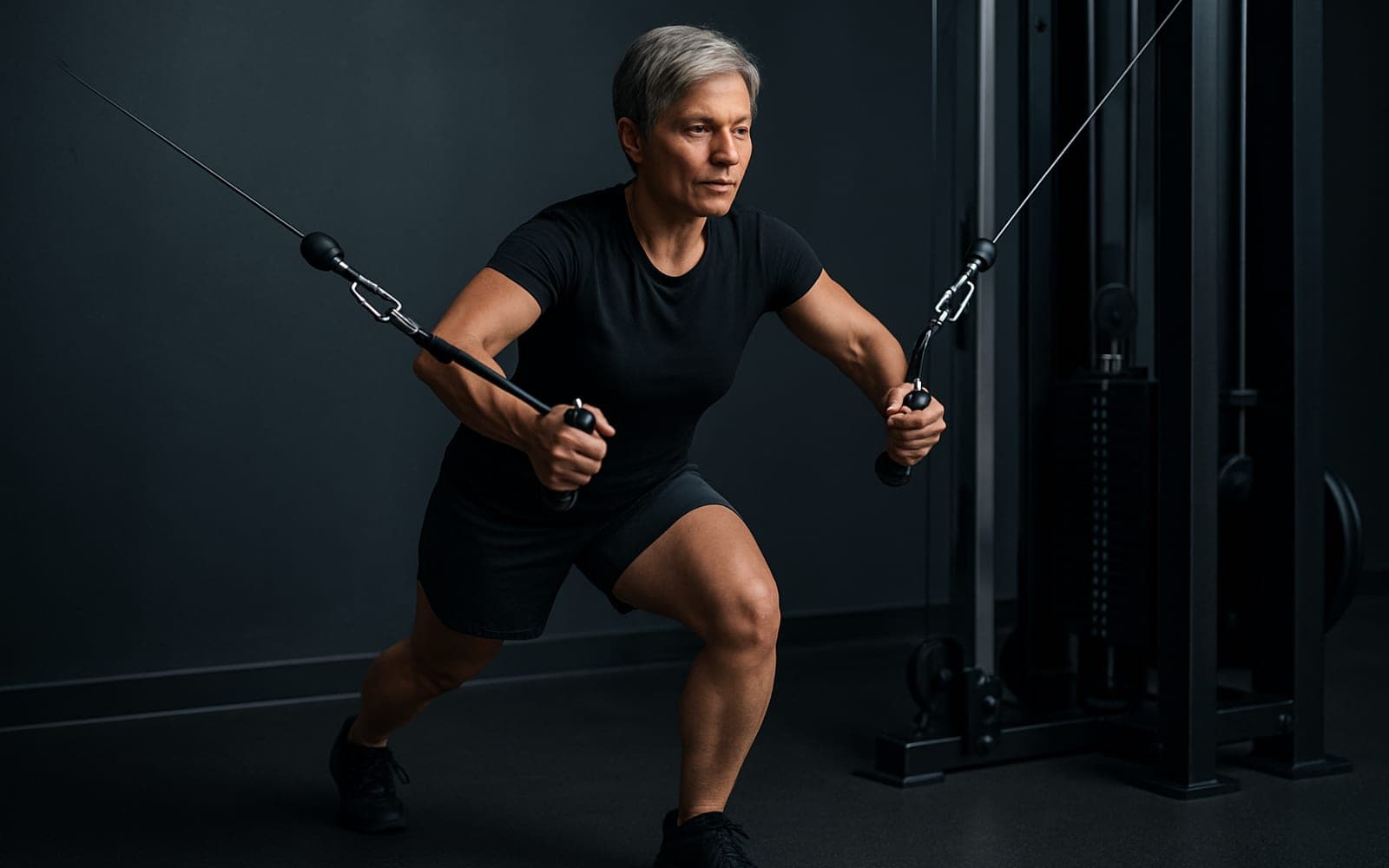
Cable Fly
Chest
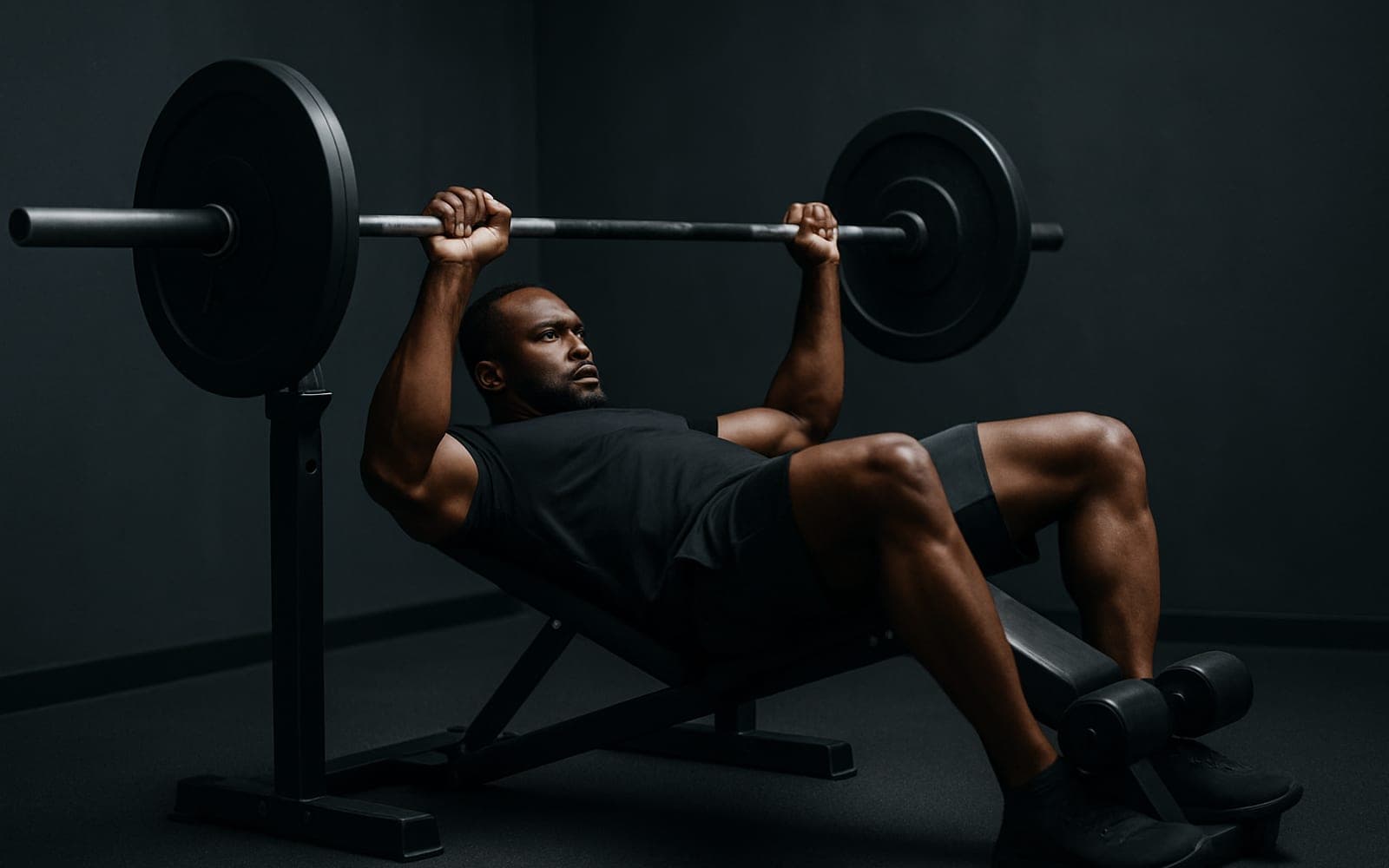
Decline Bench Press
Chest
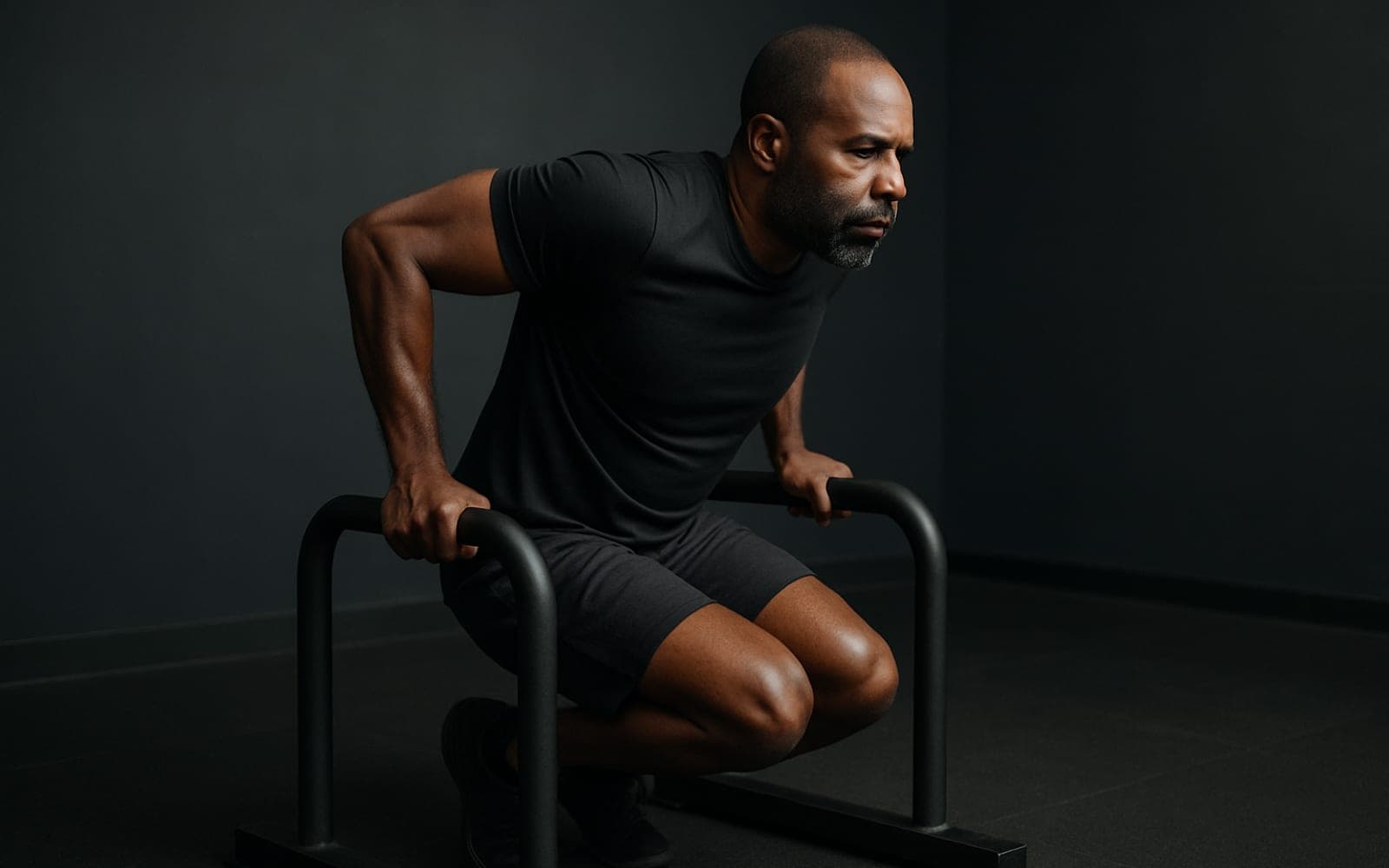
Dip
Chest, Triceps
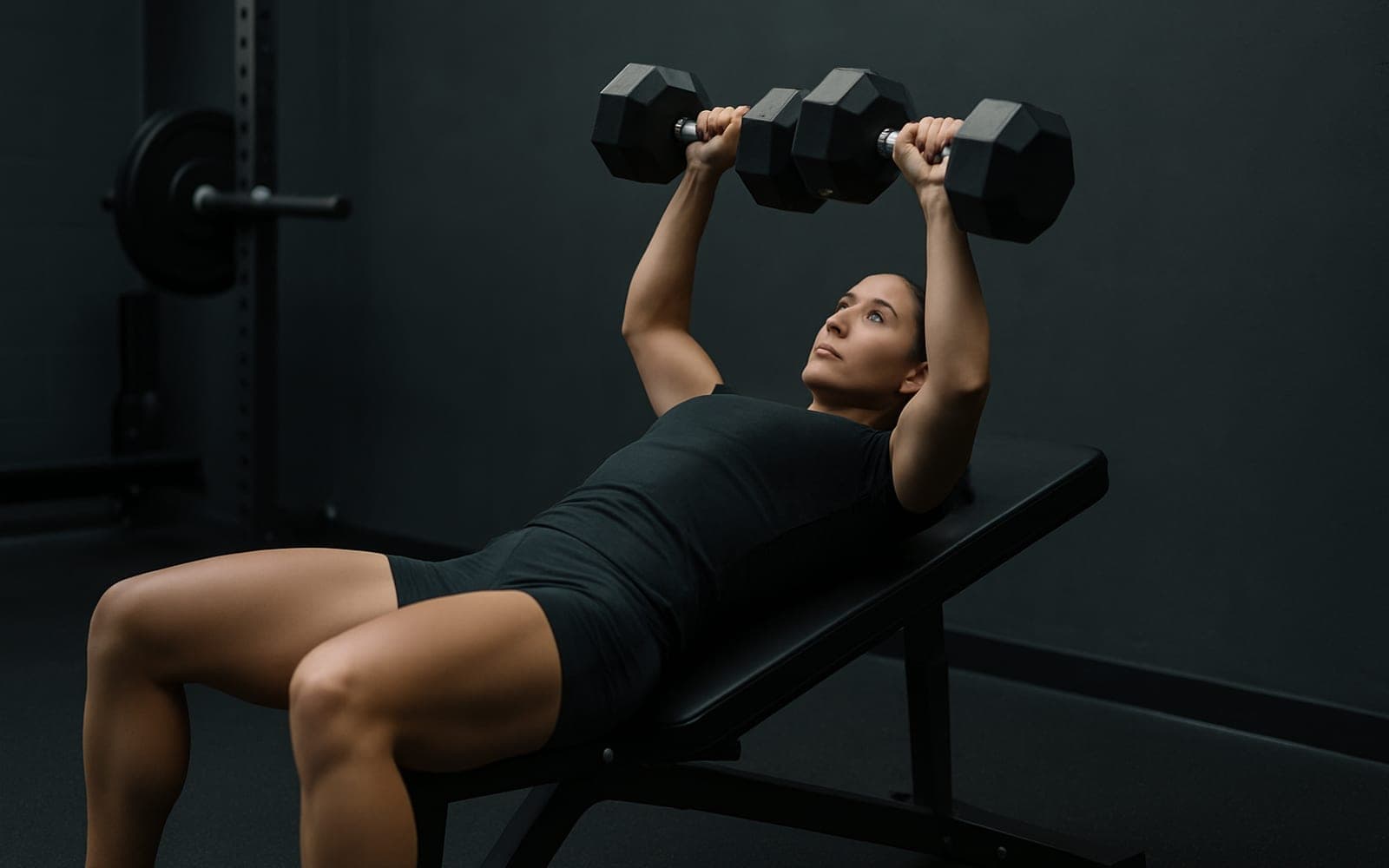
Dumbbell Bench Press
Chest
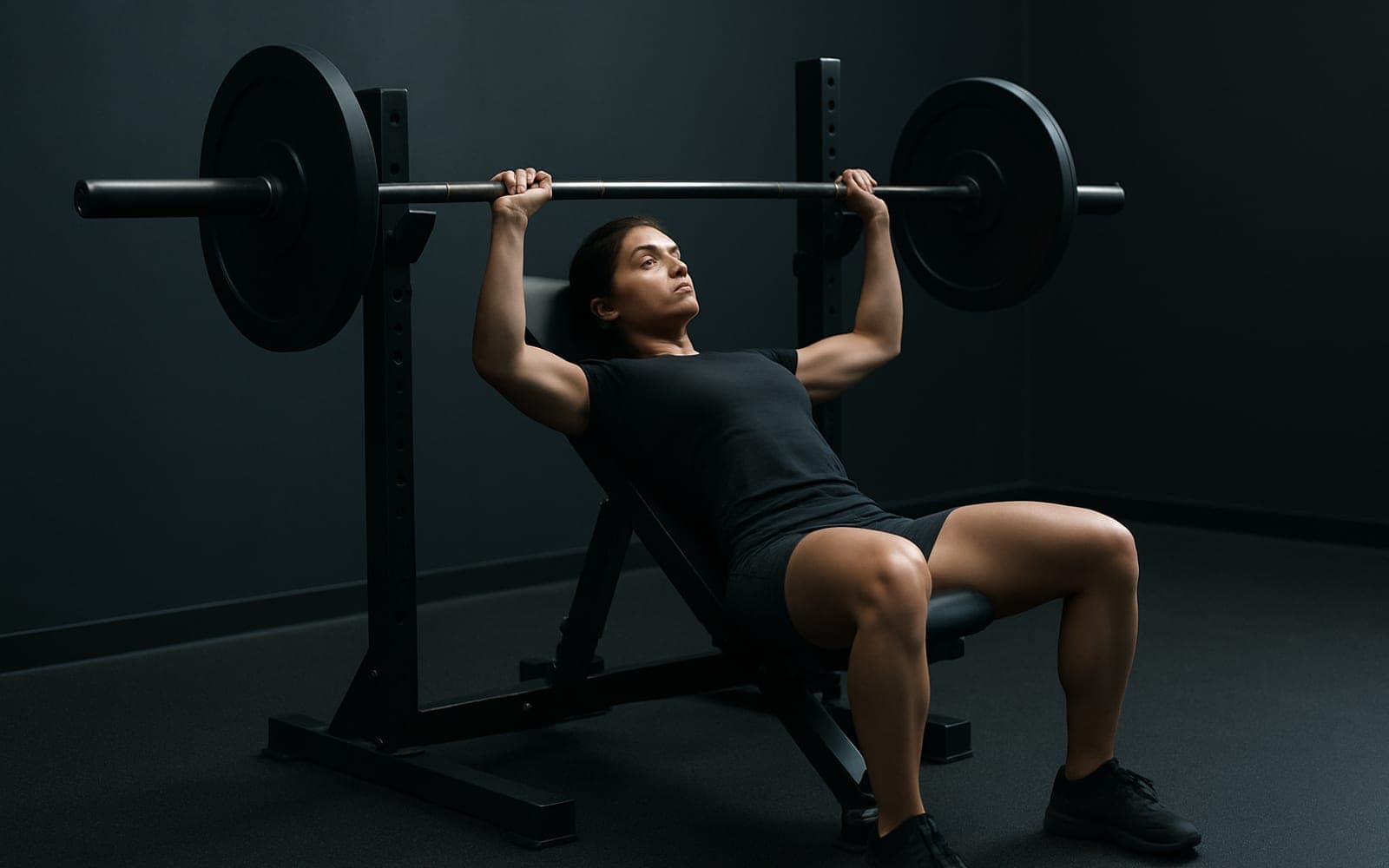
Incline Barbell Bench Press
Upper chest
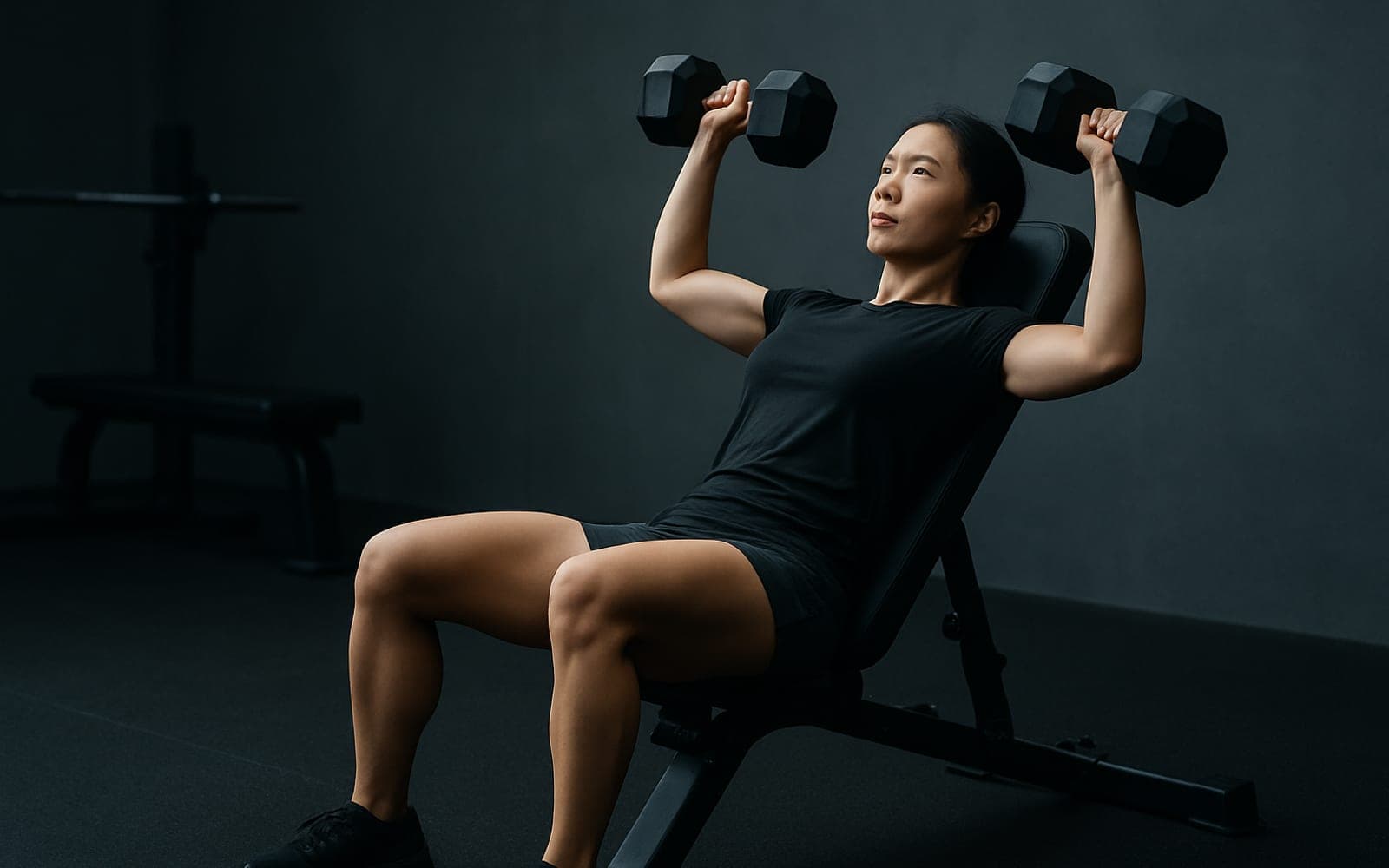
Incline Dumbbell Press
Upper chest
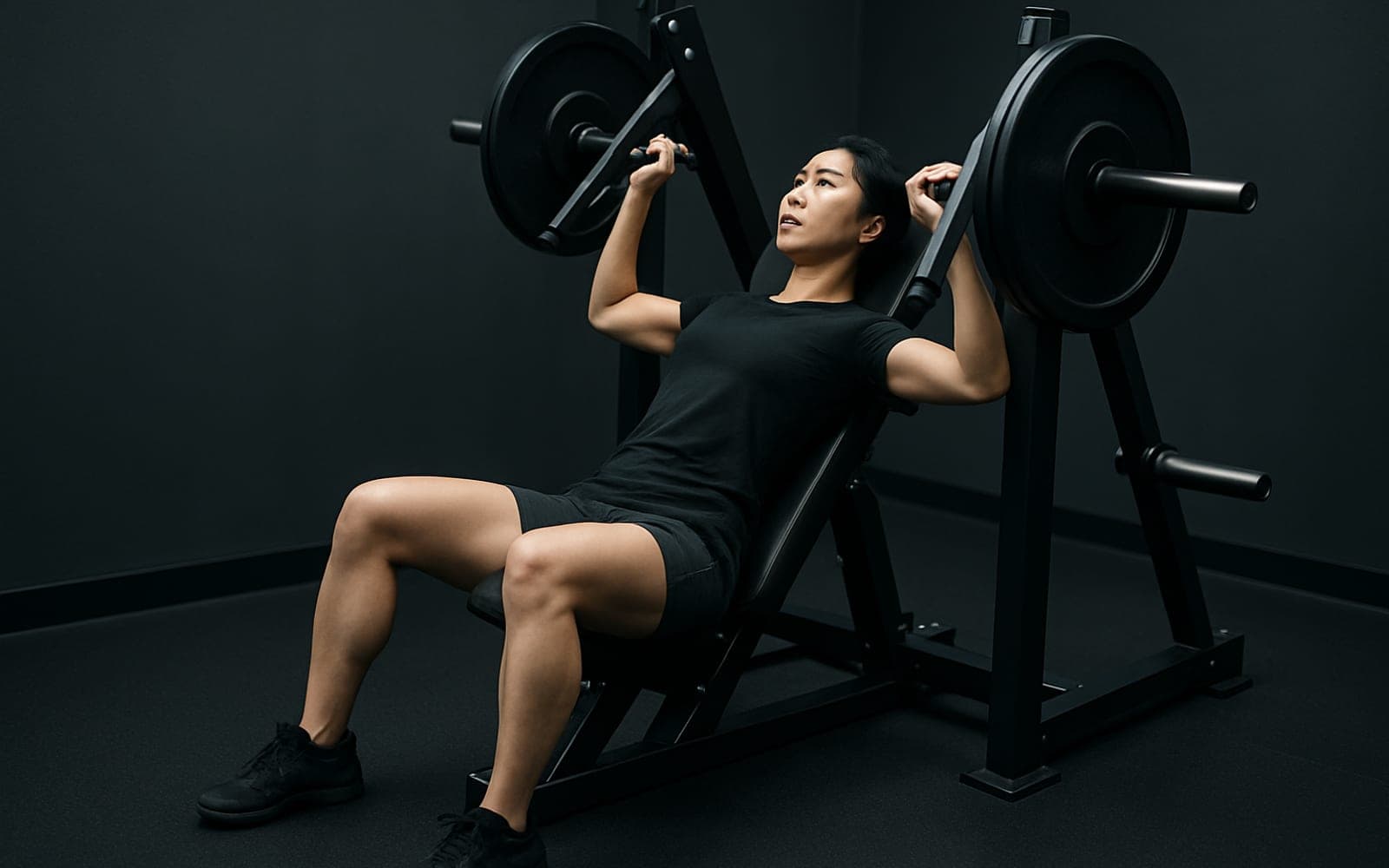
Incline Press
Upper chest
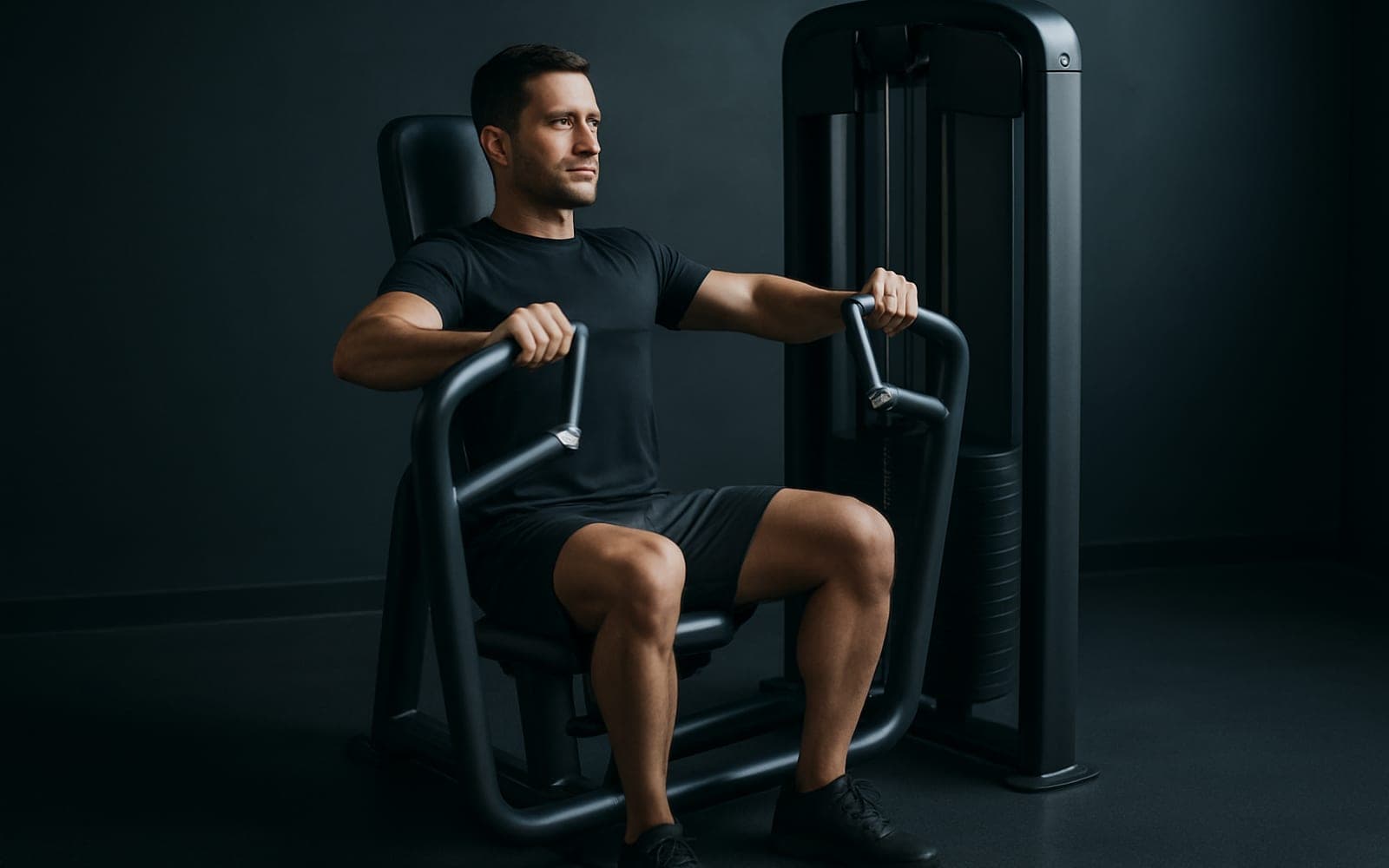
Machine Chest Press
Chest
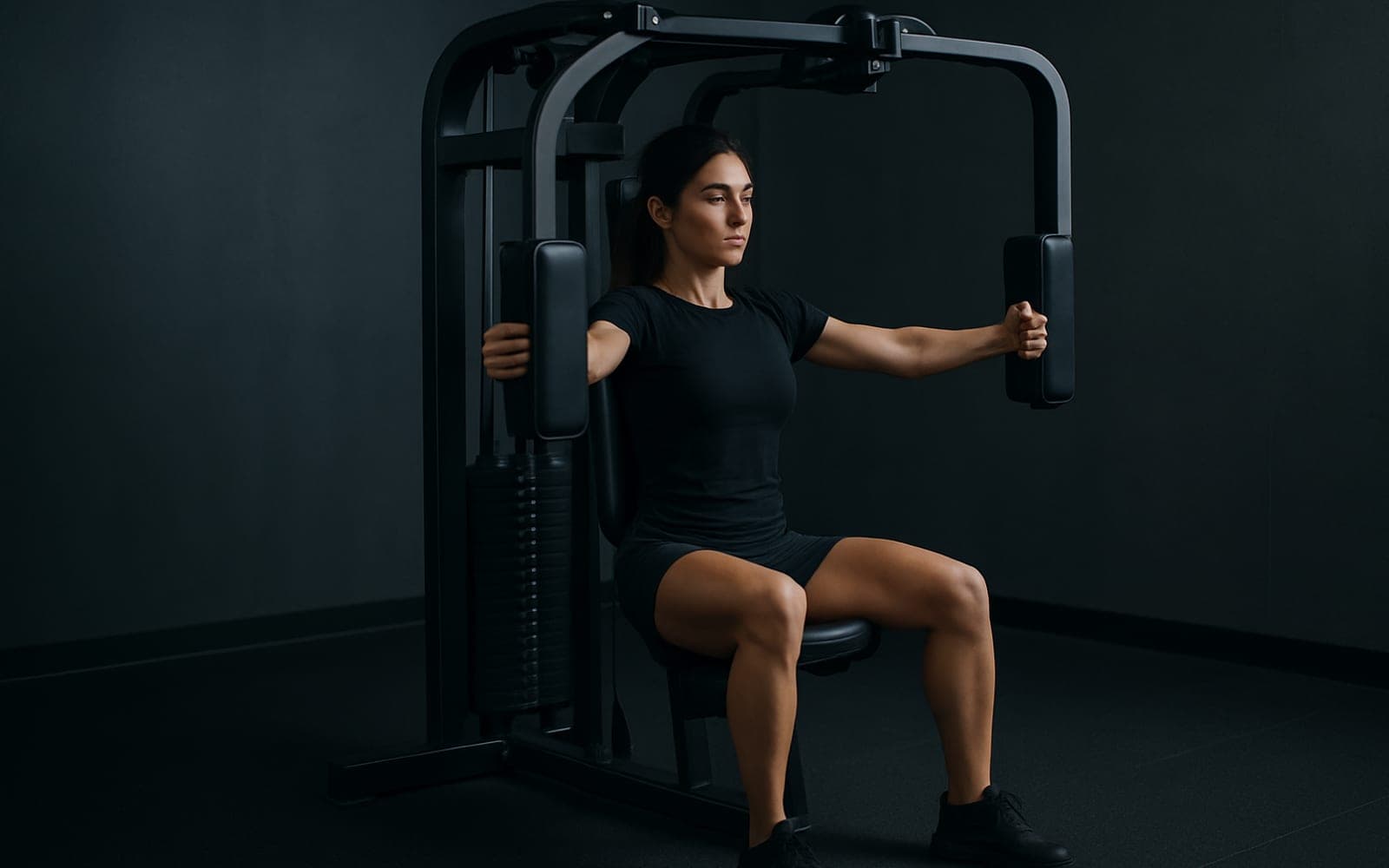
Pec Deck (Machine Fly)
Chest
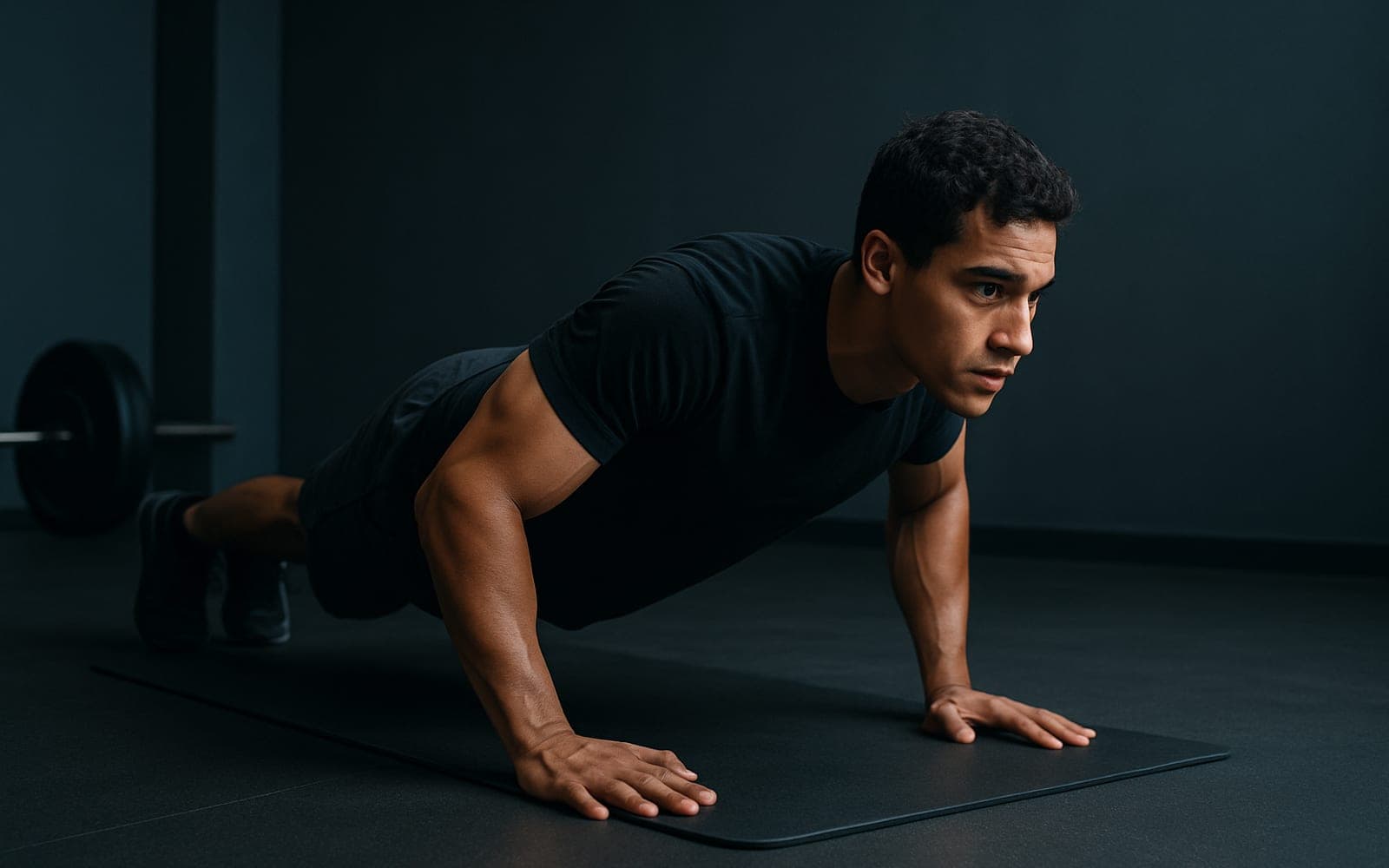
Push-Up
Chest
How to train chest
Two sessions a week beats one, because the chest recovers in about 48 hours. Most people do well with 10–20 hard sets per week split across a press and a fly-style movement, in the 6–12 rep range. Progress comes from adding weight or reps to the press over months — not from switching exercises every week.
The mistake to avoid
Bouncing the bar or dumbbells off the bottom. The stretch at the bottom is where the chest does its work; letting the ribcage absorb the load skips it and risks the shoulder.
Chest exercises by equipment
Whatever your gym has — or does not have.
Free Weights
5Bodyweight
3Selectorized Strength
2Cable & Functional
1Plate-Loaded
1Also works the chest
These train something else first, but the chest works hard in them — worth counting toward your weekly total.
Chest exercises — questions people ask
What are the best chest exercises?
Band Chest Press, Barbell Bench Press, Cable Fly, Decline Bench Press, Dip are the movements to build a chest session around — they load the muscle through its full range and are easy to add weight to over time. Two sessions a week beats one, because the chest recovers in about 48 hours. Most people do well with 10–20 hard sets per week split across a press and a fly-style movement, in the 6–12 rep range. Progress comes from adding weight or reps to the press over months — not from switching exercises every week.
How often should I train chest?
Two sessions a week beats one, because the chest recovers in about 48 hours. Most people do well with 10–20 hard sets per week split across a press and a fly-style movement, in the 6–12 rep range. Progress comes from adding weight or reps to the press over months — not from switching exercises every week.
Can I train chest at home?
Yes — Band Chest Press, Dip, Push-Up need no equipment beyond your bodyweight. Add a band or a pair of dumbbells and most of the rest of this list opens up.
Which chest exercises are best for beginners?
Start with Band Chest Press, Machine Chest Press, Pec Deck (Machine Fly), Push-Up. Each one has a guided or fixed path, so you can learn the pattern and add load without needing a spotter.
What is the most common chest training mistake?
Bouncing the bar or dumbbells off the bottom. The stretch at the bottom is where the chest does its work; letting the ribcage absorb the load skips it and risks the shoulder.