Leg Press
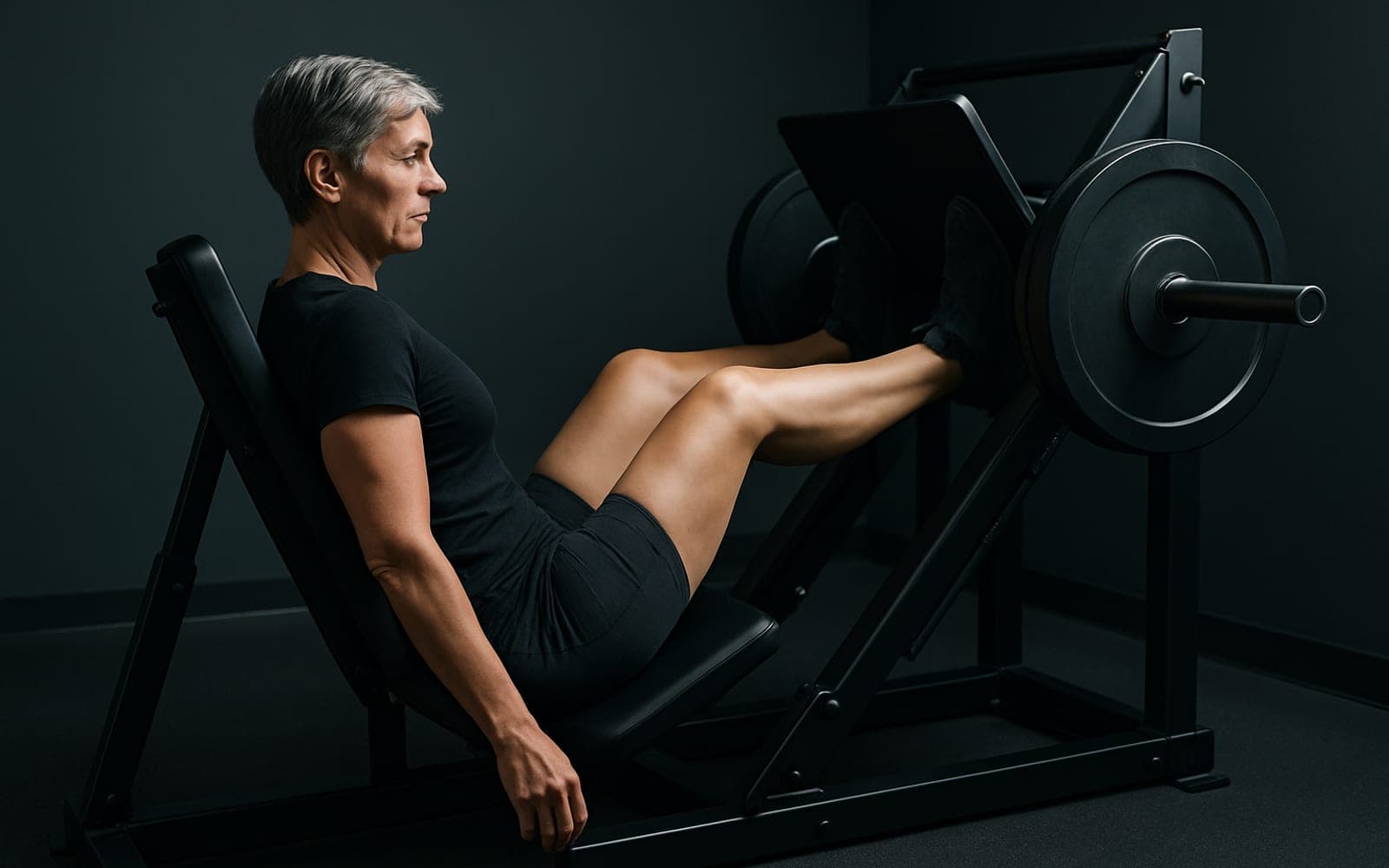
Activation
Muscles worked
Movement
Squat
Beginner · Plate-Loaded
Secondary muscles
Movement pattern
Equipment category
How to perform
- 1
Set up
Feet shoulder-width on the platform, back and hips against the pads.
- 2
Execute the movement
Lower under control to ~90° knee bend, press through mid-foot without locking hard.
Common mistakes
- Rounding the lower back at the bottom
- Bouncing
Make it harder
Make it easier
Accessibility
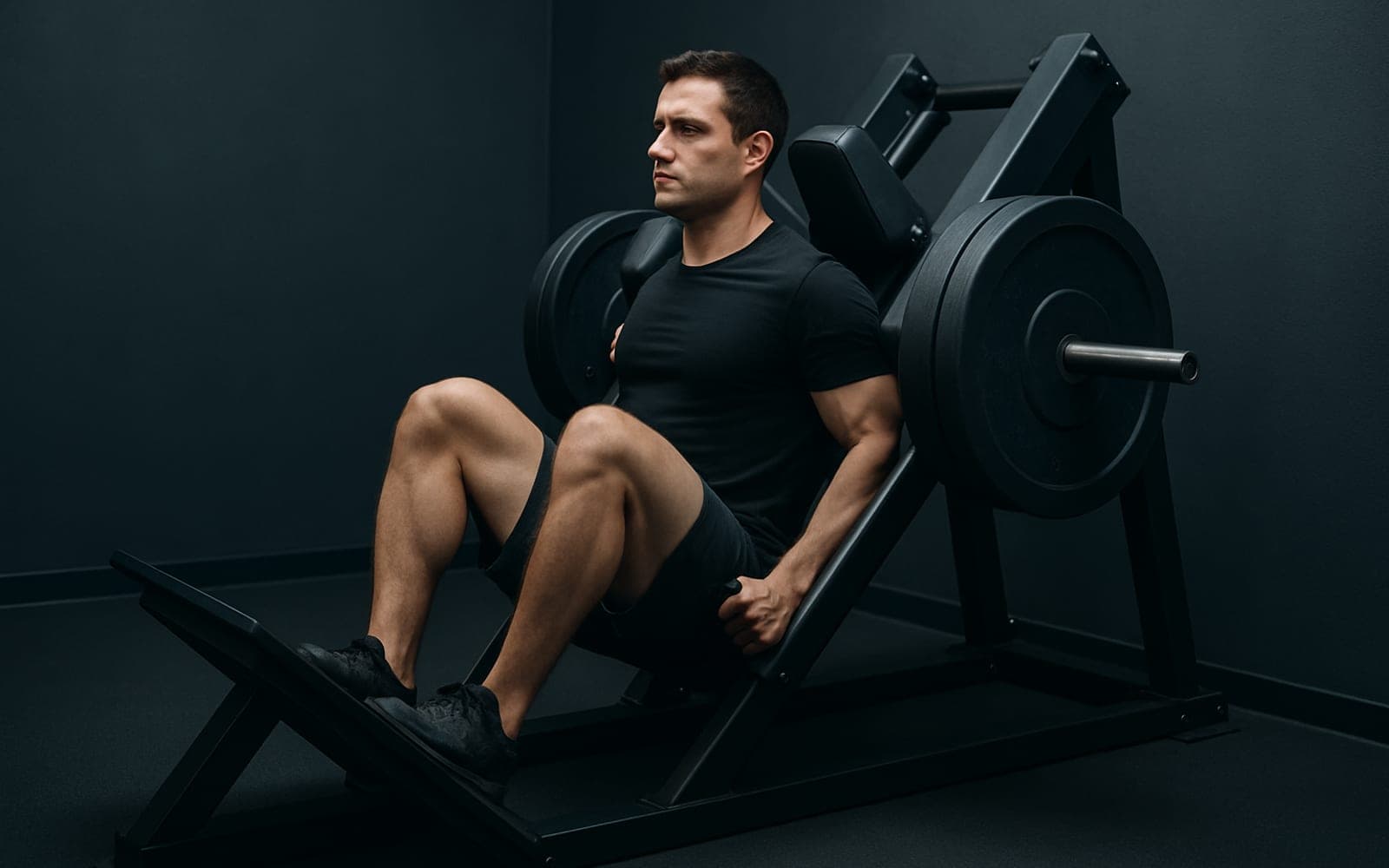
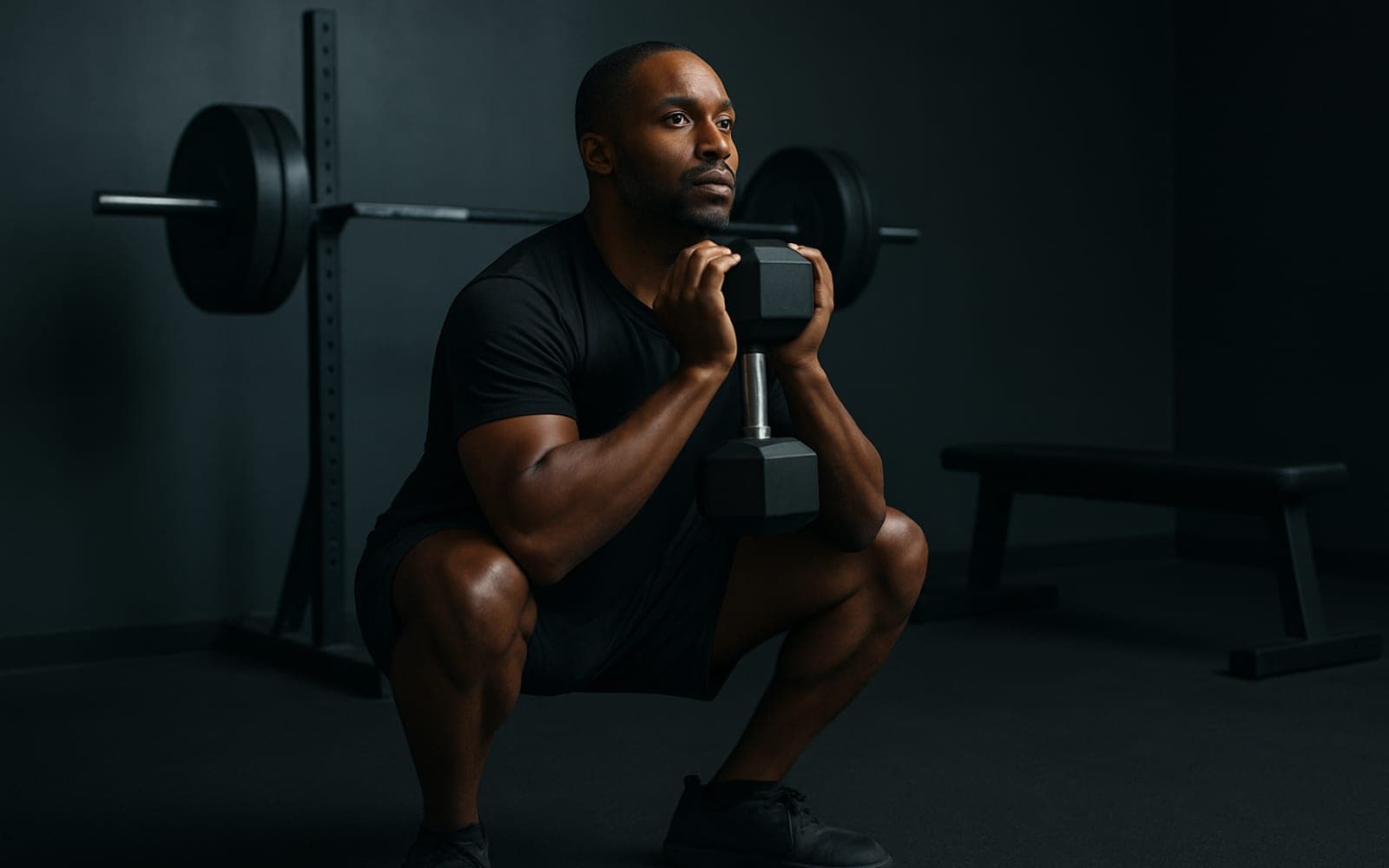
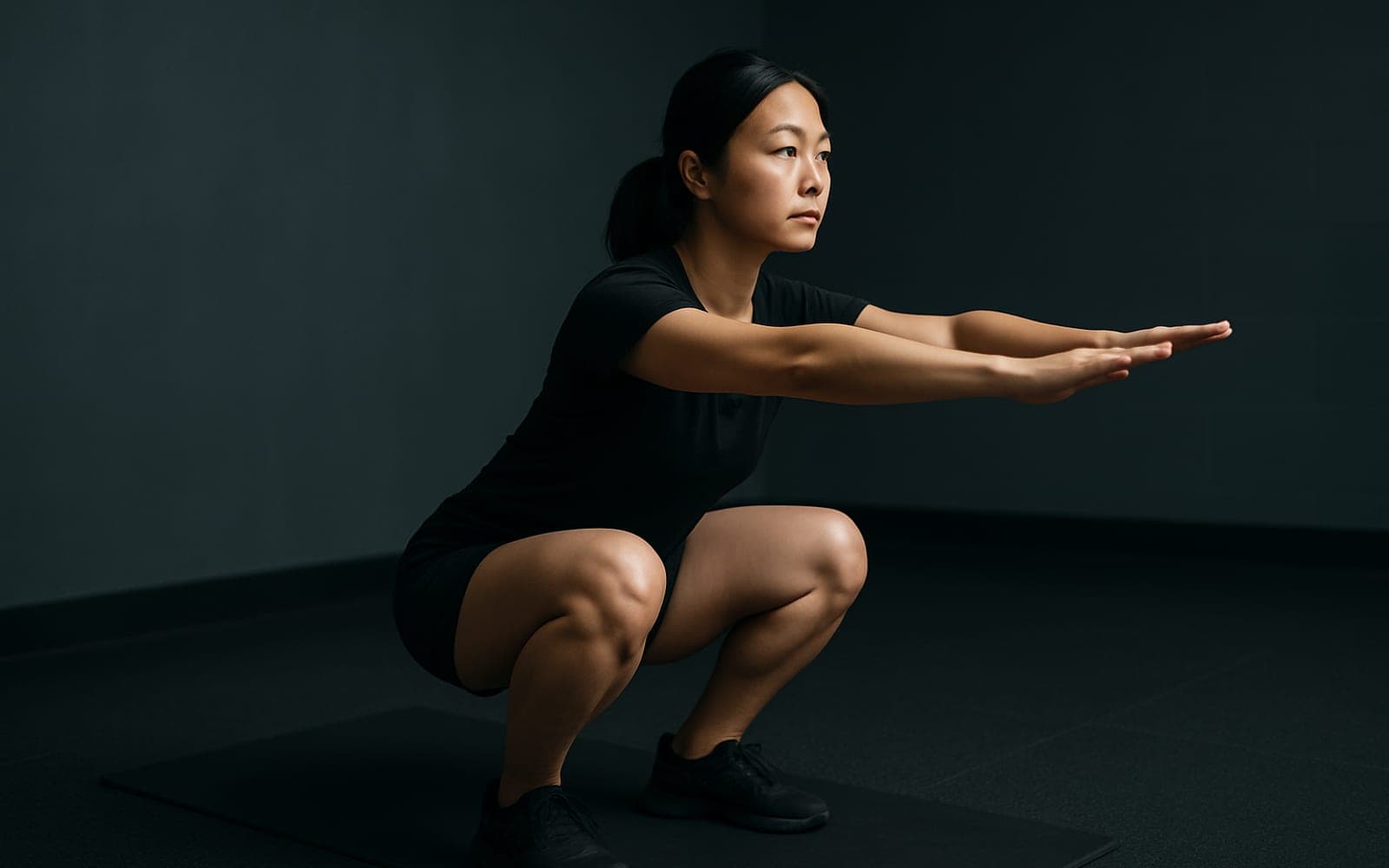
Substitutions
If a machine is busy or unavailable, these train the same pattern a different way.
Your progress over time
What to expect from training this consistently — everyone progresses at their own pace.
- 1
First few sessions
Learn safe foot placement, seat setup and the tempo to lower to about a 90° knee bend while feeling the quads and glutes engage; expect light loads as you prioritize control and full range.
- 2
Weeks 2–4
Notice improved neuromuscular coordination and ability to increase load steadily; sets feel more controlled, soreness decreases, and you can complete prescribed reps with better posture.
- 3
Months 2–3
Clear strength and hypertrophy gains in the quads and glutes become measurable (heavier working sets, small increases in muscle size/definition), and the exercise contributes to easier daily tasks like stairs.
- 4
Months 4–6
Significant increases in 1–3RM and working-set loads are common with consistent progression; improvements in overall lower‑body strength help other movements (squats, lunges) and support higher training volume for fat loss.
- 5
6+ months
If consistently progressed with periodized loading and adequate recovery you can achieve substantial hypertrophy and strength improvements relative to your starting point, while using the leg press as a joint-friendly heavy-loading option in a balanced program.
Benefits of the leg press
Targets the quadriceps and glutes very effectively, allowing focused bilateral lower‑body loading with less demand on balance than free‑weight squats.
Builds lower‑body strength and muscle size (primarily quads and glutes) when progressively overloaded over weeks to months.
Allows heavier, relatively safe loading for beginners and those managing balance or technique issues because the machine guides the movement path.
Can be programmed with higher volume to increase caloric expenditure and support body‑composition goals when combined with nutrition and cardio.
Improves performance in common real‑world tasks like climbing stairs and rising from a seated position by strengthening the primary muscles used.
Reduces technical barriers for novice trainees, making it easier to train consistently while you develop movement quality for more complex squat variations.
Exercises that pair with this
Same muscles or the same movement pattern — useful for building the rest of the session.

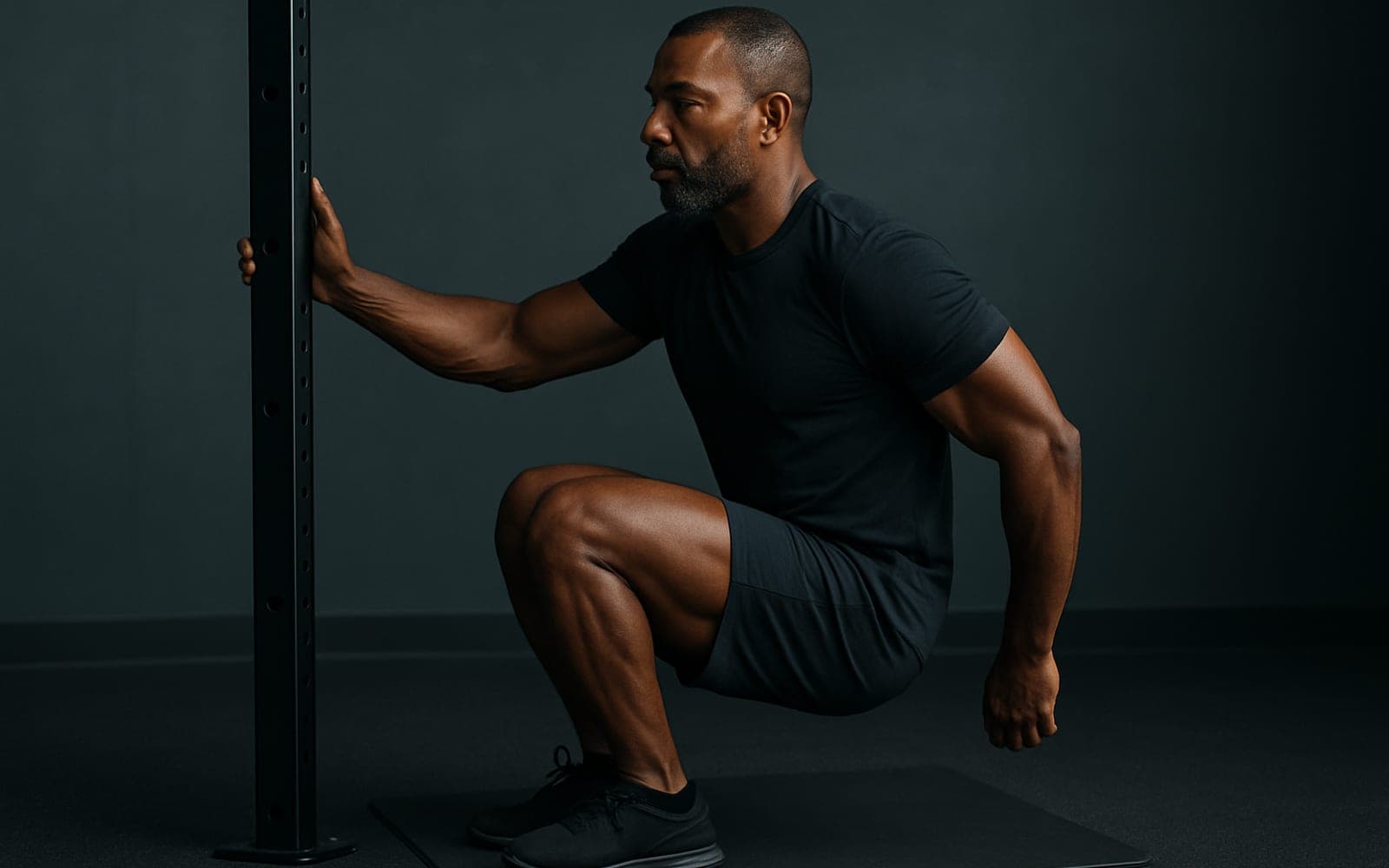
Leg Press — questions people ask
What muscles does the leg press work?
The leg press trains the quads and glutes as the primary target, with the hamstrings working as support. It is a squat pattern, so it also trains the coordination that pattern needs.
How many sets and reps of the leg press should I do?
For size, three to four sets of 8–12 reps with 60–90 seconds of rest. For strength, three to five sets of 3–6 reps with longer rest. Add a little weight once you hit the top of the range on every set.
Is the leg press good for beginners?
Yes. The leg press is a beginner-friendly movement. Reduce load and range. If it feels like too much, build the pattern on the hack squat first.
What can I do instead of the leg press?
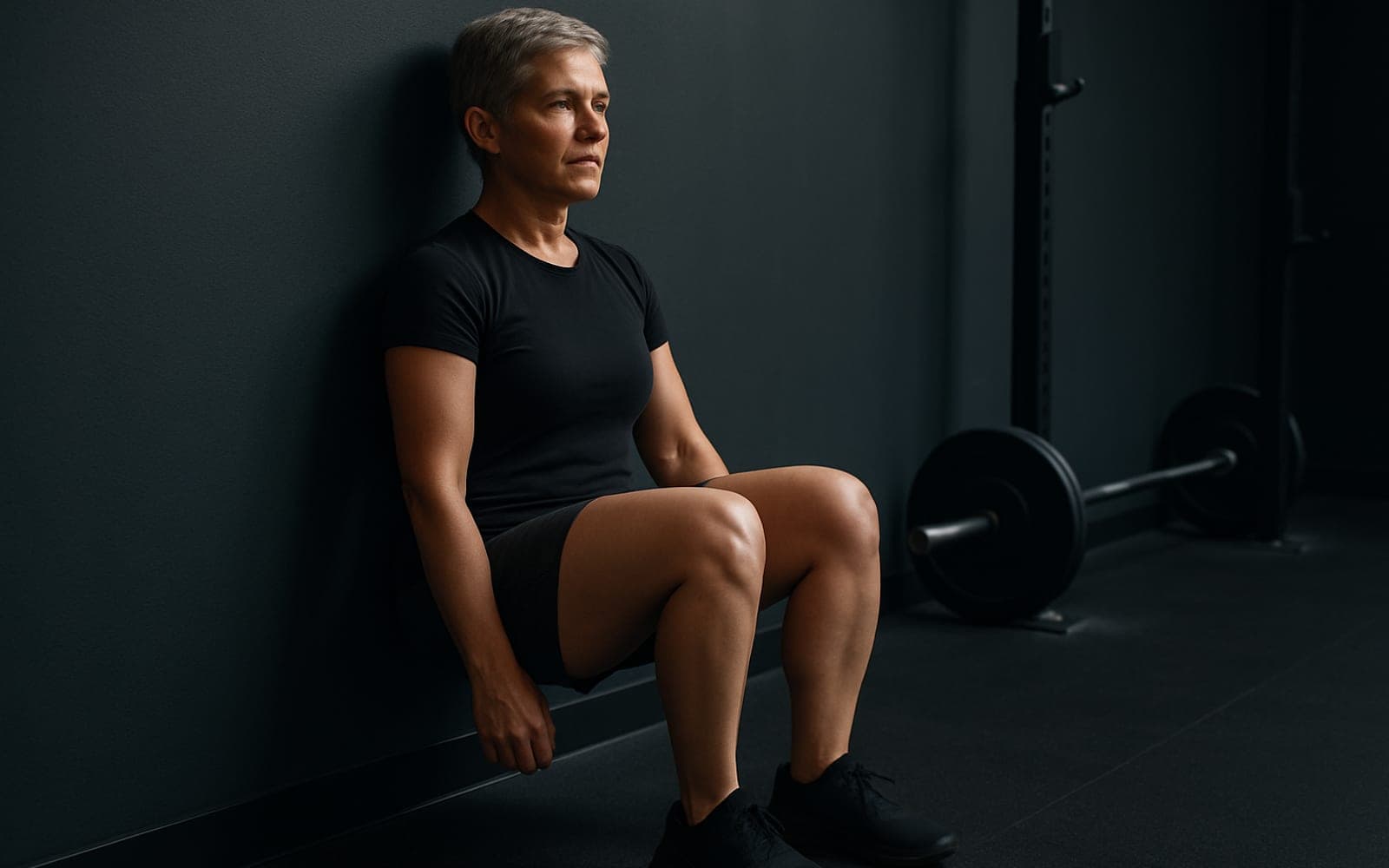
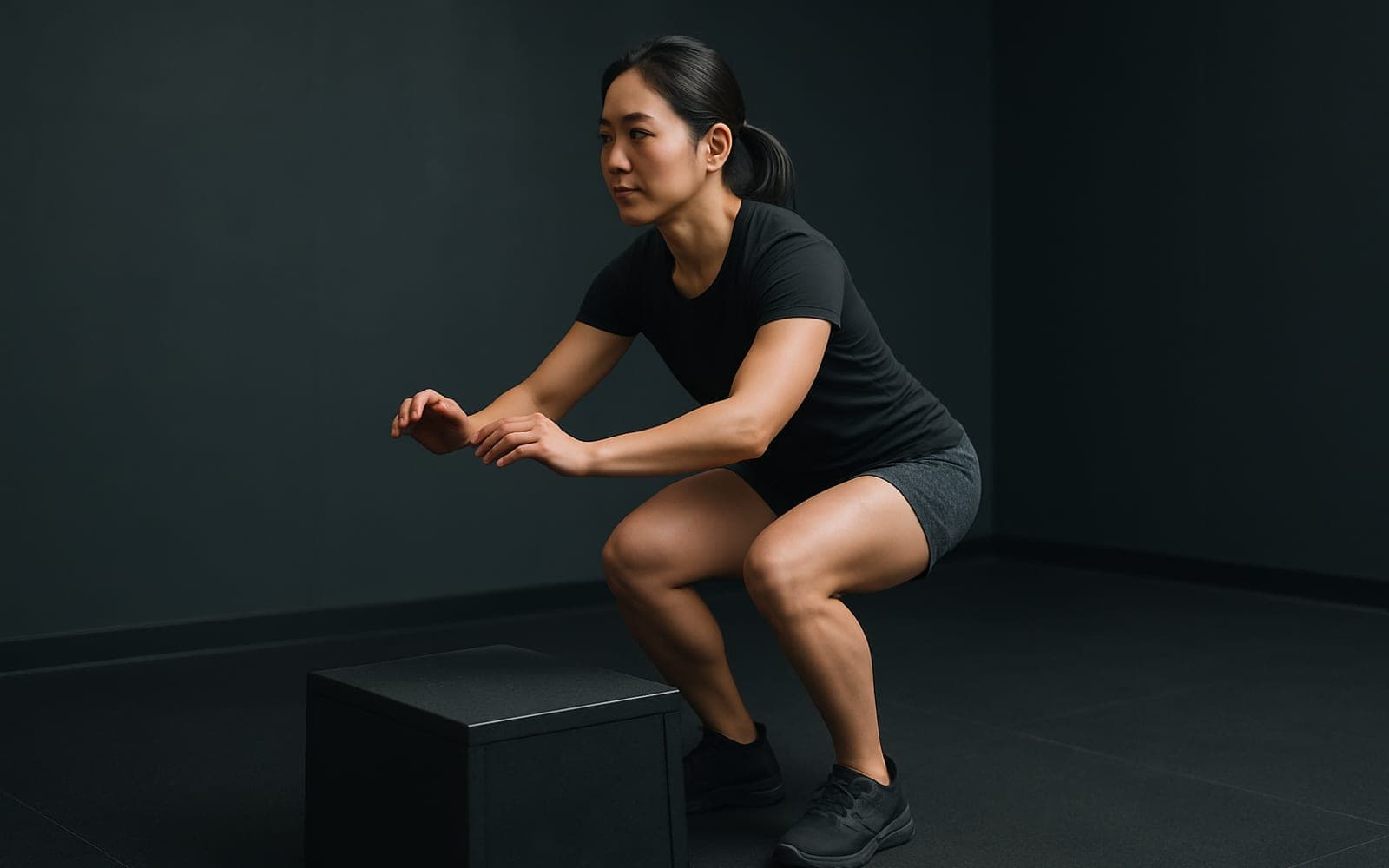
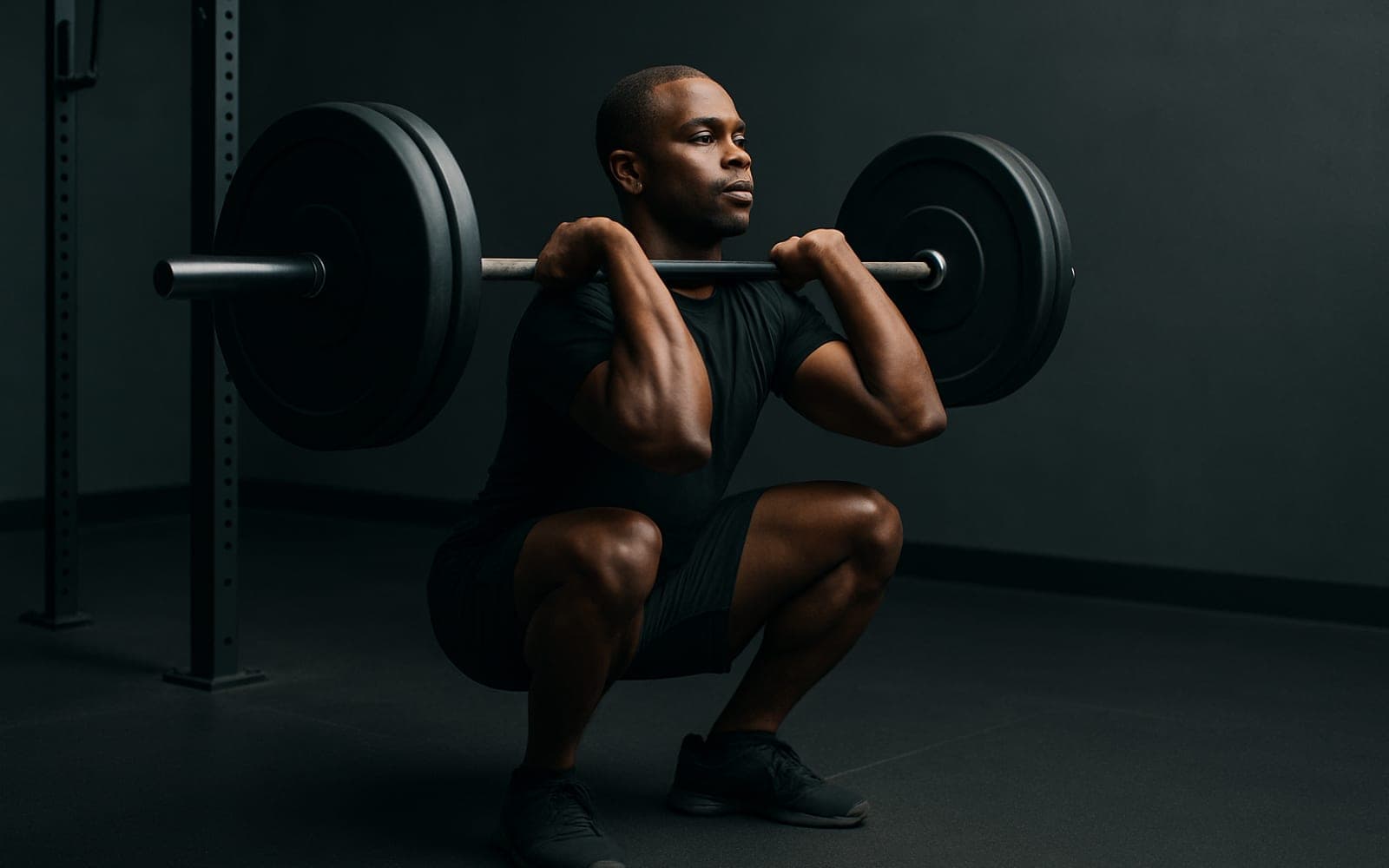
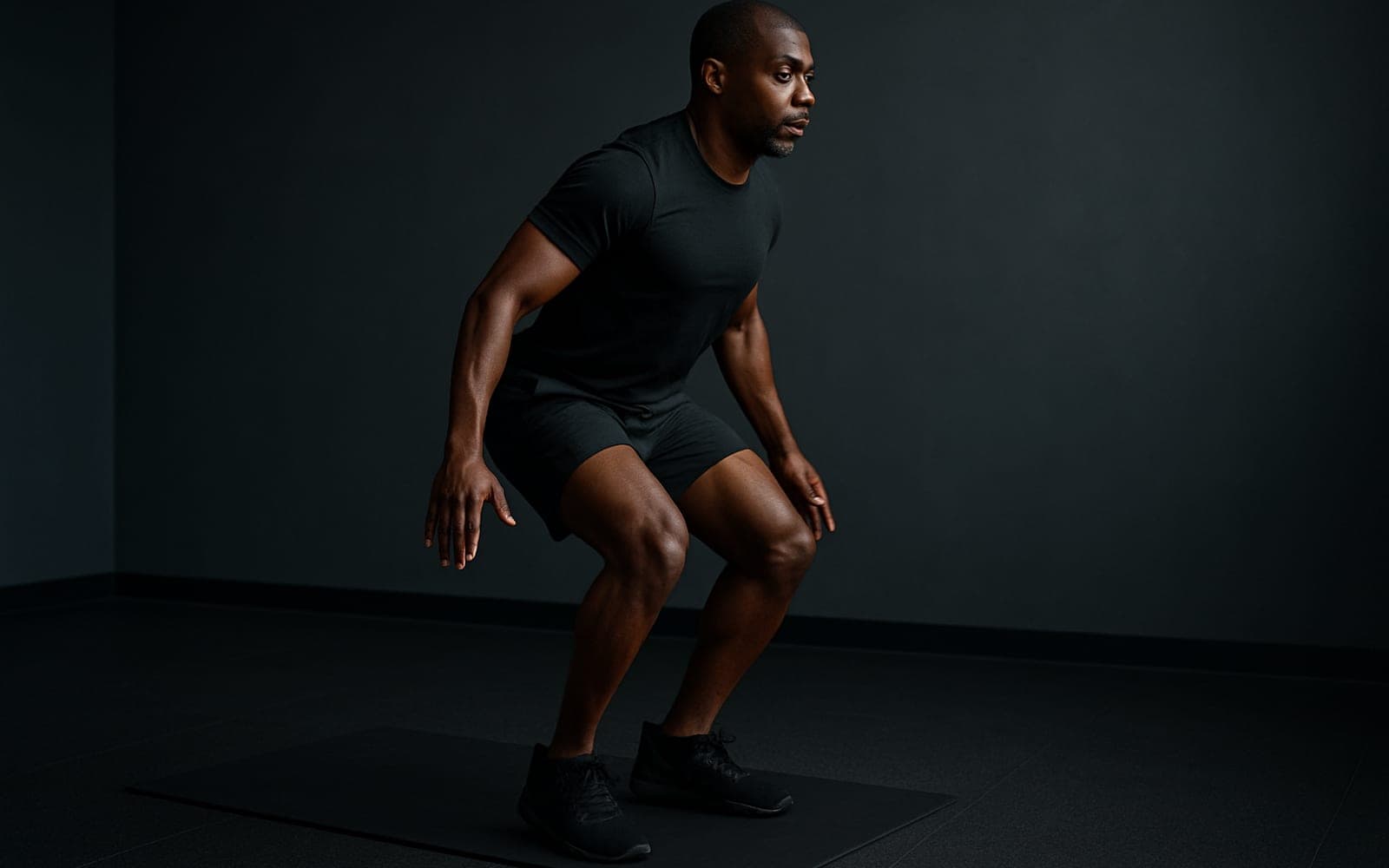
Hack Squat, Goblet Squat, Bodyweight Squat all train the same squat pattern with different equipment, so any of them works when the machine is busy or your gym does not have it.
What are the most common leg press mistakes?
Rounding the lower back at the bottom; Bouncing. Lower under control to ~90° knee bend, press through mid-foot without locking hard.
Can I do the leg press at home?
The leg press needs plate-loaded equipment, which most home gyms do not have. The bodyweight squat trains the same pattern with nothing more than your bodyweight or a band.