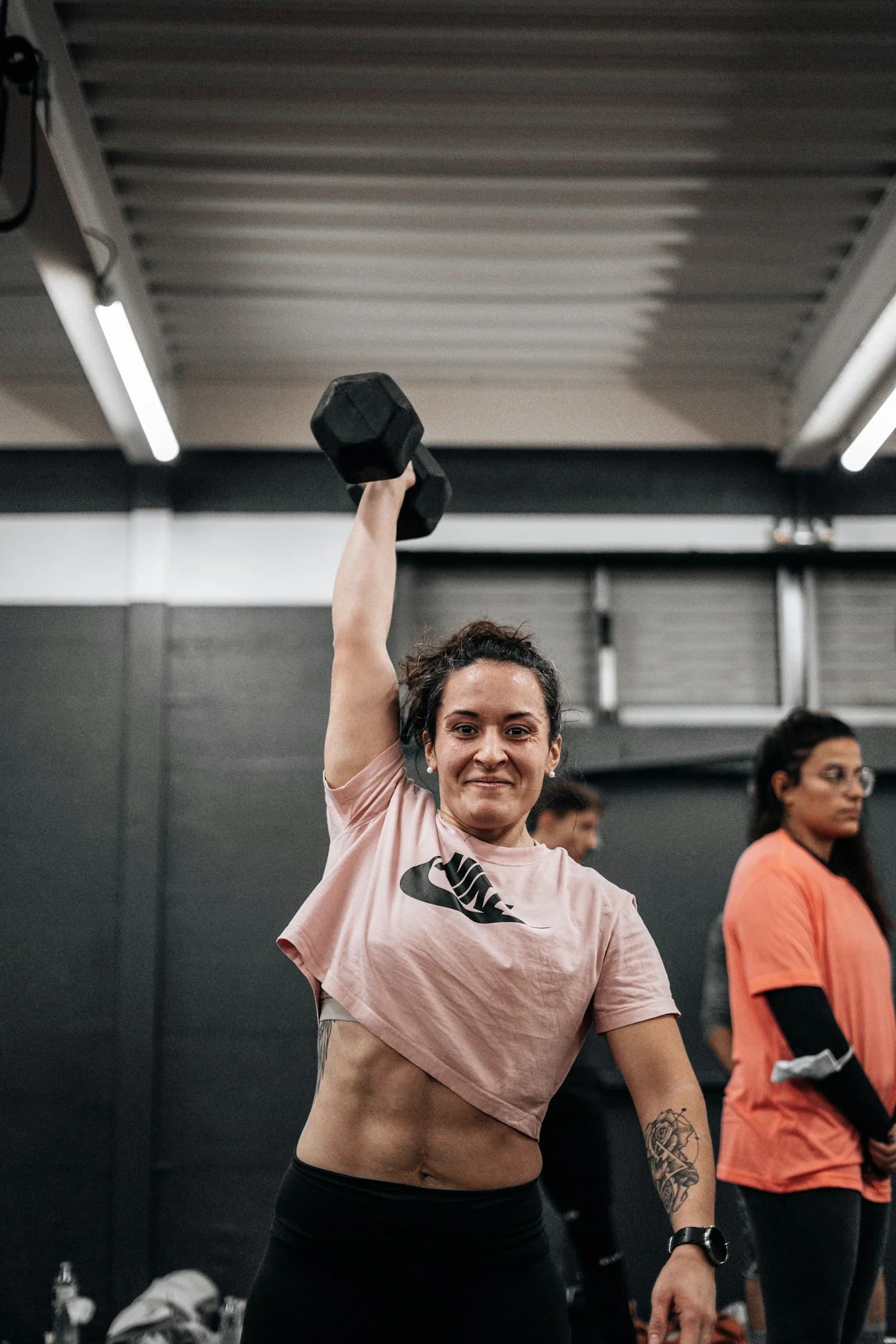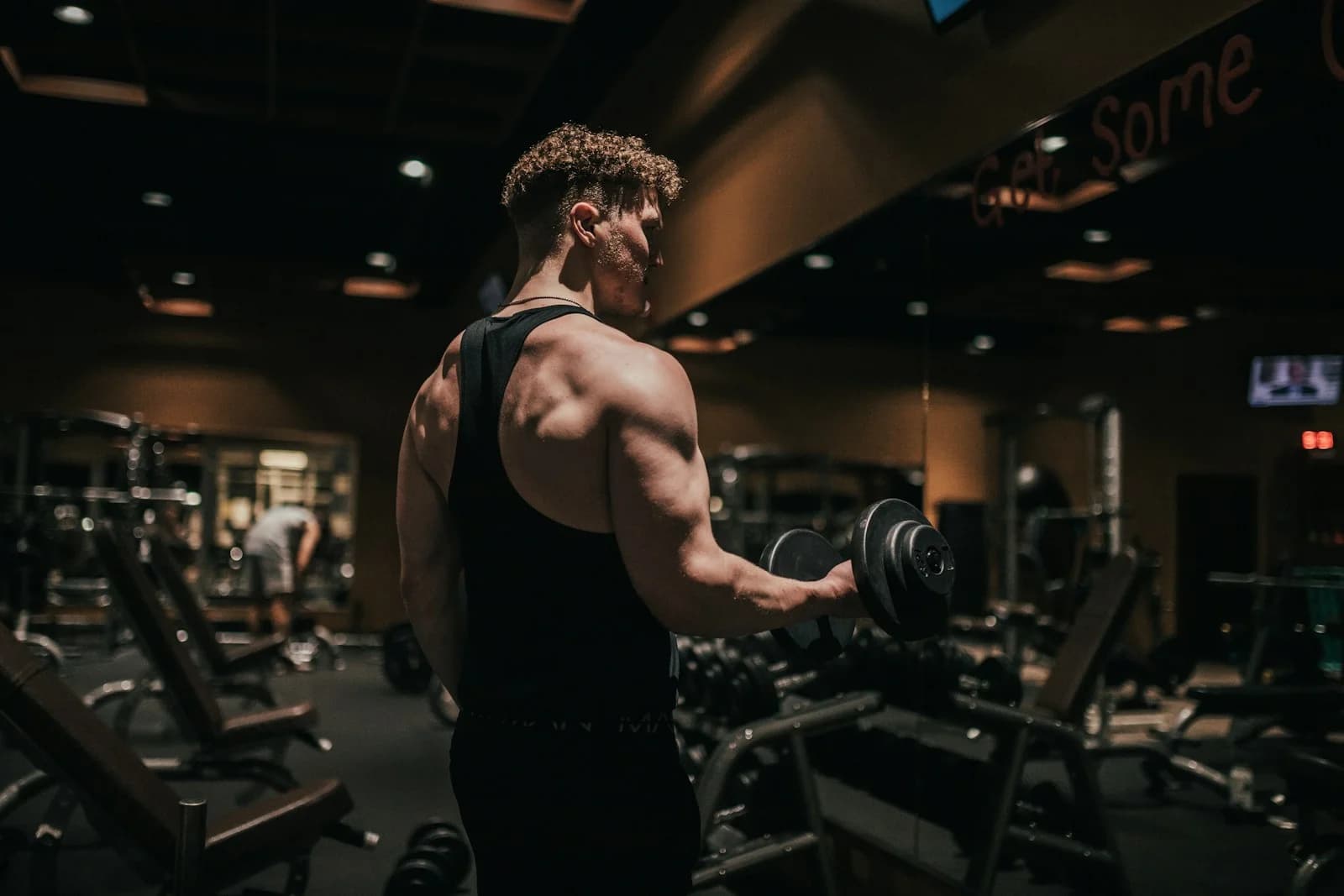
Selectorized (pin-loaded) machines are the friendliest strength equipment in most gyms. They use a weight stack and a selector pin to set load, and a guided path to keep the movement predictable and stable.
For beginners they lower the barriers to getting started: less setup, no need to balance a bar or find collars, and easy, repeatable loading. This guide shows how to use them safely, set up correctly, and build a simple full-body plan you can follow while you learn other methods.
On this page
Who this guide is for
This guide is written for people new to the gym, returning after a break, or anyone who prefers a lower‑skill way to build strength. Selectorized machines suit those who want straightforward setup and a reduced need for balance or a spotter.
If you have a pre-existing medical condition, are pregnant, or are working around a recent injury, consider checking with a qualified professional before starting. Trainers can help adapt machine choices and seating for individual body proportions.
- Beginners learning basic pressing, pulling and leg patterns.
- People rehabbing movement confidence under professional advice.
- Anyone who prefers lower coordination demands while building strength.
How selectorized machines work
Most selectorized machines have a vertical weight stack with a removable pin and a jointed frame that guides the range of motion. Inserting the pin selects the load; moving the handle or pad follows a fixed path defined by the machine’s linkages.
That guided path reduces balance and stabilization demands, letting you focus on producing smooth, controlled force. The machine’s design often isolates a muscle group or a specific joint action, which is useful for learning movement patterns or targeting a weak area.
- Insert the pin to choose the weight; heavier loads stack upward as you remove plates from the pin position.
- Adjust seat and pads so the machine’s pivot lines up with the joint you’re moving.
- Use a controlled tempo rather than momentum to feel the targeted muscles working.
Setting up correctly: a practical checklist
Good setup matters more than the number you put on the pin. A poor setup feels awkward and shifts work to unintended muscles. Follow this short checklist each time you use a machine to make sure the movement is efficient and comfortable.
- Align the machine’s pivot with your joint axis; for a chest press the pivot should sit near your shoulder joint.
- Set seat height so handles or pads hit the right point on your limb without overreaching.
- Adjust back pads and range stops so you keep a natural spine position and safe range of motion.
- Choose a weight you can move for 12–15 clean, controlled reps to learn the pattern.
- Test the setup with a slow warmup set before adding additional weight or reps.
A simple full-body selectorized circuit
A handful of machines covers the main movement patterns and makes a complete, low-stress workout. Aim for one to two sets per machine at first while you learn technique, then progress volume as you grow comfortable.
You can find many of these machines near each other in the gym; start with lighter weight and prioritize control.
- Machine Chest Press followed by Machine Row to balance pushing and pulling.
- Lat Pulldown for vertical pulling and Leg Press for heavy lower-body loading.
- Seated Leg Curl for hamstrings and Seated Calf Raise or Standing Calf Raise for calves.
- Finish with a core stability machine or a bodyweight plank to integrate the torso.
Sample session and sample week
Here is a practical session you can repeat two to three times per week. Keep rests 60–90 seconds between sets for general fitness and learning. After 2–4 weeks you can add a second set or increase load gradually.
If you want to alternate machines with free weights later, see our guide to Free Weights vs Machines: Which Is Right for You?.
Sample session
Warm up with 5–8 minutes of light cardio or dynamic movements, then perform the following. Use a weight for 12–15 controlled reps where the last 2 feel challenging but doable.
- 1Machine Chest Press — 1–2 sets of 12–15 reps.
- 2Machine Row — 1–2 sets of 12–15 reps.
- 3Lat Pulldown — 1–2 sets of 12–15 reps.
- 4Leg Press — 1–2 sets of 12–15 reps.
- 5Seated Leg Curl — 1 set of 12–15 reps.
- 6Core stability or Plank — 2 × 20–40 seconds.
Sample week
Progress by adding a set or increasing load by the smallest increment available on the stack every 1–2 weeks while keeping good form.
- 1Week A: Full-body machine session Monday and Thursday.
- 2Week B: Full-body machine session Tuesday, Friday, and an optional light cardio walk on a third day.
- 3Alternate weeks like this for manageable progression and recovery.
Common mistakes and how to avoid them
New users often focus on the pin number rather than setup or control, which reduces exercise quality. Other common issues include using momentum, ignoring seat adjustments, and rushing through reps. Correcting these keeps training productive and more comfortable.
- Mistake: Picking a heavy weight before checking alignment. Fix: set up first, then choose a weight that allows 12–15 clean reps.
- Mistake: Letting the machine sit your spine in a rounded posture. Fix: adjust the back pad and maintain neutral spine with a slight natural curve.
- Mistake: Using momentum at the start of each set. Fix: use a controlled two‑second concentric and two‑second eccentric tempo.
- Mistake: Skipping opposing movements. Fix: pair pushes with pulls to maintain balanced shoulder mechanics.
Moving on from selectorized machines
Selectorized machines are a useful gateway to more varied training. As you gain confidence, consider learning free‑weight patterns or cable work to build stability and carryover to real‑world strength. If you plan to progress, review Progressive Overload Explained and explore differences in Plate-Loaded vs Selectorized: What's the Difference?.
If you plan to work with a coach or set specific strength goals, they can help sequence machine, cable and free‑weight options to match your needs.
- Use machines to establish consistent training habits before adding complexity.
- Integrate cable work for unilateral control and functional patterns; see Cable & Functional Training 101.
- When ready, learn foundational free-weight lifts and use machines as supplemental assistance; see Free Weights vs Machines: Which Is Right for You?.
Exercises in this guide
Each links to a full form guide — setup, cues, common mistakes and swaps.


Key takeaways
- Selectorized machines use a pin and weight stack to provide safe, guided resistance that reduces coordination barriers.
- Proper seat and pivot alignment matters more than load; always test setup with a warmup set.
- A short circuit of chest press, row, lat pulldown, leg press and a leg curl covers major movement patterns.
- Start with 12–15 controlled reps, prioritize form, and progress by adding sets or small weight increments.
- Use machines to build technique and confidence before layering in free weights or cables.
How this guide was made
Written by GymGuide Editorial. This guide was drafted with AI assistance and edited to our editorial standards: general fitness education in plain language, no invented statistics or study citations, no medical or treatment claims, room for individual variation, and links only to pages on GymGuide. It is not medical advice — talk to a doctor or qualified professional about injuries, health conditions, pregnancy or medication before changing how you train or eat. Last updated October 14, 2026. Read our responsible guidance commitments.
Put this into a plan
GymGuide turns guidance like this into a personalized weekly plan — and finds the gyms and equipment to do it.
Build my free plan