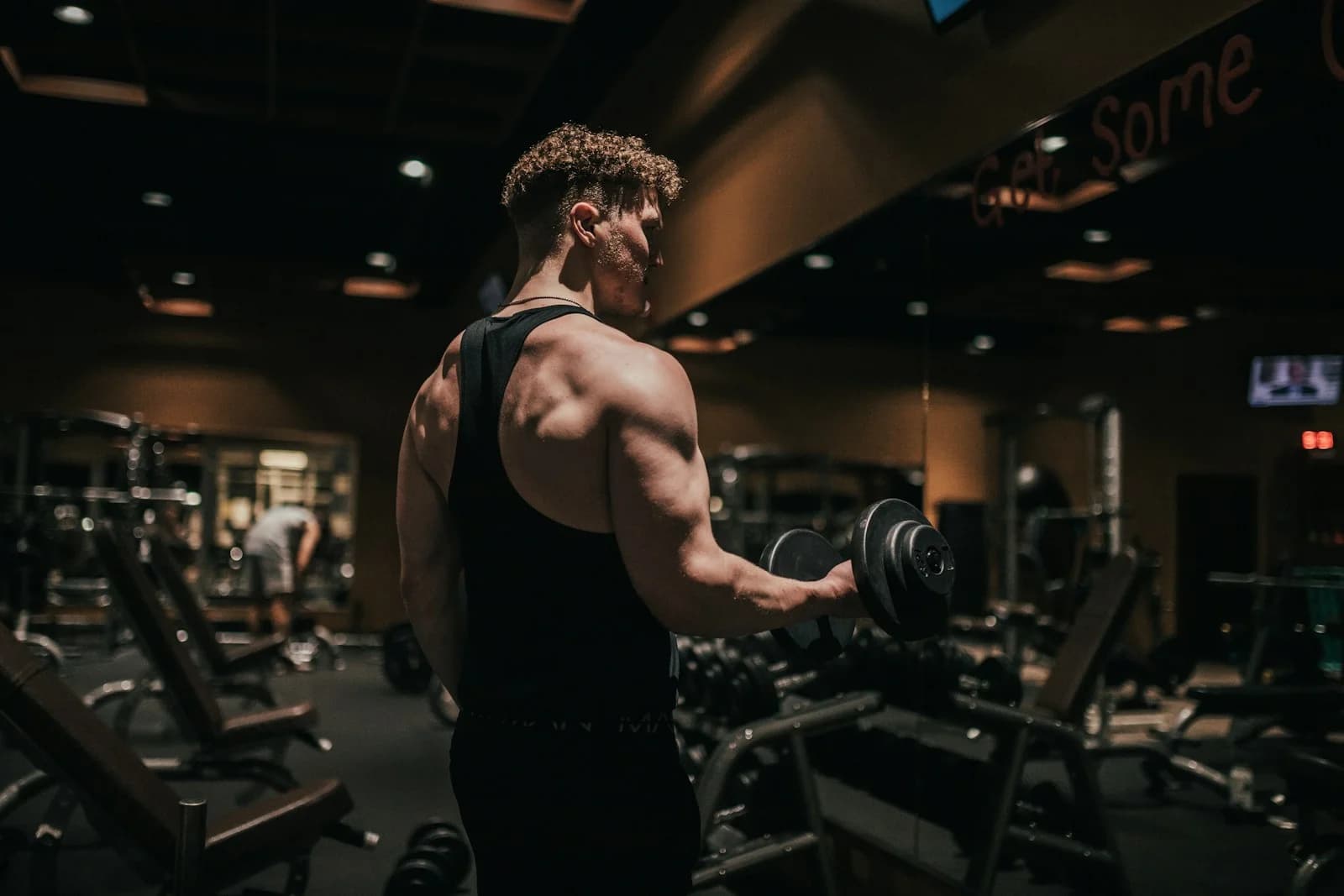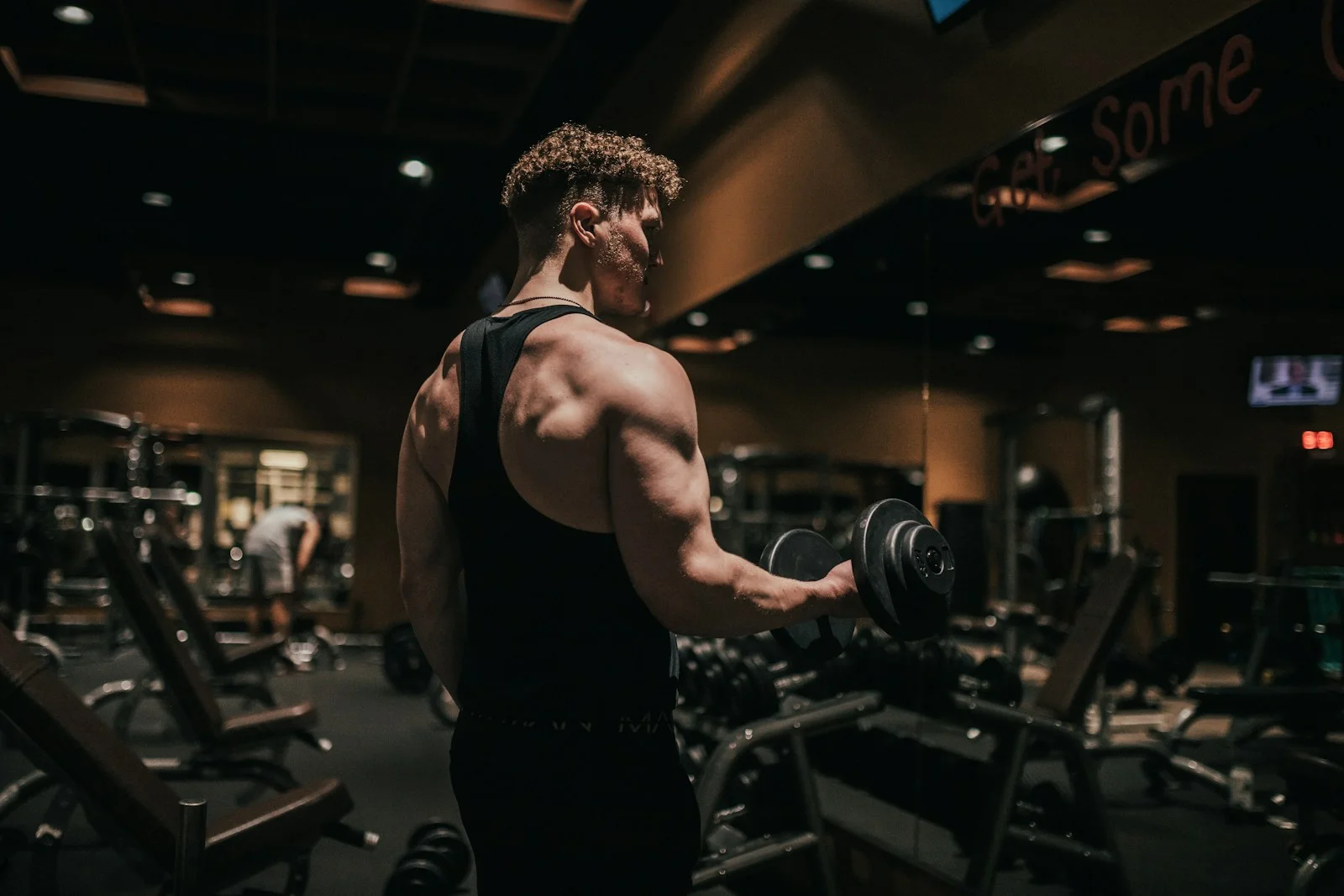
Plate-loaded and selectorized machines are both common in commercial and home gyms, but they behave differently under load and suit different training needs. Knowing the mechanical and practical differences helps you choose the right tool for strength, muscle-building, or efficient sessions.
This guide breaks down how each machine works, how they feel, when to use them, a short sample session and week, common mistakes, and who should favor one style or mix both into a program.
On this page
How each machine works
Start with the basics: selectorized machines use a stacked weight tower and a pin to select resistance. They provide a fixed path and consistent resistance from rep to rep, with minimal setup time. Plate-loaded machines require you to add standard weight plates to pegs or bars on the equipment, putting the mass directly into the machine’s lever system or carriage.
The two systems differ in leverage, range of motion options, and inertia. Selectorized stacks often include camming or pulley adjustments that standardize the movement. Plate-loaded machines tend to have simpler mechanics that let momentum and leverage play a bigger role, which can change how the load feels across the range of motion.
- Selectorized machines use a pin-and-stack for quick changes and steady resistance.
- Plate-loaded machines accept standard plates and often let leverage and momentum influence the resistance curve.
- Both types can include independent arms or bilateral linkages; independent arms help reveal and address side-to-side imbalances.
The practical difference in feel and mechanics
Selectorized equipment feels predictable and stable. The fixed path and stacked mass minimize small compensations, which makes these machines beginner-friendly and easy to use for high-rep or circuit-style work. They’re also a good choice when you want to eliminate stability demands and target a specific muscle or motion.
Plate-loaded machines usually feel closer to free weights. Because you load plates directly, the machine’s pivot points and moment arms determine how heavy it feels through the lift. Some plate-loaded machines use independent arms or levers that let each side work separately, which can uncover asymmetries and allow you to overload one limb safely. That slightly less constrained sensation makes them popular for heavier, strength-oriented sets.
- Selectorized: consistent resistance and simple setup.
- Plate-loaded: variable leverage and a freer, stronger feel.
- Independent-arm plate-loaded machines help identify and train unilateral weakness.
Programming and training uses
Both machine styles can be programmed for strength or hypertrophy, but they shine in different roles. Use selectorized machines for volume work, metabolic circuits, technique practice, and fatigue management. They let you move quickly between loads and keep repetition quality consistent.
Plate-loaded machines are useful when you want a heavier stimulus and a training environment that resembles free-weight loading. They are often chosen for capacity-building sets, heavy singles or doubles, and for coaching stronger tensions when stability demands should still be reduced compared with free weights.
- Selectorized machines fit well into superset circuits, drop sets, and high-rep hypertrophy sessions.
- Plate-loaded machines are often used for heavier, lower-rep work and for practicing unilateral strength with independent arms.
- Mixing both types across sessions lets you balance safety, speed, and progressive overload; see our guide to progressive overload explained for ways to progress.
How to choose: quick checklist
Decide by goal, experience, and gym access. The checklist below helps you match the tool to the session you want.
- If you want to learn a movement safely and quickly, prioritize selectorized options and review A Beginner's Guide to Selectorized Machines.
- If you plan to train heavy and want a more free-weight-like feel, choose plate-loaded pieces such as Incline Press or Leg Press.
- If you have limited time and need fast transitions, favor selectorized machines for their speed of adjustment.
- If you want to correct side-to-side imbalances, use plate-loaded machines with independent arms or pair with unilateral free-weight work; compare tools in Free Weights vs Machines.
Sample session and sample week
Below is a short sample session using both machine types, plus a simple sample week that blends them into a strength/hypertrophy plan. Adjust loads, rest, and volume based on your experience and recovery.
Sample session: warm up, then alternate machine and plate-loaded work for back and chest to combine speed and load.
Sample session (upper-body focused)
Perform a 10-minute dynamic warm-up. Then complete 3 rounds of the circuit below with 1–2 minutes rest between rounds.
- 1Selectorized Machine Row, 8–12 reps.
- 2Plate-Loaded Row, 6–8 reps heavier.
- 3Selectorized Machine Chest Press, 8–12 reps.
- 4Incline Press, 6–8 reps heavier.
- 5Finish with a 2–3 minute core set such as Plank or Dead Bug.
Sample week (3 sessions)
A simple three-day cycle mixes strength and volume while keeping recovery manageable.
- 1Day 1: Heavy lower focus — Leg Press 4 sets of 6–8, accessory hamstring work.
- 2Day 2: Upper power and load — plate-loaded horizontal pushes and pulls, heavier sets of 4–6.
- 3Day 3: Hypertrophy full-body — circuits of selectorized machines and unilateral free-weight or plate-loaded accessory work.
Common mistakes
Avoid assuming one machine type is always superior; both have practical uses. Other common mistakes include letting selectorized machines lull you into poor effort because they feel easy, or overloading plate-loaded machines without setting up your bodyposition correctly.
Also, don’t ignore mobility and bracing because machines reduce stability demands. Proper setup, full range of motion where safe, and progressive overload matter regardless of machine style.
- Assuming selectorized machines are only for beginners; they can be used for serious volume and technique work.
- Loading plate-loaded equipment aggressively without verifying seat position and alignment.
- Skipping unilateral checks when using bilateral selectorized machines; imbalances can persist unseen.
Who this is for
This guide is for people building strength or muscle who want to use gym equipment more intentionally. It helps beginners who need simple, predictable tools and intermediates who want to blend machine speed with plate-loaded overload.
Adaptations: if you have a current injury, chronic condition, or are pregnant, check with a healthcare professional or an experienced coach before changing your equipment selection. If you’re building a home setup, see our Building a Home Gym on Any Budget and What Equipment Do You Actually Need for Your Goal? for choices that match space and budget.
- Beginners and return-to-training lifters who want simple, guided resistance should lean on selectorized machines.
- Intermediate lifters who want a heavier, more free-weight-like stimulus should include plate-loaded pieces.
- Coaches and experienced trainees will often blend both types depending on the day’s objective; learn more in Building Muscle: The Essentials of Hypertrophy.
Exercises in this guide
Each links to a full form guide — setup, cues, common mistakes and swaps.


Key takeaways
- Selectorized machines provide quick adjustments, predictable resistance, and are easy to use for volume and circuits.
- Plate-loaded machines feel more like free weights, often allow heavier loading, and can reveal side-to-side imbalances.
- Use selectorized equipment for speed, technique practice, and controlled volume, and use plate-loaded equipment for heavier, strength-focused work.
- Mix both machine types in a balanced plan to get the benefits of speed, safety, and progressive overload.
- Check setup, alignment, and progressive loading regardless of machine type to reduce compensations and maximize training quality.
How this guide was made
Written by GymGuide Editorial. This guide was drafted with AI assistance and edited to our editorial standards: general fitness education in plain language, no invented statistics or study citations, no medical or treatment claims, room for individual variation, and links only to pages on GymGuide. It is not medical advice — talk to a doctor or qualified professional about injuries, health conditions, pregnancy or medication before changing how you train or eat. Last updated October 14, 2026. Read our responsible guidance commitments.
Put this into a plan
GymGuide turns guidance like this into a personalized weekly plan — and finds the gyms and equipment to do it.
Build my free plan