Hack Squat
Activation
Muscles worked
Movement
Squat
Intermediate · Plate-Loaded
Primary muscles
Secondary muscles
Movement pattern
Equipment category
How to perform
- 1
Set up
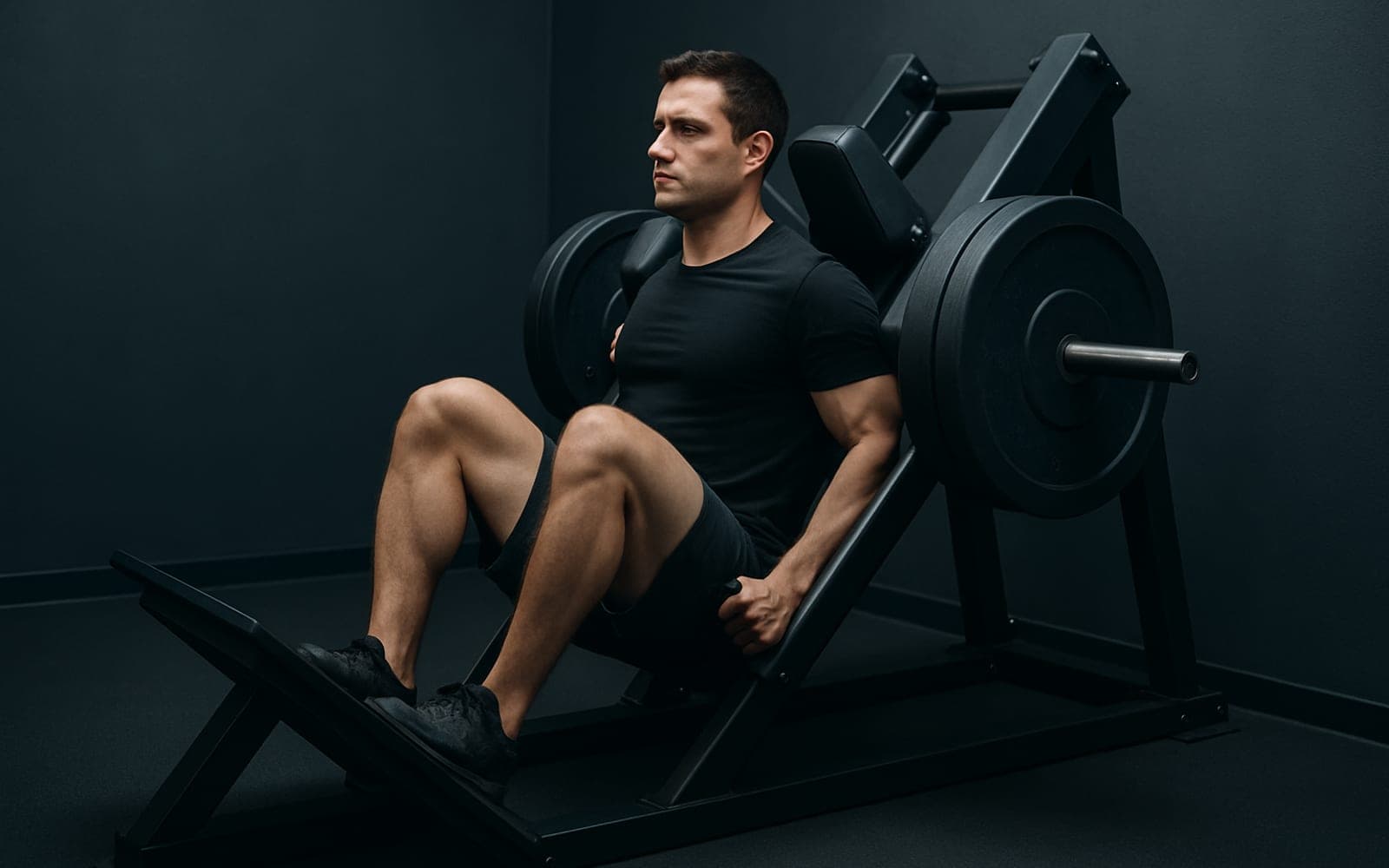
Shoulders under the pads, feet mid-platform.
- 2
Execute the movement
Descend to depth, drive up.
Common mistakes
- Knees caving in
Make it harder
Make it easier
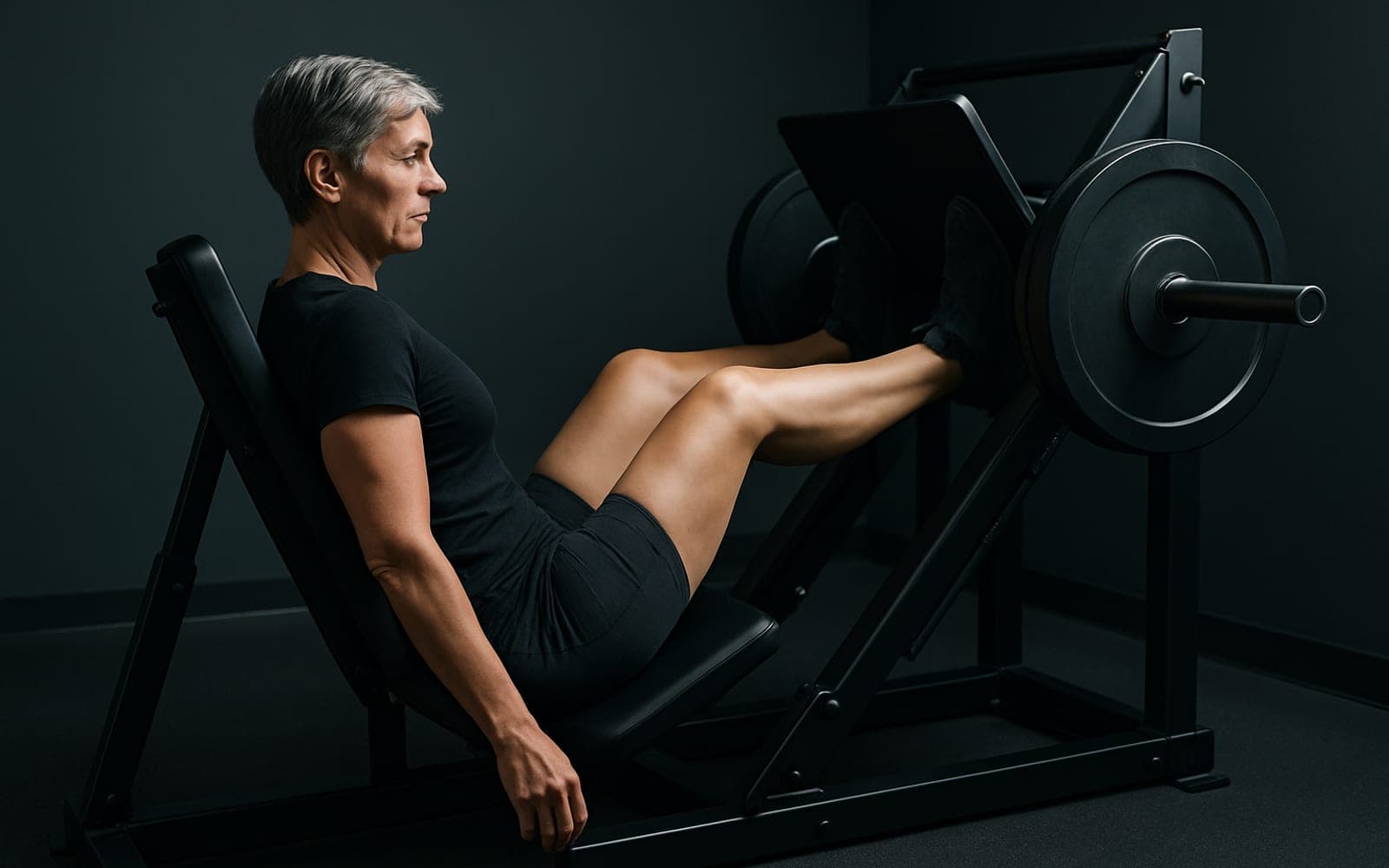
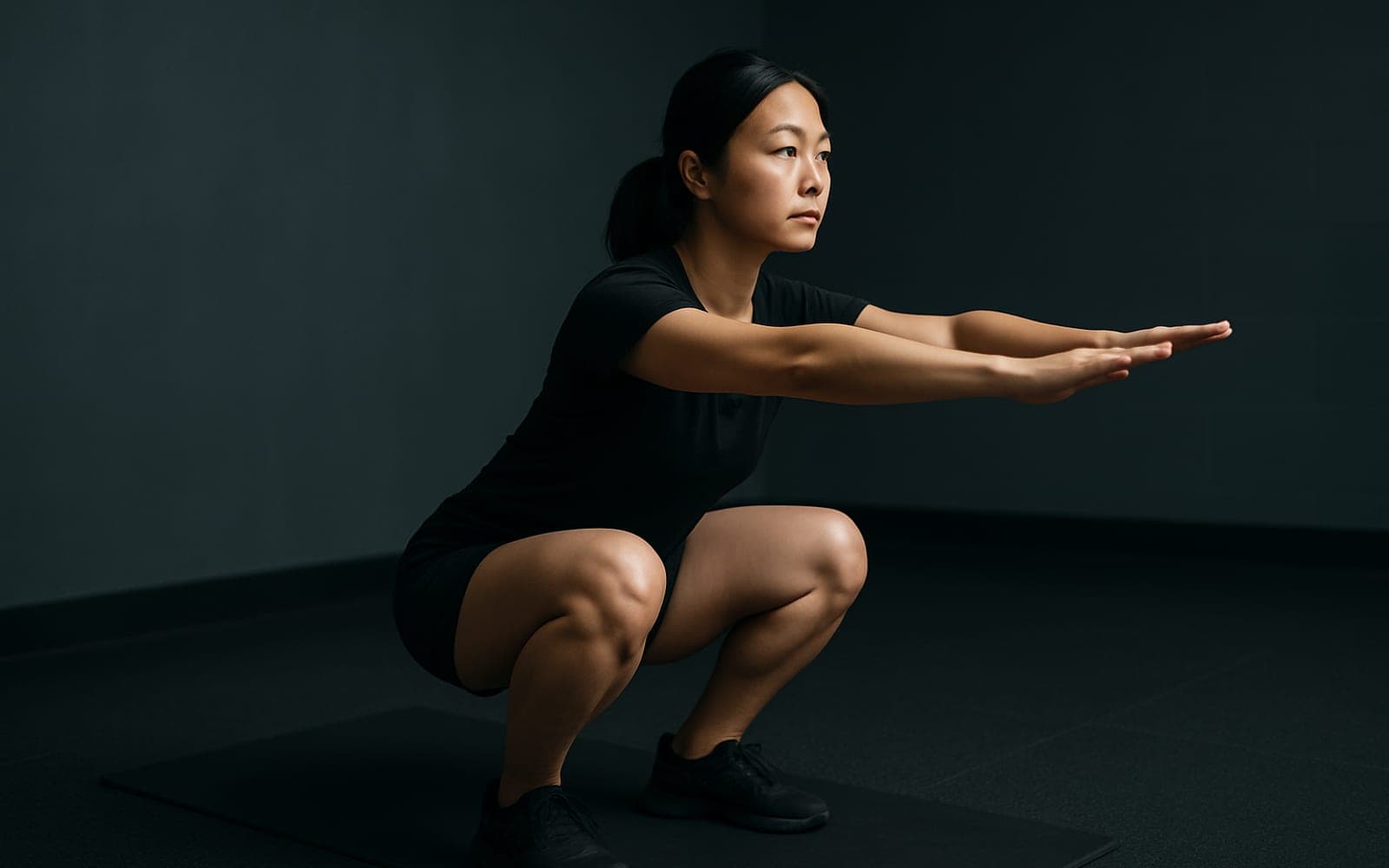
Substitutions
If a machine is busy or unavailable, these train the same pattern a different way.

Your progress over time
What to expect from training this consistently — everyone progresses at their own pace.
- 1
First few sessions
Learn machine setup, foot placement and safe range of motion while using very light loads; expect muscle soreness as motor patterns and depth control improve.
- 2
Weeks 2–6
Neuromuscular adaptations and confidence increase allowing progressive loading each week; noticeable improvements in set-rep performance and 5–10% increases in working weight are common.
- 3
Months 2–4
Consistent training produces measurable quad hypertrophy and greater work capacity; you can handle heavier sets for 6–12 reps and start to see improved strength numbers on the machine.
- 4
Months 5–8
Strength and size gains consolidate, with higher-intensity sets and occasional heavier singles or doubles; transfer to increased leg strength in other squat variations and better muscular balance.
- 5
6+ months
With continued progressive overload and programming variation, expect long-term increases in quadriceps size and machine 1RM, while using the hack squat as a reliable heavy quad builder and accessory for overall lower-body strength.
Benefits of the hack squat
Primarily develops the quadriceps through a loaded, near-vertical knee-dominant squat pattern, driving thigh hypertrophy.
Engages the glutes as a secondary mover, especially when performed through full depth, contributing to overall lower-body development.
Provides a more upright torso and back support compared with barbell back squats, allowing heavy quad-focused loading with reduced spinal shear demands.
Improves knee tracking, single-joint concentric strength, and the ability to grind through sticking points in the leg press/squat range of motion.
Serves as an effective accessory for increasing squat-specific volume and strengthening the lockout and mid-range of the squat for athletes and lifters.
Enhances functional leg strength and power for activities requiring strong knee extension and vertical force production, such as jumping and sprinting.
Exercises that pair with this
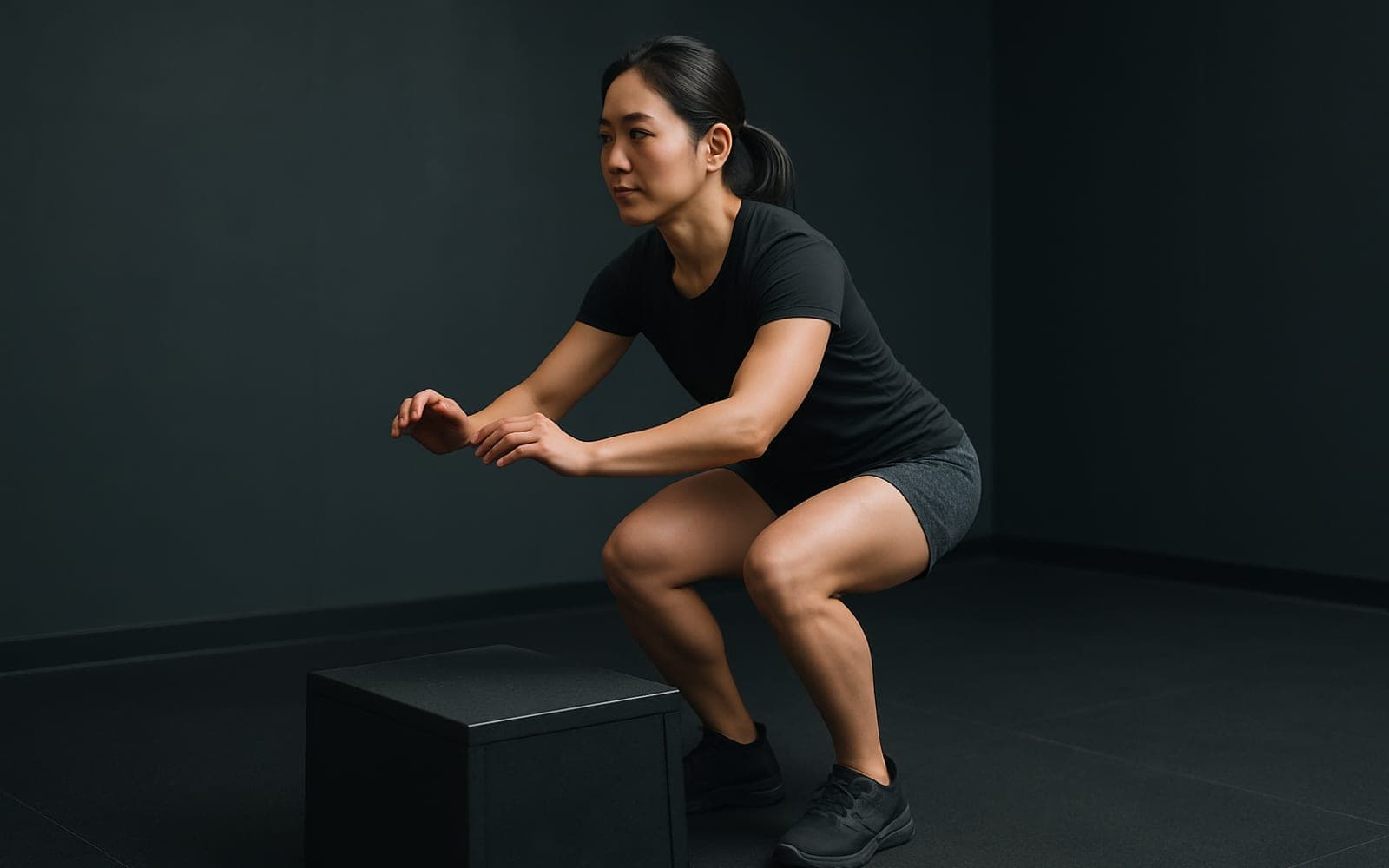
Same muscles or the same movement pattern — useful for building the rest of the session.
Hack Squat — questions people ask
What muscles does the hack squat work?
The hack squat trains the quads as the primary target, with the glutes working as support. It is a squat pattern, so it also trains the coordination that pattern needs.
How many sets and reps of the hack squat should I do?
For size, three to four sets of 8–12 reps with 60–90 seconds of rest. For strength, three to five sets of 3–6 reps with longer rest. Add a little weight once you hit the top of the range on every set.
Is the hack squat good for beginners?
It is a reasonable second step. The hack squat asks for some control and body awareness. Use the leg press. If it feels like too much, build the pattern on the leg press first.
What can I do instead of the hack squat?
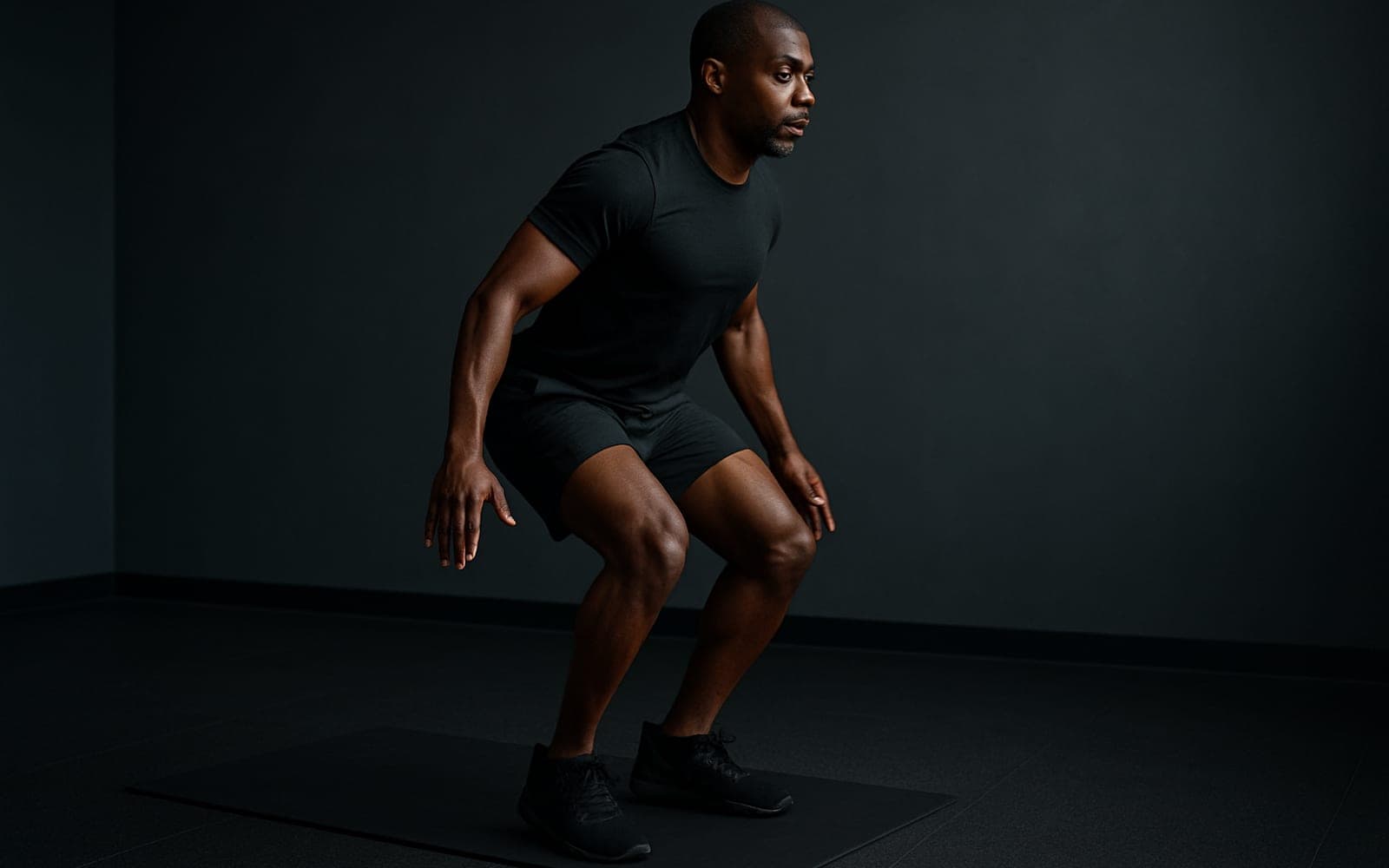
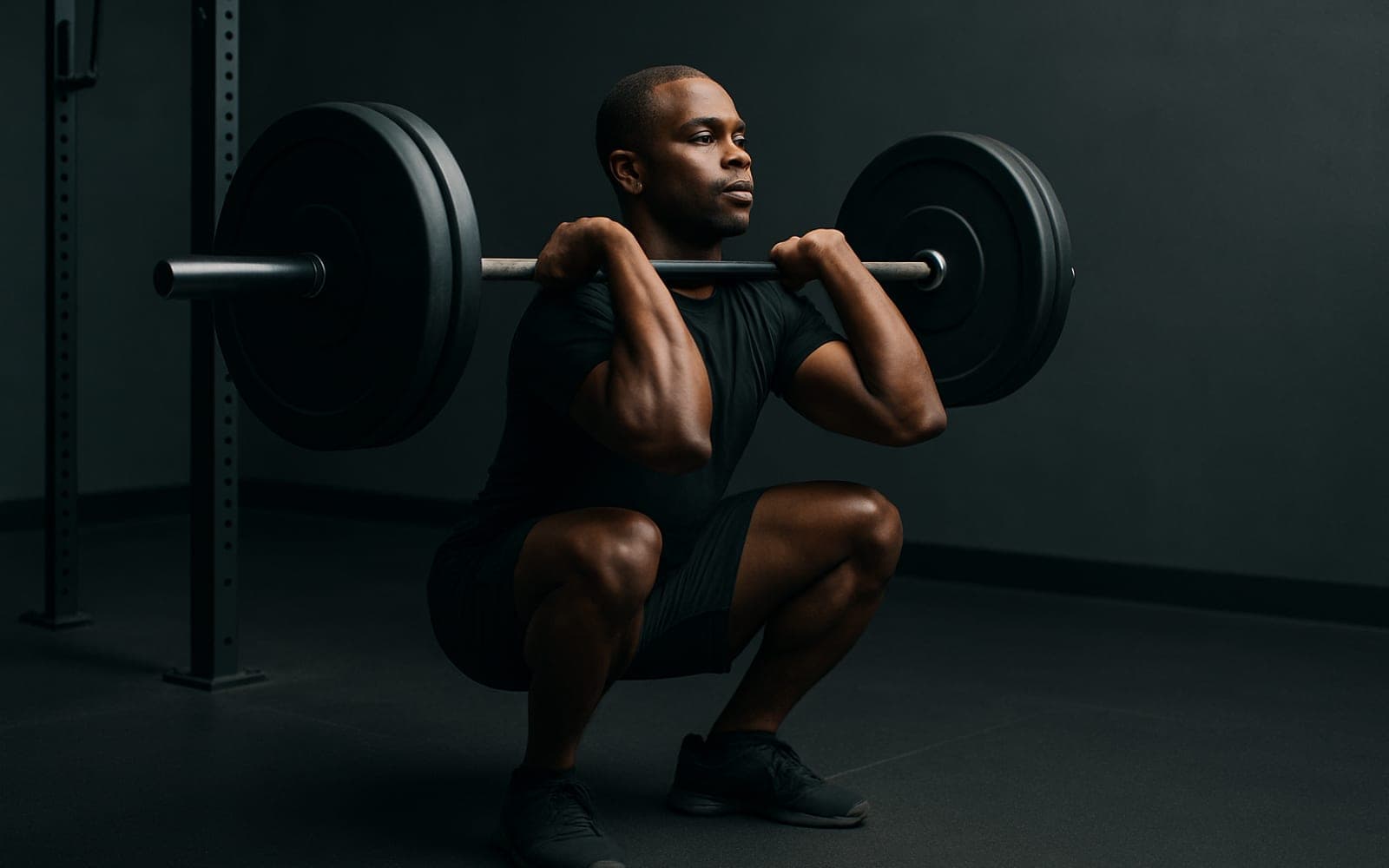
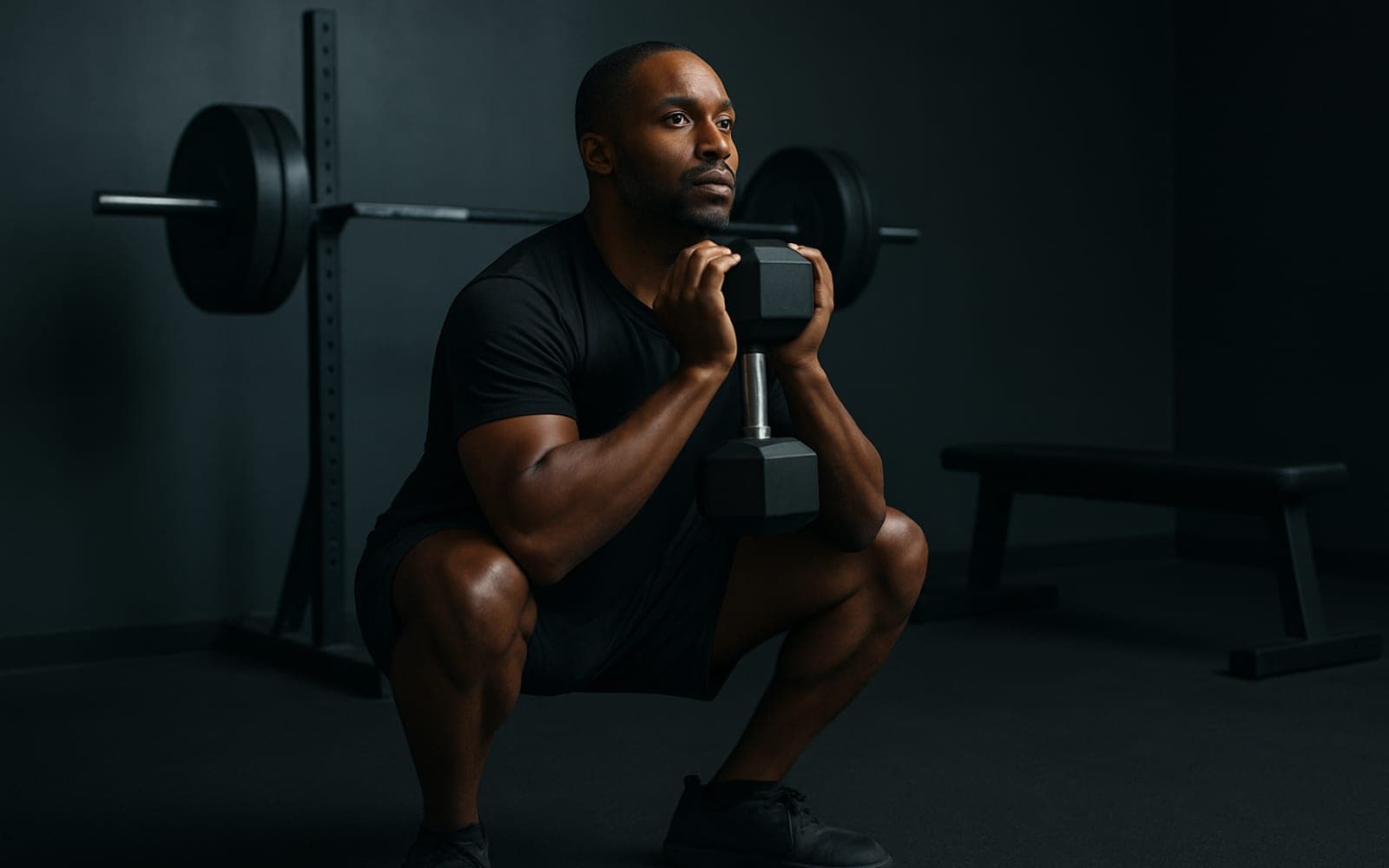
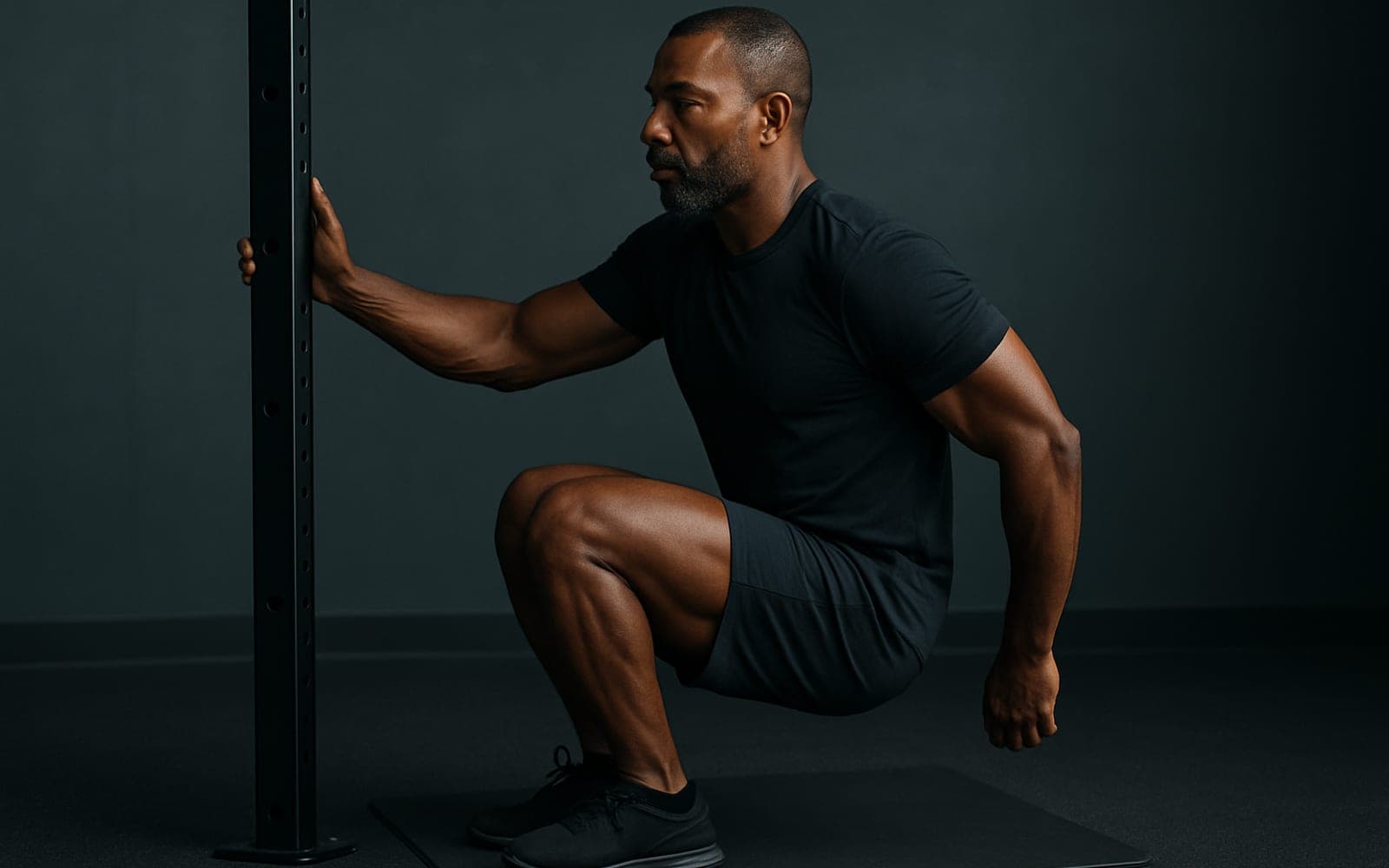
Leg Press, Barbell Back Squat, Bodyweight Squat all train the same squat pattern with different equipment, so any of them works when the machine is busy or your gym does not have it.
What are the most common hack squat mistakes?
Knees caving in. Descend to depth, drive up.
Can I do the hack squat at home?
The hack squat needs plate-loaded equipment, which most home gyms do not have. The bodyweight squat trains the same pattern with nothing more than your bodyweight or a band.