The free-weights-versus-machines debate is mostly a false choice. Both modalities have clear strengths, and the most effective programs use them together rather than treating them as exclusive options.
This guide explains what each option does well, how to choose depending on your goals and circumstances, practical programming tips, a sample session and week, common mistakes, and who should adapt the advice or seek professional input.
On this page
How machines help you train
Selectorized and plate-loaded machines guide the movement path, control range of motion, and reduce the need to stabilize the load. That makes them easier to learn and generally easier to use safely when training alone. Machines are useful for isolating a muscle, maintaining tension through difficult ranges, and adding volume without the same technical demand as free-weight lifts.
Machines also let you push close to failure with less concern about balance or tripping a bar, which can help accumulate training volume for hypertrophy without adding technical fatigue.
- Use a machine chest press to build pressing volume while reducing shoulder-stabilizer demand.
- Use the leg press to load the quads and glutes without taxing balance or spinal loading.
- Add single-joint machines like the leg extension for focused quad work at the end of a session.
Why free weights matter
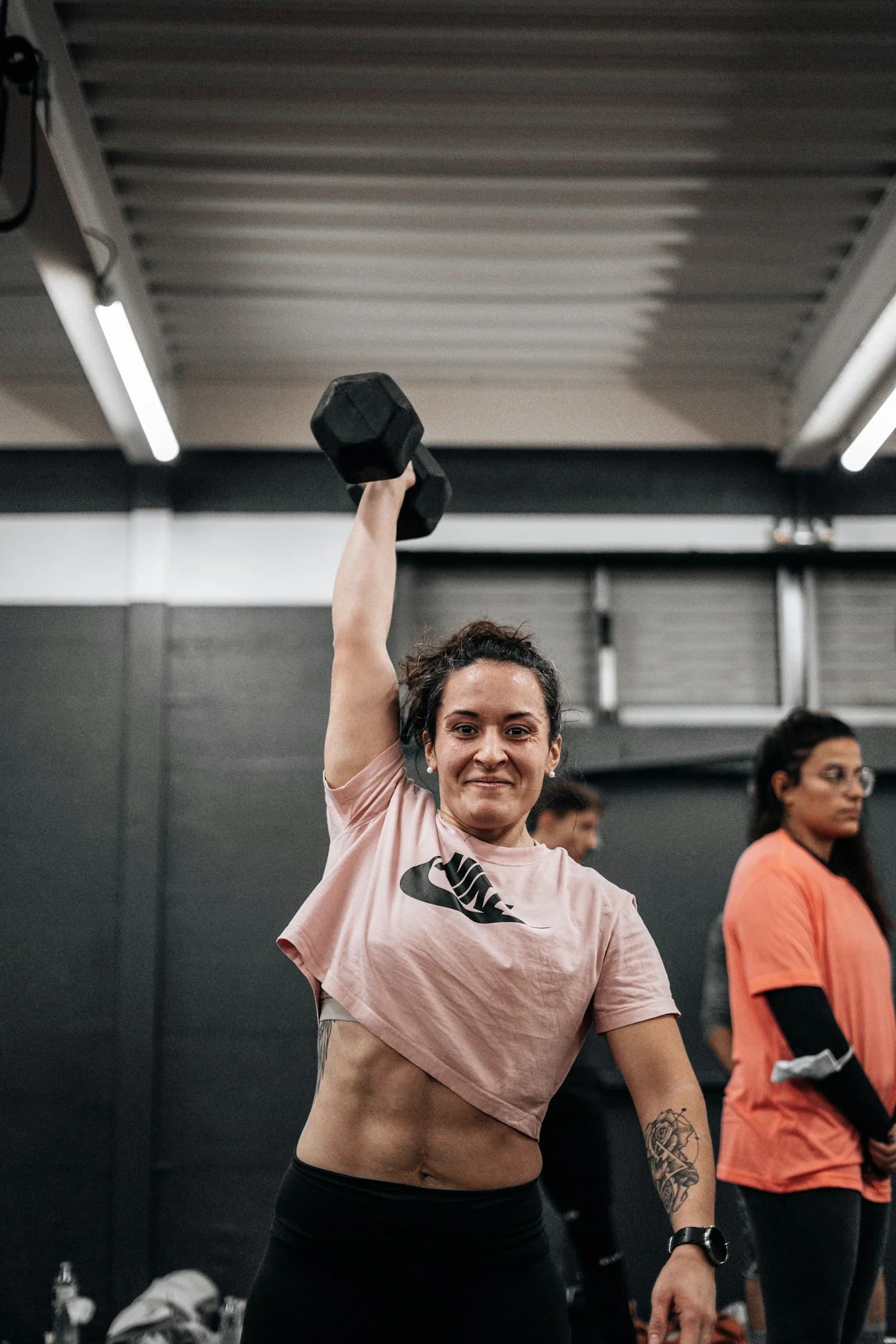
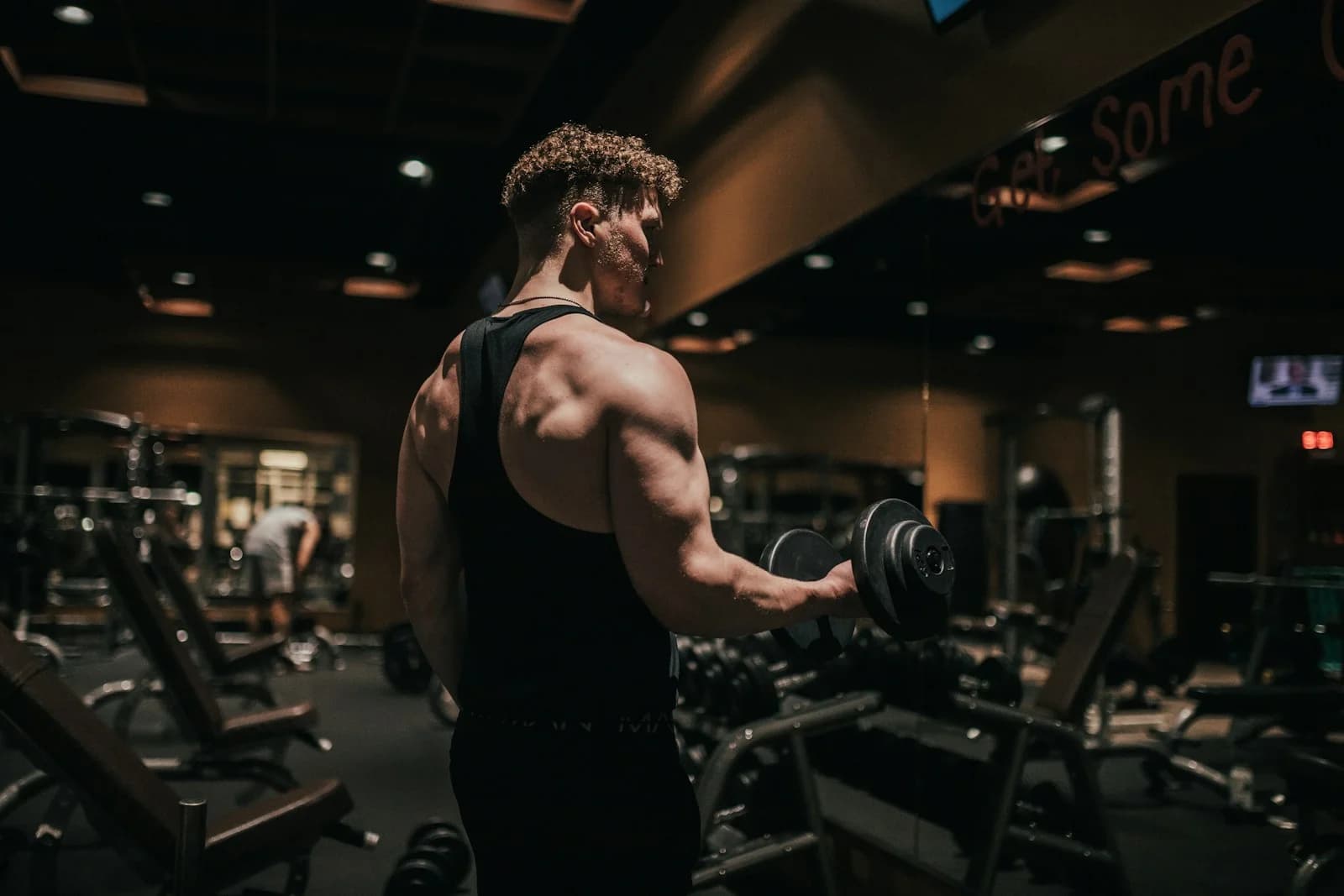
Barbells and dumbbells allow a natural movement path, recruit stabilizer muscles, and typically scale to heavier absolute loads. That makes them effective for building overall strength and coordination that transfers to everyday tasks and sports. Free weights also offer a broader variety of progressions and positionings, such as unilateral work and loaded carries, which can address imbalances and functional strength.
Because free-weight lifts demand more technique, they require time to learn; that investment usually pays off as you can progressively overload compound lifts like squats and deadlifts in many variations.
- Practice the barbell squat or goblet squat for full-body loading and transferable strength.
- Use the dumbbell press to work each side independently and train shoulder stability.
- Include hinge patterns such as the barbell deadlift for posterior-chain strength.
How to choose: a practical decision tree
Decide based on goal, experience, equipment access, and safety needs. For hypertrophy, both modalities can work; machines are useful to add volume and isolate, while free weights are excellent for heavy compound sets. For maximal strength, prioritize free weights because they better train coordination and handling heavy loads. If you are new, returning from a break, or training alone with limited spotter access, start with machines and progress toward free weights as technique improves.
Always factor in personal comfort and any movement limitations. If you have a pre-existing condition or are recovering from injury, check with a qualified professional before progressing heavy loads.
- If you’re brand new, follow a machine-first approach and add basic free-weight patterns over weeks.
- If your goal is strength and you can safely learn technique, prioritize compound free-weight lifts.
- If time or equipment is limited, pick the modality that lets you work consistently and progressively.
Practical programming: mixing machines and free weights
A simple, effective pattern is to use free weights for the heavy compound lifts and machines for accessory volume. For example, open with a squat, hinge, or press using free weights, then follow with machine work to target weak points or increase set volume without technical fatigue. That balance helps you apply progressive overload to the big lifts while accumulating muscle-building sets with machines.
Sample session (upper-body hypertrophy)
Warm up with mobility and light sets, then follow this sequence.
- 1Barbell or dumbbell compound press, 3 sets of 5–8 reps, building to a challenging top set.
- 2Machine chest press, 3 sets of 8–12 reps to increase volume.
- 3Lat pulldown, 3 sets of 8–12 reps for back vertical pulling.
- 4One-arm dumbbell row, 3 sets of 8–12 reps per side.
- 5Cable or machine isolation (e.g., pec deck or cable fly) 2–3 sets of 10–15 reps.
Sample week (balanced strength and size)
A simple three-day split that mixes both approaches.
- 1Day 1 — Full-body with free-weight emphasis: squat variation, hinge, overhead press, and core work.
- 2Day 2 — Machines and accessory focus: leg press, seated machine row, machine shoulder press, single-joint leg and arm work.
- 3Day 3 — Free-weight strength emphasis: heavier deadlift or squat variant, horizontal press, and unilateral lower-body work.
Checklist: choosing equipment for a session
Before you program a session, run through this checklist to match the modality to the objective.
- Define the main objective of the workout: heavy strength, hypertrophy volume, or skill practice.
- If the main objective is heavy strength, prioritize free-weight compounds and require a spotter or safety setup.
- If the goal is high volume or isolation, plan machine sets where technique fatigue would otherwise limit volume.
- Consider time and recovery; machines let you do more sets with less technical strain.
- If unsure which movement to pick, see our guide on what equipment for your goal.
Common mistakes to avoid
Some mistakes stem from treating one modality as superior in all cases. Avoid these predictable errors.
- Doing only machines and never learning basic free-weight patterns, which limits capacity to load full-body strength.
- Doing only free weights with poor technique and no gradual progression, increasing frustration and risk of form breakdown.
- Overusing machines for every movement because they feel easier, which can under-develop stabilizer strength.
- Skipping progressions such as goblet squat and slow ramps before attempting heavy barbell lifts.
- Neglecting accessory work with machines that can address weak points identified in free-weight lifts.
Who this is for
This guide is for people focused on building strength or muscle who have access to both free weights and machines, or who are deciding what to prioritize. Beginners will find machines a friendly on-ramp; intermediate lifters benefit from mixing both; advanced lifters will use free weights to push heavy compounds and machines to fine-tune symmetry and volume.
Adaptations and professional input: if you have a recent injury, chronic joint pain, are pregnant, or have medical concerns that limit loading, consult a qualified medical or exercise professional to adapt exercises and progressions. For help learning technique consider resources like our selectorized machines beginners and progressive overload guides.
Exercises in this guide
Each links to a full form guide — setup, cues, common mistakes and swaps.


Key takeaways
- Machines are easier to learn, safer solo, and excellent for isolating muscles and adding volume.
- Free weights build stabilizers, allow heavier loading, and tend to transfer better to real-world strength.
- Most effective programs combine free weights for heavy compounds and machines for accessory volume.
- Beginners can start with machines and progressively add free-weight patterns as technique improves.
- Match the modality to the session goal: strength, hypertrophy, or skill development.
- If you have health concerns or are returning from injury, get personalized guidance from a qualified professional.
How this guide was made
Written by GymGuide Editorial. This guide was drafted with AI assistance and edited to our editorial standards: general fitness education in plain language, no invented statistics or study citations, no medical or treatment claims, room for individual variation, and links only to pages on GymGuide. It is not medical advice — talk to a doctor or qualified professional about injuries, health conditions, pregnancy or medication before changing how you train or eat. Last updated October 14, 2026. Read our responsible guidance commitments.
Put this into a plan
GymGuide turns guidance like this into a personalized weekly plan — and finds the gyms and equipment to do it.
Build my free plan