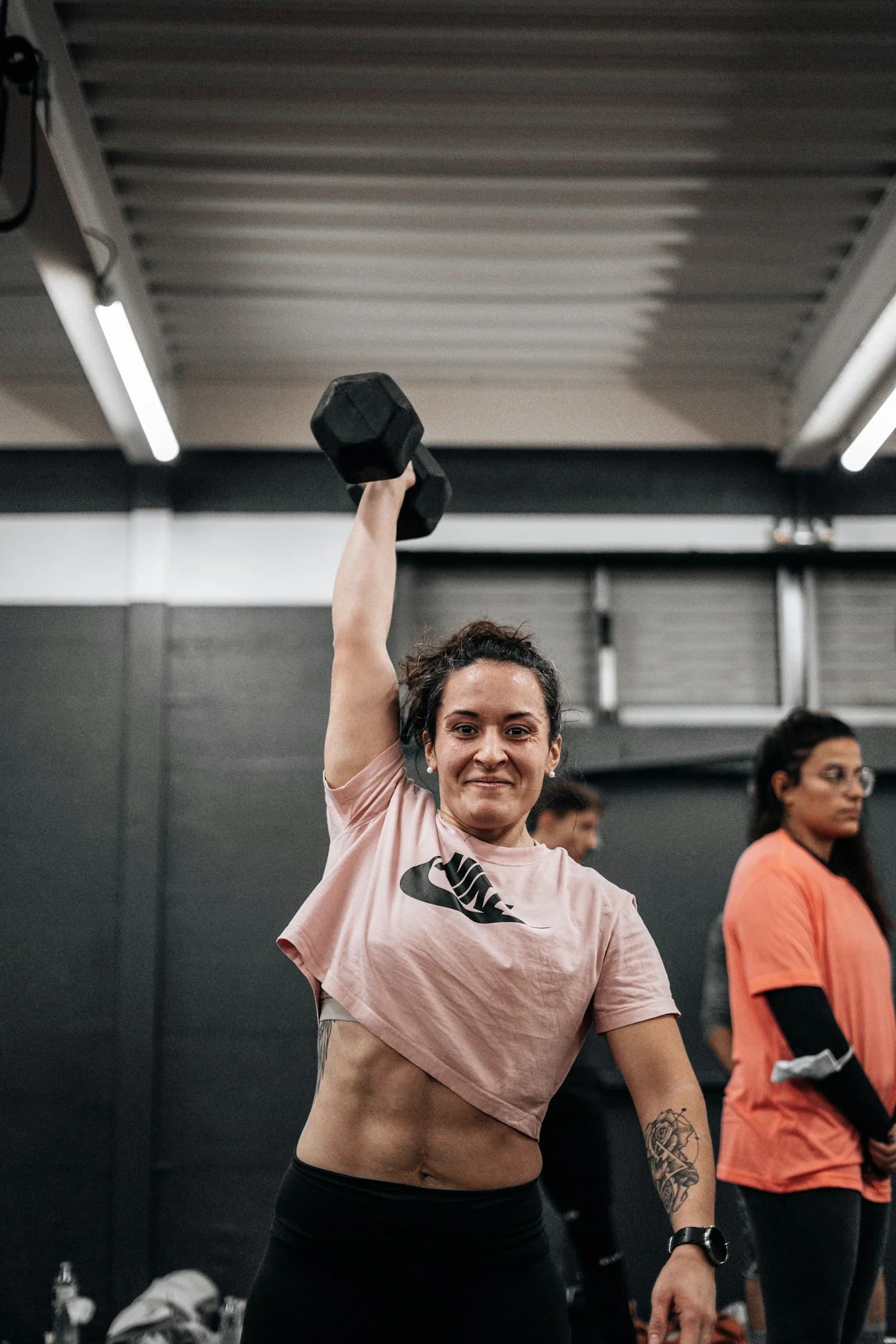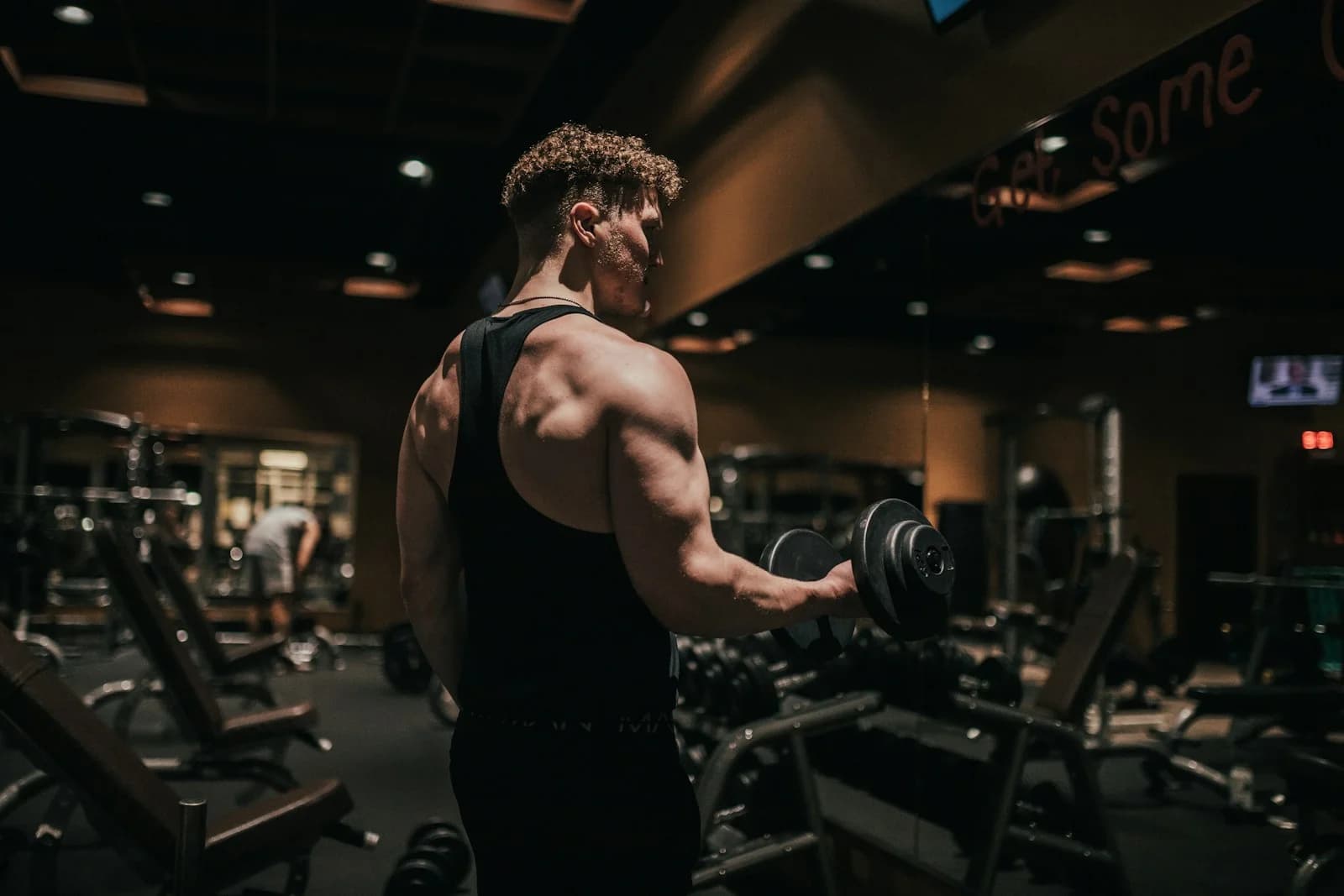
Gyms can feel overwhelming because they offer everything from selectorized stacks to sleds and heavy barbells. For most people, you do not need the entire gym; you need a focused subset of tools that match your primary goal.
This guide breaks down which equipment categories matter for common goals — fat loss, muscle growth, strength, and mobility — and gives practical steps, a sample week, a checklist, and common mistakes so you can use gym time efficiently.
On this page
Who this is for
This guide is for adults who want a clear, practical way to match gym equipment to a goal — losing weight, building muscle, increasing strength, or improving mobility. If you are new to exercise, returning after a break, or short on time, the suggestions emphasize simplicity and consistency.
If you have a health condition, are pregnant, recovering from injury, or taking medication that affects exercise, check with a qualified professional before you start and adapt equipment choices as needed.
- People aiming to lose body fat while keeping muscle mass.
- People prioritizing muscle size (hypertrophy) or general strength gains.
- People who want better mobility, joint health, or a low-impact routine.
- Gym newcomers who want to avoid wasting sessions on low-value machines.
Quick map: which equipment matters for each goal
Below are the equipment categories that most directly support each goal. Each short paragraph explains why the tools matter and gives one or two exercise examples you can look up in the gym library.
Fat loss (weight loss with muscle preservation)
Prioritize cardio machines for steady calorie burn plus a few strength options to help preserve muscle. A treadmill or bike can deliver consistent aerobic work, while simple strength movements maintain lean tissue.
- Cardio: treadmill walking or the stationary bike for longer sessions — see our guide to cardio types explained for pacing options.
- Strength: basic compound and machine options like the leg press or goblet squat to maintain lower-body strength.
Muscle growth (hypertrophy)
You want tools that allow progressive increase in training volume and load and permit isolated work for muscle groups. Free weights plus cables and selectorized options give the needed variety for targeting muscles and controlling tempo.
- Primary tools: dumbbells and barbells for compound lifts and accessory work — see free weights vs machines to decide balance.
- Accessories: cables or plate-loaded machines to vary angles and keep tension on the muscle, supported by cable & functional training methods.
Strength (get stronger on big lifts)
Strength is built on heavy compound lifts performed with progressive overload. A power rack and barbell are the most efficient tools, with plate-loaded machines as useful alternatives when barbells are unavailable.
- Must-haves: a rack and barbell for squats and deadlifts such as the barbell squat and barbell deadlift.
- Supportive tools: heavy dumbbells, a leg press, and a sled for development and variation.
Mobility and general health
Mobility needs fewer heavy tools and more open space, bands, and controlled-resistance options. Low-impact cardio supports cardiovascular fitness without stressing joints.
- Open floor, mat, bands, and a cable station for controlled anti-rotation and movement patterns — see functional cable examples.
- Low-impact cardio options such as the elliptical or rowing machine; read our low-impact cardio guide for joint-friendly choices.
Practical how-to: choose equipment in four steps
Follow these step-by-step actions when you enter the gym so you use time efficiently and build training that matches your goal.
- 1Decide your primary goal for the next 8–12 weeks and write it down in one sentence.
- 2Pick the equipment category that maps to that goal from the previous section and focus 80 percent of sessions there.
- 3Select 2–3 core movements you can progress on each week and 1–2 accessory movements for balance.
- 4Track load, sets, and reps so you can use progressive overload; see progressive overload explained for methods.
Sample week you can follow
Below are two compact sample weeks: one focused on fat loss with strength maintenance and one for muscle growth. Each day lists a single core exercise plus sensible accessories rather than full programs.
Sample week for fat loss (3 training days + cardio)
- Day 1: 30–40 minutes steady treadmill walking at a brisk pace, then 3 sets of goblet squat and 2 sets of push variations.
- Day 2: 30 minutes interval bike or rowing-machine session and 3 sets of one pulling movement such as seated cable row.
- Day 3: 40 minutes low-impact cardio and a short strength circuit: leg press, dumbbell press, planks.
Sample week for muscle growth (4 training days)
- Day 1: Upper push focus with barbell or dumbbell pressing and 3 accessory cable or dumbbell movements.
- Day 2: Lower body heavy day with a compound like barbell squat or hip thrust plus hamstring work.
- Day 3: Upper pull focus with rows and pulls including cable or dumbbell rows and face pulls.
- Day 4: Lighter lower day with leg press, unilateral work, and core stability.
Common mistakes and how to avoid them
Avoid chasing gadgets or using equipment because it looks impressive. The most consistent errors waste time or limit progress; here is how to steer clear.
- Relying on machines that isolate every movement and never learning basic compound lifts; learn the basics with guidance and practice.
- Doing excessive cardio at the expense of strength work if your goal includes muscle preservation; balance both priorities.
- Skipping progressive overload because the equipment is unfamiliar; choose a handful of exercises you can track reliably.
- Copying complicated circuits you do not enjoy; pick sustainable routines and adapt equipment to personal preference.
Equipment checklist and quick substitutions
Use this checklist to prepare for a gym visit or to build a minimal home setup. Where a listed item is unavailable, the substitution suggests what to use instead.
- Rack and barbell or heavy dumbbells for strength-focused training; substitute with plate-loaded machines when bars are unavailable.
- Dumbbells from light to heavy for accessory work; substitute with kettlebells or resistance bands if needed.
- Cable station or functional cable for constant tension and anti-rotation drills; substitute with bands for similar movement patterns.
- Cardio option: treadmill, bike, or rower for consistent aerobic work; substitute with outdoor walks if gym machines are unavailable.
- Open floor space and mat for mobility flows and bodyweight work; substitute with a tiled area and a towel if you are at a cramped facility.
How to adapt when equipment is limited or you train at home
Limited equipment shouldn't stop progress. Focus on movement quality, progressive overload with what you have, and consistency. Use these strategies.
- If you lack heavy barbell access, increase sets or tempo on lighter weights, and use unilateral exercises like the goblet squat or split variations for overload.
- Replace a cable station with bands for rows, presses, and anti-rotation work — see cable & functional training for band alternatives.
- For cardio, follow the principles in cardio machines compared and use interval or steady-state formats on whatever equipment you have.
- If you plan a home setup, review home gym any budget to prioritize purchases based on your goal and space.
Exercises in this guide
Each links to a full form guide — setup, cues, common mistakes and swaps.


Key takeaways
- Match the equipment to your primary goal and spend most gym time on that subset of tools.
- Fat loss needs cardio plus basic strength to preserve muscle; muscle growth needs free weights and cables for progressive overload.
- Strength-focused training benefits most from a rack and barbell or plate-loaded alternatives.
- Mobility-focused work requires space, bands, and low-impact cardio rather than heavy machines.
- If equipment is limited, use substitutions, increase volume, and focus on consistent progression.
- Track loads, prioritize a few core movements, and avoid chasing novelty over purpose.
How this guide was made
Written by GymGuide Editorial. This guide was drafted with AI assistance and edited to our editorial standards: general fitness education in plain language, no invented statistics or study citations, no medical or treatment claims, room for individual variation, and links only to pages on GymGuide. It is not medical advice — talk to a doctor or qualified professional about injuries, health conditions, pregnancy or medication before changing how you train or eat. Last updated October 14, 2026. Read our responsible guidance commitments.
Put this into a plan
GymGuide turns guidance like this into a personalized weekly plan — and finds the gyms and equipment to do it.
Build my free plan