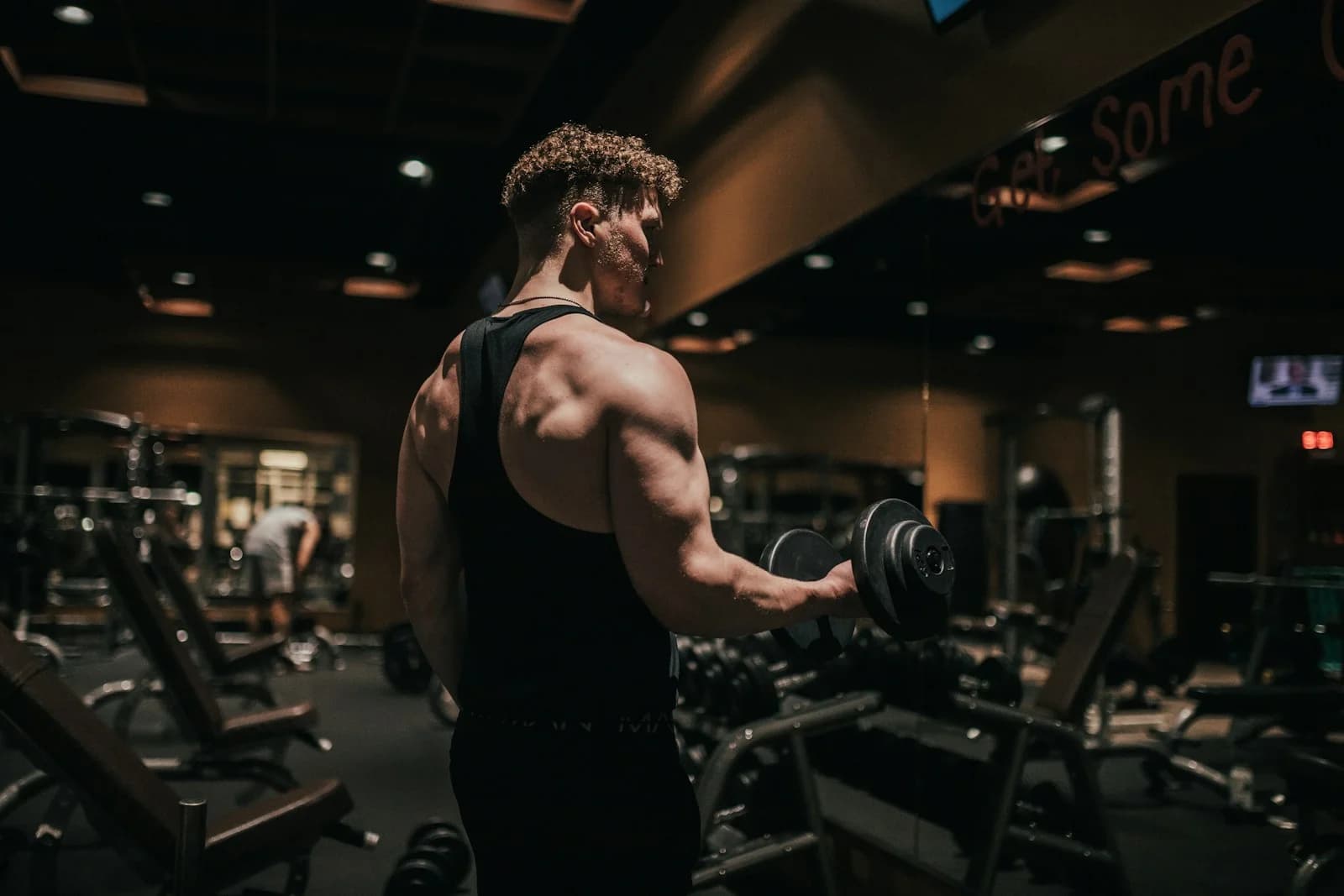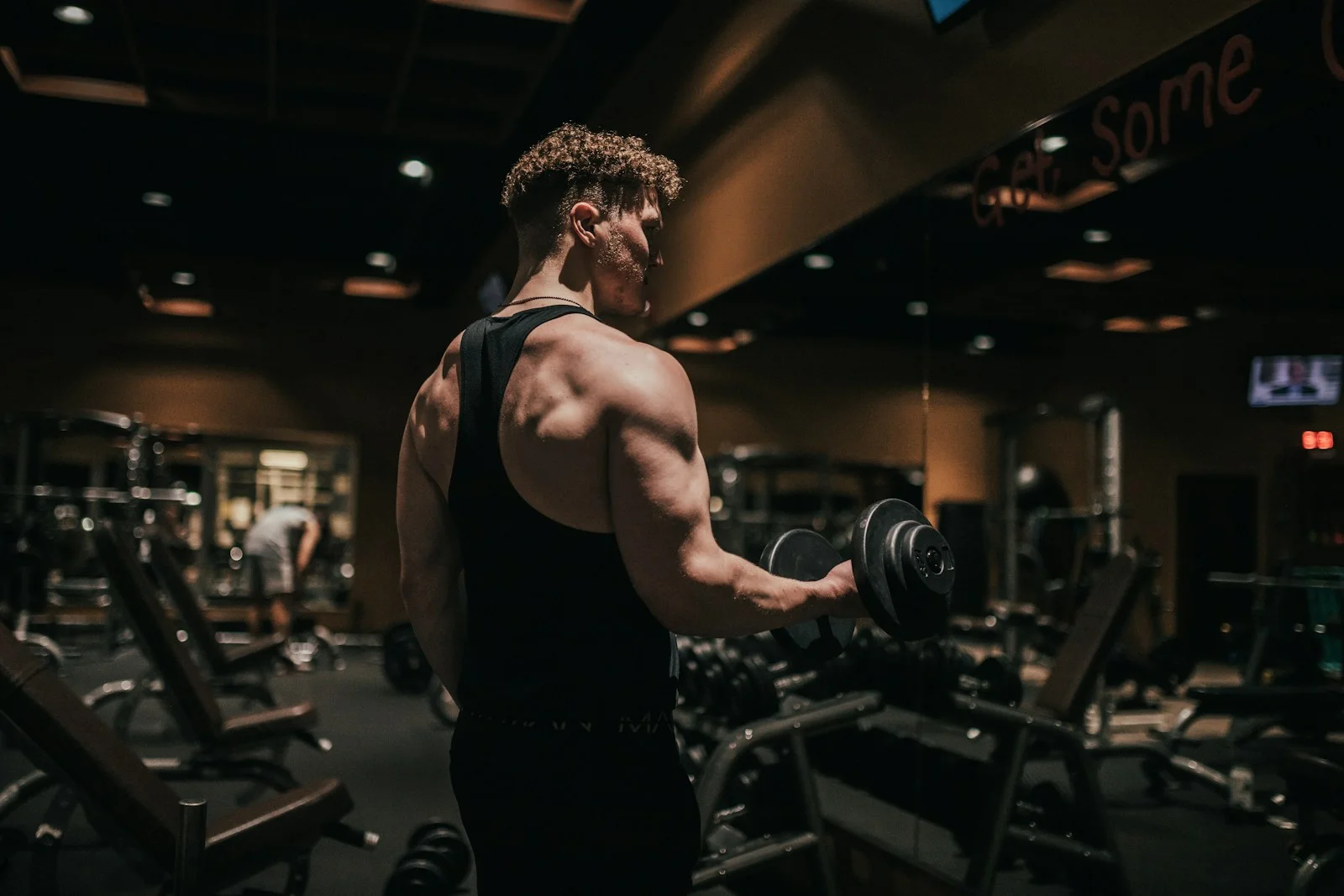
You can build an effective home gym on almost any budget. The key is to buy the most versatile pieces first, learn to use them well, and add equipment only when it solves a real gap in your training.
This guide walks you through practical steps and decision points from a zero-dollar starter setup to a serious garage gym. It includes what to buy first, how to use each item, a sample week, a simple checklist, common mistakes to avoid, and who should adapt the plan or seek professional input.
On this page
Who this is for
This guide is for adults who want to train consistently at home for general fitness, muscle-building, or fat loss and who prefer controlling their schedule and environment. It works whether you plan to use mostly bodyweight work, free weights, or a mix that includes cardio equipment.
Adapt if you have specific considerations: if you are pregnant, recovering from an injury, have a chronic health condition, or take medication that affects exercise capacity, check in with your doctor or a qualified professional before making major changes. If space or noise is limited, focus on lower-impact and quieter options in the early stages.
- Beginners who want a low-cost, high-return starting point.
- People upgrading from occasional bodyweight workouts to progressive strength training.
- Those with limited space who want a compact, modular setup.
- Anyone with special health considerations who should consult a clinician before changing exercise habits.
Buy the most versatile items first — the principle
Versatility gives you the most training options per dollar and per square foot. Prioritize items that let you work multiple muscle groups and energy systems. For example, bands and bodyweight let you do pressing and pulling patterns, adjustable dumbbells cover dozens of movements, and a bench multiplies single-piece value.
Think of equipment as tools for movement categories: pressing, pulling, hinging, squatting, carrying and conditioning. Cover each category affordably first, then add specialized tools if and when you need them. Prices vary widely by brand, region and whether you buy used, so treat the dollar ranges below as rough guides.
Starter kit: $0–150 — highest value for lowest cost
If your budget is very small, you can still get a robust setup. Bodyweight training plus a varied set of resistance bands cover presses, rows, curls, hip hinge patterns and assisted single-leg work. A doorway pull-up bar is low-cost and opens pull-up progressions; a simple mat and a sturdy chair expand exercise choices.
- Begin with bodyweight basics: the push-up, bodyweight squat and plank variations.
- Add resistance bands for resisted presses and rows with band variations such as Band Chest Press and Band Row.
- Install a pull-up bar to progress toward the pull-up and chin-up variations.
- Use household items for weighted carries or step-ups if needed.
Core kit: $150–600 — adjustable dumbbells and a bench
A pair of adjustable dumbbells is the most common cost-effective jump: they replace several pairs of fixed dumbbells and unlock nearly every single-joint and multi-joint free-weight exercise. Add a flat or adjustable bench and you can do pressing, rows, split-leg work and loaded carries with much more control and progressive overload.
Adjustable dumbbells are compact and inexpensive relative to a full set of plates, and a bench multiplies their use by enabling decline, incline, and supported variations. Pair this kit with bands and a mat and you can follow most strength and hypertrophy programs.
Serious setup: $600+ — barbell, rack, plates and cardio
When strength or heavy progressive overload becomes your priority, a barbell, plates and a squat rack deliver the widest long-term options. A proper rack lets you squat, press and bench safely and adds accessories like pull-up bars and landmine attachments. Choose a rack that fits your ceiling height, and plates and flooring that suit your floor surface.
Add a single quality cardio piece that suits your space and joints: a rower for full-body low-impact conditioning or a stationary bike for sustained effort. If noise or space is limited, compact cardio like a folding bike or low-impact options are fine.
- Start with a basic rack and an Olympic bar plus bumper or iron plates sized to your space.
- Pick a cardio machine based on preference and recovery needs, such as a Rowing Machine or Stationary Bike.
- Consider flooring and protection for heavy lifts, such as rubber tiles or a lifting platform.
Practical how-to: set up, prioritize, and expand
Follow a simple decision flow: cover movement categories first, buy for current training goals, ensure safety and reduce friction to actually use the equipment. Measure your space, check door and ceiling clearances, and plan storage so gear is easy to access. Test cheaper options for a few weeks before upgrading expensive items.
When adding equipment, ask yourself three questions: does it cover new movements, increase progressive overload, or reduce injury risk? If the answer is no, wait and train with what you have.
Sample week and a short session
Here is a compact sample week for general strength and conditioning using a core kit (bands, dumbbells, bench) plus optional cardio.
Sample week: two full-body strength sessions, one dedicated conditioning session, two light activity days and two rest or mobility-focused days.
Sample session (strength, 40–50 minutes)
Warm up 5–8 minutes with dynamic movement and joint prep. Then complete 3 rounds of the following circuit with 60–90 seconds rest between rounds.
- 1Goblet squat: 8–12 reps. See Goblet Squat.
- 2One-arm dumbbell row: 8–12 reps per side. See One-Arm Dumbbell Row.
- 3Dumbbell or band chest press: 8–12 reps. See Dumbbell Bench Press.
- 4Plank or dead bug: 30–60 seconds. See the plank.
- 5Optional metabolic finish: 8–10 minutes steady rowing on a Rowing Machine or interval bike work.
Common mistakes and how to avoid them
Avoid equipment-focused shopping sprees before you learn to use what you already own. Don’t buy specialty machines that duplicate a movement you can already do with bands, dumbbells or a barbell. Overbuying heavy plates or a large rack before you reach progressive overload needs wastes space and money.
Also avoid neglecting quality: cheap adjustable gear that breaks or shifts can create safety risks. Finally, prioritize habit-building and program consistency over chasing the next piece of equipment.
Checklist: buy, set up, and upgrade
Use this checklist as a practical purchasing and setup roadmap. Start at the top and move down as budget and goals allow.
- Starter: bodyweight basics and a set of resistance bands, doorway pull-up bar, exercise mat.
- Core: pair of adjustable dumbbells, adjustable bench, pair of kettlebells or fixed dumbbells if needed.
- Serious: squat rack, Olympic bar, plates sized to your ceiling and floor, bumper or iron choices for budget.
- Cardio: choose one machine that fits space and joints, such as a Rowing Machine or Stationary Bike.
- Accessories: bar collars, durable matting and basic storage.
Exercises in this guide
Each links to a full form guide — setup, cues, common mistakes and swaps.


Key takeaways
- Prioritize versatile items that cover multiple movement patterns before buying specialty gear.
- Bands and bodyweight work can get you started; adjustable dumbbells and a bench create a broadly capable core kit.
- A barbell and rack are a long-term step for heavy strength work, but not necessary to begin making progress.
- Choose one cardio machine for consistent conditioning based on space, budget and joint comfort.
- Measure space, plan storage, and buy progressively so each purchase solves a clear training gap.
How this guide was made
Written by GymGuide Editorial. This guide was drafted with AI assistance and edited to our editorial standards: general fitness education in plain language, no invented statistics or study citations, no medical or treatment claims, room for individual variation, and links only to pages on GymGuide. It is not medical advice — talk to a doctor or qualified professional about injuries, health conditions, pregnancy or medication before changing how you train or eat. Last updated October 14, 2026. Read our responsible guidance commitments.
Put this into a plan
GymGuide turns guidance like this into a personalized weekly plan — and finds the gyms and equipment to do it.
Build my free plan