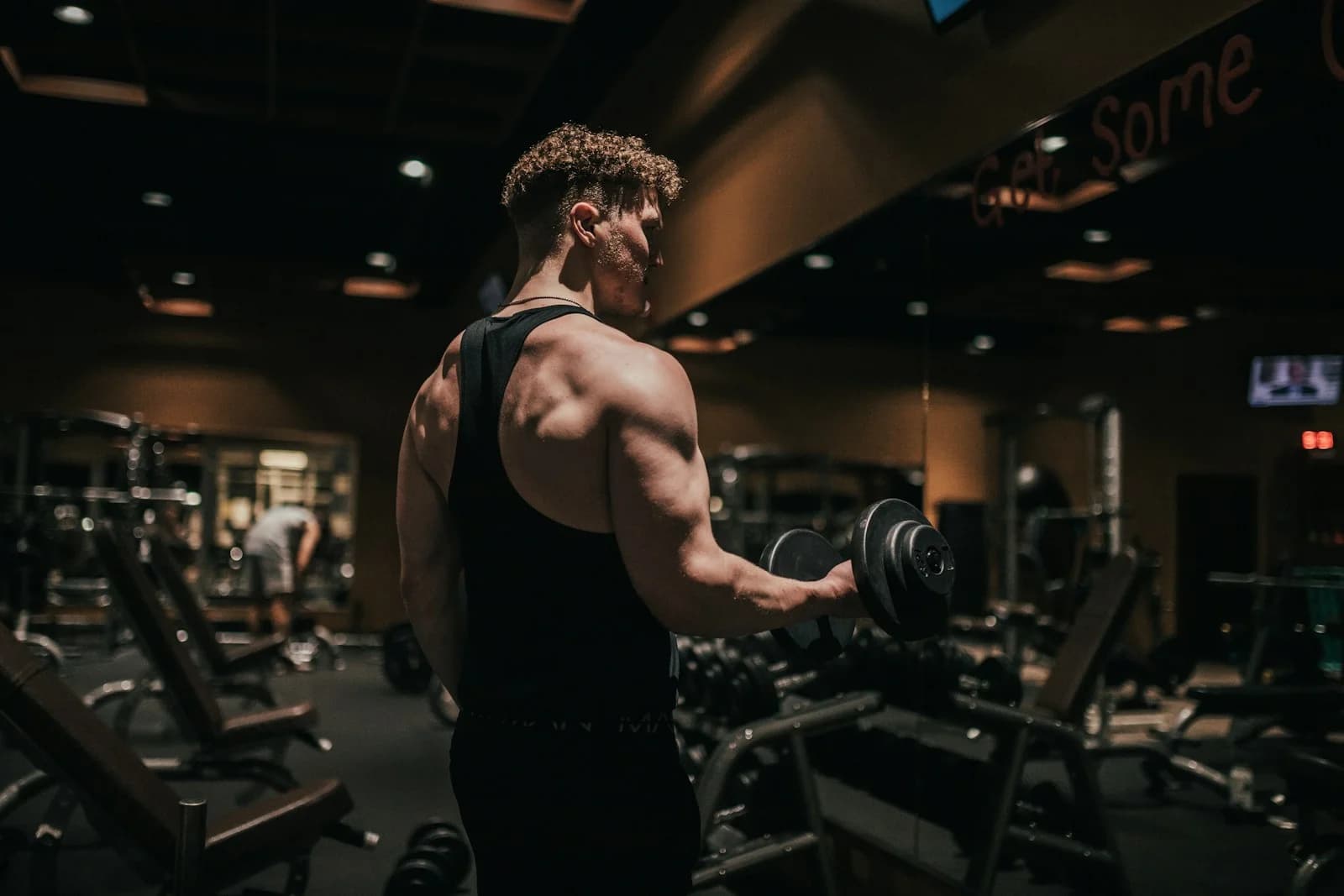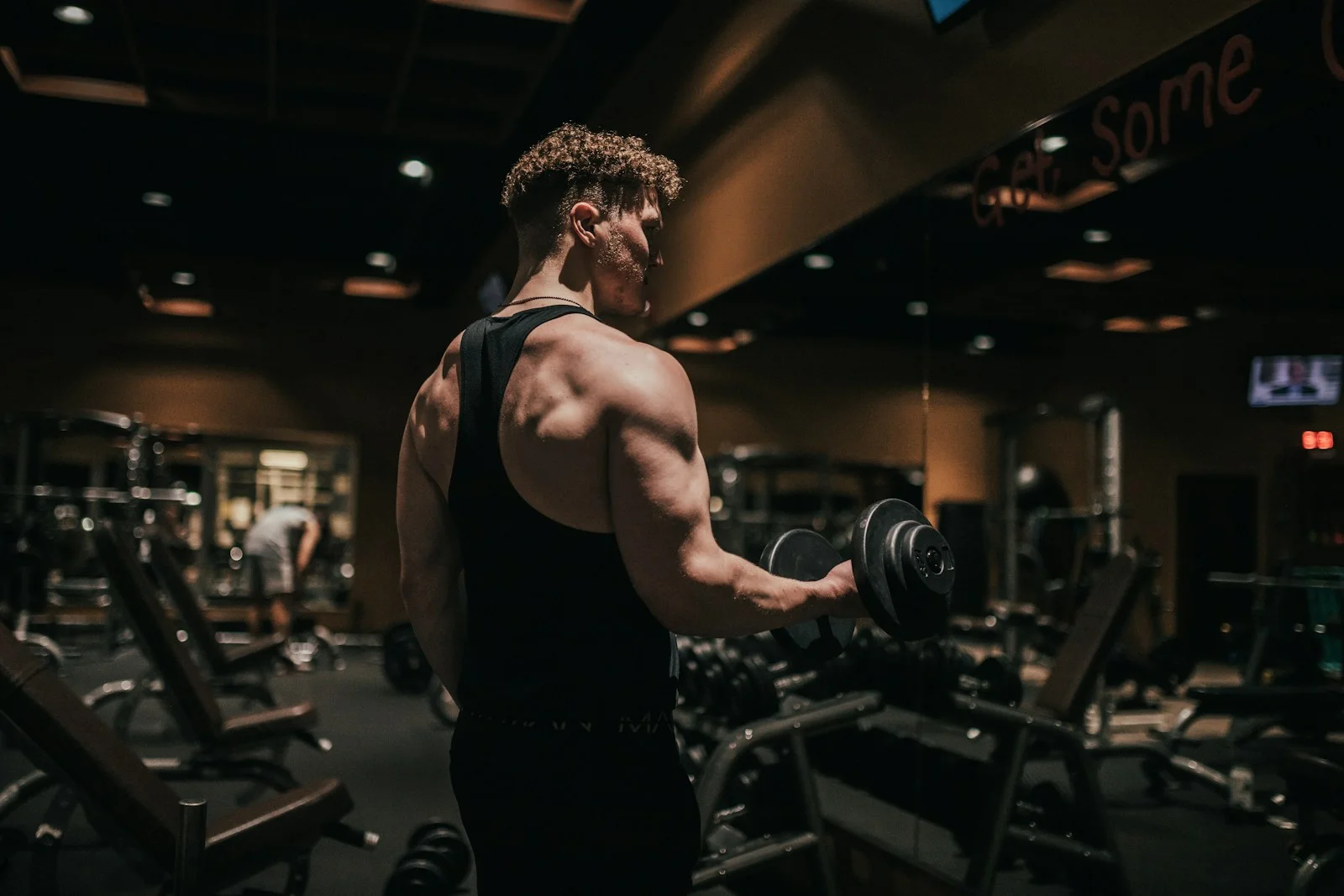
The logos on treadmills, racks and weight stacks aren’t just branding; they’re a quick way to understand what a gym has prioritized. Learning the major equipment names gives you useful clues about durability, maintenance and the training experience you’ll find there.
This guide walks through the common cardio and strength manufacturers, what each signals about a club, how to judge condition and fit for your goals, and simple steps to pick the right place or adapt when your preferred kit isn’t available.
On this page
Who this guide is for
This guide is for people focused on getting stronger or building muscle who want to evaluate gyms by equipment. It’s also useful if you travel and use unfamiliar clubs, or if you’re planning a home-gym purchase and want to prioritize brands and features. If you have a medical condition, are pregnant, or are returning from injury, check with a qualified professional before starting a new program or using unfamiliar machines.
- People prioritizing heavy compound lifts and free-weight platforms.
- Lifters who want reliable cardio for consistent conditioning.
- Anyone choosing between general fitness clubs and strength-focused facilities.
Cardio brands: what to look for
Cardio manufacturers shape the feel of your steady-state and interval sessions. Typical names you’ll see include Life Fitness, Precor, Matrix, Woodway and StairMaster, and Concept2 is especially common for rowing machines. Quality here often means smoother movement, better durability and easier service support, which reduces downtime and improves consistency for your training.
- Treadmills: look for robust frames, responsive cushions and clear consoles for pacing and interval work. A few minutes of treadmill walking is enough to test comfort.
- Rowers: Concept2 rowers are common; test for consistent resistance across strokes with a short sprint.
- Bikes and ellipticals: check seat comfort, pedal feel and how readable the console is; our cardio machine comparison covers the trade-offs.
Strength brands: plates, selectorized machines and free weights
Strength equipment divides into plate-loaded rigs, selectorized machines and free-weight hardware. Each segment has industry leaders whose presence signals a gym’s focus and likely user experience.
Plate-loaded and selectorized
Brands such as Hammer Strength, PRIME and Atlantis are often found where heavy, plate-loaded equipment is a priority. Life Fitness and Technogym are common for selectorized stacks and integrated workout ecosystems. Plate-loaded machines usually allow heavy loading along a fixed but natural-feeling path, useful for lifts like the Plate-Loaded Row and Incline Press.
Free weights and lifting platforms
Rogue and Eleiko are widely respected in free-weight and competition-style platforms. Their racks, barbells and plates tend to be durable and precise, which benefits serious barbell training such as the Barbell Deadlift and heavy squats. If you plan to follow progressive overload, sturdy racks, calibrated plates and quality bars reduce friction in your programming.
- Look for full-height power racks and dedicated platforms if you plan heavy Olympic lifts.
- Check that barbells rotate freely and knurling suits your grip for compound lifts like Barbell Bench Press.
What brand signals tell you about a gym
A floor populated by industry-leading brands often suggests the club invests in member experience and equipment longevity, but brand alone isn’t everything. Condition, layout and maintenance matter too. Well-branded and well-kept machines point to regular servicing, clearer signage and a likelihood of spare parts. Conversely, older machines from reputable manufacturers can still be excellent if they’re maintained.
- A club with premium cardio and modern consoles often supports diverse conditioning options and interval tracking.
- Presence of robust free-weight platforms and competition bars suggests the gym is set up for serious strength training.
- A mix of inexpensive selectorized machines may indicate a general-fitness focus rather than a strength-specialist environment.
How to evaluate equipment when you visit
A short, structured inspection tells you more than a logo. Spend five to ten minutes checking the gym floor before joining, and run through these simple checks.
- 1Try a few machines briefly, such as a light Machine Chest Press set to test alignment and smoothness.
- 2Inspect free-weight areas for rack stability, bumper plate condition and bar rotation.
- 3Check cardio consoles for readable metrics and test one machine for a minute of effort to assess noise and smoothness.
- 4Look for spare towels, organized plates and clear signs of recent cleaning and maintenance.
Sample quick session to test a gym
Use this short circuit during a visit to sample different equipment zones and assess suitability for your workouts.
- 1Warm up: 5 minutes light cardio on a treadmill or bike to test cardio comfort.
- 2Strength test: 2 sets of 8–10 reps on a Machine Chest Press or a Dumbbell Bench Press to check range and machine alignment.
- 3Free-weight test: perform a few reps with an empty bar or light weight in a power rack to assess bar path and rack sturdiness.
- 4Row or bike sprint: 1 minute hard effort on a rower or bike to judge console responsiveness and smoothness.
Common mistakes when judging gyms
Avoid overweighing brand names alone. A high-end label means little if equipment is poorly maintained, cramped, or lacks the layout you need. Other common errors include assuming newer-looking consoles equal better training, or ignoring noise and ventilation which affect longer sessions.
- Mistaking shiny consoles for better ergonomics when machines are poorly positioned.
- Choosing a club solely because it has one premium piece without checking the rest of the floor.
- Ignoring free-weight quality, plate condition and bar compatibility when planning heavy lifts.
Making choices: adapt, ask, or walk away
If a gym lacks your preferred brands, consider whether the available equipment still supports your programming. Ask staff about maintenance schedules and recent upgrades. If you need specific kit for heavy barbell work, prioritize gyms with dedicated platforms and quality racks. Look up gyms near you on GymGuide and check their equipment details before you visit, so you can make an informed choice before signing up.
- Adapt your plan if essentials are present even if brands differ from your ideal.
- Ask for a trial day or a guided tour to test the floor during busy times.
- Choose a different club if the layout, maintenance or key equipment is unsuitable for your strength goals.
Where to learn more and next steps
If you want deeper reading on specific equipment types and program design, use our guides on related topics. For example, compare machines and free weights in Free Weights vs Machines: Which Is Right for You?, read about plate-loaded versus selectorized setups in Plate-Loaded vs Selectorized: What's the Difference?, or explore cardio options in The Best Cardio Machines, Compared. If you’re choosing gear for a home setup, our home-gym guide walks through budgets, and our guide to equipment by goal helps you decide what you actually need.
- Compare machines and free weights with Free Weights vs Machines: Which Is Right for You?.
- Understand selectorized machines in A Beginner's Guide to Selectorized Machines.
- Decide cardio priorities with LISS vs HIIT vs Zone 2: Cardio Types Explained.
Exercises in this guide
Each links to a full form guide — setup, cues, common mistakes and swaps.


Key takeaways
- Brand names on a gym floor give clues about investment, durability and the likely training experience.
- Cardio, plate-loaded, selectorized and free-weight manufacturers each signal different club priorities.
- Test machines and free-weight areas briefly to judge condition and fit before committing.
- Ask staff about maintenance and try a short session to see whether the equipment supports your strength goals.
How this guide was made
Written by GymGuide Editorial. This guide was drafted with AI assistance and edited to our editorial standards: general fitness education in plain language, no invented statistics or study citations, no medical or treatment claims, room for individual variation, and links only to pages on GymGuide. It is not medical advice — talk to a doctor or qualified professional about injuries, health conditions, pregnancy or medication before changing how you train or eat. Last updated October 14, 2026. Read our responsible guidance commitments.
Put this into a plan
GymGuide turns guidance like this into a personalized weekly plan — and finds the gyms and equipment to do it.
Build my free plan