Push-Up
Activation
Muscles worked
Movement
Horizontal Push
Beginner · Bodyweight
Primary muscles
Secondary muscles
Movement pattern
Equipment category
How to perform
- 1
Set up
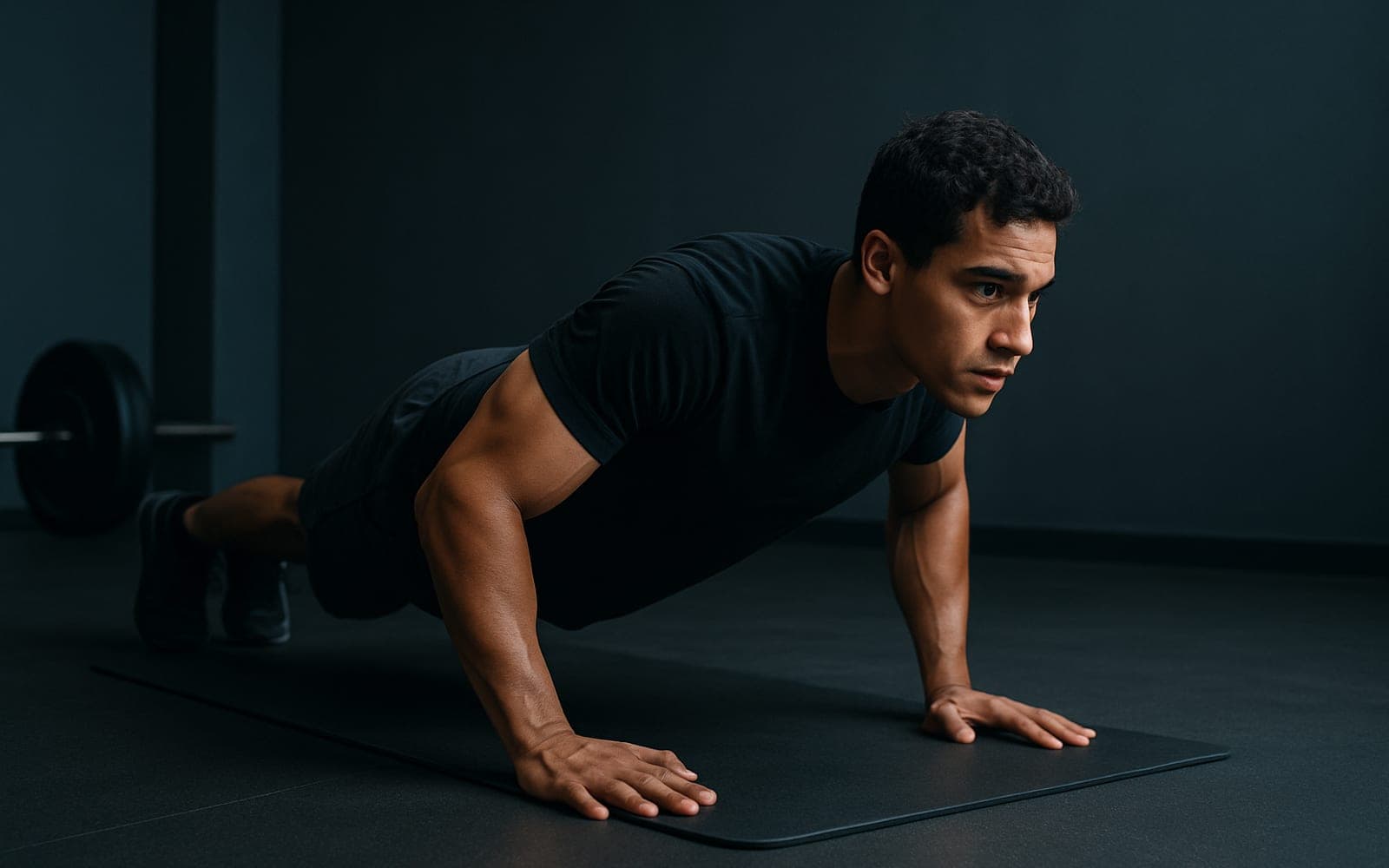
Hands slightly wider than shoulders, body in a straight line from head to heels.
- 2
Execute the movement
Lower until the chest is just above the floor, then press up while bracing the core.
Common mistakes
- Sagging hips
- Partial range
Make it harder
Make it easier
Accessibility
Substitutions
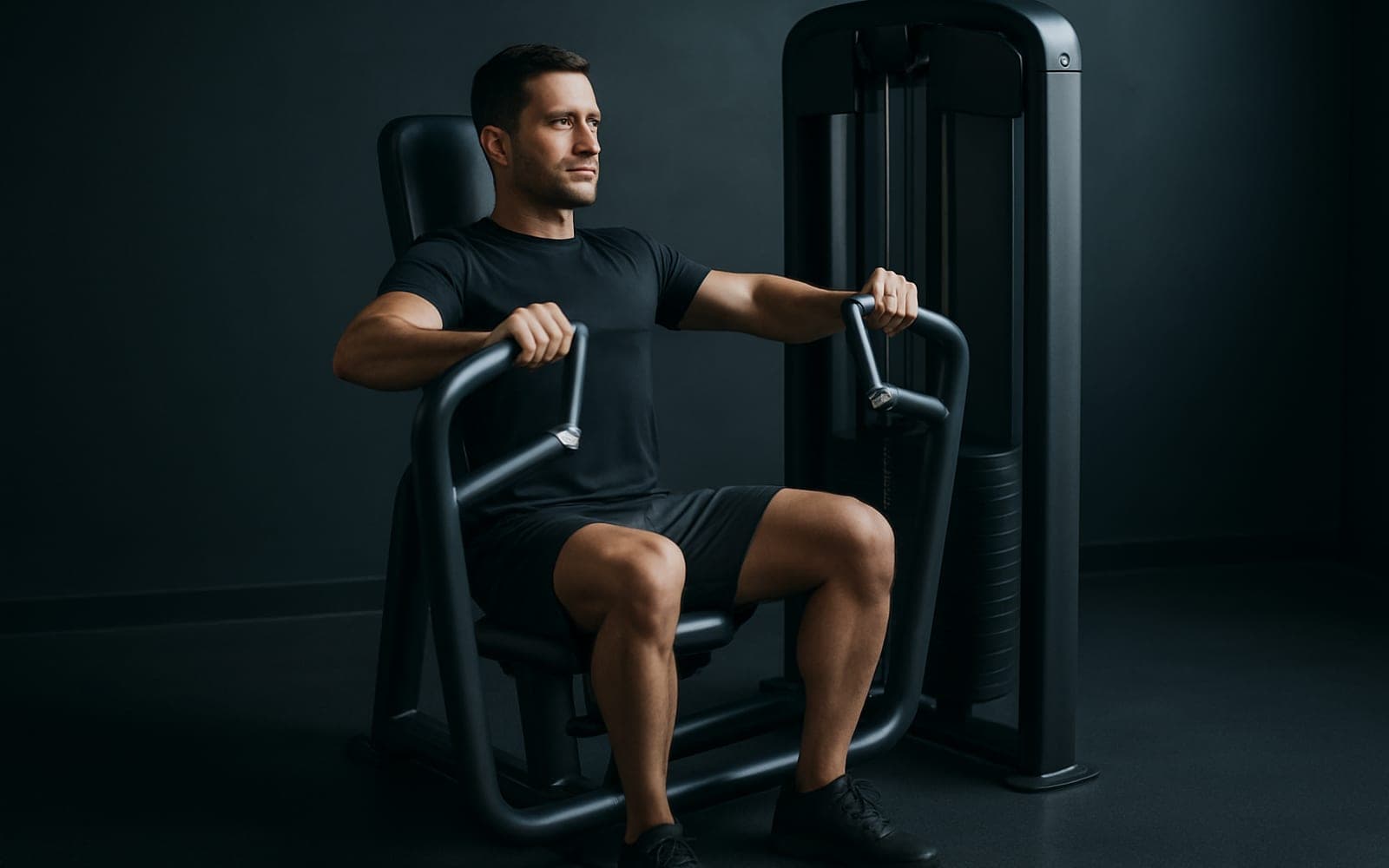
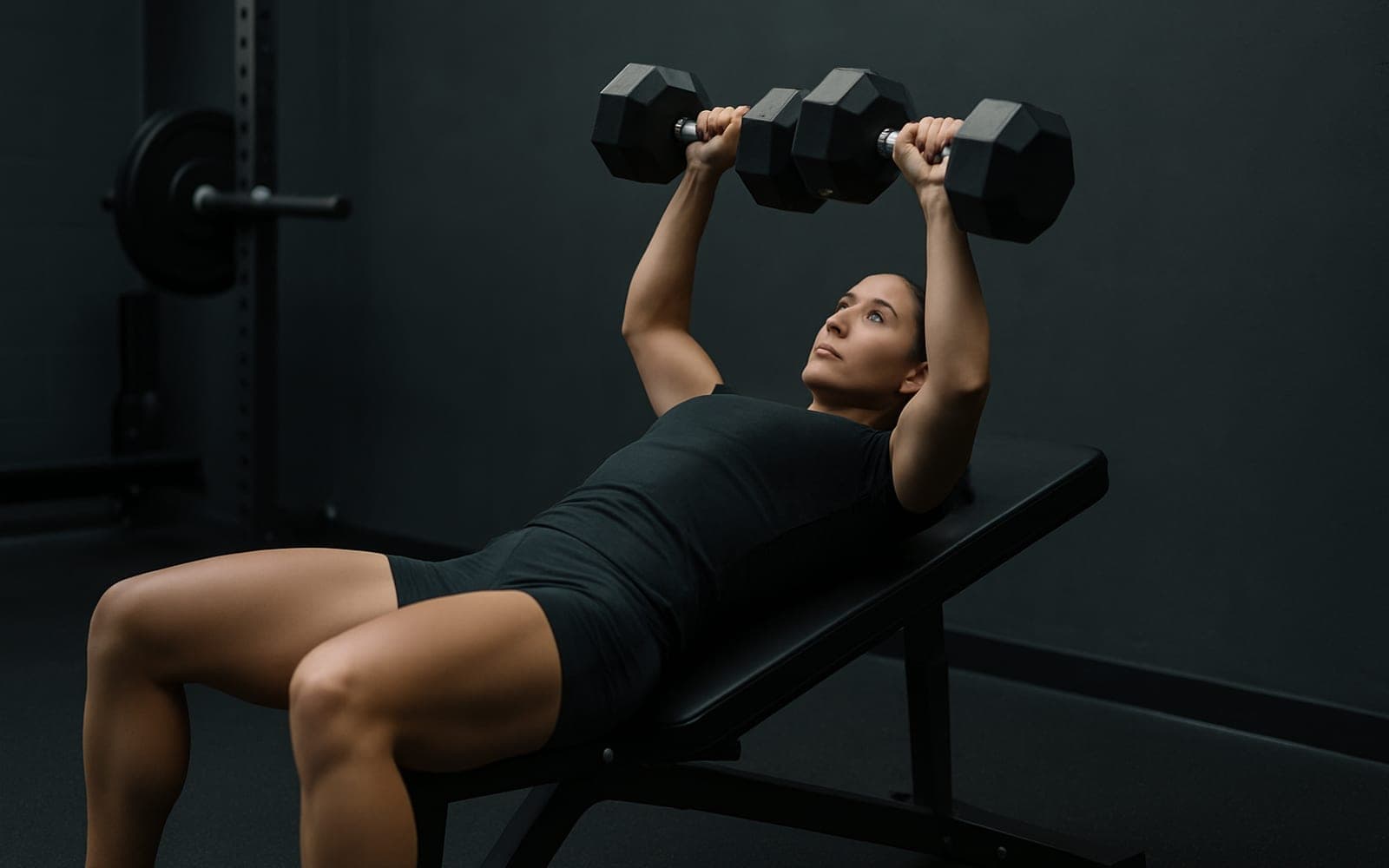
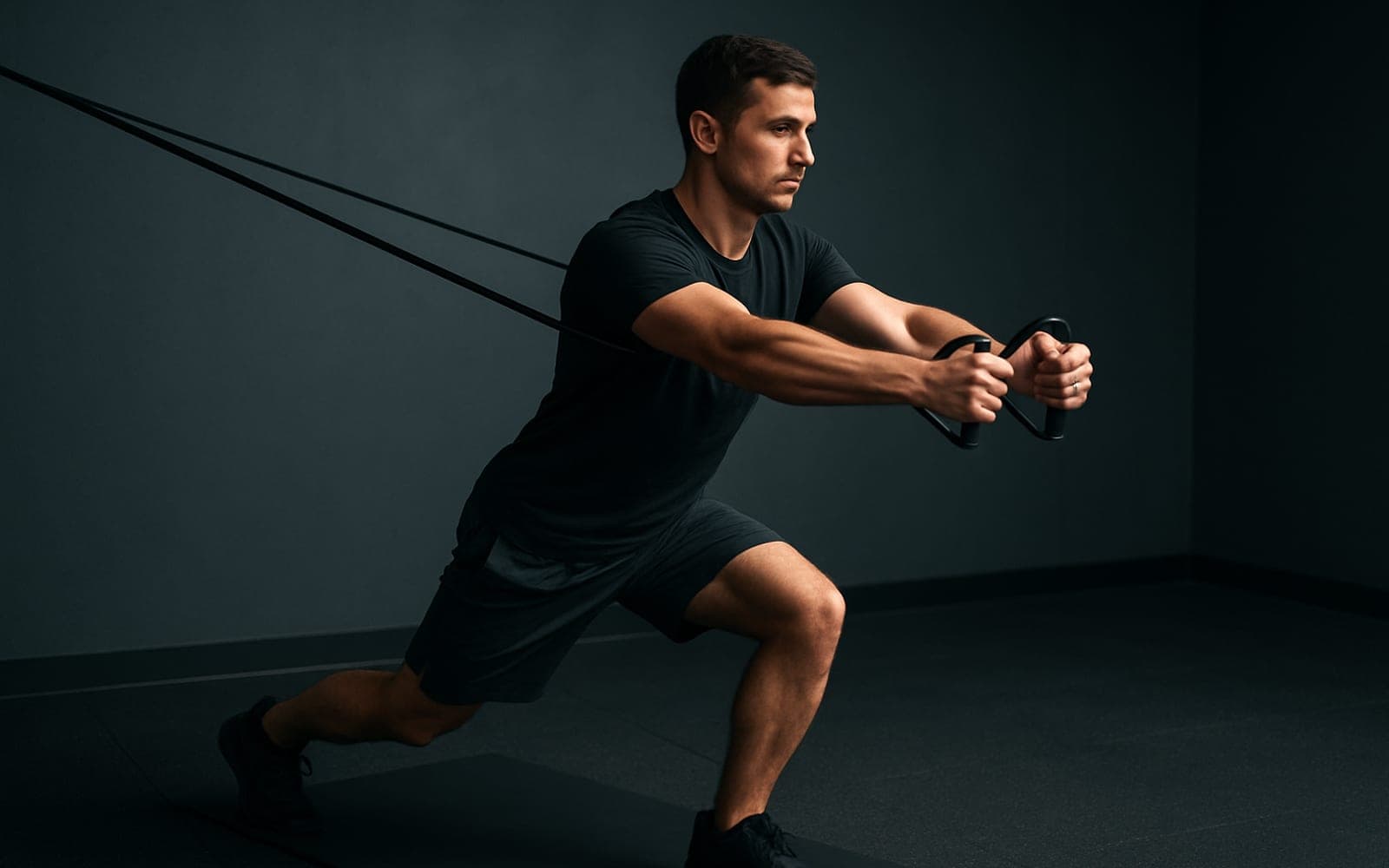
If a machine is busy or unavailable, these train the same pattern a different way.
Your progress over time
What to expect from training this consistently — everyone progresses at their own pace.
- 1
First few sessions
You learn proper body alignment and breathing, build the motor pattern for a controlled descent and press, and can complete a few quality rep variations (inclined or knee push-ups) without excessive fatigue.
- 2
Weeks 2–4
Muscular endurance increases: you can perform more reps per set with good form, your triceps and chest feel less fatigued between sets, and core bracing becomes more consistent.
- 3
Months 1–3
You can perform multiple straight-body (standard) push-up sets with solid range of motion and progressively overload by adding reps, slower tempo, or more difficult body angles.
- 4
Months 3–6
Noticeable increases in upper‑body strength and muscle tone across the chest, front delts, and triceps, with improved pushing endurance and better control in challenging variations (decline or close-grip).
- 5
6+ months
Consistent progression yields significant rep capacity, ability to use advanced variations (weighted, plyometric), meaningful upper‑body muscle development when paired with nutrition, and reliable carryover to everyday pushing tasks.
Benefits of the push-up
Develops horizontal pushing strength primarily in the chest, increasing force production for pushing movements.
Strengthens the triceps and anterior deltoids, improving elbow extension strength and shoulder stability during pushing actions.
Challenges the core and teaches full‑body tension, enhancing trunk stability and transfer of force between upper and lower body.
Has direct functional carryover to real‑world tasks like pushing doors, getting up from the floor, or bracing during lifts.
Is calorie‑efficient as a compound bodyweight exercise, supporting fat‑loss goals when combined with progressive volume and proper nutrition.
Requires no equipment and scales easily for beginners to advanced users, making it practical for consistent training adherence and general fitness.
Exercises that pair with this
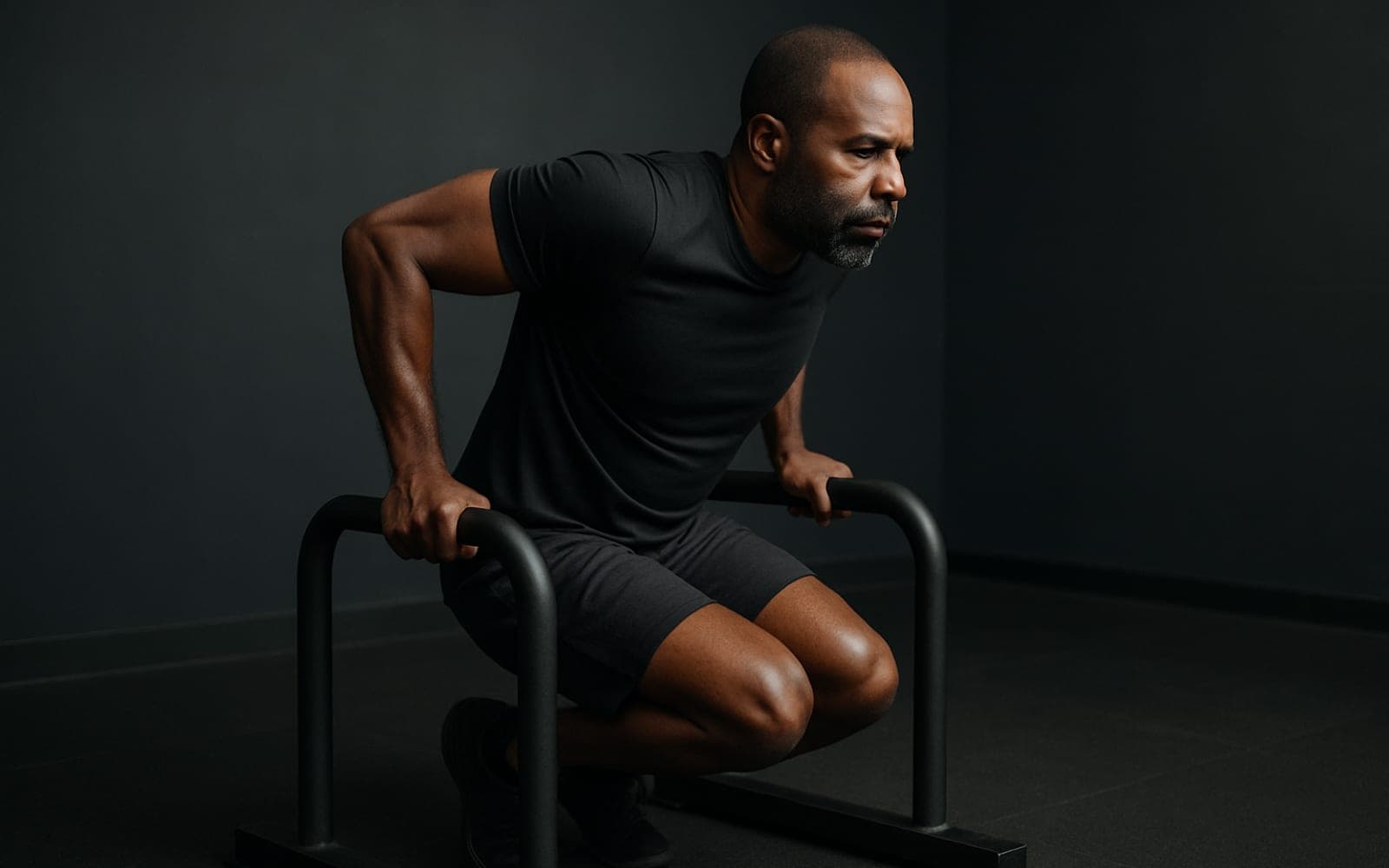
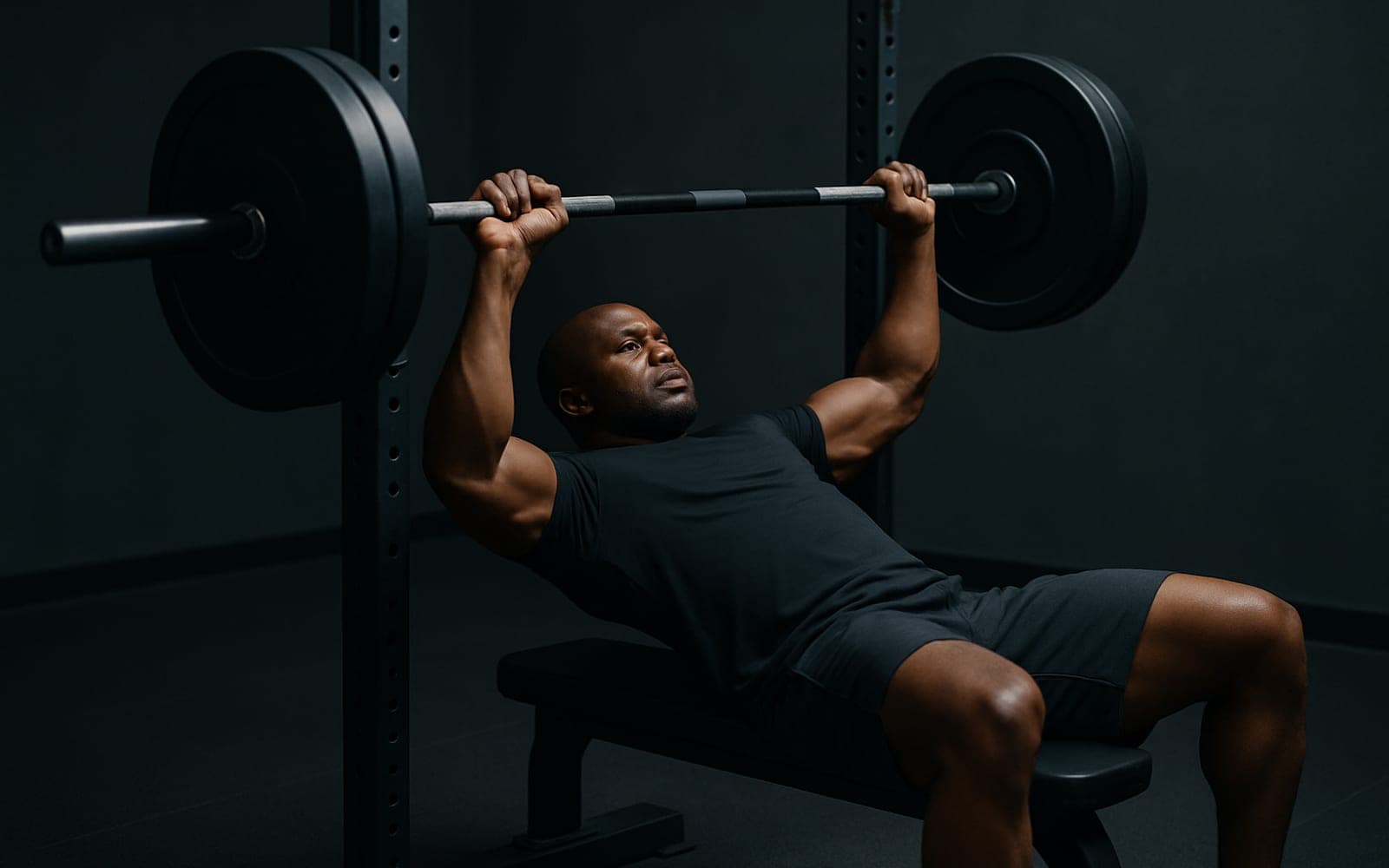
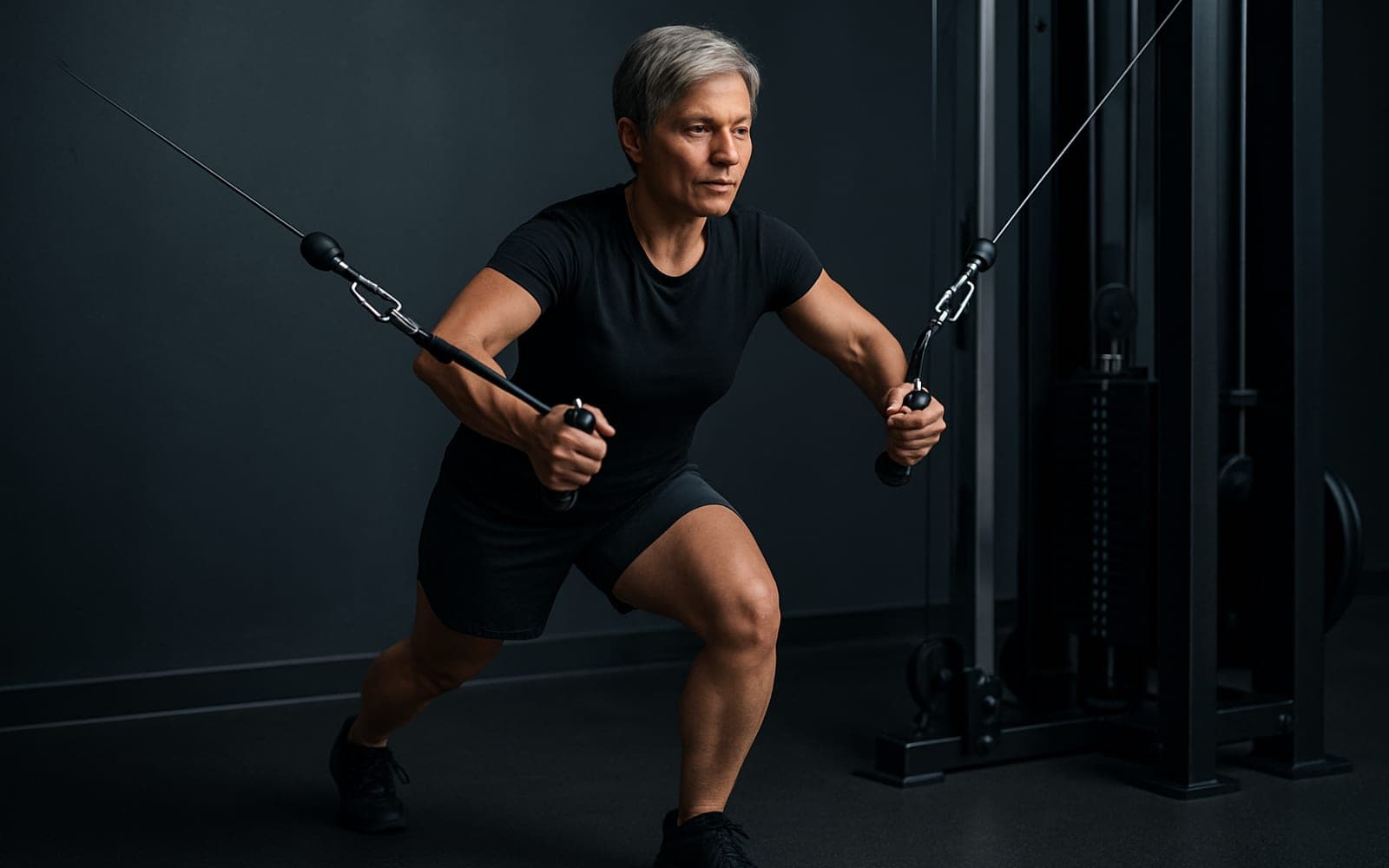
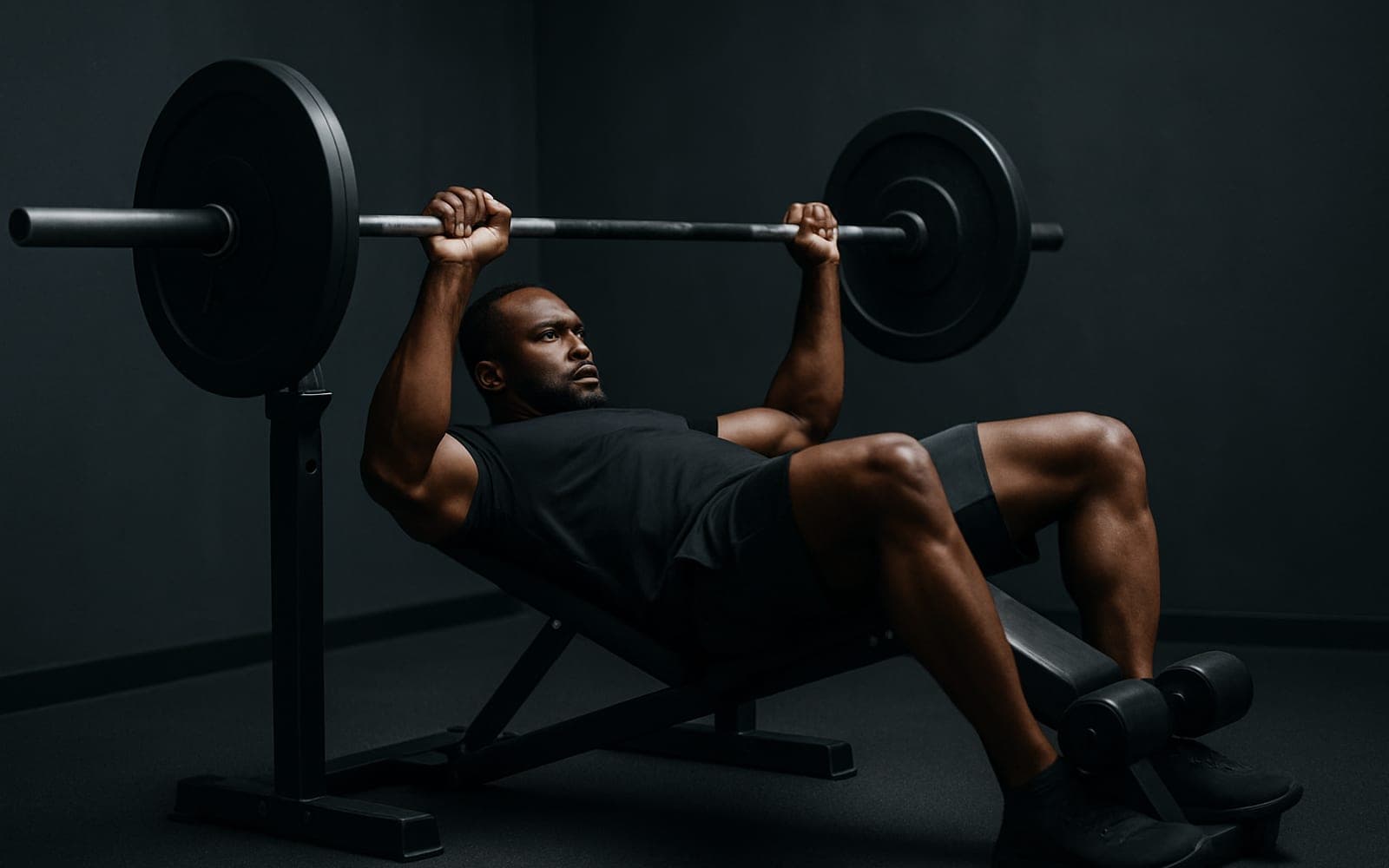
Same muscles or the same movement pattern — useful for building the rest of the session.
Push-Up — questions people ask
What muscles does the push-up work?
The push-up trains the chest as the primary target, with the triceps, core, front delts working as support. It is a horizontal push pattern, so it also trains the coordination that pattern needs.
How many sets and reps of the push-up should I do?
Three sets of 8–12 reps with about 90 seconds of rest is a reliable default. Increase the weight once the last rep of every set still looks clean.
Is the push-up good for beginners?
Yes. The push-up is a beginner-friendly movement. Hands on a bench to reduce load. If it feels like too much, build the pattern on the machine chest press first.
What can I do instead of the push-up?
Machine Chest Press, Dumbbell Bench Press all train the same horizontal push pattern with different equipment, so any of them works when the machine is busy or your gym does not have it.
What are the most common push-up mistakes?
Sagging hips; Partial range. Lower until the chest is just above the floor, then press up while bracing the core.