Battle Ropes

Activation
Muscles worked
Movement
Cardio
Beginner · Cable & Functional
Primary muscles
Movement pattern
Equipment category
How to perform
- 1
Set up
Anchor a pair of heavy ropes; hold one end in each hand, athletic stance, soft knees.
- 2
Execute the movement
Drive waves down the ropes — alternating or double slams — from the shoulders and core; keep a braced trunk and steady rhythm for intervals.
Common mistakes
- Standing stiff-legged
- Only moving the arms
- Going all-out and burning out in seconds
Make it harder
Make it easier
Substitutions
If a machine is busy or unavailable, these train the same pattern a different way.

Your progress over time
What to expect from training this consistently — everyone progresses at their own pace.
- 1
First few sessions
Learn rope handling, breathing, and basic alternating/double-slam rhythm; mild local muscle fatigue in shoulders and forearms with noticeable elevated heart rate for short intervals.
- 2
Weeks 2–4
Improved movement economy and interval tolerance — longer work bouts and shorter rest; reduced perceived exertion and modest increases in calorie burn per session.
- 3
Months 1–3
Noticeable gains in muscular endurance (shoulders, forearms, core) and improved anaerobic capacity — can sustain higher-intensity intervals and increase rope amplitude and frequency.
- 4
Months 3–6
Clear improvements in cardiovascular conditioning and body composition when combined with nutrition control — higher work output, faster recovery between intervals, and more powerful slams.
- 5
6+ months
Enhanced overall work capacity and athletic conditioning with transferable sprint and power endurance benefits; maintains shoulder durability and core stability with continued progressive overload and programming variety.
Benefits of the battle ropes
High-intensity cardiovascular stimulus that raises heart rate quickly and improves aerobic and anaerobic conditioning when performed in intervals.
Elevates caloric expenditure and supports fat-loss goals as part of a consistent program and appropriate diet.
Builds shoulder endurance and power through repeated concentric/decay loading patterns, useful for athletic pushing and striking actions.
Strengthens core bracing and anti-rotation control because a stable trunk is required to generate and absorb wave forces.
Improves grip and forearm endurance from sustained rope control, aiding other lifts and functional tasks.
Develops work capacity and recovery between high-effort efforts, benefiting sports performance and overall metabolic fitness.
Exercises that pair with this
Same muscles or the same movement pattern — useful for building the rest of the session.
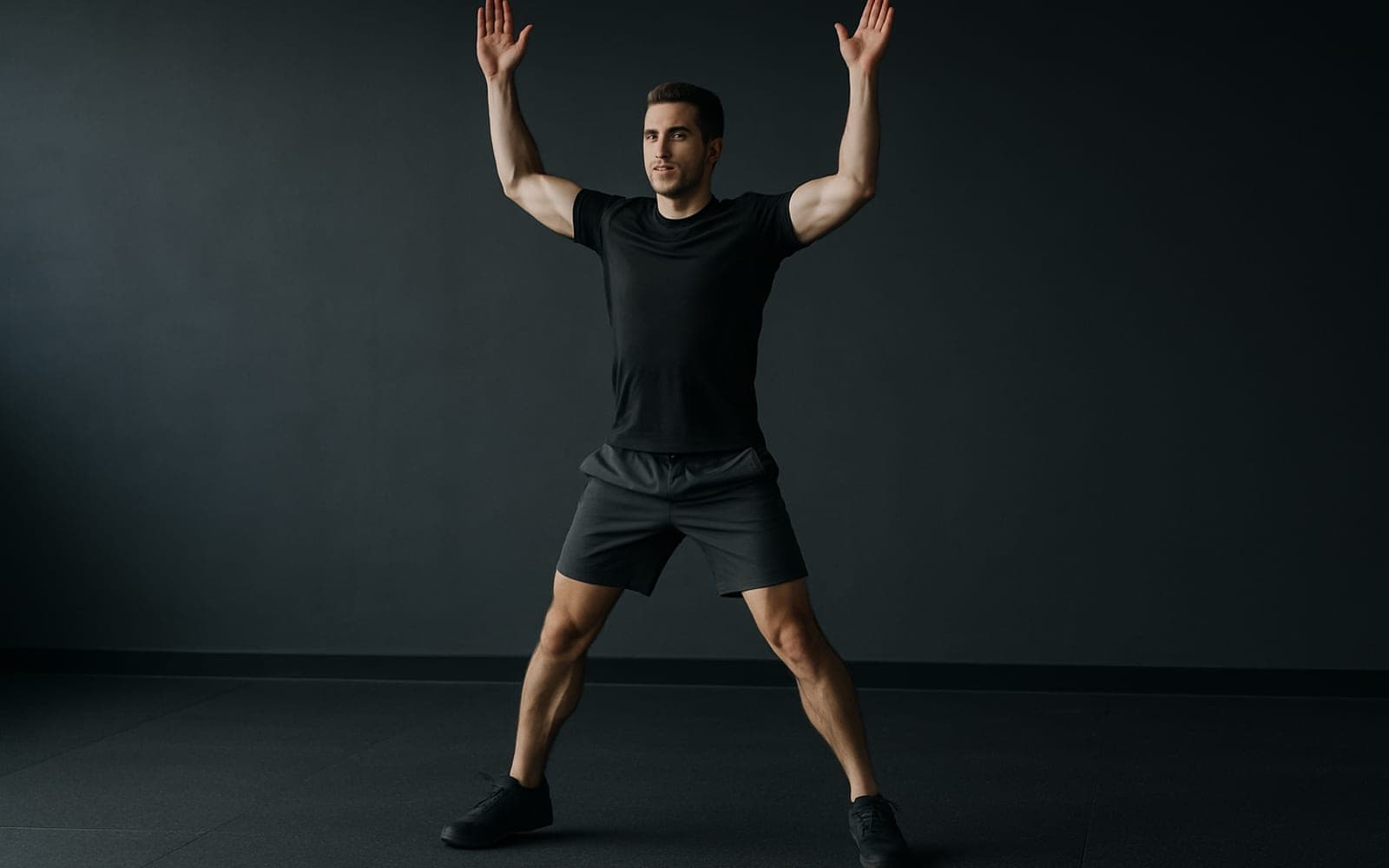

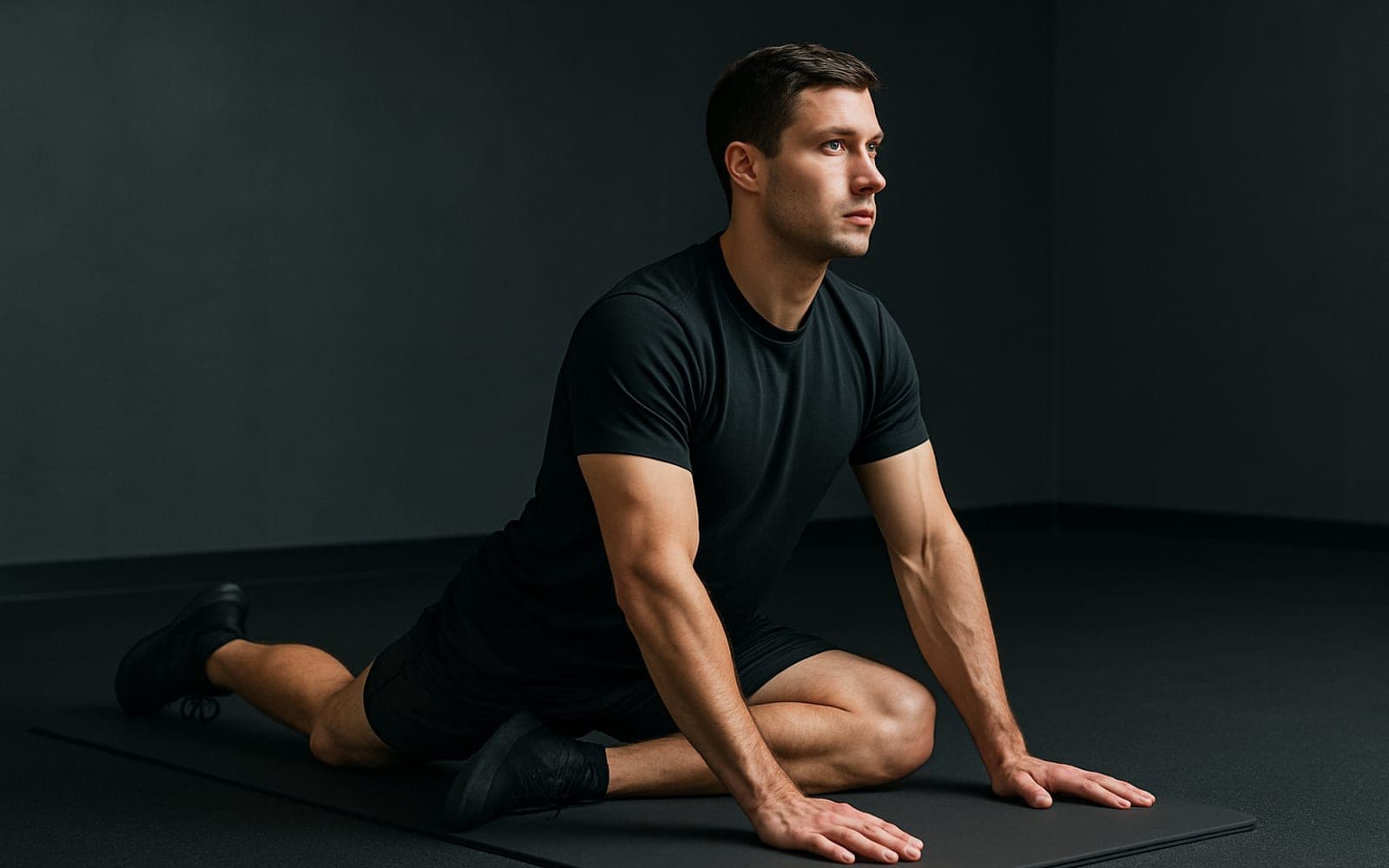
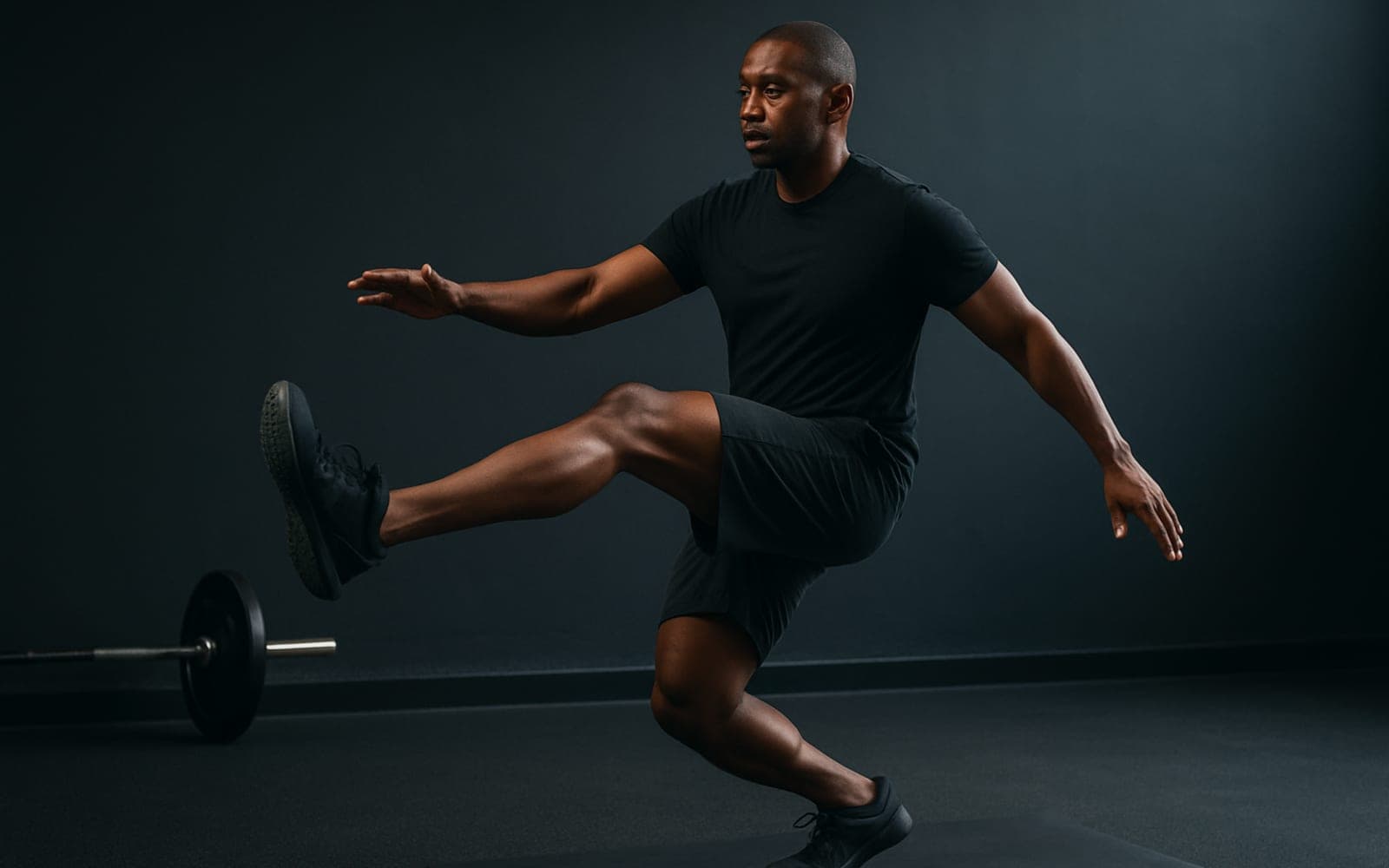


Battle Ropes — questions people ask
What muscles does the battle ropes work?
The battle ropes trains the full body as the primary target, with the shoulders, core working as support. It is a cardio pattern, so it also trains the coordination that pattern needs.
How many sets and reps of the battle ropes should I do?
Work in time, not reps: 20–40 minutes at a conversational pace for base fitness, or 6–10 short hard intervals with equal rest if you are training for speed.
Is the battle ropes good for beginners?
Yes. The battle ropes is a beginner-friendly movement. Shorter intervals with more rest. If it feels like too much, build the pattern on the mountain climber first.
What can I do instead of the battle ropes?
Mountain Climber all train the same cardio pattern with different equipment, so any of them works when the machine is busy or your gym does not have it.
What are the most common battle ropes mistakes?
Standing stiff-legged; Only moving the arms; Going all-out and burning out in seconds. Drive waves down the ropes — alternating or double slams — from the shoulders and core; keep a braced trunk and steady rhythm for intervals.
Can I do the battle ropes at home?
The battle ropes needs cable & functional equipment, which most home gyms do not have. The mountain climber trains the same pattern with nothing more than your bodyweight or a band.