Functional Cable Training
Activation
Muscles worked
Movement
Isolation
Intermediate · Cable & Functional
Primary muscles
Secondary muscles
Movement pattern
Equipment category
How to perform
- 1
Set up
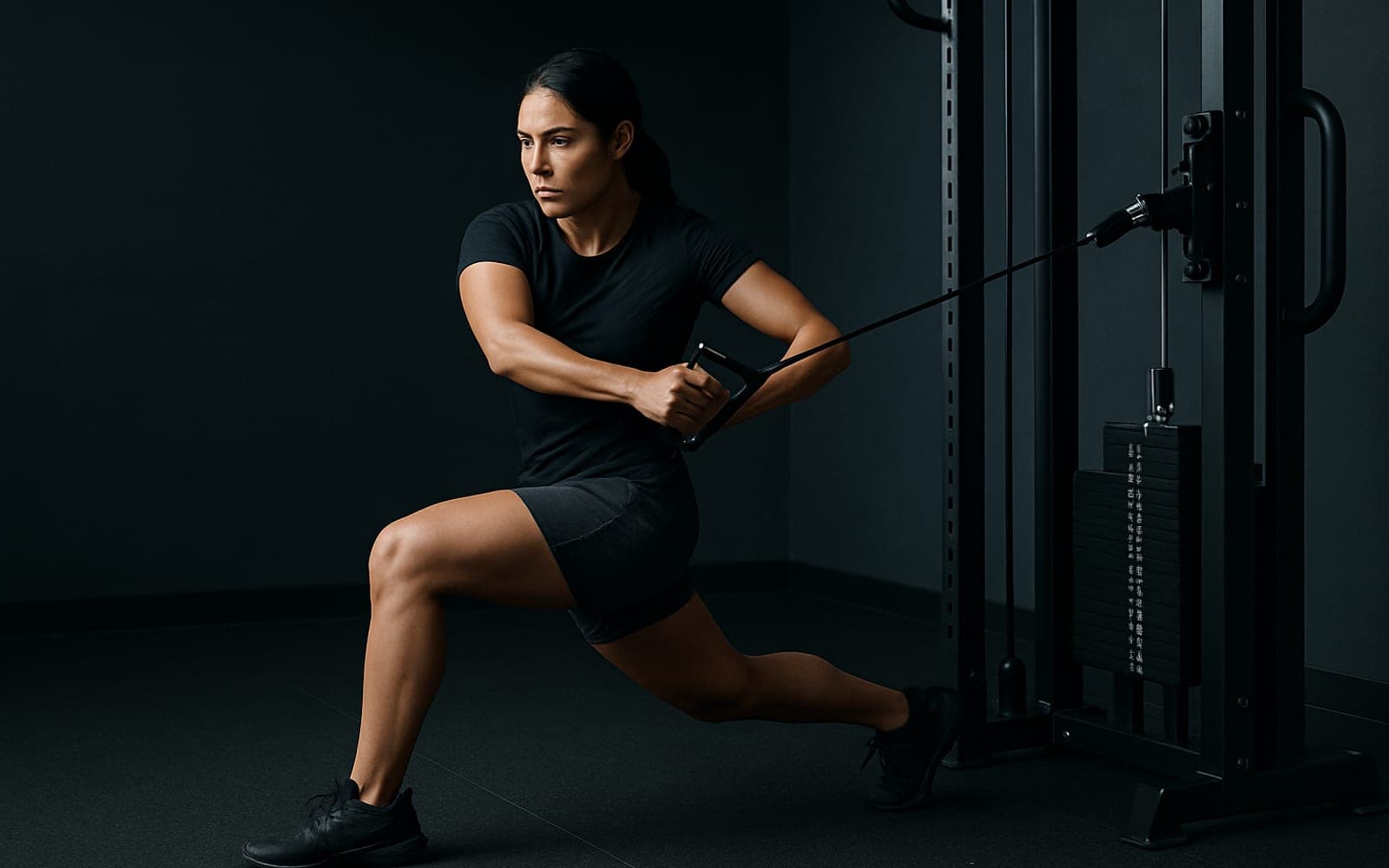
A dual-adjustable pulley or functional trainer.
- 2
Execute the movement
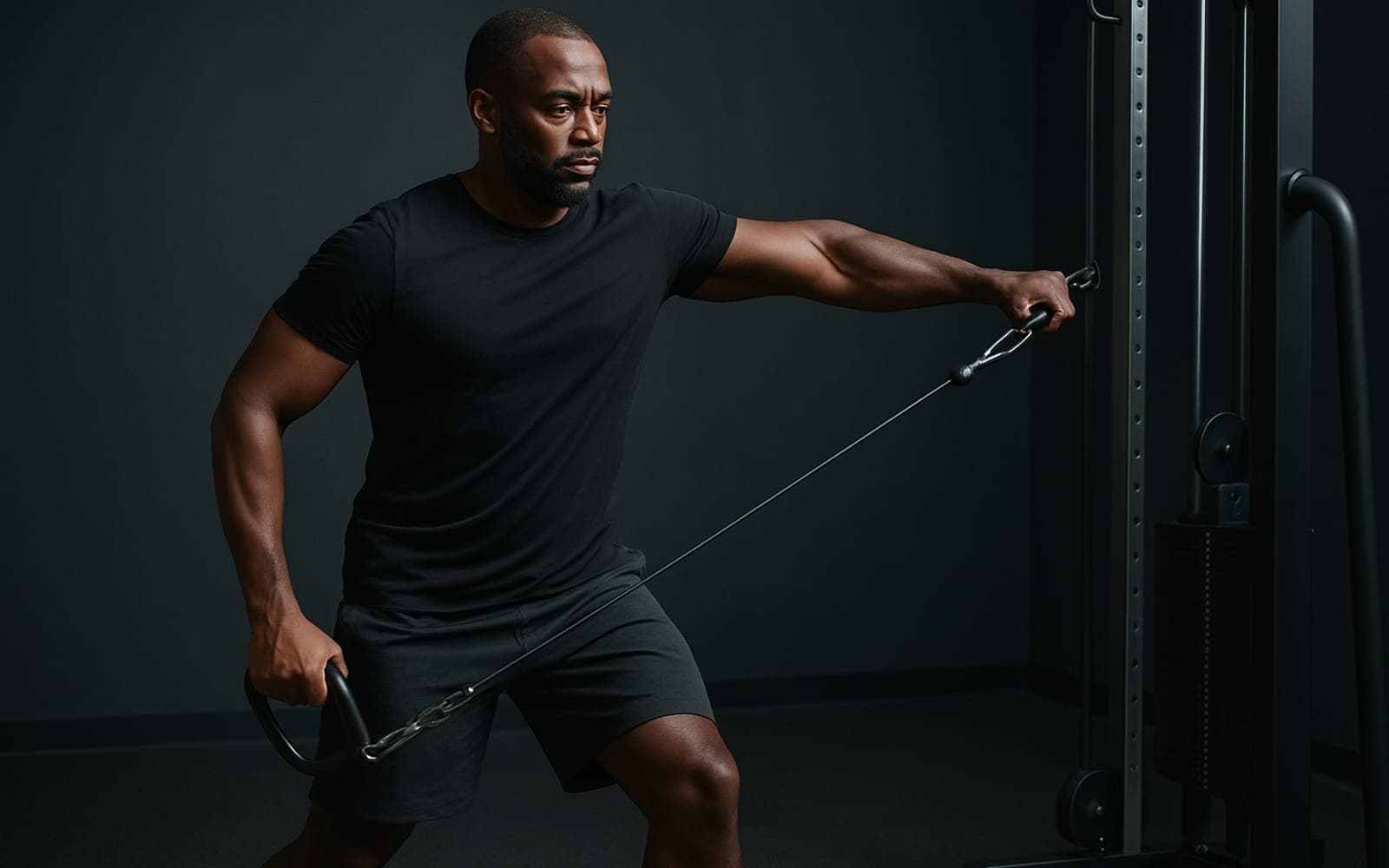
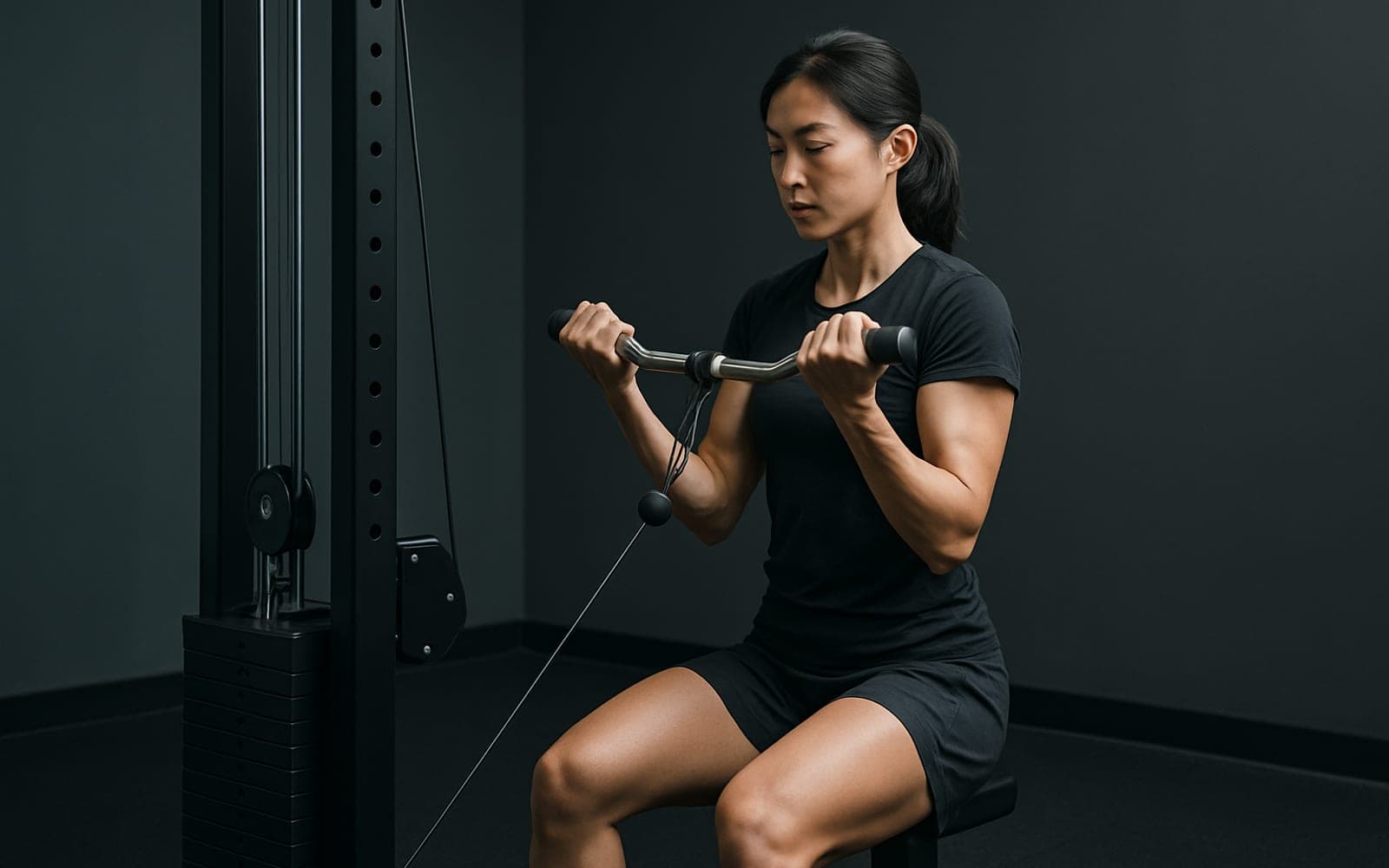
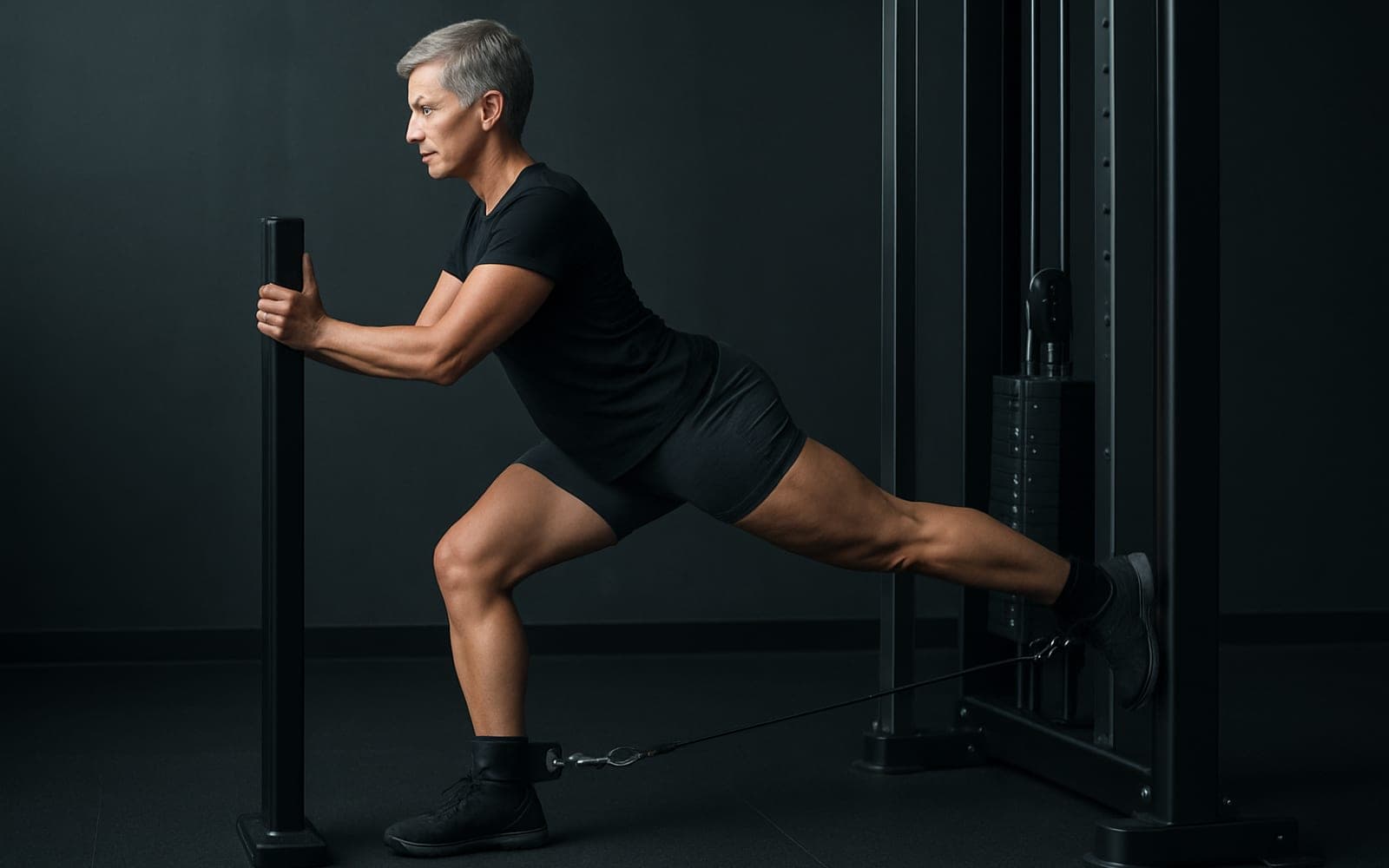
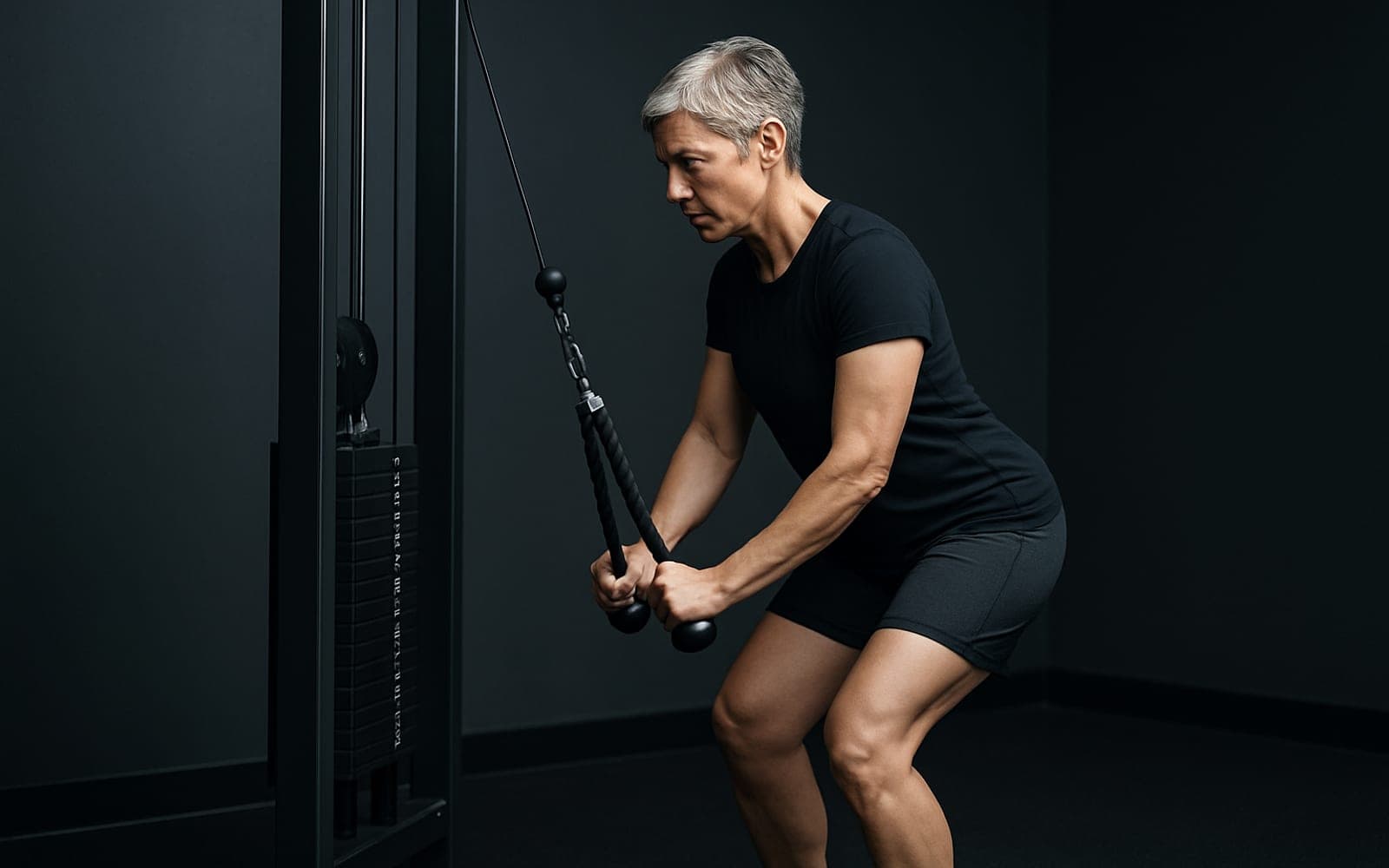
Perform standing presses, pulls, chops and rotations that mimic real movement.
Common mistakes
- Too much load, losing control
Make it harder
Make it easier
Substitutions
If a machine is busy or unavailable, these train the same pattern a different way.
Your progress over time
What to expect from training this consistently — everyone progresses at their own pace.
- 1
First few sessions
Learn and groove the movement patterns (standing presses, pulls, chops, rotations) with light resistance; develop timing, stance, hand positioning and basic core bracing so repetitions feel controlled and coordinated.
- 2
Weeks 2–6
Notice improved muscular endurance and better transfer of force through the torso — you can perform more reps and maintain technique with moderate cable loads; reduced breakdown under fatigue in single-set work.
- 3
Months 2–4
Build measurable strength and visible muscle tone across shoulders, back, hips and core as you progressively increase load and complexity (unilateral work, anti-rotation holds, higher-velocity chops). Stability and force transfer in multi-planar movements become noticeably cleaner.
- 4
Months 4–6
Develop greater power and sport-specific carryover by integrating explosive chops/rotations and heavier presses/pulls; improved ability to produce and resist rotational forces and better single-leg/core integration for athletic tasks.
- 5
6+ months
Sustainable increases in functional strength, muscular balance and movement control across planes with consistent progression; you’ll be able to use heavier loads and more advanced variations for performance, conditioning, and hypertrophy while minimizing technical breakdown.
Benefits of the functional cable training
Develops multi-planar strength by training presses, pulls and rotational patterns that translate to real-life and sport movements.
Improves core stability and force transfer between the lower and upper body through anti-rotation and rotational drills.
Increases unilateral strength and balance by allowing independent limb loading and asymmetrical variations.
Builds muscle and functional hypertrophy across shoulders, back, hips and obliques when progressively overloaded with moderate-to-high volume.
Enhances movement quality and neuromuscular coordination, improving the efficiency of force production and control under load.
Offers low-impact, adjustable resistance that’s easy to scale for conditioning, power work, or controlled hypertrophy sessions.
Exercises that pair with this
Same muscles or the same movement pattern — useful for building the rest of the session.

Functional Cable Training — questions people ask
What muscles does the functional cable training work?
The functional cable training trains the full body as the primary target, with the core working as support. It is a isolation pattern, so it also trains the coordination that pattern needs.
How many sets and reps of the functional cable training should I do?
Three sets of 8–12 reps with about 90 seconds of rest is a reliable default. Increase the weight once the last rep of every set still looks clean.
Is the functional cable training good for beginners?
It is a reasonable second step. The functional cable training asks for some control and body awareness. Simplify the movement. If it feels like too much, build the pattern on the plank first.
What can I do instead of the functional cable training?
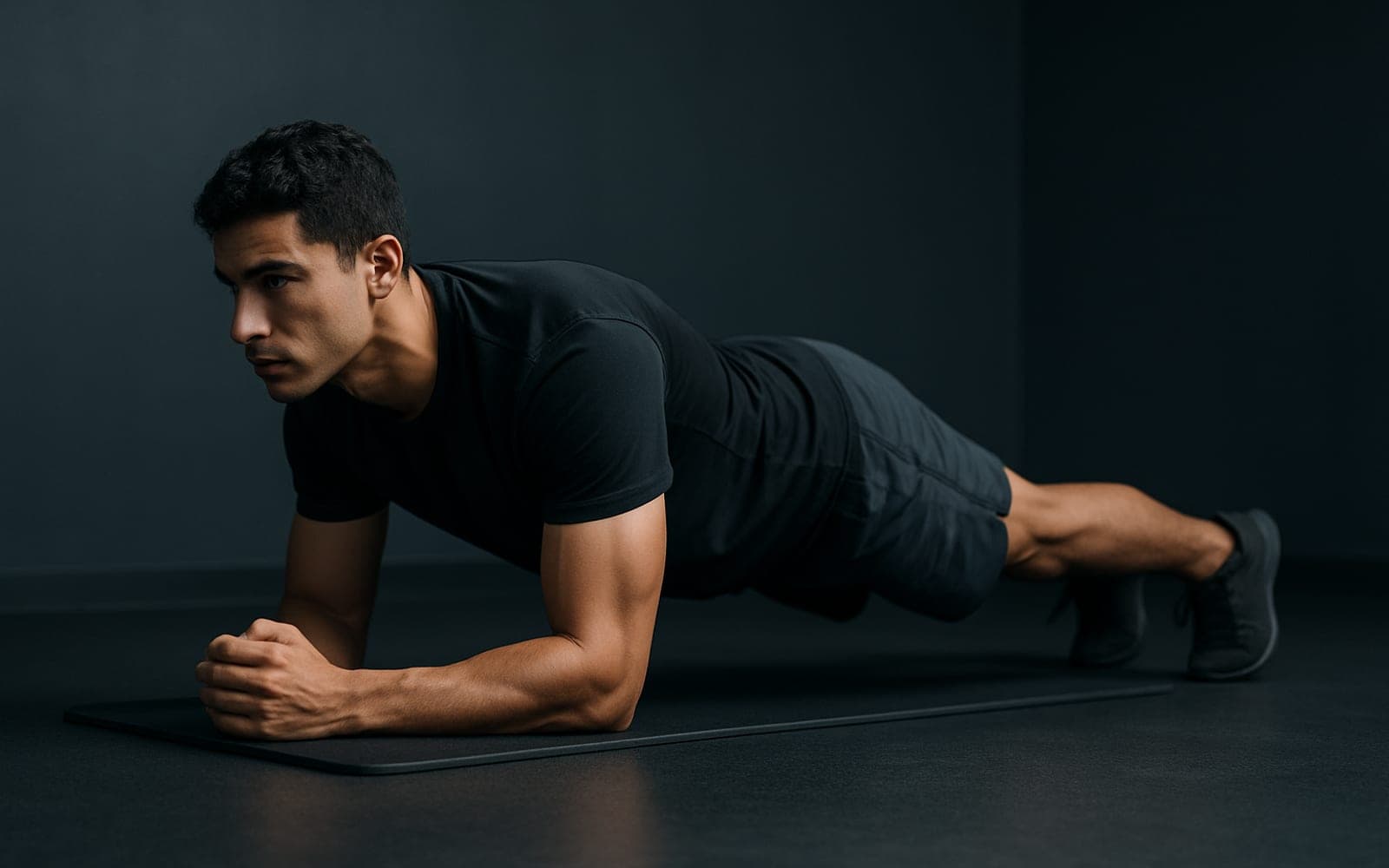
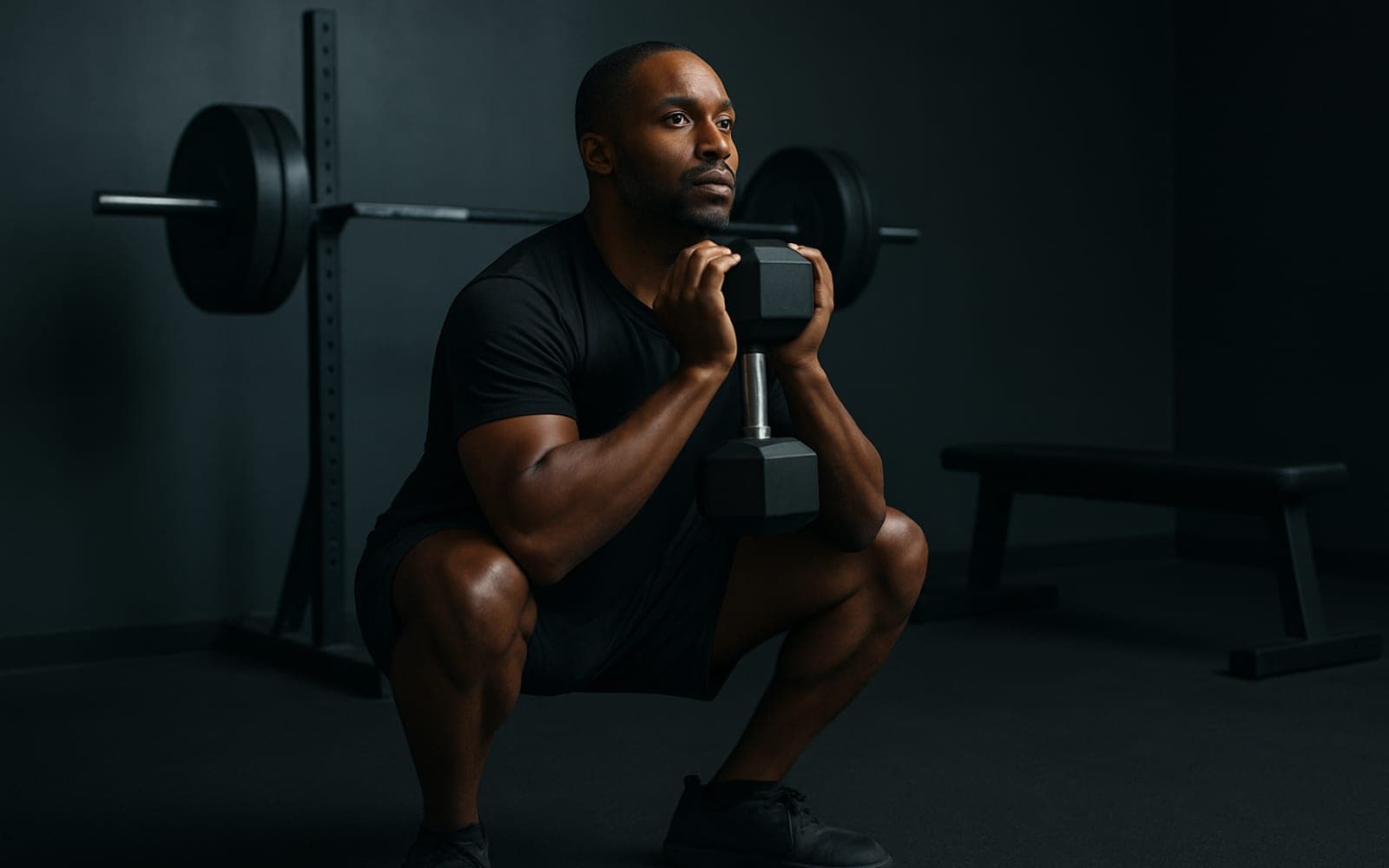
Plank, Goblet Squat all train the same isolation pattern with different equipment, so any of them works when the machine is busy or your gym does not have it.
What are the most common functional cable training mistakes?
Too much load, losing control. Perform standing presses, pulls, chops and rotations that mimic real movement.
Can I do the functional cable training at home?
The functional cable training needs cable & functional equipment, which most home gyms do not have. The plank trains the same pattern with nothing more than your bodyweight or a band.