Sled Push

Activation
Muscles worked
Movement
Cardio
Intermediate · Bodyweight
Movement pattern
Equipment category
How to perform
- 1
Set up
Load the sled; low body angle, arms extended.
- 2
Execute the movement
Drive with powerful, choppy steps; keep a strong torso.
Common mistakes
- Standing too upright
Make it harder
Make it easier
Substitutions
If a machine is busy or unavailable, these train the same pattern a different way.
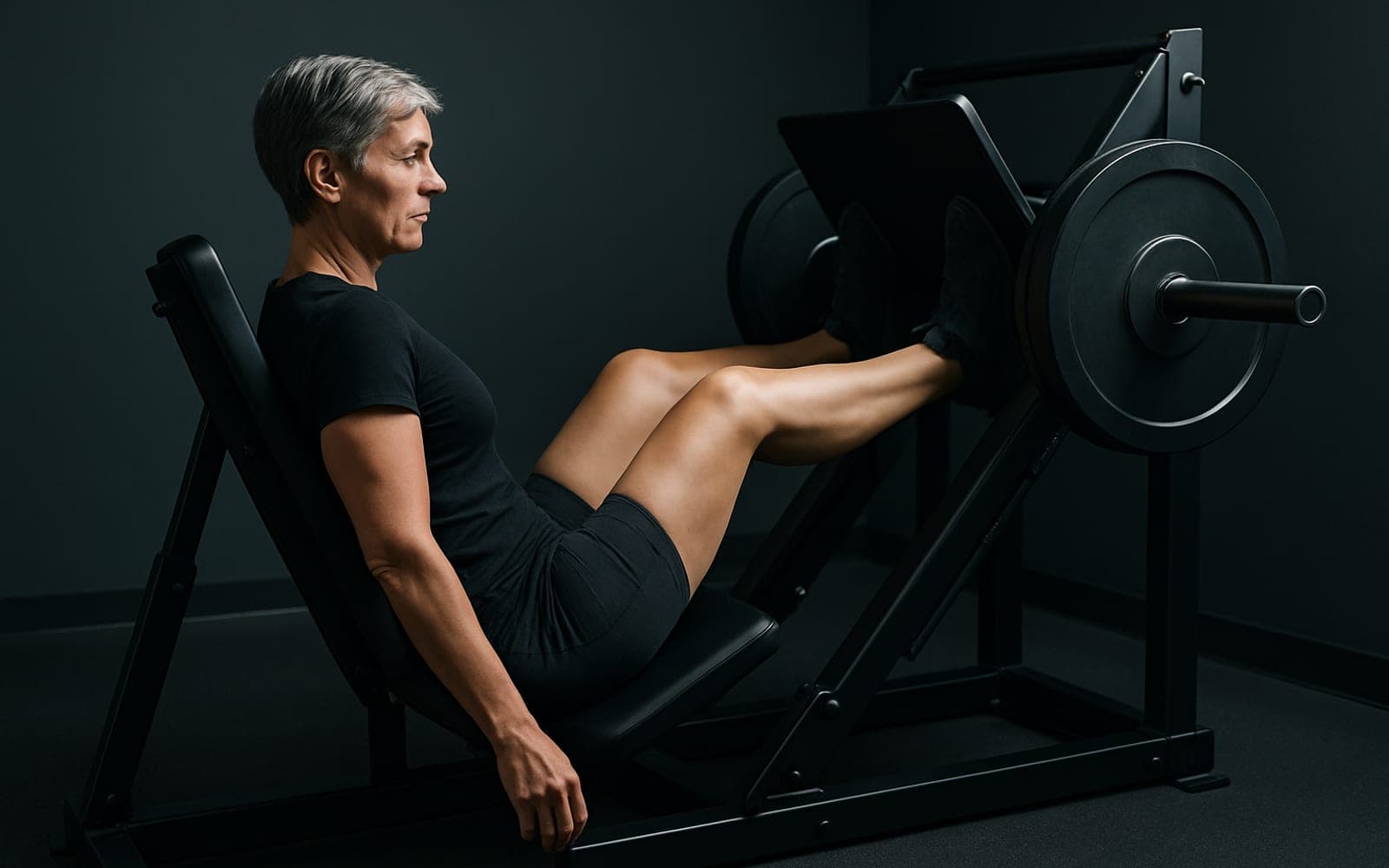

Your progress over time
What to expect from training this consistently — everyone progresses at their own pace.
- 1
First few sessions
Learn the technique (low hips, braced torso, choppy powerful steps) and appropriate sled load; you should be able to push without losing posture and complete short reps (10–30 m) with manageable breathing.
- 2
Weeks 2–4
Noticeable improvements in work capacity and sprint-style stamina: you can sustain longer pushes or more reps with shorter rest, and begin to increase sled weight or distance by ~10–25% while maintaining form.
- 3
Months 1–3
Develop greater lower‑body power and conditioning — faster acceleration in pushes, improved driving mechanics, and measurable increases in training volume (heavier sleds, longer sets, or less rest) with concurrent bodyfat reductions if nutrition is controlled.
- 4
Months 3–6
Solid improvements in anaerobic capacity and repeated‑sprint ability: you can perform longer high‑intensity intervals or more rounds, and see carryover to sprint starts, change‑of‑direction speed, and stronger, more resilient legs/glutes.
- 5
6+ months
Substantial conditioning and strength-endurance gains: you can handle heavy sled loads for short accelerations, maintain high power output across multiple sets, and use the sled as a reliable tool for sport-specific conditioning and fat‑loss maintenance.
Benefits of the sled push
Builds lower‑body power and strength in the quads, hamstrings and glutes through loaded horizontal force production.
Improves anaerobic conditioning and work capacity by training repeated high‑intensity efforts with brief recoveries.
Enhances acceleration and sprint‑start mechanics by emphasizing short, aggressive, choppy steps and hip drive.
Develops core stability and whole‑body tension because a strong, braced torso is required to transfer force effectively through the sled.
Supports fat‑loss and metabolic conditioning when programmed as part of a higher‑intensity interval or circuit approach.
Low impact compared with running sprints, making it a joint‑friendly option for high‑force conditioning and strength endurance.
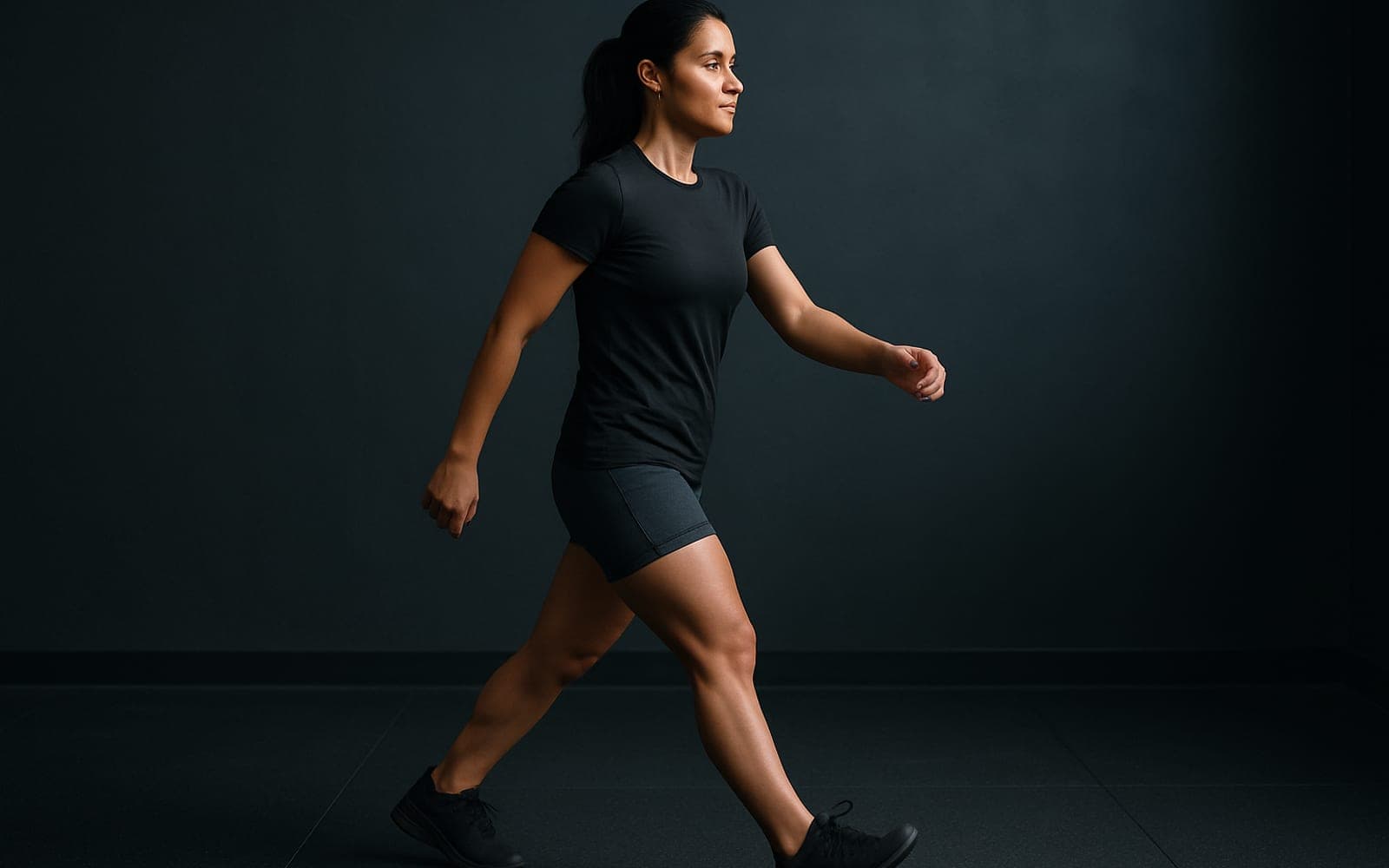
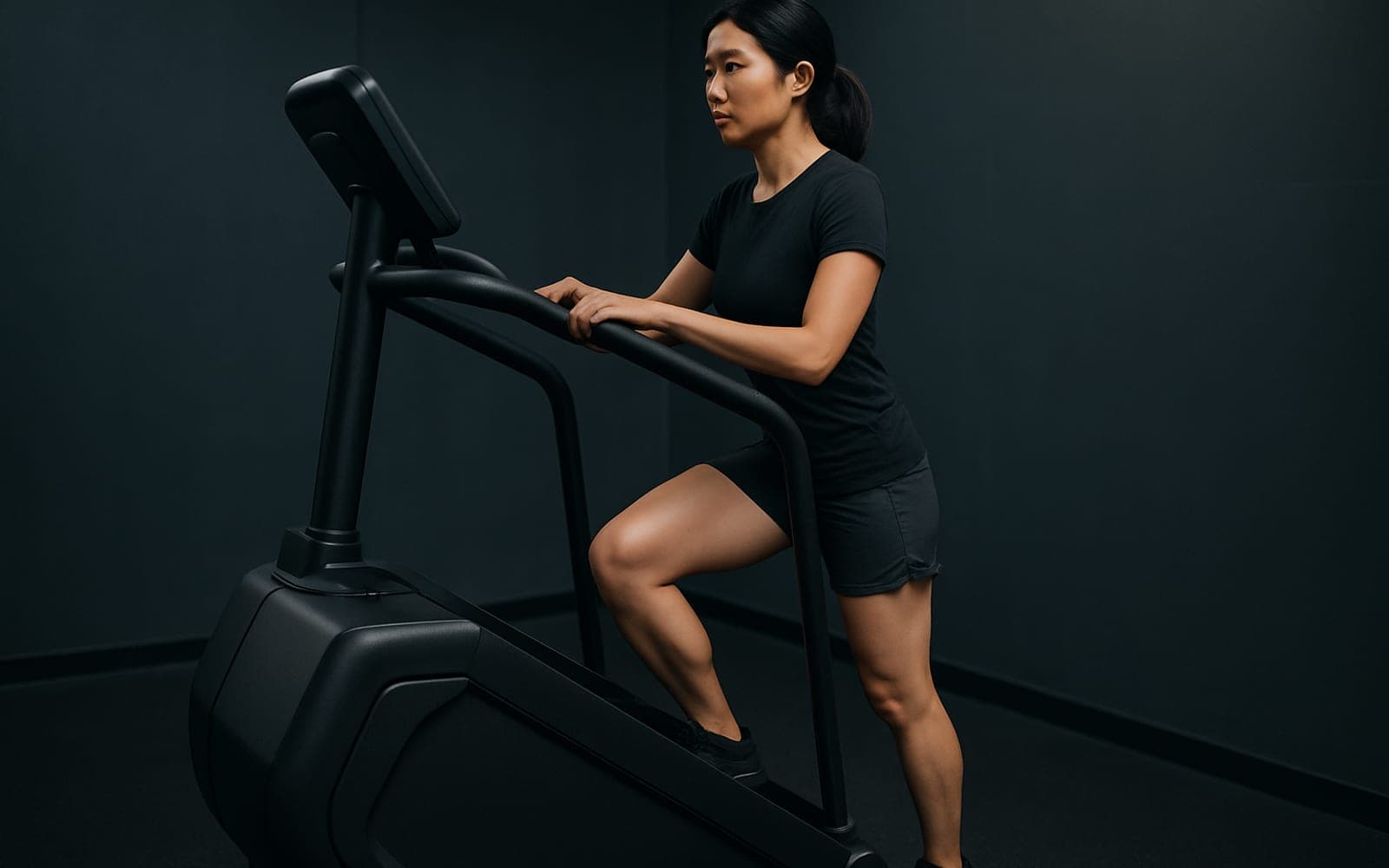
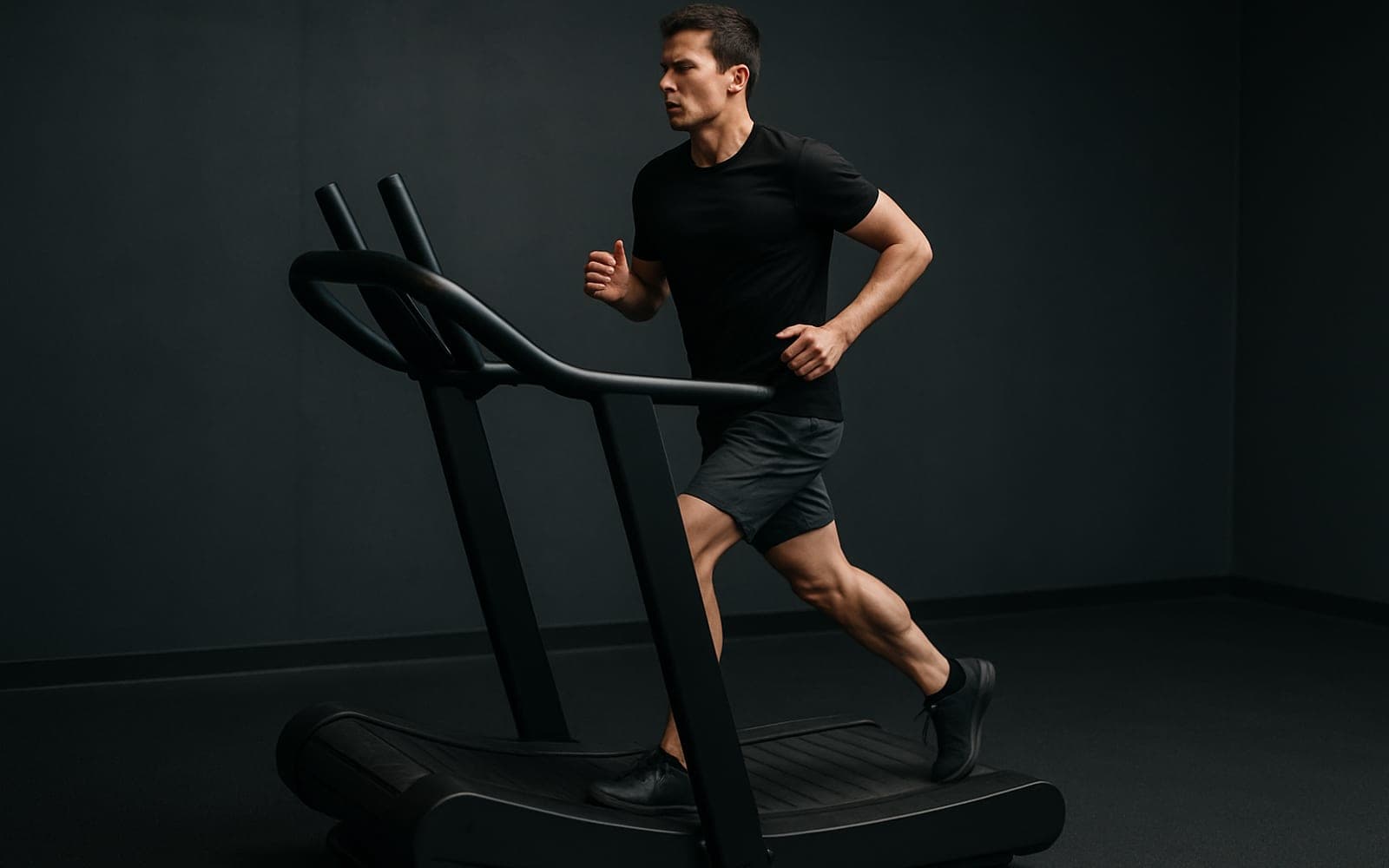
Exercises that pair with this
Same muscles or the same movement pattern — useful for building the rest of the session.


Sled Push — questions people ask
What muscles does the sled push work?
The sled push trains the legs and glutes as the primary target, with the core, full body working as support. It is a cardio pattern, so it also trains the coordination that pattern needs.
How many sets and reps of the sled push should I do?
Three to five sets of 2–5 reps, fully rested between sets. Power work is about speed, so end the set the moment the bar slows down.
Is the sled push good for beginners?
It is a reasonable second step. The sled push asks for some control and body awareness. Lighter sled. If it feels like too much, build the pattern on the leg press first.
What can I do instead of the sled push?
Leg Press, HIIT Intervals all train the same cardio pattern with different equipment, so any of them works when the machine is busy or your gym does not have it.
What are the most common sled push mistakes?
Standing too upright. Drive with powerful, choppy steps; keep a strong torso.