Cooldown Stretch
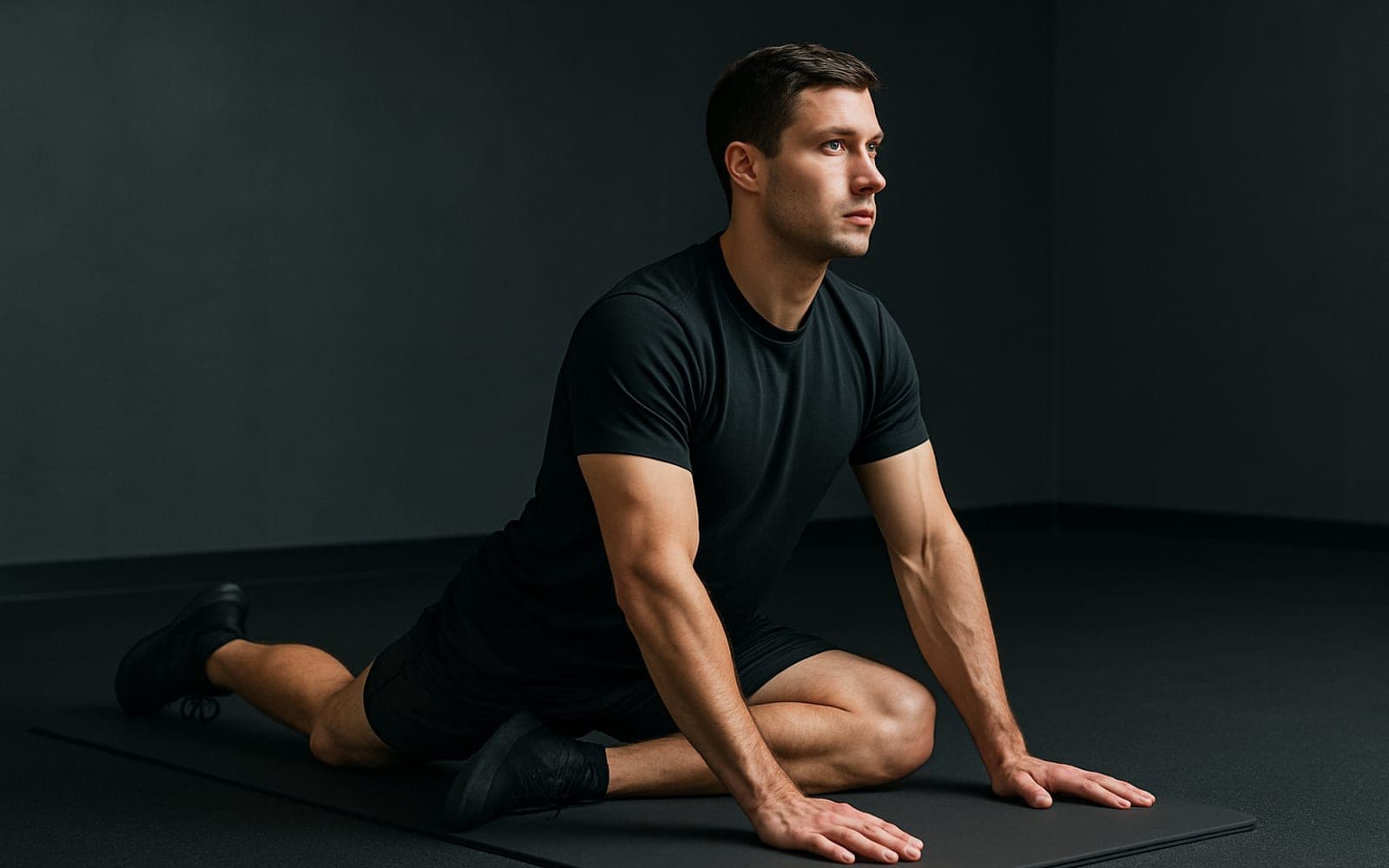
Activation
Muscles worked
Movement
Mobility
Beginner · Mobility & Stretch
Primary muscles
Secondary muscles
Movement pattern
Equipment category
How to perform
- 1
Set up
A mat.
- 2
Execute the movement
Hold gentle static stretches for the muscles you trained, breathing slowly.
Common mistakes
- Bouncing into stretches
Make it harder
Make it easier
Accessibility
Substitutions
If a machine is busy or unavailable, these train the same pattern a different way.
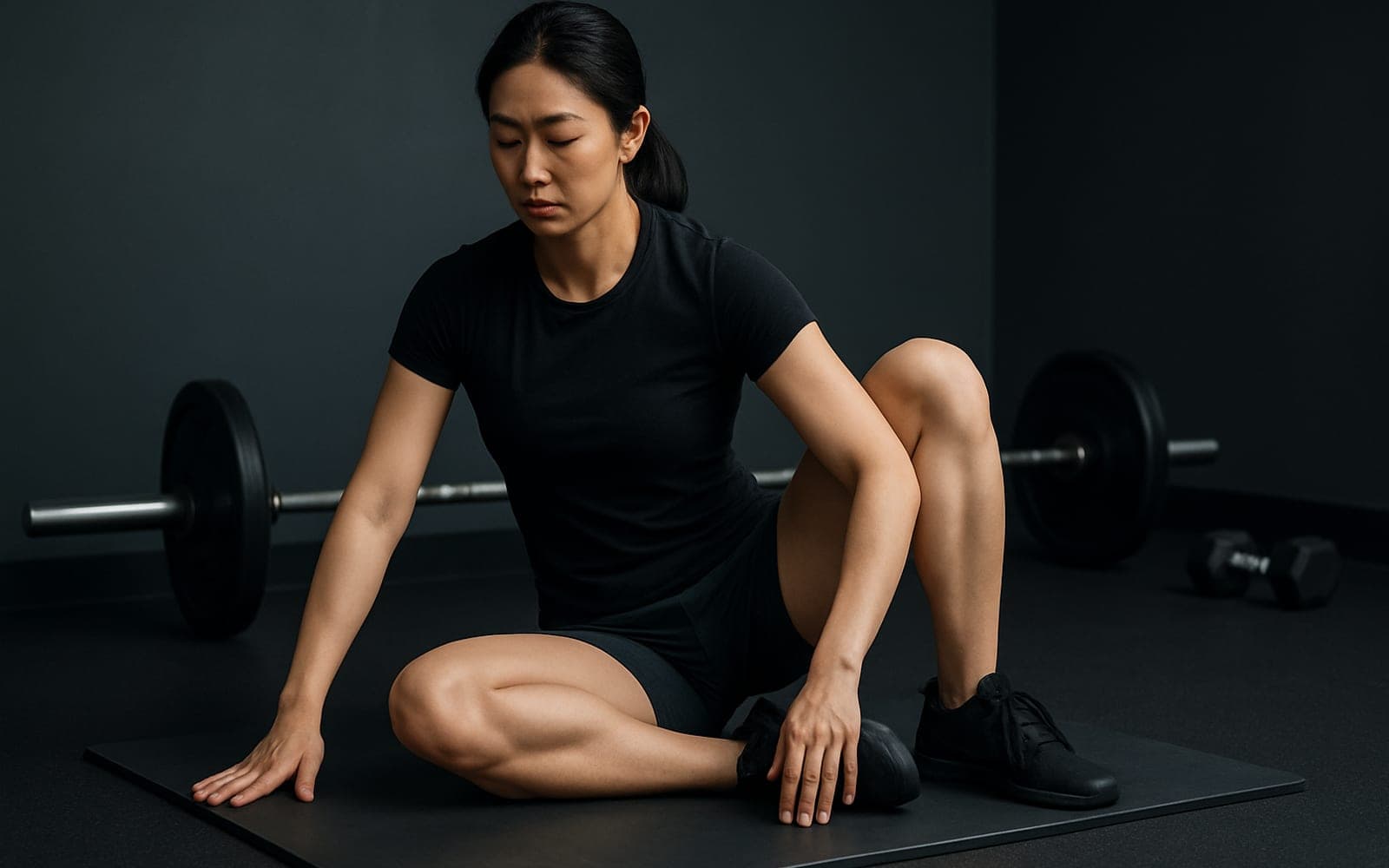
Your progress over time
What to expect from training this consistently — everyone progresses at their own pace.
- 1
First session
Learn basic positions and breathing cues; feel immediate relaxation and a modest loss of muscle tension in the worked areas after holding gentle static stretches for 30–90 seconds.
- 2
Weeks 1–2
Consistency (2–4 cooldowns per week) yields reduced post‑session stiffness, improved tolerability of previously tight ranges, and better awareness of areas that need extra mobility work.
- 3
Weeks 3–8
Noticeable increases in passive range of motion in commonly trained regions (hips, hamstrings, shoulders) and faster subjective recovery between sessions when cooldown stretching is performed regularly.
- 4
Months 2–4
Greater, more reliable joint range and soft‑tissue length in multiple planes, smoother movement transitions during workouts, and a clearer, individualized cooldown routine that targets persistent tight spots.
- 5
6+ months
Sustained flexibility and mobility improvements that support training variety and day‑to‑day function, plus a lowered frequency of minor training irritations and improved ability to maintain posture and movement quality under load.
Benefits of the cooldown stretch
Improves passive range of motion across the whole body by targeting muscles you just trained, making everyday movements and exercise positions easier to achieve.
Speeds subjective recovery and reduces post‑workout stiffness, helping you feel ready for the next session sooner when used consistently.
Promotes relaxation and parasympathetic activation through slow breathing, which can reduce stress and improve sleep quality after intense sessions.
Helps correct short‑term muscular imbalances and supports better posture by lengthening tight muscle groups commonly affected by training and prolonged sitting.
Enhances movement quality and technique carryover by allowing joints to move through fuller ranges with less resistance from tight tissues.
Requires no equipment and can be easily adapted to ability level, making it a practical and sustainable habit to support general fitness and mobility goals.
Exercises that pair with this
Same muscles or the same movement pattern — useful for building the rest of the session.
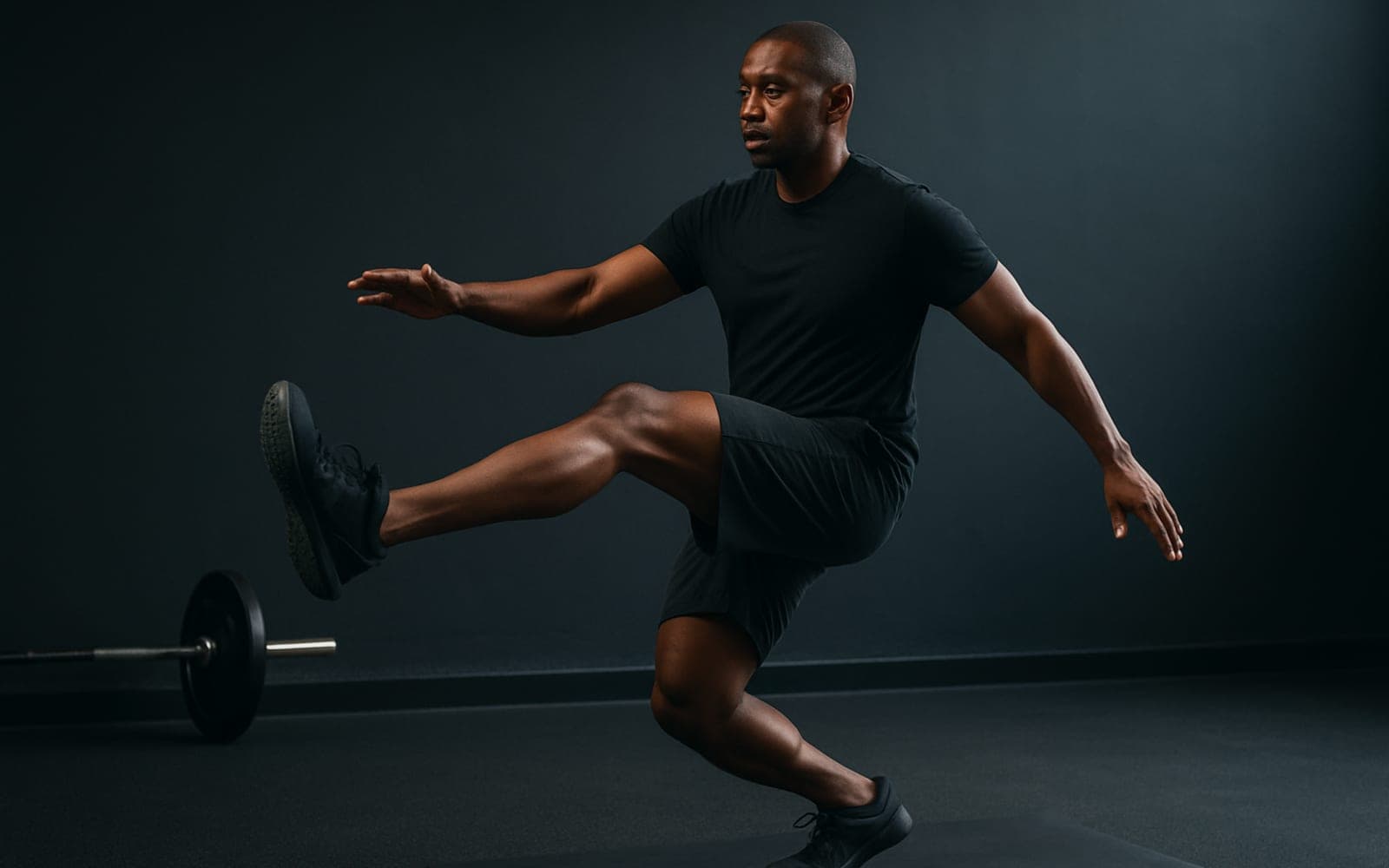
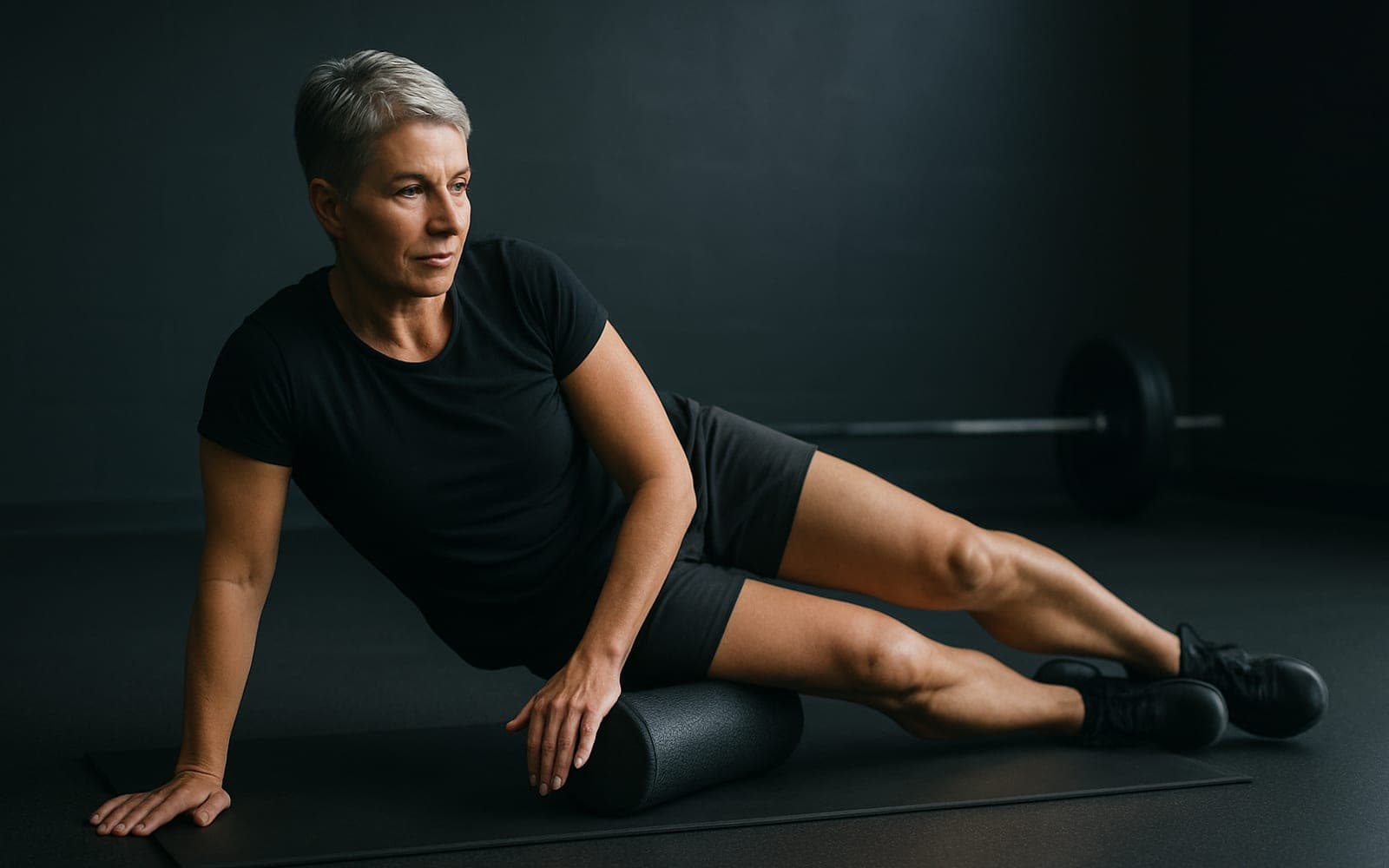

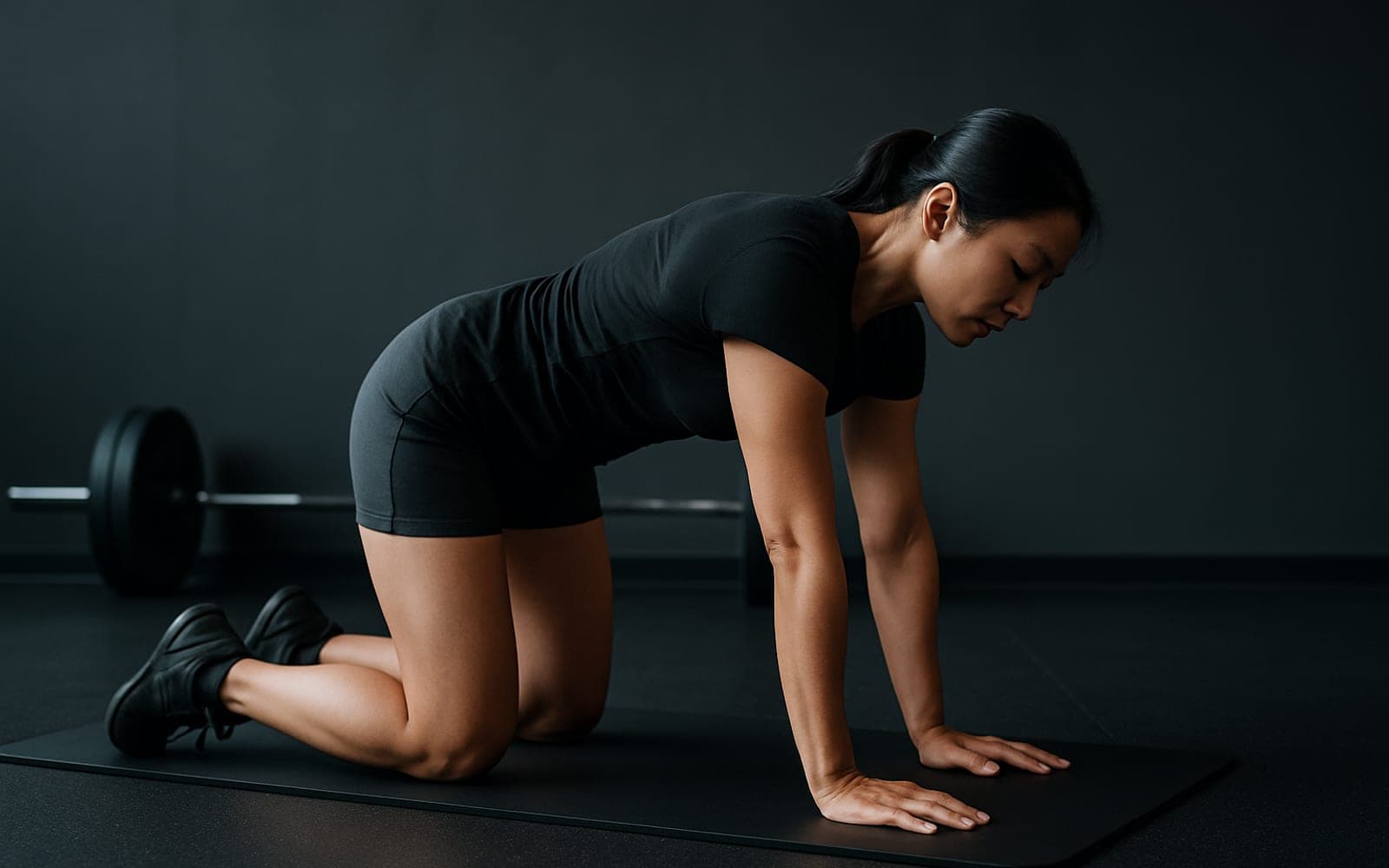
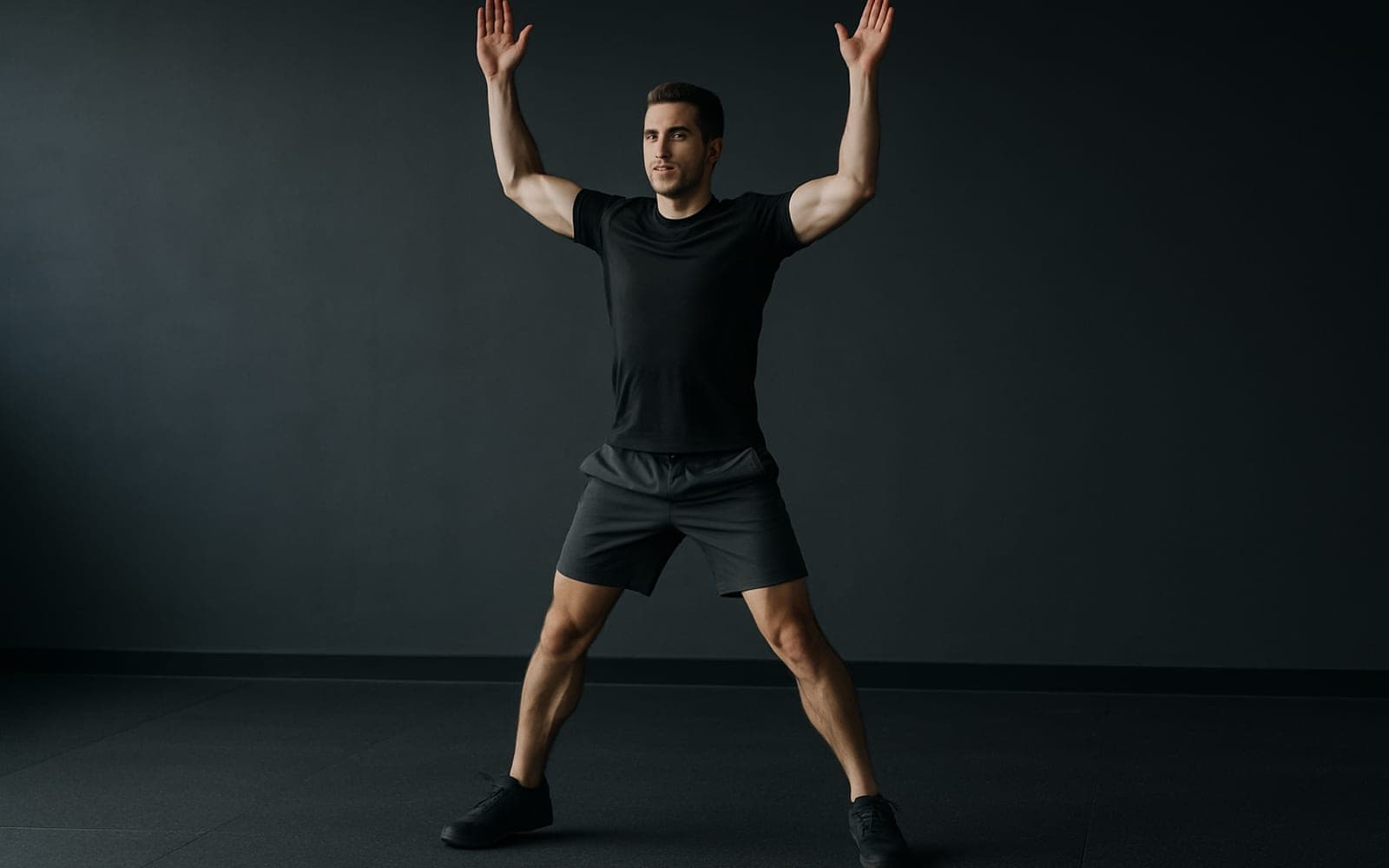
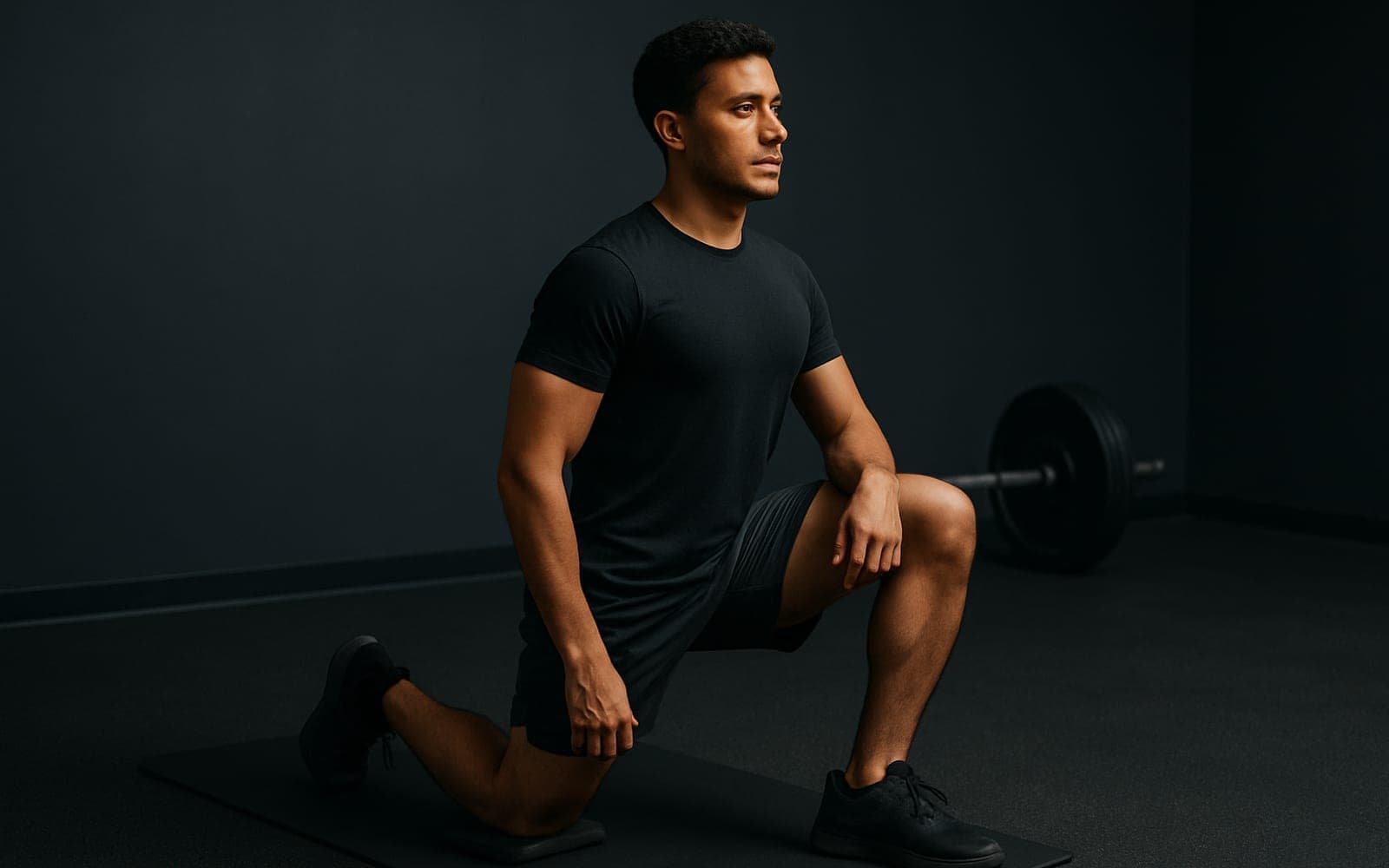
Cooldown Stretch — questions people ask
What muscles does the cooldown stretch work?
The cooldown stretch trains the full body as the primary target. It is a mobility pattern, so it also trains the coordination that pattern needs.
How many sets and reps of the cooldown stretch should I do?
Two to three sets, holding 30–45 seconds or moving through 8–10 slow reps. Daily is fine — this is not a movement you need to recover from.
Is the cooldown stretch good for beginners?
Yes. The cooldown stretch is a beginner-friendly movement. Fewer stretches. If it feels like too much, build the pattern on the hip mobility flow first.
What can I do instead of the cooldown stretch?
Hip Mobility Flow all train the same mobility pattern with different equipment, so any of them works when the machine is busy or your gym does not have it.
What are the most common cooldown stretch mistakes?
Bouncing into stretches. Hold gentle static stretches for the muscles you trained, breathing slowly.
Can I do the cooldown stretch at home?
The cooldown stretch needs mobility & stretch equipment, which most home gyms do not have. The hip mobility flow trains the same pattern with nothing more than your bodyweight or a band.