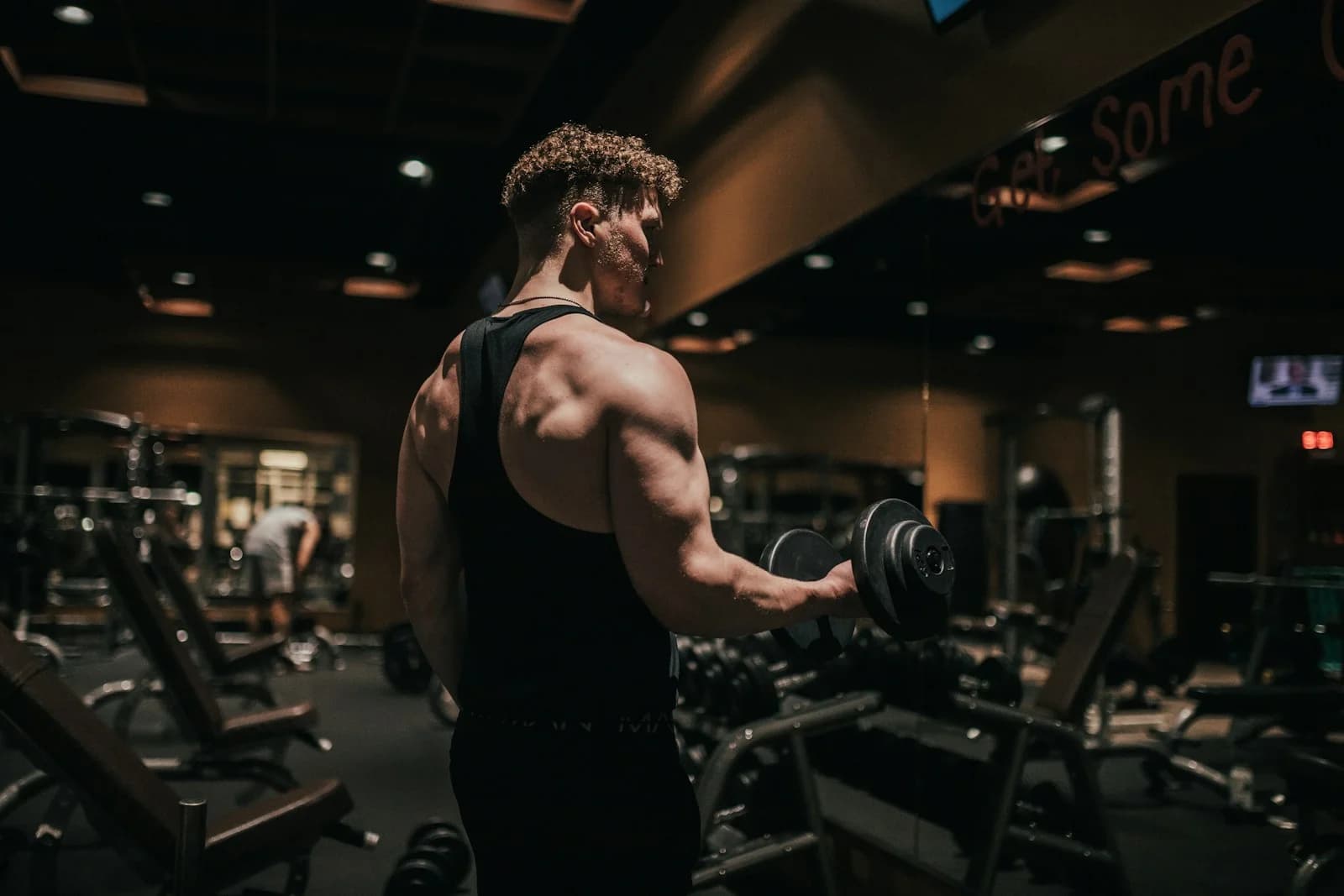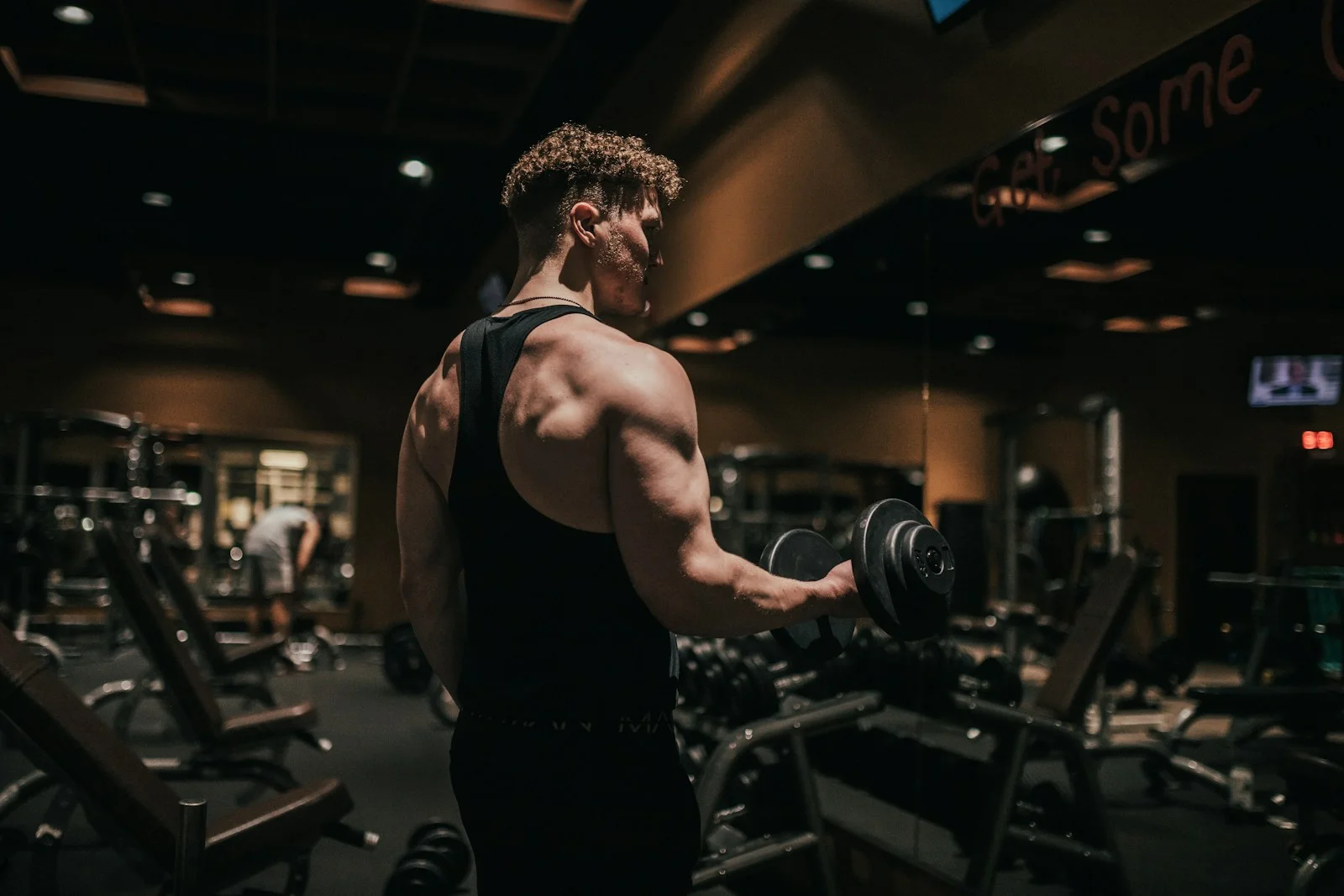
A single adjustable cable column is one of the most versatile pieces of equipment in a gym. With adjustable pulleys, interchangeable handles and continuous tension, cables let you press, pull, rotate and resist from virtually any line of pull.
This guide explains how to use cable and functional training to build strength, improve movement control and add athletic, multi-directional capacity to your workouts. It includes practical setup tips, a short sample session and a weekly template you can adapt for different goals.
On this page
Why cables matter
Cables deliver constant tension through most of a lift because the line of pull stays loaded even at joint angles where free weights briefly unload. That makes them useful for both slow, controlled strength work and higher-rep metabolic sets. The adjustable height of the pulley lets you attack a muscle from many angles without changing machines or benches. For coaching and movement practice, cables are especially helpful because you guide the path rather than the machine guiding you.
- They keep resistance on the muscle even at shortened or extended positions.
- You can train in multiple planes — vertical, horizontal and diagonal — without swapping equipment.
- The smooth cable path is easier on some joints and helpful for refining technique.
Basic setup and handle selection
A small setup routine saves time and prevents common mistakes. Start with the right handle and the pulley height that lines up with the muscle or movement you want to train. Use a single-handle for unilateral work, a rope or two handles for bilateral movements, and specialty grips for rotational drills. Adjust weight in modest increments so you can maintain clean technique.
- Set the pulley at shoulder height for horizontal presses and rows.
- Set the pulley high for triceps lines and face pulls, and low for rows and woodchops.
- Use a rope for face pulls and some triceps work to allow natural wrist movement.
- Start light to practice movement patterns before adding heavier load.
Key movement categories and example exercises
Think of cable work in four practical categories: horizontal pulls and presses for upper-body strength, single-arm lines for unilateral control, rotational and anti-rotation moves for core and sport-specific transfer, and lower-body variations that use the cable for hip and glute load. Below are common choices; the first link for each exercise leads to a focused how-to in our exercise library.
- Horizontal pulling: Seated Cable Row for scapular control and mid-back strength.
- Horizontal pushing and flies: Cable Fly for chest work with consistent tension.
- Upper-arm extension: Cable Triceps Extension for joint-friendly triceps loading.
- Rear delts and posture: Face Pull to reinforce external rotation and scapular retraction.
- Rotational power: Cable Woodchop to practice controlled rotary force through the torso.
- Integrated training: Functional Cable Training protocols that combine movement patterns, core work and conditioning.
How to build a cable-focused session
A well-constructed session balances movement directions and includes a core control element. Below is a short sample session aimed at general strength and movement quality. Adjust sets, reps and load to match your experience and energy for the day. If you train for a specific sport, exchange the general movements for sport-specific patterns.
Sample short session (25–40 minutes)
Perform 2–4 sets depending on experience. Rest 60–120 seconds between heavier sets and 30–60 seconds for conditioning-style sets.
- 1Warm-up: 5–8 minutes of dynamic mobility and banded shoulder swings.
- 2Single-arm cable row, 3 sets of 6–10 reps each side using Seated Cable Row setup.
- 3Cable fly, 3 sets of 8–12 reps using Cable Fly for steady tempo.
- 4Cable woodchop, 3 sets of 8–12 reps each side with controlled rotation using Cable Woodchop.
- 5Face pull, 3 sets of 12–15 reps to reinforce shoulder health using Face Pull.
- 6Anti-rotation hold (Pallof-style) or functional cable anti-rotation, 3 sets of 15–30 seconds using the cable column.
- 7Cooldown: light mobility for the thoracic spine and posterior shoulder.
Sample week: cable-focused hybrid plan
Here is a simple weekly template that mixes cable-focused days with complementary strength work. Tailor volume to your training experience and overall recovery. If you lift heavy with free weights on the same days, reduce cable volume to avoid overlap.
- Day 1 — Upper strength: compound free-weight presses or pulls plus 2 cable accessory movements.
- Day 2 — Lower strength: squats or deadlift variations and 1 cable anti-rotation/core drill.
- Day 3 — Active recovery or conditioning: light cable circuits and mobility work.
- Day 4 — Push/accessory: cable chest and triceps emphasis using Cable Triceps Extension and Cable Fly.
- Day 5 — Pull/accessory: heavy horizontal pulls and posterior chain work using Seated Cable Row and Face Pull.
- Day 6 — Functional day: multi-directional cable patterns and power work like Cable Woodchop and low-load plyometrics.
- Day 7 — Rest: focused mobility and light aerobic work.
Programming tips and progression
Progress cable work the same way you progress other resistance training: increase load, increase reps, improve technique, or change tempo. Because cable increments can feel small, use tempo and range-of-motion variations to add difficulty when larger weight jumps are impractical. Combine cable exercises with heavier free-weight lifts or selectorized machines to build maximal strength and transfer that work into controlled, athletic positions.
- Use slower eccentrics to increase time under tension when you can’t add weight.
- Add single-arm variations to highlight imbalances and encourage core anti-rotation strength.
- Increase set density (more sets with shorter rest) for conditioning without heavy loading.
- Refer to our guide on Getting Stronger: Progressive Overload Explained for structured progression ideas.
Common mistakes and how to avoid them
Cables are forgiving, but that can hide poor technique. Below are frequent errors and quick fixes so your cable time is productive.
- Mistake: using too-heavy weight that sacrifices posture. Fix: drop load and prioritize scapular control and a stable spine.
- Mistake: relying on momentum, especially with rotational moves. Fix: slow the eccentric and pause briefly at the finish to ensure muscular control.
- Mistake: neglecting unilateral work. Fix: program one unilateral cable movement per session to reduce side-to-side gaps.
- Mistake: repeating the same angle every session. Fix: rotate pulley height and handle types to stress muscles through varied lines of pull.
Who this is for
This guide suits people who want versatile strength and movement training without complex equipment: gym-goers looking to improve athleticism, build muscle with controlled tension, or rehabilitate movement patterns under guidance. If you have a chronic condition, are pregnant, are recovering from an injury or take medications affecting exercise tolerance, check with a healthcare professional before starting or changing your program. Consider combining cable work with free-weight training and read Free Weights vs Machines: Which Is Right for You? and What Equipment Do You Actually Need for Your Goal? to shape a balanced plan.
Exercises in this guide
Each links to a full form guide — setup, cues, common mistakes and swaps.


Key takeaways
- Cables provide continuous tension and allow multi-planar loading that free weights and selectorized machines can’t always match.
- Use pulley height, handle choice and unilateral work to train muscle actions and movement patterns rather than fixed paths.
- Progress cables with load, tempo, unilateral challenge or set density depending on your goal and equipment increments.
- Avoid common mistakes by prioritizing posture, resisting momentum, and varying angles across sessions.
How this guide was made
Written by GymGuide Editorial. This guide was drafted with AI assistance and edited to our editorial standards: general fitness education in plain language, no invented statistics or study citations, no medical or treatment claims, room for individual variation, and links only to pages on GymGuide. It is not medical advice — talk to a doctor or qualified professional about injuries, health conditions, pregnancy or medication before changing how you train or eat. Last updated October 14, 2026. Read our responsible guidance commitments.
Put this into a plan
GymGuide turns guidance like this into a personalized weekly plan — and finds the gyms and equipment to do it.
Build my free plan