Cable Triceps Extension
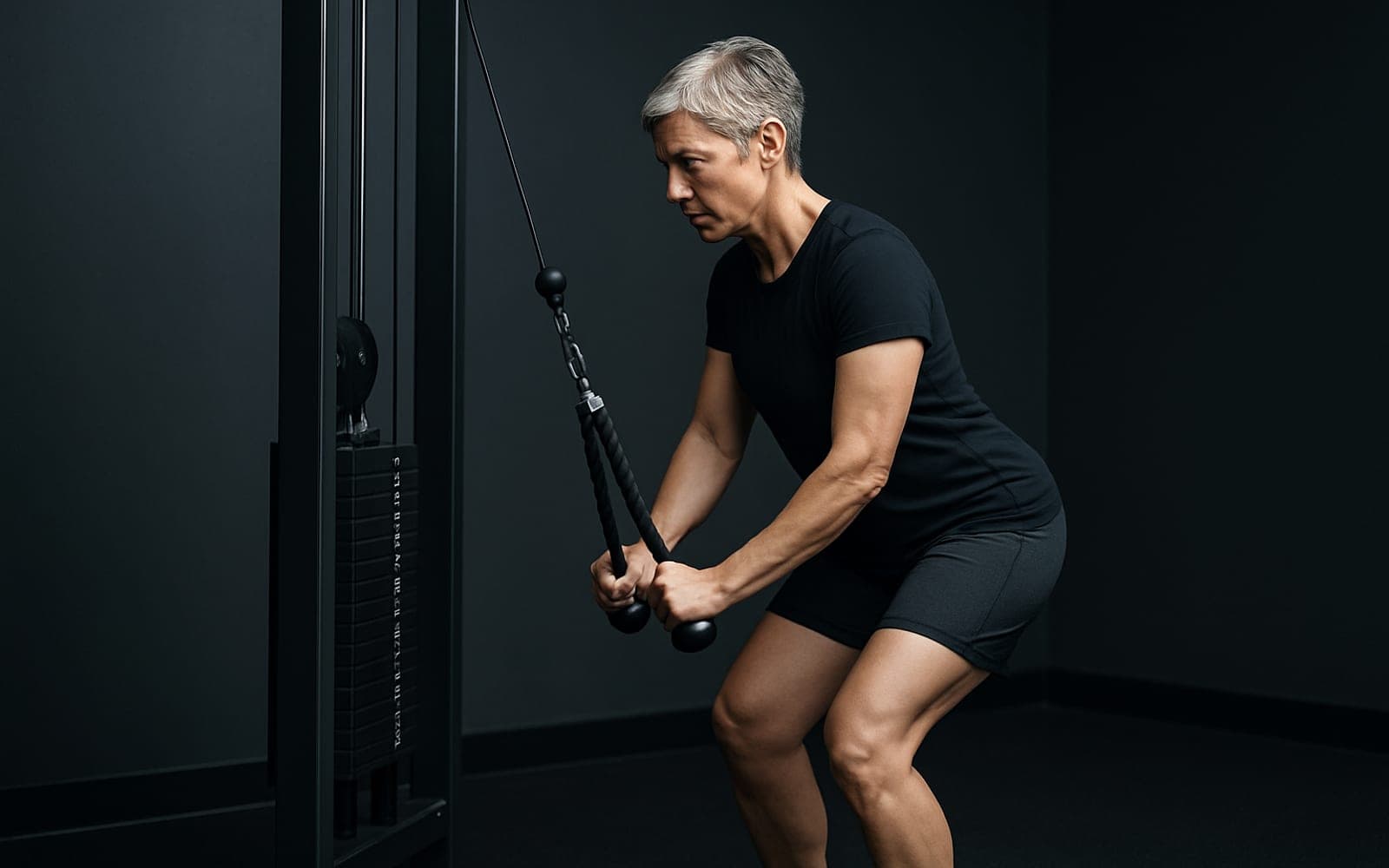
Activation
Muscles worked
Movement
Isolation
Beginner · Cable & Functional
Primary muscles
Secondary muscles
Movement pattern
Equipment category
How to perform
- 1
Set up
High pulley, rope or bar attachment.
- 2
Execute the movement
Keep the elbows pinned; extend down, squeeze, control up.
Common mistakes
- Elbows drifting
- Using the shoulders
Make it harder
Make it easier
Substitutions
If a machine is busy or unavailable, these train the same pattern a different way.


Your progress over time
What to expect from training this consistently — everyone progresses at their own pace.
- 1
First few sessions
Learn proper setup and cueing (elbows pinned, full extension, controlled return); light weight and high rep ranges help groove the movement and avoid compensatory shoulder motion.
- 2
Weeks 2–6
Neuromuscular improvements: increased control and mind-muscle connection with the triceps, allowing moderate increases in load and clearer feeling of the muscle working across sets.
- 3
Months 2–4
Consistent progressive overload yields visible hypertrophy of the triceps and improved single-joint extension strength; typical results include modest increases in upper-arm size and firmer long head/medial head development.
- 4
Months 4–8
Greater capacity for heavier sets, better muscular endurance, and improved lockout strength on multi-joint pressing movements as the triceps become more robust and reliable.
- 5
8+ months
Steady maintenance or continued incremental size and strength gains when combined with a structured program and nutrition; ability to vary tempo, grip, and attachments to emphasize different triceps heads for balanced development.
Benefits of the cable triceps extension
Directly isolates the triceps to efficiently stimulate muscle growth in the elbow extensors.
Improves lockout strength and finishing power for multi-joint pushing exercises like bench press and overhead press.
Enhances muscle definition and upper-arm aesthetics by targeting the long and medial heads when performed with proper elbow positioning.
Builds muscular endurance in the triceps when programmed with higher-rep sets, useful for activities that require repeated pushing actions.
Teaches fine motor control and elbow stability through a controlled range of motion, reducing reliance on shoulder compensation when performing press variations.
Easy to scale and modify (attachments, grip, tempo) to progress volume and intensity gradually for beginners focused on hypertrophy.
Exercises that pair with this
Same muscles or the same movement pattern — useful for building the rest of the session.




Cable Triceps Extension — questions people ask
What muscles does the cable triceps extension work?
The cable triceps extension trains the triceps as the primary target. It is a isolation pattern, so it also trains the coordination that pattern needs.
How many sets and reps of the cable triceps extension should I do?
Three sets of 8–12 reps with about 90 seconds of rest is a reliable default. Increase the weight once the last rep of every set still looks clean.
Is the cable triceps extension good for beginners?
Yes. The cable triceps extension is a beginner-friendly movement. Reduce weight. If it feels like too much, build the pattern on the push-up first.
What can I do instead of the cable triceps extension?
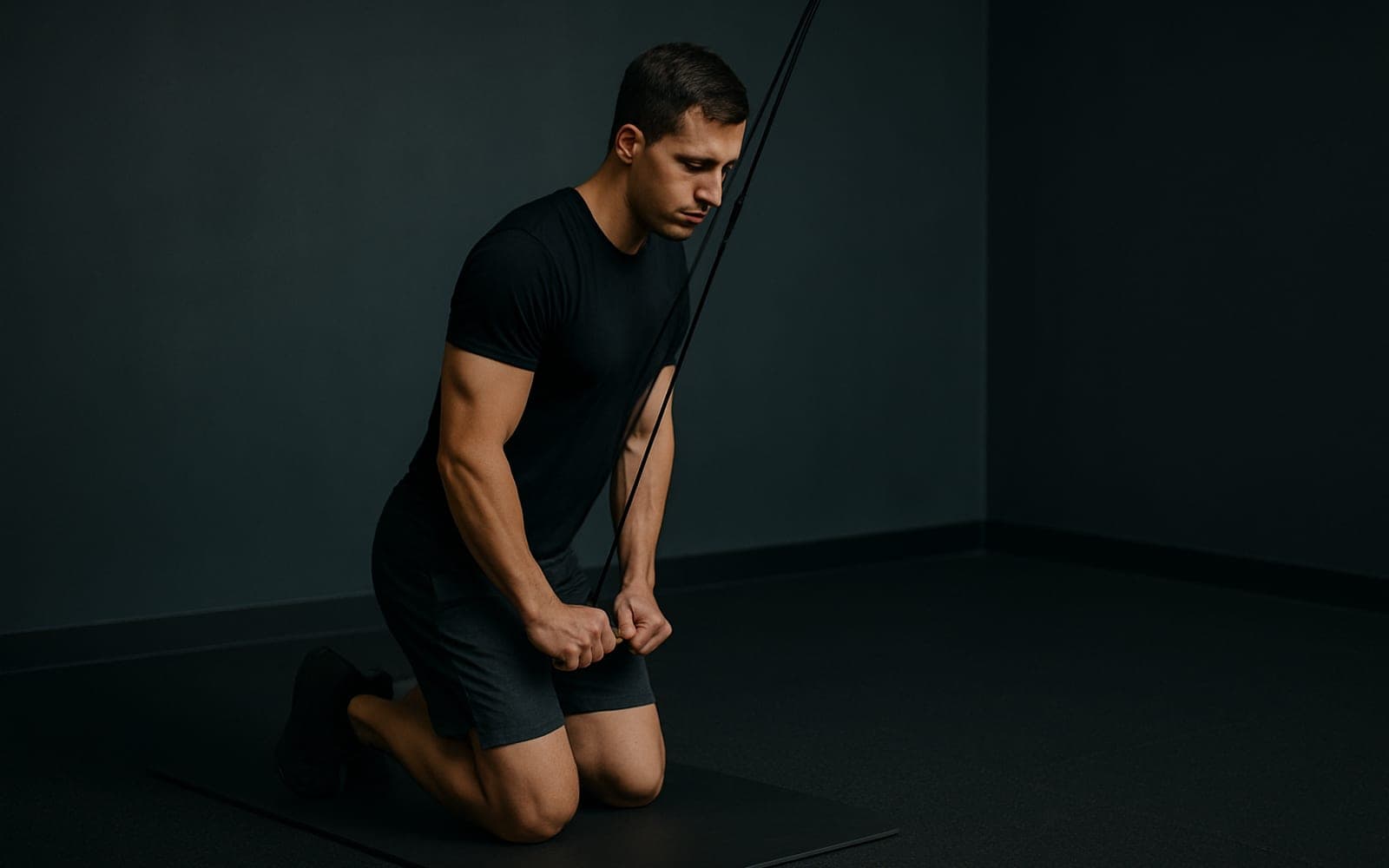
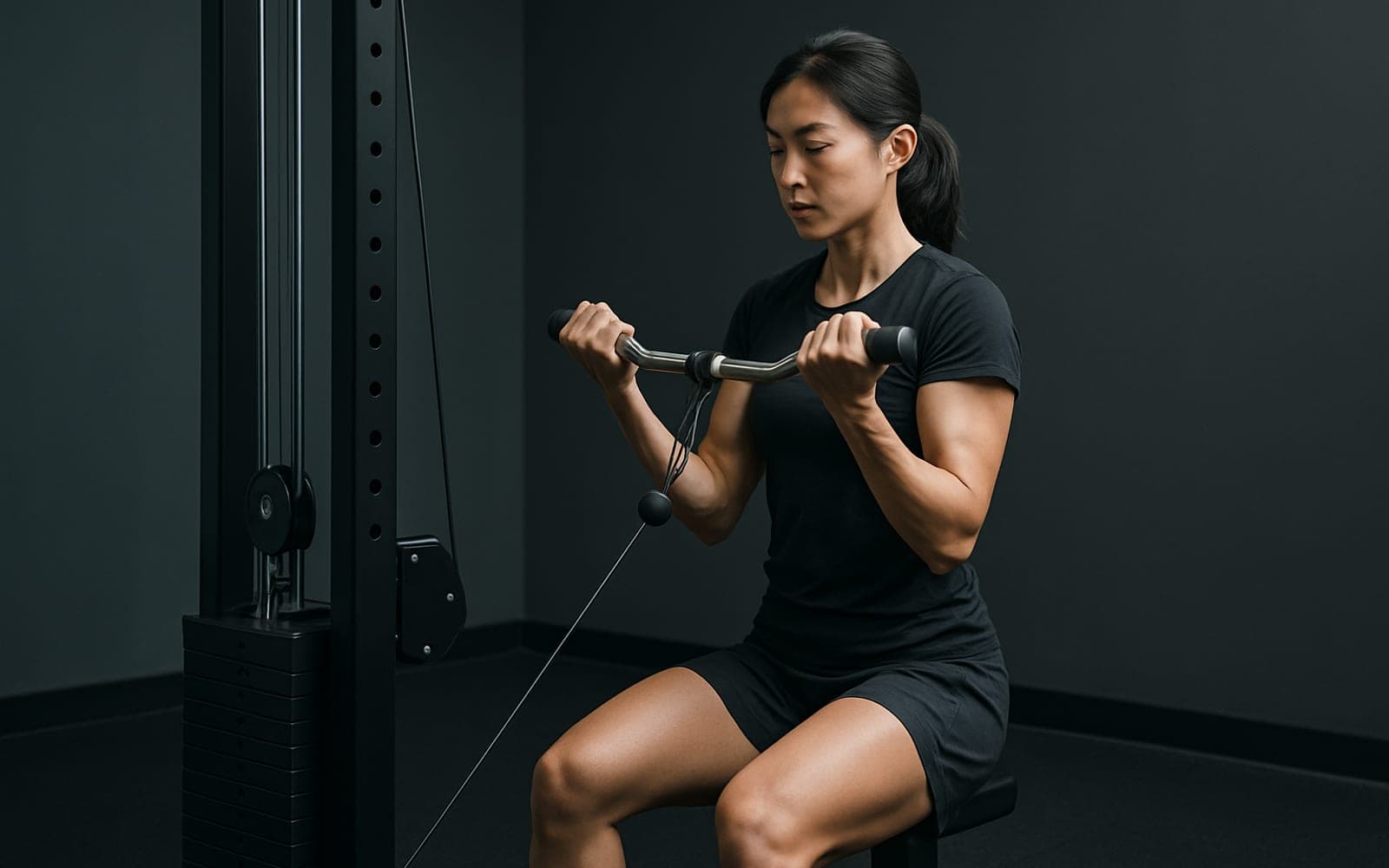
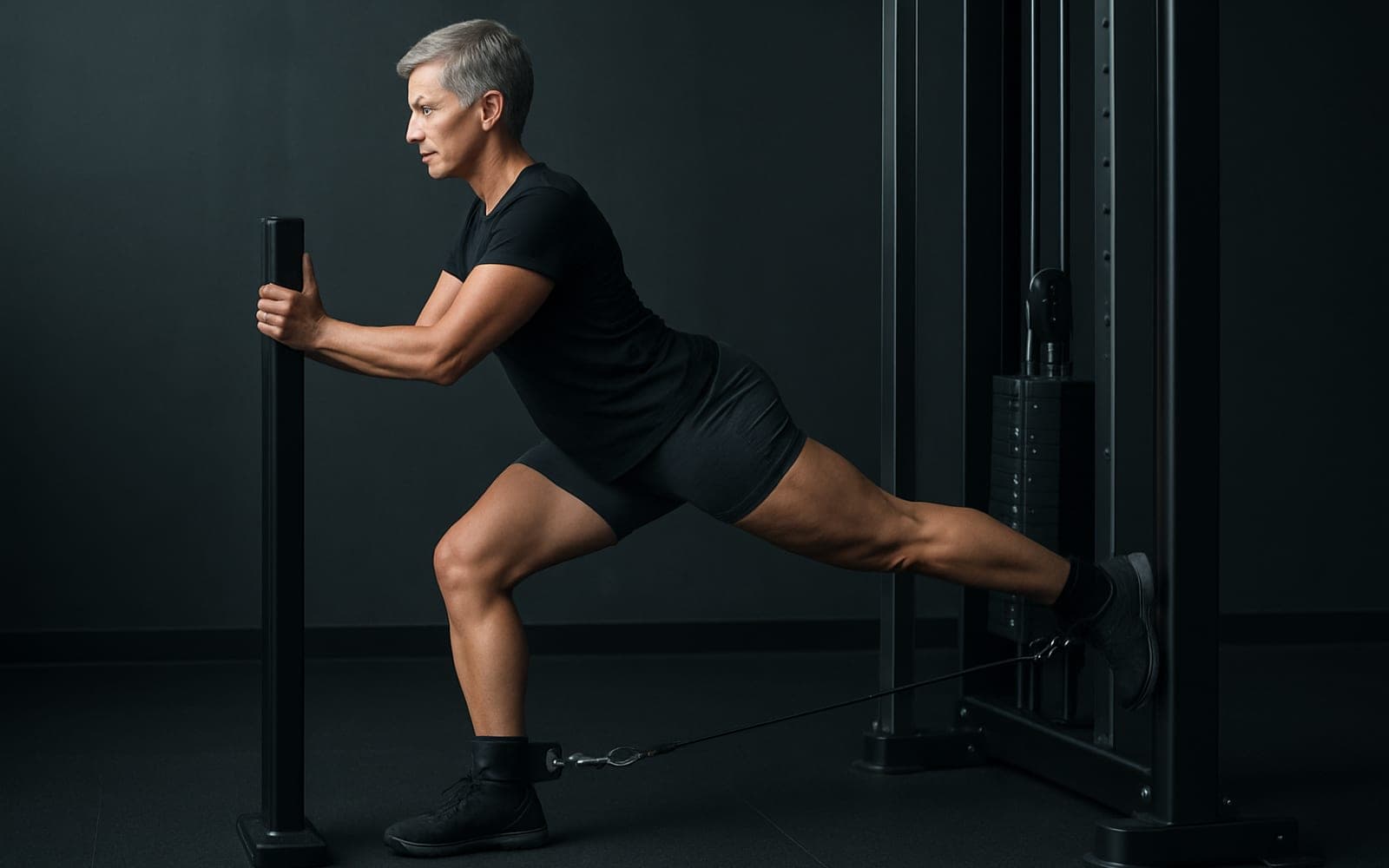
Dumbbell Bench Press, Push-Up, Band Triceps Pressdown all train the same isolation pattern with different equipment, so any of them works when the machine is busy or your gym does not have it.
What are the most common cable triceps extension mistakes?
Elbows drifting; Using the shoulders. Keep the elbows pinned; extend down, squeeze, control up.
Can I do the cable triceps extension at home?
The cable triceps extension needs cable & functional equipment, which most home gyms do not have. The push-up trains the same pattern with nothing more than your bodyweight or a band.