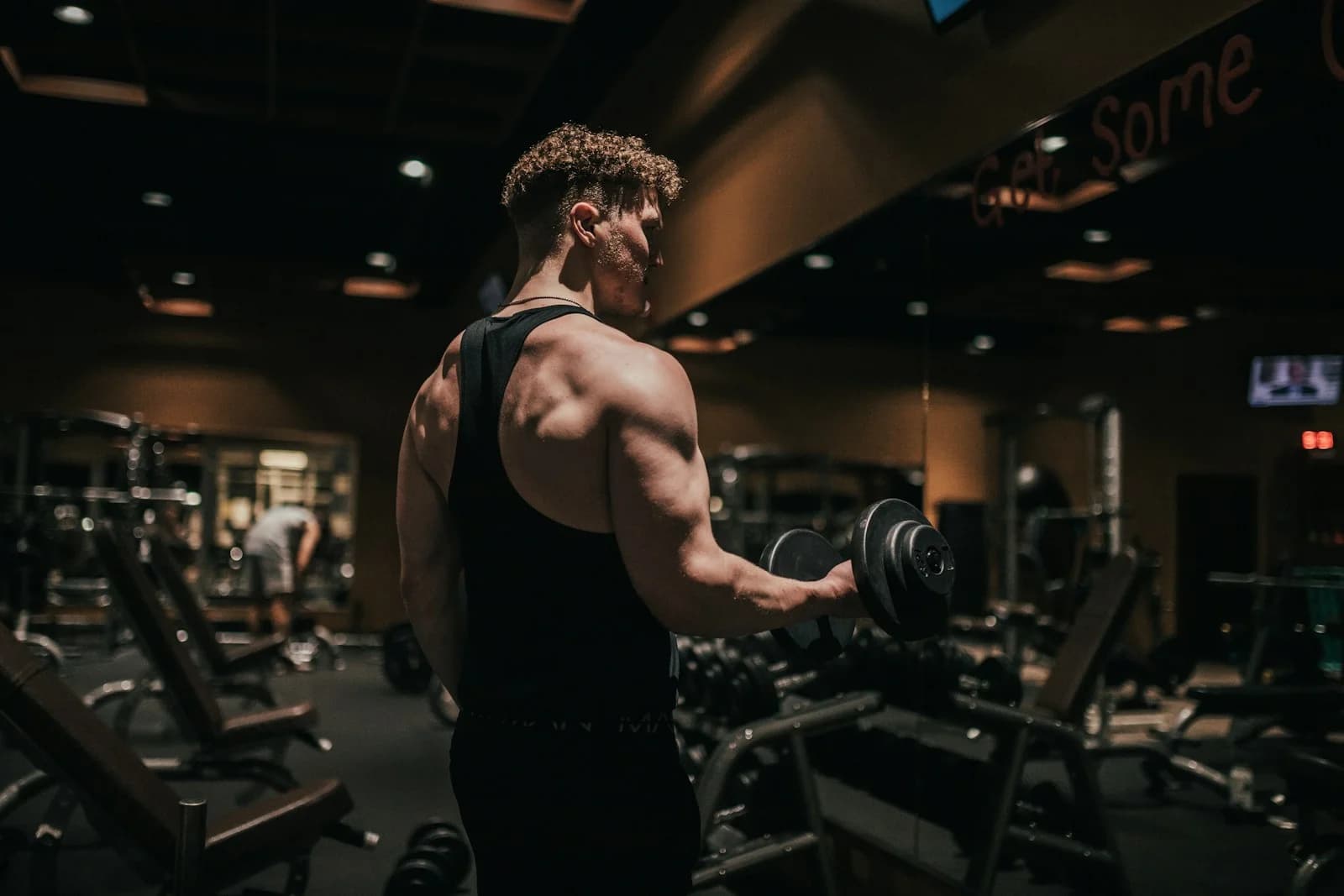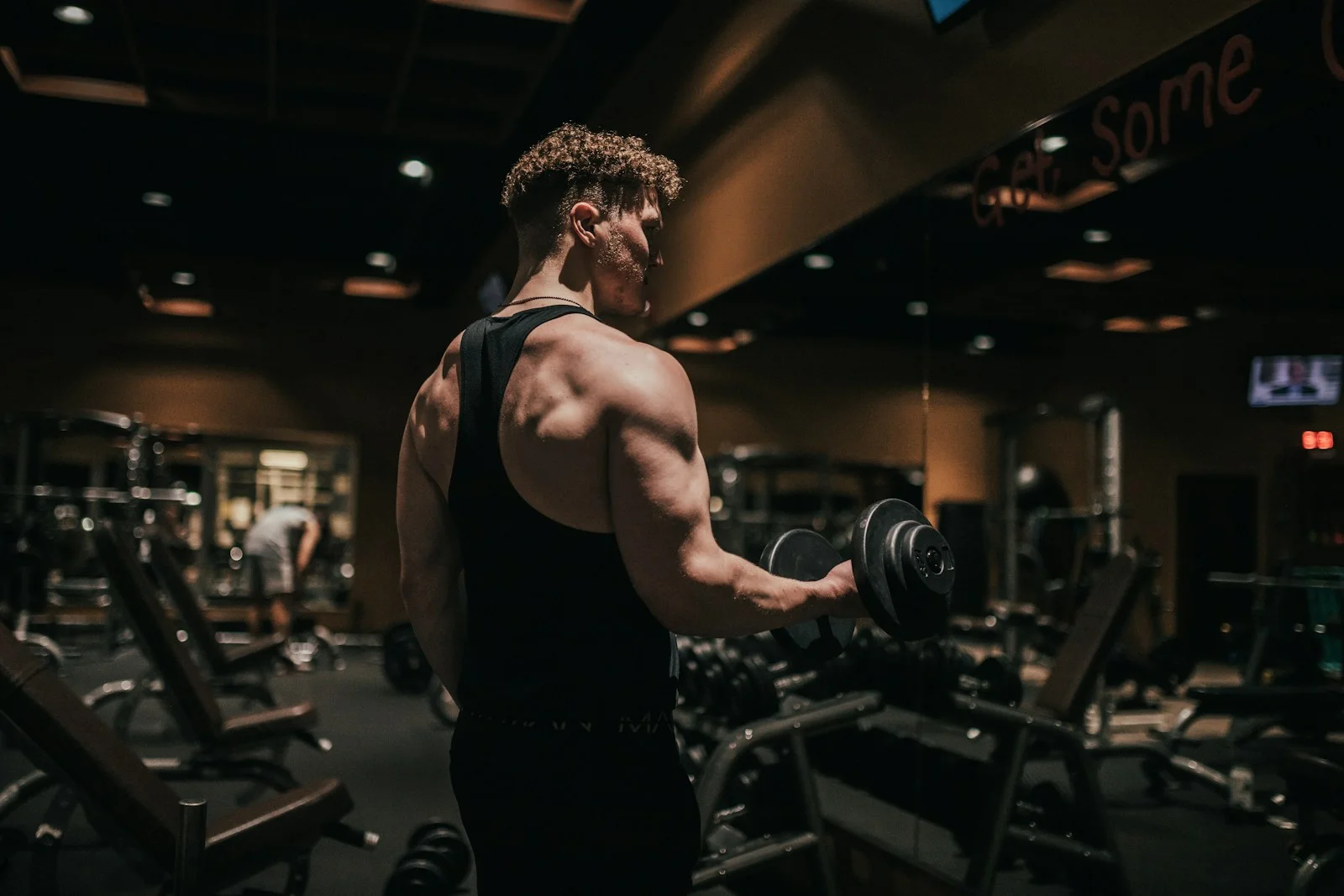
Many people only have time to exercise in the evening. That’s fine — training at night doesn’t have to make falling asleep harder if you control intensity, timing, and your post-workout routine.
This guide gives usable rules you can apply tonight: how to choose session types, how long to wait before bed, a short sample session and week, and simple down-regulation tools to help your nervous system shift toward rest.
On this page
Who this is for
This guide is for people who regularly train in the evening because of work, family, or schedule constraints and want to protect sleep while staying consistent. It suits general fitness, mobility, and recovery goals and assumes access to basic cardio and recovery tools such as an elliptical, a mat for stretching, or a foam roller.
If you have a current health condition, are on medication that affects sleep or exercise tolerance, are pregnant, or are recovering from an injury, check with your doctor or a qualified professional before making big changes to your routine.
Intensity: the primary lever
Intensity determines how much your nervous system and core temperature are elevated after exercise. Moderate strength sessions and steady-state cardio often finish sleep-neutral for many people, especially when the session ends well before bed. Very high-intensity work such as maximal lifts or all-out intervals can raise heart rate and alertness for longer and may make it harder for some people to wind down.
Choose session types that fit your sensitivity. If late-night high-intensity sessions give you trouble, schedule them earlier in the evening or on mornings when possible. For more on cardio selection and how different modalities affect effort, see LISS vs HIIT vs Zone 2: Cardio Types Explained.
Timing and the 60–90 minute wind-down buffer
A practical rule of thumb is to finish formal training at least 60–90 minutes before you plan to sleep. Use that buffer for lowering arousal: showering, a light post-workout snack if needed, low-stimulation activities, and preparing your sleeping environment. This window gives core temperature and heart rate a chance to move closer to baseline and creates a predictable routine that cues sleep.
- Finish training 60–90 minutes before planned lights-out.
- Use the first part of the buffer to shower and change into comfortable clothes.
- Use the final part for calm activities like stretching, breathing, or reading in dim light.
How to finish a session: down-regulation tools that work
A short, intentional ending to every evening session signals your nervous system that effort is over. Combine movement-based recovery, breathing, and environmental cues to smooth the transition to sleep.
Start with gentle movement to lower heart rate and temperature, then shift to breathing and quiet habits that reduce stimulation.
Movement and mobility
Spend 5–10 minutes on low-arousal mobility or restorative activities. Choose from easy options like a guided cooldown stretch, hip mobility flow, or light foam work with a foam roll. These lower-intensity movements help shift attention away from performance and toward comfort.
Breathing and sensory cues
Follow a few minutes of slow nasal breathing to reduce sympathetic activation. Alternate-nostril or simple 4–6 second inhale and 6–8 second exhale patterns are easy to follow. Dim lights, lower screen brightness, and avoid intense conversation or tasks that spike emotion. These sensory cues reinforce the physiological downshift.
Sample evening session and a sample week
Below are practical examples you can adapt. Each session ends with a brief down-regulation block you can repeat most nights.
Sample evening session (45–60 minutes)
A balanced evening session that tends to be sleep-compatible.
- 1Warm-up: 6–8 minutes of light movement or a dynamic warm-up.
- 2Main work: 25–30 minutes of moderate strength or steady cardio such as a goblet squat-based strength circuit or 25 minutes on the elliptical.
- 3Accessory: 5–8 minutes of mobility like hip mobility or targeted core work.
- 4Down-regulation: 5–10 minutes of cooldown stretch and slow nasal breathing.
Sample week (evening-focused)
A simple weekly layout that balances intensity and recovery for evening trainers.
- 1Monday: Strength session (moderate load, focus on form) plus 10-minute down-regulation.
- 2Tuesday: Low-impact cardio session such as low-impact cardio for 30–40 minutes and stretching.
- 3Wednesday: Mobility and light strength or active recovery with foam rolling.
- 4Thursday: Moderate strength (different muscle emphasis) and 10-minute cooldown.
- 5Friday: Shorter higher-effort session earlier in the evening, leaving extra buffer time before bed.
- 6Saturday: Longer low-to-moderate cardio or active outdoor walk and extended mobility work.
- 7Sunday: Rest or gentle mobility and breathing practice.
Common mistakes and how to avoid them
Certain patterns commonly make evening training interfere with sleep. Spotting these helps you adjust before they become habits.
- Doing all-out intervals immediately before bed instead of earlier in the evening or on another day.
- Skipping a buffer and immediately switching to bright screens or stressful tasks after training.
- Eating a heavy, high-fat meal in the buffer period that leaves you feeling uncomfortable at bedtime.
- Confusing a long shower or hot bath for immediate sleep readiness without allowing temperature to cool slightly.
- Neglecting a consistent wind-down routine so your body lacks reliable cues for sleep.
Practical checklist to use tonight
Use this quick checklist the next time you train after dinner. Tick or adapt items that fit your routine.
- Keep the main session intensity moderate rather than maximal if you plan to sleep within 90 minutes.
- Stop training 60–90 minutes before planned lights-out and start the buffer.
- Have a light, protein-forward snack within the buffer if you need fuel, not a large meal; see Fueling Your Workout for guidance.
- Finish with 5–10 minutes of cooldown stretch or foam roll followed by slow nasal breathing.
- Dim lights, lower device brightness, and choose calm activities during the buffer.
- If you regularly struggle to settle after evening sessions, move high-intensity work to earlier or consult a professional.
Exercises in this guide
Each links to a full form guide — setup, cues, common mistakes and swaps.


Key takeaways
- Evening training can be compatible with good sleep when you manage session intensity and timing.
- Finish formal training 60–90 minutes before planned sleep to allow heart rate and body temperature to drop.
- End sessions with low-arousal mobility such as [cooldown stretch](/exercise/cooldown-stretch) and slow nasal breathing.
- Avoid very high-intensity work immediately before bed; schedule harder efforts earlier when possible.
- Use a short, repeatable wind-down routine so your body learns predictable cues for sleep.
How this guide was made
Written by GymGuide Editorial. This guide was drafted with AI assistance and edited to our editorial standards: general fitness education in plain language, no invented statistics or study citations, no medical or treatment claims, room for individual variation, and links only to pages on GymGuide. It is not medical advice — talk to a doctor or qualified professional about injuries, health conditions, pregnancy or medication before changing how you train or eat. Last updated October 14, 2026. Read our responsible guidance commitments.
Put this into a plan
GymGuide turns guidance like this into a personalized weekly plan — and finds the gyms and equipment to do it.
Build my free plan