Kneeling Hip Flexor Stretch
Activation
Muscles worked
Movement
Mobility
Beginner · Mobility & Stretch
Primary muscles
Secondary muscles
Movement pattern
Equipment category
How to perform
- 1
Set up
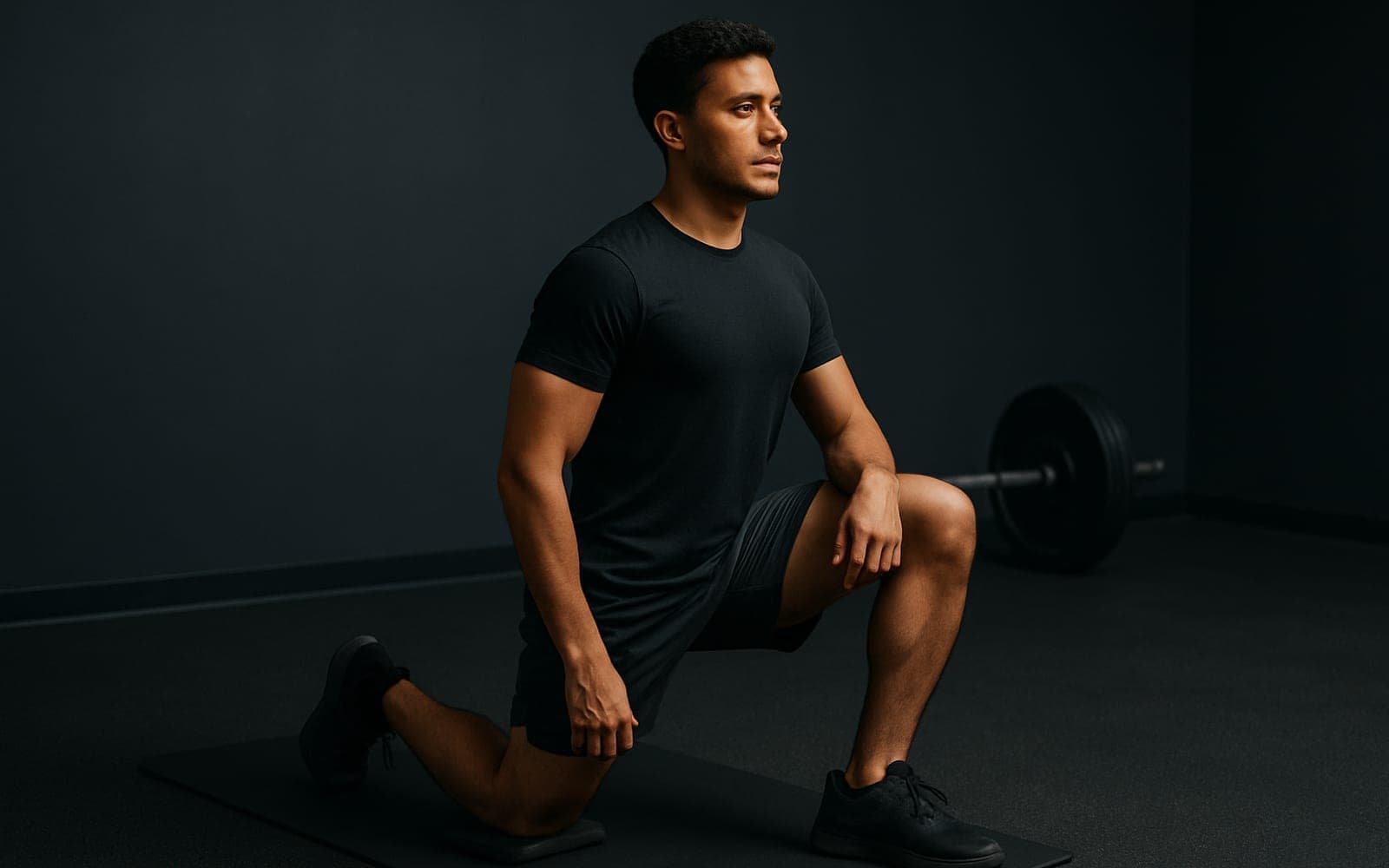
Kneel on one knee (a pad helps) with the other foot flat in front, torso tall.
- 2
Execute the movement
Tuck the pelvis under and shift your weight gently forward until you feel a stretch across the front of the kneeling hip; hold and breathe, then switch sides.
Common mistakes
- Arching the lower back instead of tucking the pelvis
- Bouncing
Make it harder
Make it easier
Accessibility
Substitutions
If a machine is busy or unavailable, these train the same pattern a different way.
Your progress over time
What to expect from training this consistently — everyone progresses at their own pace.
- 1
First few sessions
You will learn the correct pelvis tuck and weight shift, feel a gentle stretch in the front of the kneeling hip, and be able to hold the position for 20–60 seconds with minimal discomfort.
- 2
Weeks 2–4
With consistent practice (3–5×/week), mild increases in hip extension range appear, holding times become easier, and soreness from initial stretching diminishes.
- 3
Months 1–3
Noticeable improvement in anterior hip flexibility and quad mobility, easier breathing into the stretch, and better comfort in tasks requiring hip extension (walking, lunges, kneeling).
- 4
Months 3–6
Further reduction in tightness and fewer compensatory movements during activities; you can access deeper hip extension with good pelvic control and integrate the stretch into warm-ups or cooldowns.
- 5
6+ months
Maintained or improved hip-flexor length and pelvic control when included regularly, contributing to more efficient movement patterns and easier progression to dynamic hip-mobility work.
Benefits of the kneeling hip flexor stretch
Directly stretches the hip flexors (iliopsoas and rectus femoris) and secondarily lengthens the quadriceps on the kneeling side.
Improves hip extension range of motion, which helps with stride length in walking and running and with deeper lunge positions.
Promotes better pelvic control by encouraging a posterior pelvic tilt (tuck) during the stretch, which can reduce anterior pelvic tightness.
Serves as a low‑risk mobility exercise for beginners that can be used in warm-ups, cooldowns, or daily flexibility routines.
Helps decrease reliance on compensatory lumbar extension during hip extension by isolating the hip joint and teaching safer movement patterns.
Easy to regress or progress (cushioning, pelvic tilt emphasis, added posterior pelvic shift) so it fits a wide range of fitness levels and goals.
Exercises that pair with this
Same muscles or the same movement pattern — useful for building the rest of the session.
Kneeling Hip Flexor Stretch — questions people ask
What muscles does the kneeling hip flexor stretch work?
The kneeling hip flexor stretch trains the hip flexors as the primary target, with the quads working as support. It is a mobility pattern, so it also trains the coordination that pattern needs.
How many sets and reps of the kneeling hip flexor stretch should I do?
Two to three sets, holding 30–45 seconds or moving through 8–10 slow reps. Daily is fine — this is not a movement you need to recover from.
Is the kneeling hip flexor stretch good for beginners?
Yes. The kneeling hip flexor stretch is a beginner-friendly movement. Reduce the forward shift. If it feels like too much, build the pattern on the hip mobility flow first.
What can I do instead of the kneeling hip flexor stretch?
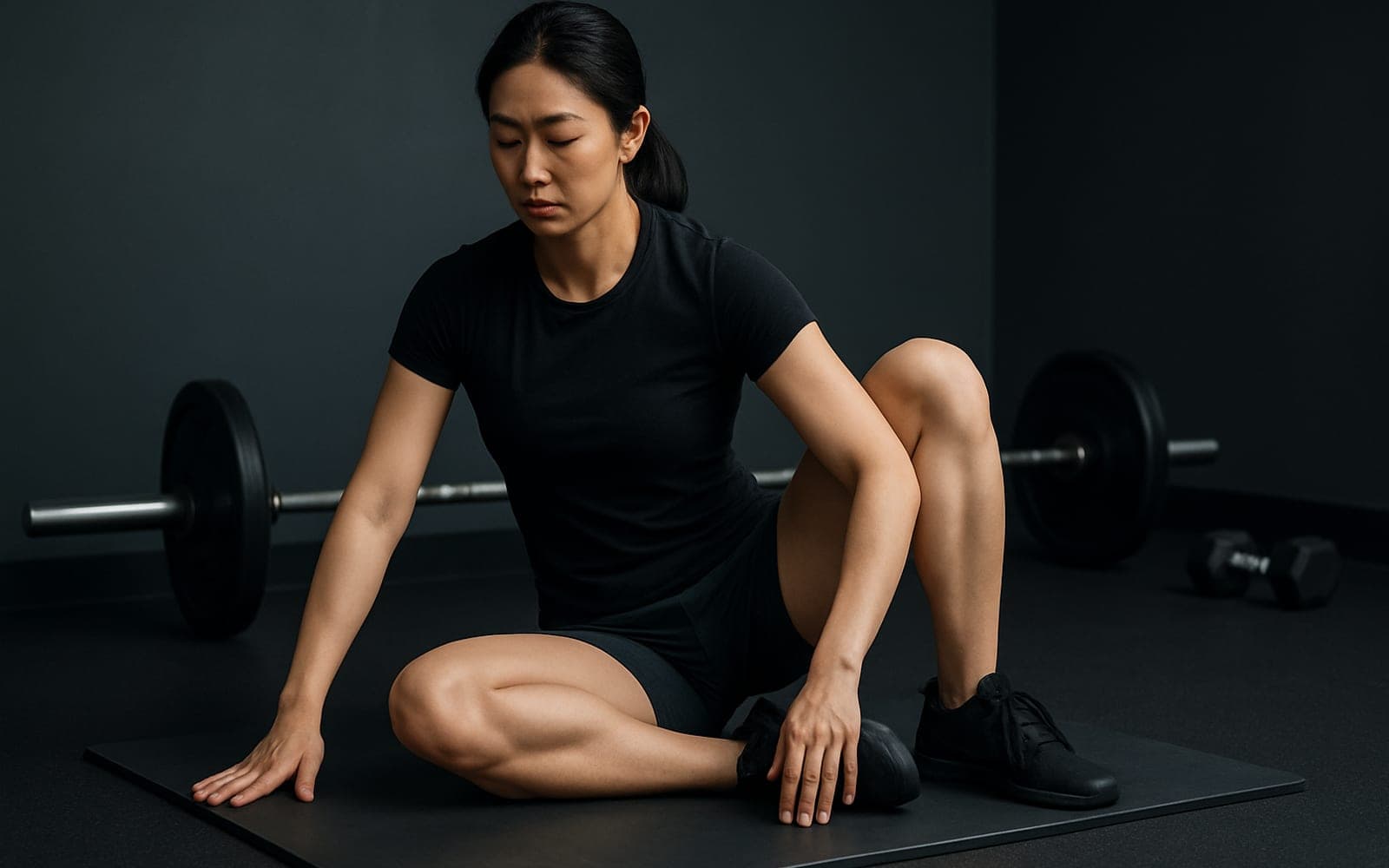
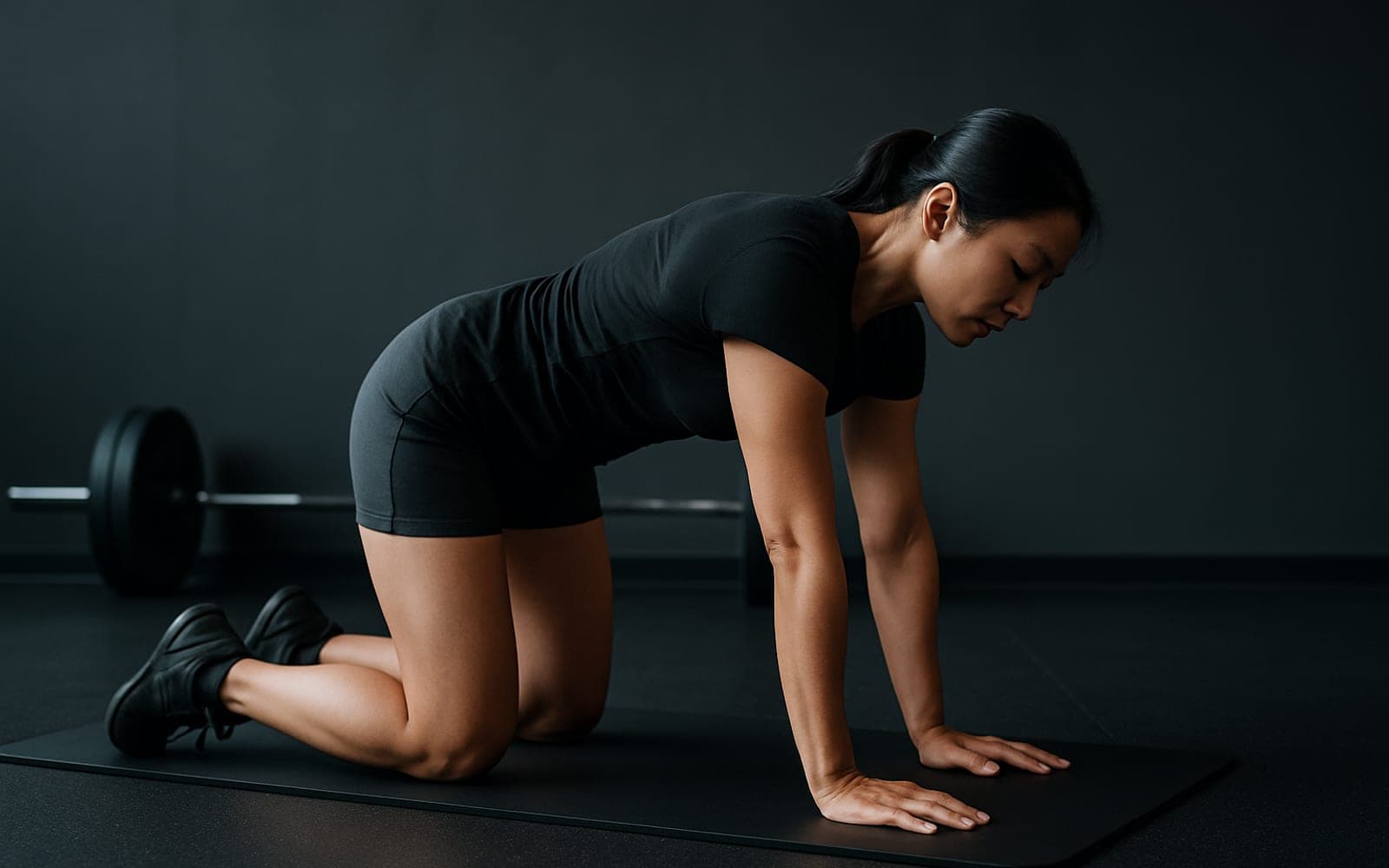
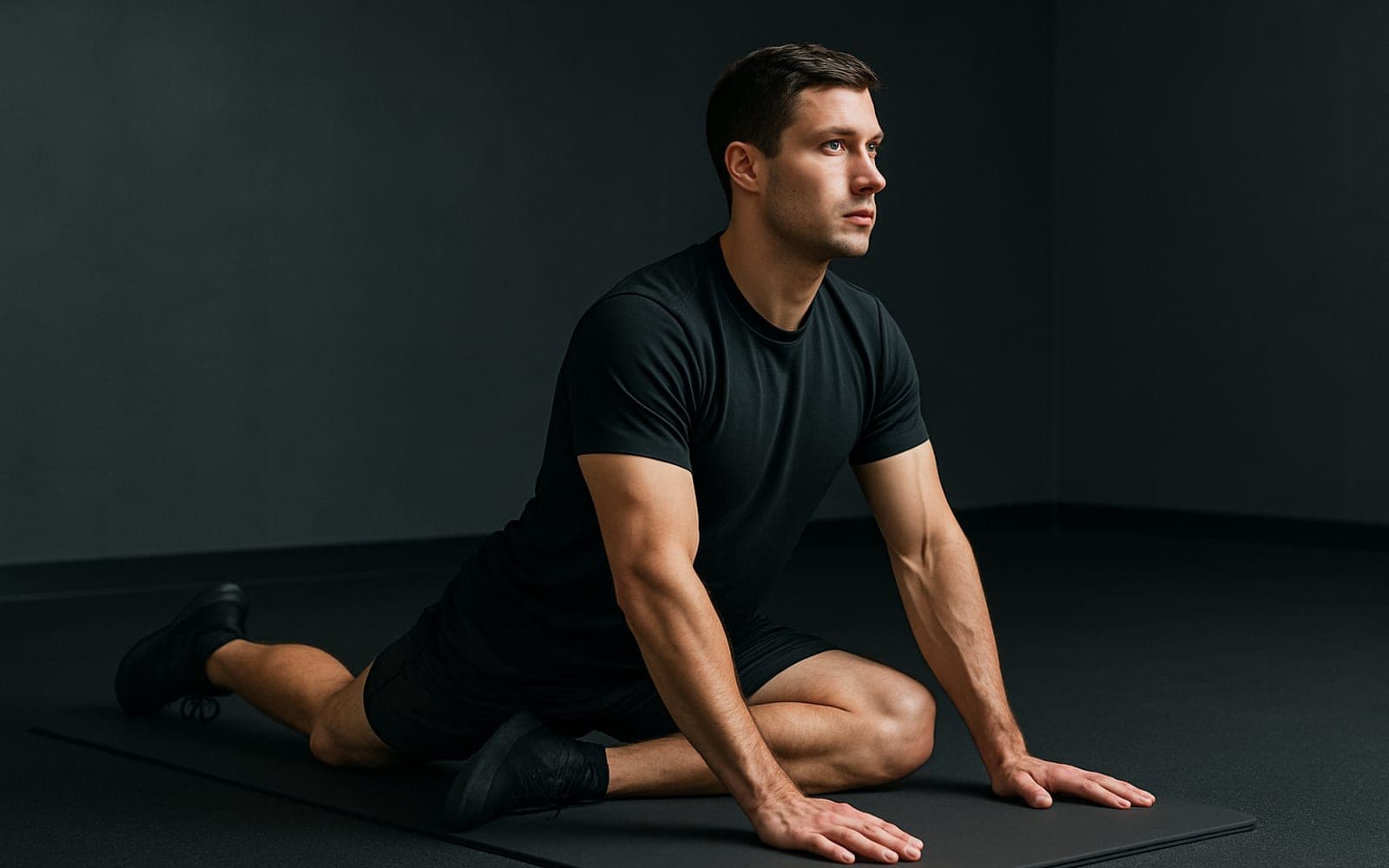
Hip Mobility Flow all train the same mobility pattern with different equipment, so any of them works when the machine is busy or your gym does not have it.
What are the most common kneeling hip flexor stretch mistakes?
Arching the lower back instead of tucking the pelvis; Bouncing. Tuck the pelvis under and shift your weight gently forward until you feel a stretch across the front of the kneeling hip; hold and breathe, then switch sides.
Can I do the kneeling hip flexor stretch at home?
The kneeling hip flexor stretch needs mobility & stretch equipment, which most home gyms do not have. The hip mobility flow trains the same pattern with nothing more than your bodyweight or a band.