Hip Mobility Flow
Activation
Muscles worked
Movement
Mobility
Beginner · Mobility & Stretch
Primary muscles
Secondary muscles
Movement pattern
Equipment category
How to perform
- 1
Set up
A mat.
- 2
Execute the movement
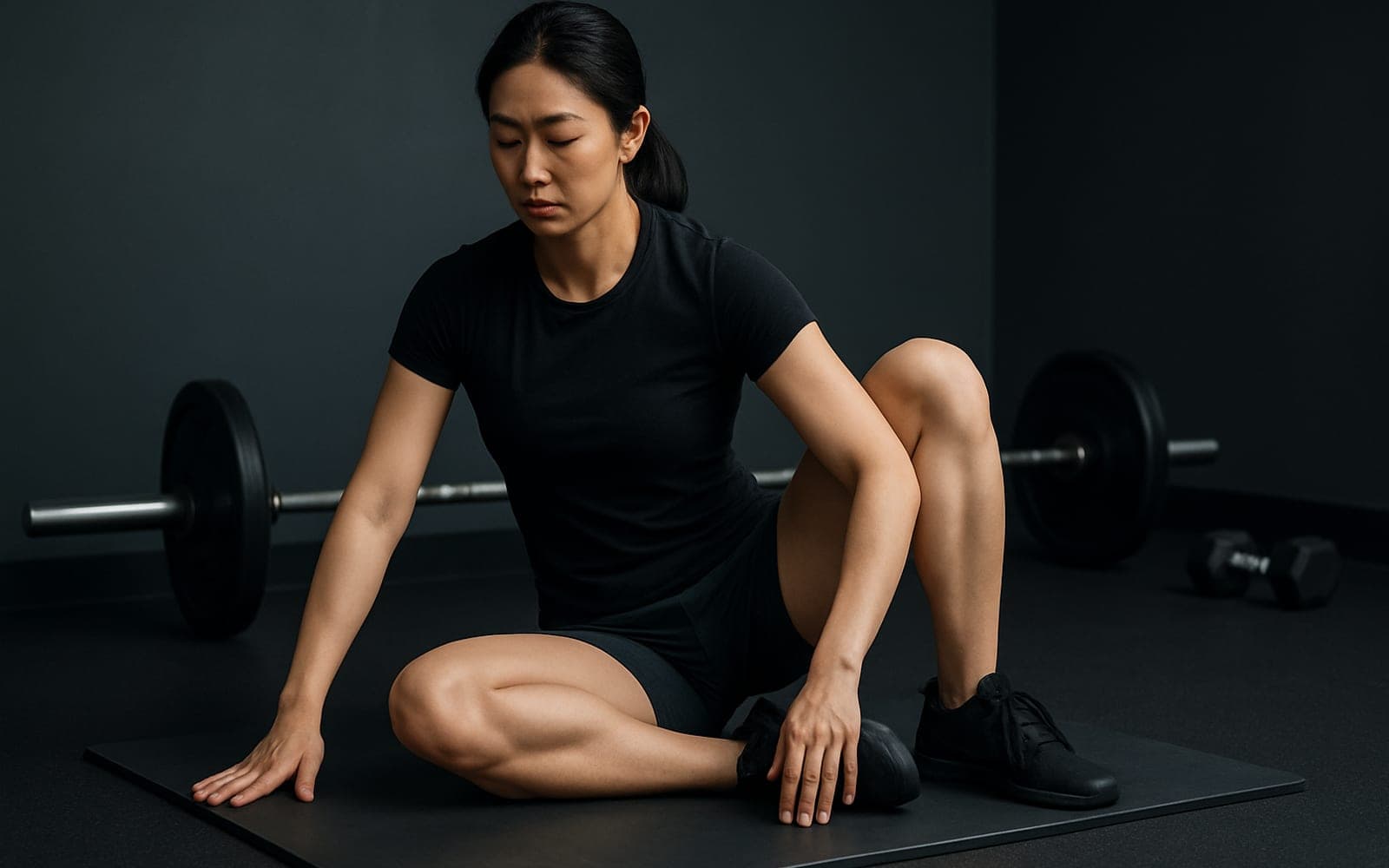
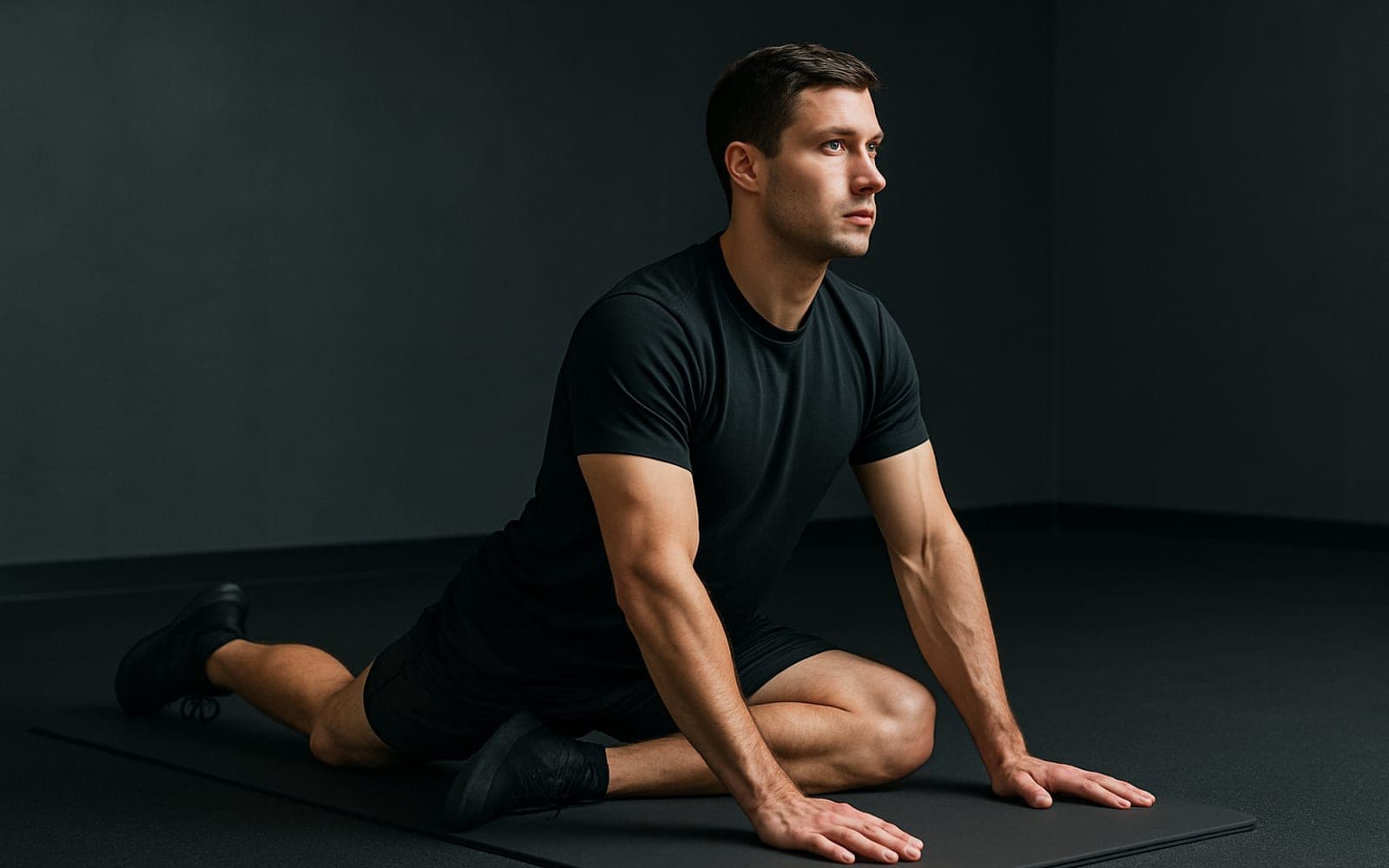
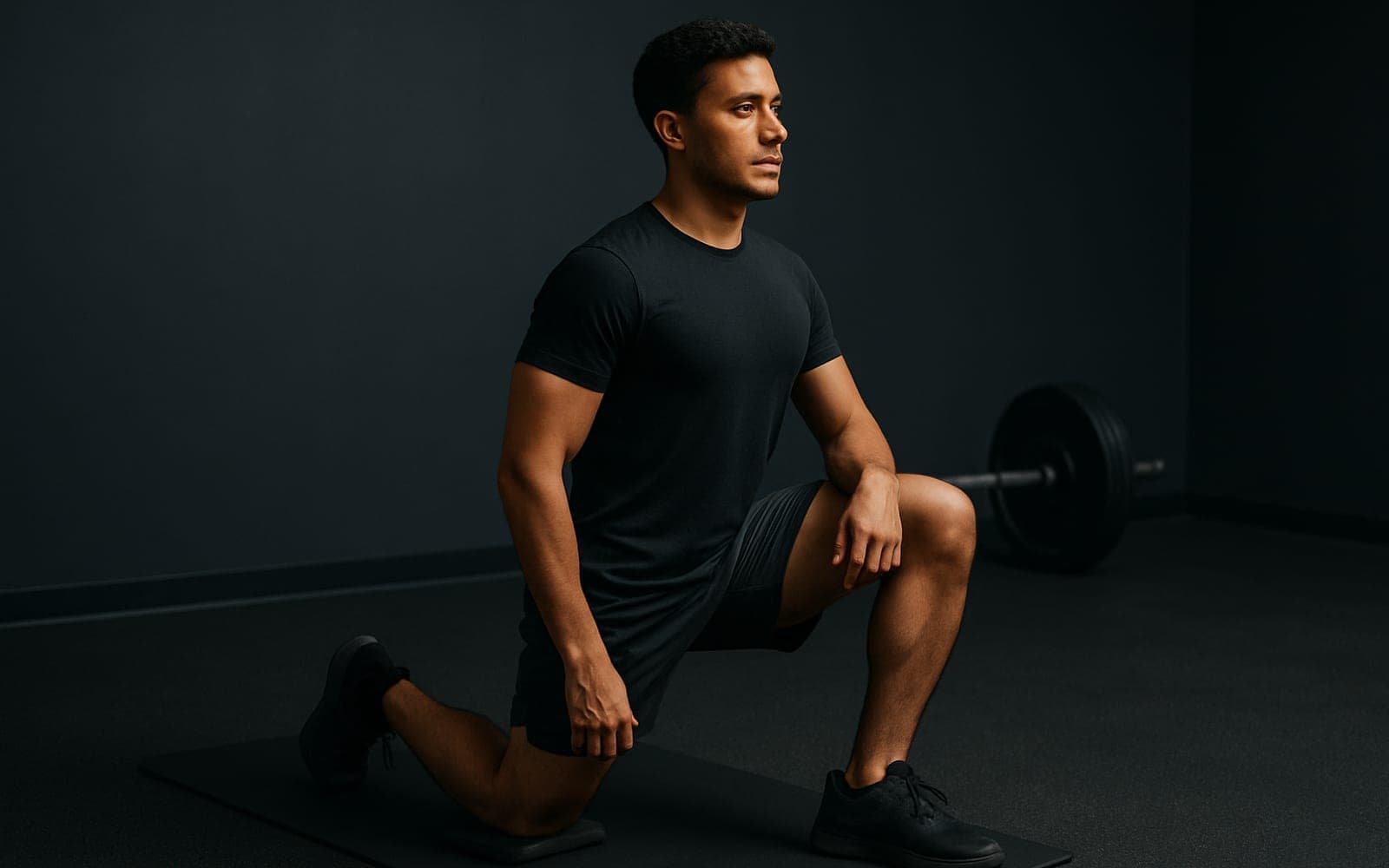
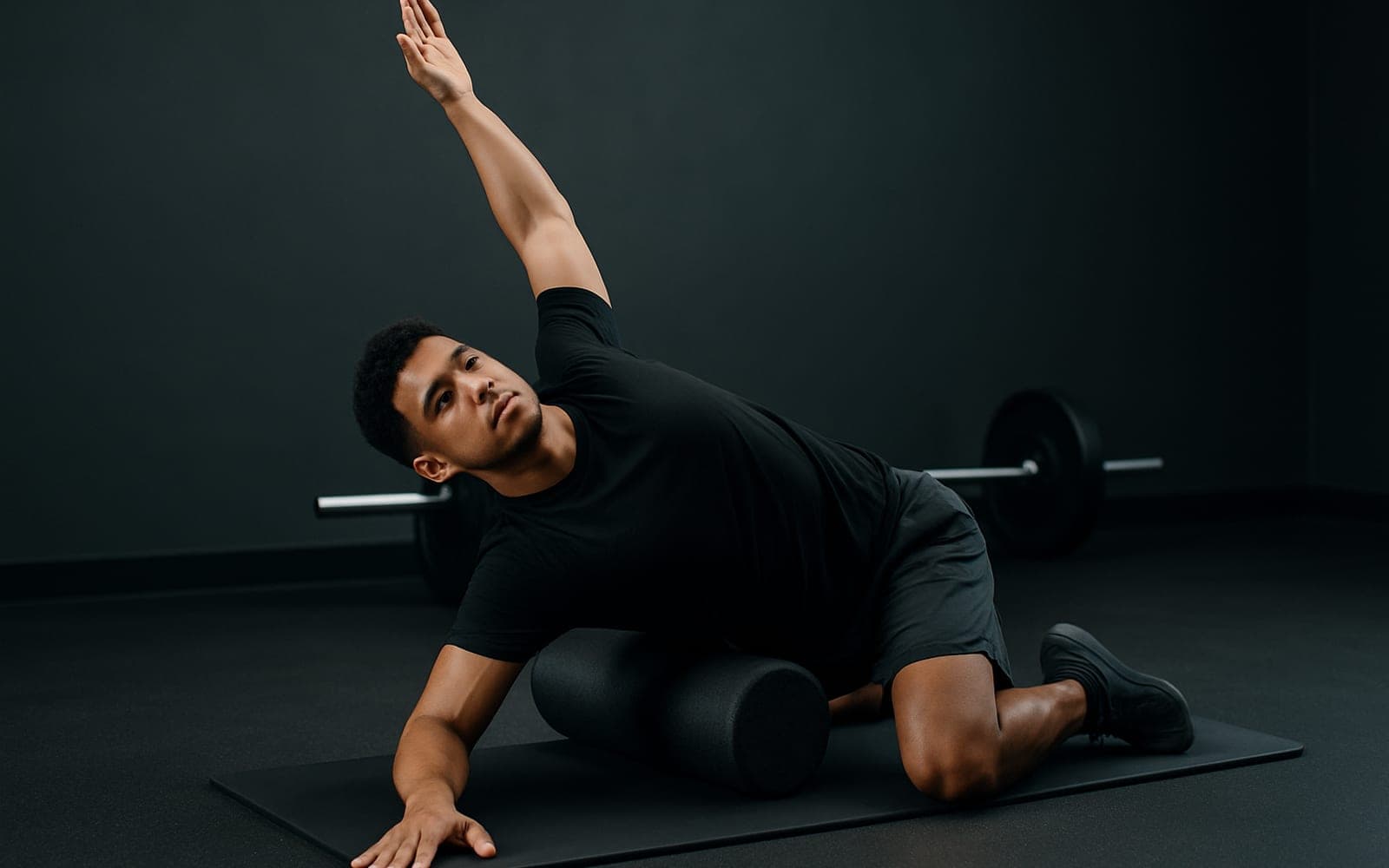
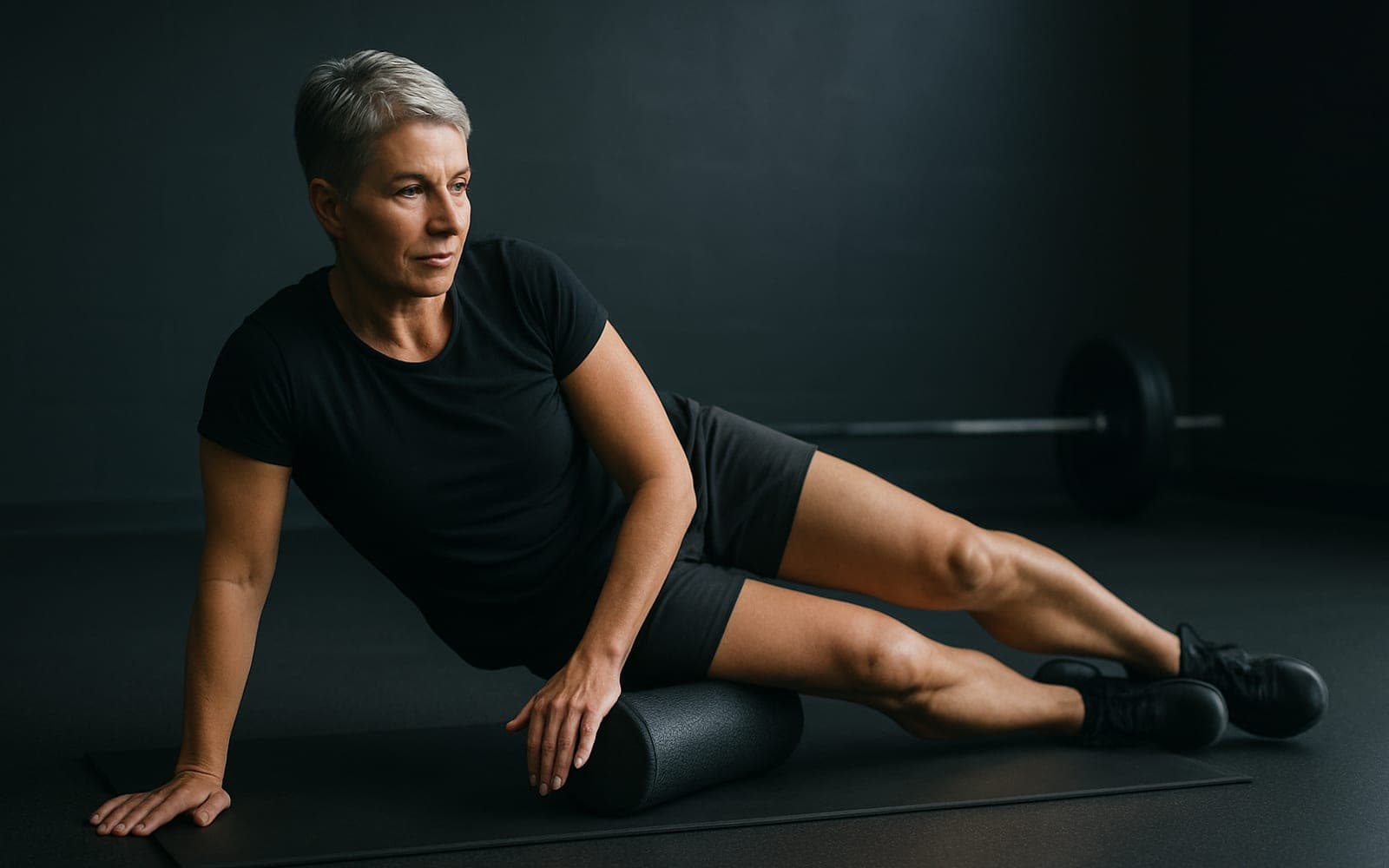
Move slowly through 90/90, hip circles, and deep squats to open the hips.
Common mistakes
- Forcing painful ranges
Make it harder
Make it easier
Accessibility
Substitutions
If a machine is busy or unavailable, these train the same pattern a different way.
Your progress over time
What to expect from training this consistently — everyone progresses at their own pace.
- 1
First few sessions
Learn the positions and movement cues (90/90, hip circles, deep squat) and notice immediate reductions in joint stiffness and improved comfort moving into end ranges.
- 2
Weeks 2–4
Consistent practice leads to measurable increases in passive and active hip range of motion, easier ability to sit into deeper squats, and reduced pulling or tightness after daily activities.
- 3
Months 2–3
Hip control and movement quality improve — transitions are smoother, glute activation during squats and lunges becomes more apparent, and mobility gains begin to transfer into strength and functional tasks.
- 4
Months 4–6
Sustained improvements in hip mechanics allow for deeper, cleaner squat patterns and more efficient lower-body movement with less compensatory movement from the low back.
- 5
6+ months
When maintained regularly, hip mobility is largely preserved, enhancing carryover to lifts, reducing movement-related discomfort in daily life, and enabling continued progress in strength and athletic skills that require hip range.
Benefits of the hip mobility flow
Increases hip internal and external rotation range of motion, improving joint access for many lower-body movements.
Promotes better glute engagement and coordination, which aids squat depth and lunge mechanics.
Helps reduce stiffness and tightness around the hips and proximal hamstrings after prolonged sitting.
Improves movement quality and balance through controlled, slow ranges of motion and positional awareness.
Supports transfer to strength and athletic tasks by creating safer, more efficient hip mechanics during loading.
Provides a low-impact, beginner-friendly routine that can be used for warm-ups, recovery sessions, or daily mobility maintenance.
Exercises that pair with this
Same muscles or the same movement pattern — useful for building the rest of the session.
Hip Mobility Flow — questions people ask
What muscles does the hip mobility flow work?
The hip mobility flow trains the hips as the primary target, with the glutes working as support. It is a mobility pattern, so it also trains the coordination that pattern needs.
How many sets and reps of the hip mobility flow should I do?
Two to three sets, holding 30–45 seconds or moving through 8–10 slow reps. Daily is fine — this is not a movement you need to recover from.
Is the hip mobility flow good for beginners?
Yes. The hip mobility flow is a beginner-friendly movement. Reduce range. If it feels like too much, build the pattern on the cooldown stretch first.
What can I do instead of the hip mobility flow?
Cooldown Stretch all train the same mobility pattern with different equipment, so any of them works when the machine is busy or your gym does not have it.
What are the most common hip mobility flow mistakes?
Forcing painful ranges. Move slowly through 90/90, hip circles, and deep squats to open the hips.
Can I do the hip mobility flow at home?
The hip mobility flow needs mobility & stretch equipment, which most home gyms do not have. The cooldown stretch trains the same pattern with nothing more than your bodyweight or a band.