Mountain Climber
Activation
Muscles worked
Movement
Core
Beginner · Bodyweight
Primary muscles
Secondary muscles
Movement pattern
Equipment category
How to perform
- 1
Set up
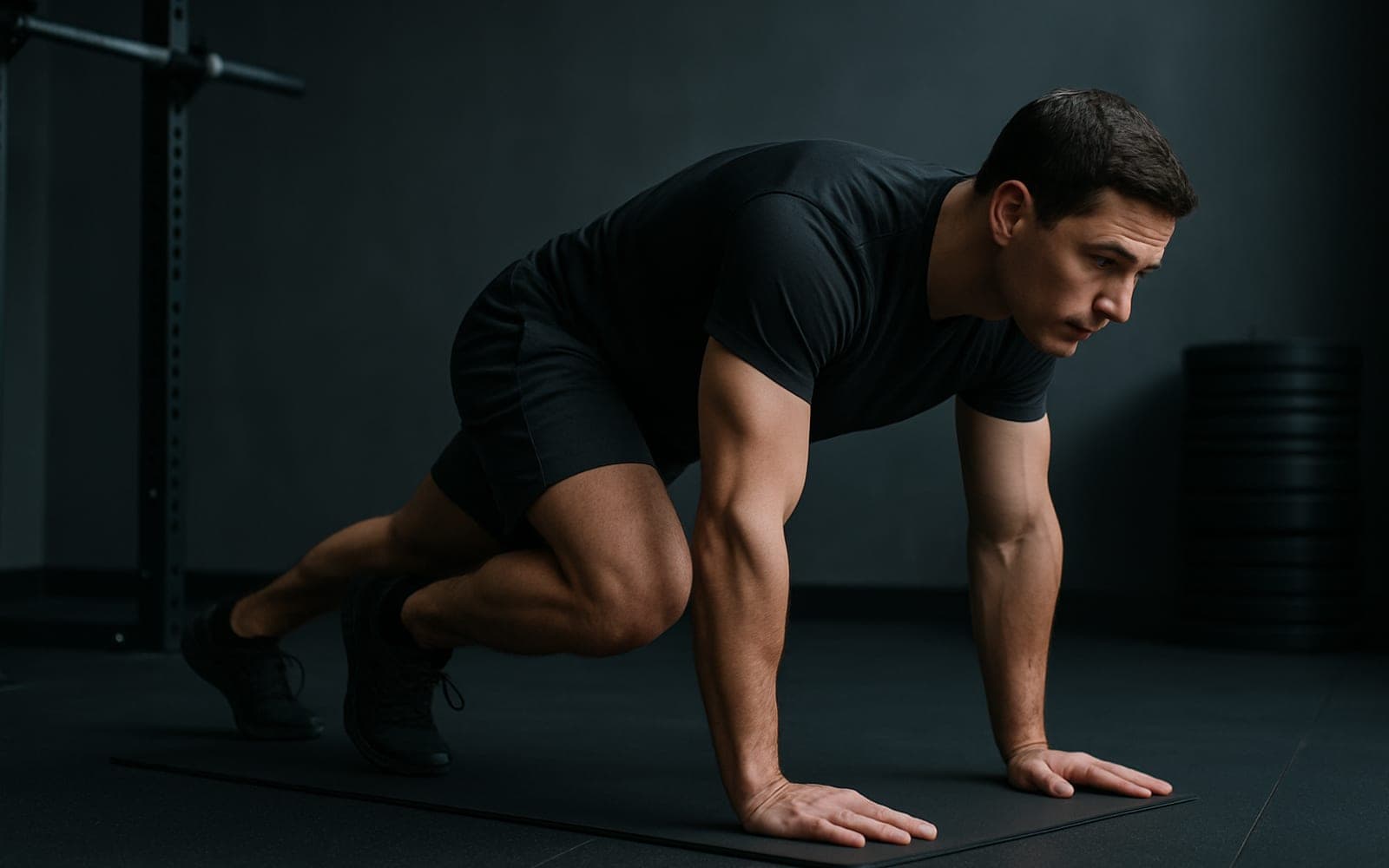
Start in a high plank, hands under the shoulders, body in a straight line.
- 2
Execute the movement
Drive one knee toward the chest, then quickly switch legs in a running motion while keeping the hips low and the core braced.
Common mistakes
- Hips piking up toward the ceiling
- Bouncing the hips
- Rushing and losing the plank position
Make it harder
Make it easier
Substitutions
If a machine is busy or unavailable, these train the same pattern a different way.
Your progress over time
What to expect from training this consistently — everyone progresses at their own pace.
- 1
First few sessions
Learn the basic mechanics: bracing the core, keeping hips low, and performing controlled knee drives; expect mild muscle soreness in the core and hip flexors as neuromuscular patterning develops.
- 2
Weeks 2–4
Noticeable improvement in core endurance and coordination, ability to perform longer sets with steadier tempo and reduced form breakdown; heart rate response becomes more manageable as conditioning begins to build.
- 3
Months 1–3
Significant gains in dynamic core stability and shoulder endurance, ability to perform faster, higher-rep intervals or longer timed rounds, and clearer carryover to other bodyweight movements and cardio circuits.
- 4
Months 3–6
Improved metabolic conditioning and calorie burn during workouts, ability to sustain high-tempo sets for conditioning sessions, and increased hip-flexor and quad tolerance to repeated knee-drive load.
- 5
6+ months
If combined with progressive training and appropriate nutrition, expect better overall conditioning and contribution to weight-loss goals, plus the ability to use mountain climbers as a dependable high-intensity core/cardio tool or progress to advanced variations (slower-loaded carries, weighted or plyometric patterns) for continued challenge.
Benefits of the mountain climber
Develops dynamic core strength and endurance by forcing the abdominals and obliques to stabilize during alternating leg movement.
Improves hip flexor and quadriceps endurance through repeated knee drives, which helps with running mechanics and fast-step activities.
Trains shoulder stability and upper-body isometric strength as the arms hold a plank-like position while the legs move.
Provides a time-efficient cardiovascular stimulus when performed at higher tempo or in intervals, supporting general fitness and calorie expenditure.
Transfers well to real-world tasks that require coordinated core-braced movement under fatigue, such as climbing stairs or rapid changes of direction.
Requires no equipment and little space, making it an accessible conditioning option to support weight-loss and consistency in home or gym programs.
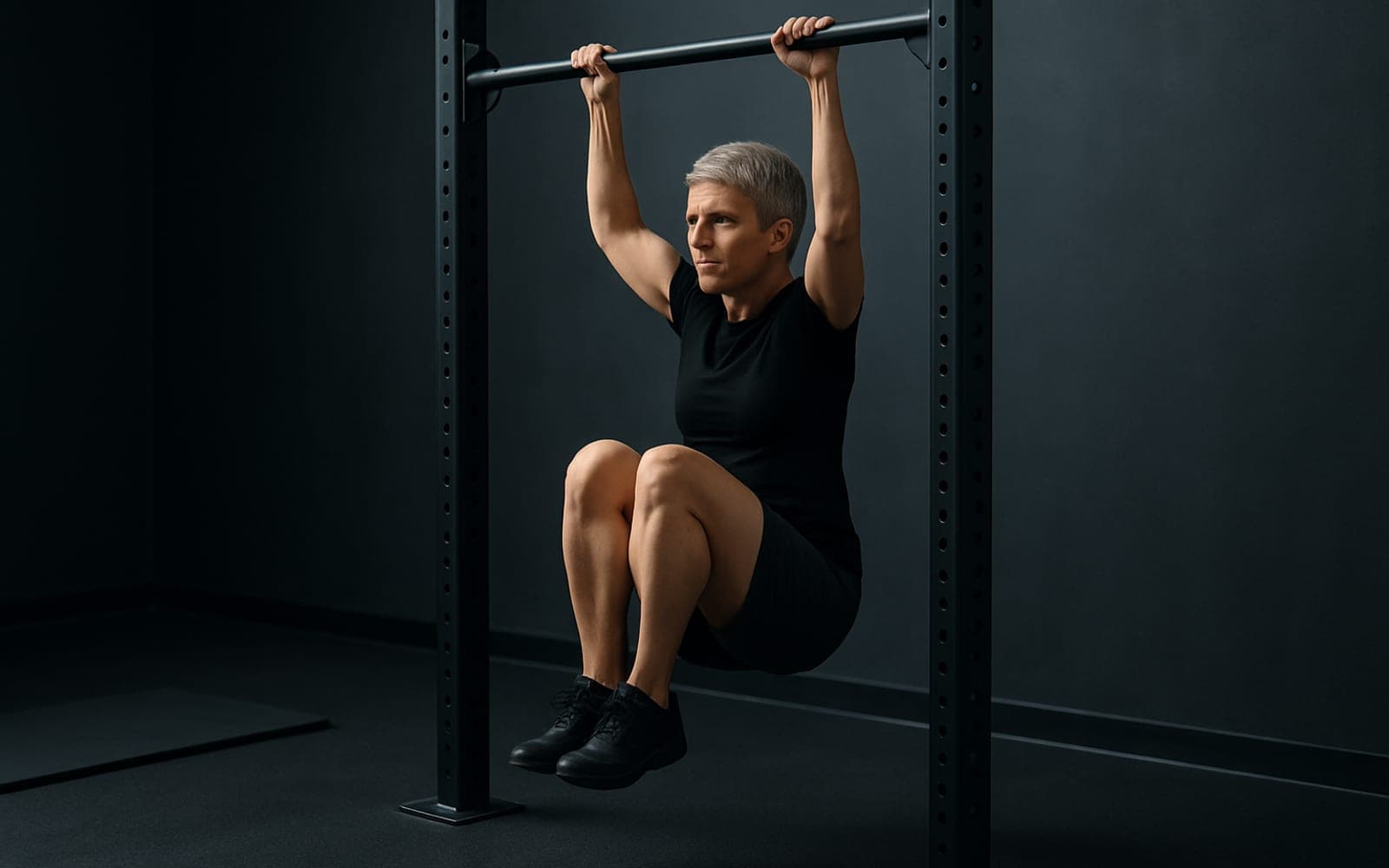
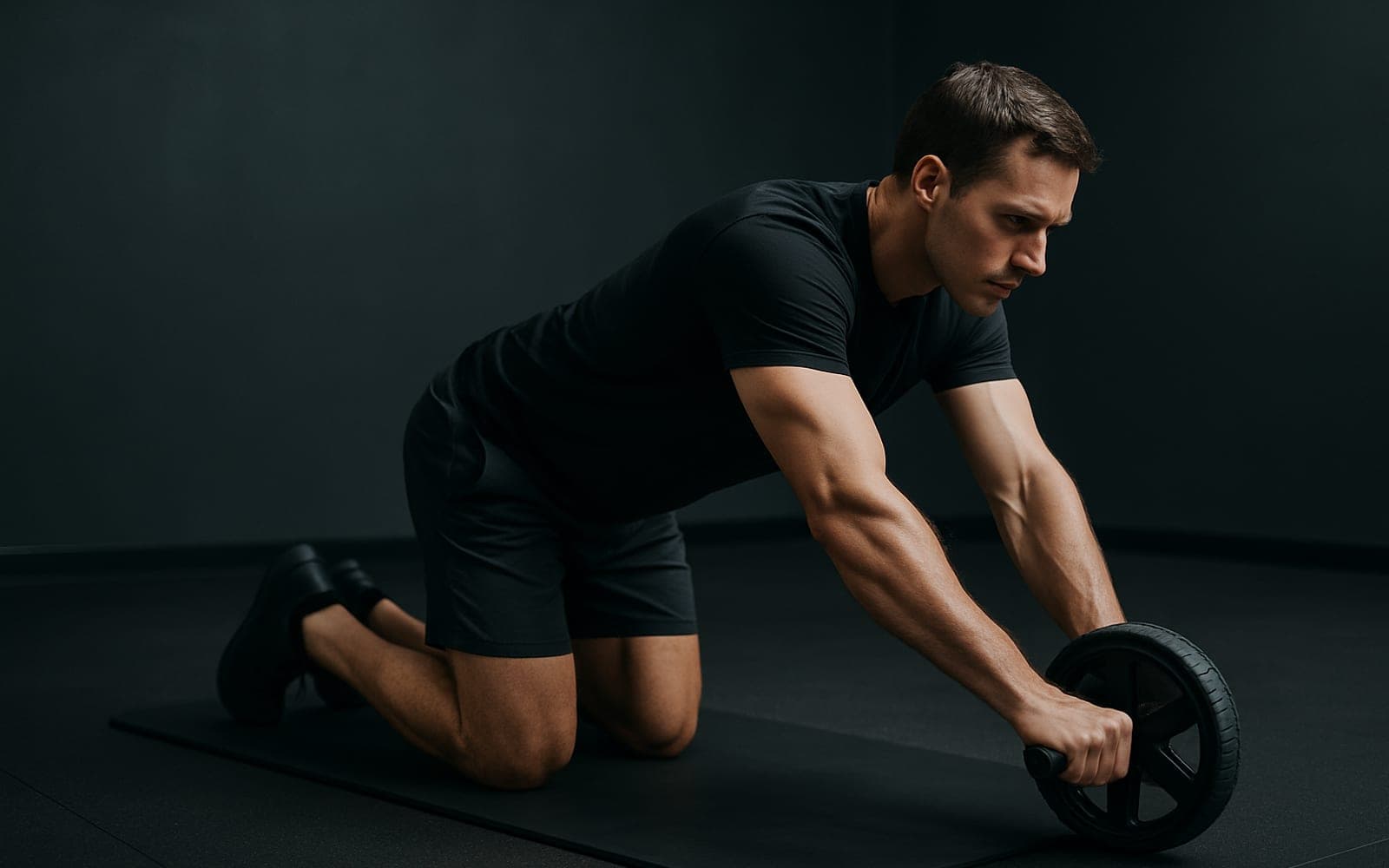
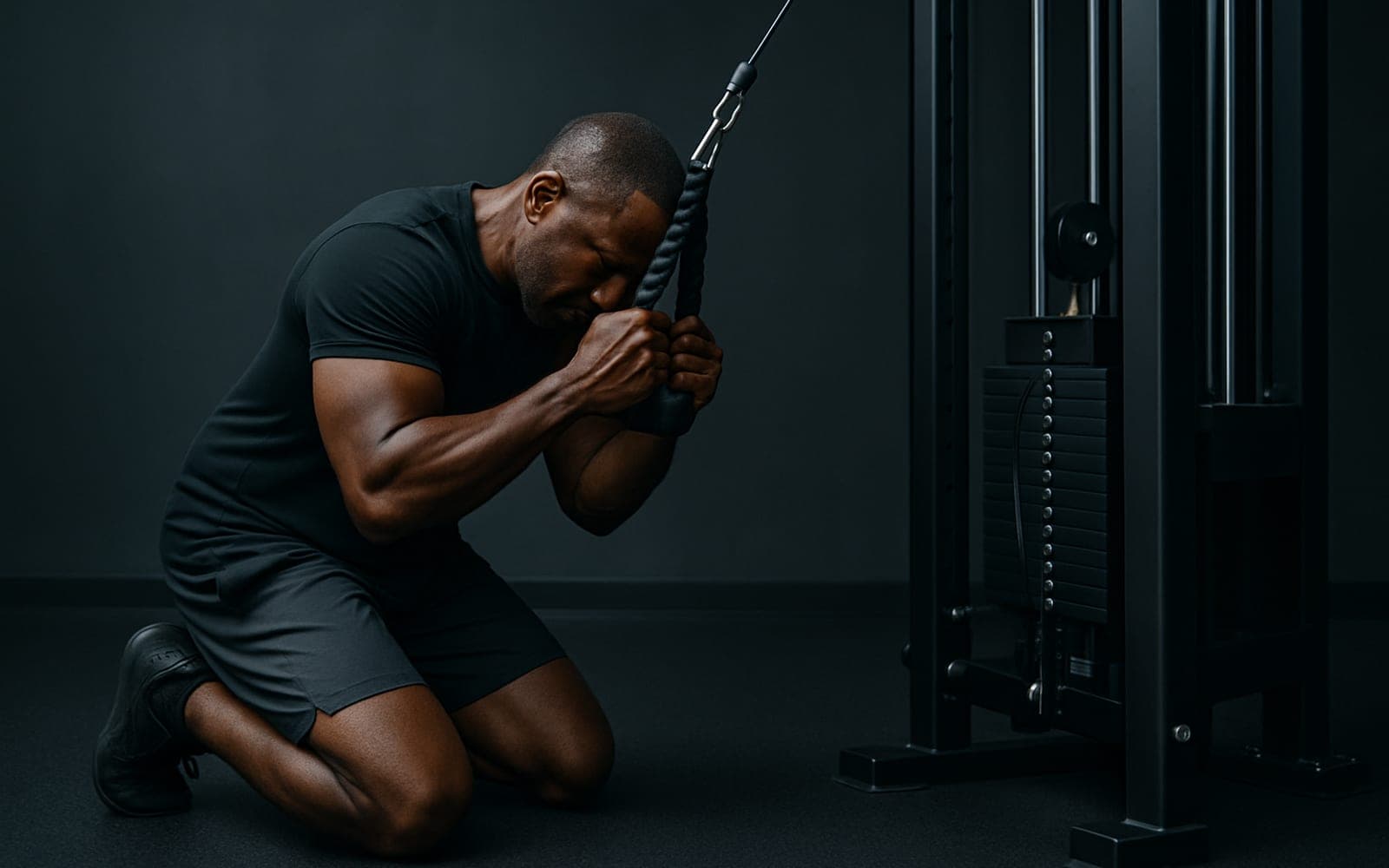
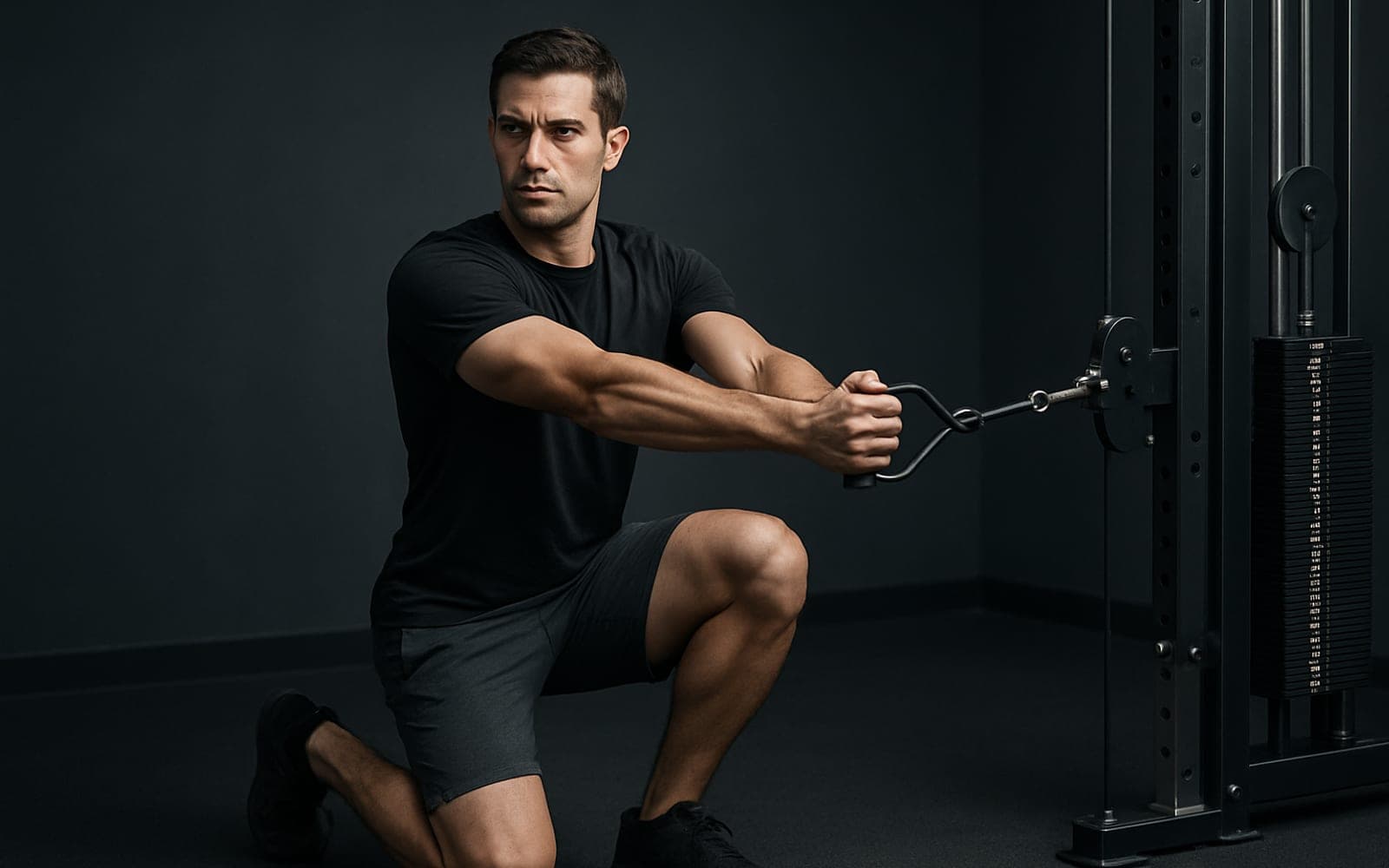
Exercises that pair with this
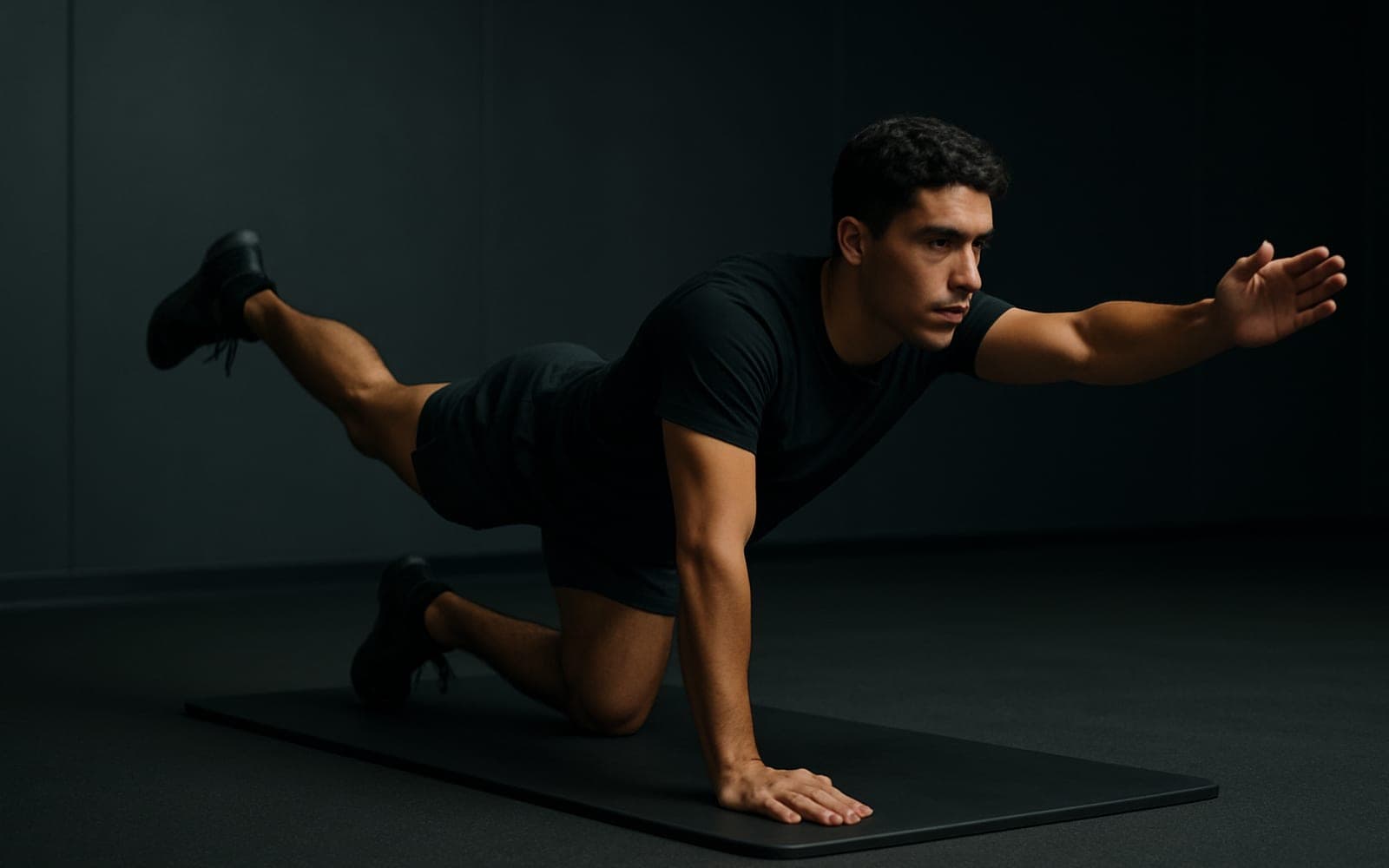
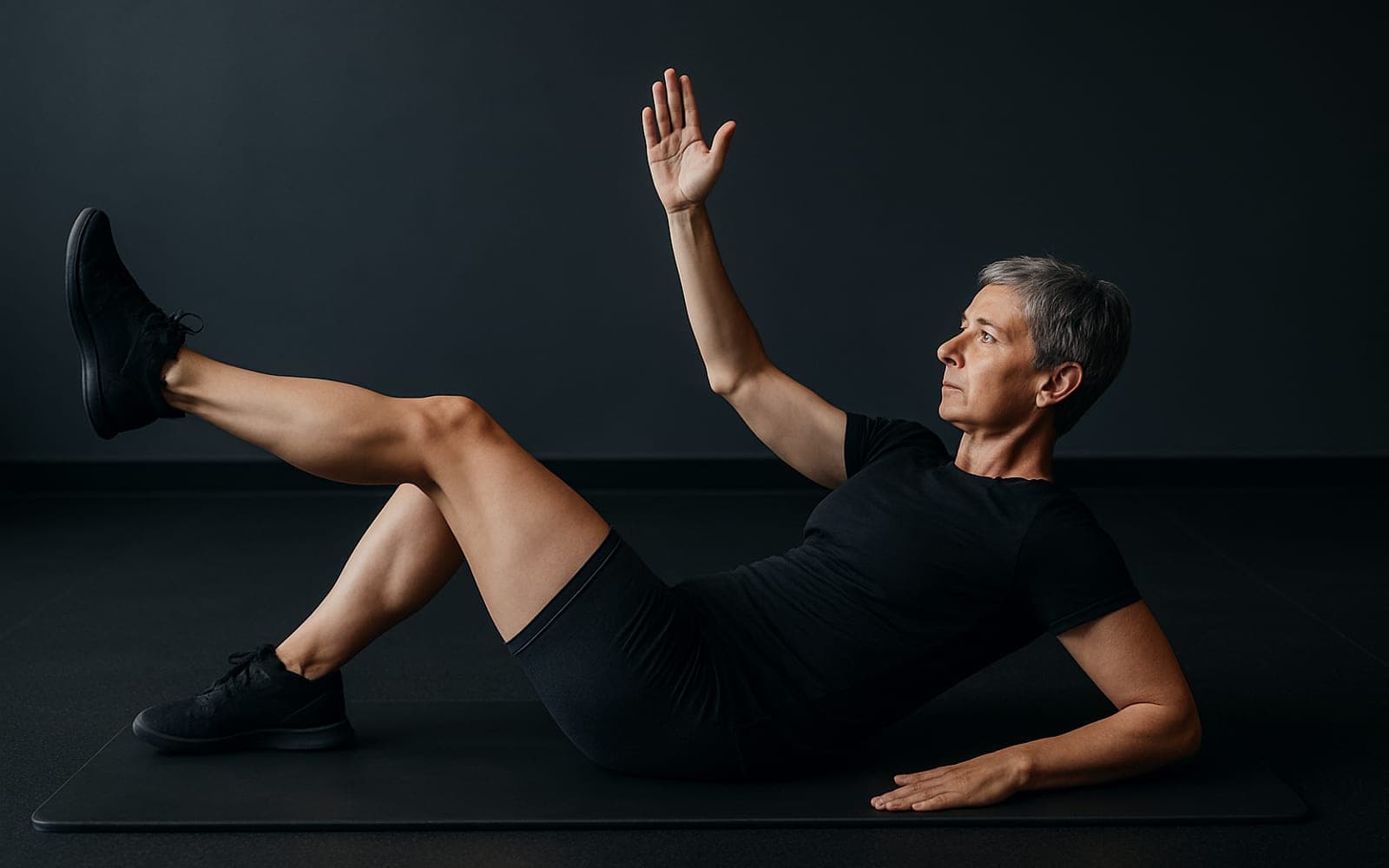
Same muscles or the same movement pattern — useful for building the rest of the session.
Mountain Climber — questions people ask
What muscles does the mountain climber work?
The mountain climber trains the core as the primary target, with the shoulders, hip flexors, quads working as support. It is a core pattern, so it also trains the coordination that pattern needs.
How many sets and reps of the mountain climber should I do?
Two to four sets of 8–15 reps, or 20–45 second holds. Stop the set when your form breaks, not when the count runs out.
Is the mountain climber good for beginners?
Yes. The mountain climber is a beginner-friendly movement. Slow the tempo or step the knees in one at a time. If it feels like too much, build the pattern on the plank first.
What can I do instead of the mountain climber?
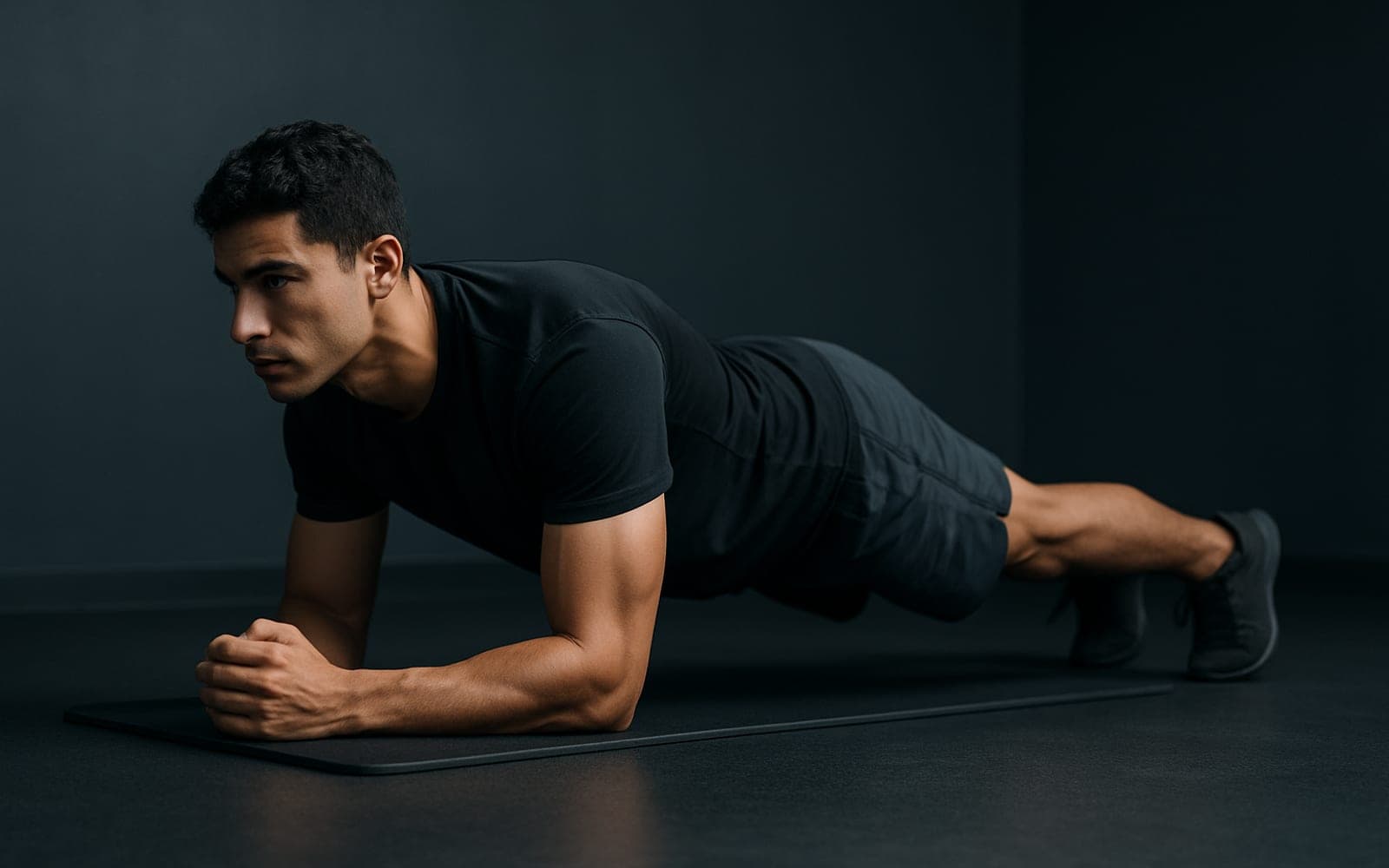
Plank all train the same core pattern with different equipment, so any of them works when the machine is busy or your gym does not have it.
What are the most common mountain climber mistakes?
Hips piking up toward the ceiling; Bouncing the hips; Rushing and losing the plank position. Drive one knee toward the chest, then quickly switch legs in a running motion while keeping the hips low and the core braced.