Hanging Knee Raise
Activation
Muscles worked
Movement
Core
Beginner · Bodyweight
Primary muscles
Secondary muscles
Movement pattern
Equipment category
How to perform
- 1
Set up
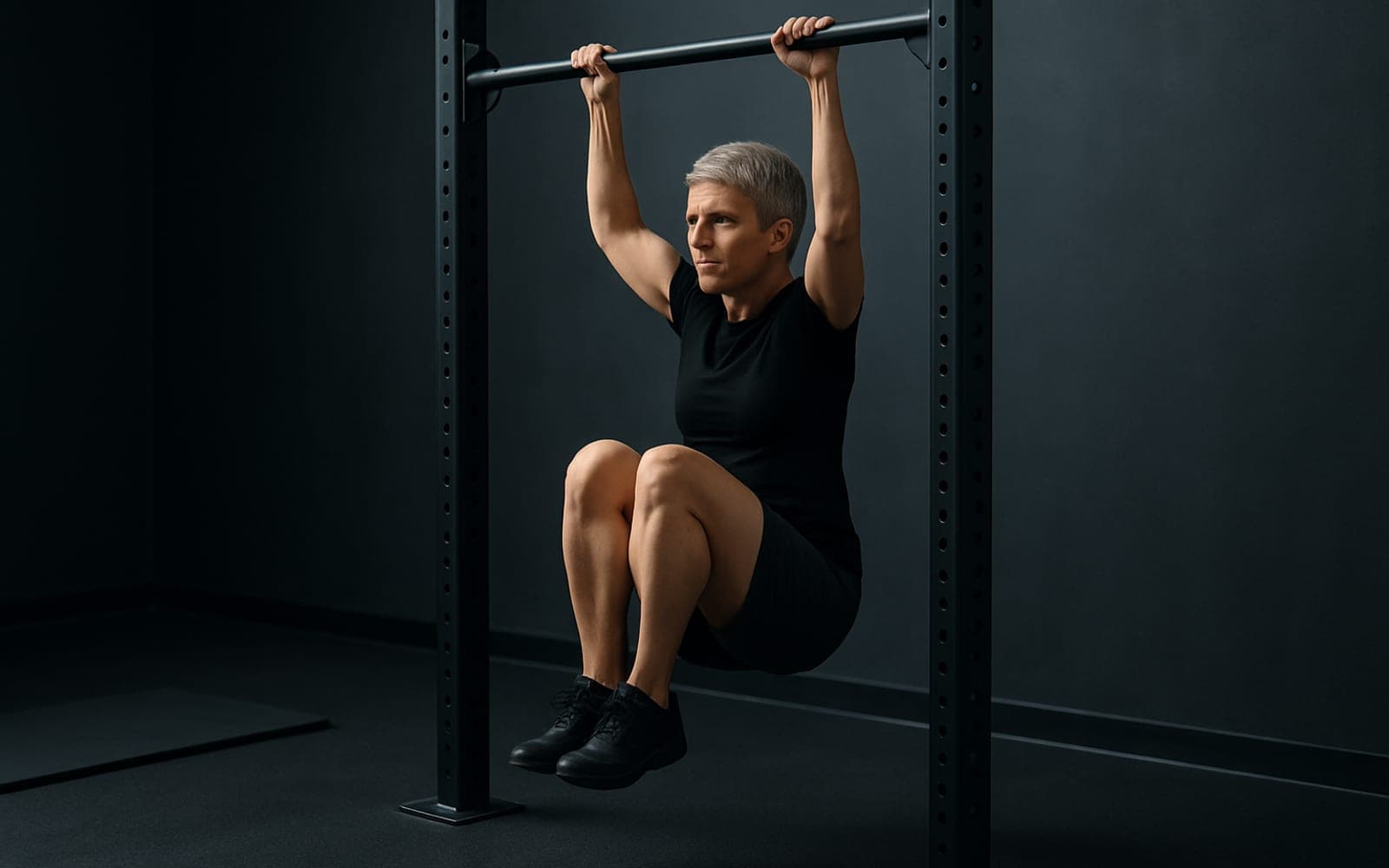
Hang from a bar with a controlled, non-swinging body.
- 2
Execute the movement
Curl the knees up toward the chest by rounding the lower back slightly, pause, then lower under control without swinging.
Common mistakes
- Swinging to gain momentum
- Only lifting the knees with the hip flexors and no ab curl
Make it harder
Make it easier
Substitutions
If a machine is busy or unavailable, these train the same pattern a different way.
Your progress over time
What to expect from training this consistently — everyone progresses at their own pace.
- 1
First few sessions
Learn safe dead-hang, grip and scapular control; perform 6–10 controlled reps focusing on knee tuck and no swinging with noticeable core activation and mild muscle soreness.
- 2
Weeks 2–4
Build endurance and motor pattern: 3–4 sets of 8–15 strict reps with reduced swinging, improved breath and pelvic control, and less reliance on momentum.
- 3
Months 2–3
Greater hypertrophy and strength of the rectus abdominis and hip flexors: able to perform higher-rep sets, superset with other core work, and maintain form under fatigue.
- 4
Months 4–6
Increased resistance tolerance and skill transfer: progress to advanced variations (slow eccentrics, paused reps, one-leg tucks) and demonstrate improved stability in compound lifts and athletic movements.
- 5
6+ months
Noticeable improvements in abdominal development, core endurance and control; capable of heavy or technical progressions (weighted knee raises or hanging leg raises) and reduced lower-back compensation during other exercises.
Benefits of the hanging knee raise
Develops the rectus abdominis and transverse abdominis through dynamic hip-spine flexion for improved core strength.
Strengthens hip flexors and the functional connection between hips and torso, aiding activities like climbing stairs or sprinting starts.
Improves scapular and grip endurance due to the hanging start position, benefiting pulling movements and upper-body stability.
Teaches pelvic tilt and lower-spine control, helping reduce undue lumbar extension during daily lifting tasks and exercises.
Is a scalable, low-equipment core exercise suitable for beginners that can be progressed for continued muscle and strength gains.
Enhances overall trunk endurance and body awareness, supporting posture and better movement control in general fitness activities.
Exercises that pair with this
Same muscles or the same movement pattern — useful for building the rest of the session.
Hanging Knee Raise — questions people ask
What muscles does the hanging knee raise work?
The hanging knee raise trains the core as the primary target, with the hip flexors working as support. It is a core pattern, so it also trains the coordination that pattern needs.
How many sets and reps of the hanging knee raise should I do?
Two to four sets of 8–15 reps, or 20–45 second holds. Stop the set when your form breaks, not when the count runs out.
Is the hanging knee raise good for beginners?
Yes. The hanging knee raise is a beginner-friendly movement. Do them from a captain's chair with back support. If it feels like too much, build the pattern on the core stability (machine/anti-rotation) first.
What can I do instead of the hanging knee raise?
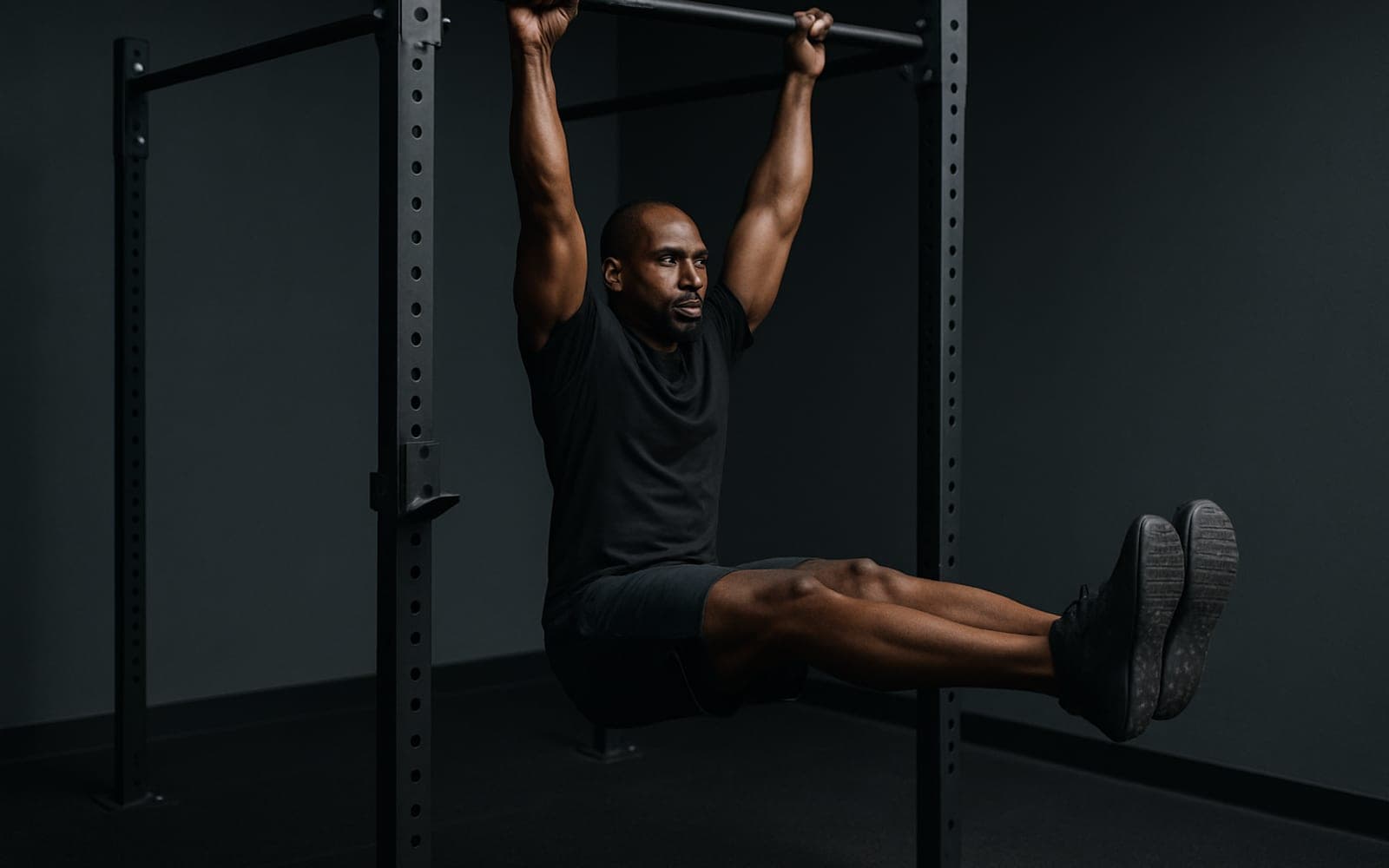
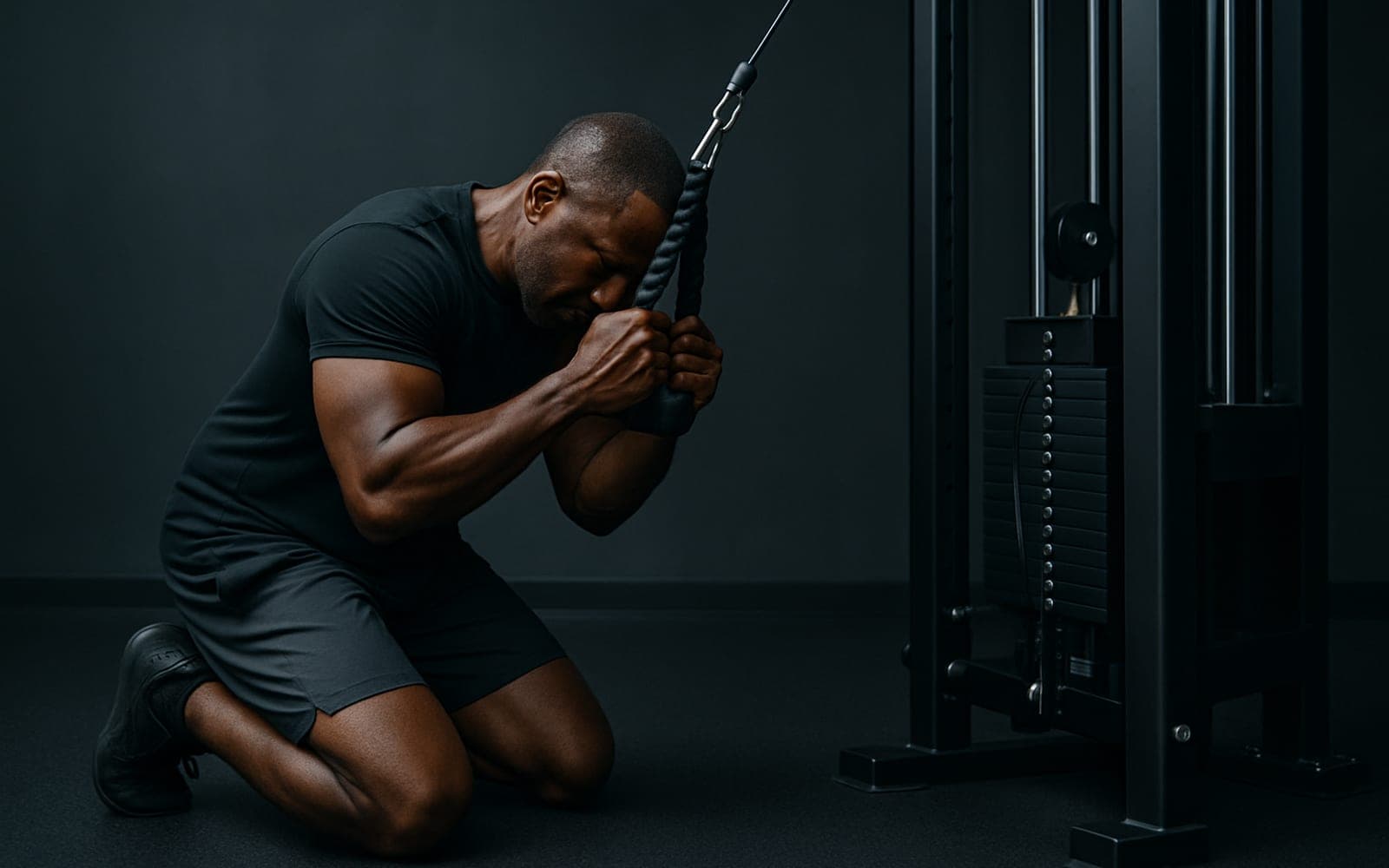
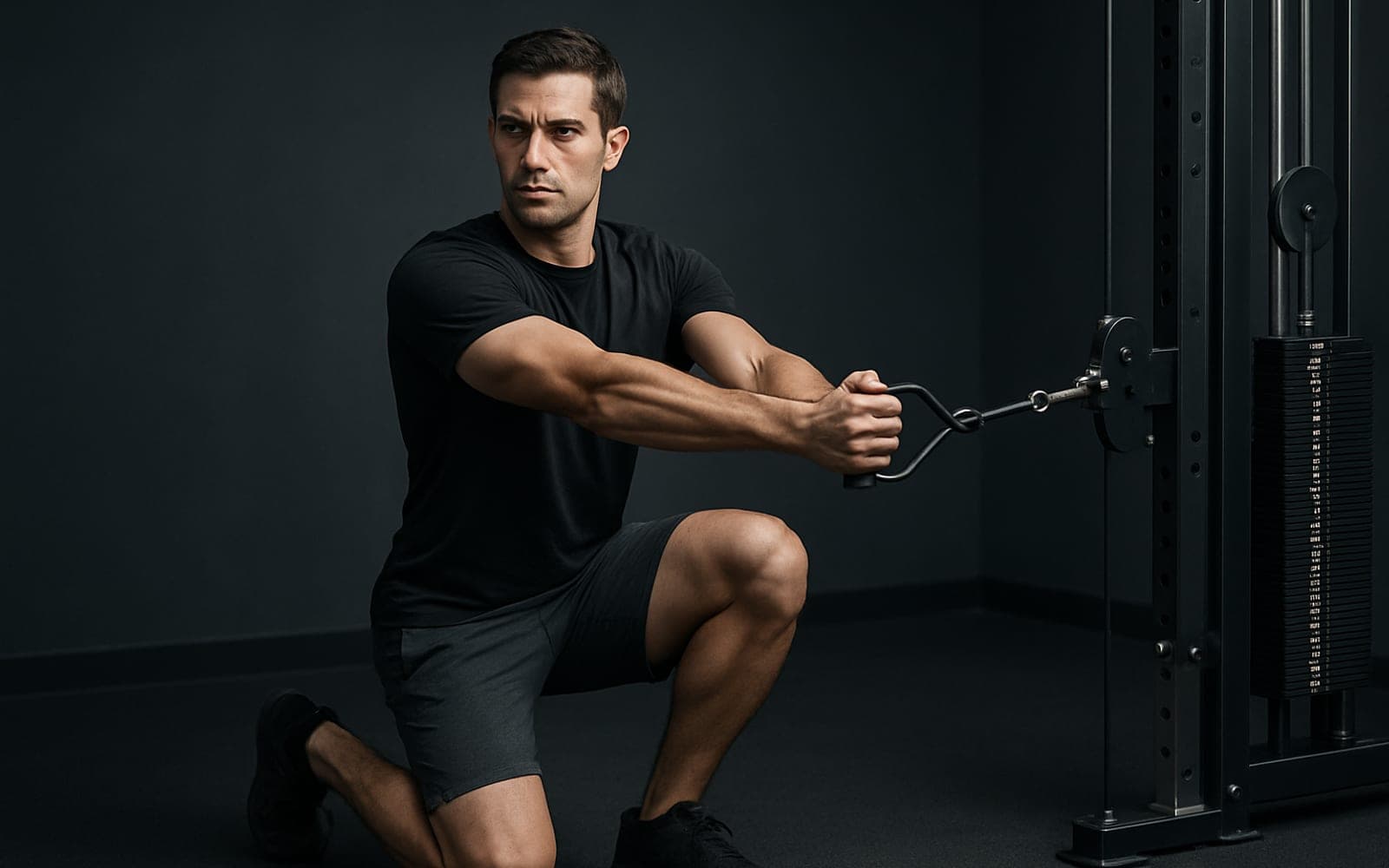
Hanging Leg Raise, Cable Crunch, Core Stability (Machine/Anti-Rotation) all train the same core pattern with different equipment, so any of them works when the machine is busy or your gym does not have it.
What are the most common hanging knee raise mistakes?
Swinging to gain momentum; Only lifting the knees with the hip flexors and no ab curl. Curl the knees up toward the chest by rounding the lower back slightly, pause, then lower under control without swinging.