Treadmill Walking
Activation
Muscles worked
Movement
Cardio
Beginner · Cardio
Secondary muscles
Movement pattern
Equipment category
How to perform
- 1
Set up
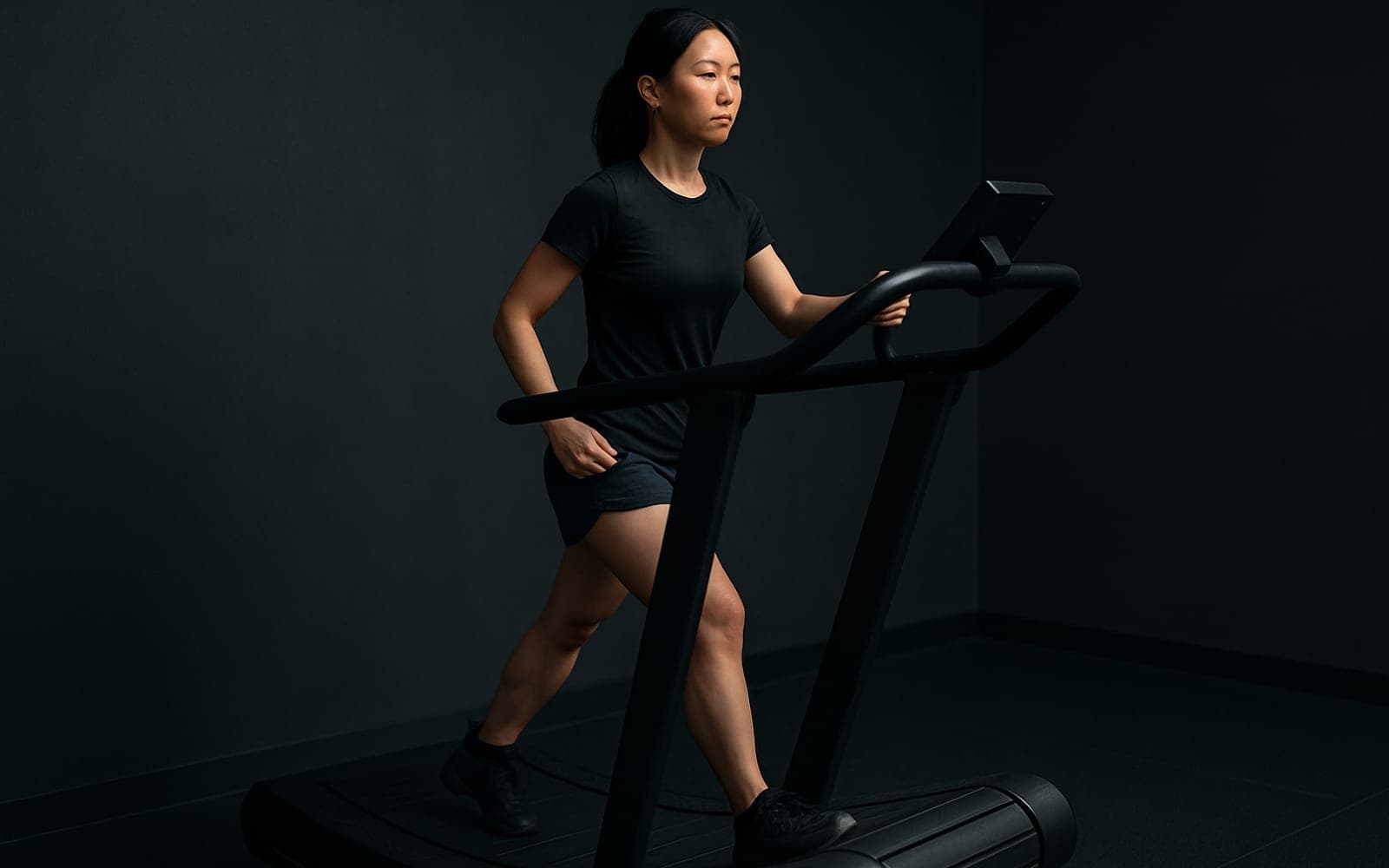
Set a brisk but conversational pace; add a slight incline.
- 2
Execute the movement
Maintain a steady effort you could hold a conversation at (Zone 2).
Common mistakes
- Holding the rails and leaning
Make it harder
Make it easier
Accessibility
Substitutions
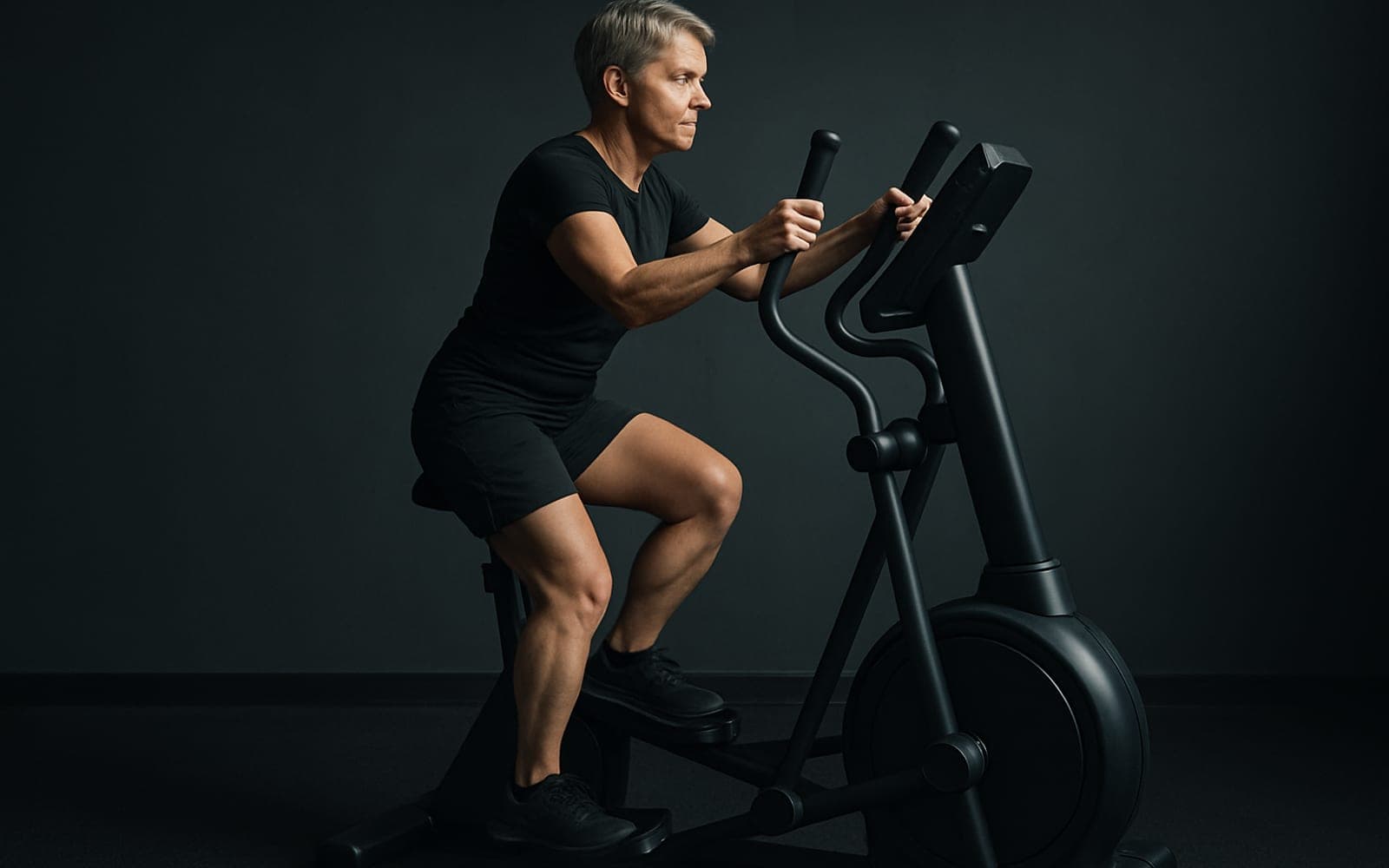
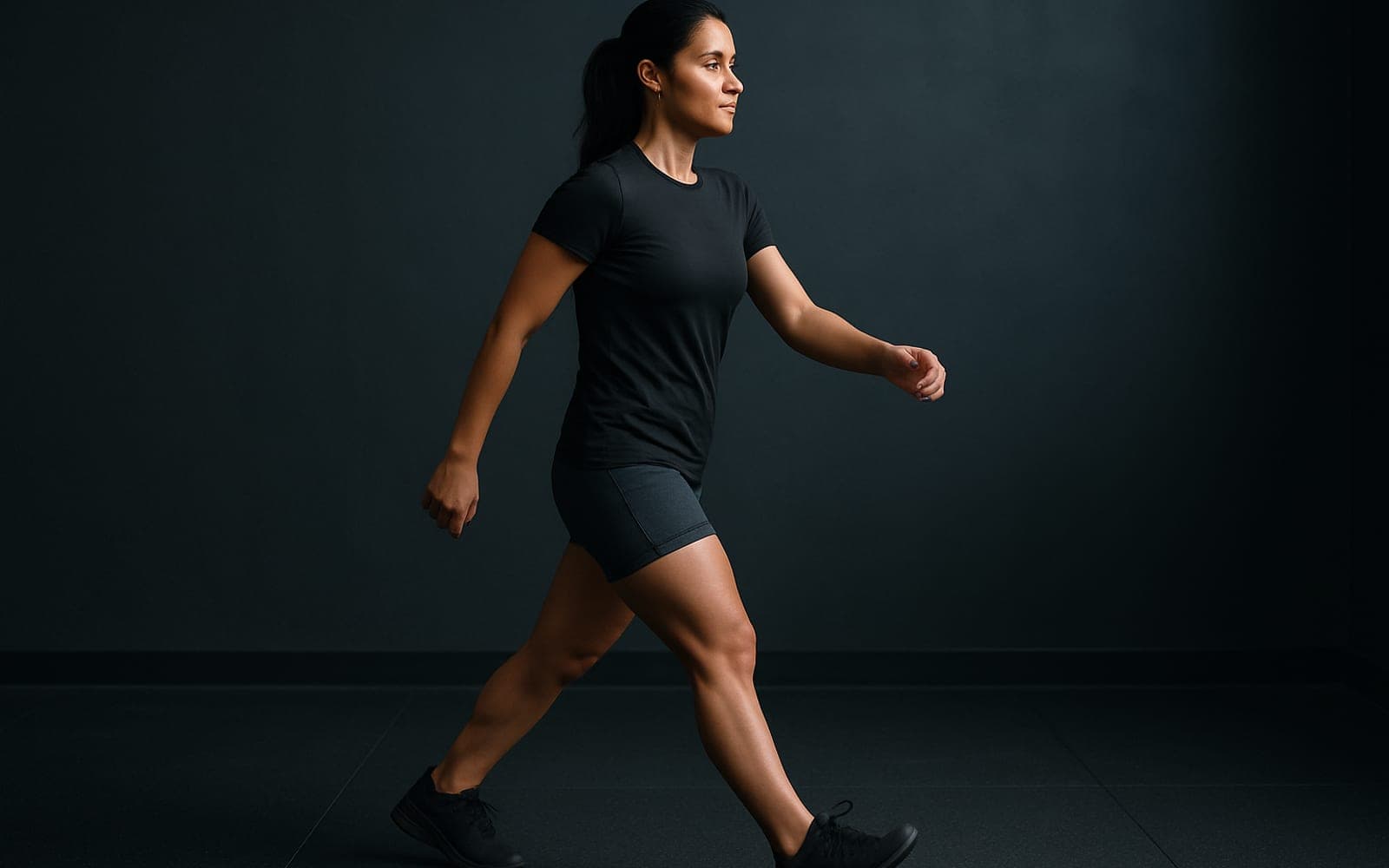
If a machine is busy or unavailable, these train the same pattern a different way.
Your progress over time
What to expect from training this consistently — everyone progresses at their own pace.
- 1
First few sessions
Become comfortable with treadmill mechanics and pacing; can walk 20–30 minutes at a steady conversational pace without undue breathlessness and learn to control speed/incline safely.
- 2
Weeks 2–4
Noticeable increase in walking duration and consistency — sessions extend to 30–45 minutes with slightly higher average speed or mild incline while perceived effort remains moderate.
- 3
Months 2–3
Improved aerobic endurance: lower resting heart rate and reduced exertion for the same pace; caloric expenditure per session increases as you sustain longer or brisker walks, aiding gradual weight loss when paired with diet.
- 4
3–6 months
Reliable cardio base and habit formation: able to complete regular 45–60 minute Zone 2 walks, maintain body-weight reductions or improved body composition, and use walking as a primary recovery or daily-activity tool.
- 5
6+ months
Solid long-term cardiovascular and metabolic benefits: sustained improvements in aerobic capacity and daily energy expenditure, plus easier progression to higher-intensity cardio or longer endurance activities if desired.
Benefits of the treadmill walking
Develops aerobic capacity and endurance by training the cardiovascular system at a sustainable Zone 2 intensity.
Strengthens and conditions the leg muscles (calves, quadriceps, hamstrings, glutes) through repeated low-impact loading.
Supports weight-loss goals by providing a reliable, low-impact way to increase daily calorie burn when combined with appropriate nutrition.
Promotes habitual physical activity and movement consistency because it’s easy to scale, low-skill, and simple to fit into a routine.
Aids recovery and joint-friendly conditioning compared with higher-impact cardio, making it approachable for beginners and people returning to exercise.
Can improve daily functional fitness and stamina for walking-based tasks and helps reduce sedentary time.
Exercises that pair with this
Same muscles or the same movement pattern — useful for building the rest of the session.

Treadmill Walking — questions people ask
What muscles does the treadmill walking work?
The treadmill walking trains the heart and legs as the primary target. It is a cardio pattern, so it also trains the coordination that pattern needs.
How many sets and reps of the treadmill walking should I do?
Work in time, not reps: 20–40 minutes at a conversational pace for base fitness, or 6–10 short hard intervals with equal rest if you are training for speed.
Is the treadmill walking good for beginners?
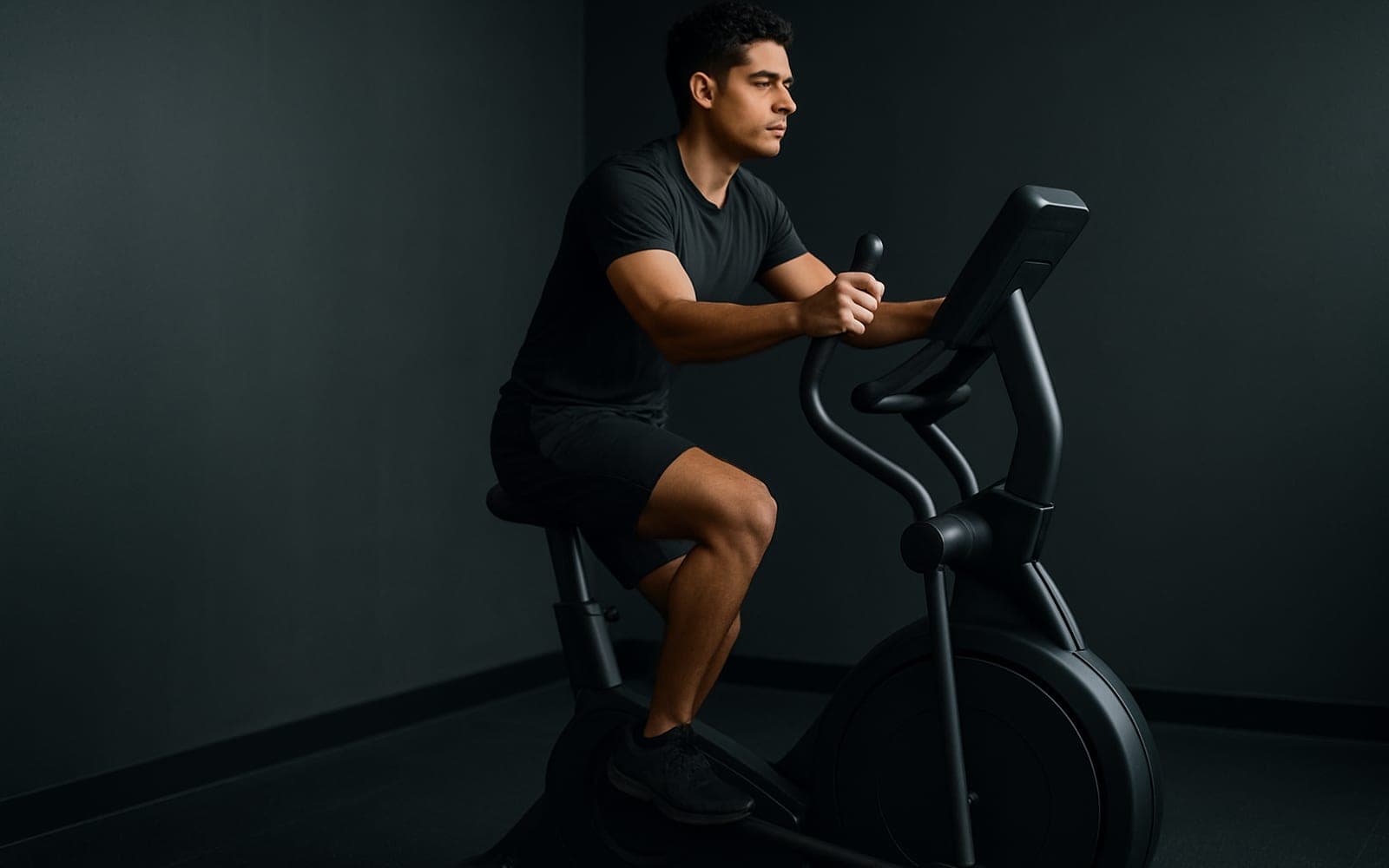
Yes. The treadmill walking is a beginner-friendly movement. Reduce speed/incline. If it feels like too much, build the pattern on the elliptical trainer first.
What can I do instead of the treadmill walking?
Elliptical Trainer, Outdoor Walk all train the same cardio pattern with different equipment, so any of them works when the machine is busy or your gym does not have it.
What are the most common treadmill walking mistakes?
Holding the rails and leaning. Maintain a steady effort you could hold a conversation at (Zone 2).
Can I do the treadmill walking at home?
The treadmill walking needs cardio equipment, which most home gyms do not have. The outdoor walk trains the same pattern with nothing more than your bodyweight or a band.