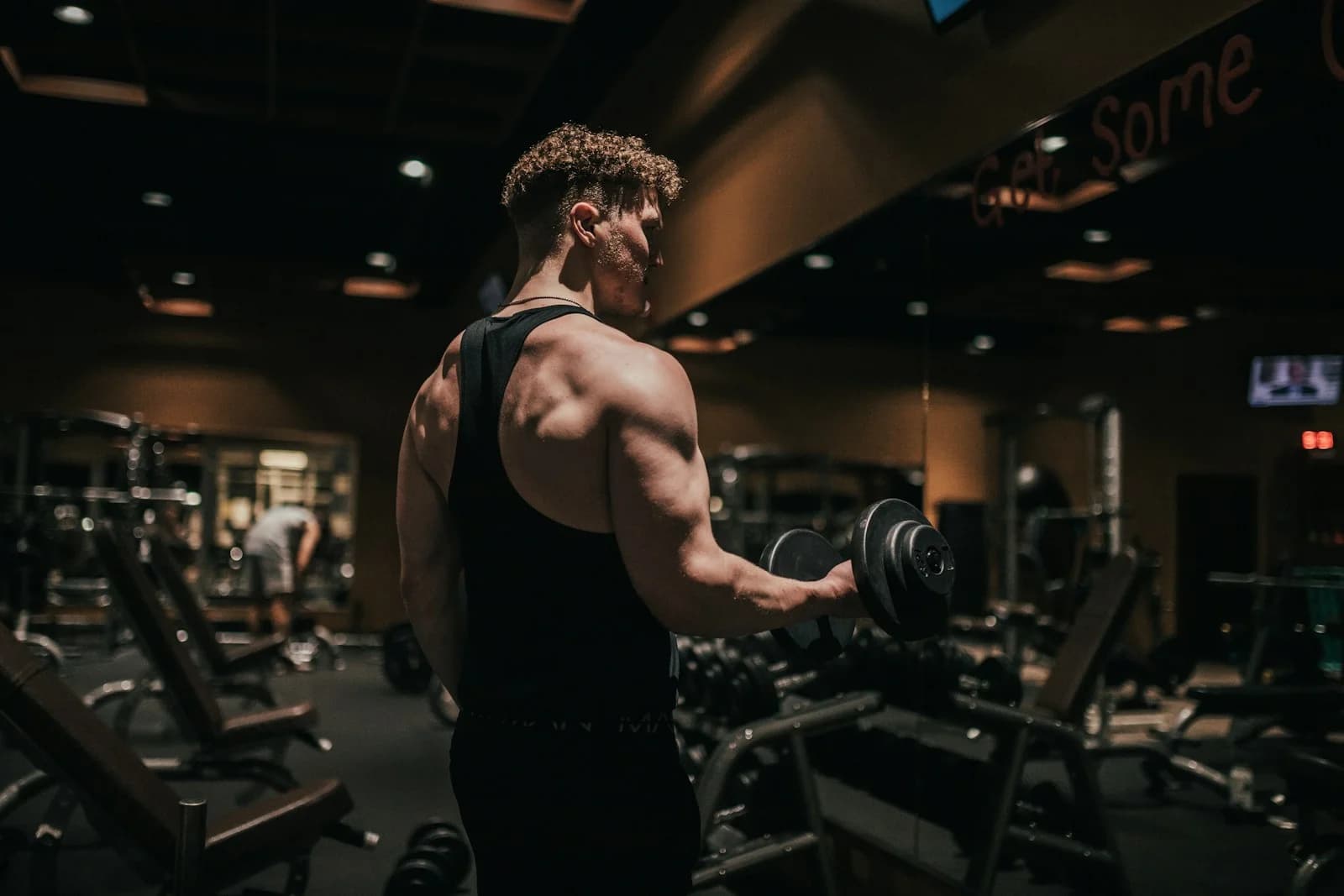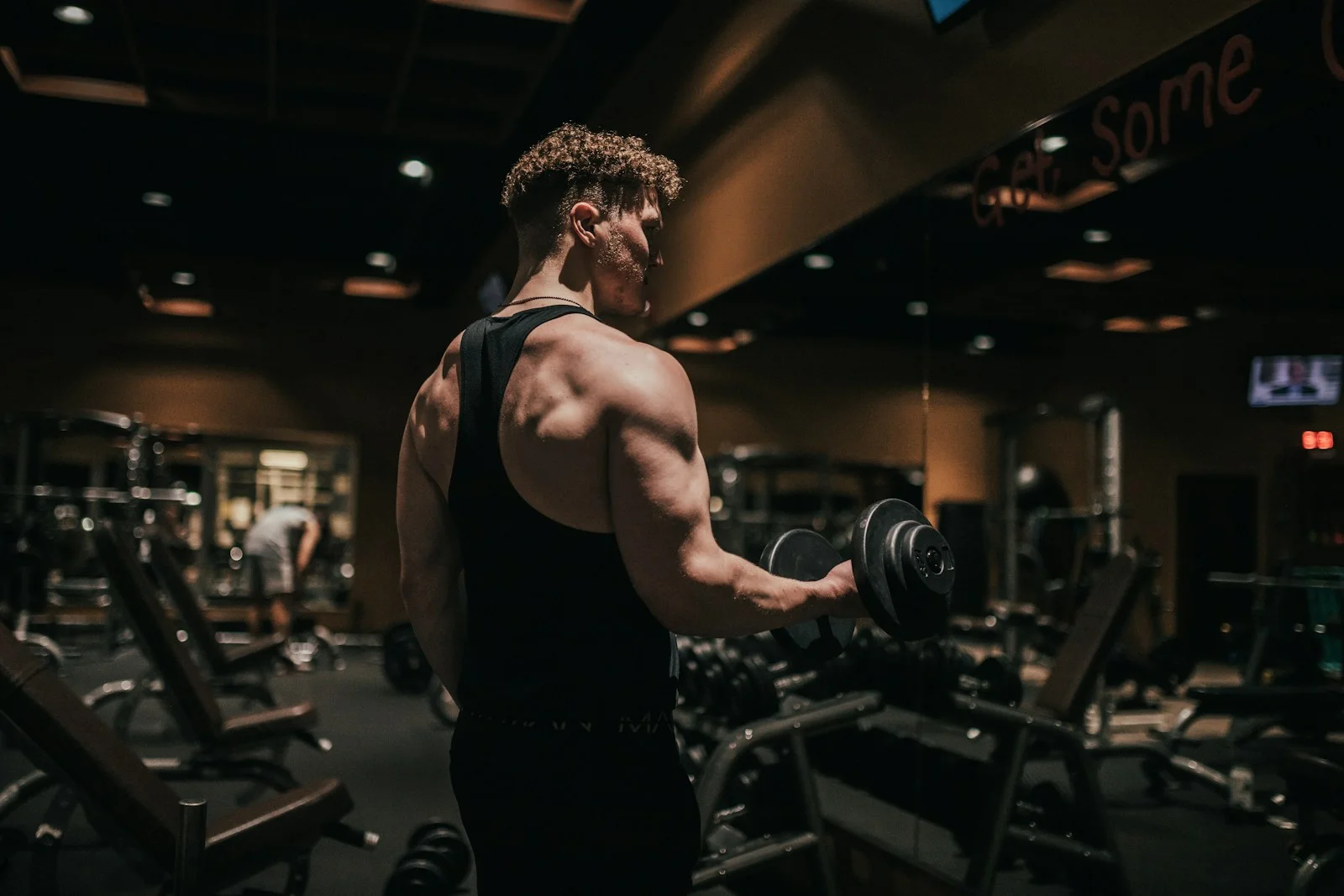
The fundamentals of fitness—strength, cardio and mobility—remain the same across life, but the emphasis and how you train them should shift with age. Training smart for your stage helps you stay capable, lower the risk of setbacks, and keep exercise sustainable.
This guide outlines practical focuses and program adjustments for people in their 20s–30s, 40s–50s, and 60s+. It includes clear how-to steps, a sample session and week, common mistakes, and signposts to deeper reading so you can choose the right tools and approach for your situation.
On this page
How to think about training across decades
Across all ages the same three pillars matter: progressive resistance, enough aerobic work to support daily energy and recovery, and mobility that preserves range of motion. What changes is relative priority, volume, and how aggressive you are with load and frequency.
Plan around your day-to-day life and recovery capacity. Younger adults often tolerate higher training volume and higher-intensity cardio. Midlife lifters benefit from joint-friendly choices and more recovery emphasis. Older adults generally do best with controlled loading, balance work, and consistent strength training. For deeper reading on progression principles see Getting Stronger: Progressive Overload Explained.
20s–30s: build a robust base
This is the decade for building movement quality, building muscle and creating a strong base of aerobic fitness. Recovery tends to be faster, so you can accumulate practice and volume to learn technically demanding lifts and accumulate strength reserves.
- Prioritize learning fundamental movement patterns and technique with exercises such as goblet squat and seated cable row.
- Aim for a mix of compound strength sessions and at least 2–3 cardio sessions per week, varying intensity between steady-state and intervals; see LISS vs HIIT vs Zone 2: Cardio Types Explained.
- Include mobility flows like hip mobility and thoracic mobility on training days and recovery days.
- Use progressive overload to add weight, reps or quality of movement over months and learn to manage fatigue; if you plan a home setup, see Building a Home Gym on Any Budget.
How-to steps
Follow a simple, consistent plan that emphasizes technique early and volume after movement is reliable.
- 1Start each session with a dynamic warm-up.
- 2Do 2–4 compound strength movements per session, including at least one lower-body pattern such as goblet squat.
- 3Add 1–2 accessory movements for weak links and single-leg work like glute bridge.
- 4Finish with 10–20 minutes of aerobic work or conditioning based on your goals.
40s–50s: protect the joints and prioritise consistency
Many people begin to notice slower recovery and more joint sensitivity in midlife. That makes consistent, sustainable training a higher priority than chasing maximal loads on every session. You can still get stronger; the goal is to accumulate quality sessions while limiting flare-ups.
- Focus on durable movement that keeps pain low and function high, using joint-friendly options such as leg press and selectorized machines if they allow you to train consistently; see A Beginner's Guide to Selectorized Machines.
- Keep strength sessions regular—two to four sessions per week—with an emphasis on controlled tempo and full range of motion.
- Add targeted mobility like hip mobility and thoracic mobility daily to support posture and lifting mechanics.
- Prioritize recovery strategies such as regular sleep, planned lighter weeks, and active recovery; see Why Recovery Is Where Results Happen.
How-to steps
Tune volume and intensity to your recovery. When soreness or stiffness rises, reduce session density or choose machine-based versions of the same movement.
- 1Begin with a longer warm-up that includes joint-specific mobility and lighter sets.
- 2Use 3–5 sets of 6–12 reps on most compound lifts, focusing on steady progress rather than maximal single-rep attempts.
- 3Include single-leg variations and core stability work to preserve balance and resilience.
- 4Schedule at least one day a week for active recovery (walk, mobility, light cycling).
60s and beyond: strength, control and independence
In later decades, the most important training goals are maintaining strength, preserving bone-loading patterns, improving balance and keeping movement quality high. Resistance training remains central, but the approach emphasizes control, safety and functional transfer to daily tasks. See our guide on Strength Training for Seniors for additional safety-focused cues: Strength Training for Seniors.
- Prioritize multi-joint, moderate-load strength work performed with deliberate tempo and good technique.
- Include balance and carry patterns such as farmer's carry and single-leg supports to preserve independence.
- Keep mobility and joint health front and center with daily short sessions such as hip mobility and thoracic mobility.
- Favor consistency and gradual progression over fast jumps in load; machines and cables often offer a safe, controlled option.
Programming principles that apply at any age
Several programming principles are useful regardless of decade: progressive overload, adequate protein and fueling, planned recovery, and movement variation. How you dial each in depends on age, experience, and recovery.
- Progressive overload can be achieved with more weight, more reps, improved technique, or reduced rest; review practical methods in Progressive Overload Explained.
- Fuel and recovery matter; many lifters find a commonly cited protein range of about 1.2–2.0 g per kg of bodyweight helpful when training is regular—see Protein 101.
- Choose equipment sensibly: free weights teach stability and carryover, while selectorized machines can reduce joint strain; read Free Weights vs Machines: Which Is Right for You?.
- Use deloads or lighter weeks every 4–8 weeks to restore readiness, and prioritize sleep to support adaptation; see Sleep and Muscle Growth.
Sample session and a simple sample week
Below are a practical, adaptable session and a sample weekly pattern you can scale to experience and recovery.
Sample full-body session (all ages, adjust load)
This session fits into a 45–60 minute block. Adjust sets, reps and load for your stage—use lighter loads and controlled tempo if needed.
- 1Dynamic warm-up movement: dynamic warm-up for 5–8 minutes.
- 2Compound lower-body: goblet squat, 3 sets of 6–12 reps.
- 3Horizontal pull: seated cable row, 3 sets of 8–12 reps.
- 4Hip hinge or glute focus: glute bridge, 3 sets of 8–12 reps.
- 5Shoulder or pressing: dumbbell or machine press, 2–3 sets of 8–12 reps.
- 6Core and balance: farmer's carry or plank variations, 2–4 rounds.
- 7Cooldown: short mobility or cooldown stretch.
Sample week (moderate schedule)
Scale frequency and intensity by age, experience and recovery. This pattern balances strength, mobility and aerobic work.
- 1Day 1: Full-body strength session (use the sample session above).
- 2Day 2: Low-impact aerobic work for 30–45 minutes such as low-impact cardio plus mobility.
- 3Day 3: Strength session emphasizing different primary lifts and single-leg work.
- 4Day 4: Active recovery—mobility flows like hip mobility and a 20–30 minute walk.
- 5Day 5: Strength session focused on volume or accessory work, keeping intensity moderate.
- 6Day 6: Conditioning or interval work tailored to capacity; consult Cardio Types Explained for options.
- 7Day 7: Rest or very light movement and recovery strategies described in Recovery Is Where Results Happen.
Common mistakes and how to avoid them
Avoiding predictable errors makes training more productive and sustainable across decades.
- Neglecting mobility and warm-up—skip the warm-up and you raise the odds of stiffness and skipped sessions; start with a dynamic warm-up.
- Doing only one type of training—balance strength, cardio and mobility instead of cycling extremes of only cardio or only lifting.
- Progressing too quickly on load—increase weight gradually and use methods in Progressive Overload Explained rather than large jumps.
- Ignoring recovery signals—if fatigue or joint pain persists, reduce volume or switch to machine-based variations as covered in A Beginner's Guide to Selectorized Machines.
- Skipping protein and nutrient planning—regular training pairs best with consistent protein intake; see Protein 101.
Who this guide is for
This guide is for adults who want a practical, stage-appropriate approach to staying strong and mobile across decades. It suits beginners learning movement patterns, intermediate lifters refining consistency, and older adults prioritizing independence.
Consult a doctor or qualified professional before starting a new program if you have a chronic health condition, are pregnant, are recovering from an injury, or take medications that affect exercise capacity. For tailored programming support, build a free plan on GymGuide or work with a qualified trainer.
Exercises in this guide
Each links to a full form guide — setup, cues, common mistakes and swaps.


Key takeaways
- The pillars of fitness—strength, cardio and mobility—stay the same; how you prioritize them changes with age.
- In your 20s–30s, focus on building movement quality, muscle and aerobic base while learning progressive overload.
- In your 40s–50s, emphasize consistency, joint-friendly choices and recovery to preserve function and strength.
- In your 60s+, prioritize controlled resistance, balance and mobility to support independence and daily function.
- Use equipment and programming that match your recovery and goals, and lean on machines or cables when they help you train more consistently.
- Plan regular deloads, adequate protein and sufficient sleep to support training at any age.
How this guide was made
Written by GymGuide Editorial. This guide was drafted with AI assistance and edited to our editorial standards: general fitness education in plain language, no invented statistics or study citations, no medical or treatment claims, room for individual variation, and links only to pages on GymGuide. It is not medical advice — talk to a doctor or qualified professional about injuries, health conditions, pregnancy or medication before changing how you train or eat. Last updated October 14, 2026. Read our responsible guidance commitments.
Put this into a plan
GymGuide turns guidance like this into a personalized weekly plan — and finds the gyms and equipment to do it.
Build my free plan