Glute Bridge
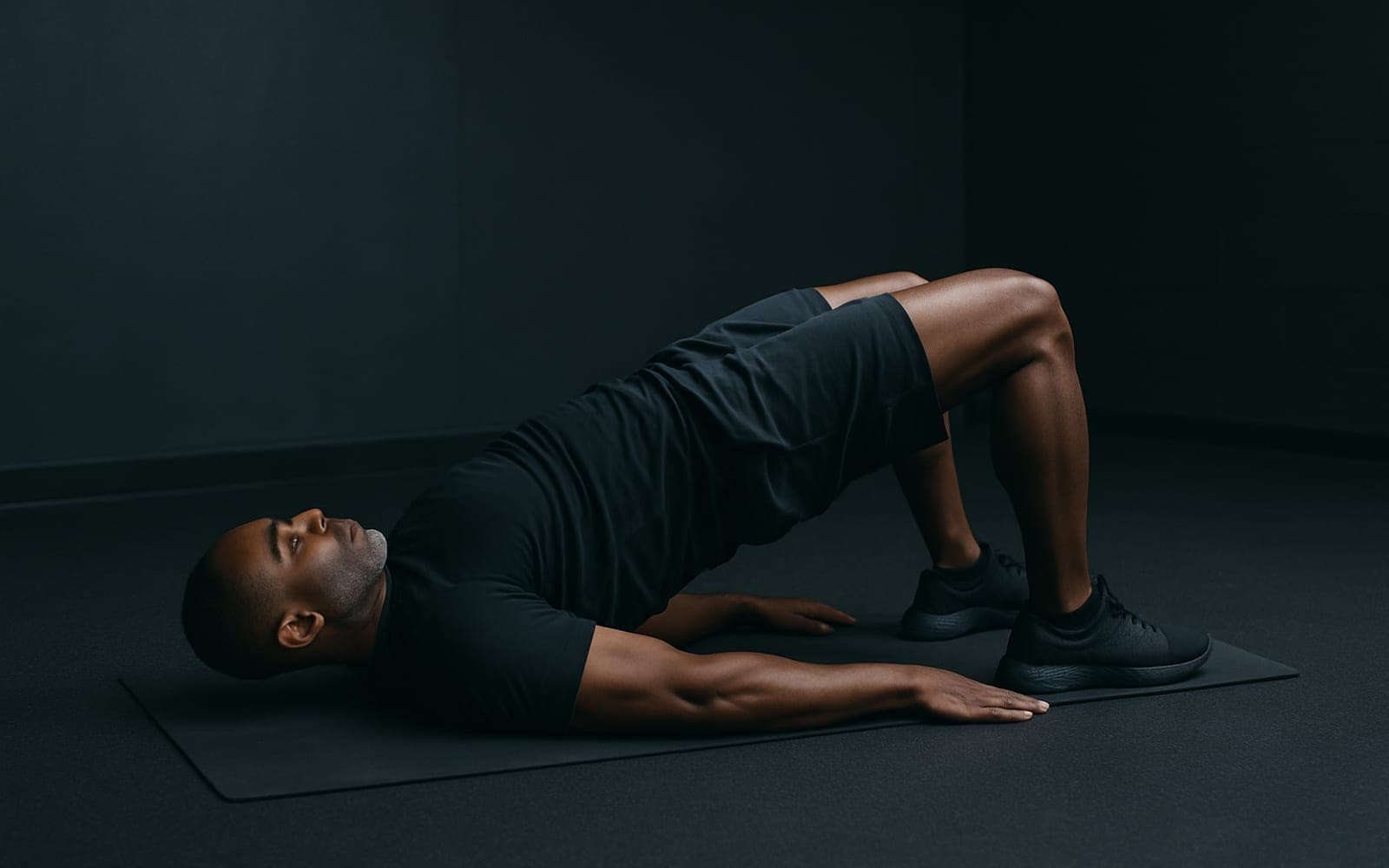
Activation
Muscles worked
Movement
Hinge
Beginner · Bodyweight
Primary muscles
Secondary muscles
Movement pattern
Equipment category
How to perform
- 1
Set up
Lie on your back, knees bent, feet flat.
- 2
Execute the movement
Drive the hips up, squeeze, lower slowly.
Common mistakes
- Pushing through the toes
Make it harder
Make it easier
Accessibility
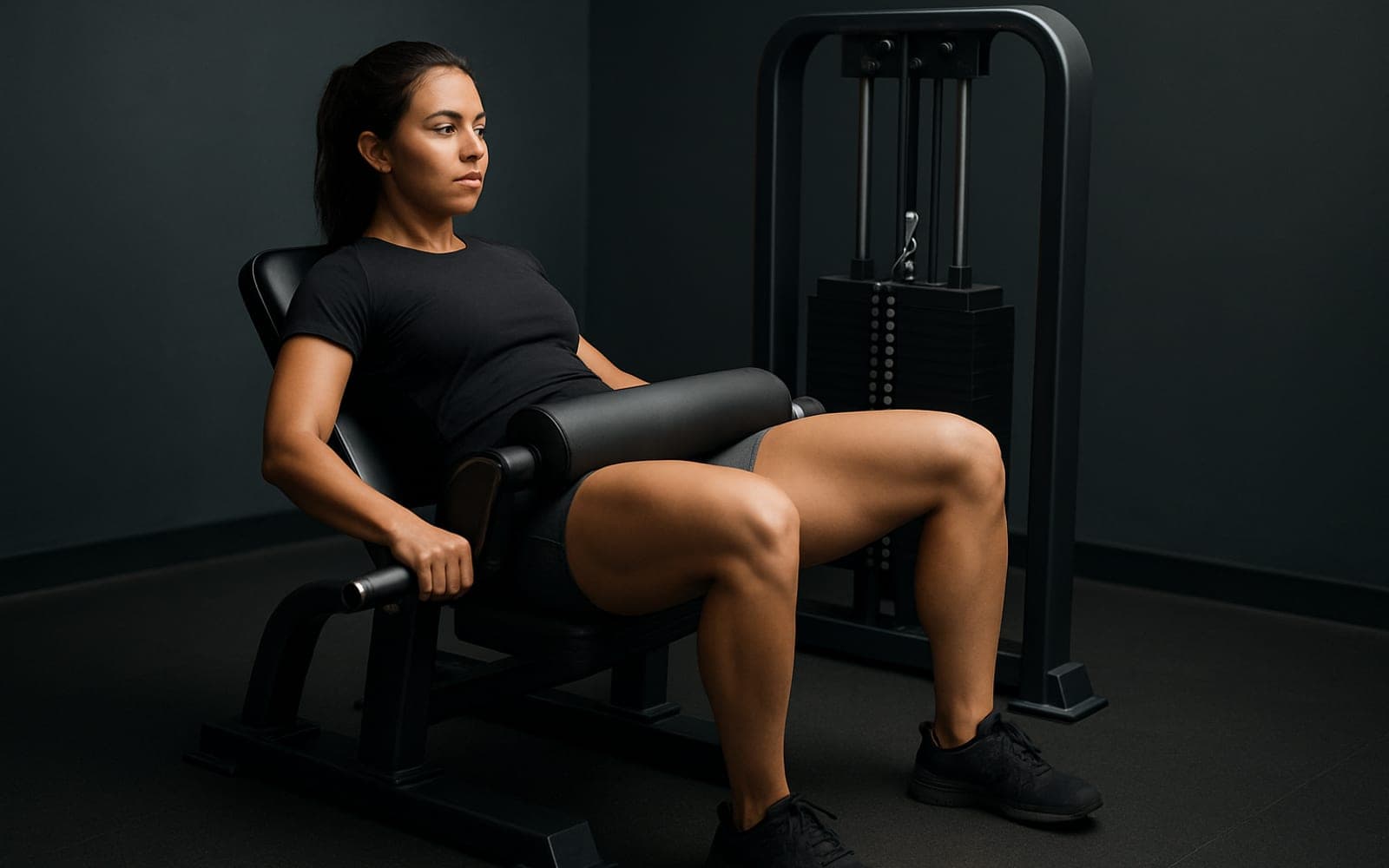
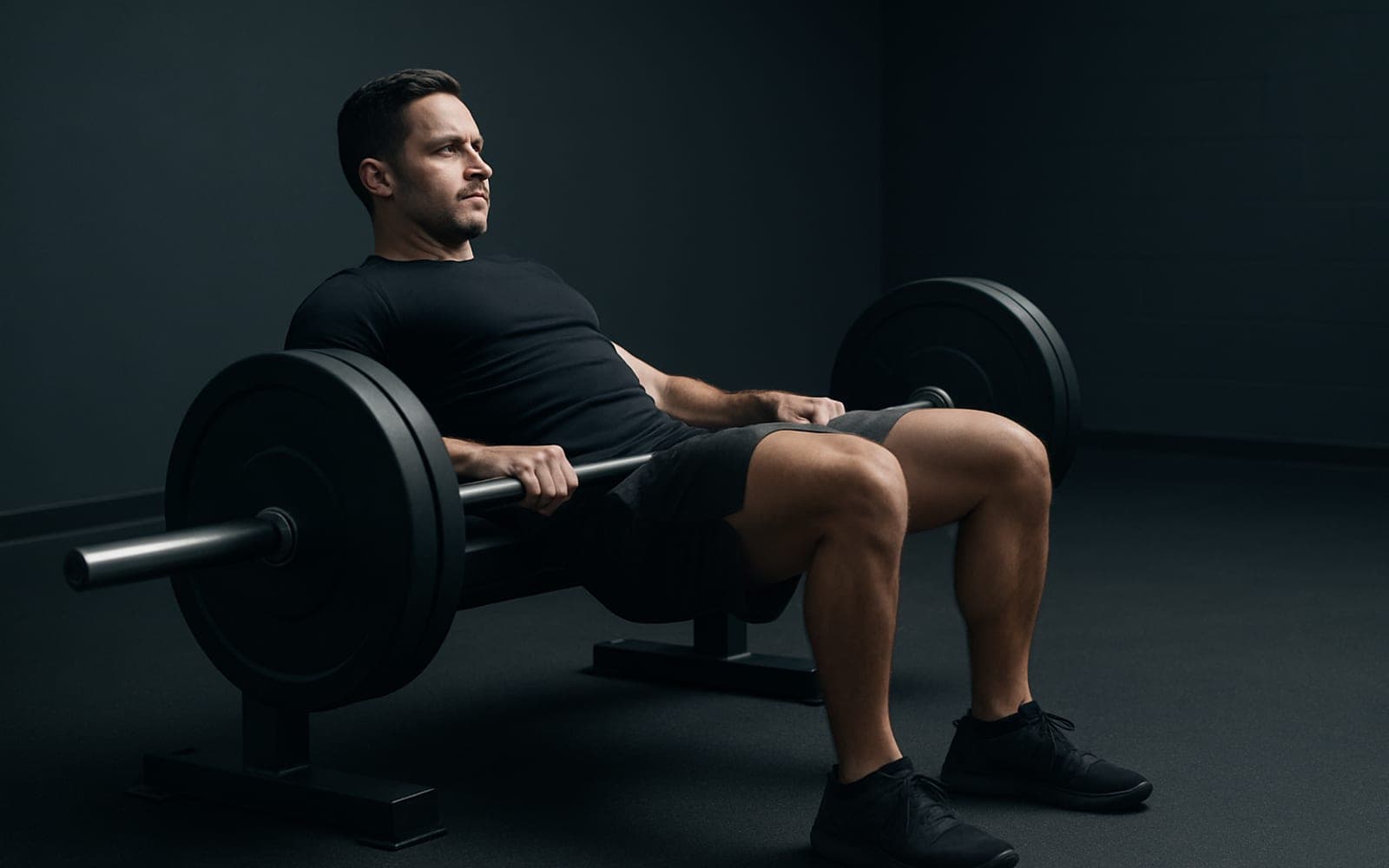
Substitutions
If a machine is busy or unavailable, these train the same pattern a different way.
Your progress over time
What to expect from training this consistently — everyone progresses at their own pace.
- 1
First few sessions
You learn the hinge pattern and proper breathing, develop pelvic control, and start recruiting the glutes instead of overusing the low back or quads.
- 2
Weeks 2–4
Glute and hamstring endurance improves—you can complete more reps with better form, experience increased hip extension range, and notice easier activation during daily movements.
- 3
Months 2–3
Visible improvements in hip strength and modest muscle tone appear; bridges become noticeably easier, and you see carryover to squats, deadlifts, and stair-climbing.
- 4
Months 4–6
You can progress to more challenging variations (single-leg bridges, band-resisted or loaded bridges) and handle greater volume or load while maintaining clean hip drive and pelvic stability.
- 5
6+ months
Established hip-extension strength and endurance support improved posture, reduced compensatory movement patterns, and enhanced performance in sport and functional tasks.
Benefits of the glute bridge
Develops hip extension strength by targeting the glutes, the primary movers for powerful hip drive.
Reinforces hamstring involvement and posterior-chain coordination, improving balance between front and back of the thigh.
Enhances core and pelvic stability by teaching controlled hip hinging and neutral spine maintenance.
Improves hip mobility and can increase comfort with everyday bending and standing movements through repeated controlled range of motion.
Transfers to real-world tasks such as rising from seated positions, climbing stairs, and lifting objects with safer hip mechanics.
Low-impact, beginner-friendly exercise that supports general fitness and can be progressively overloaded for continued strength and mobility gains.
Exercises that pair with this
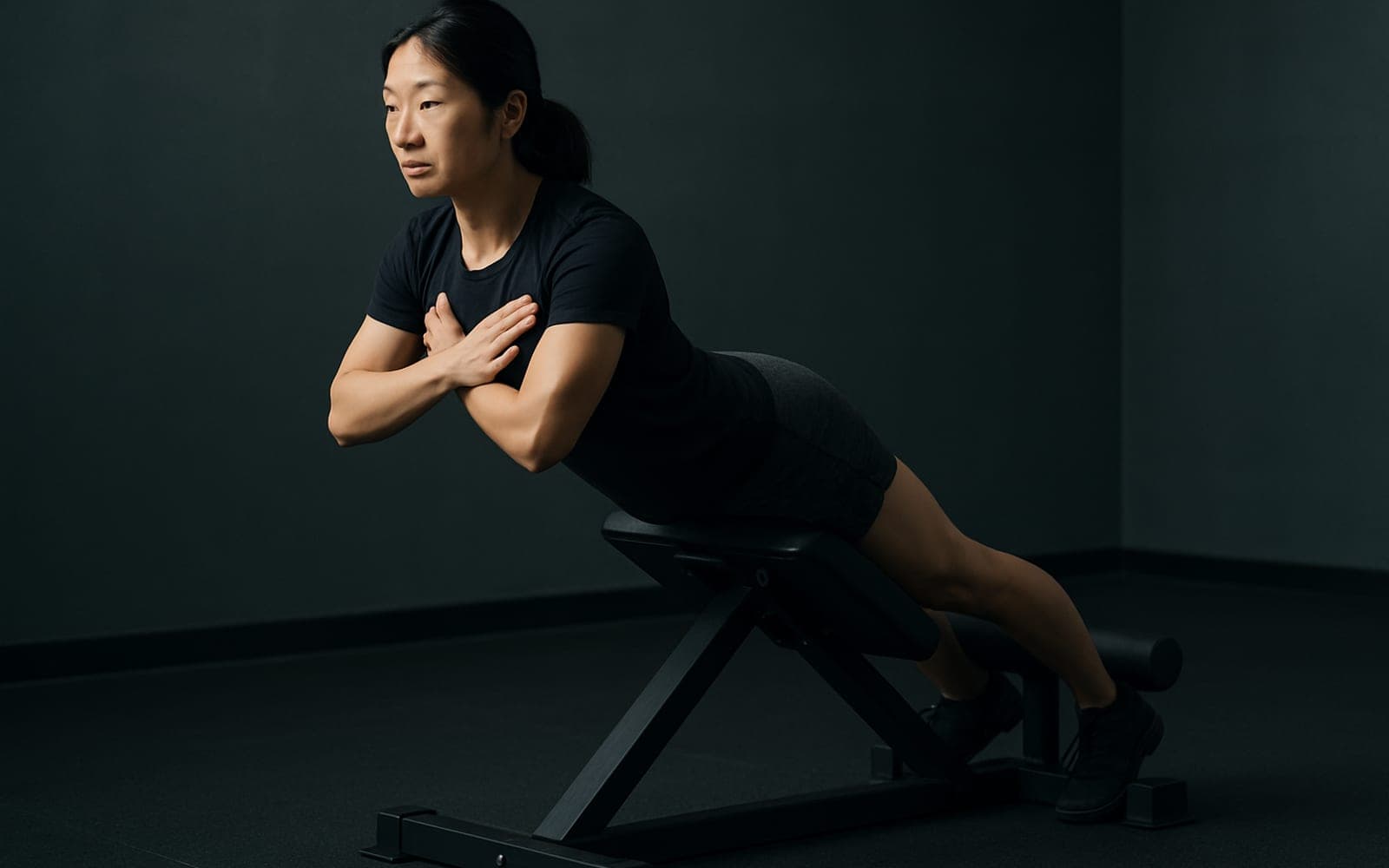
Same muscles or the same movement pattern — useful for building the rest of the session.

Glute Bridge — questions people ask
What muscles does the glute bridge work?
The glute bridge trains the glutes as the primary target, with the hamstrings, core working as support. It is a hinge pattern, so it also trains the coordination that pattern needs.
How many sets and reps of the glute bridge should I do?
Three sets of 8–12 reps with about 90 seconds of rest is a reliable default. Increase the weight once the last rep of every set still looks clean.
Is the glute bridge good for beginners?
Yes. The glute bridge is a beginner-friendly movement. Reduce range. If it feels like too much, build the pattern on the glute drive machine first.
What can I do instead of the glute bridge?
Glute Drive Machine, Hip Thrust all train the same hinge pattern with different equipment, so any of them works when the machine is busy or your gym does not have it.
What are the most common glute bridge mistakes?
Pushing through the toes. Drive the hips up, squeeze, lower slowly.