Landmine Press
Activation
Muscles worked
Movement
Vertical Push
Beginner · Free Weights
Primary muscles
Secondary muscles
Movement pattern
Equipment category
How to perform
- 1
Set up
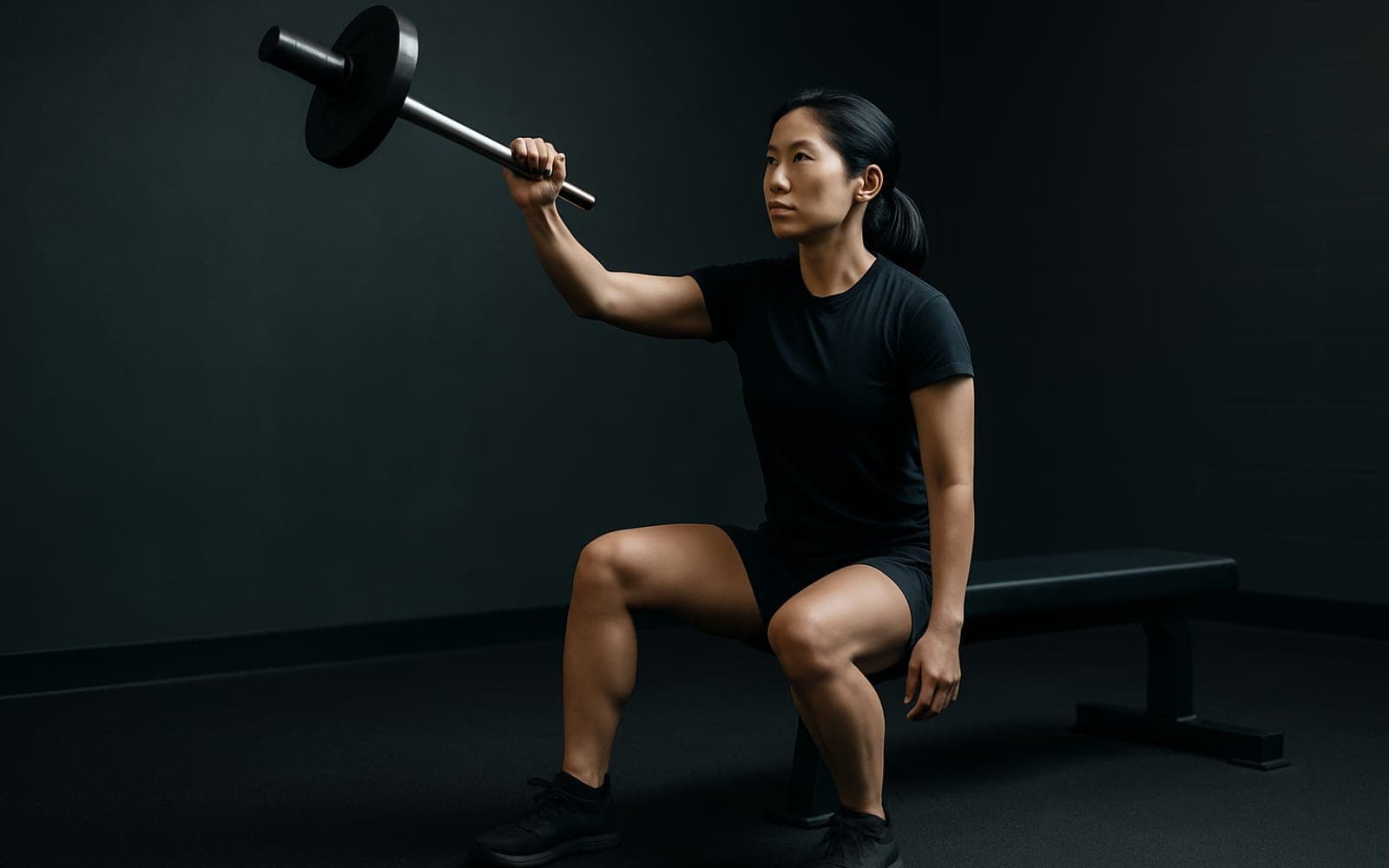
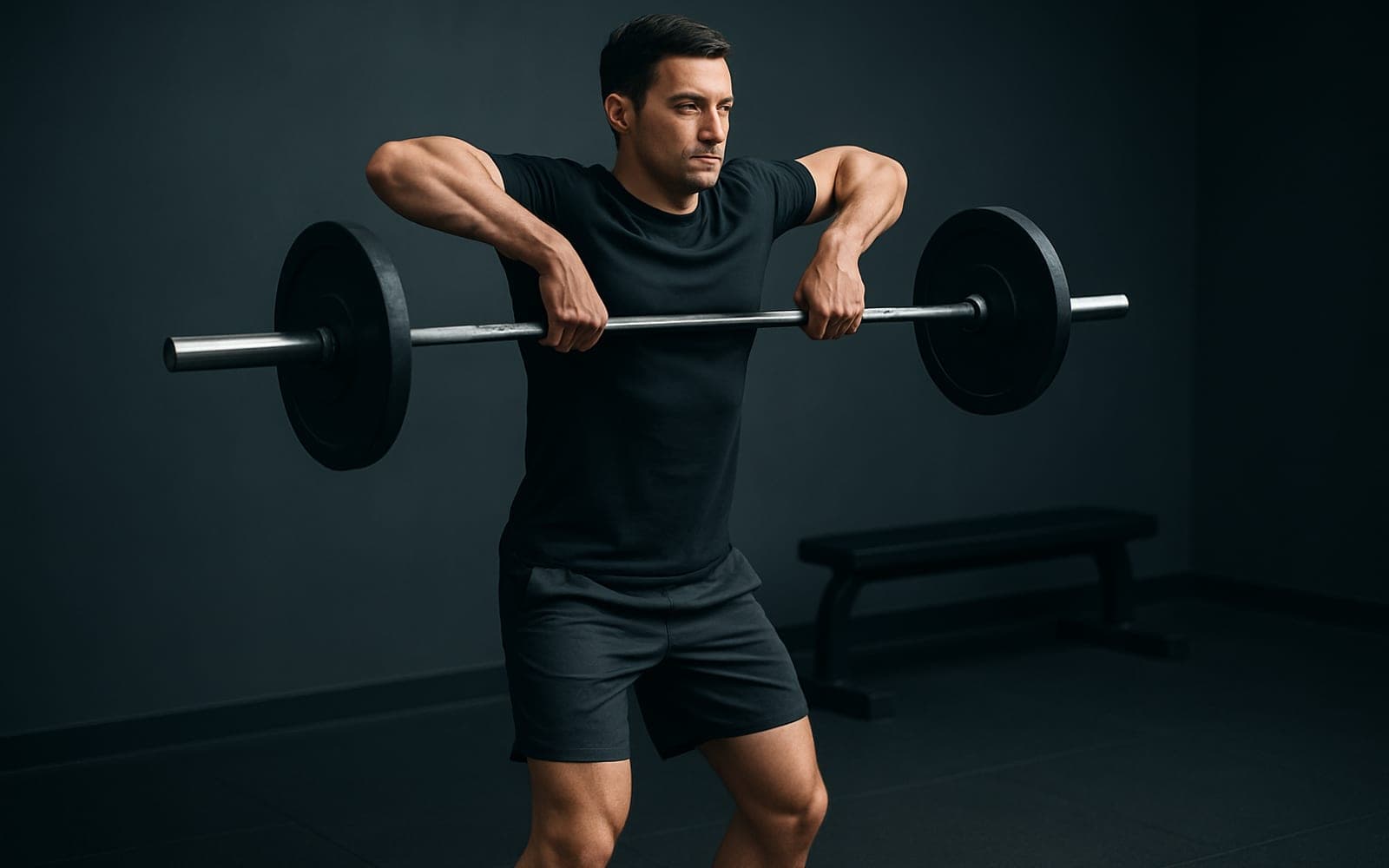
Anchor one end of a barbell in a landmine (or corner); hold the other end at shoulder height.
- 2
Execute the movement
Press up and slightly forward along the bar's arc, then lower under control. The angle is easy on the shoulders.
Common mistakes
- Over-arching the lower back
- Leaning back to heave the weight
Make it harder
Make it easier
Accessibility
Substitutions
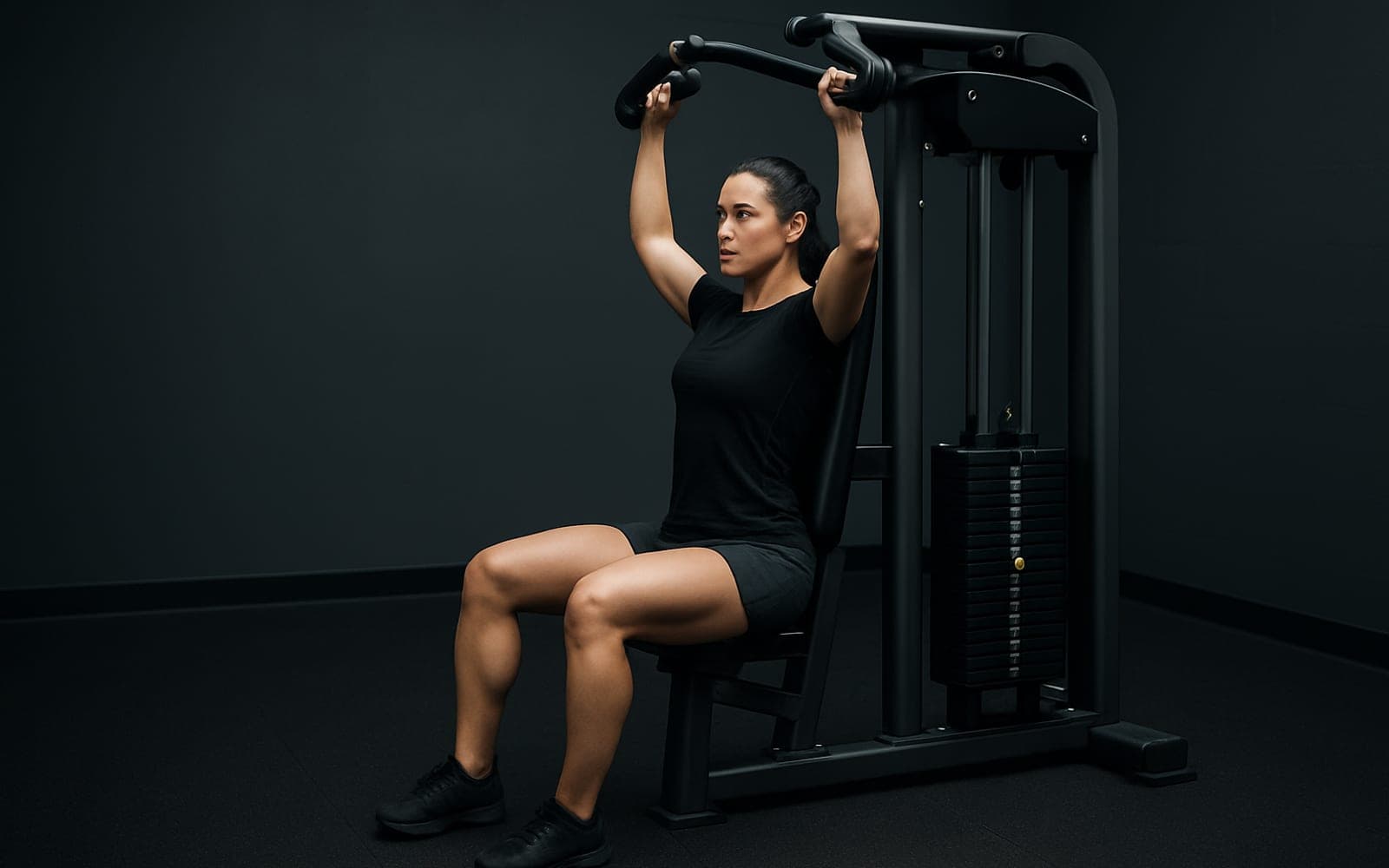
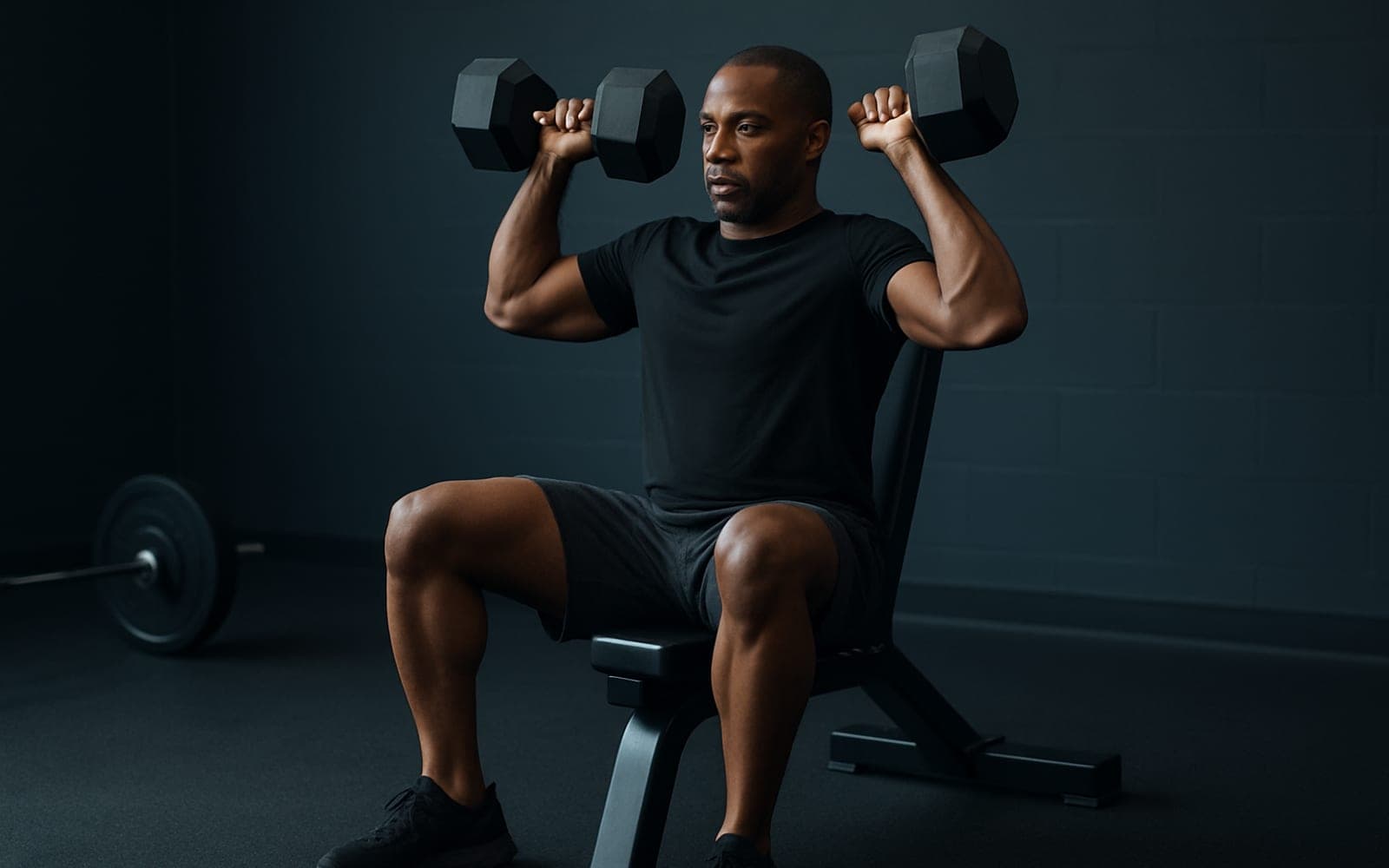
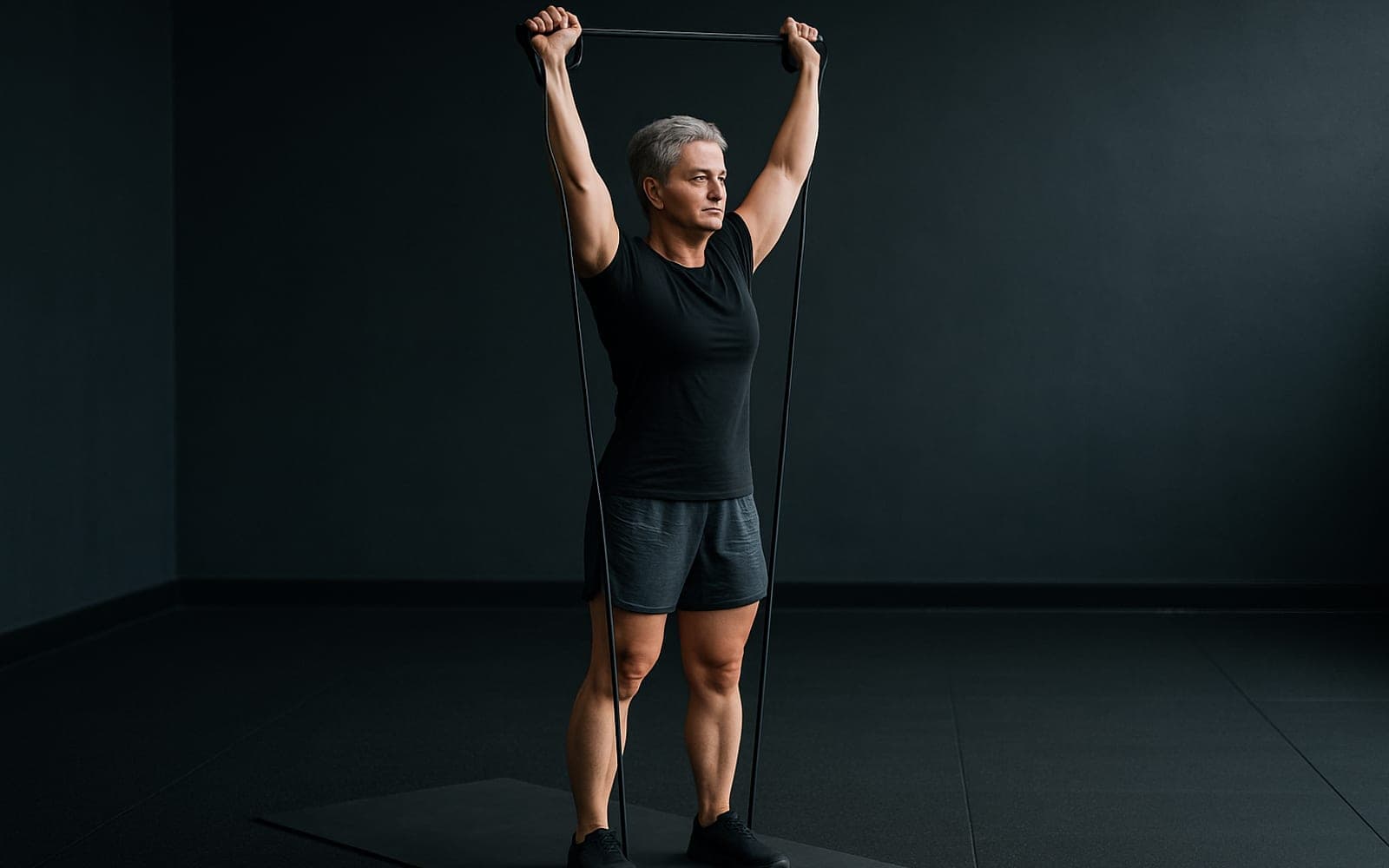
If a machine is busy or unavailable, these train the same pattern a different way.
Your progress over time
What to expect from training this consistently — everyone progresses at their own pace.
- 1
First few sessions
Learn setup, bar path and bracing — you’ll become comfortable with the angled press, establish foot stance and core tension, and manage a light load with controlled tempo.
- 2
Weeks 2–6
Consistent practice builds motor patterning and shoulder stability; you’ll increase confidence and ability to press progressively heavier loads for 3–5 sets of 6–12 reps.
- 3
Months 2–4
Noticeable increases in pressing strength and upper-shoulder muscle fullness; most lifters add meaningful load and rep capacity and improve triceps and upper-chest engagement.
- 4
Months 4–6
Solid strength and hypertrophy adaptations — you can reliably use the landmine press as a main vertical push to drive weekly strength progress and muscle growth while maintaining shoulder comfort.
- 5
6+ months
Advanced control and carryover to other pressing patterns: improved unilateral control, balanced shoulder development, and the ability to use varied tempos, pauses or heavier single-arm variations for continued gains.
Benefits of the landmine press
Develops the deltoids (especially anterior and medial heads) through a vertical/diagonal pressing pattern for bigger, stronger shoulders.
Trains triceps and upper chest as secondary movers, helping improve lockout strength and upper-body thickness.
Builds core anti-rotation and anti-extension strength because the unilateral/angled setup demands bracing and stability.
Is shoulder-friendly due to the arcing path, making it a good option for lifters needing reduced joint stress compared with strict overhead presses.
Improves unilateral strength and inter-shoulder balance when performed single-arm, reducing side-to-side asymmetries that can limit pressing performance.
Transfers well to real-world pushing tasks and other gym lifts by teaching stable, loaded pressing in a slightly forward plane of motion.
Exercises that pair with this
Same muscles or the same movement pattern — useful for building the rest of the session.
Landmine Press — questions people ask
What muscles does the landmine press work?
The landmine press trains the shoulders as the primary target, with the upper chest, triceps, core working as support. It is a vertical push pattern, so it also trains the coordination that pattern needs.
How many sets and reps of the landmine press should I do?
For size, three to four sets of 8–12 reps with 60–90 seconds of rest. For strength, three to five sets of 3–6 reps with longer rest. Add a little weight once you hit the top of the range on every set.
Is the landmine press good for beginners?
Yes. The landmine press is a beginner-friendly movement. Use a lighter plate or press seated. If it feels like too much, build the pattern on the machine shoulder press first.
What can I do instead of the landmine press?
Machine Shoulder Press, Dumbbell Shoulder Press, Band Overhead Press all train the same vertical push pattern with different equipment, so any of them works when the machine is busy or your gym does not have it.
What are the most common landmine press mistakes?
Over-arching the lower back; Leaning back to heave the weight. Press up and slightly forward along the bar's arc, then lower under control. The angle is easy on the shoulders.
Can I do the landmine press at home?
The landmine press needs free weights equipment, which most home gyms do not have. The band overhead press trains the same pattern with nothing more than your bodyweight or a band.