Nordic Hamstring Curl
Activation
Muscles worked
Movement
Hinge
Advanced · Bodyweight
Primary muscles
Movement pattern
Equipment category
How to perform
- 1
Set up
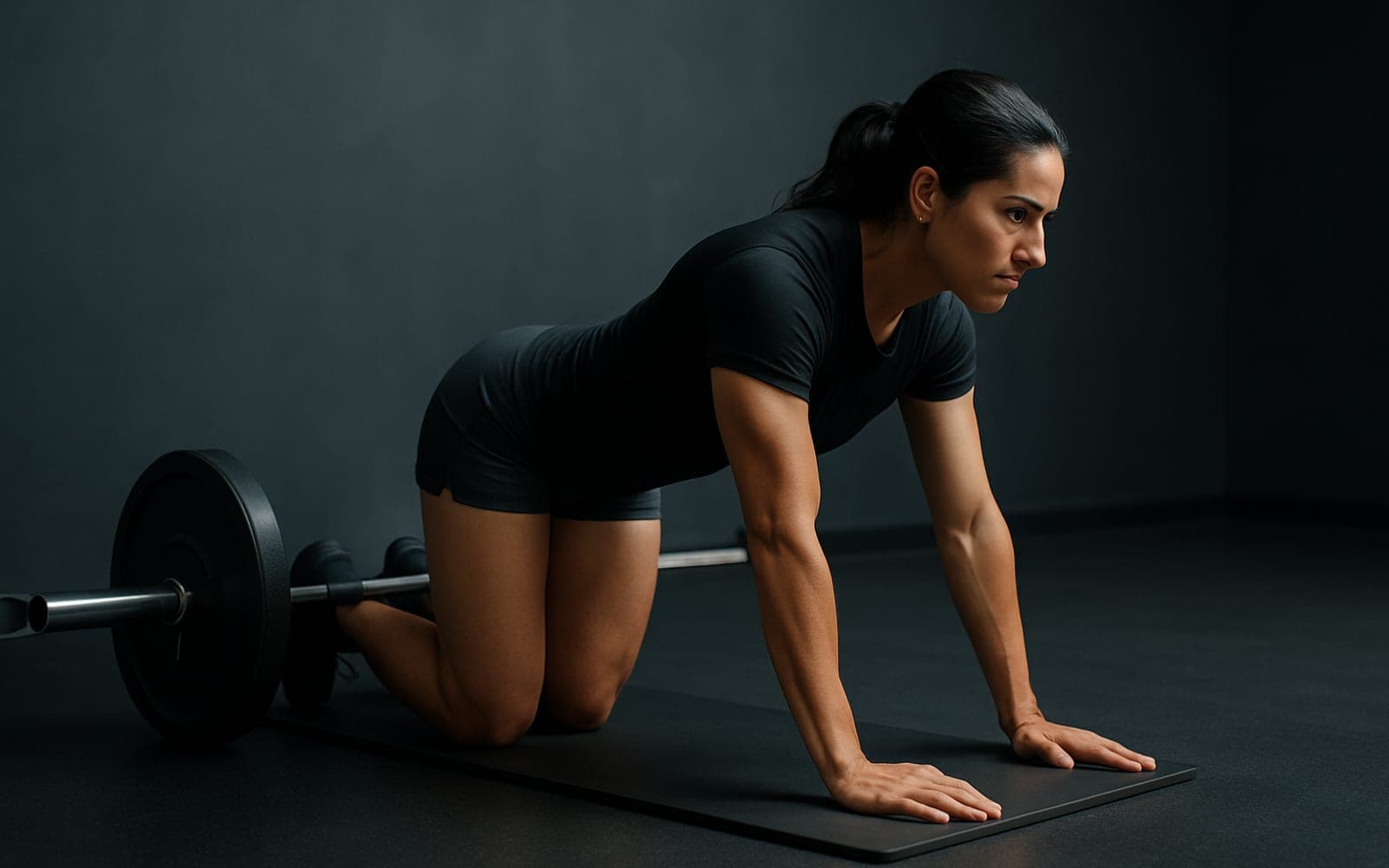
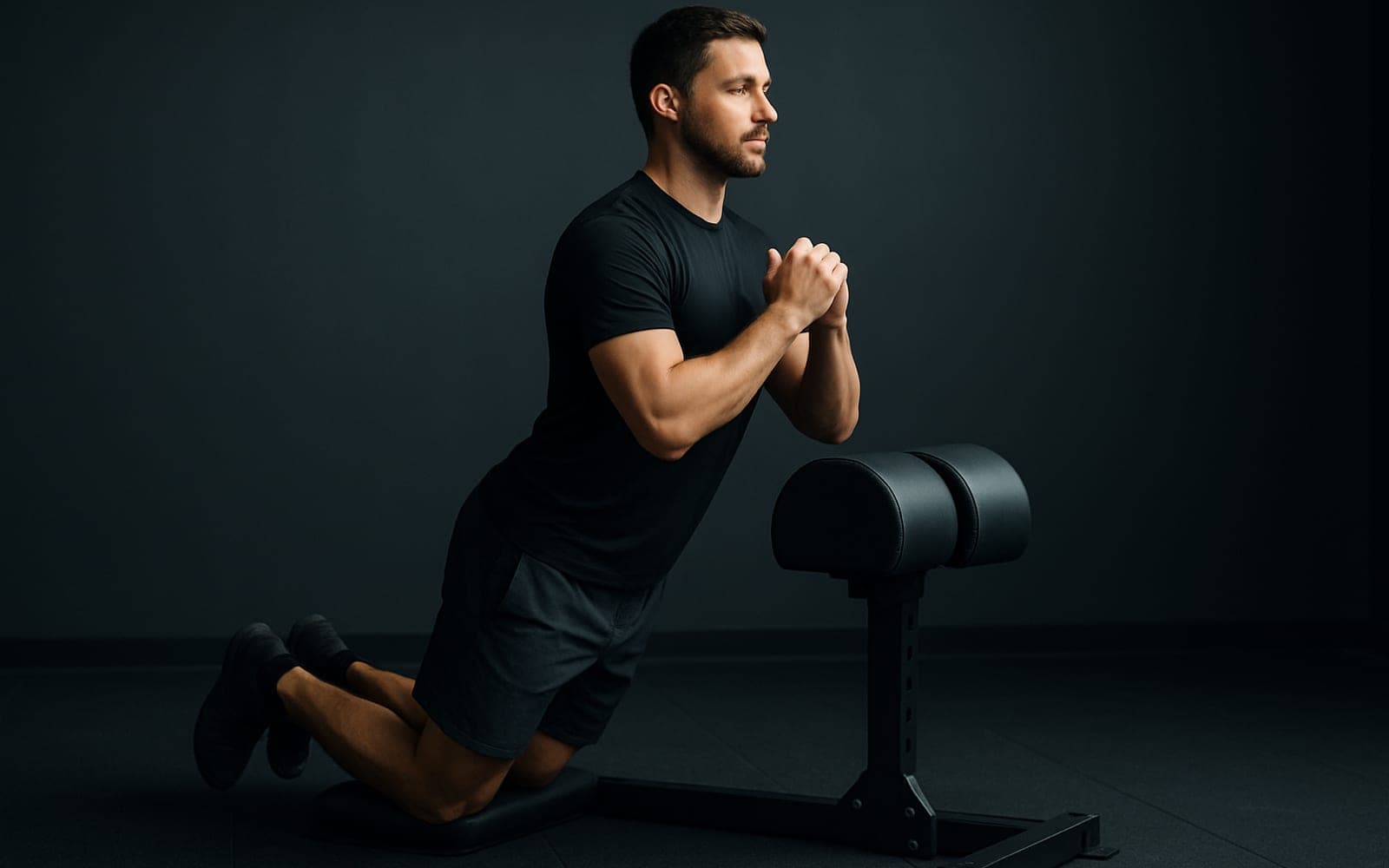
Kneel with the ankles anchored (a partner or loaded barbell), torso upright, hips extended.
- 2
Execute the movement
Lower your body toward the floor as slowly as possible using the hamstrings to resist, catch with the hands, then push off just enough to pull back up. Elite eccentric hamstring strength and injury prevention.
Common mistakes
- Bending at the hips instead of staying straight
- Dropping with no control
Make it harder
Make it easier
Substitutions
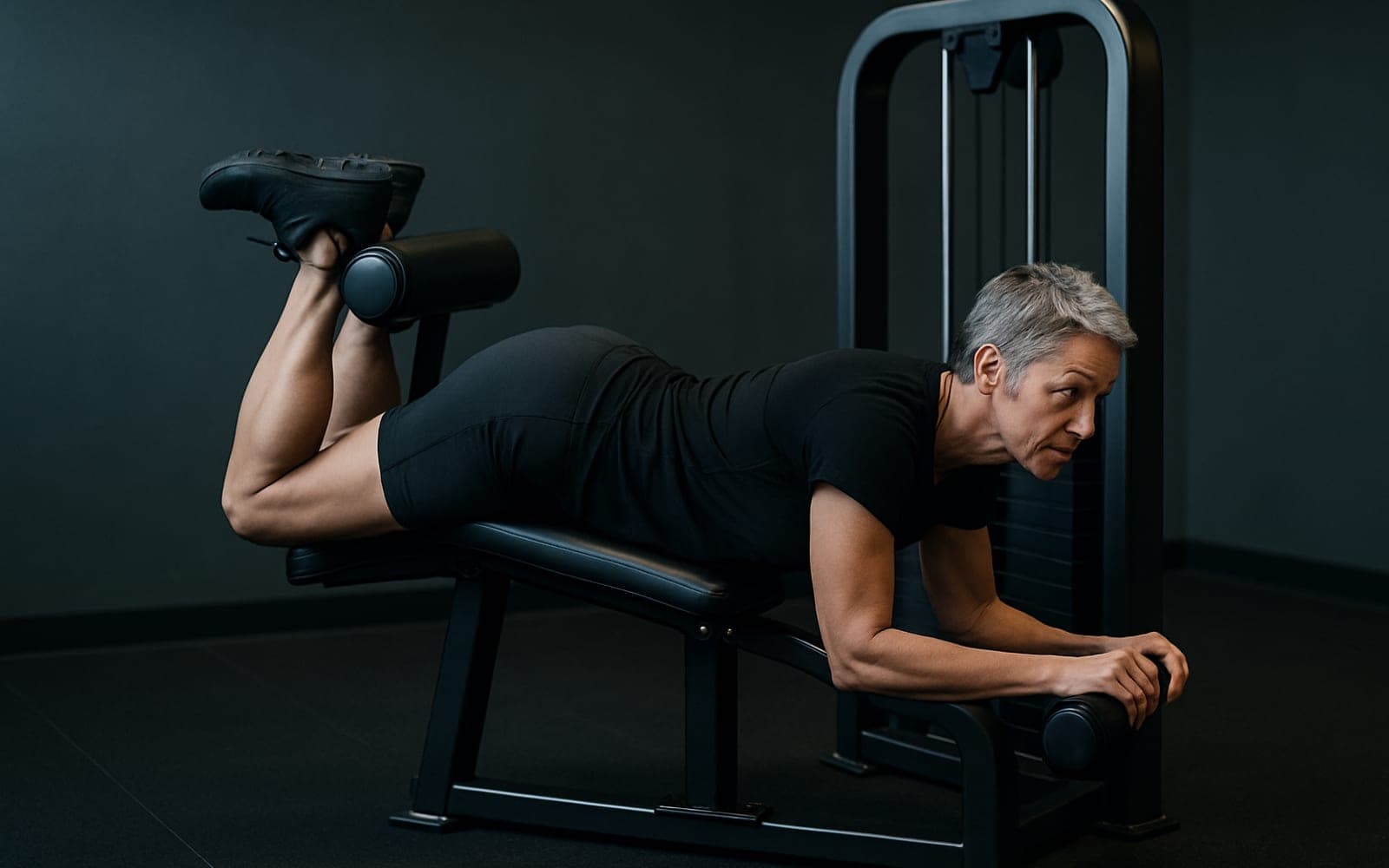
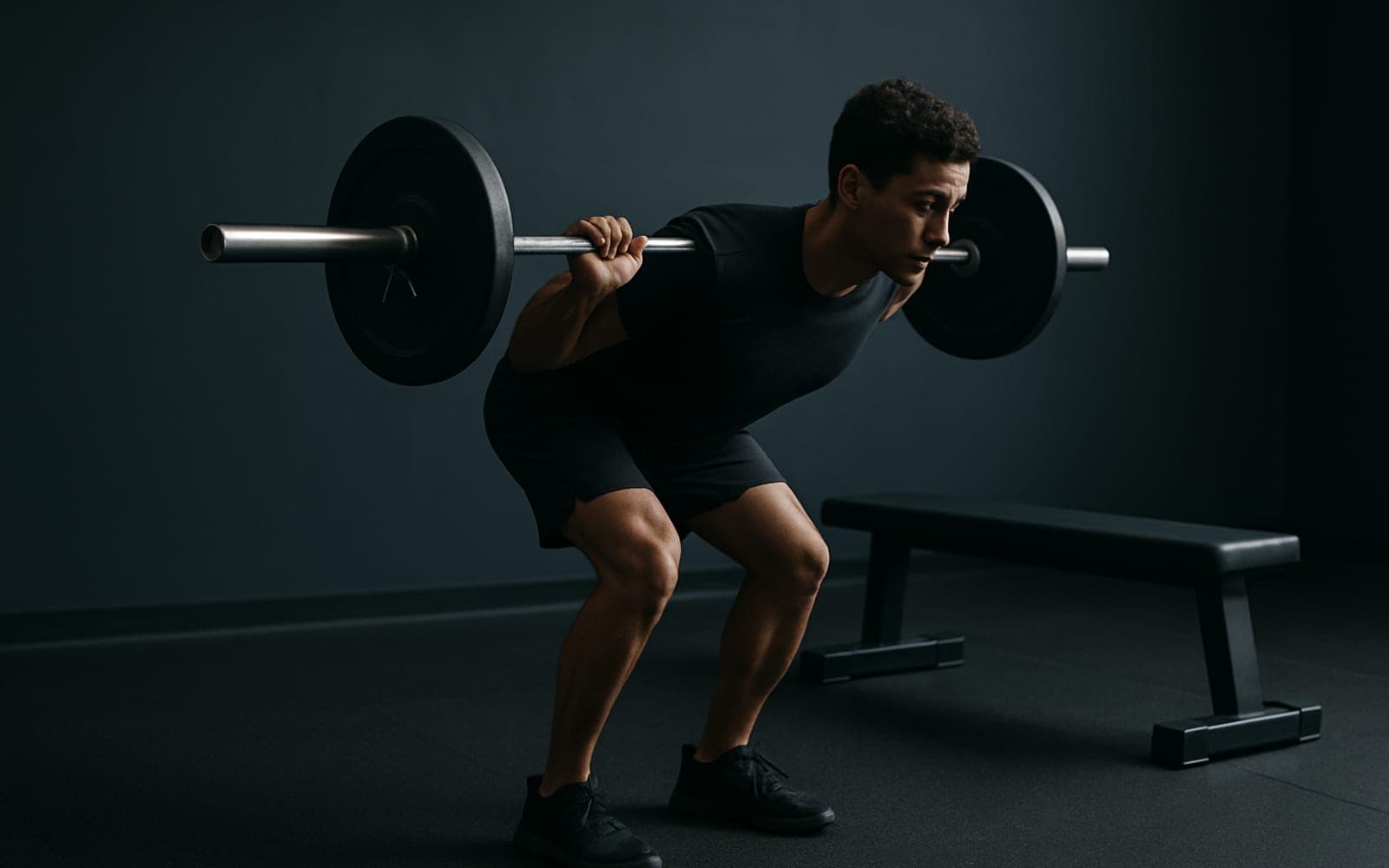
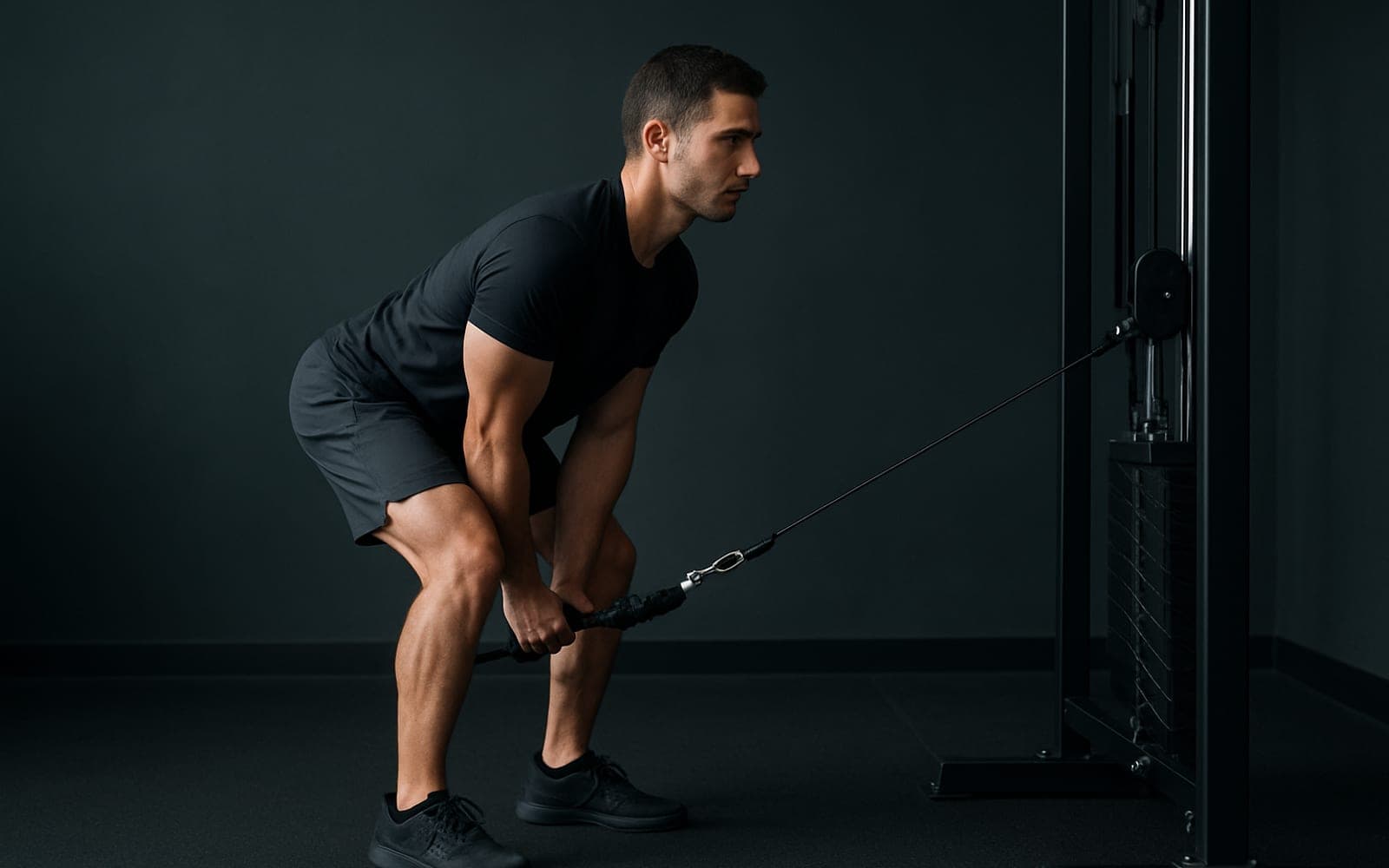
If a machine is busy or unavailable, these train the same pattern a different way.
Your progress over time
What to expect from training this consistently — everyone progresses at their own pace.
- 1
First few sessions
Learn the movement pattern and knee-brace positioning; you'll be able to perform assisted eccentrics with hands on the floor and modest push-off to return upright.
- 2
Weeks 2–4
Significant improvement in controlled lowering range and tempo; you’ll be able to tolerate longer eccentric descents and rely less on the hands to get back up.
- 3
Months 2–3
Noticeable increases in eccentric hamstring strength and local muscle endurance; most athletes can perform multiple near-full-range reps unassisted and begin adding slow weighted or paused variations.
- 4
Months 4–6
Marked strength and size gains in the hamstrings and improved resilience under high-tension deceleration loads; you’ll be able to execute strict reps with added resistance or slow negatives for sets.
- 5
6+ months
Elite-level eccentric capacity and robust posterior-chain control for athletic deceleration and change-of-direction; you can progress to advanced overloads (eccentric-only negatives, tempo loading) and integrate the movement reliably in sport preparation.
Benefits of the nordic hamstring curl
Develops high eccentric strength of the hamstrings, improving their ability to resist lengthening under load.
Strengthens the posterior chain (hamstrings and glutes) in a hinge-dominant pattern that transfers to sprinting and deceleration demands.
Increases muscle-tendon robustness and local muscular endurance in the hamstrings through repeated slow eccentrics.
Enhances control of knee-extension under load, helping with safer landings and lowering mechanics in athletic tasks.
Requires minimal equipment and scales from assisted to advanced overloads, making it practical for progressive strength development.
Helps balance quad-dominant training by specifically targeting the hamstrings, contributing to more symmetric lower-limb strength for performance work.
Exercises that pair with this
Same muscles or the same movement pattern — useful for building the rest of the session.
Nordic Hamstring Curl — questions people ask
What muscles does the nordic hamstring curl work?
The nordic hamstring curl trains the hamstrings as the primary target, with the glutes, calves working as support. It is a hinge pattern, so it also trains the coordination that pattern needs.
How many sets and reps of the nordic hamstring curl should I do?
Three to five sets of 3–6 reps with two to three minutes of rest, adding a small amount of weight when all sets feel solid.
Is the nordic hamstring curl good for beginners?
Not as a first exercise. The nordic hamstring curl is an advanced movement. Use a band for assistance or shorten the range. It is also form-sensitive, so it is worth having a coach or an experienced lifter watch your first few sessions. If it feels like too much, build the pattern on the lying leg curl first.
What can I do instead of the nordic hamstring curl?
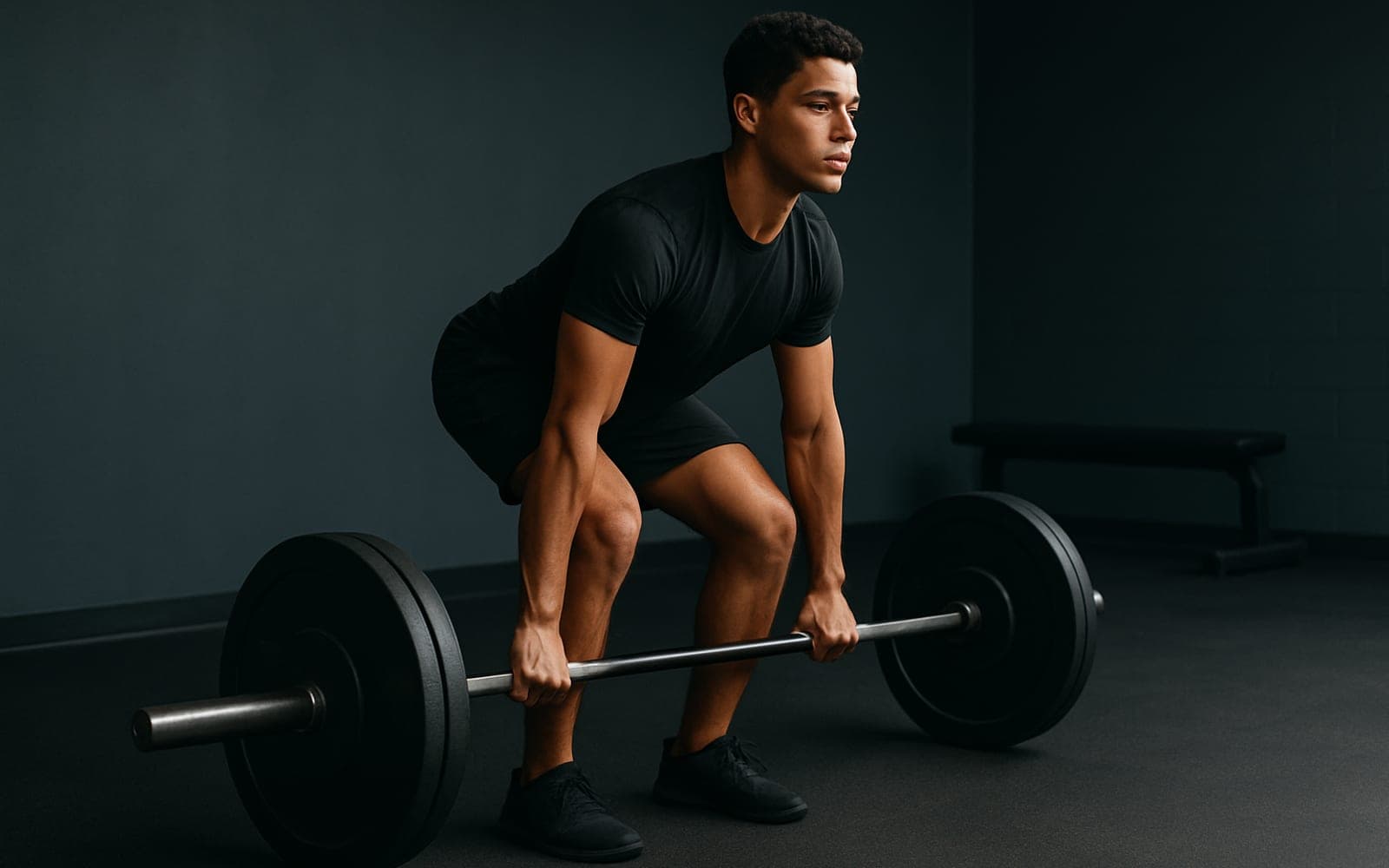
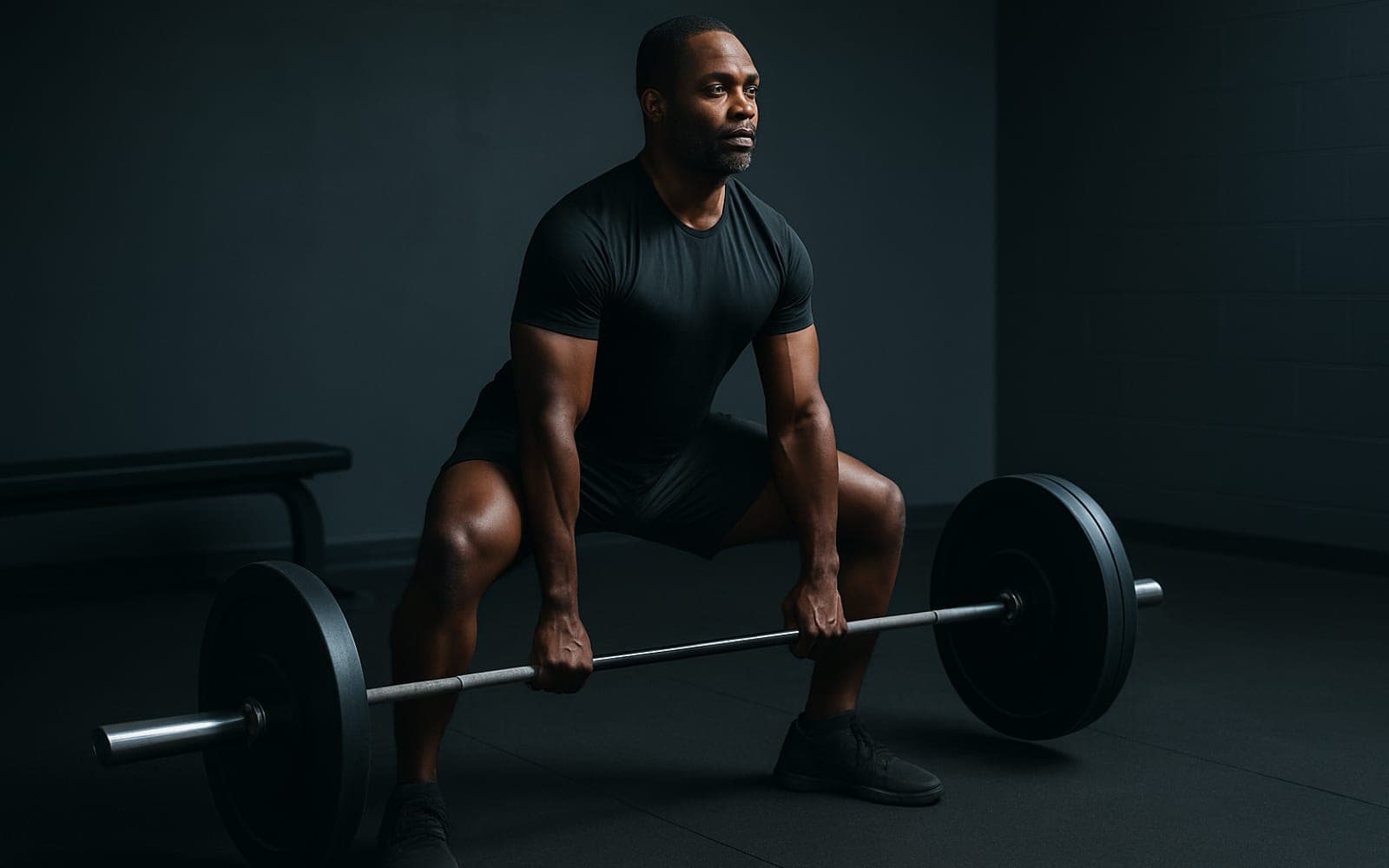
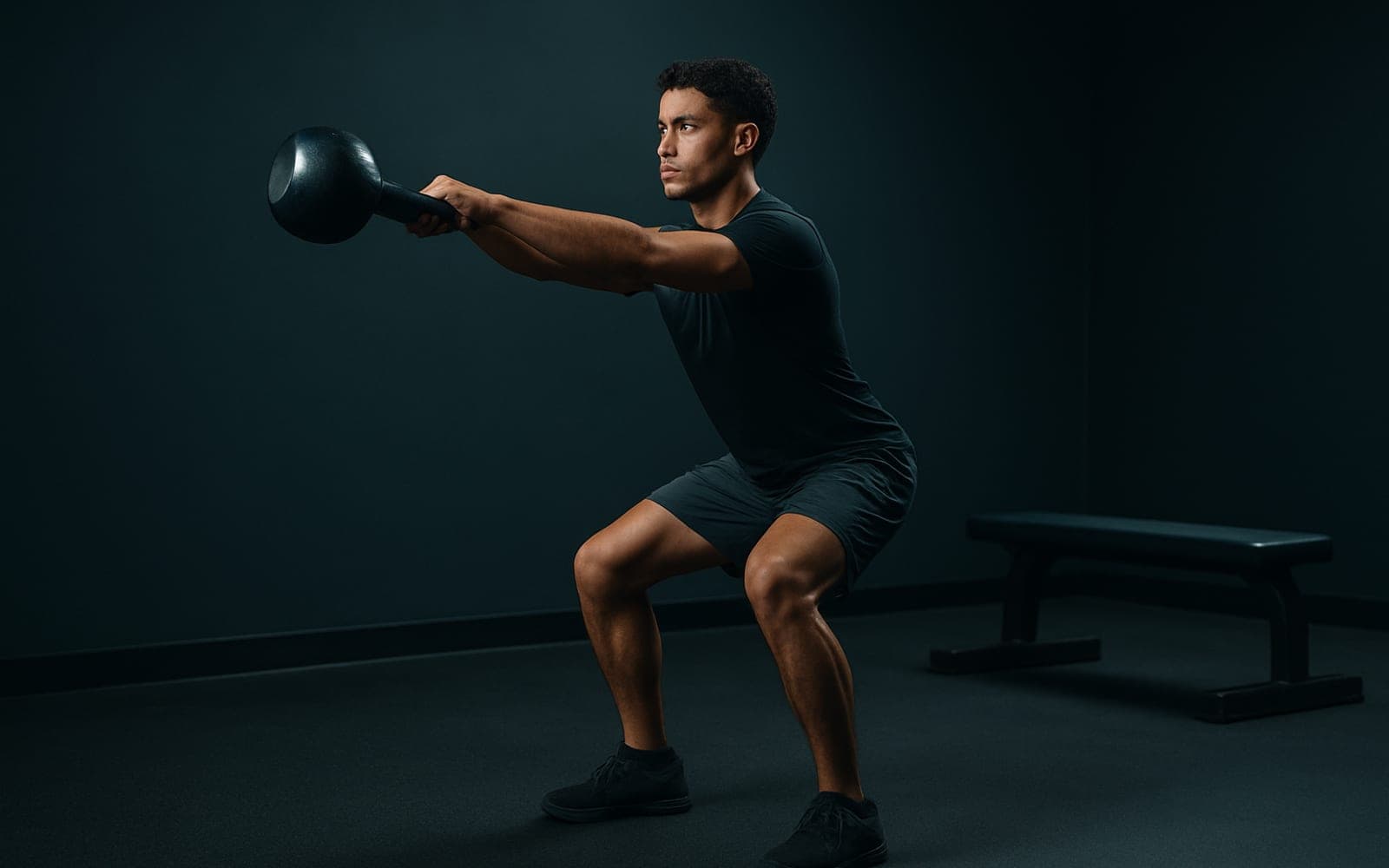
Lying Leg Curl, Good Morning, Cable Pull-Through all train the same hinge pattern with different equipment, so any of them works when the machine is busy or your gym does not have it.
What are the most common nordic hamstring curl mistakes?
Bending at the hips instead of staying straight; Dropping with no control. Lower your body toward the floor as slowly as possible using the hamstrings to resist, catch with the hands, then push off just enough to pull back up. Elite eccentric hamstring strength and injury prevention.