Glute-Ham Raise
Activation
Muscles worked
Movement
Hinge
Advanced · Bodyweight
Primary muscles
Movement pattern
Equipment category
How to perform
- 1
Set up
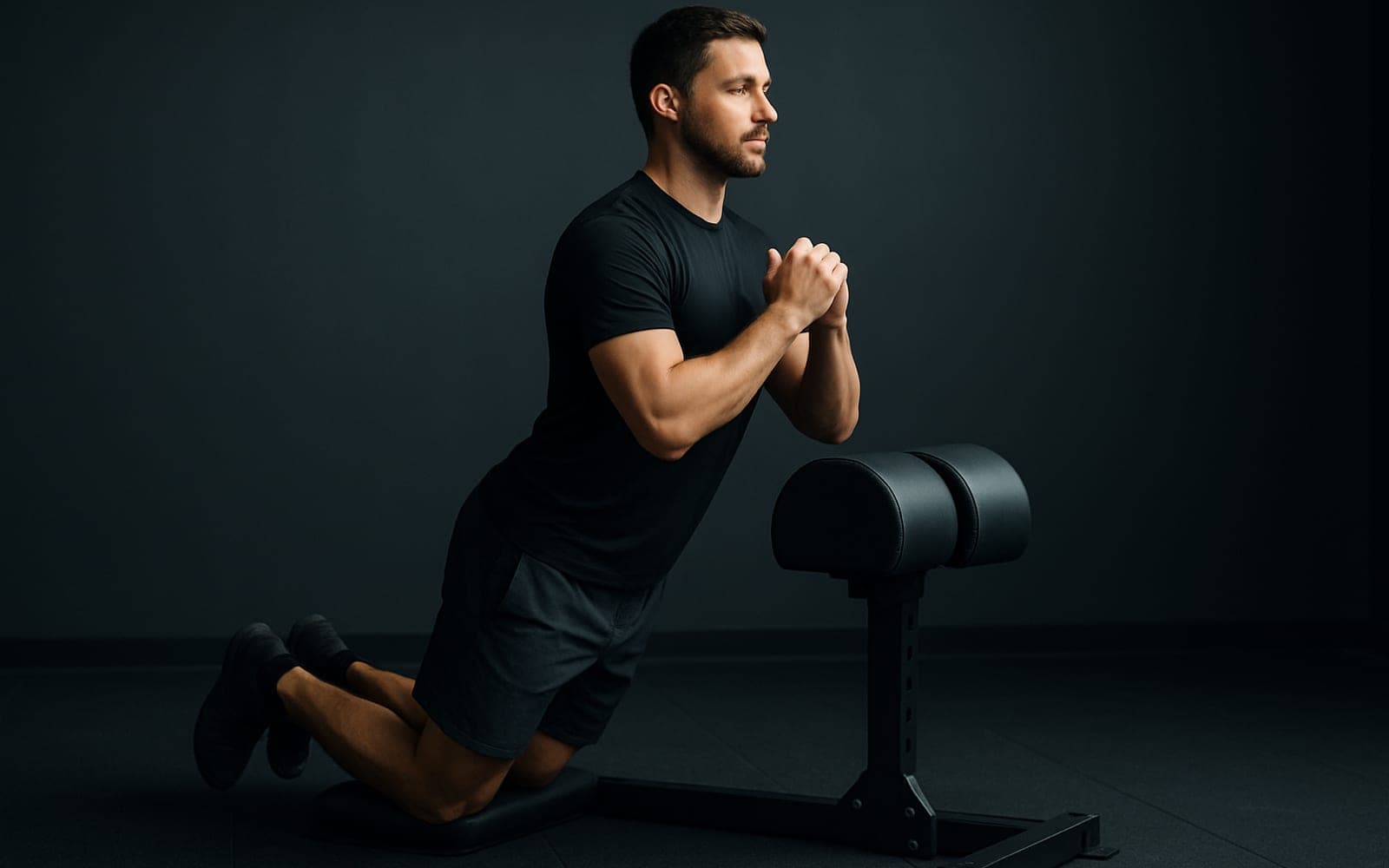
Anchor the feet in a GHD (or under a secure pad), knees on the pad, body upright.
- 2
Execute the movement
Lower the torso forward by extending the knees under control, then pull yourself back up using the hamstrings. An advanced knee-flexion hamstring builder.
Common mistakes
- Falling instead of controlling the descent
- Bending only at the hips
Make it harder
Make it easier
Substitutions
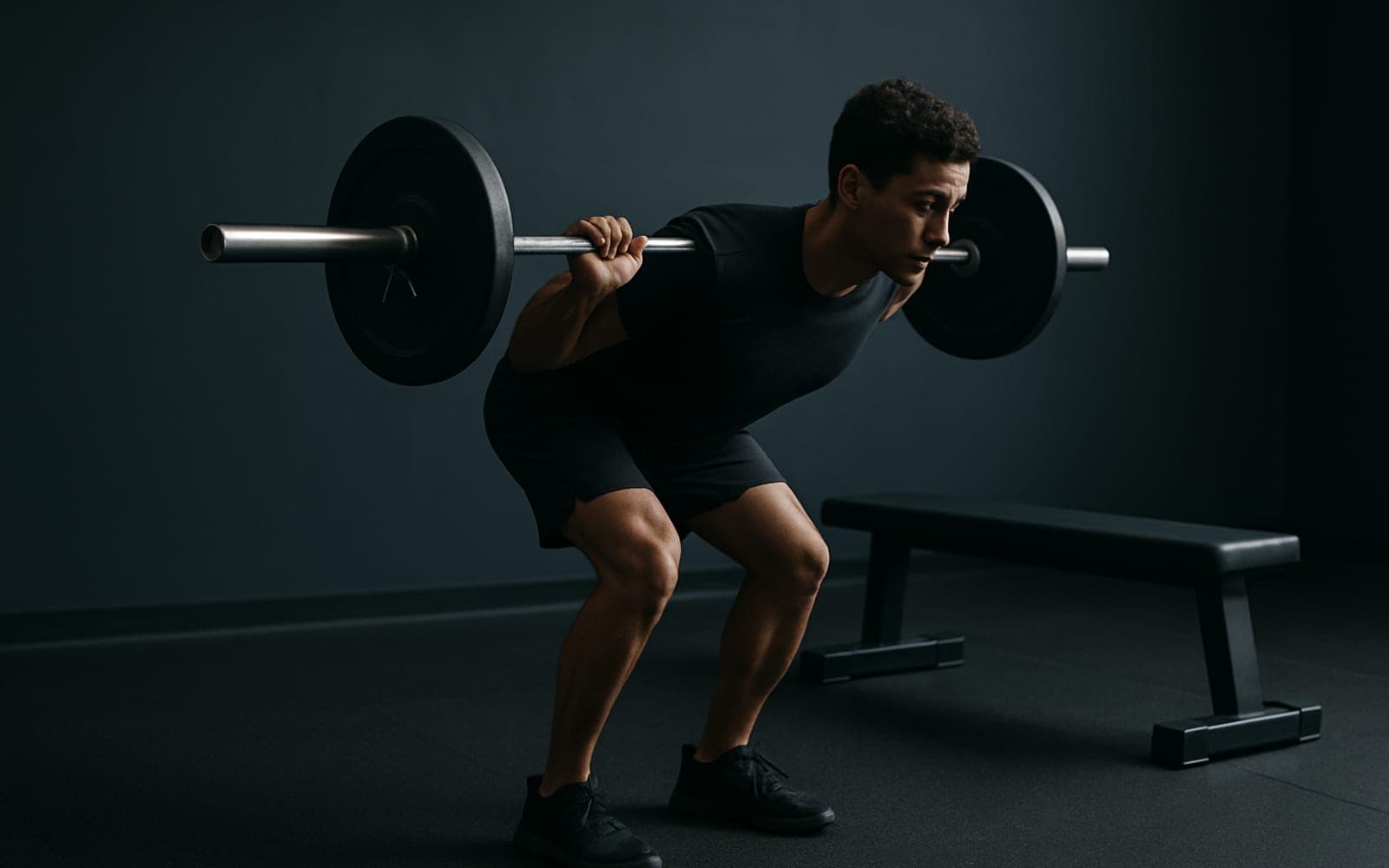
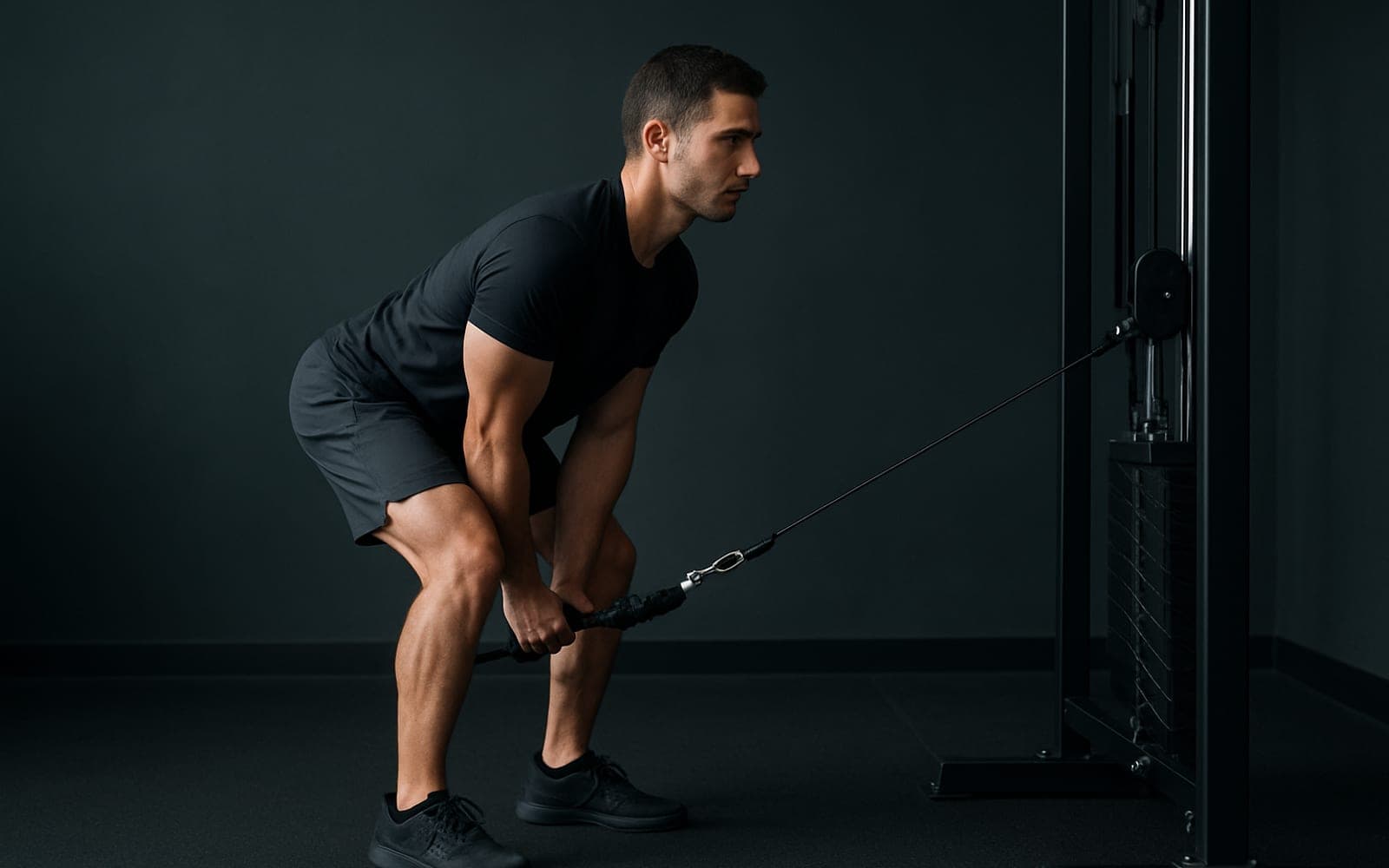
If a machine is busy or unavailable, these train the same pattern a different way.

Your progress over time
What to expect from training this consistently — everyone progresses at their own pace.
- 1
First few sessions
Learn hip and knee positioning, practice supported eccentrics with a band or partner, and develop basic tolerance so you can control descent for several reps.
- 2
Weeks 2–6
Increase unassisted range of motion and eccentric control, progressing to full-range reps and building 8–12 rep sets with partial or minimal assistance.
- 3
Months 2–4
Noticeable increases in hamstring strength and local muscular endurance, able to perform multiple hard sets of full-range reps and begin adding overload strategies (e.g., weighted vest, slow eccentrics).
- 4
Months 4–6
Clear improvements in knee-flexion and hip-extension strength transfer to faster sprinting and more powerful posterior-chain actions; consistent hypertrophy in the hamstrings and glutes when volume is sufficient.
- 5
6+ months
Advanced capacity for heavy or high-volume glute-ham raises (or equivalent loaded variations), durable eccentric control under load, and meaningful carryover to athletic tasks when integrated into a balanced program.
Benefits of the glute-ham raise
Directly strengthens the hamstrings through both eccentric and concentric knee-flexion, which standard hip-dominant moves don’t emphasize as much.
Improves posterior chain coordination (hamstrings and glutes) for more powerful hip extension and sprint-related actions.
Builds eccentric control that translates to better deceleration ability and more resilient muscle-tendon function during high-speed running and cutting.
Enhances single-joint knee-flexion strength, complementing compound lifts and balancing quad-dominant training to reduce strength asymmetries.
Promotes muscle hypertrophy in the hamstrings and supporting glute activation when performed with sufficient volume and progressive overload.
Requires and develops core and thoracic control to maintain a rigid torso, providing indirect benefits to trunk stability under load.
Exercises that pair with this
Same muscles or the same movement pattern — useful for building the rest of the session.





Glute-Ham Raise — questions people ask
What muscles does the glute-ham raise work?
The glute-ham raise trains the hamstrings as the primary target, with the glutes, calves working as support. It is a hinge pattern, so it also trains the coordination that pattern needs.
How many sets and reps of the glute-ham raise should I do?
Three to five sets of 3–6 reps with two to three minutes of rest, adding a small amount of weight when all sets feel solid.
Is the glute-ham raise good for beginners?
Not as a first exercise. The glute-ham raise is an advanced movement. Push off the floor at the bottom, or do a partial range. It is also form-sensitive, so it is worth having a coach or an experienced lifter watch your first few sessions. If it feels like too much, build the pattern on the lying leg curl first.
What can I do instead of the glute-ham raise?
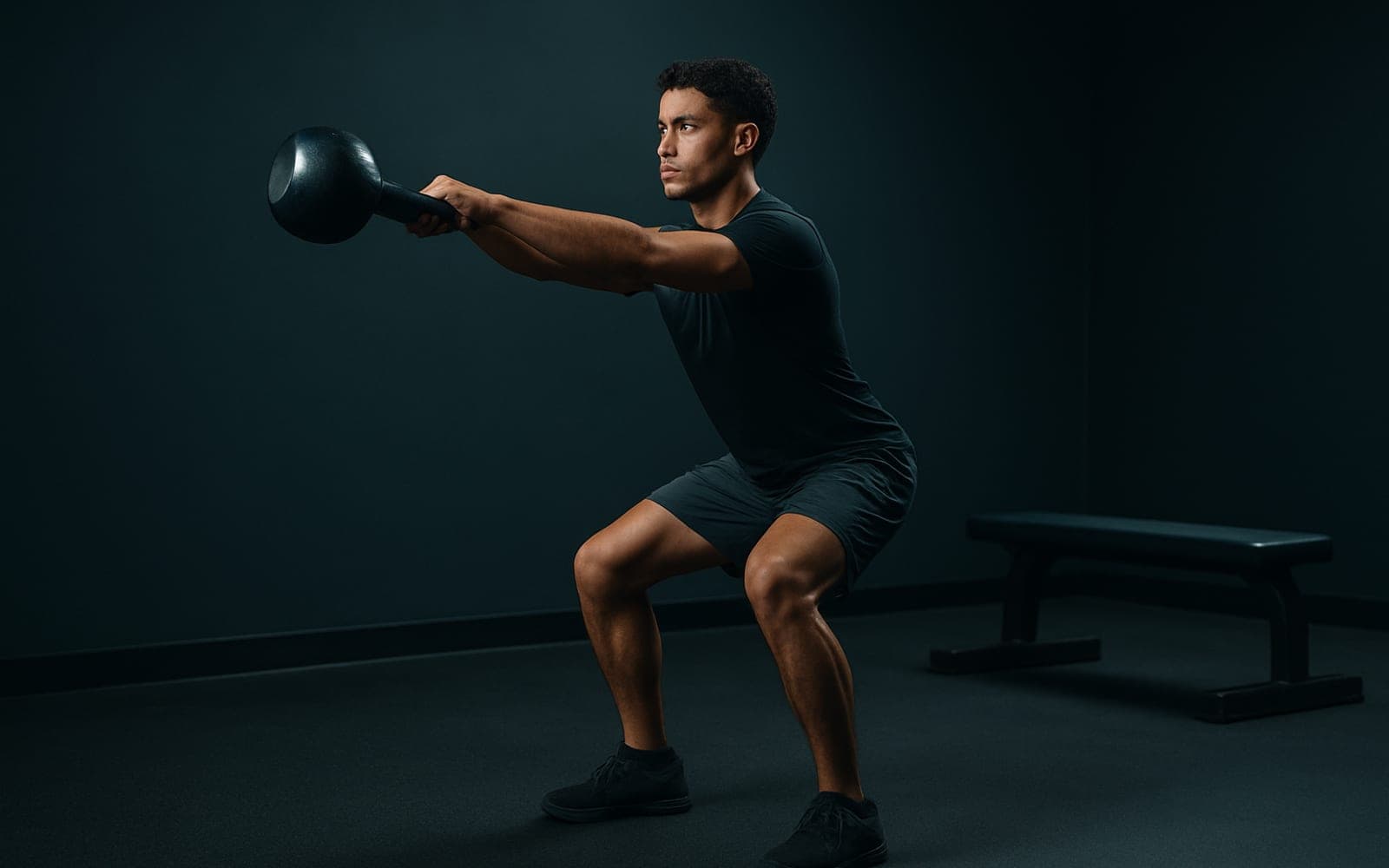
Lying Leg Curl, Good Morning, Cable Pull-Through all train the same hinge pattern with different equipment, so any of them works when the machine is busy or your gym does not have it.
What are the most common glute-ham raise mistakes?
Falling instead of controlling the descent; Bending only at the hips. Lower the torso forward by extending the knees under control, then pull yourself back up using the hamstrings. An advanced knee-flexion hamstring builder.