Treadmill Running
Activation
Muscles worked
Movement
Cardio
Intermediate · Cardio
Secondary muscles
Movement pattern
Equipment category
How to perform
- 1
Set up
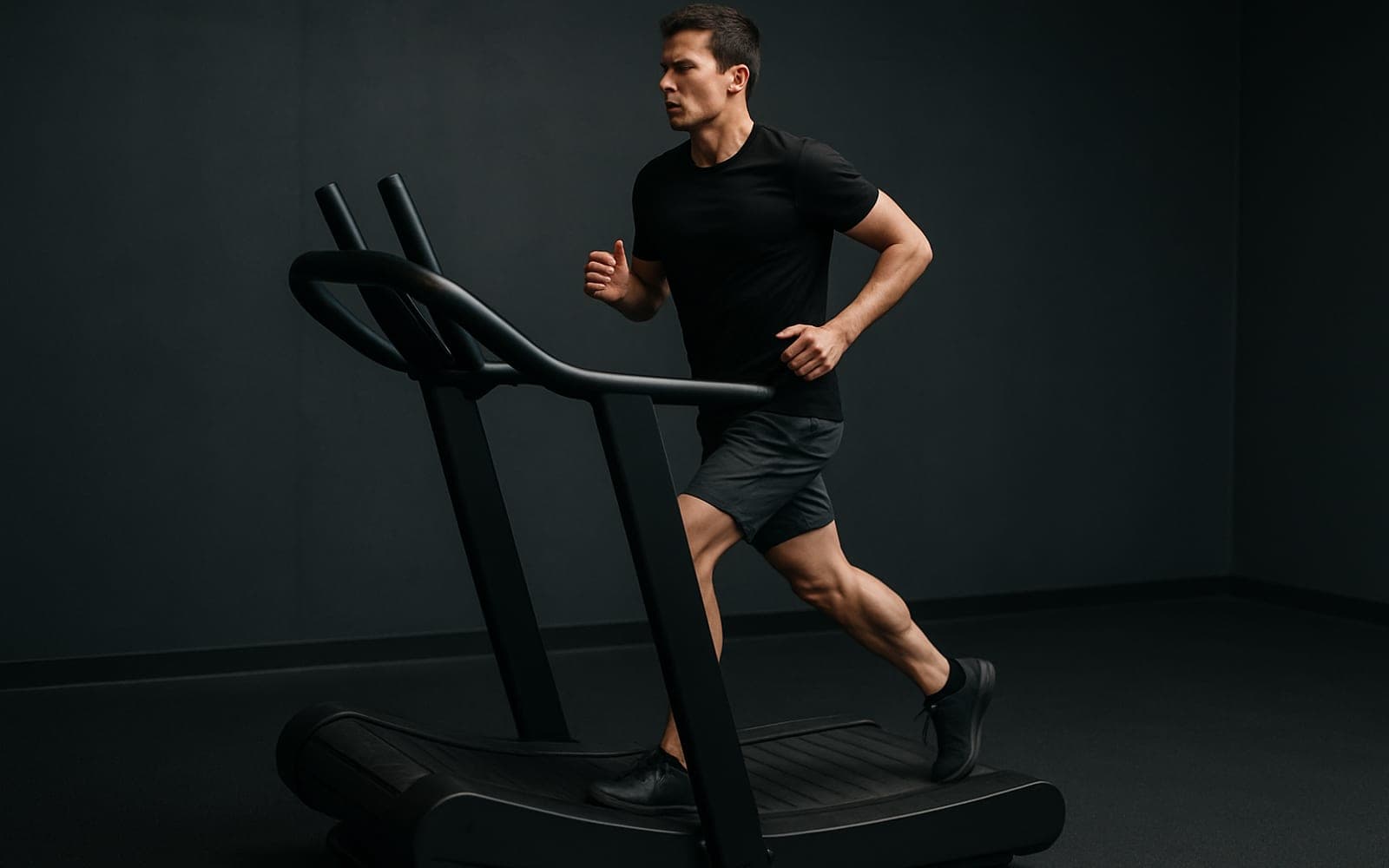
Warm up, then settle into a sustainable running pace.
- 2
Execute the movement
Run tall and relaxed; land under the hips.
Common mistakes
- Starting too fast
Make it harder
Make it easier
Substitutions
If a machine is busy or unavailable, these train the same pattern a different way.
Your progress over time
What to expect from training this consistently — everyone progresses at their own pace.
- 1
First few sessions
Learn treadmill basics: proper form (tall posture, relaxed shoulders, land under hips), feel comfortable with pacing and belt speed, and build confidence for continuous running for 15–30 minutes.
- 2
Weeks 2–6
Noticeable improvement in aerobic endurance and recovery between intervals; you can run longer at a conversational pace and sustain slightly faster speeds for short efforts.
- 3
Months 2–3
Steady increases in weekly mileage and pace consistency; improvements in running economy and ability to complete structured workouts (tempo runs, intervals), with visible modest calorie burn and early body-composition changes when paired with nutrition.
- 4
Months 3–6
Clear gains in cardiovascular fitness (longer steady runs, faster interval times), improved lactate tolerance, better posture and core engagement while running, and more reliable weight-management results when training is consistent.
- 5
6+ months
Substantial endurance and performance improvements: higher sustained paces, improved speed endurance and race readiness for recreational distances; efficient movement that reduces unnecessary energy loss and supports long-term fitness goals.
Benefits of the treadmill running
Develops cardiovascular fitness and heart-lung efficiency for better stamina during daily activities and sport.
Builds leg muscular endurance (quads, hamstrings, calves) and improves strength-to-weight capacity through repeated loading.
Improves running economy and pacing skills, which transfer to faster, more efficient outdoor running and athletic performance.
Engages the core for posture and stability, helping maintain an upright, efficient stride and reduce fatigue.
Supports weight management through sustained calorie expenditure when combined with appropriate nutrition and overall activity.
Offers convenient, low-complexity training that can be easily progressed and combined with interval or steady-state sessions to target specific fitness adaptations.
Exercises that pair with this
Same muscles or the same movement pattern — useful for building the rest of the session.
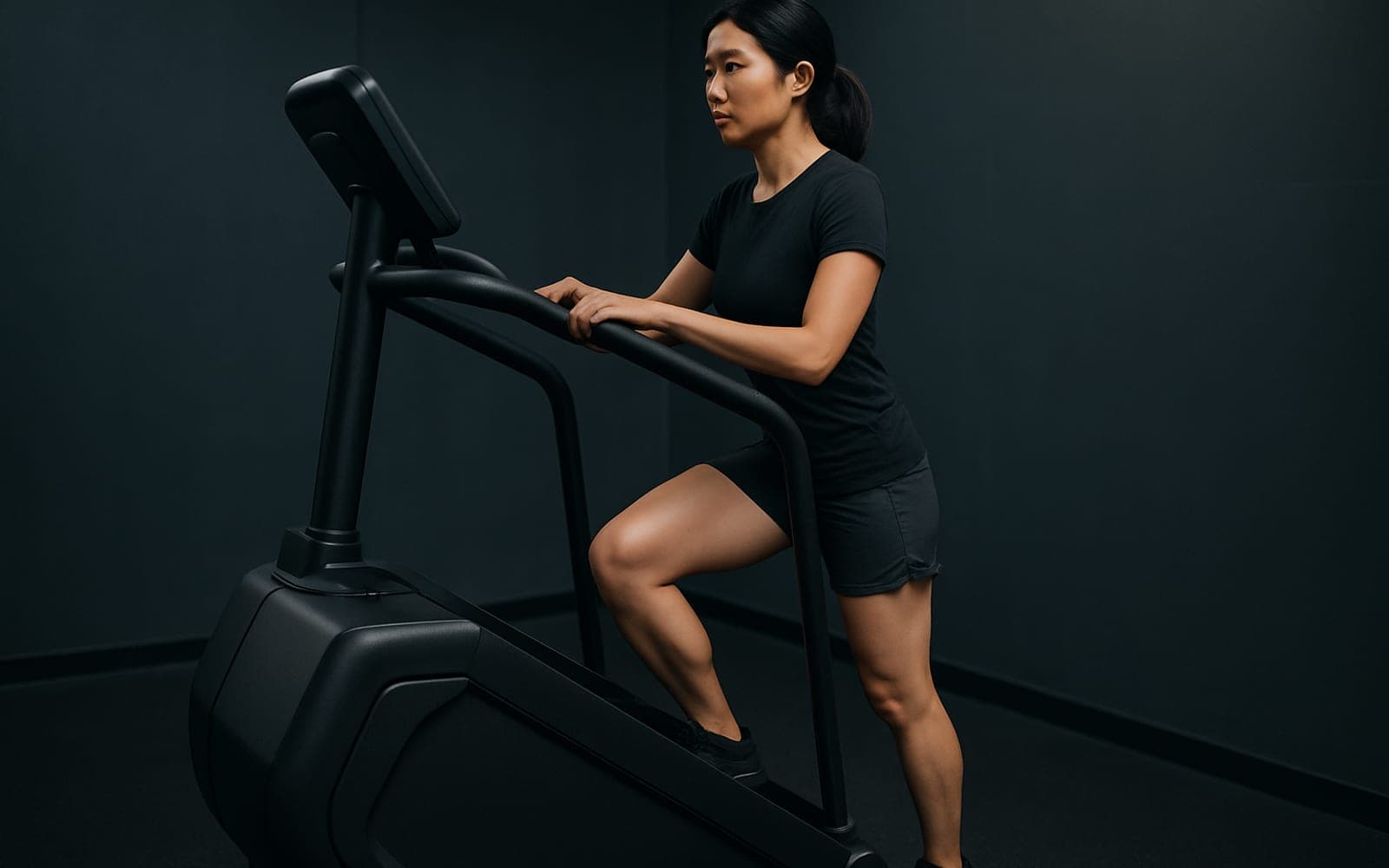
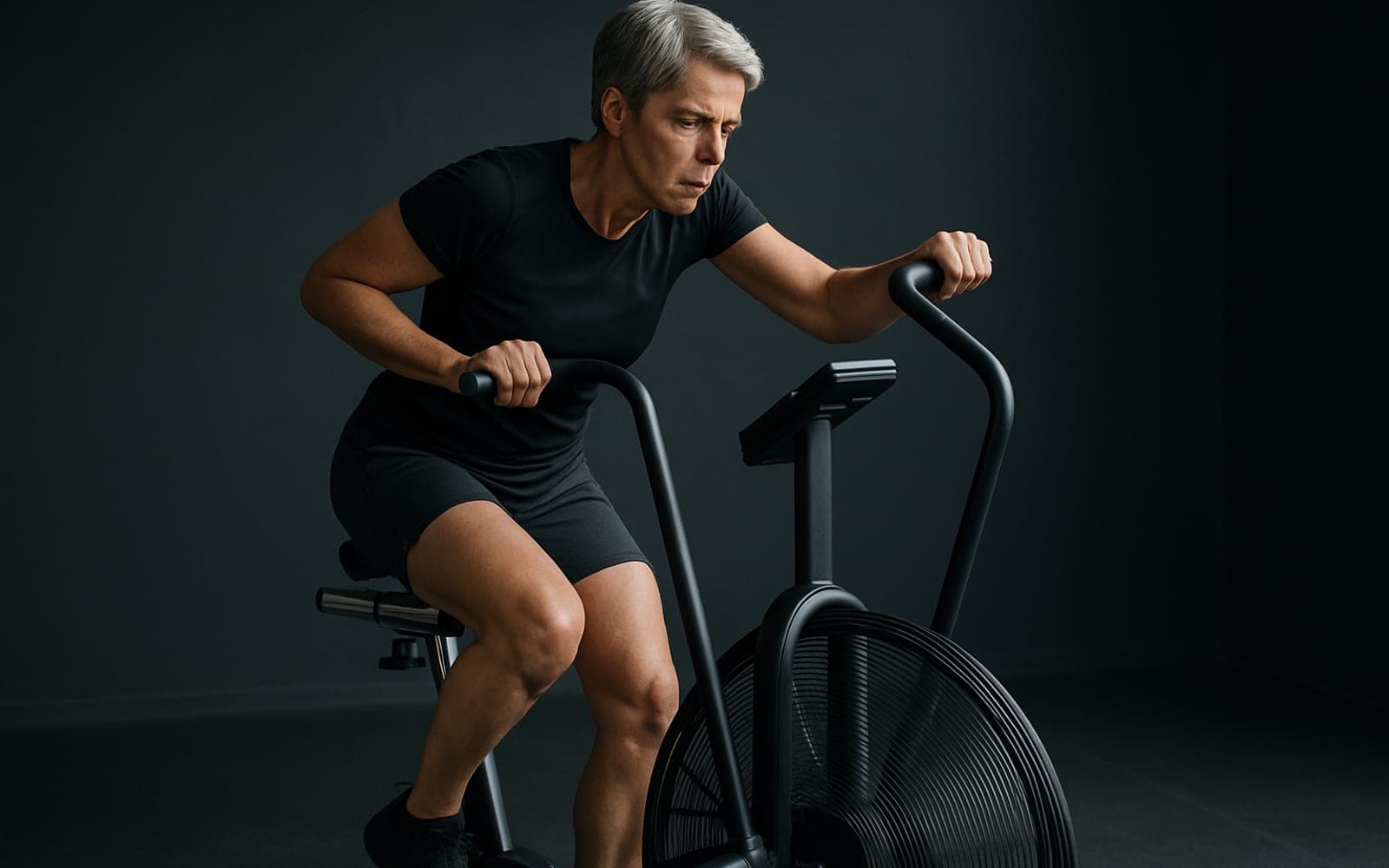
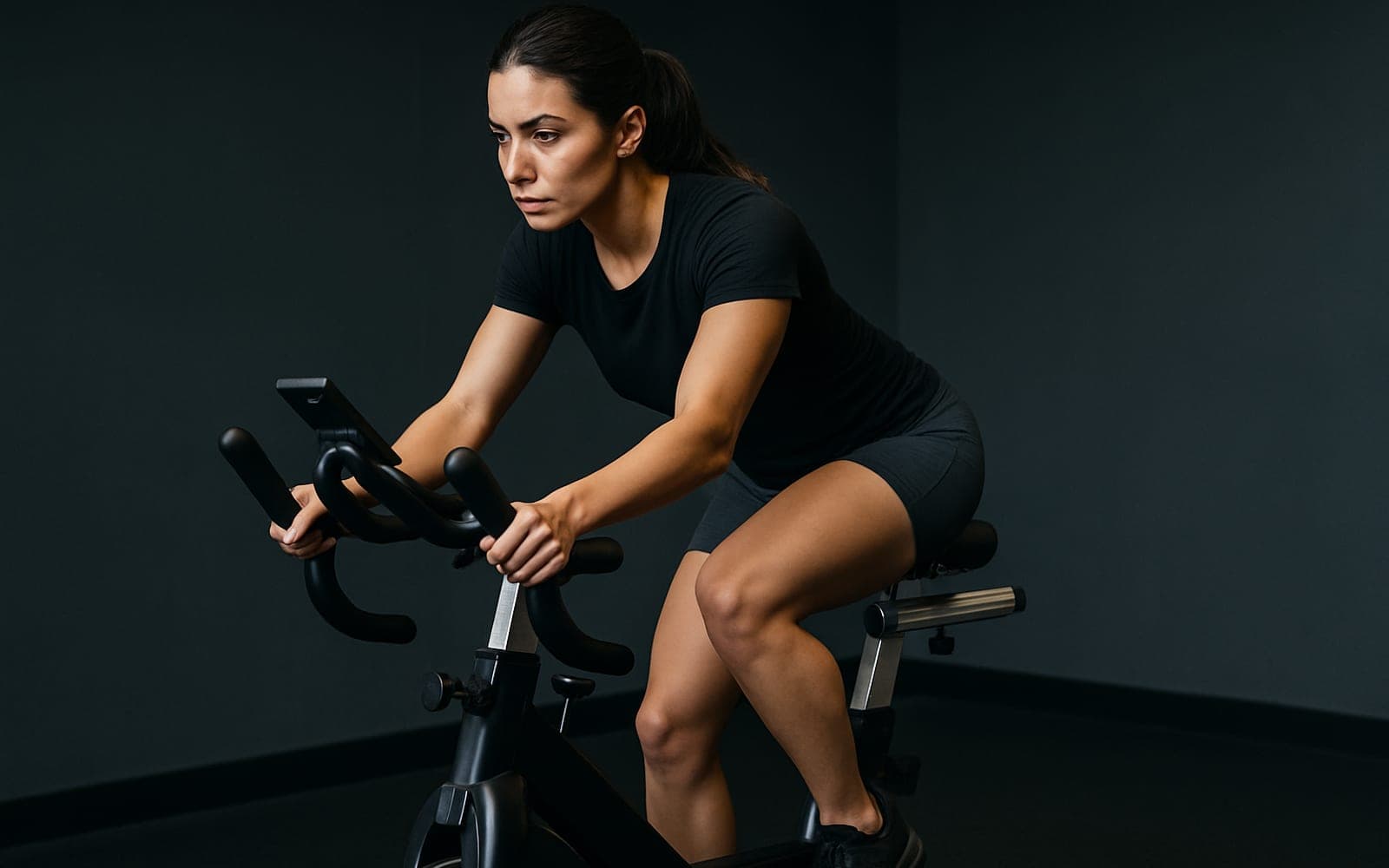
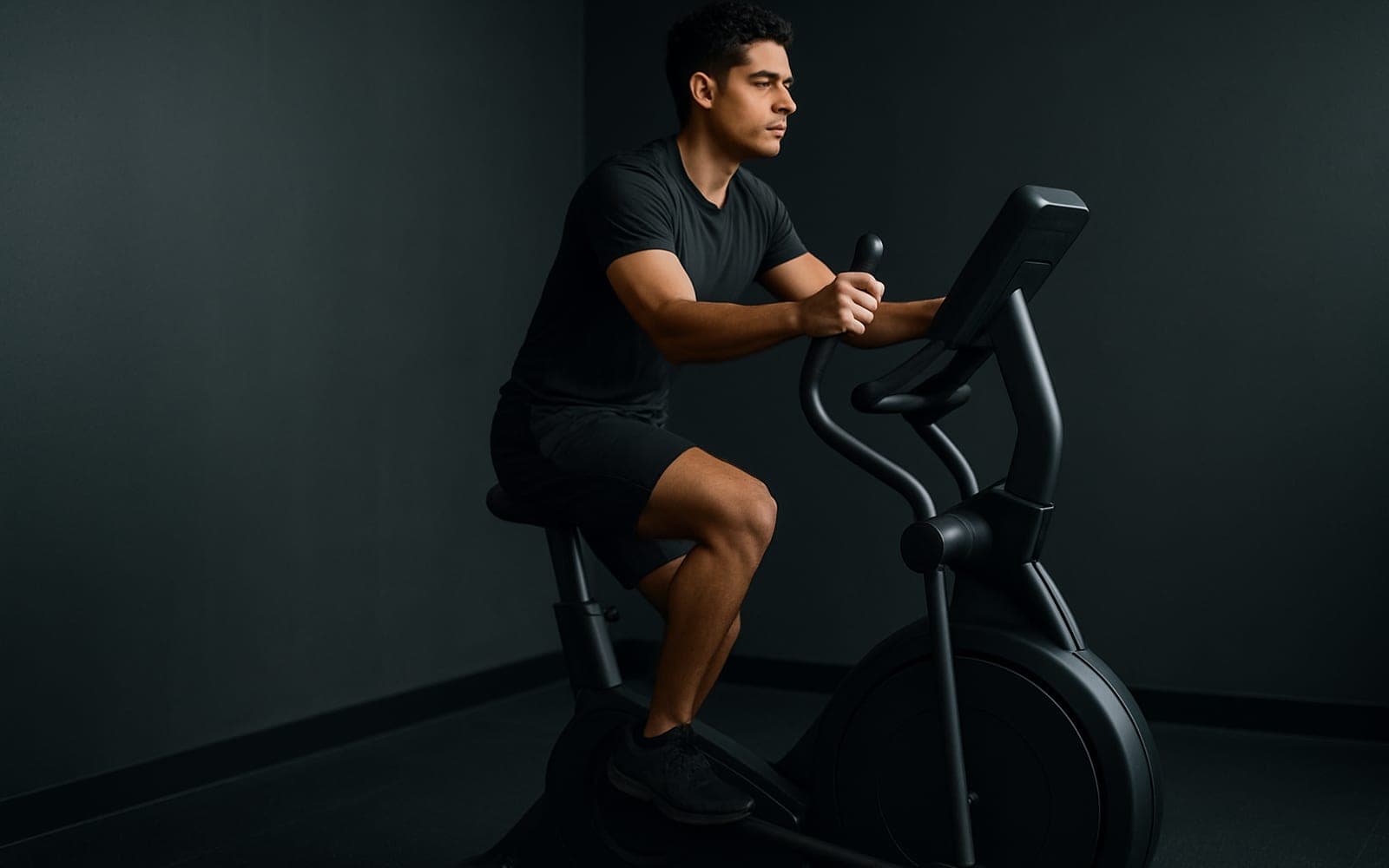

Treadmill Running — questions people ask
What muscles does the treadmill running work?
The treadmill running trains the heart and legs as the primary target, with the core working as support. It is a cardio pattern, so it also trains the coordination that pattern needs.
How many sets and reps of the treadmill running should I do?
Work in time, not reps: 20–40 minutes at a conversational pace for base fitness, or 6–10 short hard intervals with equal rest if you are training for speed.
Is the treadmill running good for beginners?
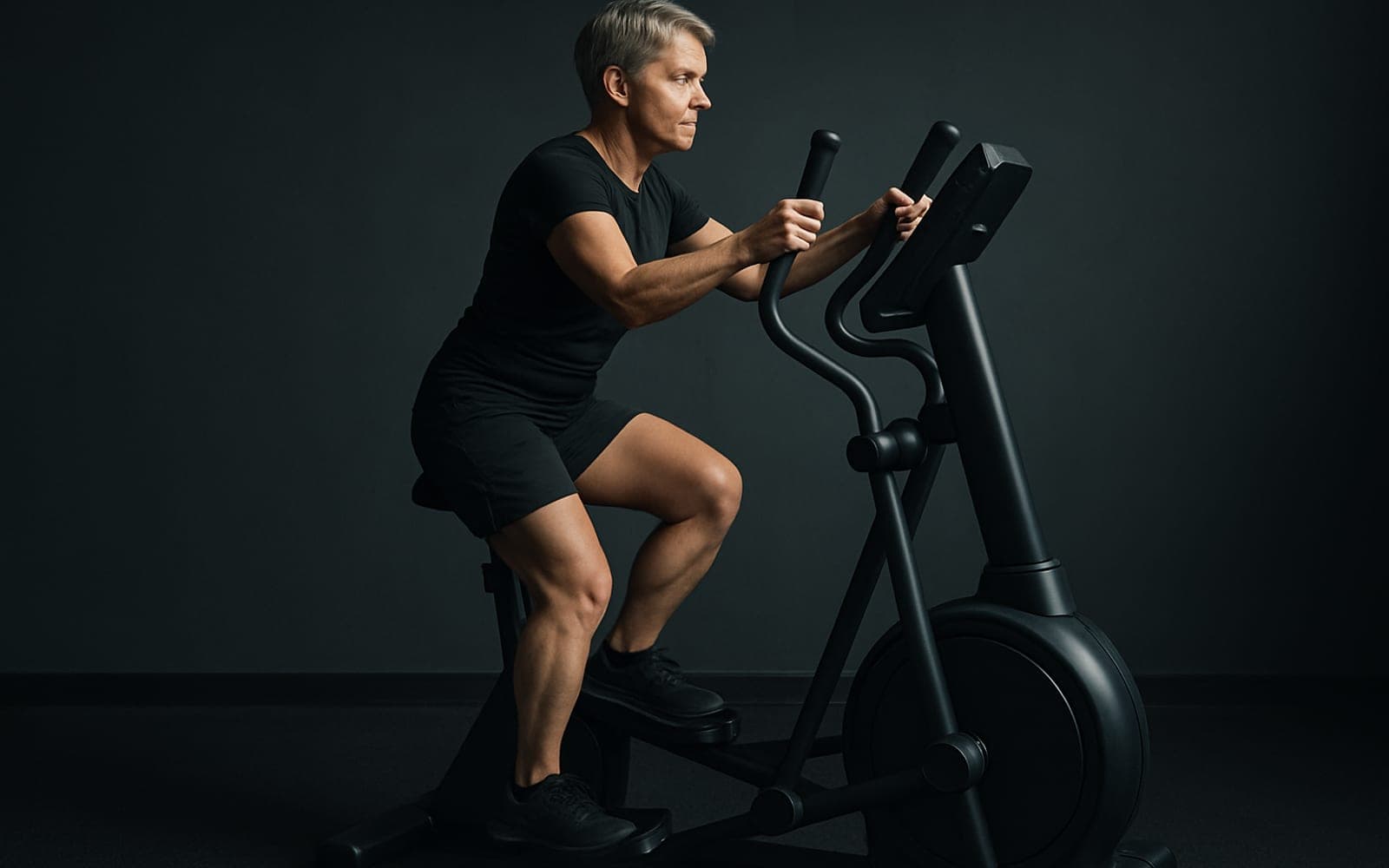
It is a reasonable second step. The treadmill running asks for some control and body awareness. Run/walk intervals. If it feels like too much, build the pattern on the elliptical trainer first.
What can I do instead of the treadmill running?
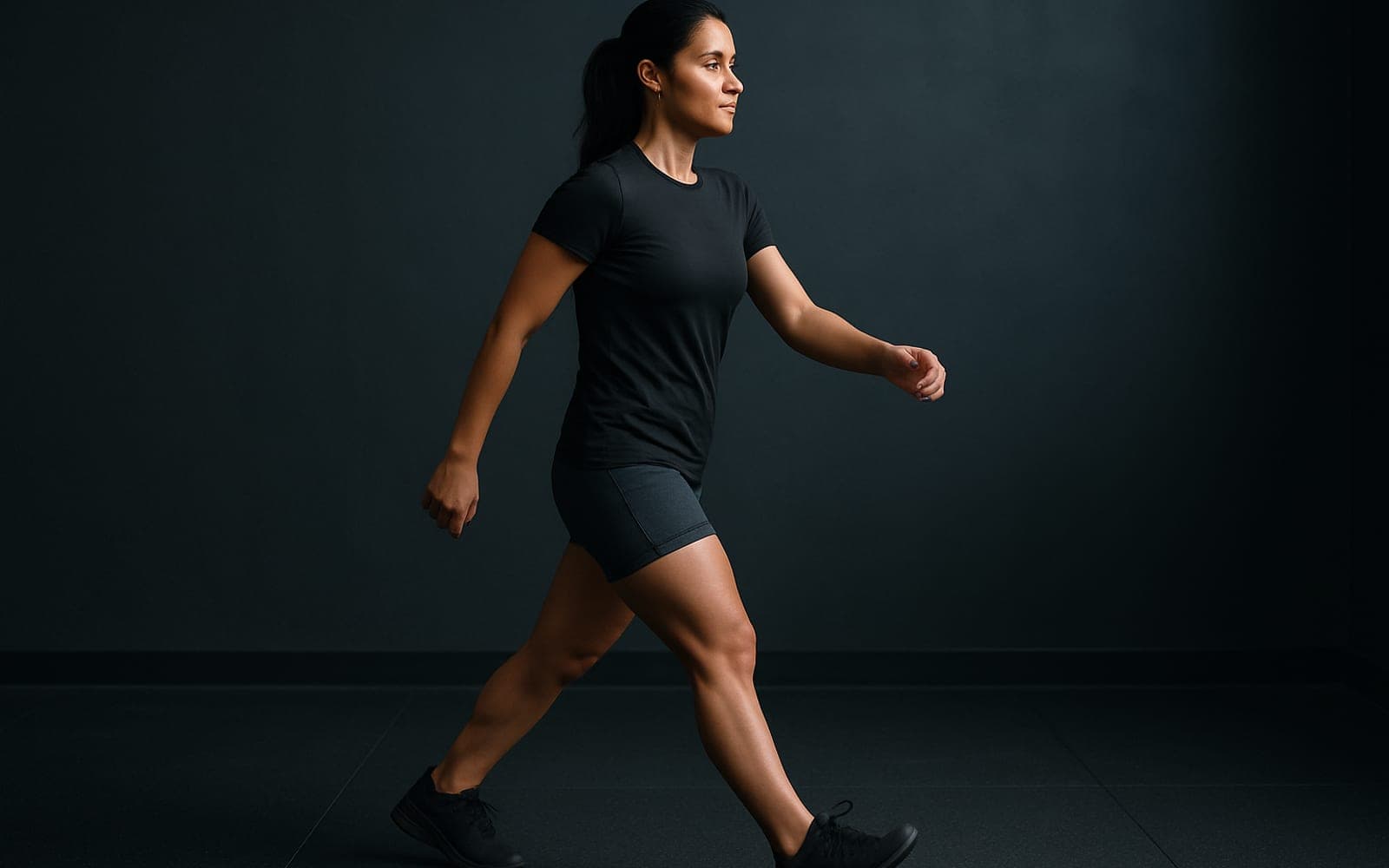
Elliptical Trainer, Outdoor Walk all train the same cardio pattern with different equipment, so any of them works when the machine is busy or your gym does not have it.
What are the most common treadmill running mistakes?
Starting too fast. Run tall and relaxed; land under the hips.
Can I do the treadmill running at home?
The treadmill running needs cardio equipment, which most home gyms do not have. The outdoor walk trains the same pattern with nothing more than your bodyweight or a band.