Bulgarian Split Squat
Activation
Muscles worked
Movement
Lunge
Intermediate · Free Weights
Secondary muscles
Movement pattern
Equipment category
How to perform
- 1
Set up
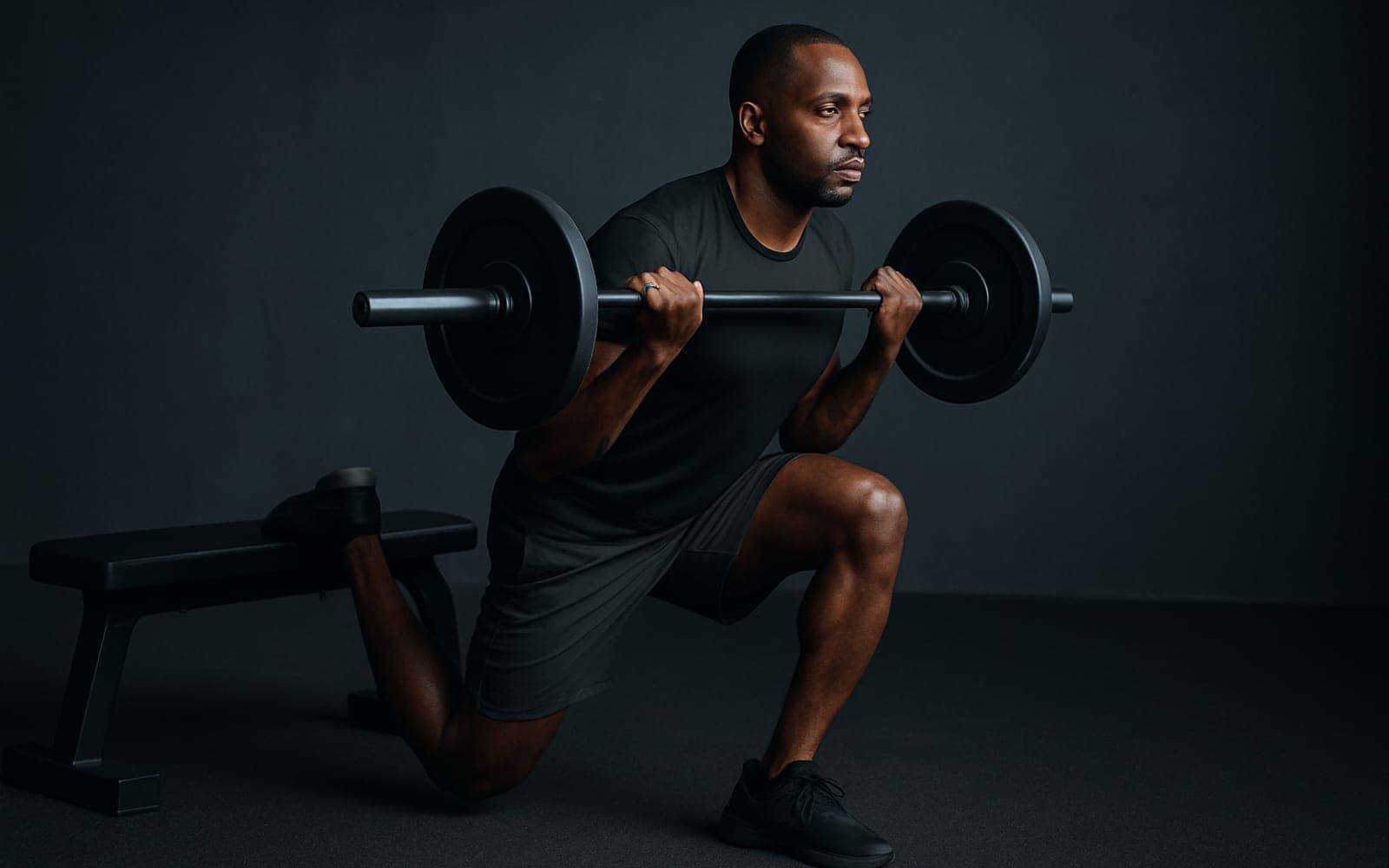
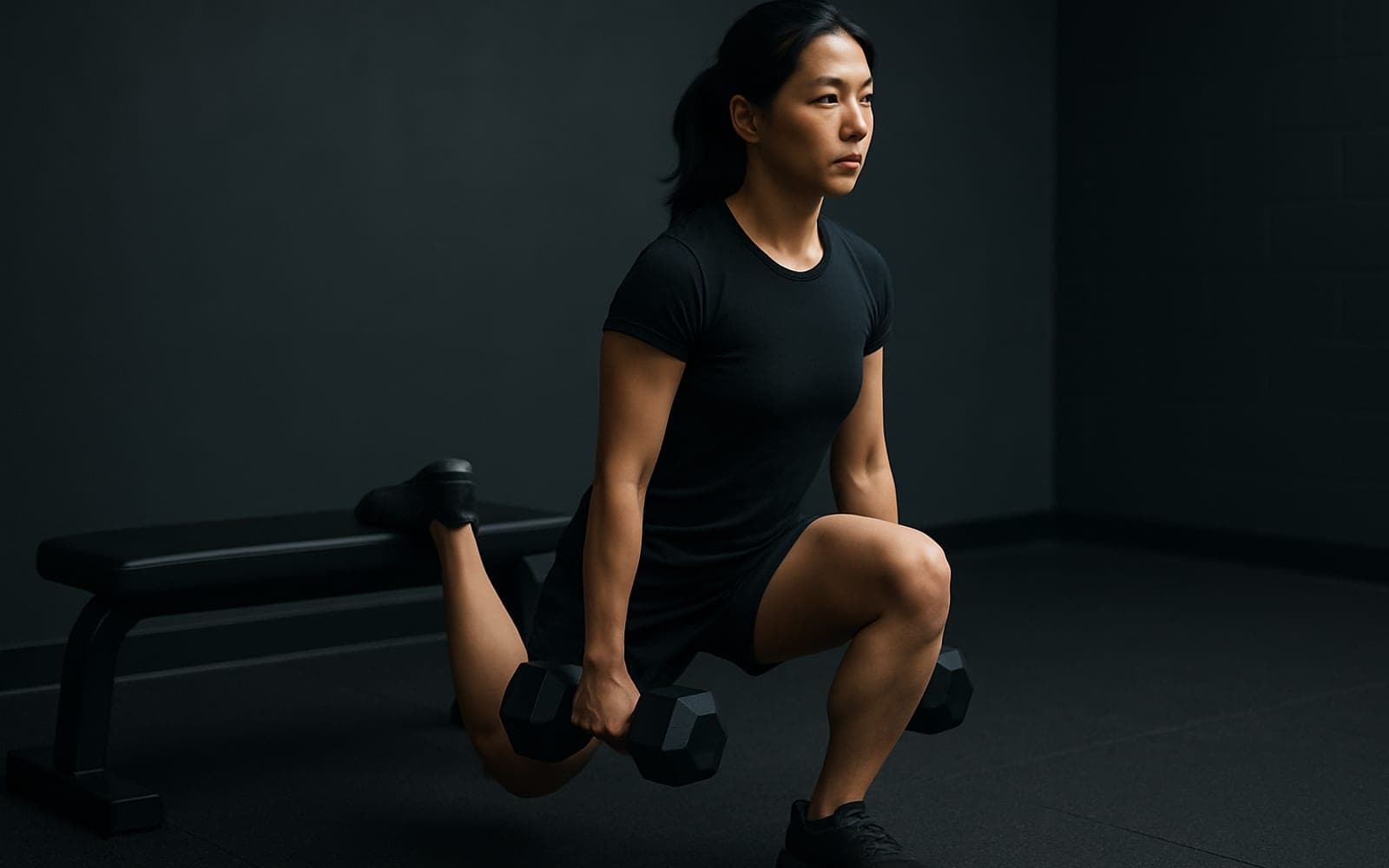
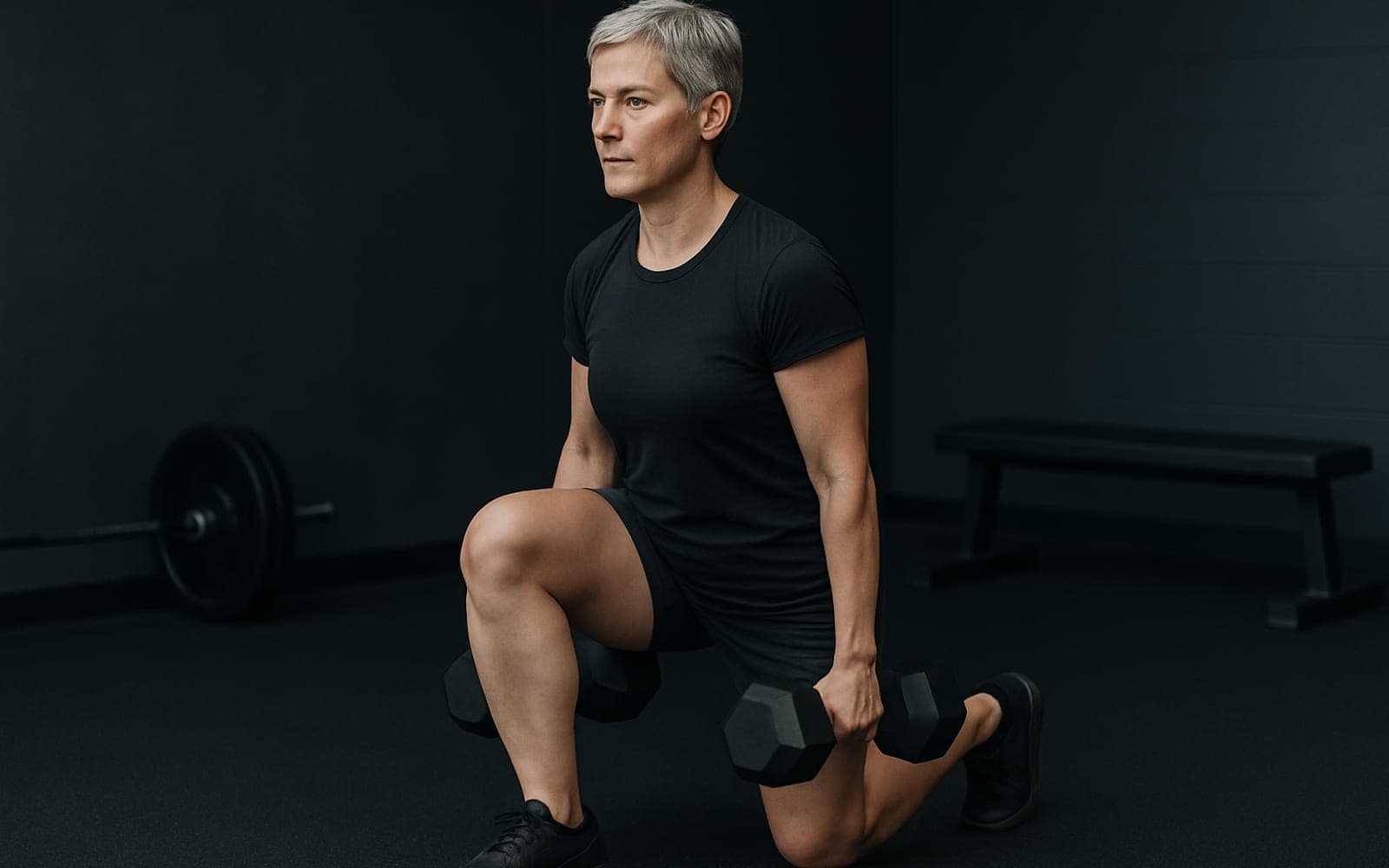
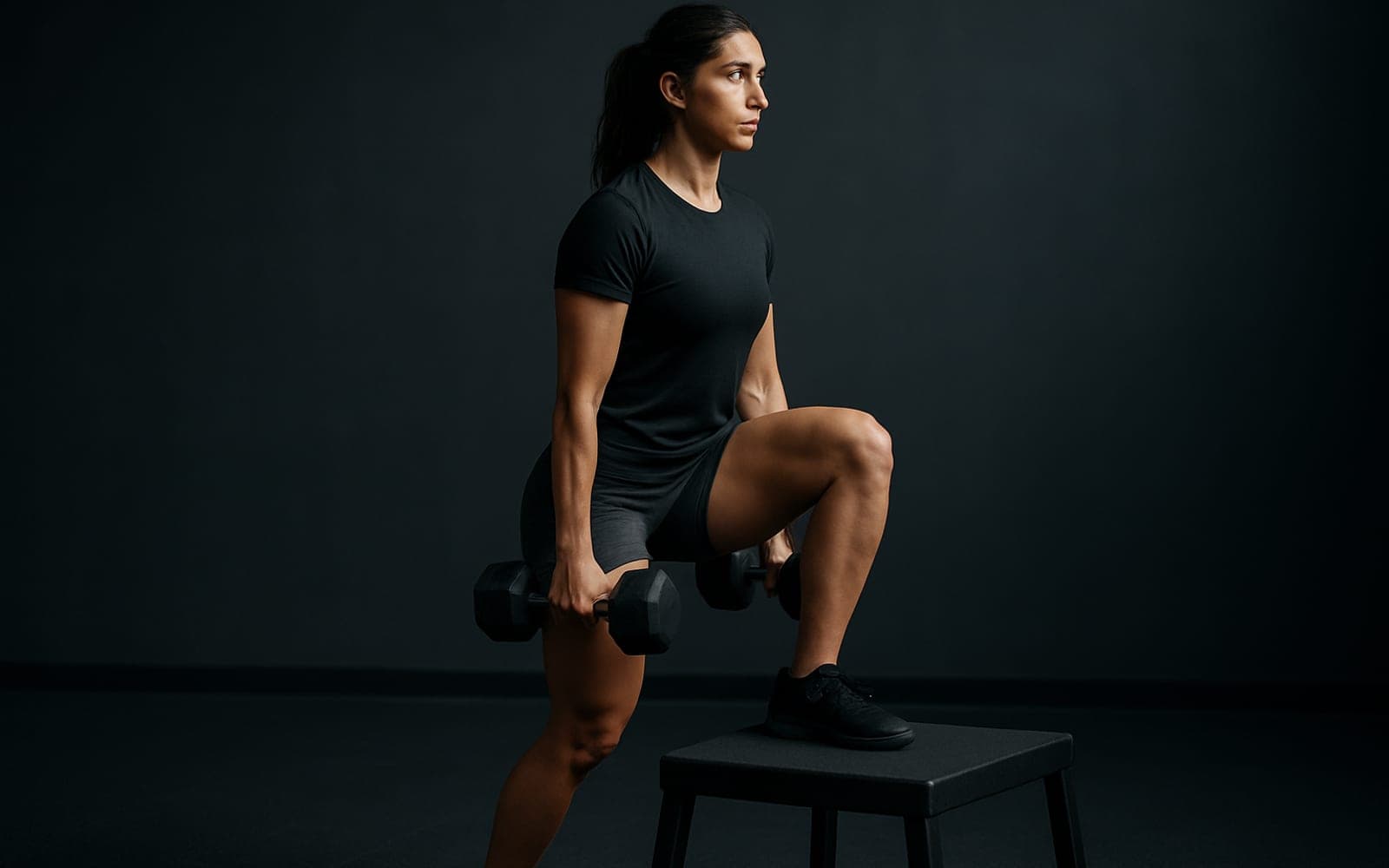
Rear foot on a bench, front foot forward.
- 2
Execute the movement
Lower straight down, drive up through the front foot.
Common mistakes
- Front foot too close
Make it harder
Make it easier
Substitutions
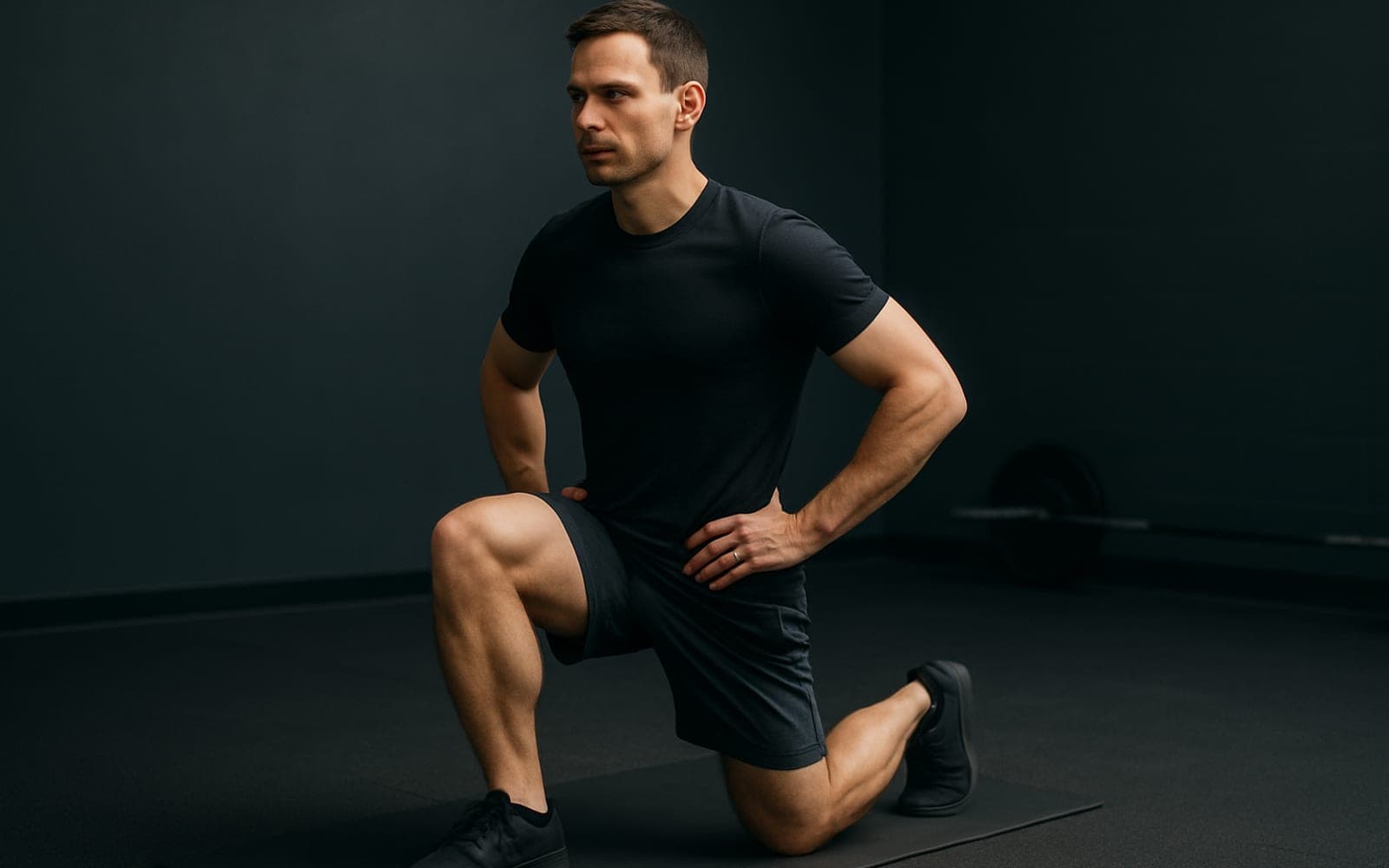
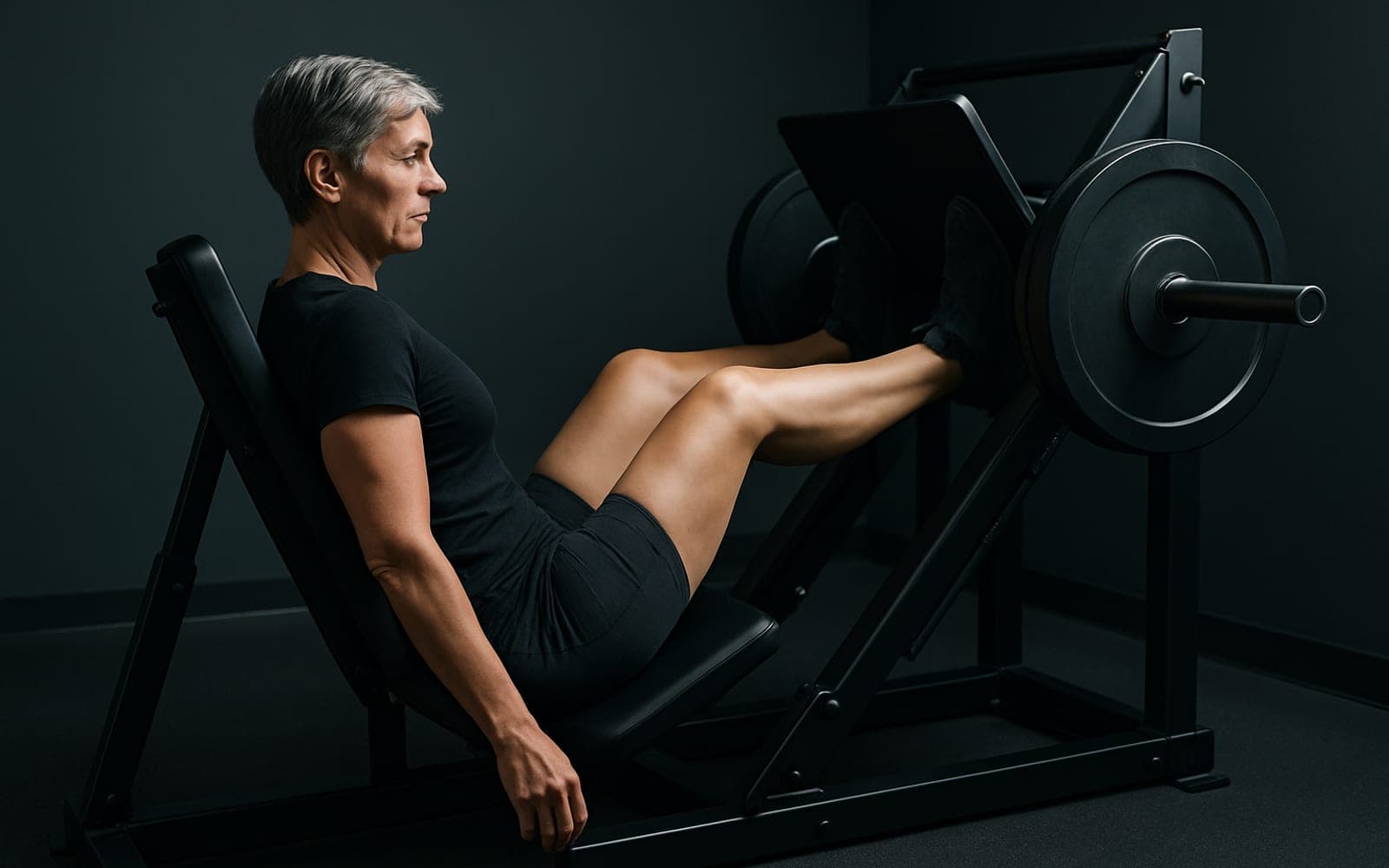
If a machine is busy or unavailable, these train the same pattern a different way.
Your progress over time
What to expect from training this consistently — everyone progresses at their own pace.
- 1
First few sessions
Learn single-leg setup, foot placement and rear-foot elevation; expect technique feedback, short sets (bodyweight or light dumbbells), and reduced wobble as stability and balance improve.
- 2
Weeks 2–6
Build capacity for higher volume and moderate loading with improved squat depth and more consistent knee tracking; you should be able to complete prescribed sets with controlled tempo and less reliance on the rear leg.
- 3
Months 2–4
Noticeable increases in unilateral strength and muscle firmness in the front-leg quads and glutes; you can progress to heavier dumbbells/barbell and implement variations (pause, tempo) to target hypertrophy and power.
- 4
Months 4–6
Clear reduction of side-to-side imbalances, improved single-leg force production and on-field sprint/step transfer; sets become challenging at higher loads with solid technique and shorter rest intervals.
- 5
6+ months
Sustained gains in leg muscle size and single-leg strength, reliable carryover to jumps, changes of direction and loaded athletic movements; ability to program heavy Bulgarian split squats as a primary unilateral strength movement.
Benefits of the bulgarian split squat
Develops quad and glute strength on a single leg, emphasizing muscle-building in the working leg.
Improves unilateral balance and stability, helping reduce side-to-side strength imbalances that can limit performance.
Builds core anti-rotation and upright posture under load because the torso must resist tipping during descent and drive.
Transfers to athletic qualities like single-leg power, sprint stride support and change-of-direction strength.
Allows progressive overload with minimal spinal compressive load compared with heavy bilateral squats, making it useful for targeted hypertrophy.
Easy to vary (tempo, pause, load, step height) to prioritize strength, hypertrophy or sport-specific strength without changing the movement pattern.
Exercises that pair with this
Same muscles or the same movement pattern — useful for building the rest of the session.
Bulgarian Split Squat — questions people ask
What muscles does the bulgarian split squat work?
The bulgarian split squat trains the quads and glutes as the primary target, with the core working as support. It is a lunge pattern, so it also trains the coordination that pattern needs.
How many sets and reps of the bulgarian split squat should I do?
Three sets of 8–12 reps with about 90 seconds of rest is a reliable default. Increase the weight once the last rep of every set still looks clean.
Is the bulgarian split squat good for beginners?
It is a reasonable second step. The bulgarian split squat asks for some control and body awareness. Both feet on the floor (split squat). If it feels like too much, build the pattern on the leg press first.
What can I do instead of the bulgarian split squat?
Reverse Lunge, Leg Press all train the same lunge pattern with different equipment, so any of them works when the machine is busy or your gym does not have it.
What are the most common bulgarian split squat mistakes?
Front foot too close. Lower straight down, drive up through the front foot.
Can I do the bulgarian split squat at home?
The bulgarian split squat needs free weights equipment, which most home gyms do not have. The reverse lunge trains the same pattern with nothing more than your bodyweight or a band.