Russian Twist
Activation
Muscles worked
Movement
Core
Beginner · Bodyweight
Primary muscles
Secondary muscles
Movement pattern
Equipment category
How to perform
- 1
Set up
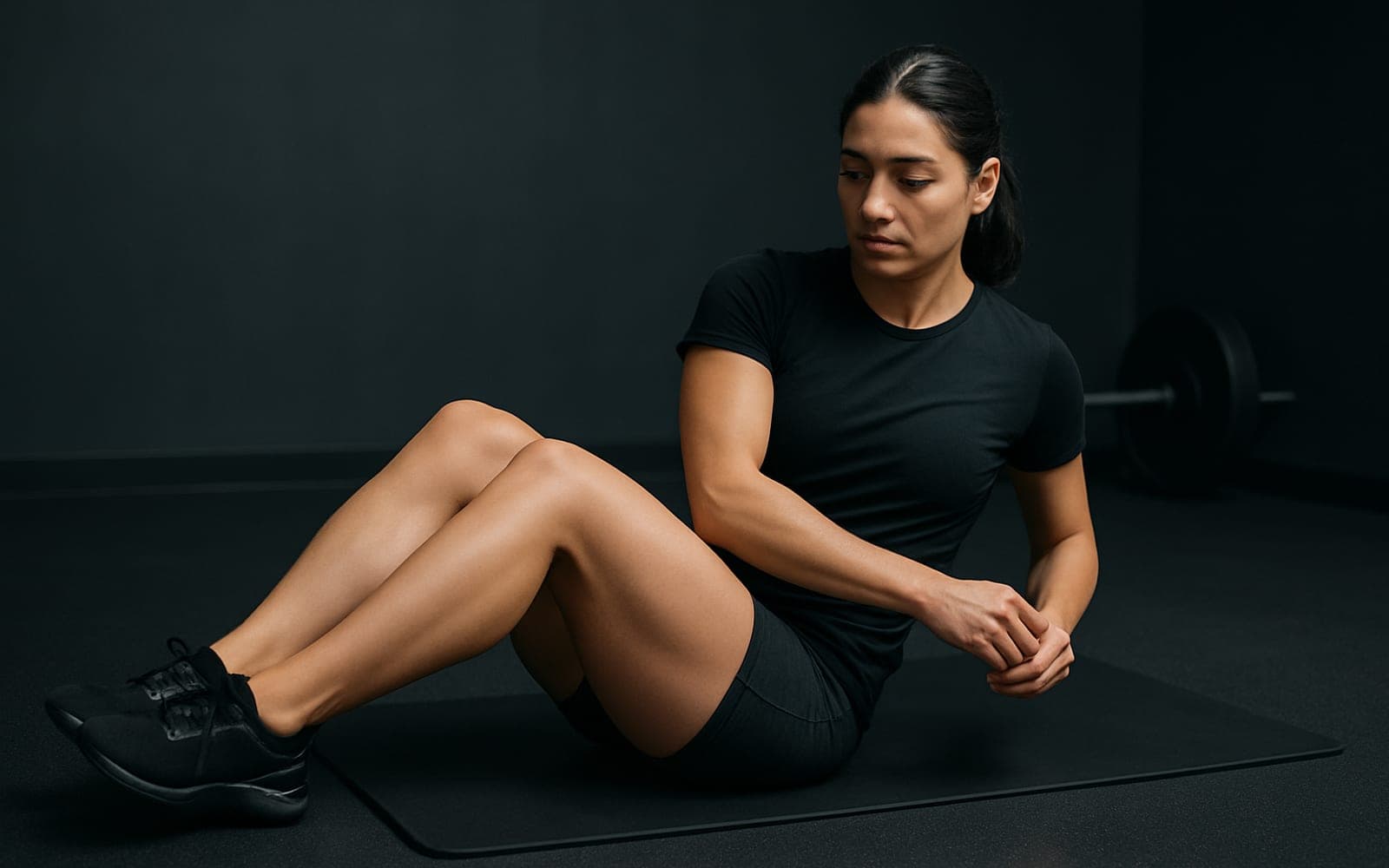
Sit with knees bent and heels down (or lifted for more challenge), leaning back slightly with a braced core.
- 2
Execute the movement
Rotate the torso to tap the floor beside each hip, moving from the ribs — not just the arms. Keep the chest tall.
Common mistakes
- Only swinging the arms
- Rounding and straining the lower back
- Rushing
Make it harder
Make it easier
Substitutions
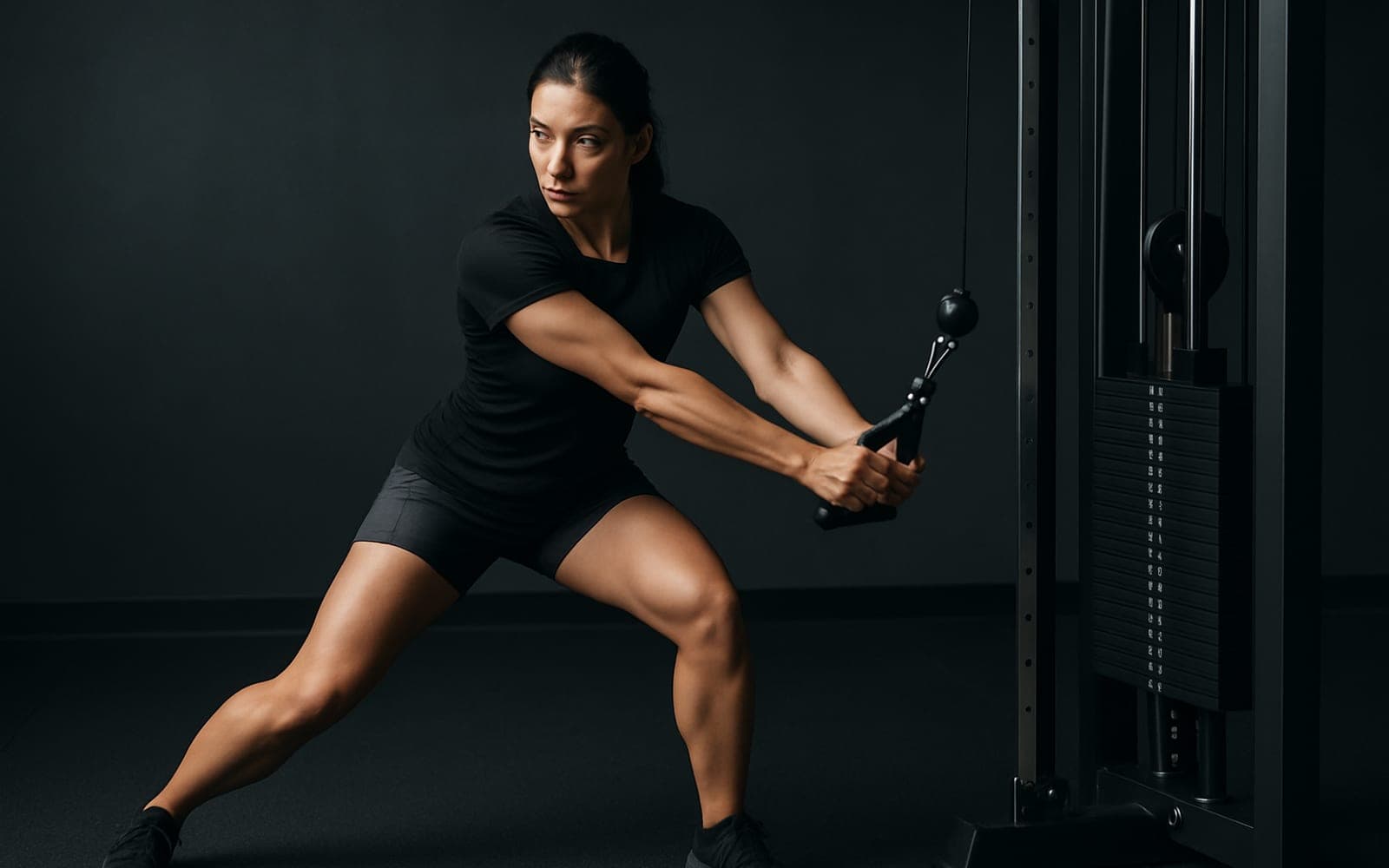
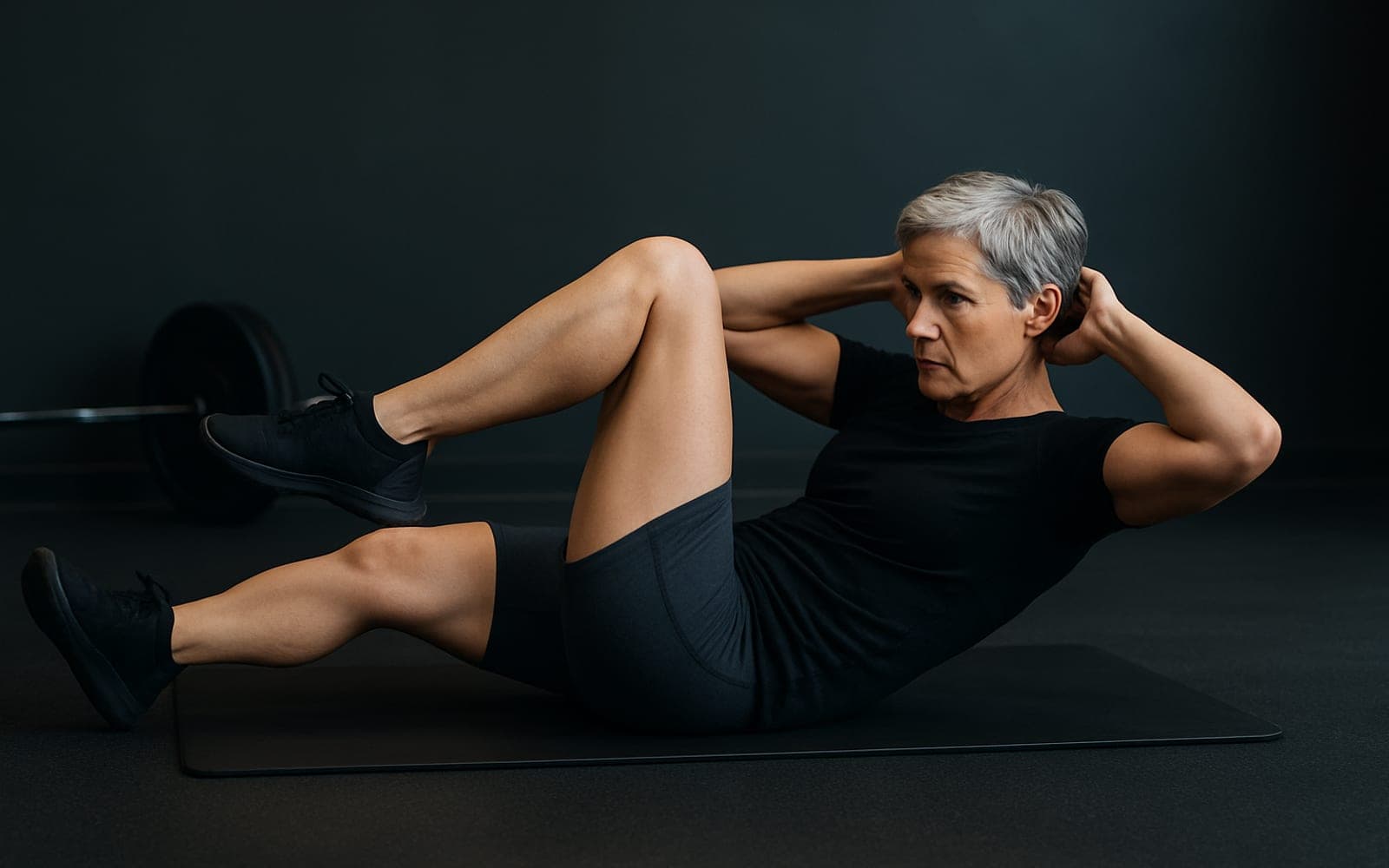
If a machine is busy or unavailable, these train the same pattern a different way.
Your progress over time
What to expect from training this consistently — everyone progresses at their own pace.
- 1
First few sessions
Learn and groove the pattern: stable seated posture, tall chest, and controlled torso rotation to tap beside each hip while keeping movement initiated from the ribs rather than just the arms; low load or bodyweight performed for 2–3 sets of 10–20 reps will be the focus.
- 2
Weeks 2–4
Improved movement control and endurance of the obliques and core; you can maintain cleaner form for longer sets, show less momentum from the arms, and progress to slightly longer sets or a light medicine ball (2–4 kg).
- 3
Months 2–3
Noticeable increase in rotational strength and conditioning: heavier med-ball or plate touches become possible, reps per set increase, and transfer to improved performance in rotational sport tasks (e.g., swings, throws) and anti-rotation stability.
- 4
4–6 months
Greater muscular development and capacity in the obliques and overall core; ability to perform loaded variations (heavier ball, weighted plate) for multiple sets with strict form and reduced fatigue during athletic activities requiring trunk rotation/endurance.
- 5
6+ months
Solid, durable rotary core strength and movement quality: the exercise serves as a maintenance and conditioning tool within a broader program, supporting faster, more controlled rotational movements in sport and day-to-day tasks while helping reduce compensatory movement patterns.
Benefits of the russian twist
Directly strengthens the obliques by training repeated, controlled trunk rotation, improving rotational power and endurance.
Builds core stability and control through anti-extension and anti-rotation demands when performed with a tall chest and proper rib-driven rotation.
Improves transfer to athletic movements that require trunk rotation and force transfer between the upper and lower body, such as throwing, swinging, and changing direction.
Enhances muscular endurance of the core, which can reduce fatigue-related compensations in sport and prolonged tasks.
Teaches coordinated movement patterning between the ribs, spine, and hips, promoting better posture and movement efficiency when rotating.
Scales easily from bodyweight to loaded variations, making it a practical, space-efficient exercise for general fitness progression.
Exercises that pair with this
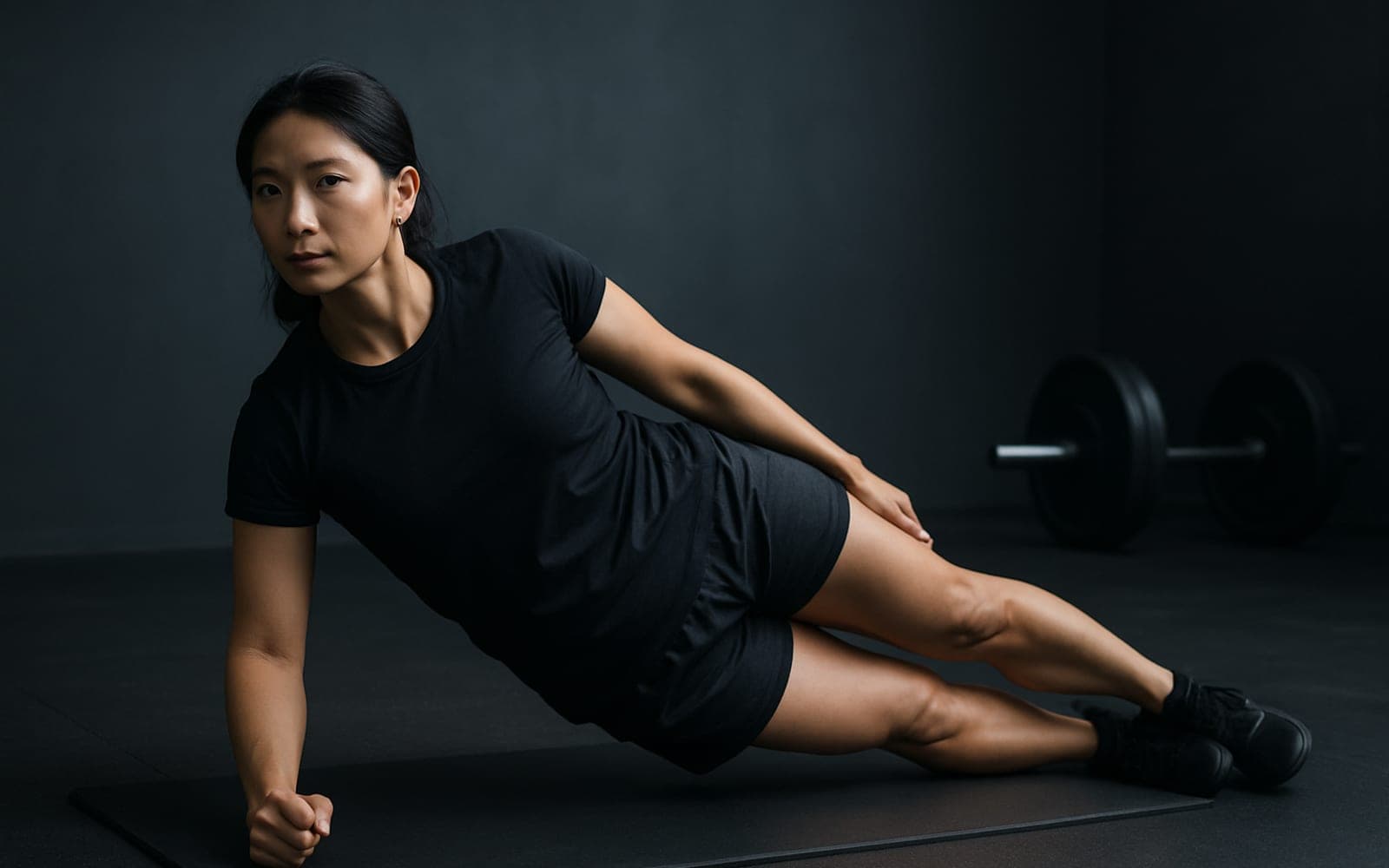
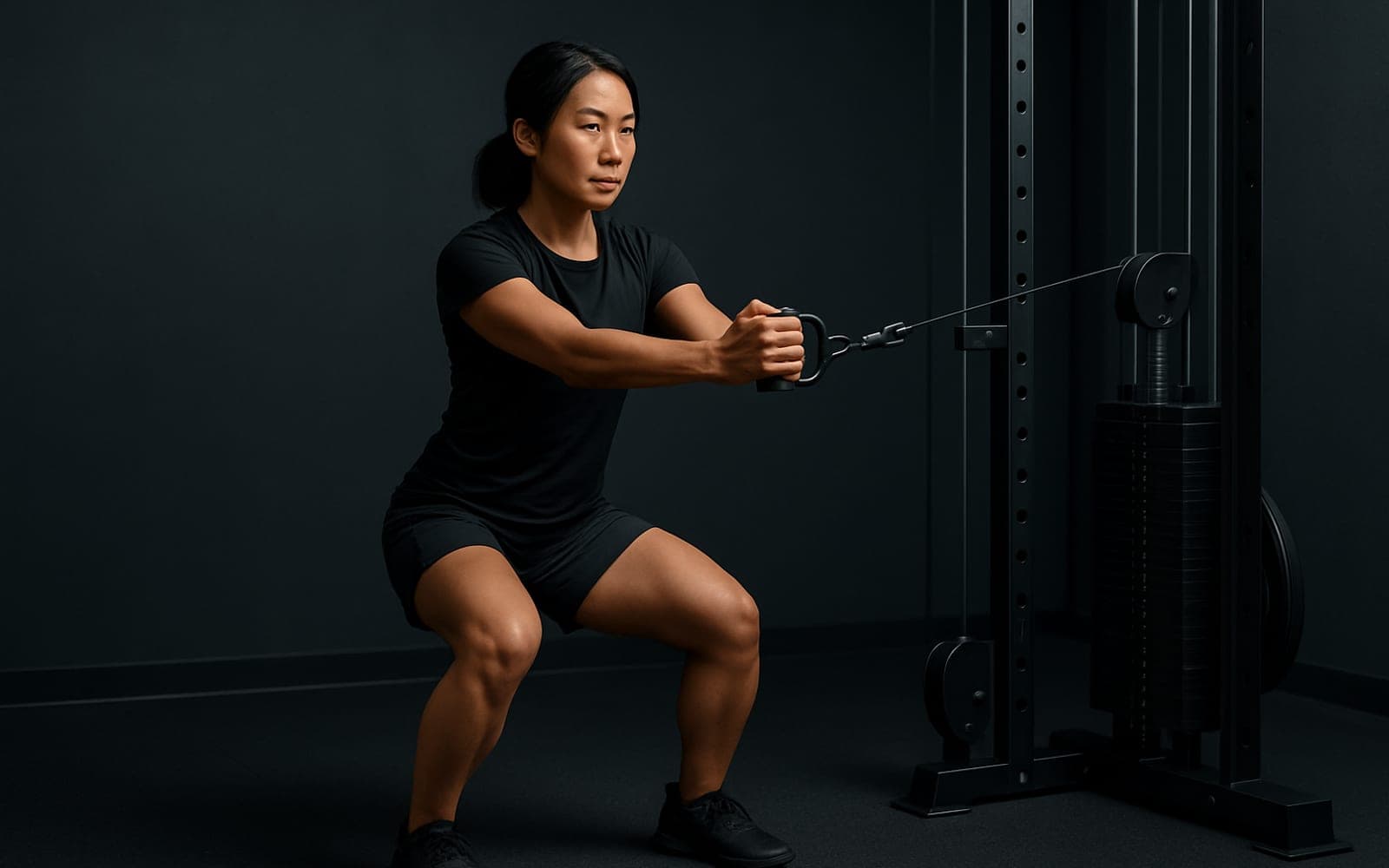
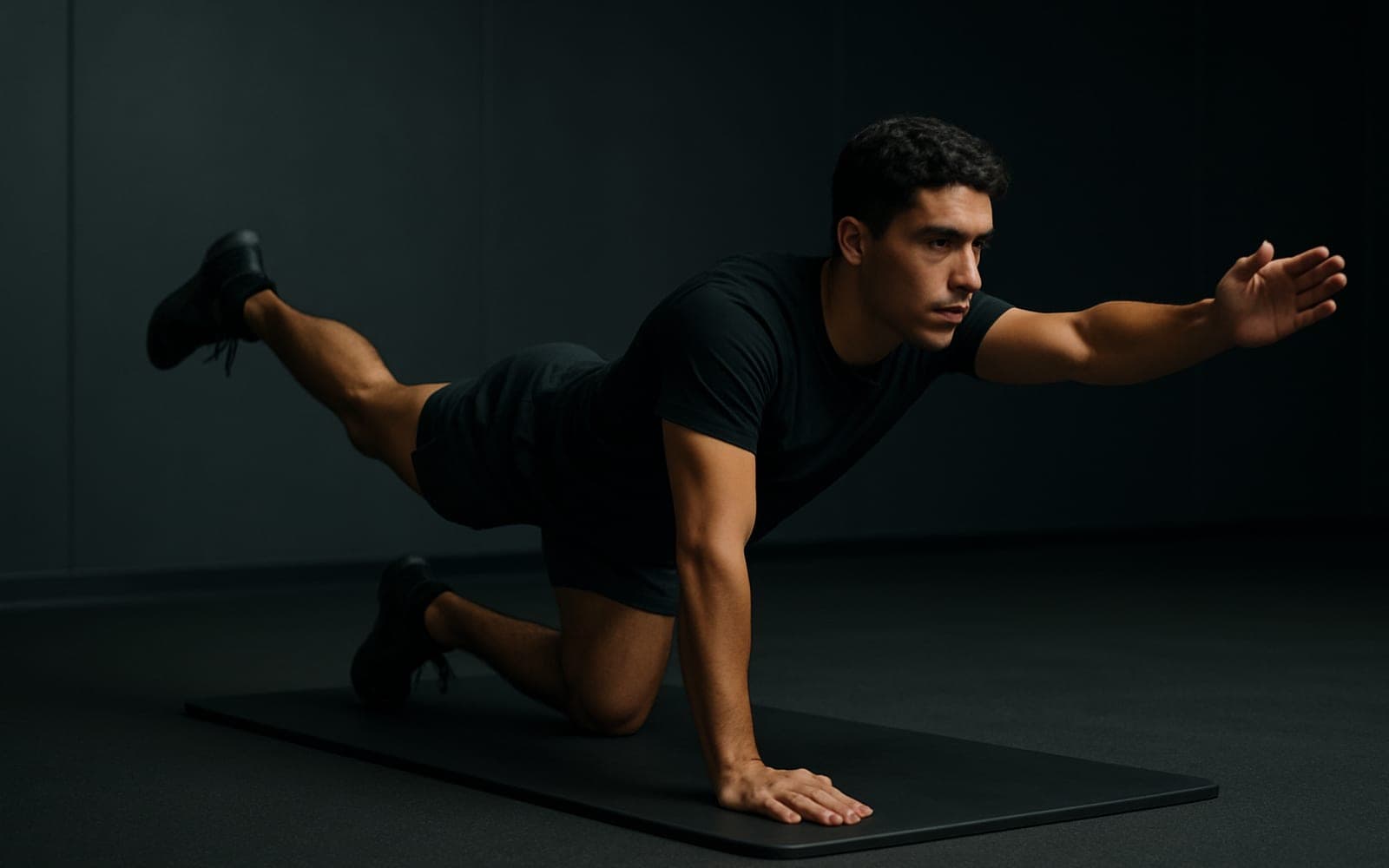
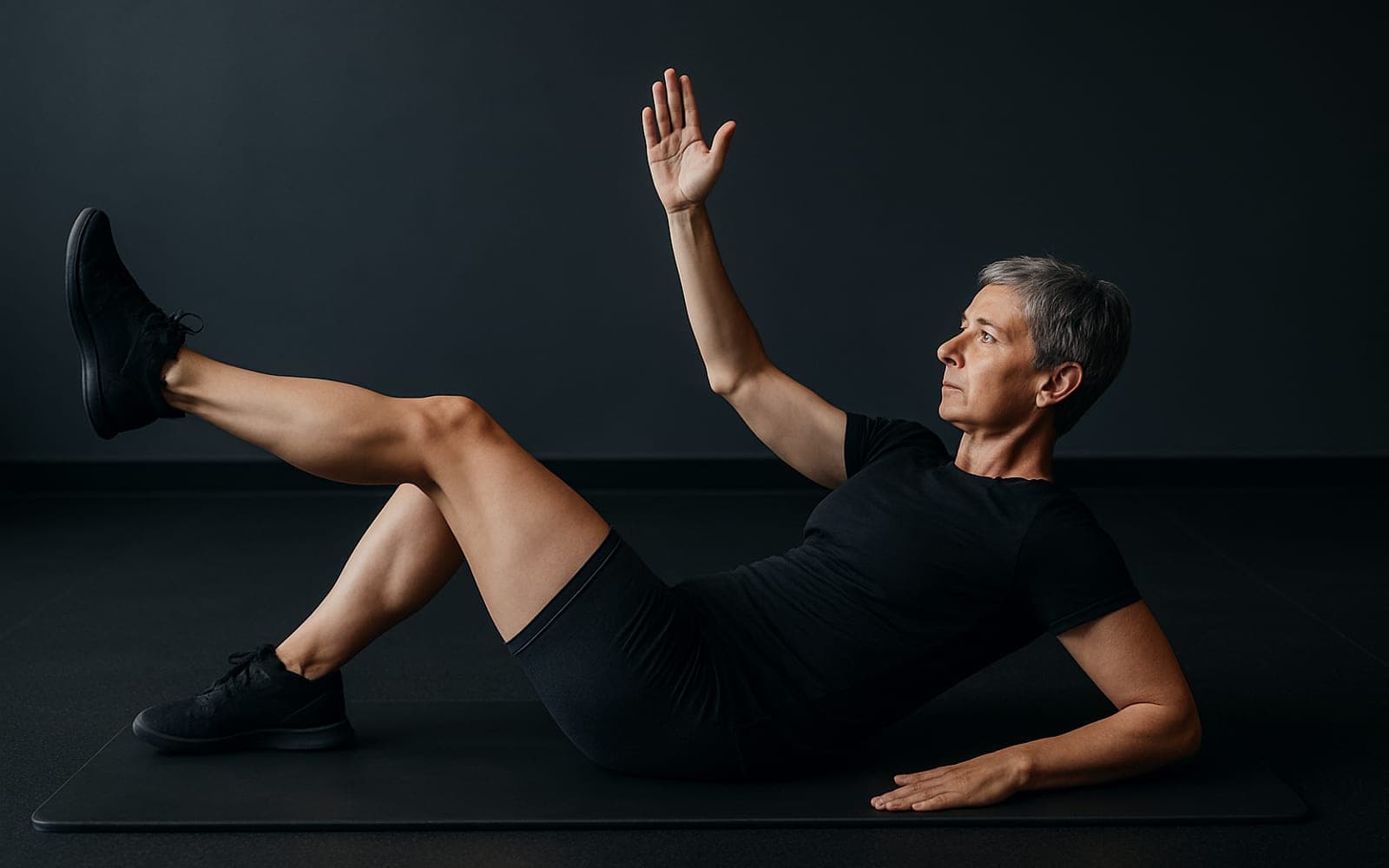
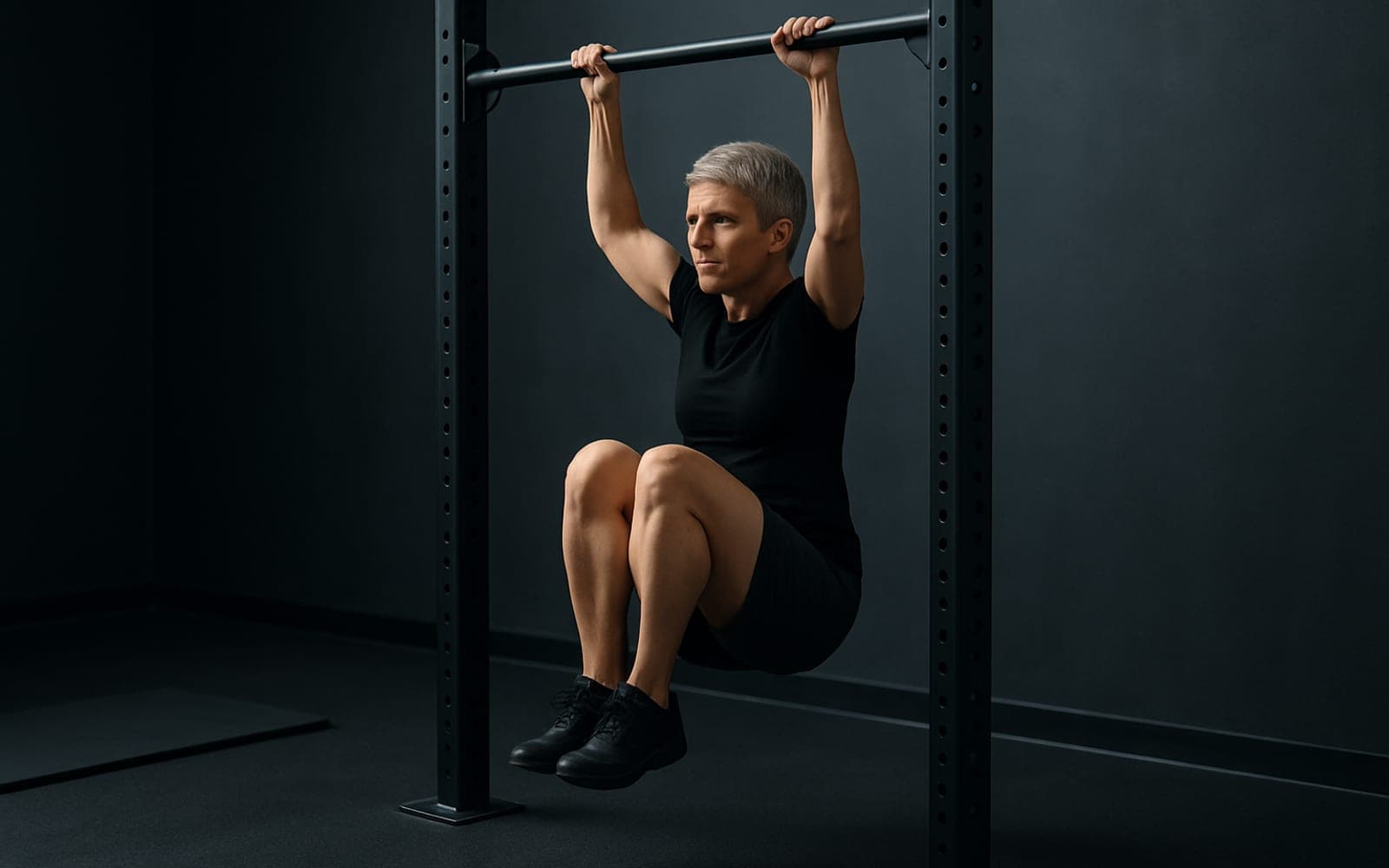
Same muscles or the same movement pattern — useful for building the rest of the session.
Russian Twist — questions people ask
What muscles does the russian twist work?
The russian twist trains the obliques as the primary target, with the core, hip flexors working as support. It is a core pattern, so it also trains the coordination that pattern needs.
How many sets and reps of the russian twist should I do?
Two to four sets of 8–15 reps, or 20–45 second holds. Stop the set when your form breaks, not when the count runs out.
Is the russian twist good for beginners?
Yes. The russian twist is a beginner-friendly movement. Keep heels down and reduce the range. If it feels like too much, build the pattern on the bicycle crunch first.
What can I do instead of the russian twist?
Cable Woodchop, Bicycle Crunch all train the same core pattern with different equipment, so any of them works when the machine is busy or your gym does not have it.
What are the most common russian twist mistakes?
Only swinging the arms; Rounding and straining the lower back; Rushing. Rotate the torso to tap the floor beside each hip, moving from the ribs — not just the arms. Keep the chest tall.