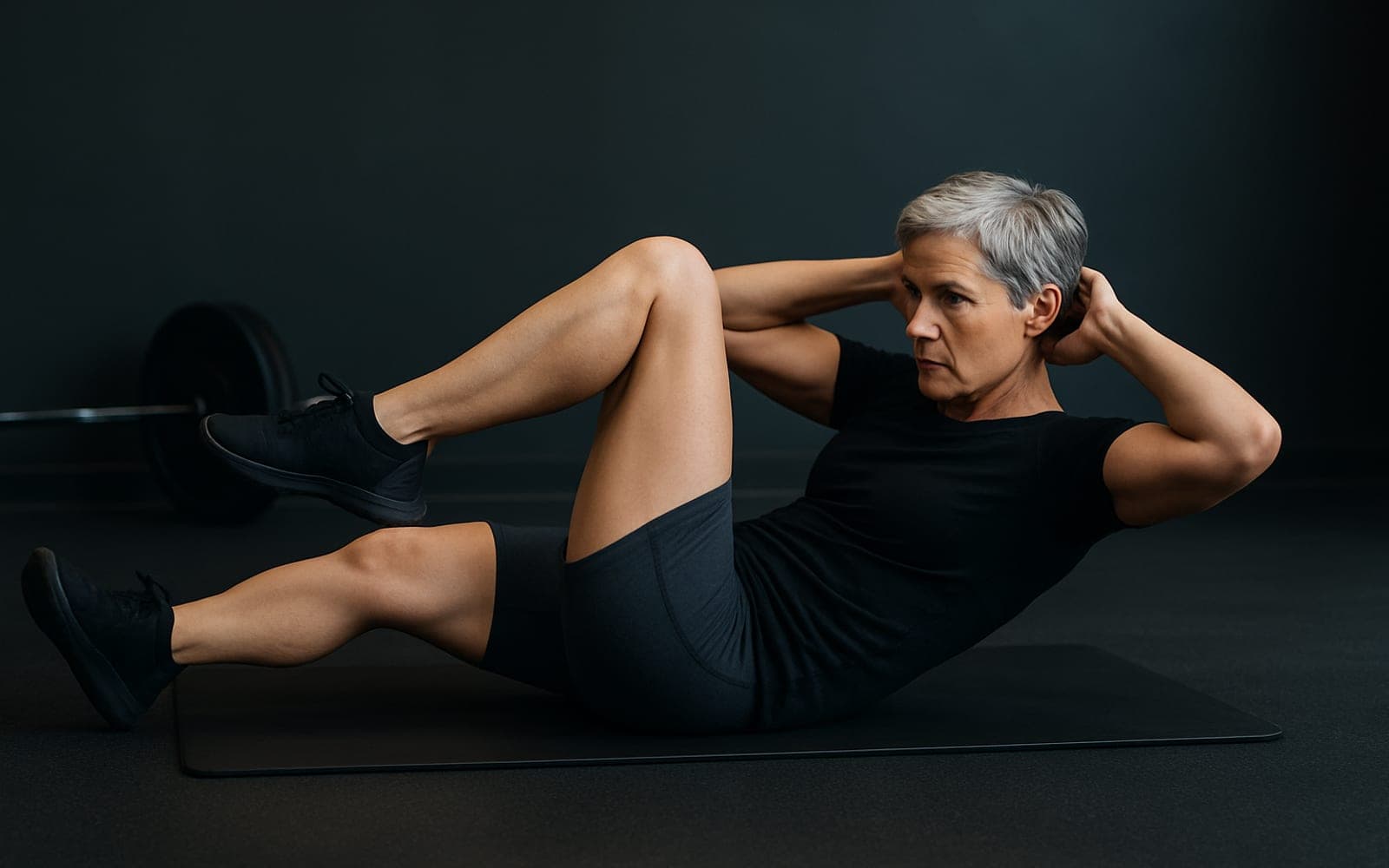
Bicycle Crunch
Activation
Muscles worked
Movement
Core
Beginner · Bodyweight
Primary muscles
Secondary muscles
Movement pattern
Equipment category
How to perform
- 1
Set up
Lie on your back, hands lightly behind the head, knees up.
- 2
Execute the movement
Bring one elbow toward the opposite knee while extending the other leg, alternating in a smooth pedaling motion; rotate from the ribs.
Common mistakes
- Yanking the neck with the hands
- Rushing without rotation
Make it harder
Make it easier
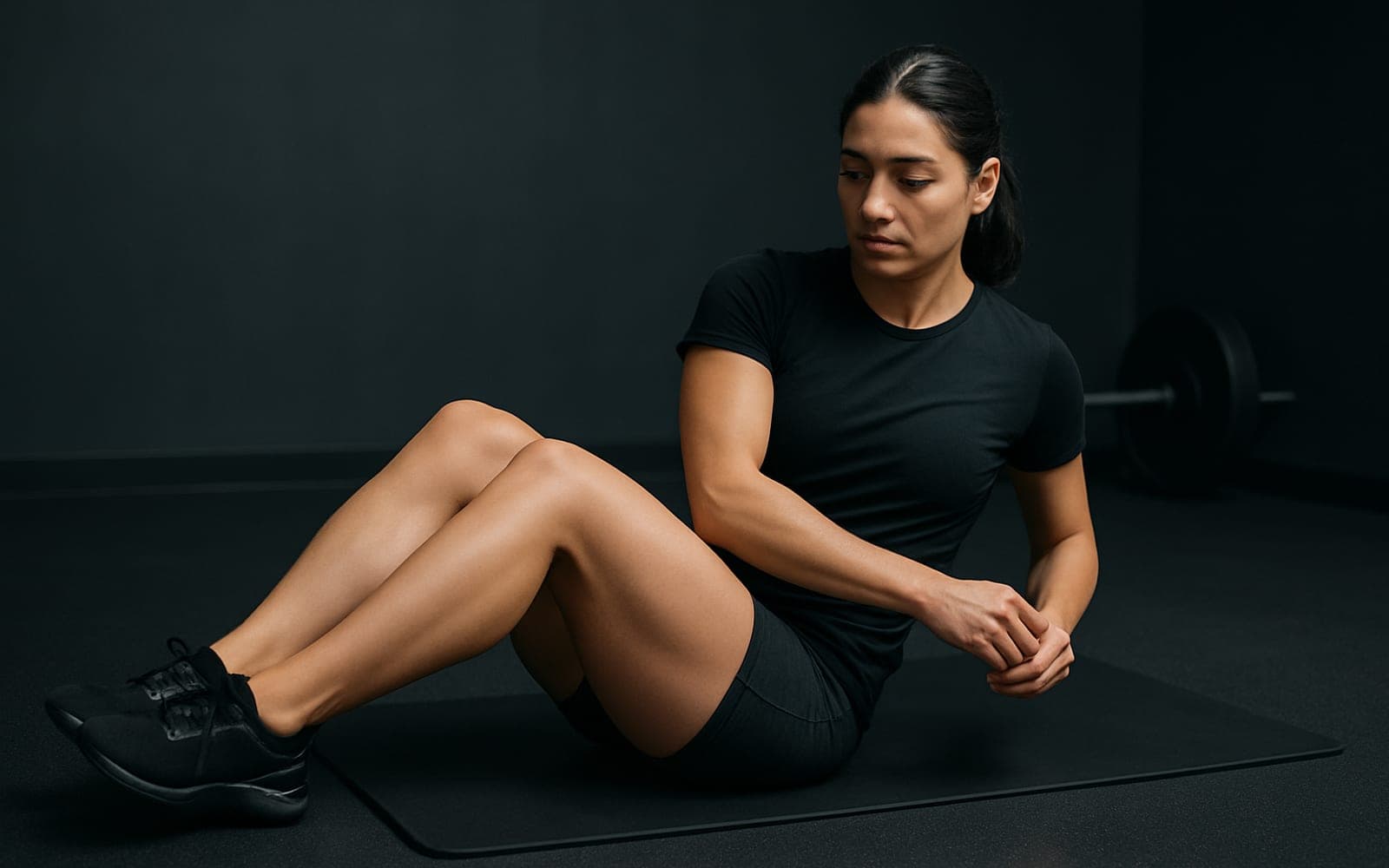
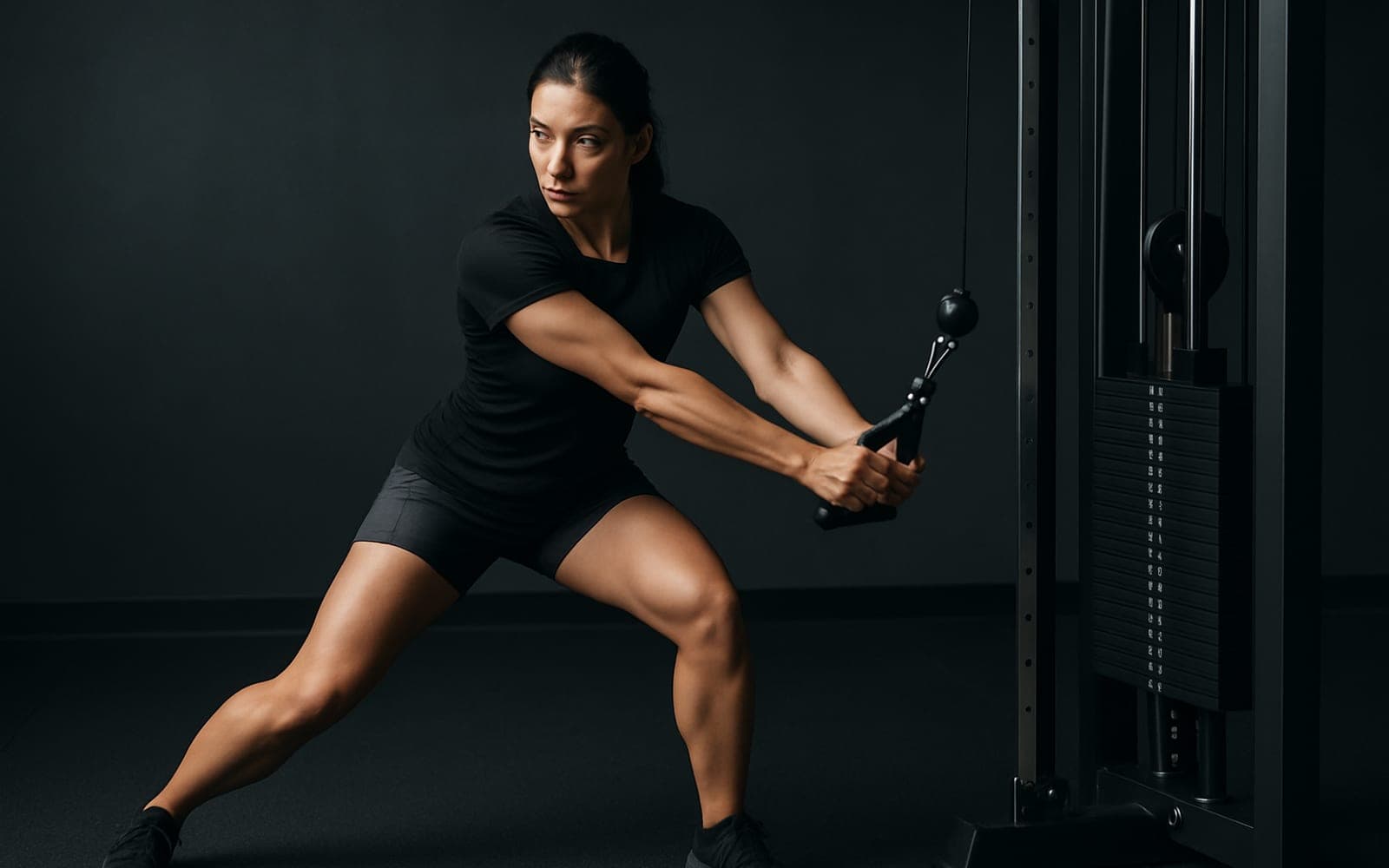
Substitutions
If a machine is busy or unavailable, these train the same pattern a different way.
Your progress over time
What to expect from training this consistently — everyone progresses at their own pace.
- 1
First few sessions
Learn the movement pattern and breathing — practicing the coordinated elbow-to-opposite-knee motion with controlled rotation and proper spine alignment while keeping repetitions slow and deliberate.
- 2
Weeks 2–4
Build neuromuscular control and endurance in the obliques and deep core — you will be able to do more continuous, cleaner reps with less lumbar strain and reduced reliance on momentum.
- 3
Months 1–2
Noticeable improvement in core endurance and hip flexor tolerance — sets become longer, tempo can be increased, and the exercise starts to feel more fluid and less fatiguing.
- 4
Months 3–6
Meaningful gains in transverse and oblique strength and trunk rotation capacity — you can perform higher-rep sets, superset with other core moves, and maintain better form under fatigue.
- 5
6+ months
Solid, functional core endurance and improved rotational control that supports athletic movements and daily tasks — the bicycle crunch becomes an efficient conditioning tool within a broader fitness and fat-loss program.
Benefits of the bicycle crunch
Directly targets the obliques and the rotational component of the core, improving side-to-side trunk control.
Develops core endurance and coordination by linking anti-extension and rotation demands in a single movement.
Conditions the hip flexors and promotes smoother leg drive, which helps maintain proper cycling-style pedaling motion during the exercise.
Improves dynamic trunk rotation control, which carries over to sports and daily tasks that involve reaching and twisting.
Serves as a time-efficient, calorie-contributing core exercise that complements a broader program for fat loss and general fitness.
Teaches movement control and breath coordination that can help maintain better posture and spinal stability during everyday activities.
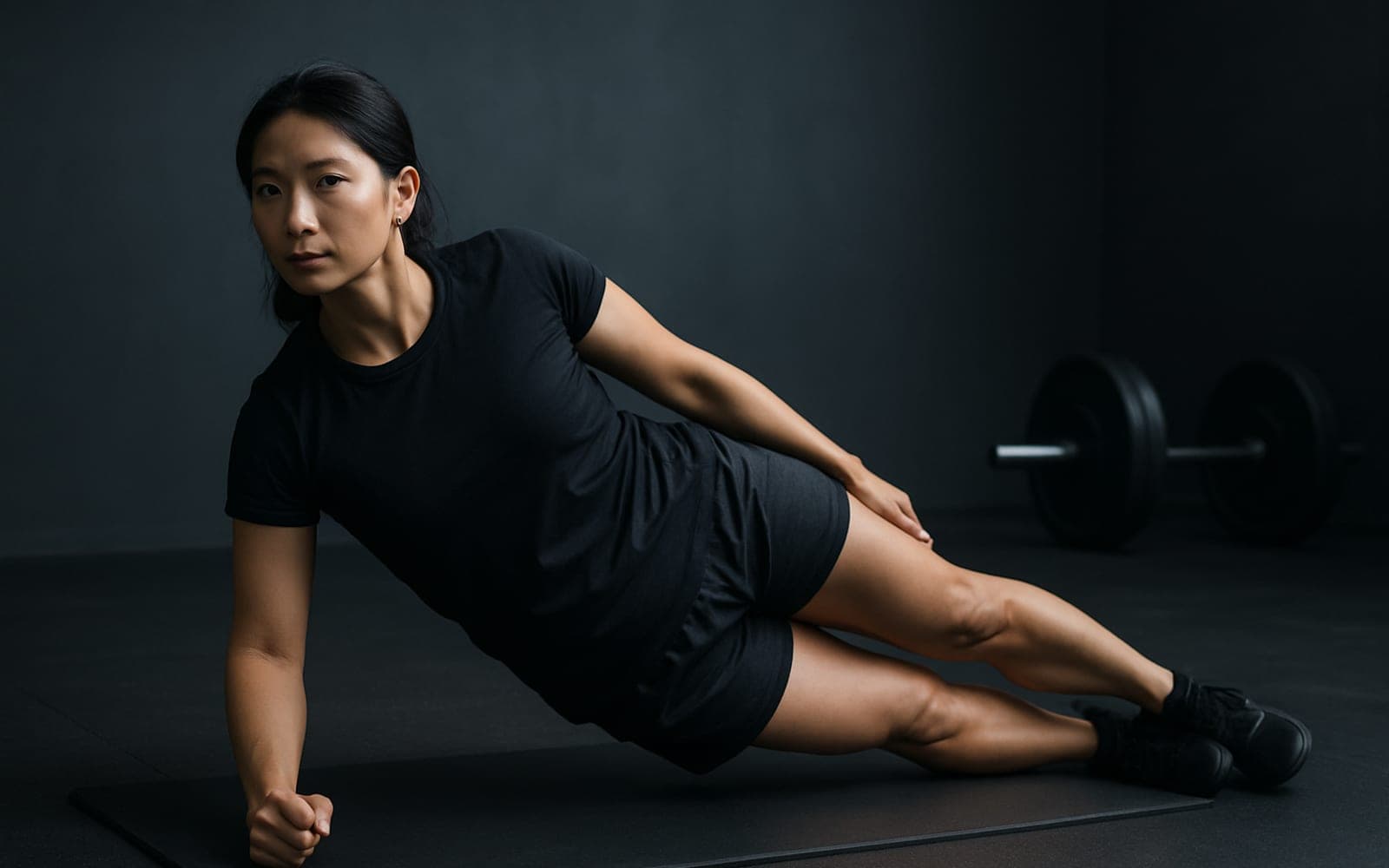
Exercises that pair with this
Same muscles or the same movement pattern — useful for building the rest of the session.
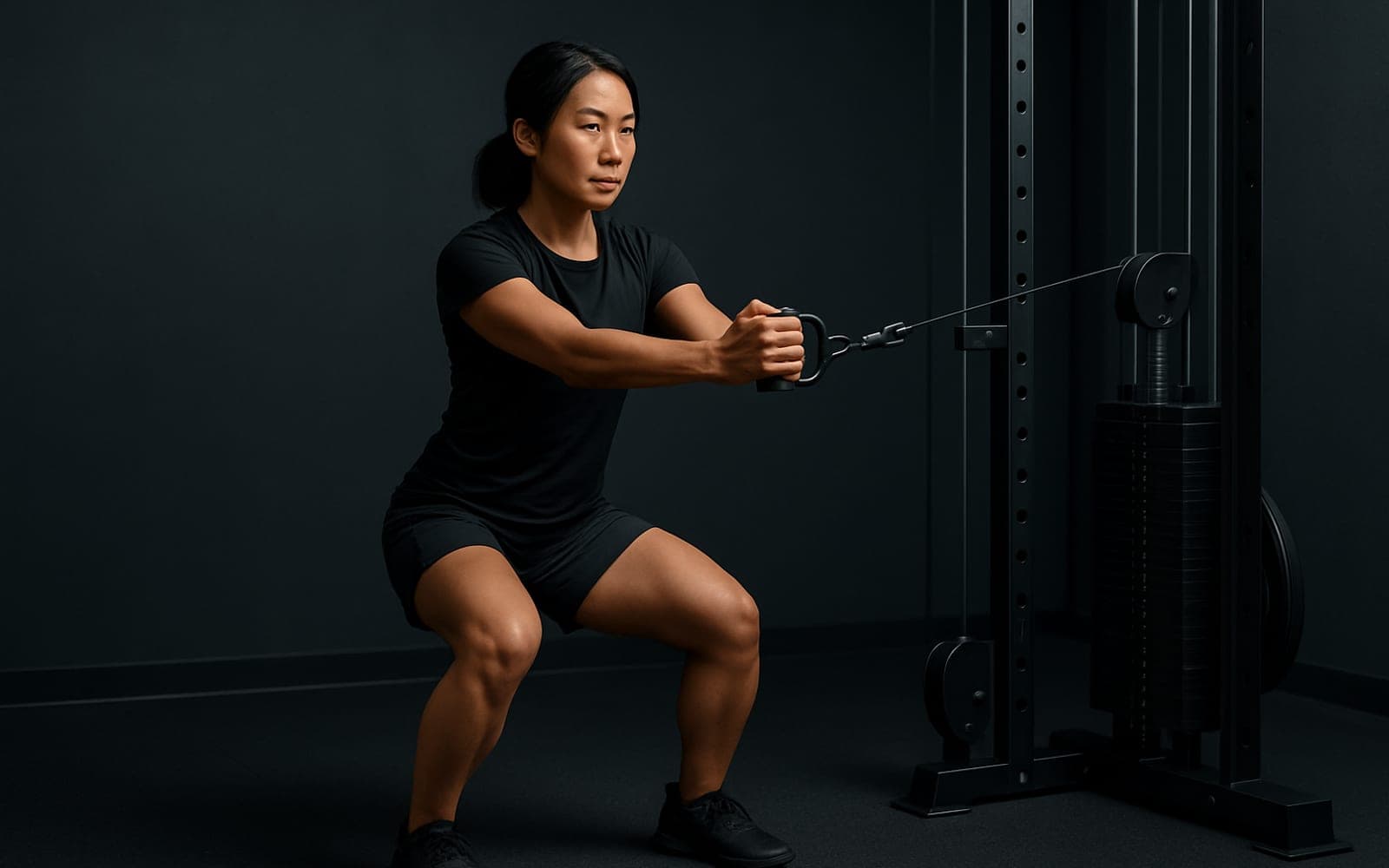
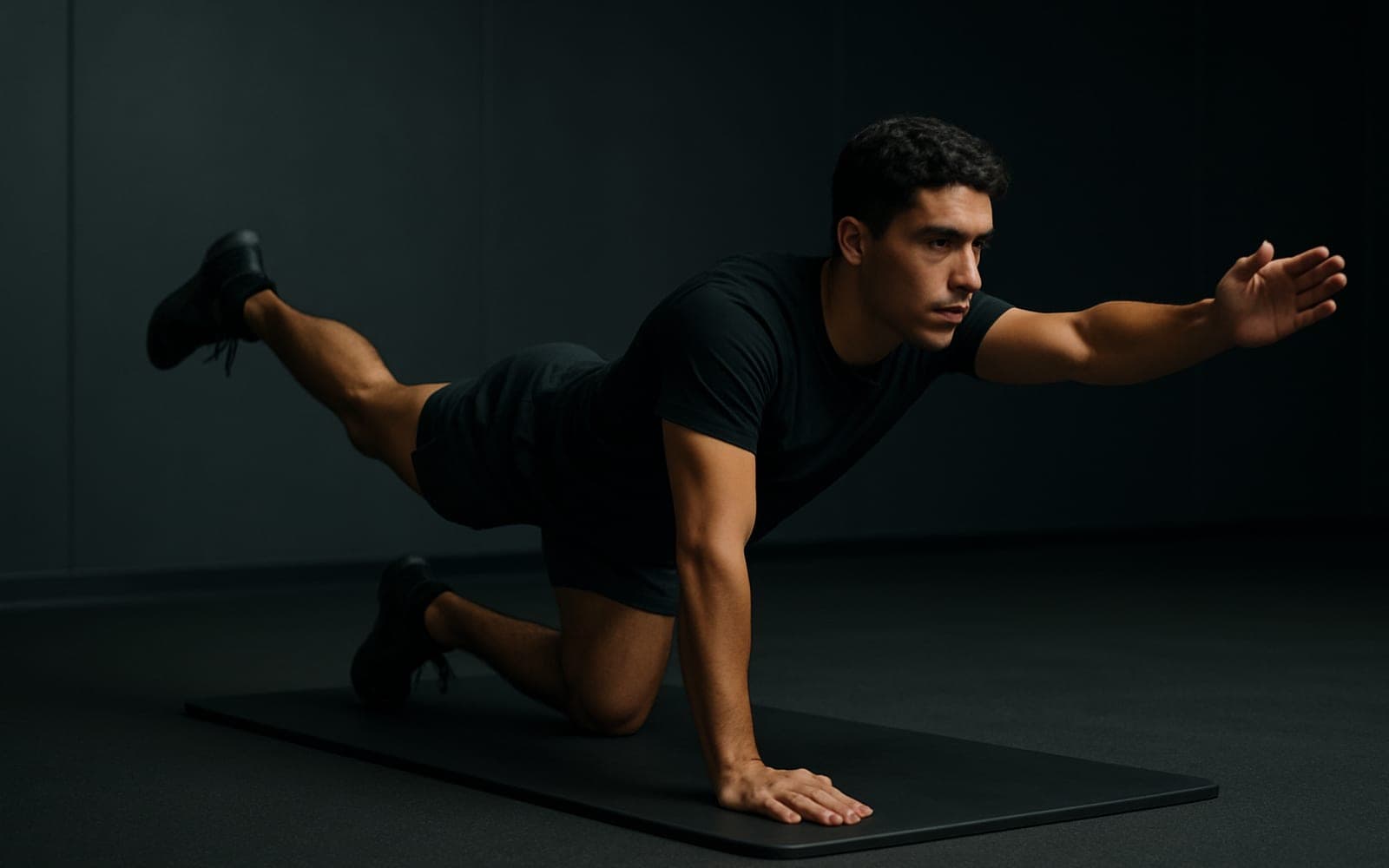
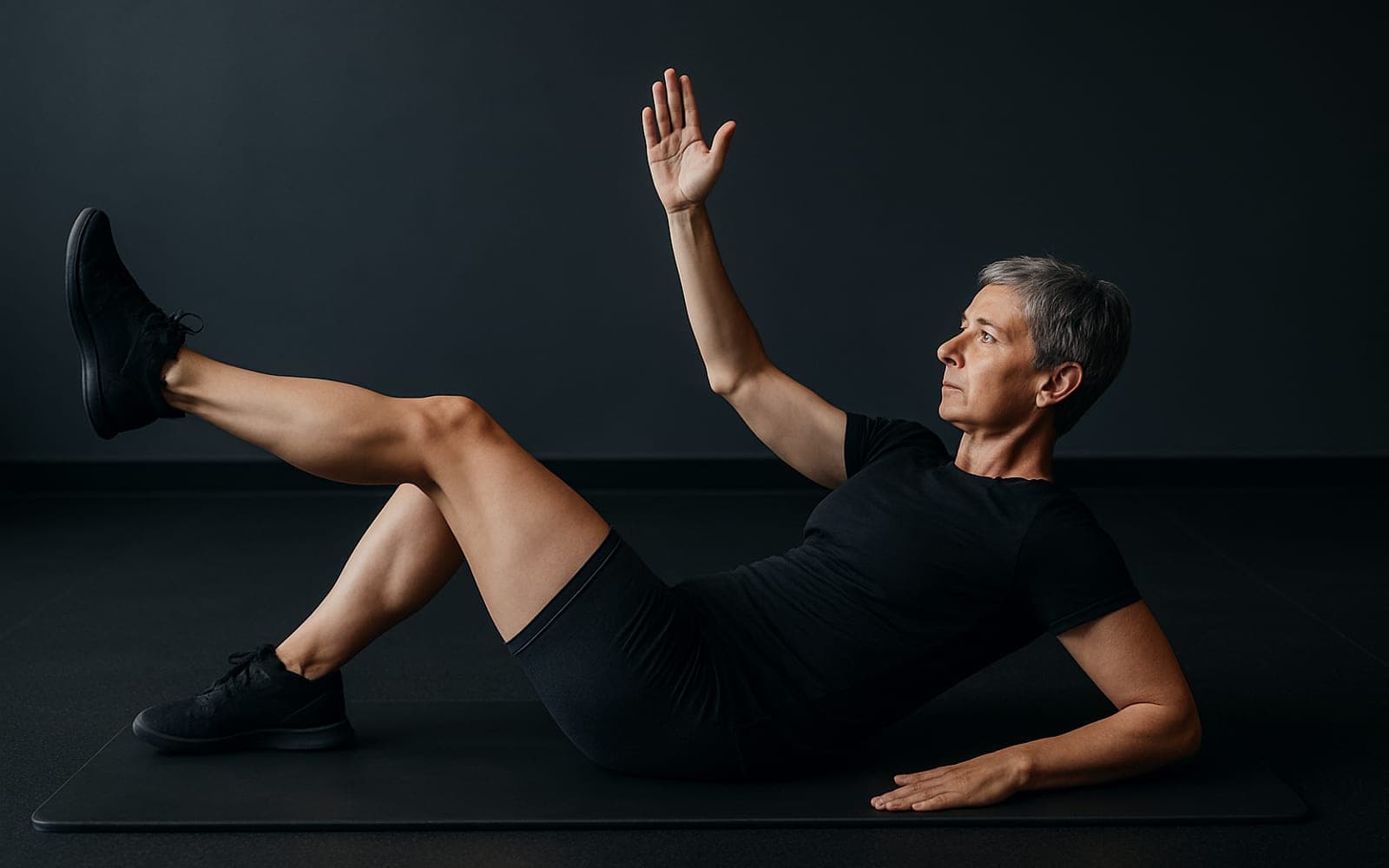
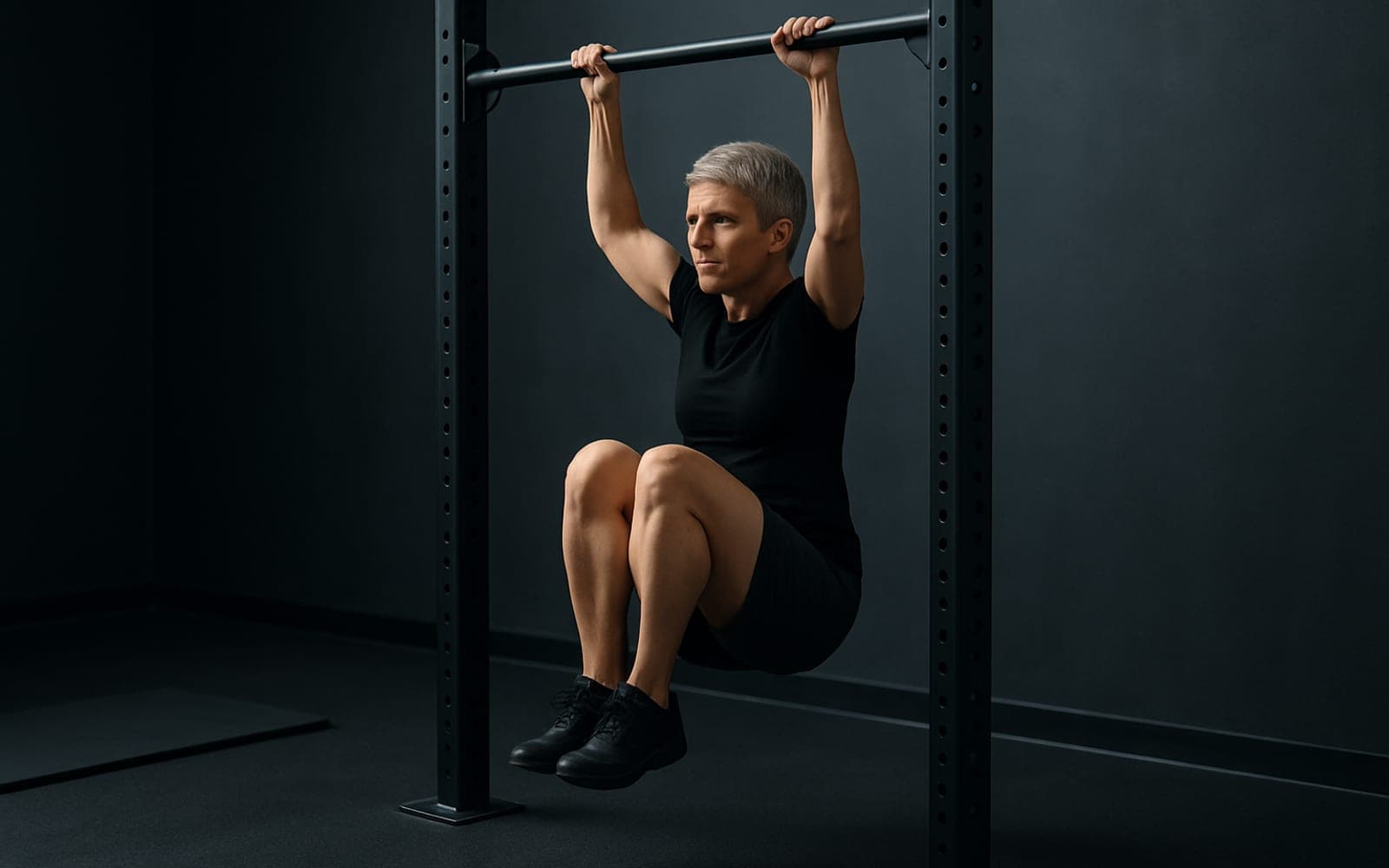
Bicycle Crunch — questions people ask
What muscles does the bicycle crunch work?
The bicycle crunch trains the obliques as the primary target, with the core, hip flexors working as support. It is a core pattern, so it also trains the coordination that pattern needs.
How many sets and reps of the bicycle crunch should I do?
Two to four sets of 8–15 reps, or 20–45 second holds. Stop the set when your form breaks, not when the count runs out.
Is the bicycle crunch good for beginners?
Yes. The bicycle crunch is a beginner-friendly movement. Keep the movements small and controlled. If it feels like too much, build the pattern on the russian twist first.
What can I do instead of the bicycle crunch?
Russian Twist, Cable Woodchop all train the same core pattern with different equipment, so any of them works when the machine is busy or your gym does not have it.
What are the most common bicycle crunch mistakes?
Yanking the neck with the hands; Rushing without rotation. Bring one elbow toward the opposite knee while extending the other leg, alternating in a smooth pedaling motion; rotate from the ribs.