Lateral Raise

Activation
Muscles worked
Movement
Isolation
Beginner · Free Weights
Primary muscles
Secondary muscles
Movement pattern
Equipment category
How to perform
- 1
Set up
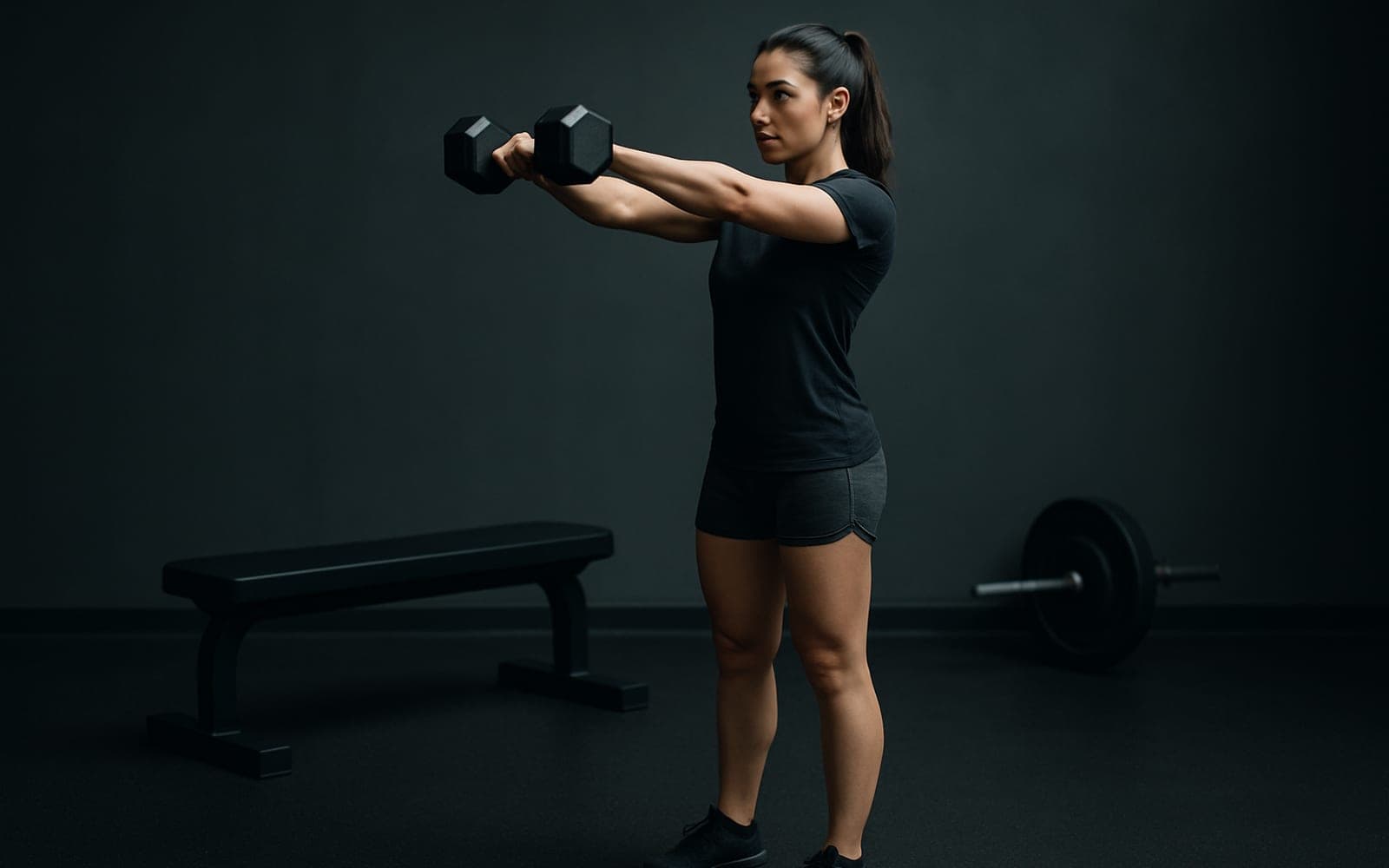
Light dumbbells at the sides.
- 2
Execute the movement
Raise out to shoulder height with a soft elbow, lower slowly.
Common mistakes
- Going too heavy and swinging
Make it harder
Make it easier
Substitutions
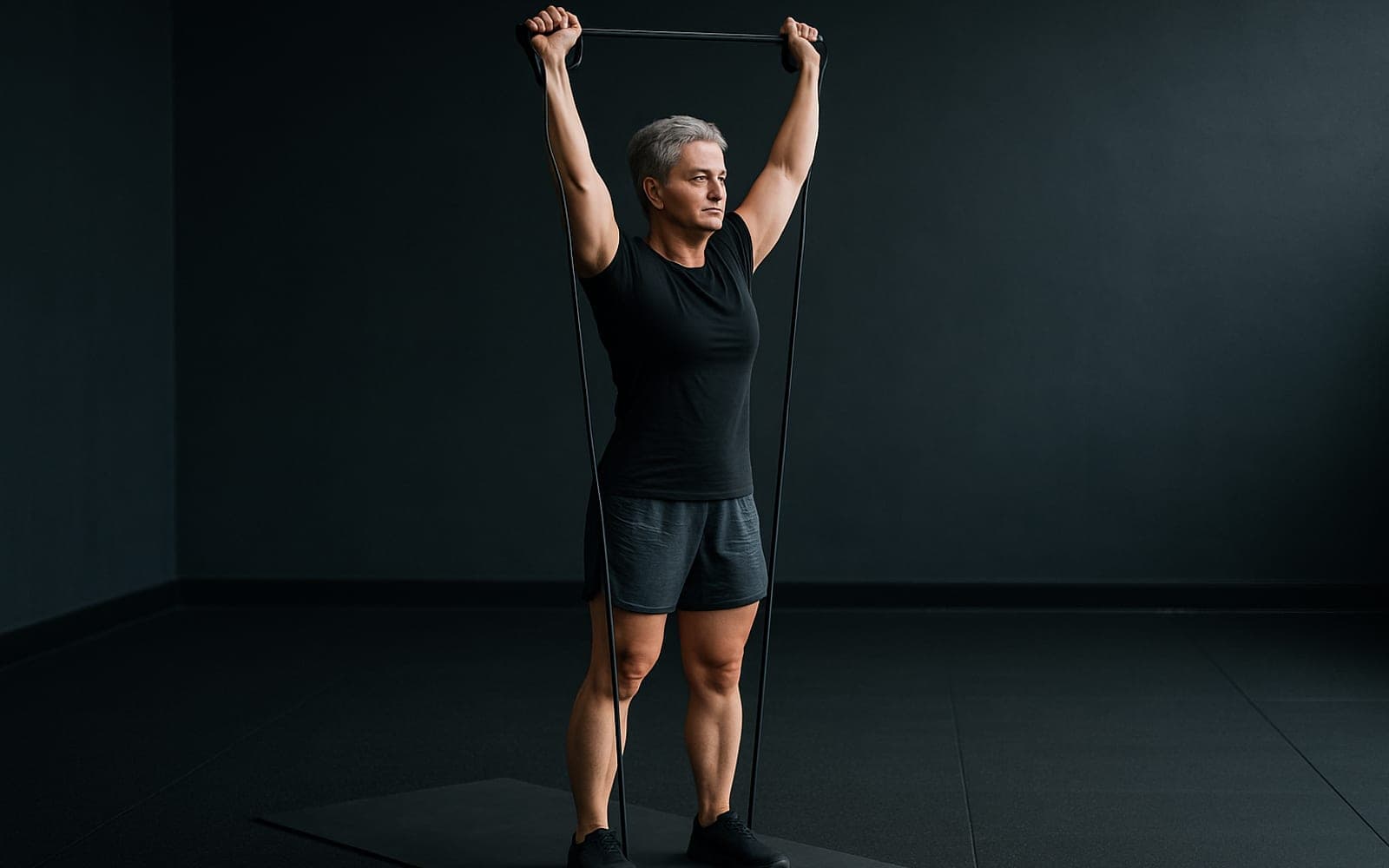
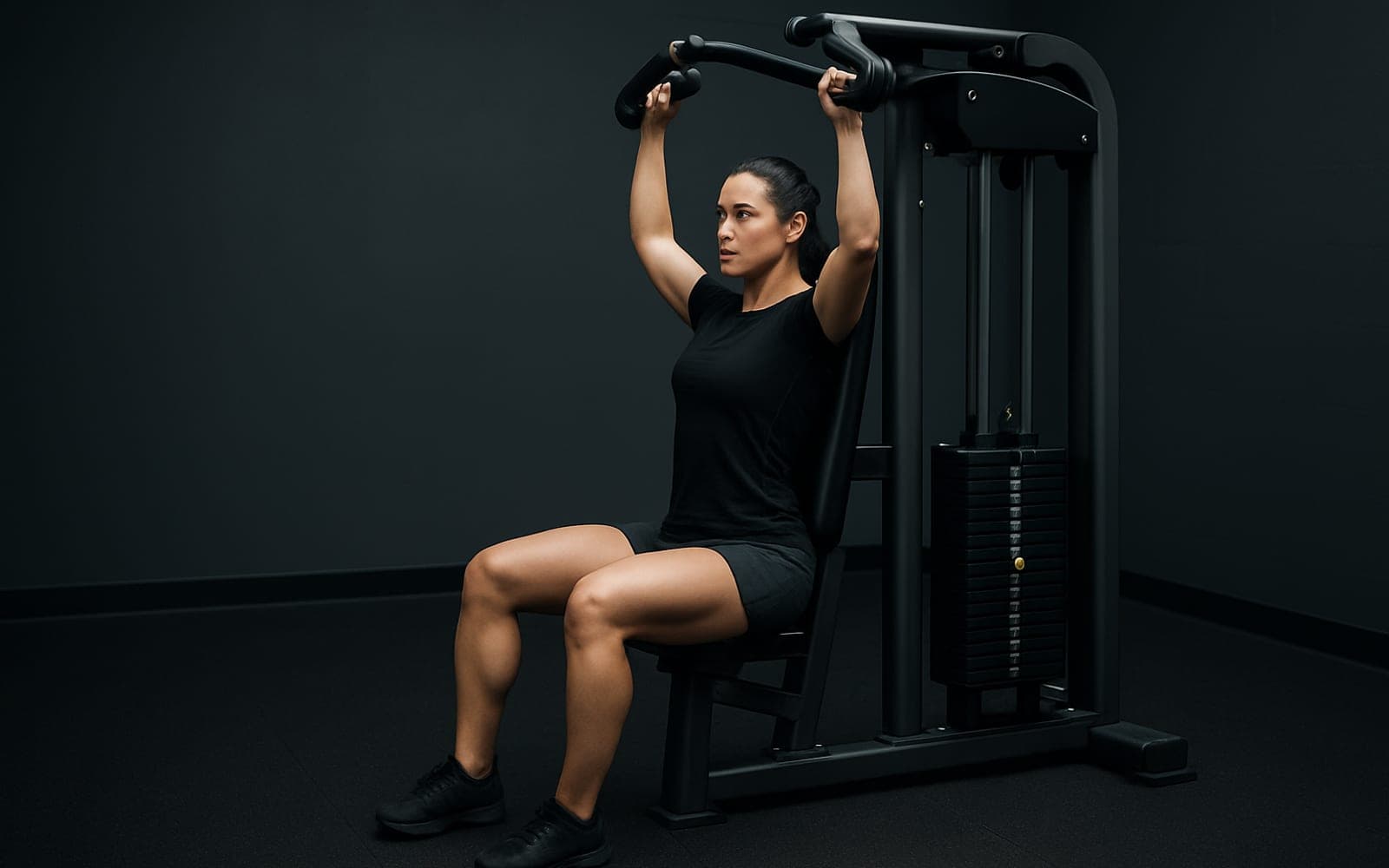
If a machine is busy or unavailable, these train the same pattern a different way.

Your progress over time
What to expect from training this consistently — everyone progresses at their own pace.
- 1
First few sessions
Learn the movement groove: feel the side delts working, keep a soft elbow, limit swinging, and control the descent for 8–12 reps with light weight.
- 2
Weeks 2–6
Neuromuscular improvements: better mind–muscle connection allows slightly heavier weights or more strict reps, and you can complete 3–4 sets with consistent tempo and minimal momentum.
- 3
Months 2–4
Noticeable hypertrophy in the lateral deltoid for many trainees when volume and recovery are adequate, with improved shoulder width and ability to handle moderate progressive overload.
- 4
Months 4–8
Stronger, more resilient lateral delts: you can increase training volume or intensity (more sets, slower eccentrics, or heavier but strict loads) and maintain form, contributing to fuller shoulder appearance.
- 5
6+ months
Sustained size and muscular endurance gains in the side delts with continued progressive programming, while absolute load increases are modest compared with compound presses due to the isolation nature of the movement.
Benefits of the lateral raise
Directly targets the lateral (side) deltoid, promoting shoulder width and a more balanced, aesthetic upper-body silhouette.
Improves single-joint shoulder strength and muscular endurance useful for carrying and lifting tasks that require arm abduction.
Enhances mind–muscle connection and motor control of the shoulder girdle, helping you perform other pressing and pulling movements with better shoulder stability.
Because it’s an isolation exercise, it allows focused hypertrophy work on the side delts without overly taxing systemic recovery like heavy compound lifts.
When performed with strict technique and controlled eccentrics, it trains tempo control and reduces reliance on momentum, which can lower risk of compensatory movement patterns.
Easy to scale for beginners through light weights, higher reps, variations (seated, leaning, cable), and progressive volume to drive consistent muscle growth.
Exercises that pair with this
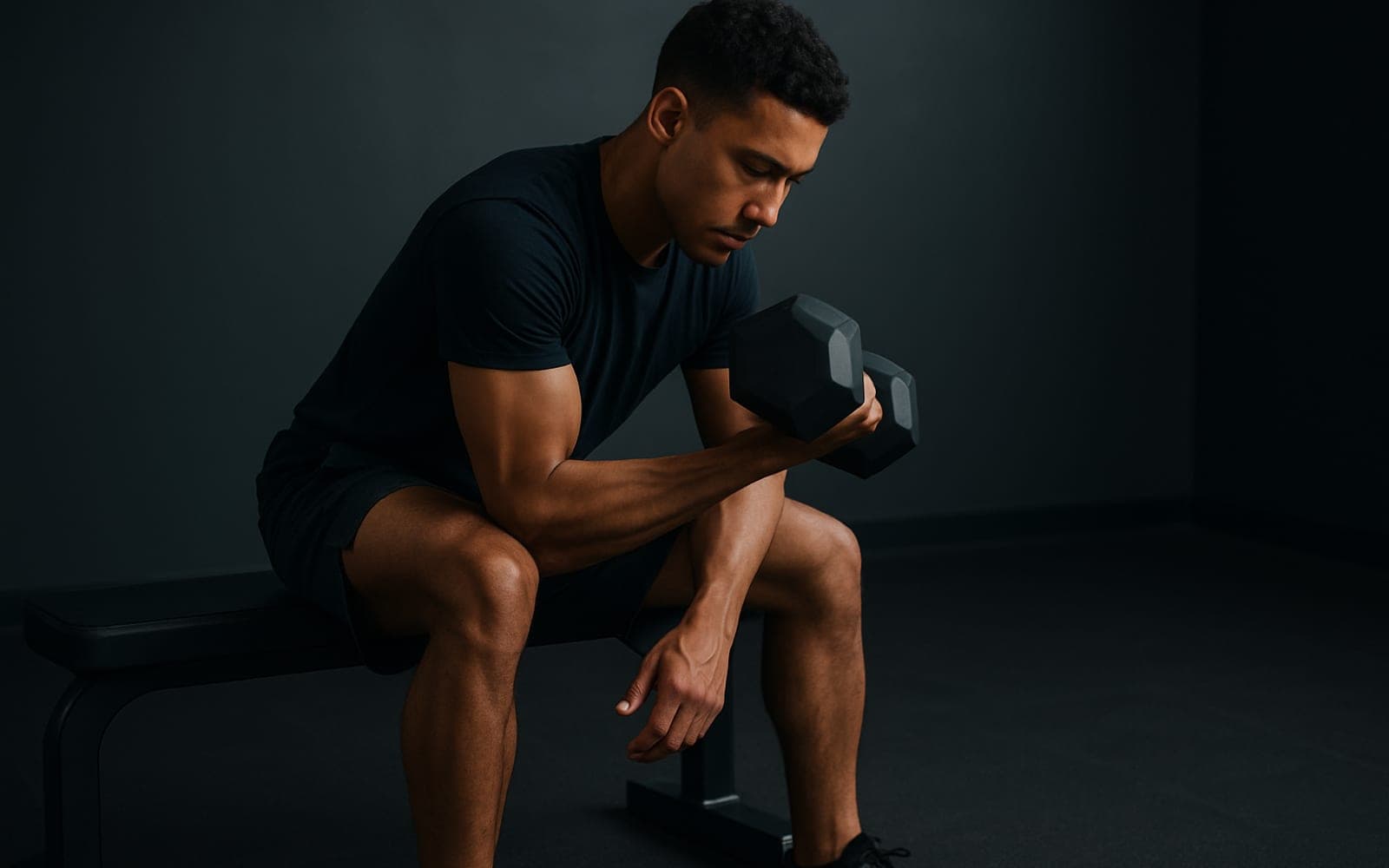
Same muscles or the same movement pattern — useful for building the rest of the session.




Lateral Raise — questions people ask
What muscles does the lateral raise work?
The lateral raise trains the side delts as the primary target. It is a isolation pattern, so it also trains the coordination that pattern needs.
How many sets and reps of the lateral raise should I do?
Three sets of 8–12 reps with about 90 seconds of rest is a reliable default. Increase the weight once the last rep of every set still looks clean.
Is the lateral raise good for beginners?
Yes. The lateral raise is a beginner-friendly movement. Lighter, higher reps. If it feels like too much, build the pattern on the machine shoulder press first.
What can I do instead of the lateral raise?
Cable Lateral Raise, Band Overhead Press, Machine Shoulder Press all train the same isolation pattern with different equipment, so any of them works when the machine is busy or your gym does not have it.
What are the most common lateral raise mistakes?
Going too heavy and swinging. Raise out to shoulder height with a soft elbow, lower slowly.
Can I do the lateral raise at home?
The lateral raise needs free weights equipment, which most home gyms do not have. The band overhead press trains the same pattern with nothing more than your bodyweight or a band.