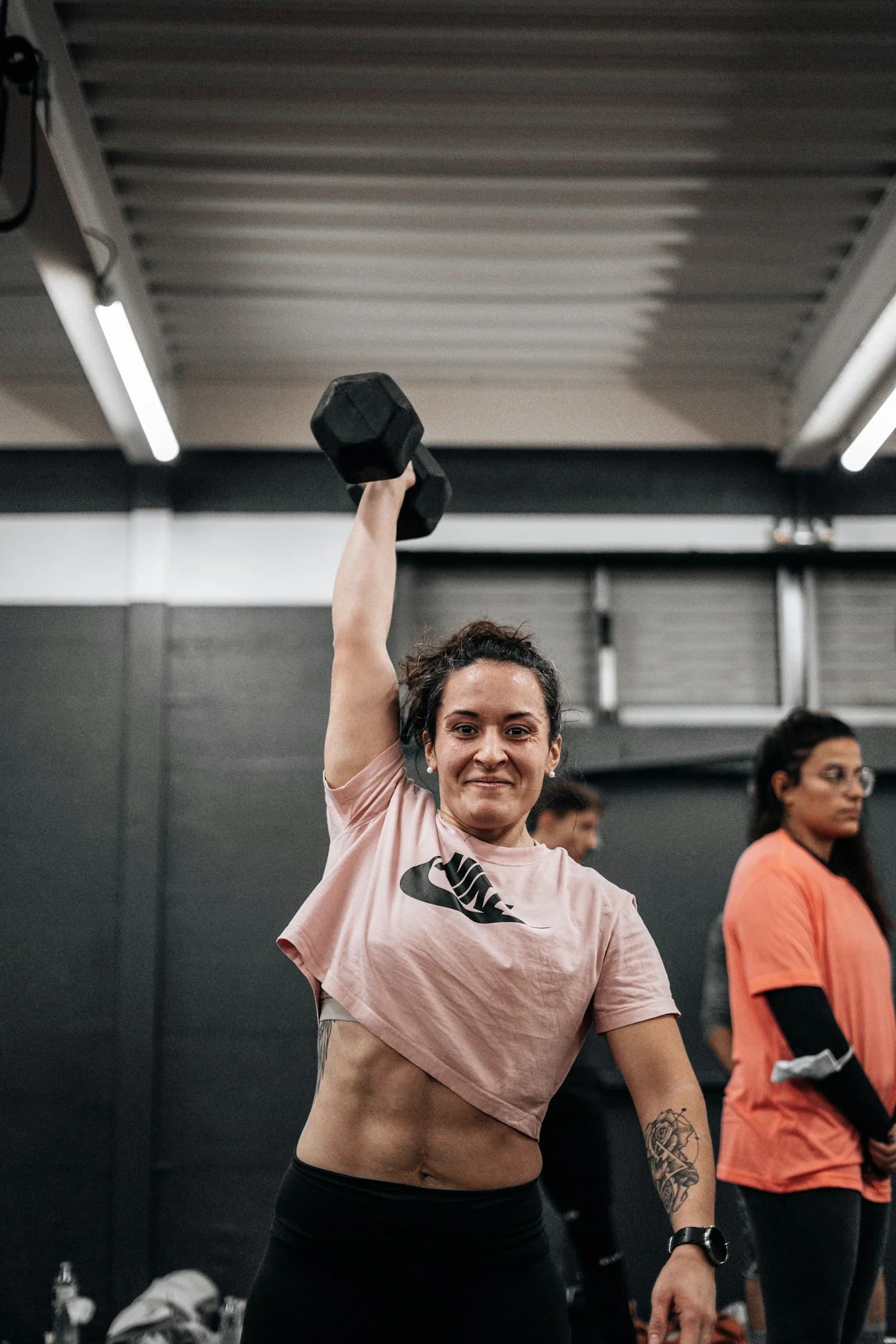
Protein is a key macronutrient for people who train: it helps repair and maintain muscle, keeps you satisfied between meals, and supports strength-focused goals. This guide gives practical targets and simple daily strategies so you can plan protein without overcomplicating food choices.
The recommendations here are general. Individual needs vary by body size, activity level, age, and goals. If you have a chronic condition, are pregnant, or take medications that affect metabolism, check with a doctor or registered dietitian before making major changes.
On this page
Who this is for
This guide is aimed at adults who exercise regularly and want to build muscle, preserve lean mass while losing weight, or simply stay fuller between meals. It suits people using free weights, selectorized machines, or bodyweight training. If you are sedentary or have special health needs, scale the targets down or consult a professional.
- People following strength programs like those in our guide to Building Muscle: The Essentials of Hypertrophy.
- Those prioritizing fat loss while preserving muscle who should also see Nutrition for Fat Loss Without Crash Dieting.
- Gym users deciding what equipment matters for their goals; see What Equipment Do You Actually Need for Your Goal?.
How much protein to aim for
A commonly cited range for people who train is about 1.2–2.0 grams of protein per kilogram of body weight per day — roughly 0.55–0.9 grams per pound. Aim toward the lower end if your activity is lighter and toward the higher end if you lift frequently or are in a calorie deficit.
Because body size matters, convert as needed: a 150-pound (about 68 kg) person would land at roughly 80–135 grams daily. Increase gradually if you currently eat far less. Keep in mind individual appetite, kidney function, and medical conditions can affect what’s appropriate, so consult a clinician for personalized guidance if necessary.
Practical ways to hit your protein target
Focus on planning and simple swaps rather than perfection. Use whole foods first, add convenient options when needed, and spread intake across the day to support recovery and satiety.
Simple steps
Follow these step-by-step actions to make protein targets manageable.
- 1Calculate your target from the 1.2–2.0 g per kg range (about 0.55–0.9 g per pound) and round to the nearest 5 grams.
- 2Aim for a protein source with every meal and most snacks to distribute intake.
- 3Prioritize lean, affordable whole foods and add a protein powder only when hitting targets is hard.
- 4Track intake for a week with a food log or app, then adjust if you’re consistently below or above your range.
Meal timing and distribution
Spreading protein across meals is more practical than trying to cram it into one sitting. Multiple moderate doses across the day help keep you full and provide a steady supply of amino acids for muscle repair.
Practical per-meal targets
A useful rule of thumb is to aim for about 20–40 grams of protein per meal for most adults. If your daily target is 120 grams, dividing it into three meals plus a snack might look like 30 + 30 + 30 + 30 grams.
- Breakfast: 20–35 grams depending on appetite.
- Lunch: 25–40 grams depending on portion size.
- Dinner: 25–40 grams aligned with the rest of daily intake.
- Snack or post-workout: 10–30 grams to top up daily totals.
Before and after workouts
You don’t need an exact protein window, but consuming a moderate protein-containing meal or snack within a few hours before or after training supports recovery and pairs well with thoughtful fueling strategies. See Fueling Your Workout: Before and After for more detail.
Easy whole-food protein sources and swaps
Whole foods give you protein plus vitamins, minerals, and satiety. Aim to build meals around one or two protein sources and add vegetables and starches for balance.
- Animal proteins: chicken breast, turkey, lean beef and fish provide roughly 20–30 grams per typical portion.
- Dairy and eggs: Greek yogurt, cottage cheese, and eggs offer 10–20 grams per serving and are quick options for breakfast or snacks.
- Plant proteins: lentils, beans, tofu, and tempeh give 8–18 grams per serving and are easy to combine for complete amino acid profiles.
- Mixed meals: combine grains and legumes or add seeds and nuts to reach per-meal targets without a supplement.
Using powders and supplements sensibly
Powders are a convenient tool to fill gaps, but they’re not required. Use them when you can’t meet targets with whole foods, when travel or schedule makes cooking difficult, or to simplify post-workout nutrition.
- Keep powder servings to practical sizes that match your remaining daily need rather than adding an extra full shake habitually.
- Choose a protein type that fits preferences and tolerances, such as whey or a plant blend, and read labels for added sugars and fillers.
- Consider timing: a shake can be an efficient post-session option or a compact snack between busy meals.
Sample day and sample week
Below are straightforward templates you can adapt. Portions and protein amounts are approximate; adjust them to match your own daily target.
Sample day (target ~120 g)
Meals that sum to roughly 120 grams of protein.
- 1Breakfast: 3 eggs and 1 cup Greek yogurt — about 35 grams.
- 2Lunch: salad with about 4 oz grilled chicken — about 35 grams.
- 3Snack: 1 serving cottage cheese or a shake — about 20 grams.
- 4Dinner: 5 oz salmon with vegetables — about 30 grams.
Sample week
A simple weekly pattern: keep protein steady every day and let the rest of your meals flex with training load.
- Monday (heavy lift): hit your usual protein target and add a protein-rich snack after training.
- Tuesday (light or cardio): maintain baseline protein but reduce total calories modestly if cutting.
- Wednesday (strength): mirror Monday.
- Thursday (active recovery): keep steady protein and focus on vegetables and volume.
- Friday (lift): higher protein with an emphasis on post-workout feeding.
- Saturday (moderate activity): flexible, whole-food-focused protein meals.
- Sunday (rest): maintain daily protein to support recovery and prepare for the week.
Common mistakes and how to avoid them
Avoid these everyday pitfalls so your protein strategy actually works in practice.
- Relying on a single big protein meal and underfueling the rest of the day instead of distributing intake.
- Expecting powders to fix consistently poor meal planning rather than using them as occasional tools.
- Ignoring portion sizes and thinking 'more is always better' when the goal should be an appropriate daily range.
- Not adjusting targets when activity drops or when in a prolonged calorie deficit; scale protein sensibly with changing goals.
Exercises in this guide
Each links to a full form guide — setup, cues, common mistakes and swaps.


Key takeaways
- A commonly cited range for people who train is about 1.2–2.0 g of protein per kg of body weight per day (roughly 0.55–0.9 g per pound), adjusted for activity and goals.
- Distribute protein across meals to support recovery and keep you full rather than concentrating it in one meal.
- Whole foods should form the foundation; use protein powders as convenient supplements when needed.
- Match per-meal portions to your total daily target with simple templates and track progress for a week.
- If you have health concerns or specific medical needs, consult a clinician or registered dietitian for tailored advice.
How this guide was made
Written by GymGuide Editorial. This guide was drafted with AI assistance and edited to our editorial standards: general fitness education in plain language, no invented statistics or study citations, no medical or treatment claims, room for individual variation, and links only to pages on GymGuide. It is not medical advice — talk to a doctor or qualified professional about injuries, health conditions, pregnancy or medication before changing how you train or eat. Last updated October 14, 2026. Read our responsible guidance commitments.
Put this into a plan
GymGuide turns guidance like this into a personalized weekly plan — and finds the gyms and equipment to do it.
Build my free plan