Jump Rope
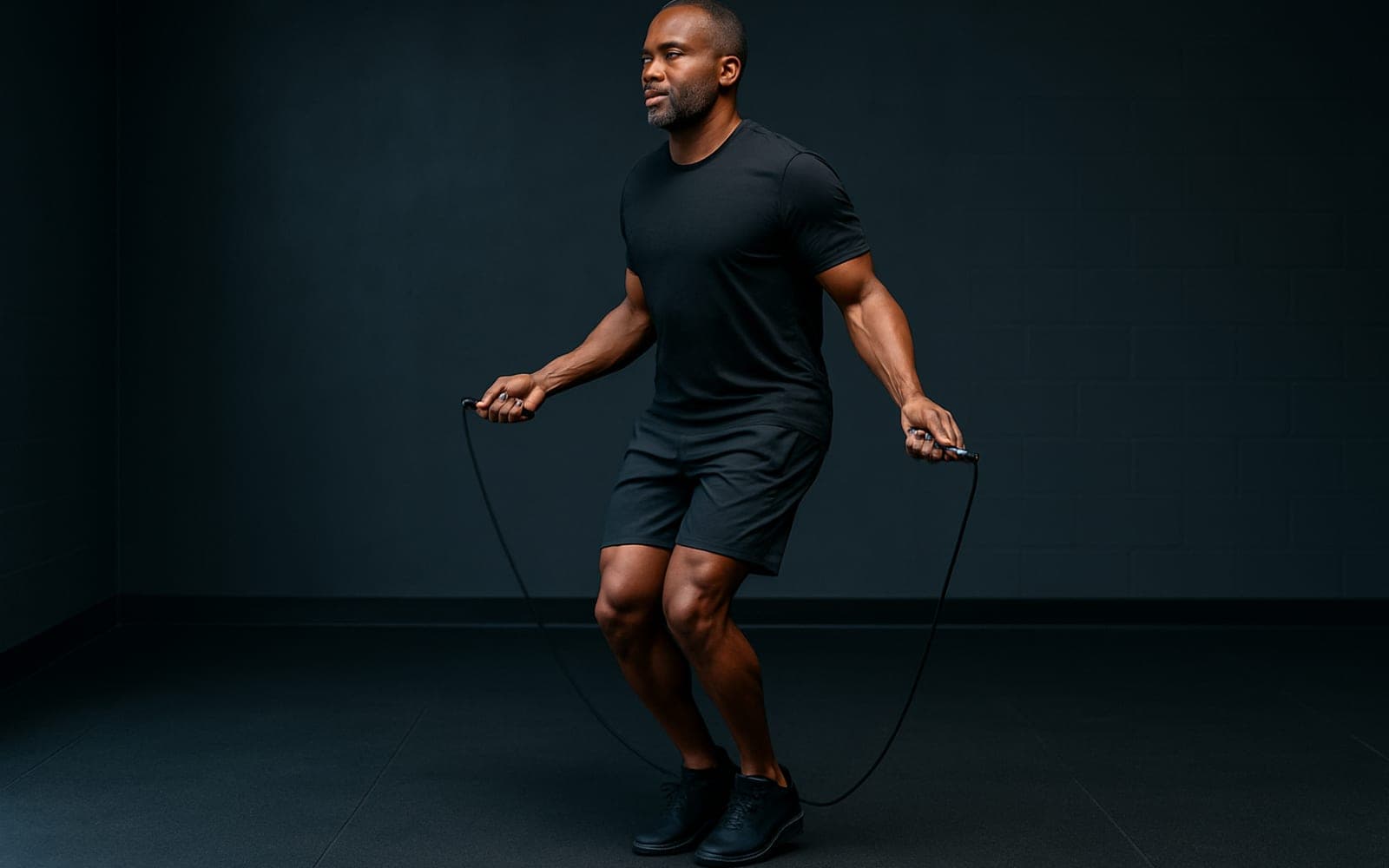
Activation
Muscles worked
Movement
Cardio
Beginner · Bodyweight
Primary muscles
Movement pattern
Equipment category
How to perform
- 1
Set up
A properly sized rope and a bit of clear floor.
- 2
Execute the movement
Turn the rope from the wrists and make small, quick hops on the balls of the feet, staying light and relaxed. Excellent low-cost conditioning and coordination.
Common mistakes
- Jumping too high
- Turning from the shoulders
- Landing flat-footed
Make it harder
Make it easier
Accessibility
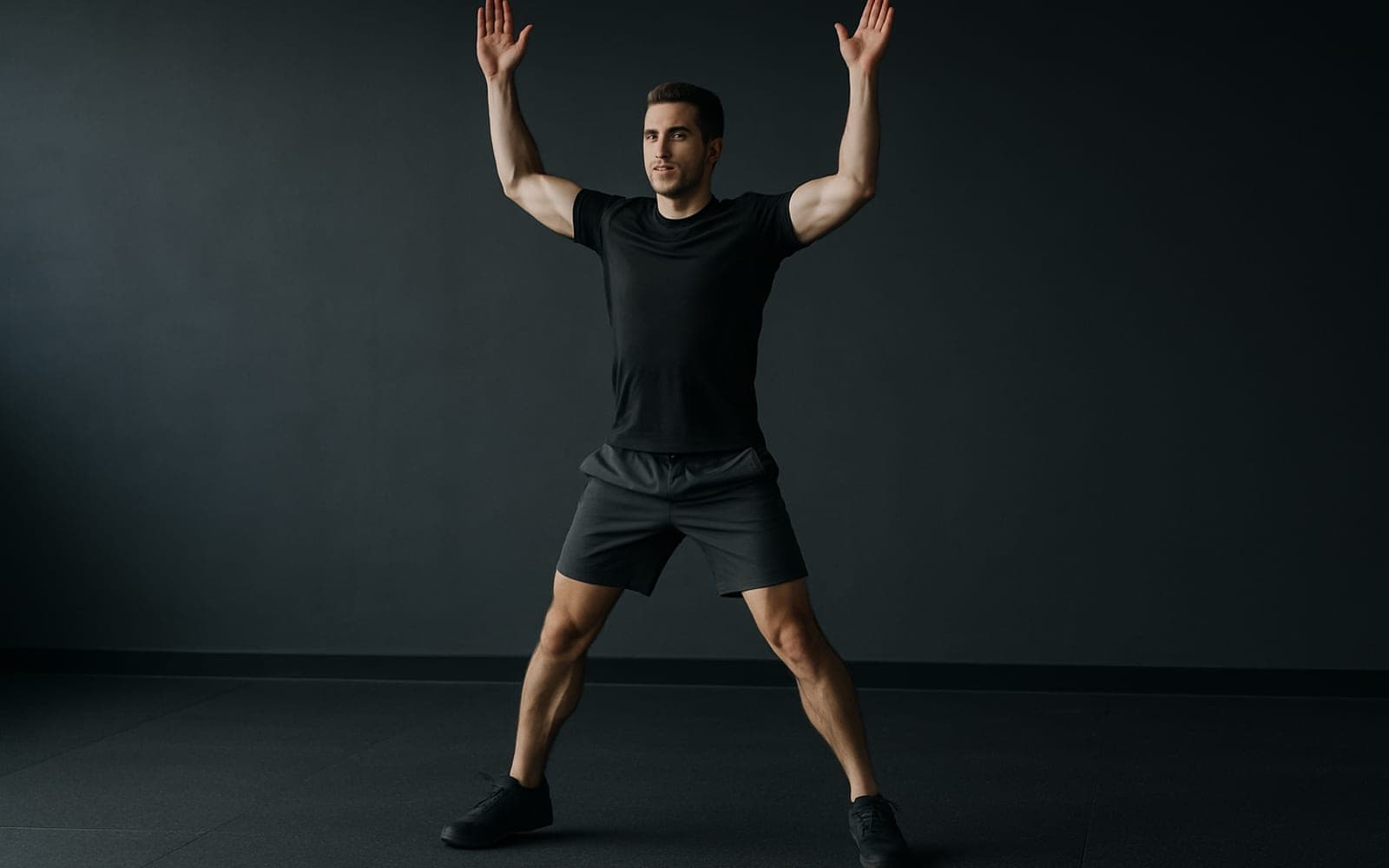
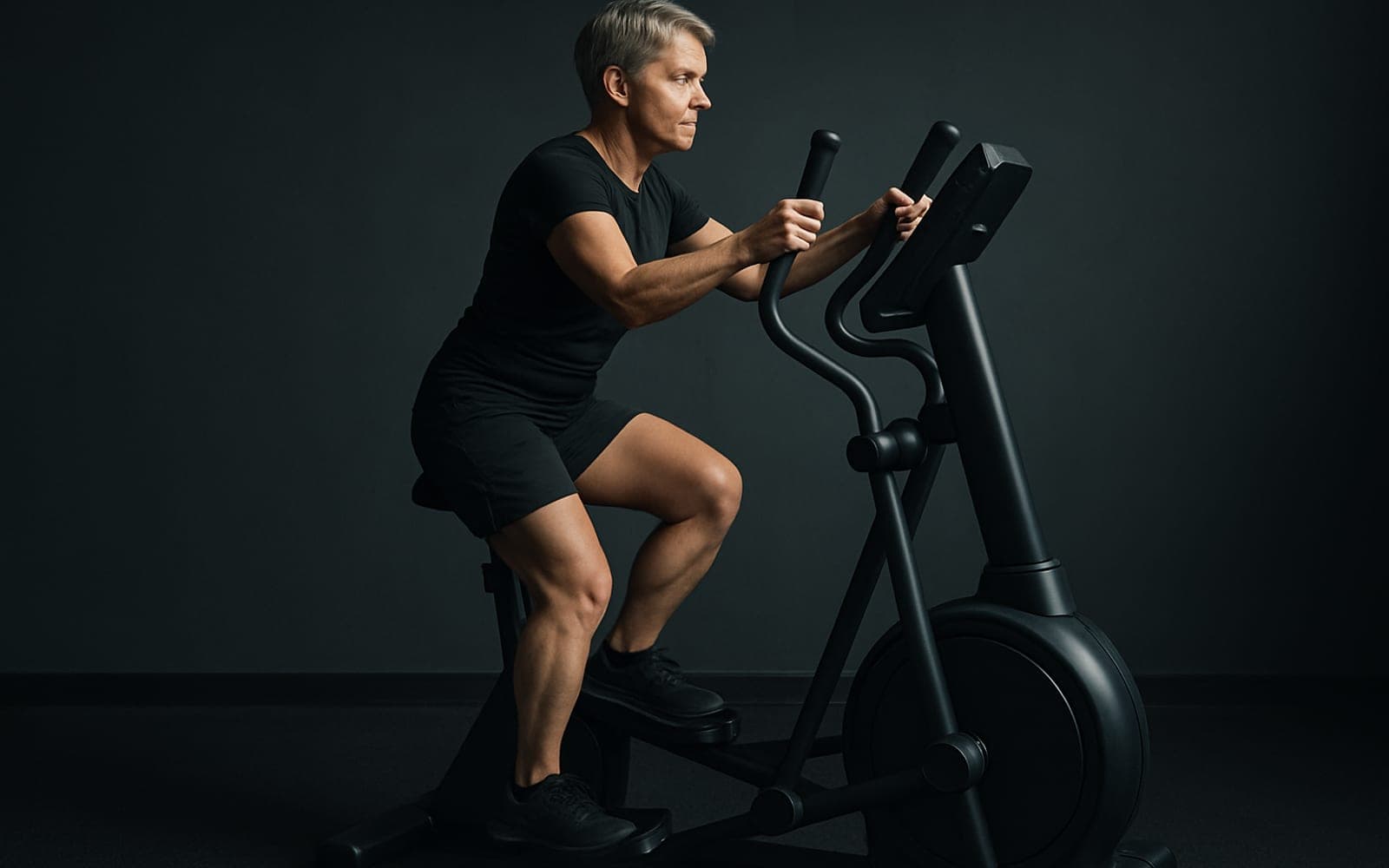
Substitutions
If a machine is busy or unavailable, these train the same pattern a different way.
Your progress over time
What to expect from training this consistently — everyone progresses at their own pace.
- 1
First few sessions
Learn basic timing and wrist-driven rope turns; manage short sets (30–60 seconds) with frequent rest while maintaining light hops on the balls of the feet.
- 2
Weeks 1–2
Build consistent 2–5 minute intervals with improved rhythm and fewer mis-steps, reduced upper-arm tension, and less calf soreness between sessions.
- 3
Weeks 3–8
Increase continuous jumping endurance to 10–20 minutes broken into intervals, develop better footwork and ankle/calf resilience, and start seeing modest calorie burn contributing to weight loss when combined with diet.
- 4
Months 2–4
Perform longer, higher-intensity sessions (20–30 minutes total) with mixed footwork, quicker cadence, and improved shoulder and core stamina for sustained conditioning and sport-specific carryover.
- 5
6+ months
Achieve advanced skills (consistent fast single-unders, ability to practice doubles or speed intervals), noticeably improved cardiovascular fitness, efficient movement economy, and reliable low-cost conditioning useful for athletic performance and weight-management maintenance.
Benefits of the jump rope
Develops calf endurance and ankle stability through repeated small, quick hops on the balls of the feet.
Improves cardiovascular fitness and aerobic capacity with a high calorie-per-minute conditioning option.
Enhances wrist and shoulder endurance and coordination by relying on precise rope turns rather than large arm swings.
Sharpens timing, rhythm, and footwork, which transfers to better agility and movement control in sport and daily activities.
Strengthens core stability as you maintain an upright, balanced posture during repeated jumps.
Provides an inexpensive, portable way to perform efficient interval training that supports weight-loss goals when paired with appropriate nutrition and overall activity.
Exercises that pair with this
Same muscles or the same movement pattern — useful for building the rest of the session.



Jump Rope — questions people ask
What muscles does the jump rope work?
The jump rope trains the calves as the primary target, with the heart, shoulders, core working as support. It is a cardio pattern, so it also trains the coordination that pattern needs.
How many sets and reps of the jump rope should I do?
Work in time, not reps: 20–40 minutes at a conversational pace for base fitness, or 6–10 short hard intervals with equal rest if you are training for speed.
Is the jump rope good for beginners?
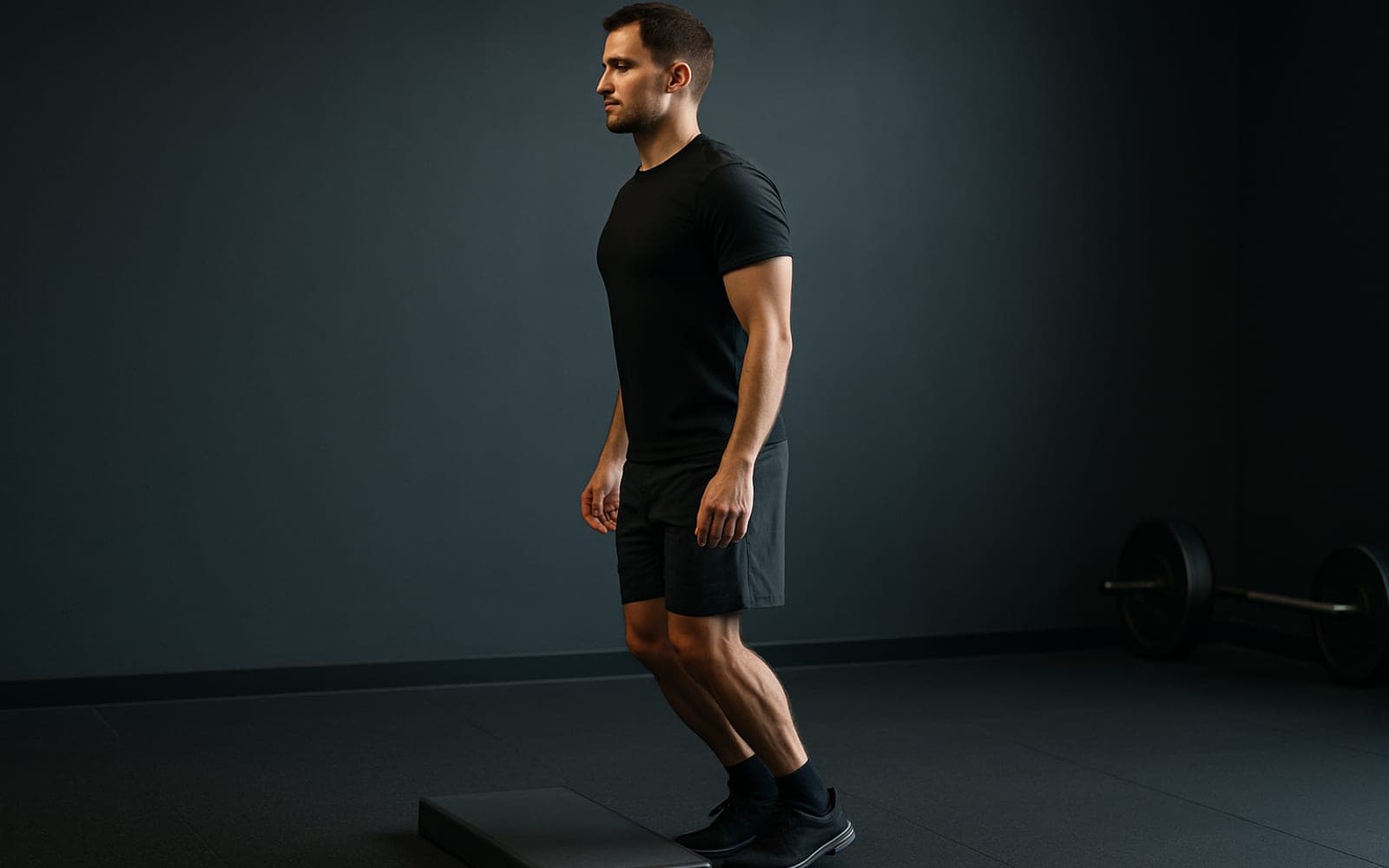
Yes. The jump rope is a beginner-friendly movement. Practice the hop without the rope, or step over it. If it feels like too much, build the pattern on the elliptical trainer first.
What can I do instead of the jump rope?
Jumping Jacks, Elliptical Trainer all train the same cardio pattern with different equipment, so any of them works when the machine is busy or your gym does not have it.
What are the most common jump rope mistakes?
Jumping too high; Turning from the shoulders; Landing flat-footed. Turn the rope from the wrists and make small, quick hops on the balls of the feet, staying light and relaxed. Excellent low-cost conditioning and coordination.