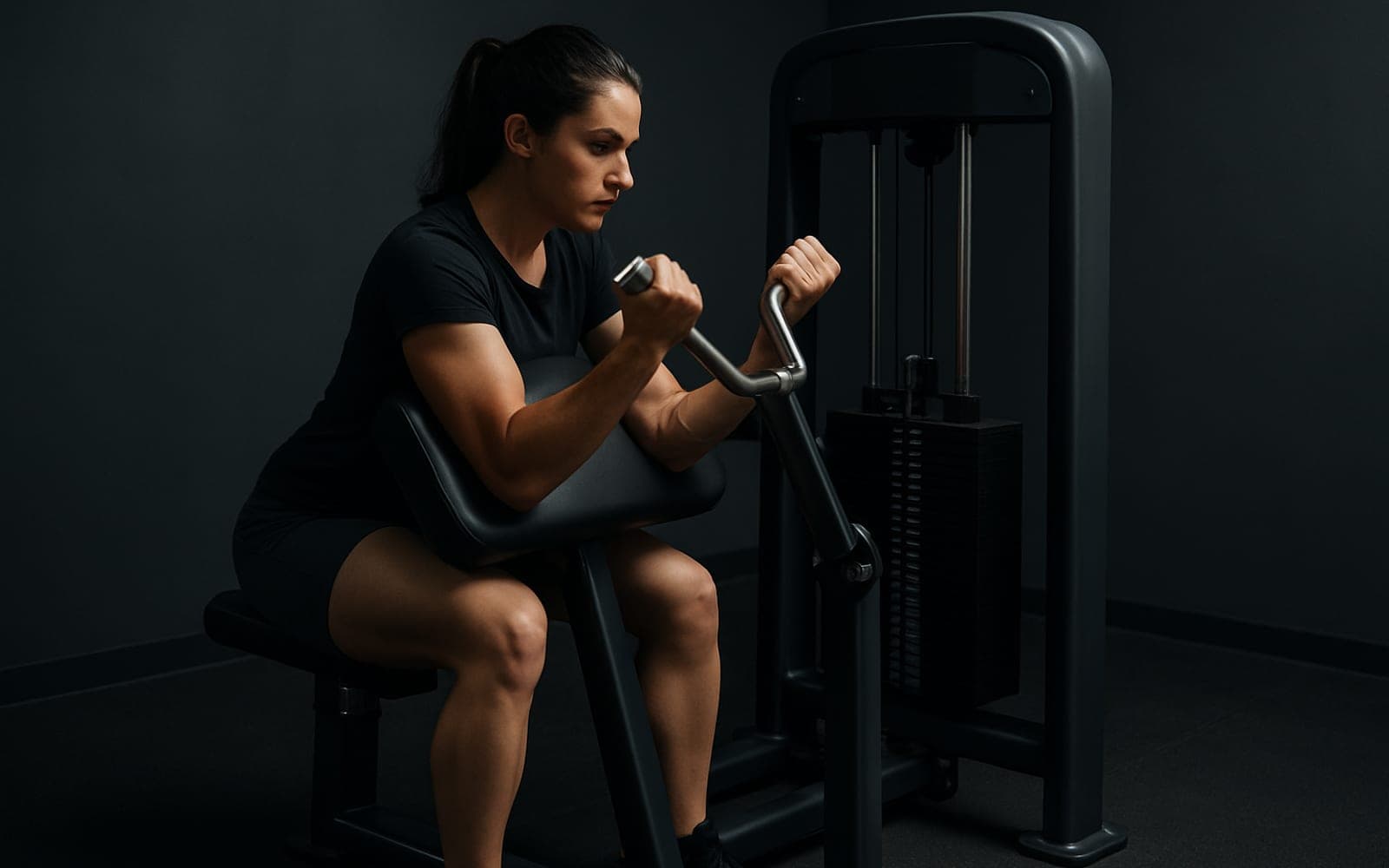
Supported Biceps Curl
Activation
Muscles worked
Movement
Isolation
Beginner · Selectorized Strength
Primary muscles
Secondary muscles
Movement pattern
Equipment category
How to perform
- 1
Set up
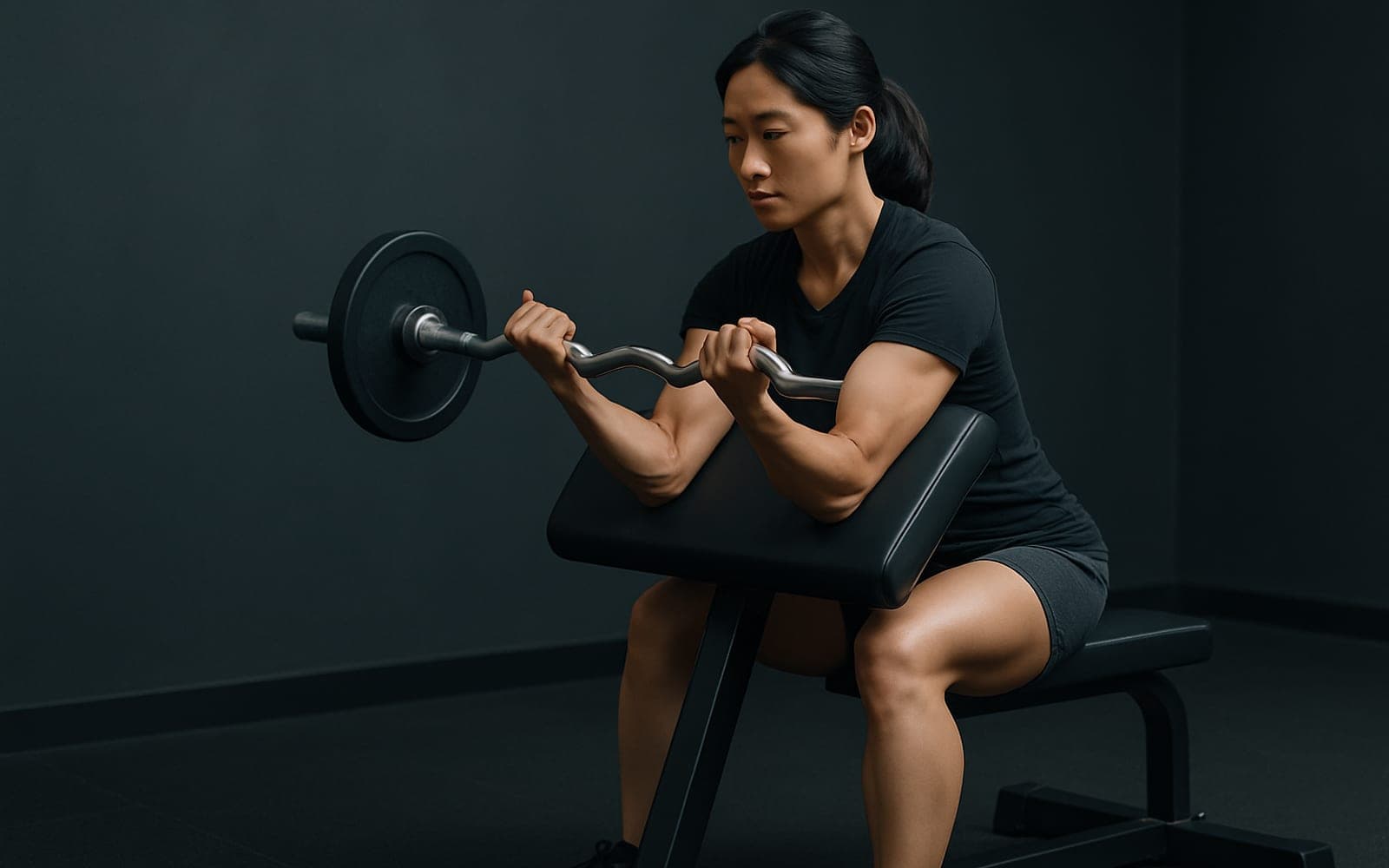
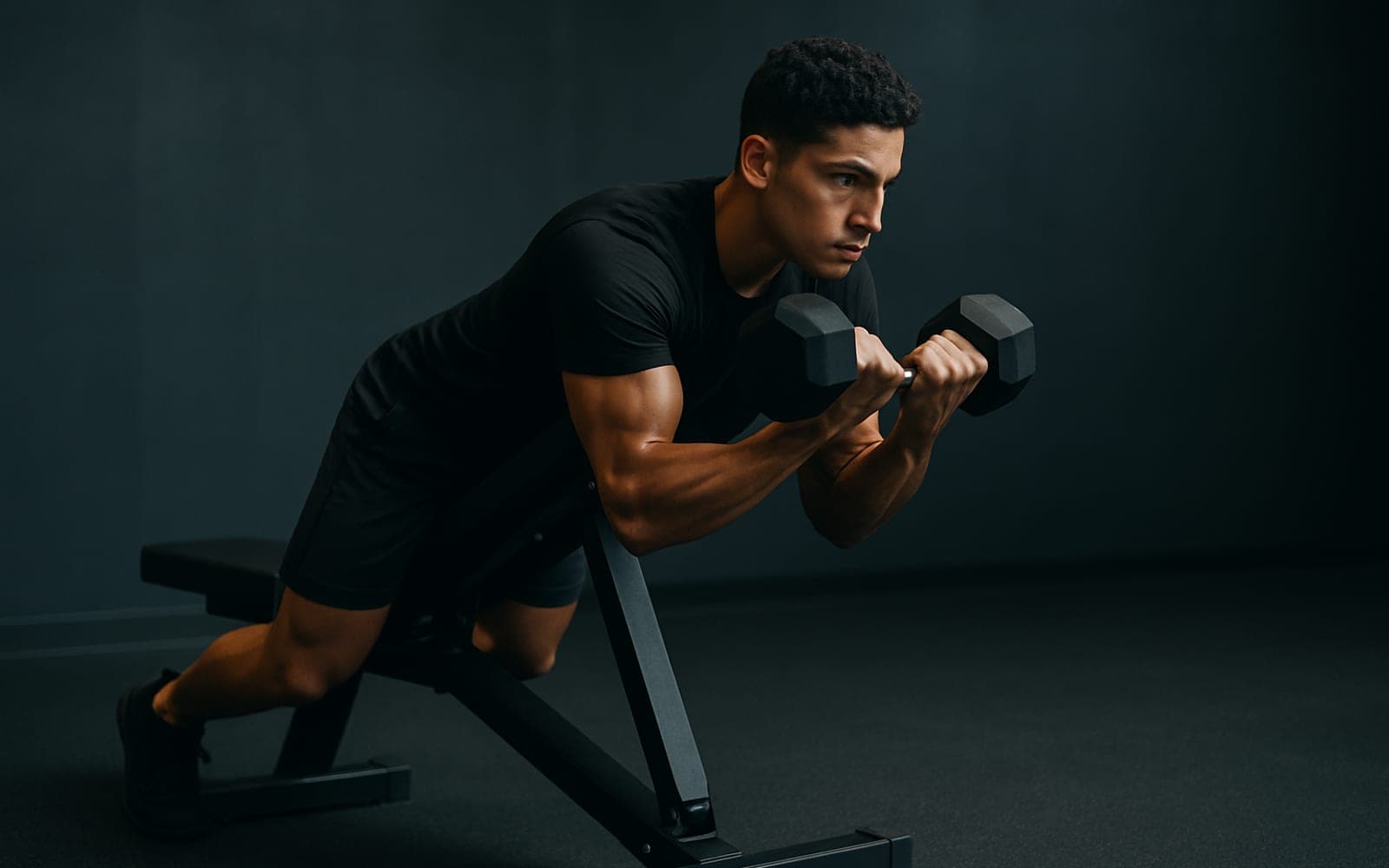
Upper arms on the pad; grab the bar or handles.
- 2
Execute the movement
Curl up, squeeze, lower under control.
Common mistakes
- Swinging
Make it harder
Make it easier
Accessibility
Substitutions
If a machine is busy or unavailable, these train the same pattern a different way.
Your progress over time
What to expect from training this consistently — everyone progresses at their own pace.
- 1
First few sessions
Learn the movement groove: strict elbow position, full range of motion, and an emphasis on squeezing the biceps at the top while lowering under control; light loads to prioritize technique and avoid shoulder/elbow compensation.
- 2
Weeks 2–4
Neuromuscular adaptation and improved mind–muscle connection with the biceps; you can increase load modestly while maintaining strict form and start to feel localized muscle soreness and pump after sessions.
- 3
Months 2–3
Noticeable early hypertrophy as training volume and progressive overload are applied consistently; you’ll be able to complete heavier sets for multiple reps and continue refining peak contraction and eccentric control.
- 4
Months 4–6
Clear increases in biceps size and strength relative to your starting point, improved symmetry between arms, and ability to manipulate tempo (longer eccentrics, paused reps) to further drive growth.
- 5
6+ months
Sustained muscle development and better-defined arm aesthetics; the exercise becomes a reliable isolation tool to add targeted volume, break plateaus in arm size, and support heavier compound pulling movements.
Benefits of the supported biceps curl
Directly targets the biceps brachii, producing focused hypertrophy and improved elbow flexion strength.
Supported position minimizes shoulder and torso involvement, reducing cheating and isolating the biceps more effectively than standing curls.
Strengthens the forearm flexors and improves grip endurance as a secondary benefit from repeated curling work.
Controlled eccentric lowering promotes muscle damage and metabolic stress important for hypertrophy when paired with progressive overload.
Helps correct strength or size imbalances between arms because each arm can be worked with strict isolation and consistent range of motion.
Serves as a useful accessory movement to increase arm size and aesthetic development, and to complement compound back-pulling exercises by increasing direct arm work.
Exercises that pair with this
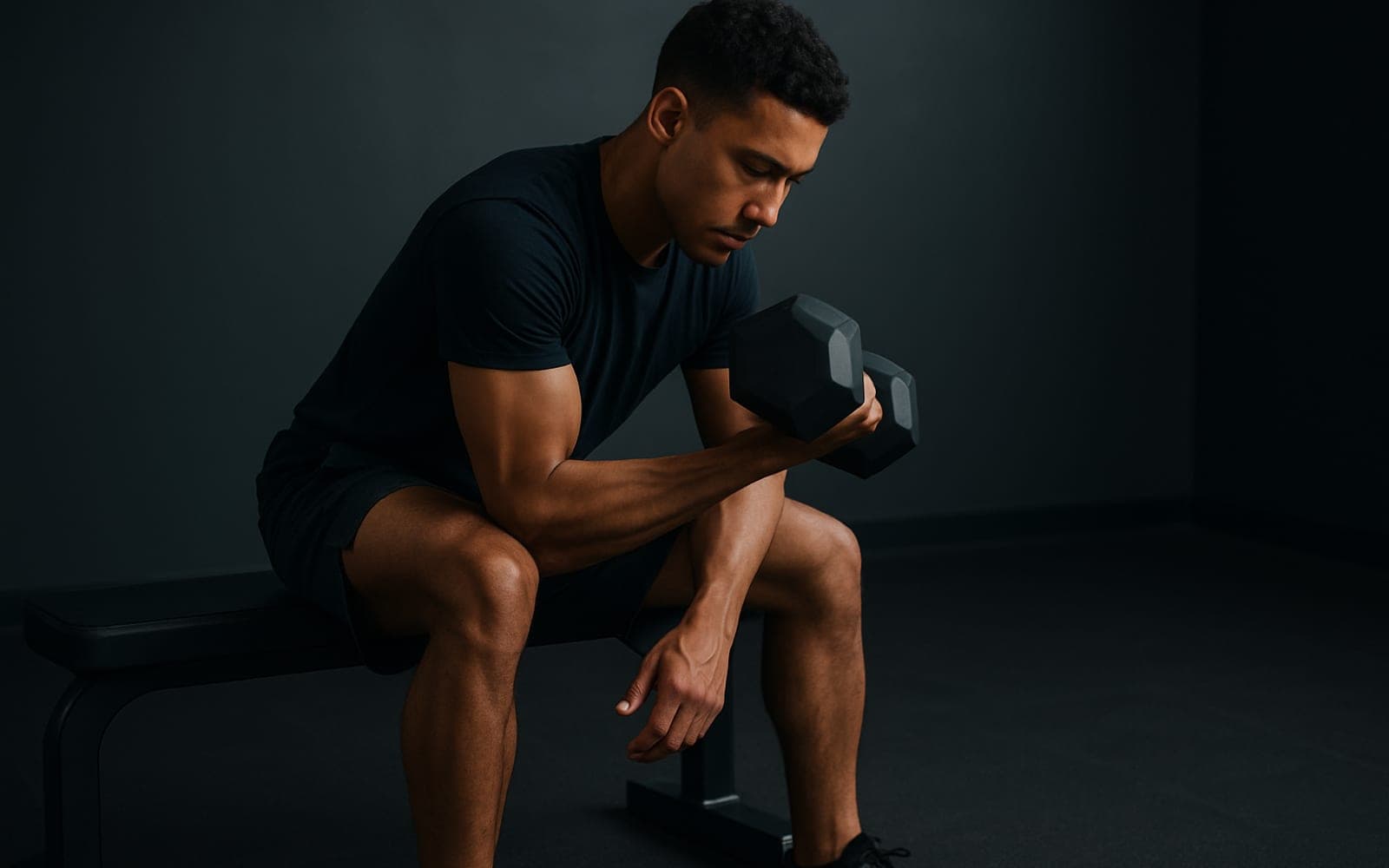
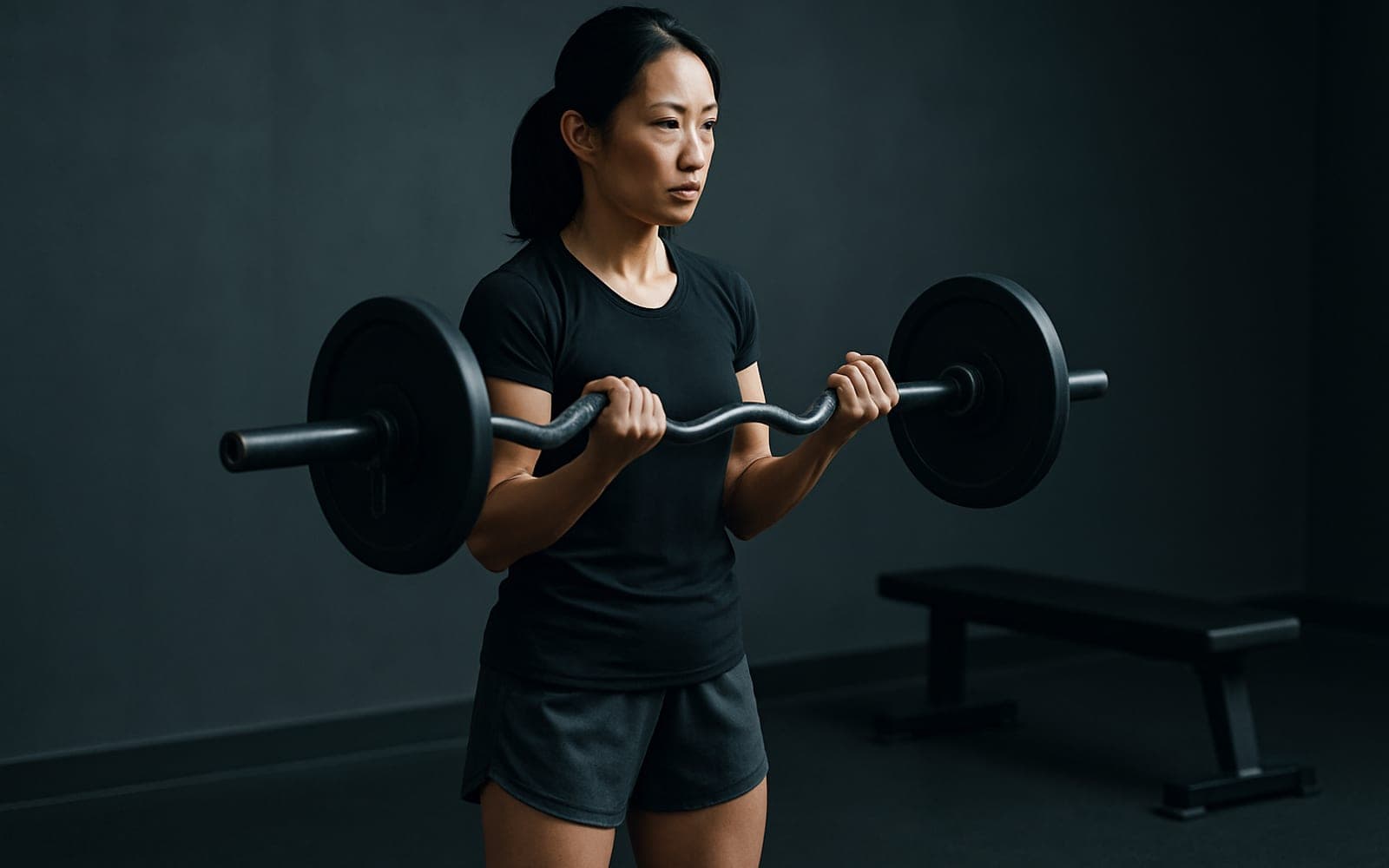
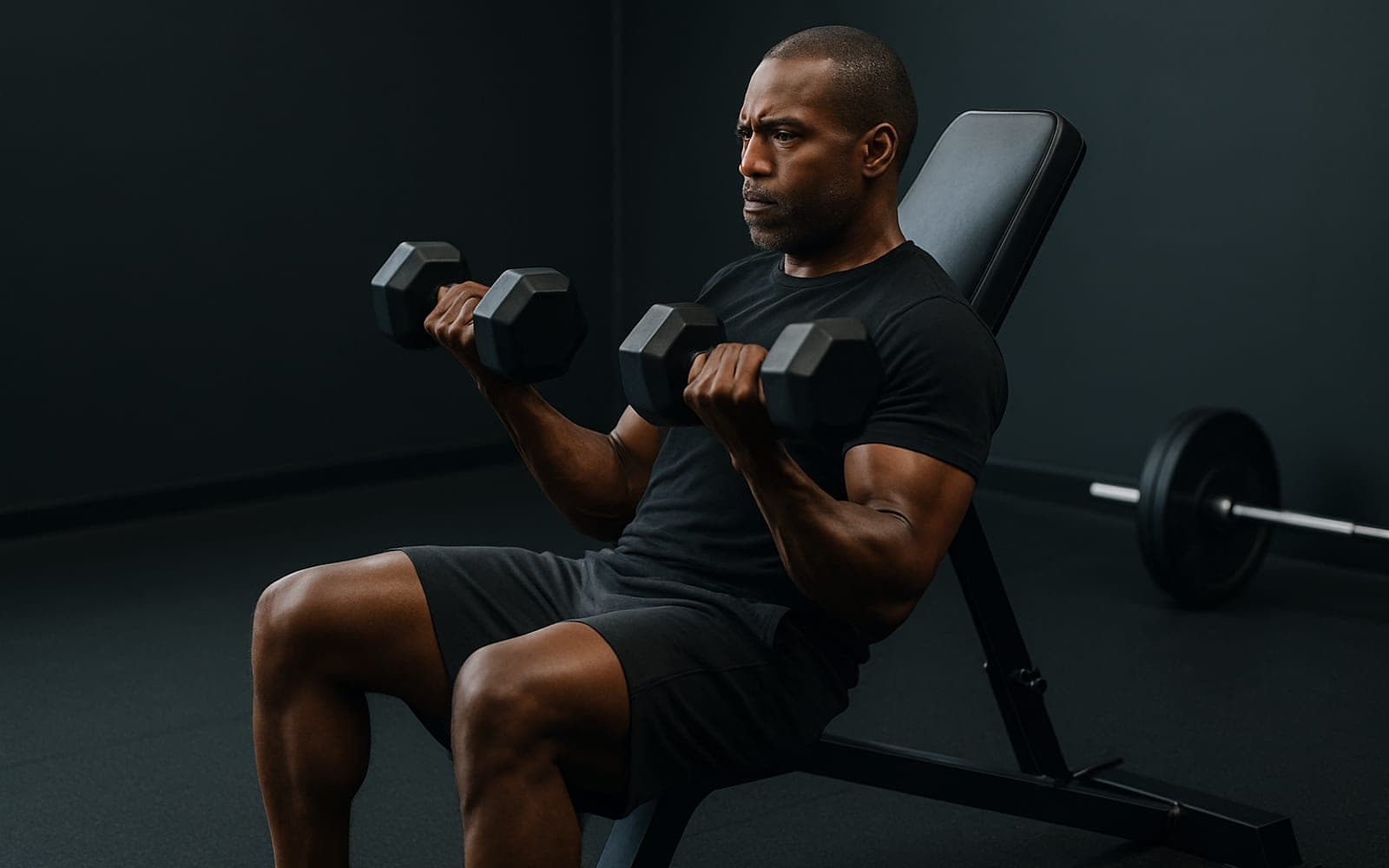
Same muscles or the same movement pattern — useful for building the rest of the session.
Supported Biceps Curl — questions people ask
What muscles does the supported biceps curl work?
The supported biceps curl trains the biceps as the primary target, with the forearms working as support. It is a isolation pattern, so it also trains the coordination that pattern needs.
How many sets and reps of the supported biceps curl should I do?
Three sets of 8–12 reps with about 90 seconds of rest is a reliable default. Increase the weight once the last rep of every set still looks clean.
Is the supported biceps curl good for beginners?
Yes. The supported biceps curl is a beginner-friendly movement. Reduce weight. If it feels like too much, build the pattern on the band curl first.
What can I do instead of the supported biceps curl?
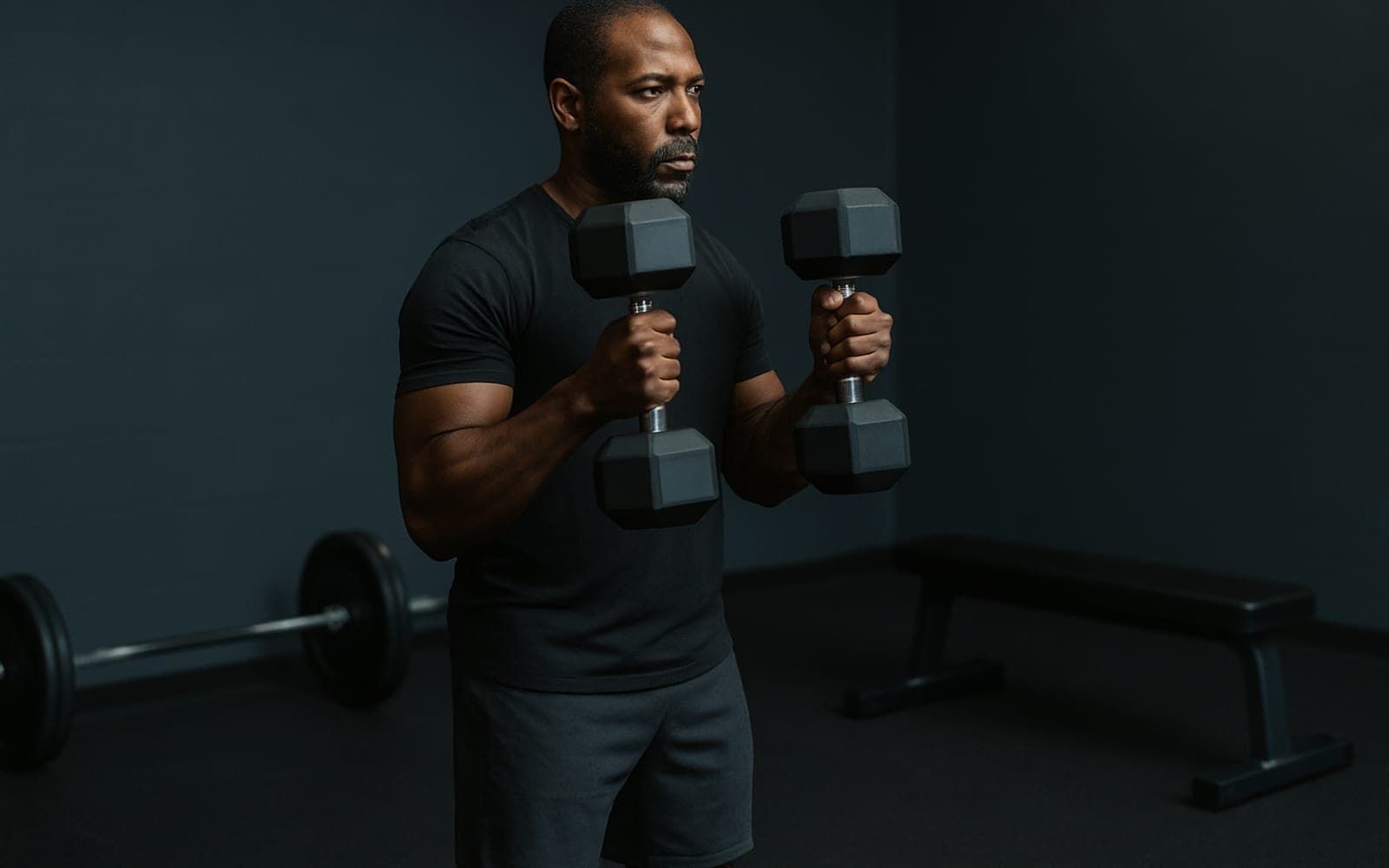
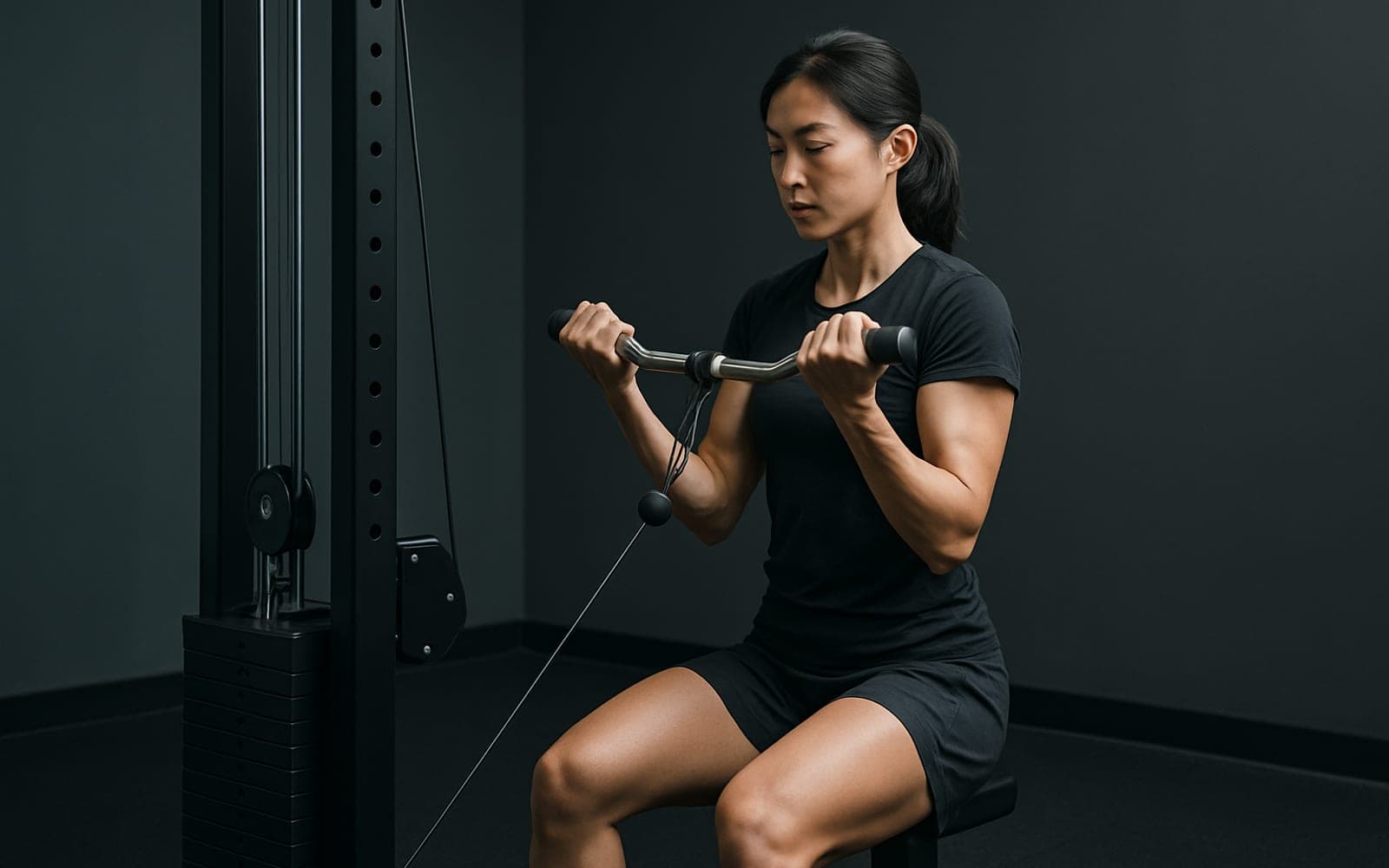
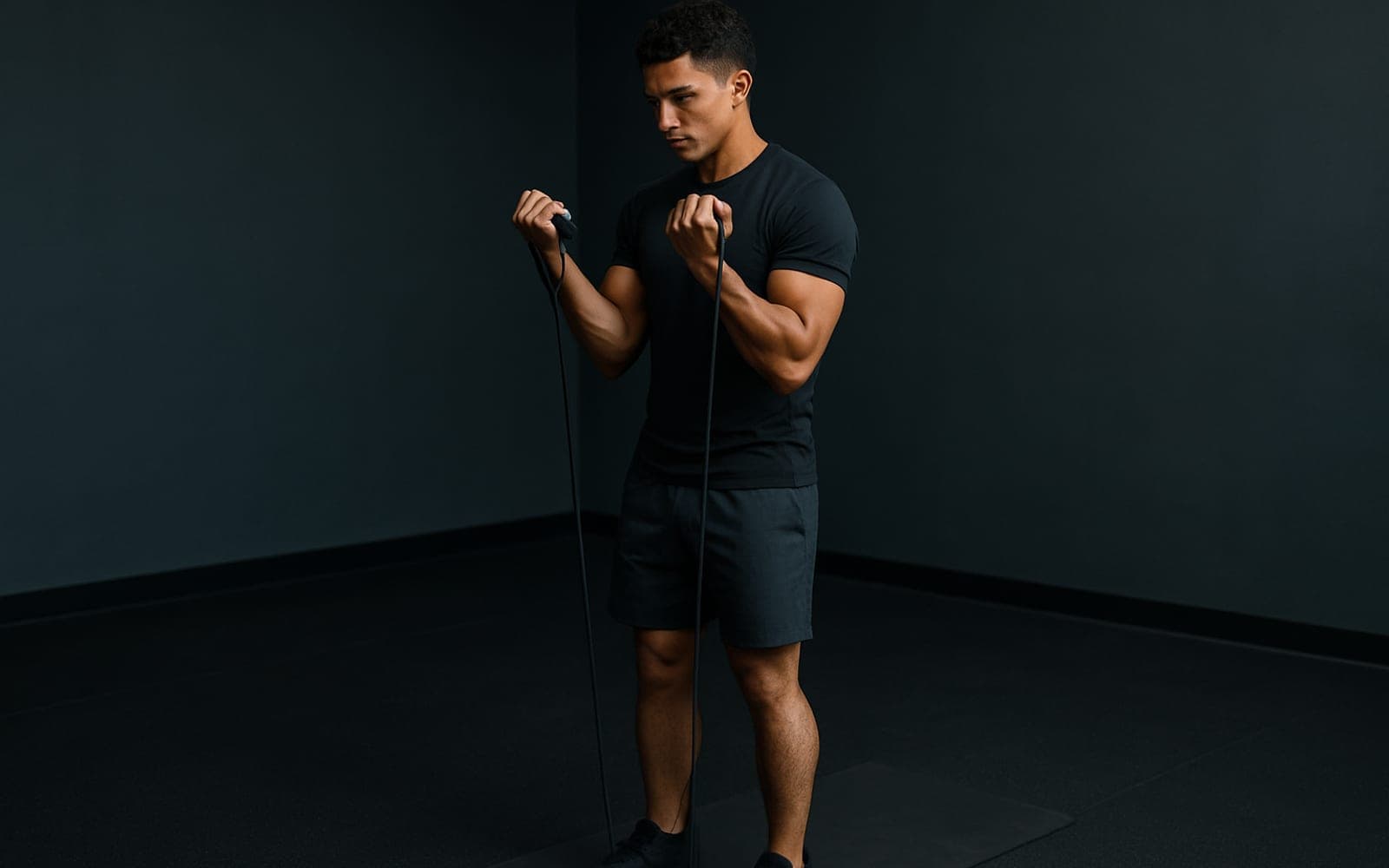
Hammer Curl, Cable Curl, Band Curl all train the same isolation pattern with different equipment, so any of them works when the machine is busy or your gym does not have it.
What are the most common supported biceps curl mistakes?
Swinging. Curl up, squeeze, lower under control.
Can I do the supported biceps curl at home?
The supported biceps curl needs selectorized strength equipment, which most home gyms do not have. The band curl trains the same pattern with nothing more than your bodyweight or a band.